Determining a Realistic Warranty Period for Roofing Production Equipment: A Technical Perspective
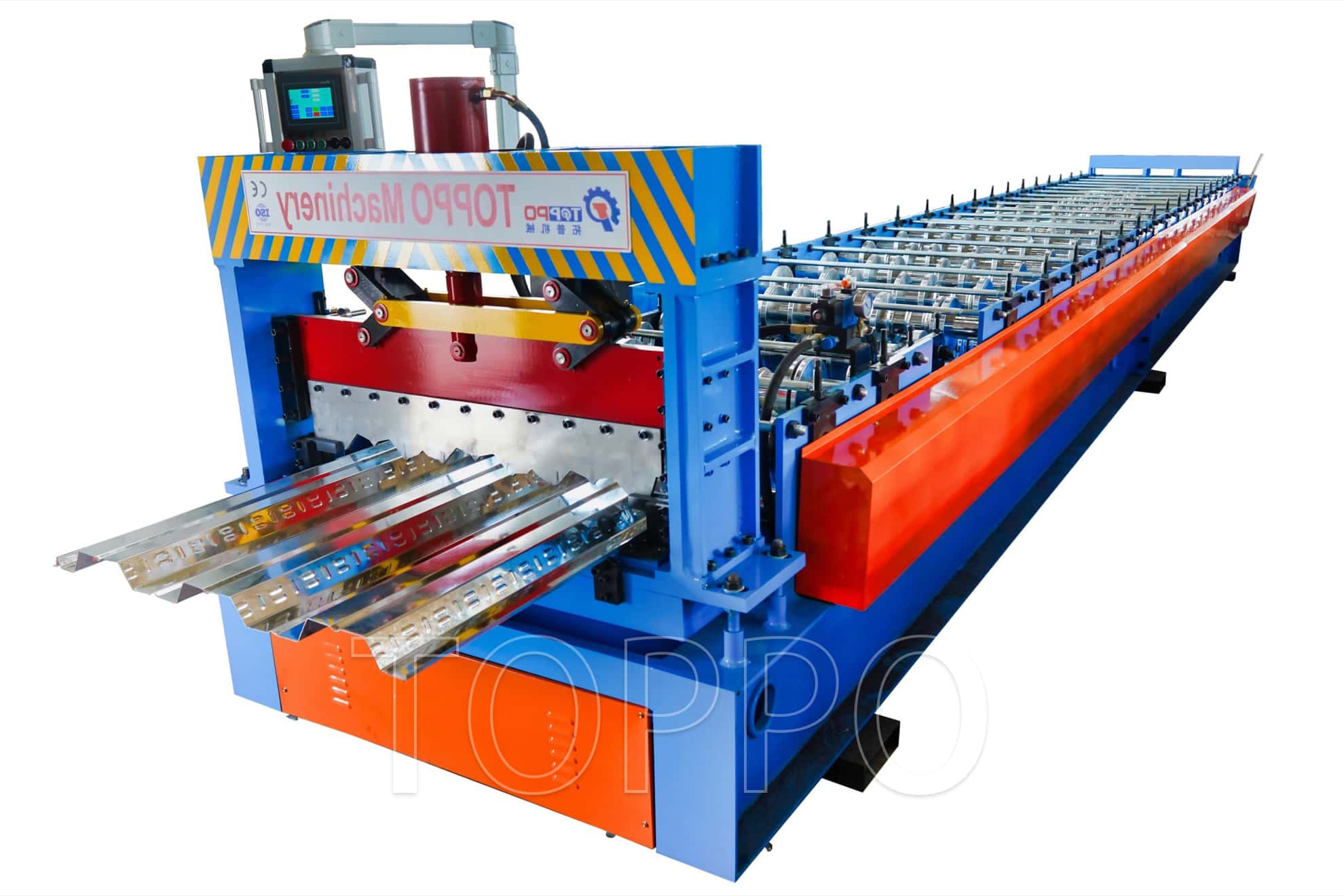
When purchasing roofing manufacturing machinery, one of the most critical negotiation points is warranty duration. Many buyers simply compare whether the supplier offers 12, 18, or 24 months. However, for complex systems such as a double layer roofing sheet roll forming machine, the real question is whether the warranty structure matches the technical risk of the equipment. A realistic warranty plan must combine component quality, installation standards, operator training, and preventive maintenance.
In industrial practice, most reputable manufacturers offer between 12 and 24 months of warranty coverage. While this range is common, the ideal period depends on equipment complexity, working conditions, and power supply stability. Instead of focusing solely on the number of years, buyers should evaluate coverage details and implementation procedures.
1. Key Components That Require Warranty Coverage
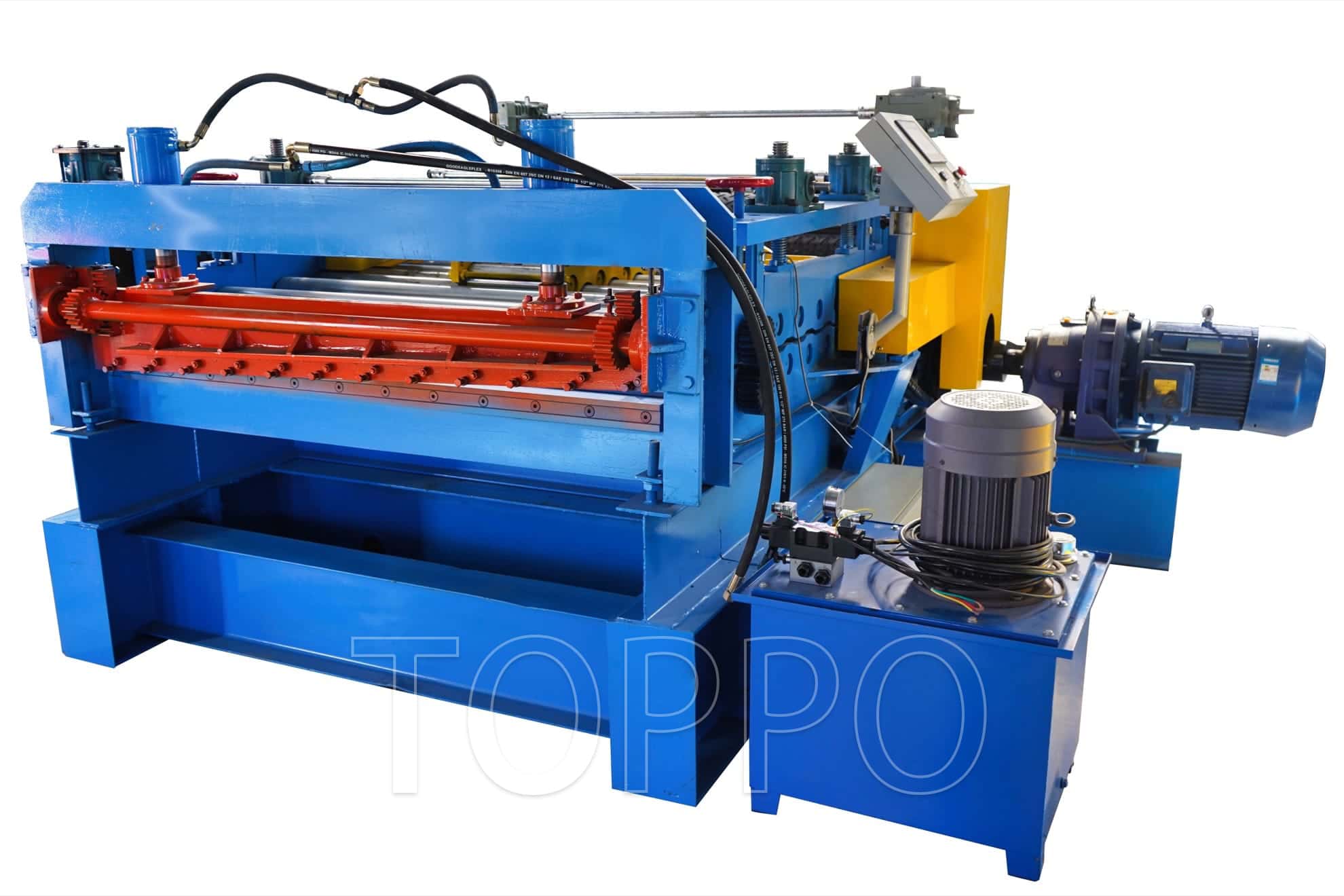
A professional warranty should include the forming rollers, transmission shafts, main drive motor, gearbox, PLC control system, and hydraulic cutting station. Wearable parts such as blades and seals are typically excluded, but this must be clearly defined in writing.
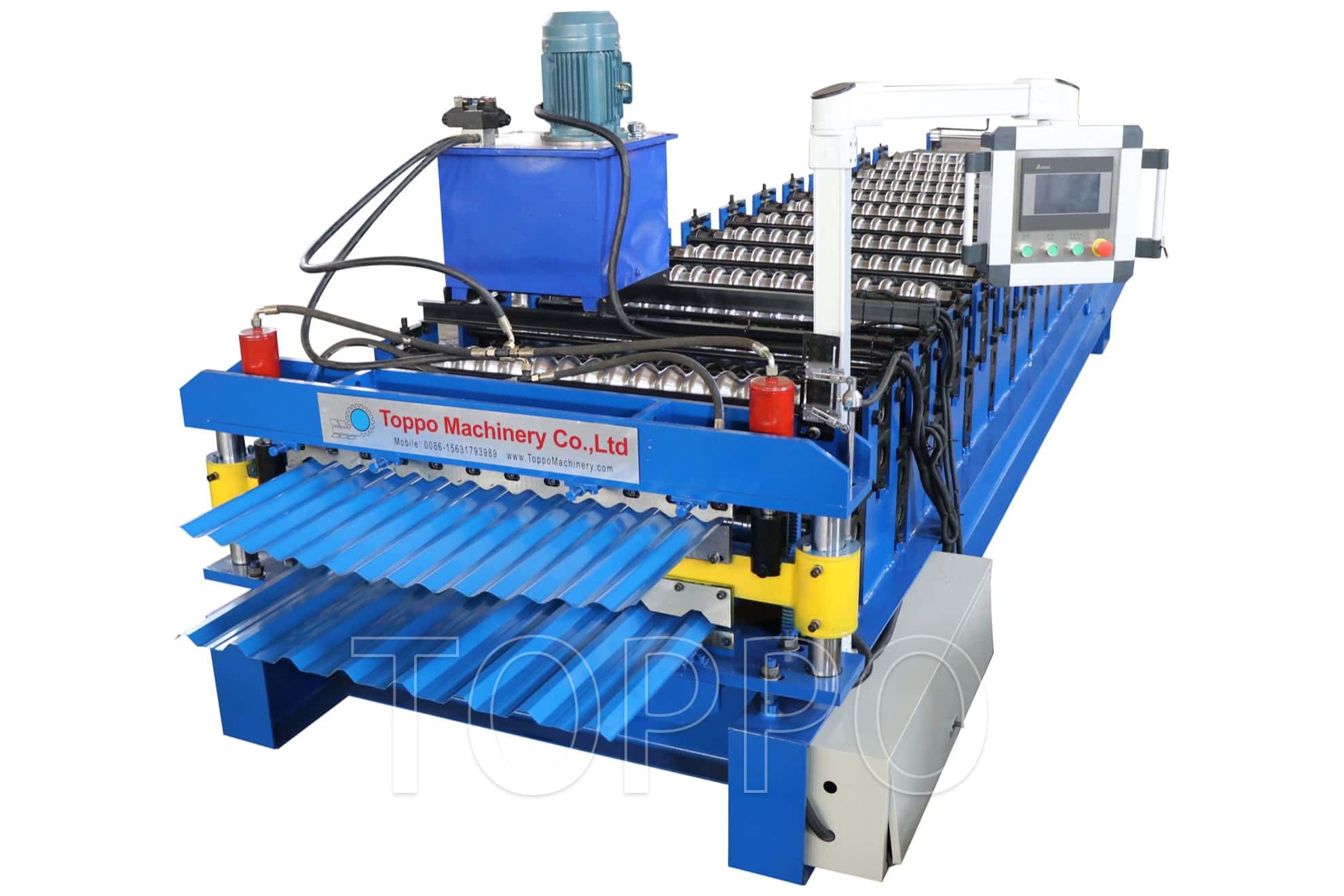
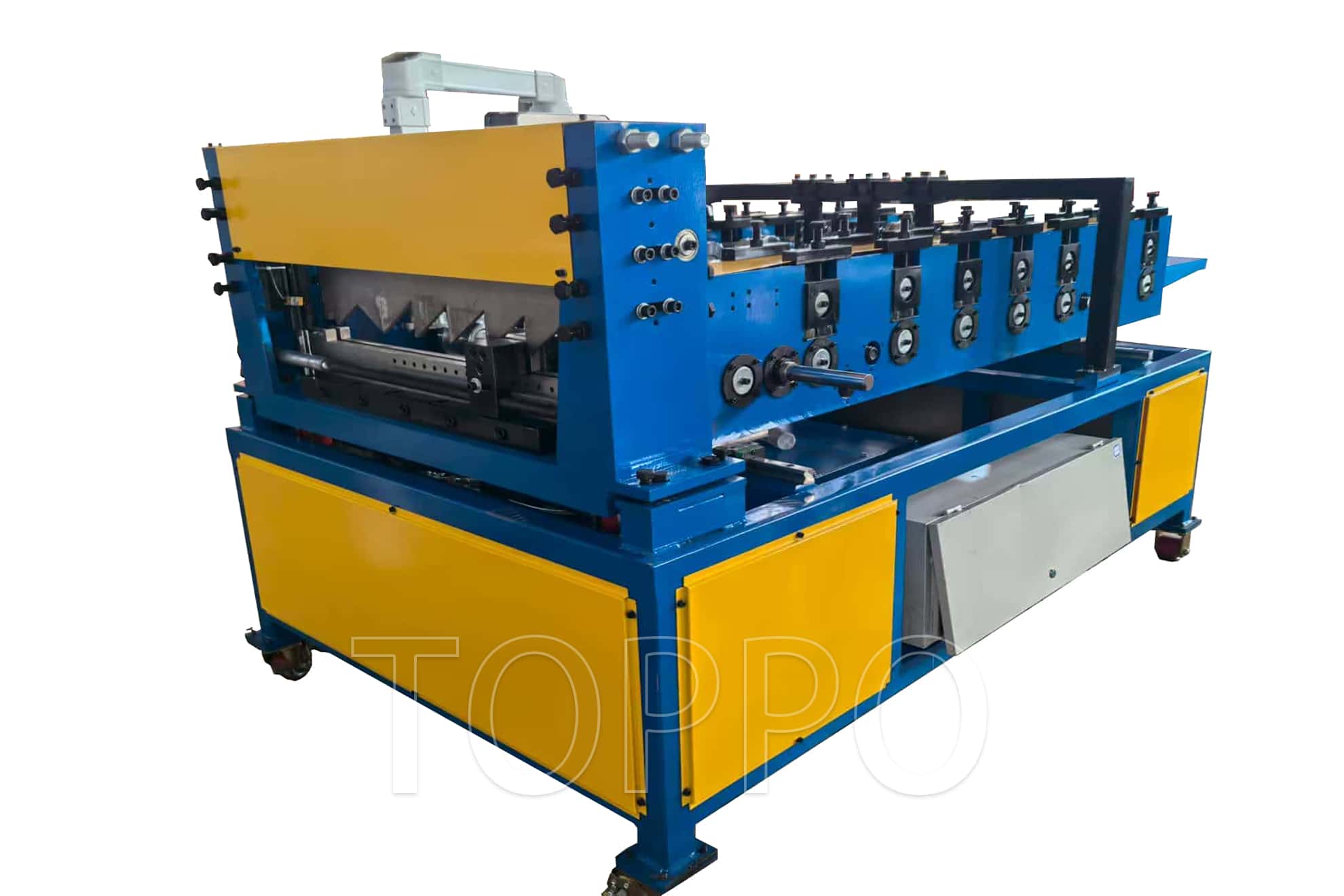
For example, when evaluating a double layer roll forming machine, confirm whether the frequency inverter and control modules are covered. Electrical failures are among the most frequent early-stage problems, especially in regions with unstable voltage.
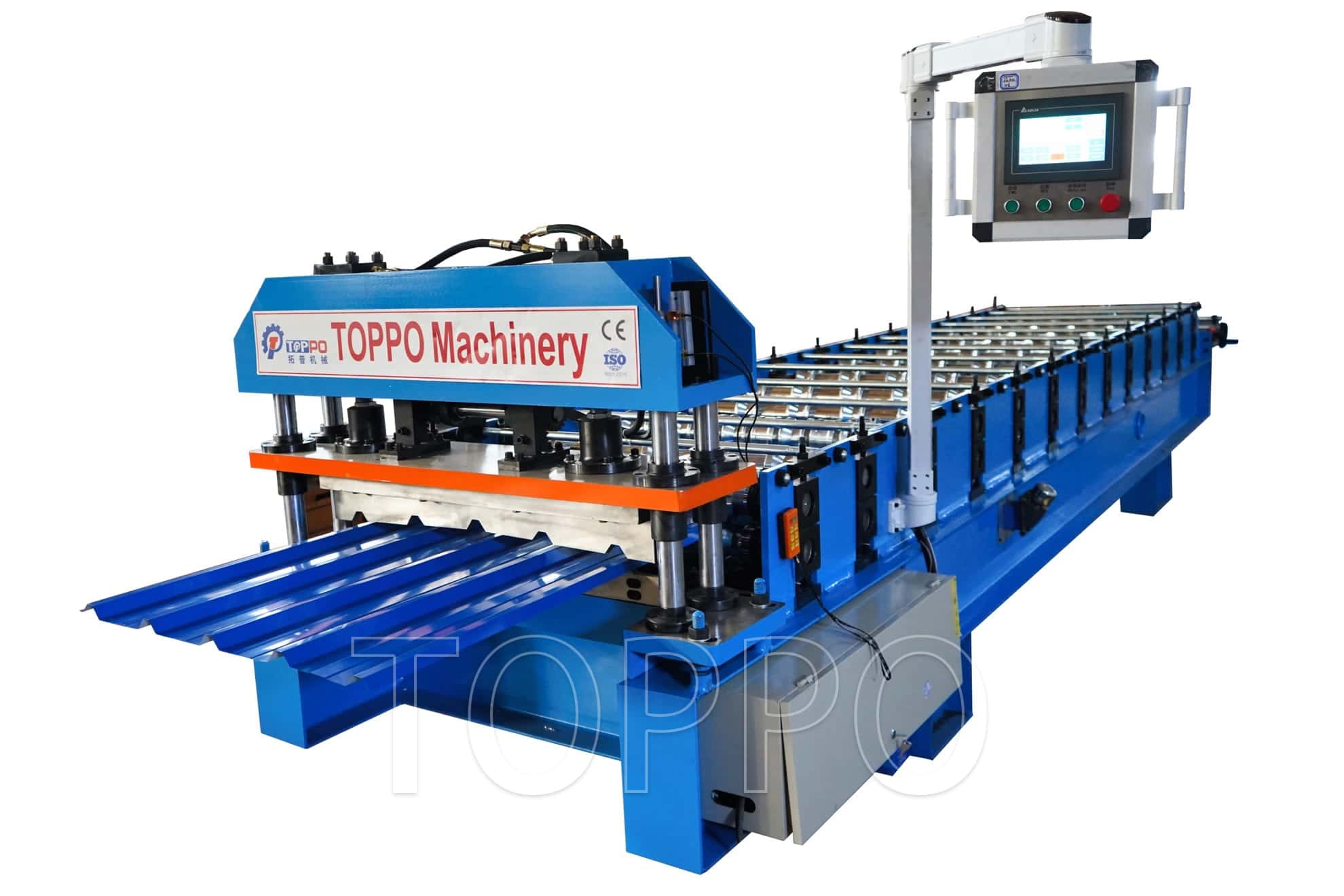
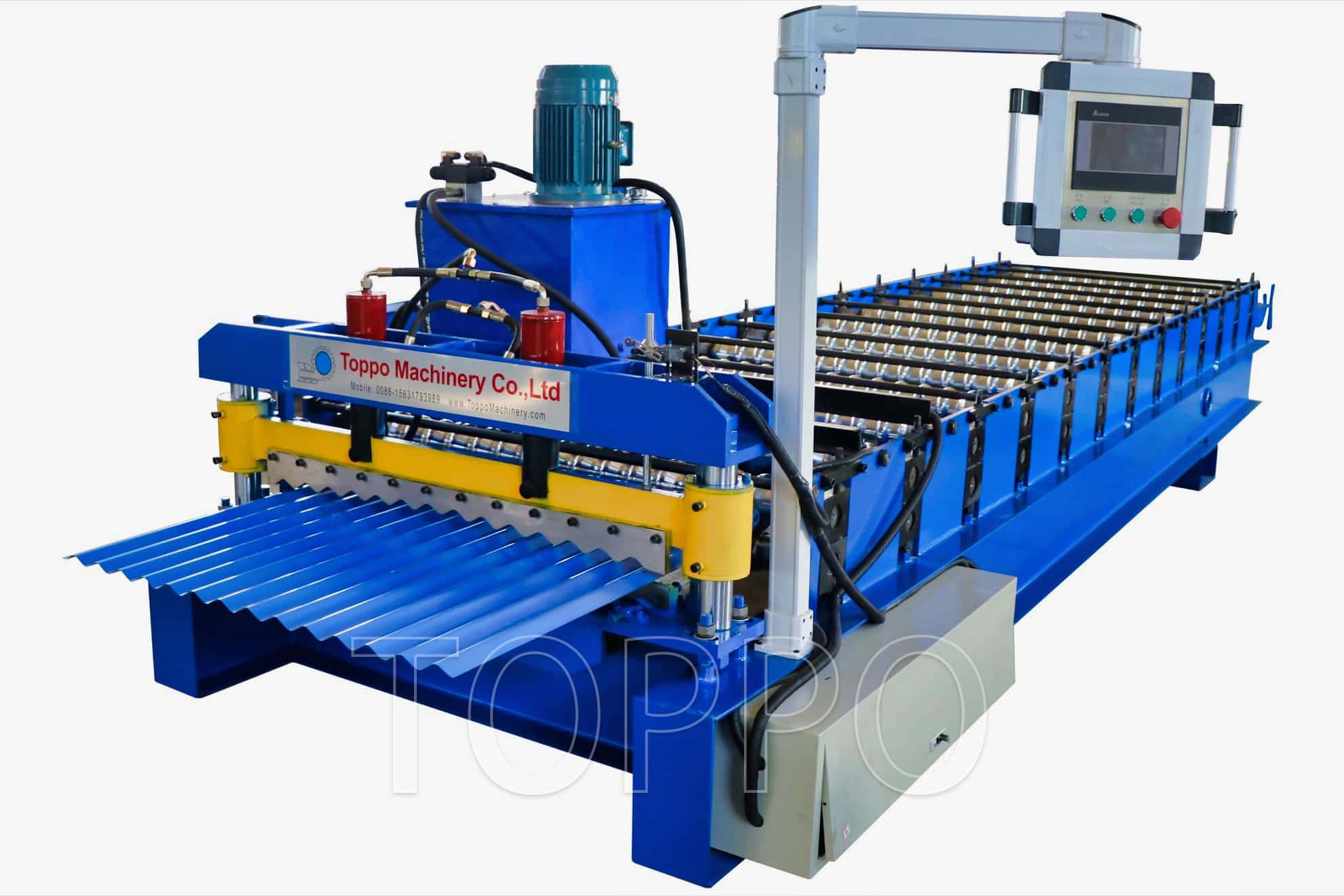
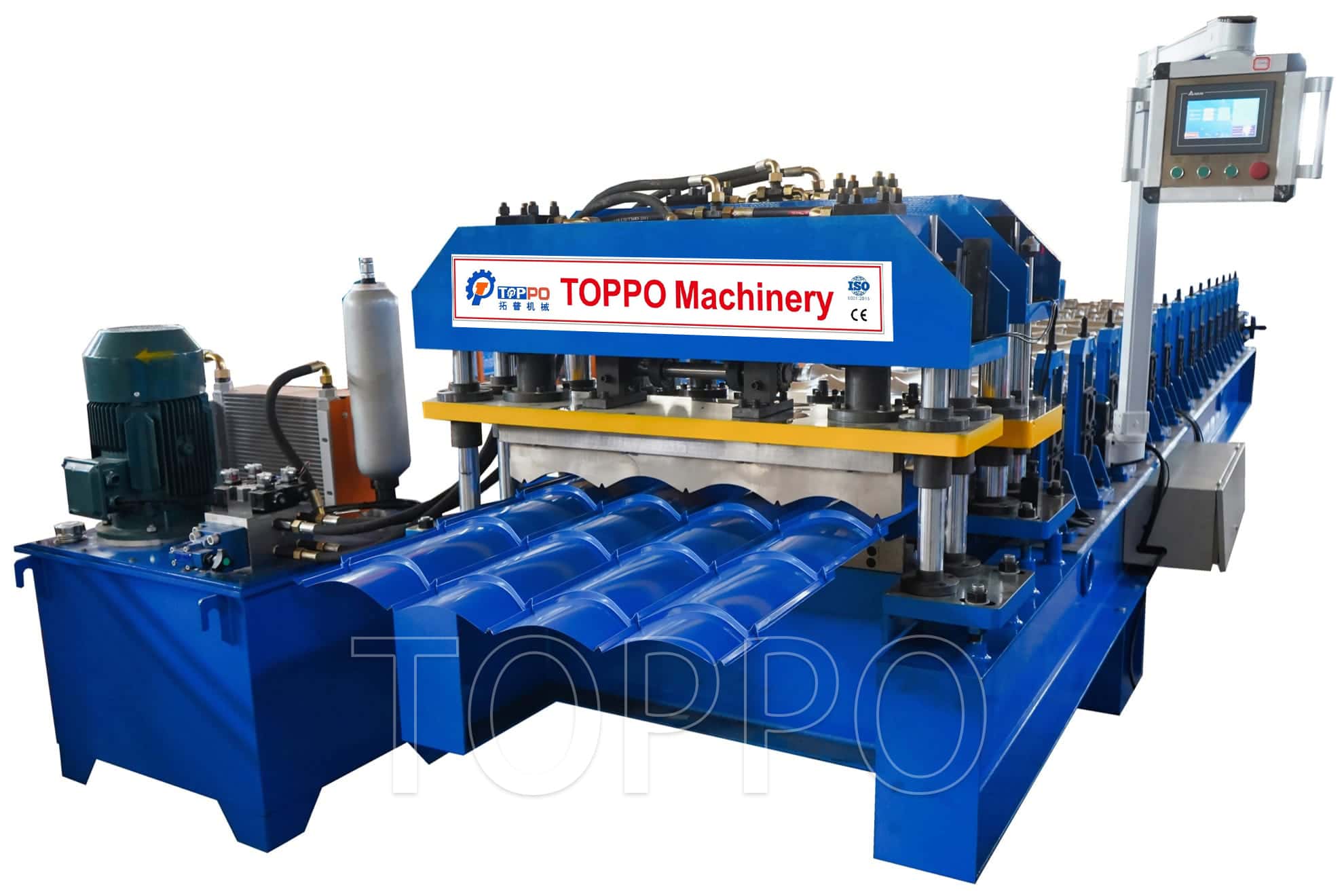
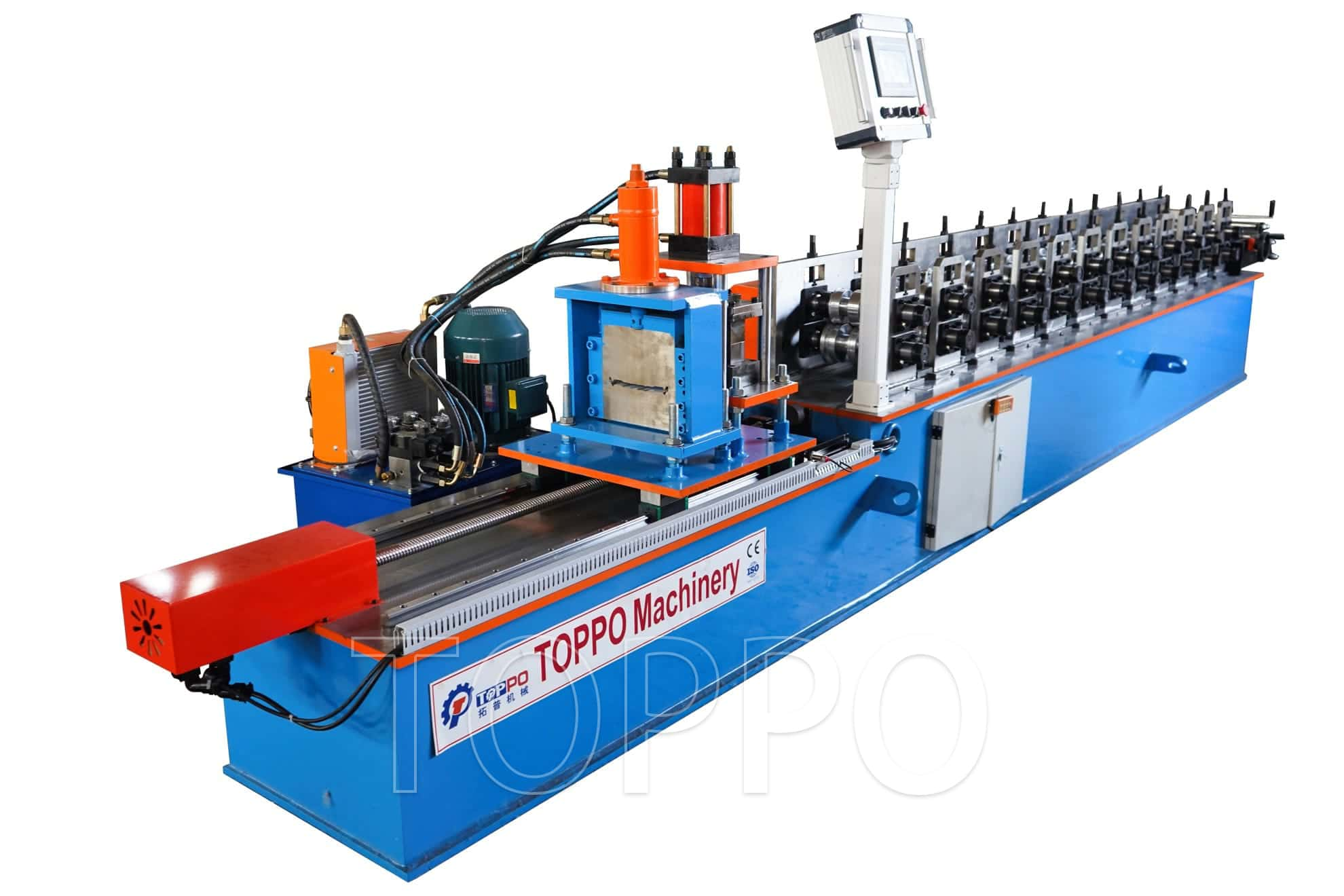
The same careful review applies when selecting a roof panel making machine for commercial roofing projects. Buyers should verify spare parts availability, remote technical support, and response time commitments before finalizing the contract.
2. Step-by-Step Implementation Before Shipment
Step 1: Continuous Operation Test
Before shipment, require the supplier to conduct a continuous full-speed trial of the double layer roofing sheet roll forming machine for at least 60 minutes. During the test, monitor motor current stability, hydraulic pressure consistency, oil temperature, and vibration levels. Any abnormal sound or overheating should be addressed before delivery.
Step 2: Finished Product Inspection
Measure panel dimensions carefully, including effective width and wave height. Tolerance should remain within ±1mm. Inconsistent dimensions may indicate improper roller alignment.
Step 3: Electrical Safety Verification
Check grounding resistance, emergency stop functionality, and PLC parameter backup. Improper electrical installation is one of the most common reasons warranty claims are rejected.
These procedures should also be repeated when installing the roof panel making machine at the customer’s facility to ensure compliance with manufacturer requirements.
3. Common Operational Mistakes That Void Warranty
One frequent mistake is improper foundation preparation. In one South American factory, a double layer roofing sheet roll forming machine was installed on an uneven base. The resulting vibration caused shaft misalignment and premature bearing wear. Because installation standards were not followed, the supplier declined the warranty claim.
Another typical issue involves unstable power supply. A manufacturer connected its double layer roll forming machine directly to a fluctuating grid without using a voltage stabilizer. After inverter damage occurred within eight months, technical evaluation confirmed that the issue was caused by external electrical instability, voiding warranty coverage.
Neglecting lubrication schedules is another costly error. Even a high-quality double layer roofing sheet roll forming machine requires periodic inspection of bearings and gearboxes. Without maintenance records, proving responsible operation becomes difficult.
4. Real Industrial Case Study
A medium-sized steel structure company compared two suppliers for a roofing expansion project. Supplier A offered 12 months of warranty with structured operator training and detailed installation drawings. Supplier B offered 24 months but limited technical communication.
After 15 months of operation, Supplier A’s double layer roll forming machine maintained stable output due to proper alignment and disciplined maintenance routines. Operators monitored hydraulic pressure and motor temperature daily. The roof panel making machine produced consistent panels with minimal downtime.
In contrast, Supplier B’s equipment experienced frequent adjustment issues because installation guidance was insufficient. Although still technically under warranty, production delays resulted in higher overall operational costs.
5. Important Precautions During Warranty Period
Install voltage stabilizers to protect electronic components.
Maintain strict lubrication schedules for bearings and gears.
Inspect hydraulic hoses and seals regularly.
Keep electrical cabinets clean and moisture-free.
Document all maintenance and inspection activities.
Improper shutdown procedures are often underestimated. Abrupt power disconnection without system reset may damage PLC modules and reduce long-term reliability.
6. How Many Years Are Truly Necessary?
Based on industry data, most manufacturing defects appear within the first 12 months of operation. Therefore, a warranty of 12–18 months is generally sufficient for standard roofing equipment. For integrated systems such as a double layer roofing sheet roll forming machine that switch between multiple profiles, extending coverage to 18–24 months can provide additional security.
However, the effectiveness of any warranty depends on supplier credibility, installation accuracy, and maintenance discipline. A properly installed and well-maintained roof panel making machine can operate reliably long after the official warranty expires.
Conclusion
Determining a realistic warranty period for roofing production equipment requires technical evaluation rather than simple comparison of years. Buyers should focus on coverage scope, inspection standards, installation compliance, and supplier support capability. By implementing structured testing procedures and disciplined preventive maintenance, manufacturers can minimize risk and ensure stable long-term operation of their roofing production lines.
SEO Keywords
double layer roofing sheet roll forming machine, double layer roll forming machine, roof panel making machine, metal roofing roll former, steel roll forming machine, roofing sheet roll forming machine
Tags
double layer roofing sheet roll forming machine, double layer roll forming machine, roof panel making machine
READ MORE: