- Trapezoidal Machine
- Corrugated Machine
- Glazed Tile Machine
- Double Layer Machine
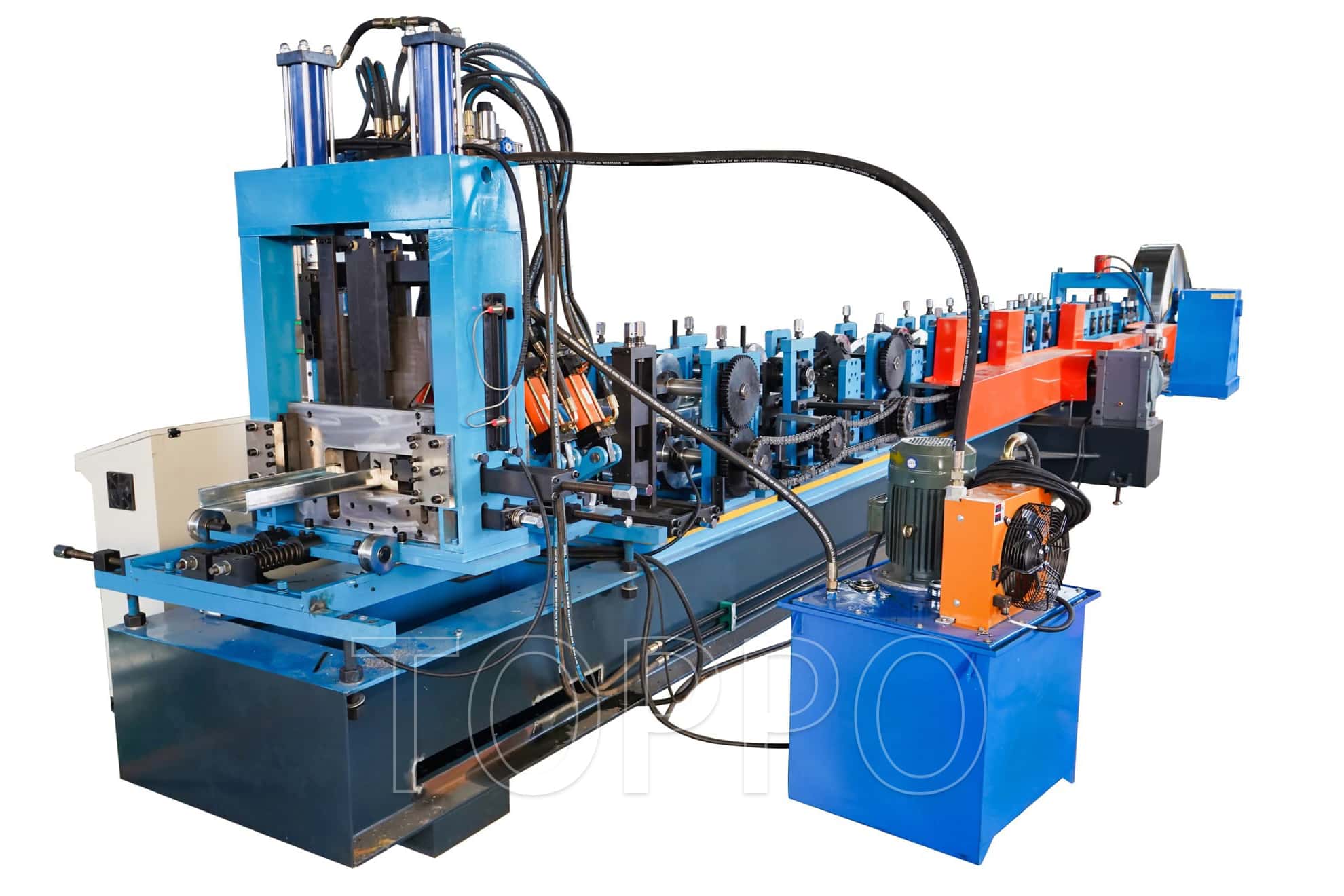
- CZU Purlin Machine
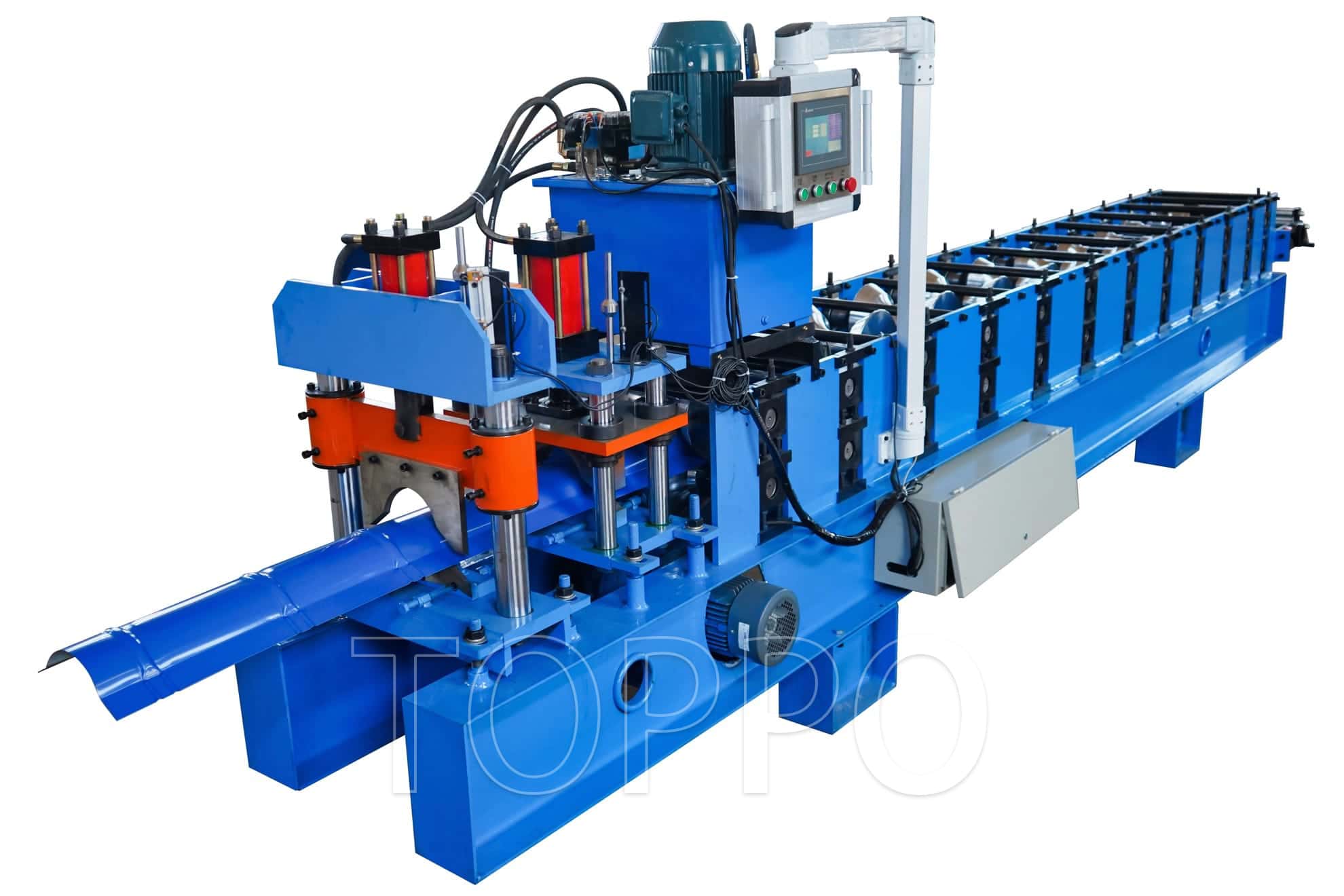
- Ridge Cap Machine
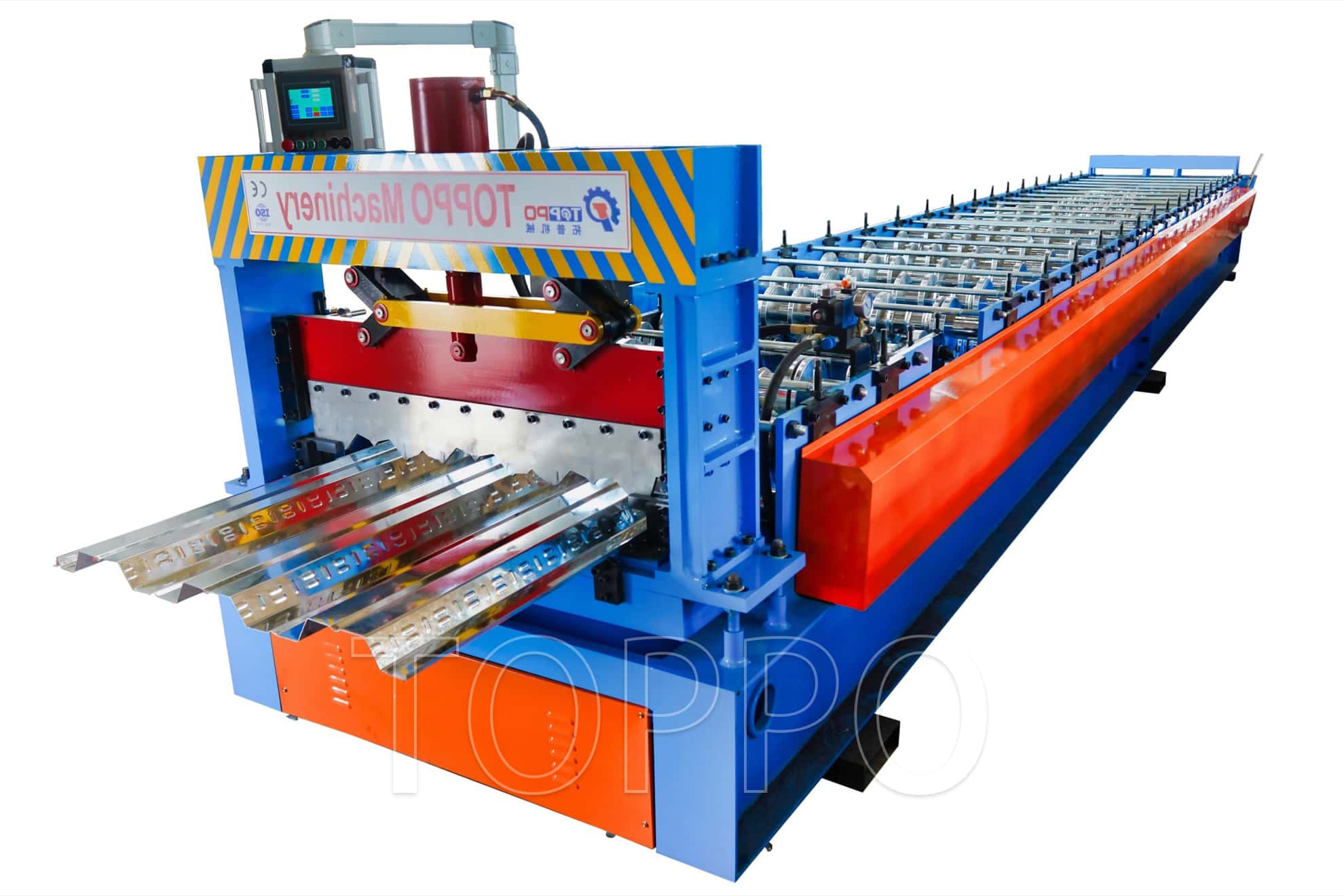
- Floor Decking Machine
- Rolling Door Machine
- Fence Machine
- Embossing Machine
- Standing Seam Machine
- Cut To Length And Slitting Line
- Guard Rail Machine
- Decoiler And Stacker
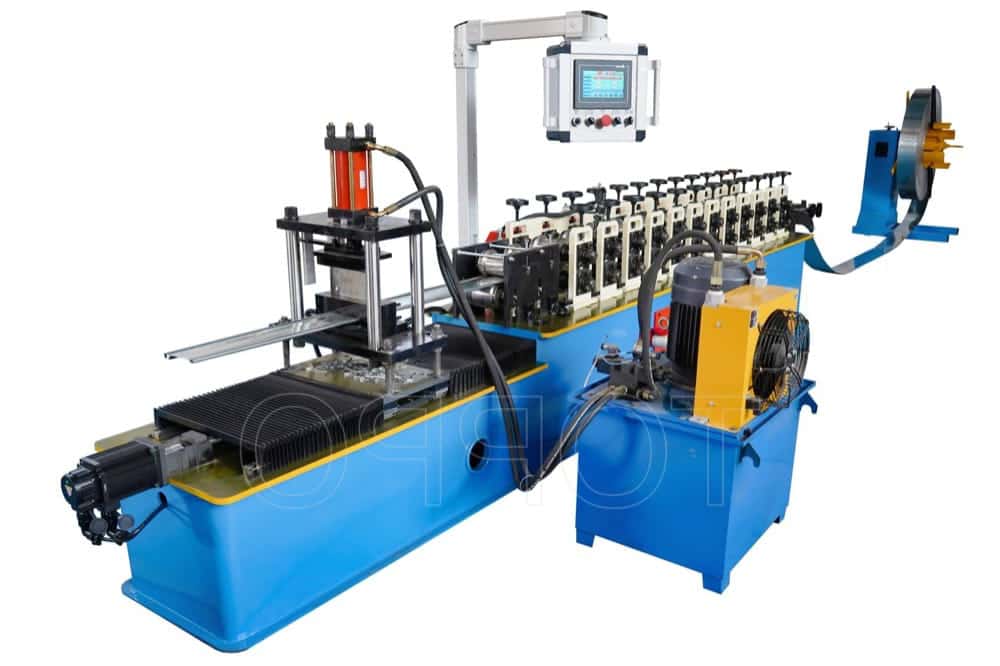
- Stud And Track Machine
- Gutter And DownPipe
- Curving Machine
- Cladding Panel Machine
- Corollary Equipment


Roofing Sheet Making Machine vs Traditional Methods: A Better Strategy for Modern Roofing Sheet Production
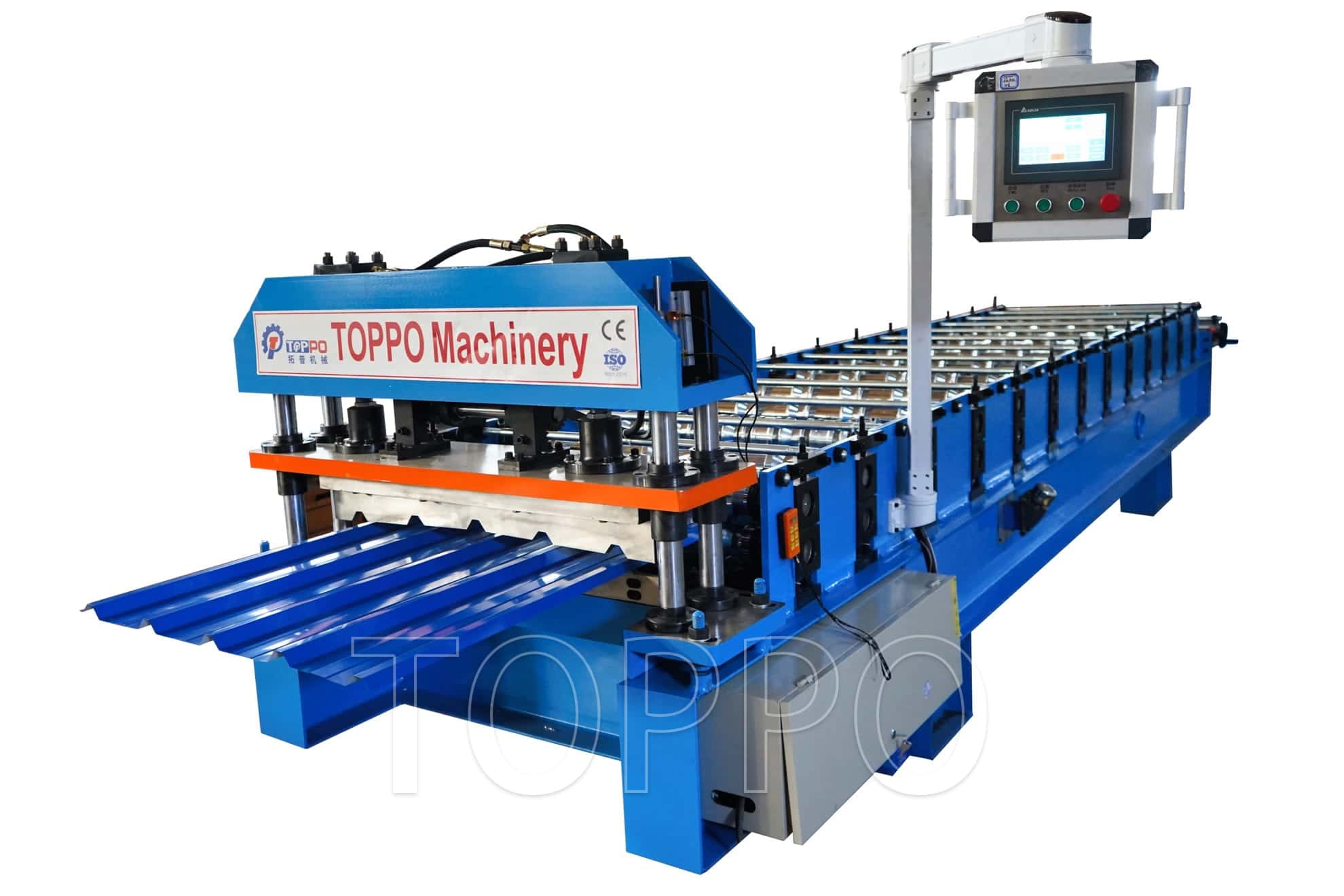
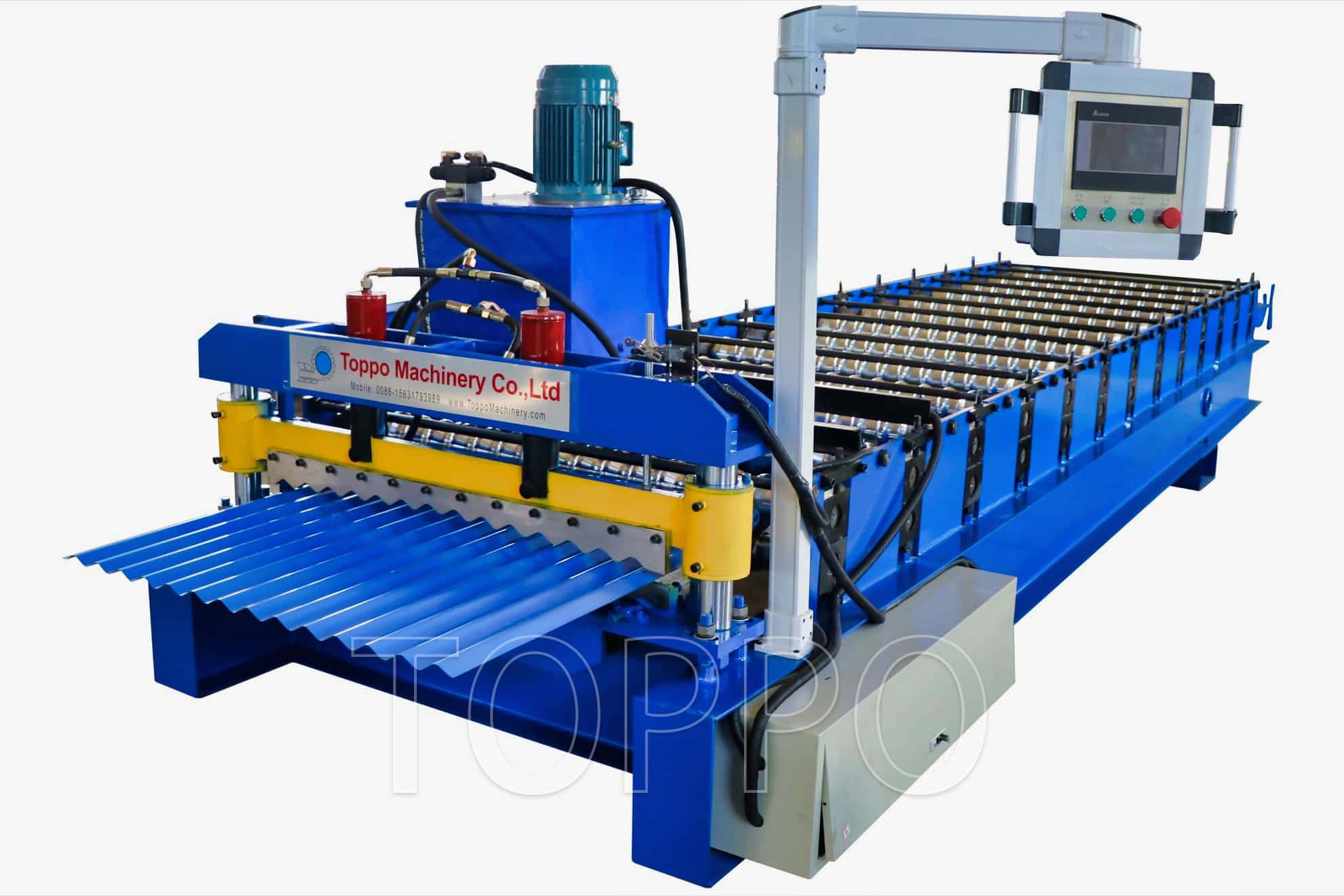
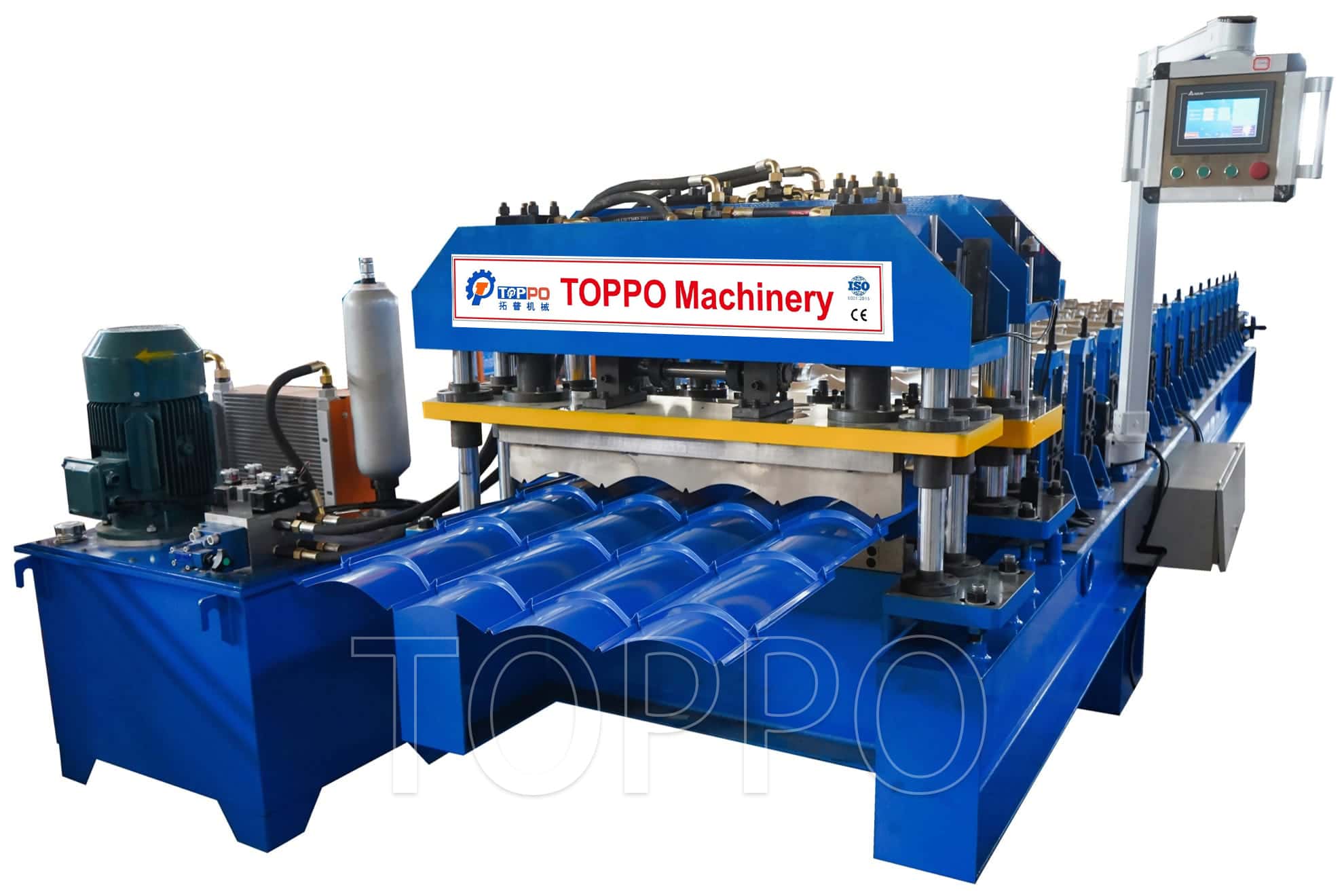
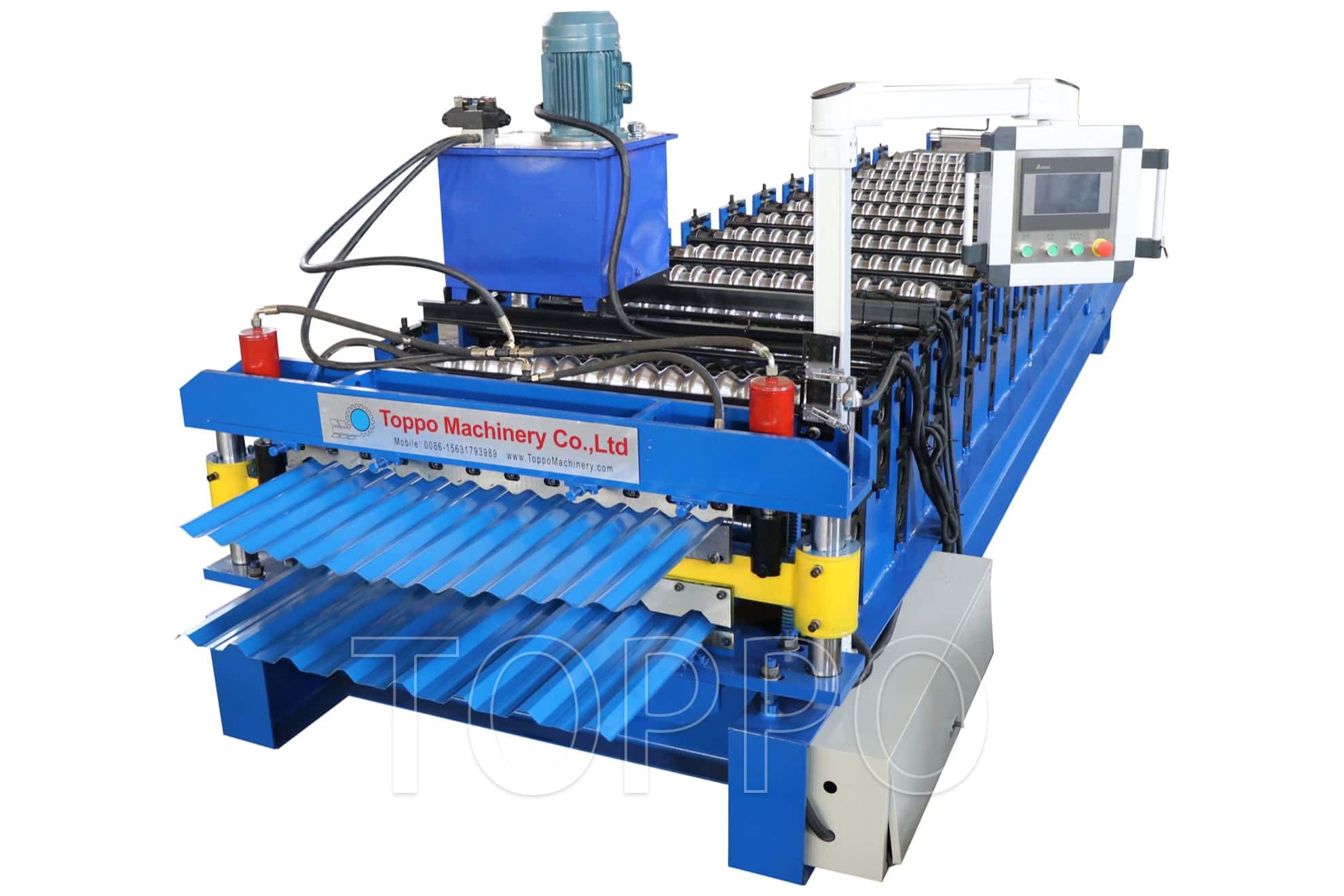
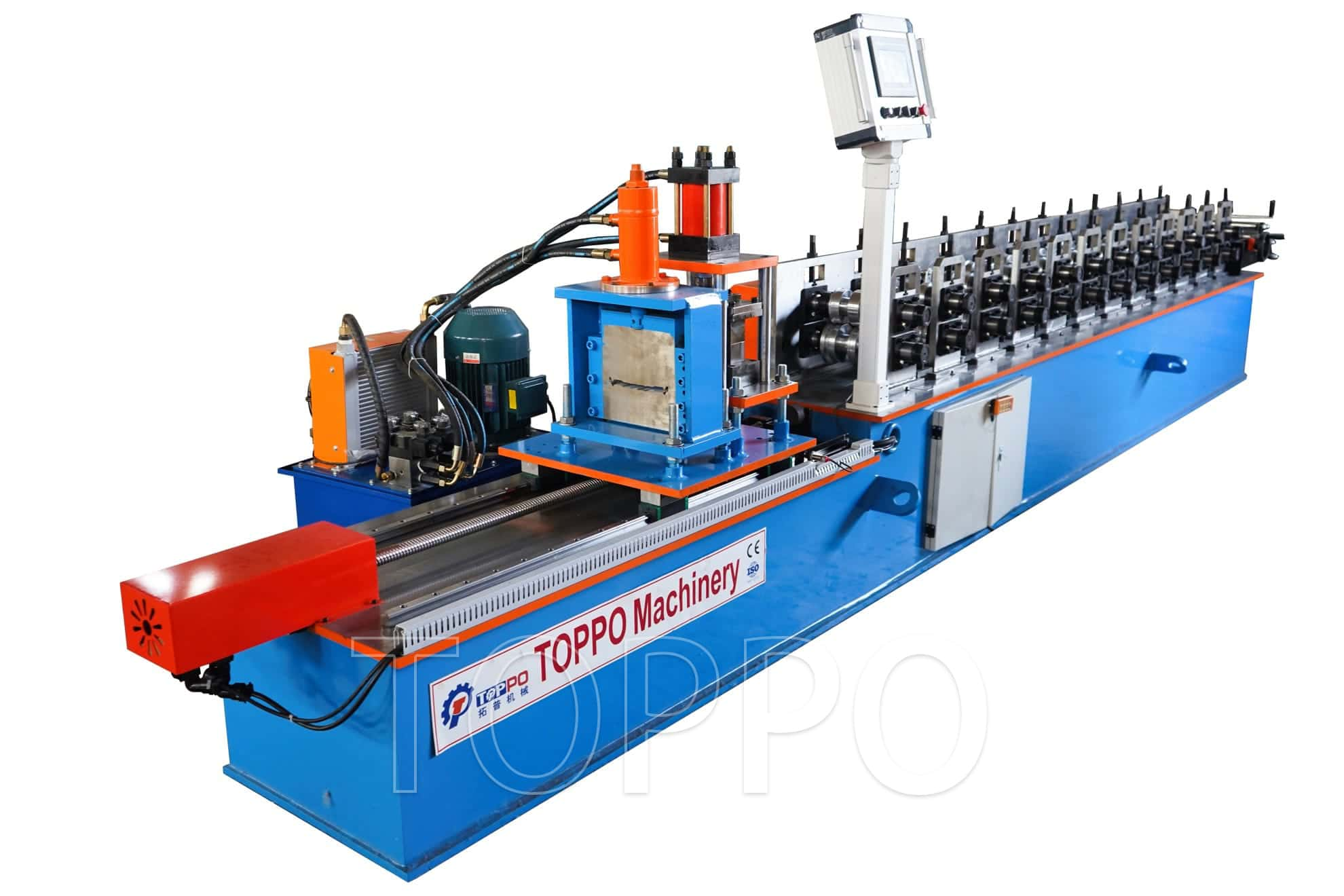
Roofing sheet making machine selection has become one of the most important decisions for manufacturers that want stable output, lower waste, and stronger quality control in competitive building material markets. Traditional production methods such as press-based shaping, segmented bending, or manual batch fabrication may still appear workable at first, especially for low-volume jobs. However, once production targets increase and customers expect better dimensional consistency, these older methods often reveal serious weaknesses in efficiency, repeatability, and surface protection. A continuous roll forming solution is usually more suitable for manufacturers that need dependable industrial-scale roofing sheet production.
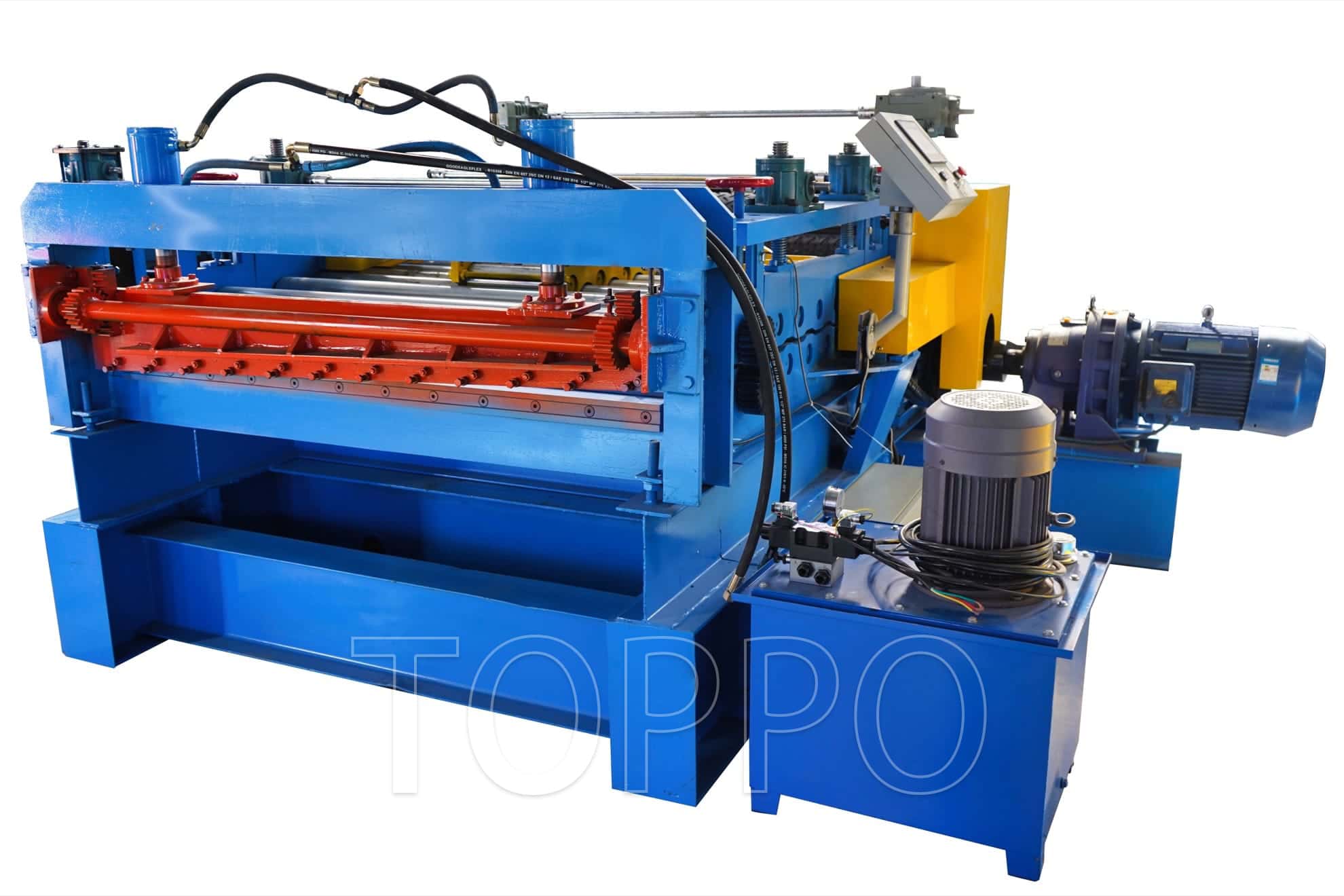
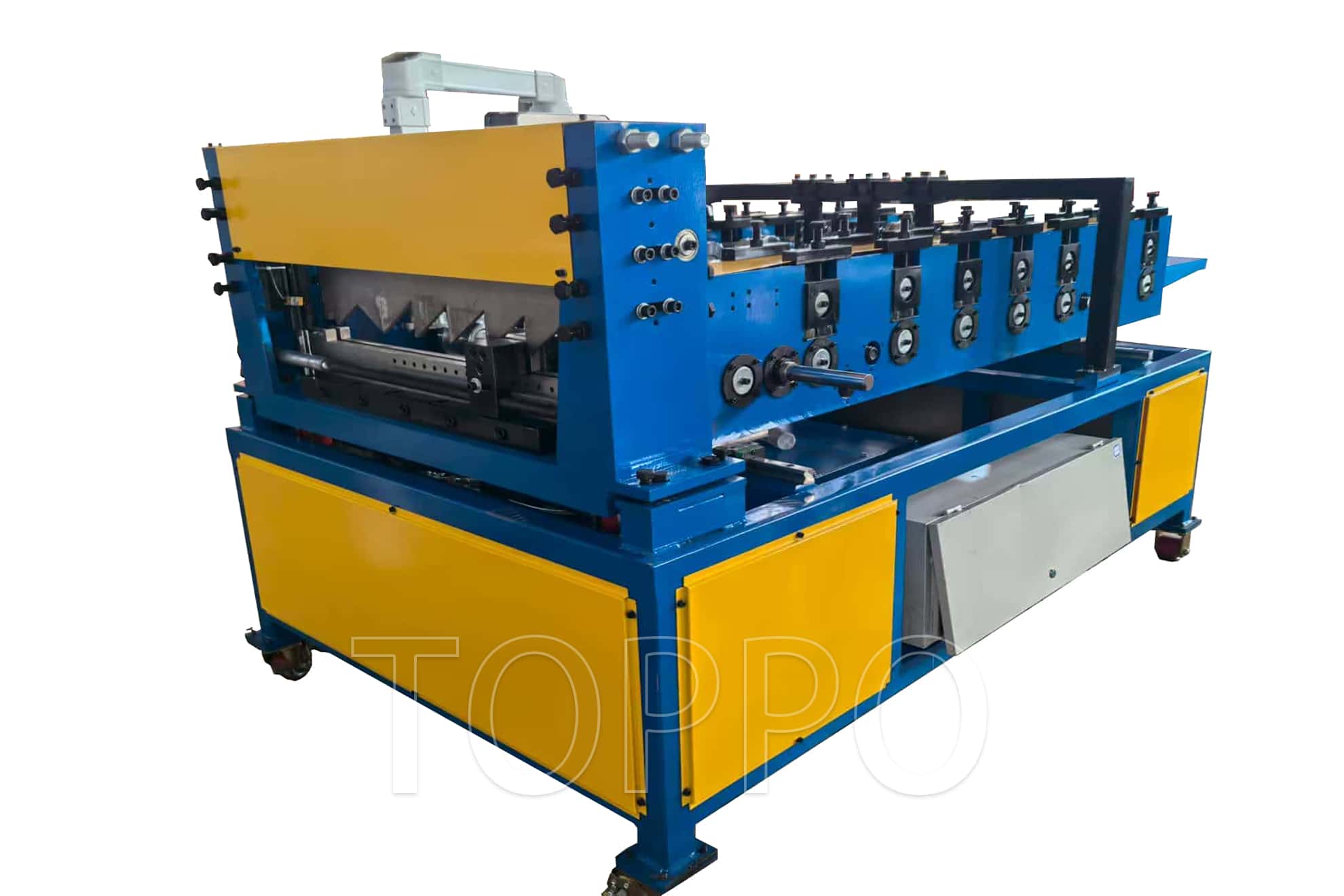
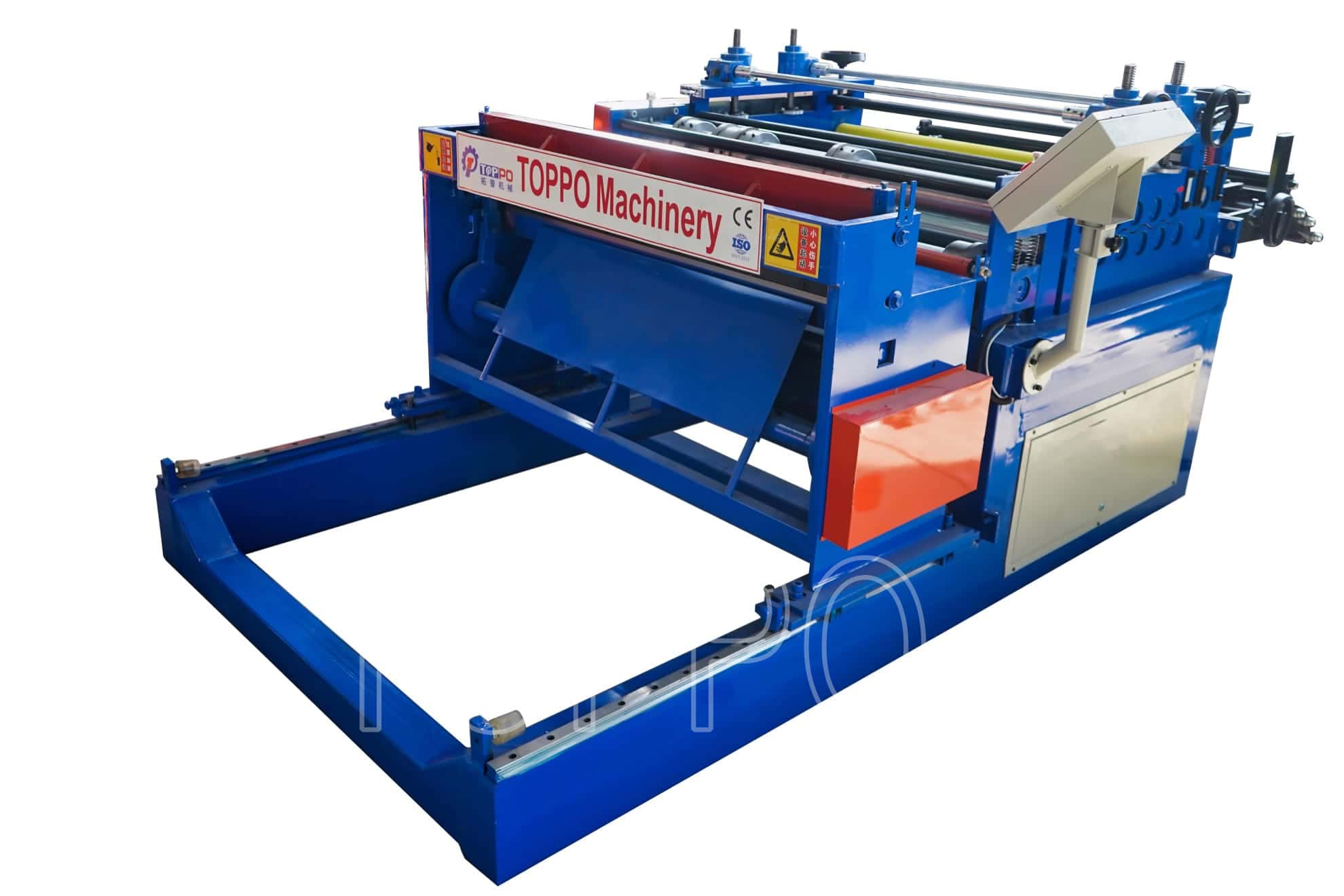
The reason is simple: traditional fabrication breaks the workflow into multiple disconnected stages. Every extra repositioning step increases labor use, handling time, and the possibility of misalignment. A modern roofing sheet making machine integrates decoiling, feeding, guiding, profiling, cutting, and output into one coordinated production process. This reduces human intervention and improves repeatability from the first sheet to the last. In practical factory conditions, that advantage is often the difference between acceptable output and scalable profitability.
Why Traditional Methods Fall Behind
Traditional methods rely heavily on operator skill at each stage. Even a careful team may produce variation in rib shape, effective width, overlap precision, or cut length when the sheet is handled multiple times. These deviations create problems not only in production but also during installation. Roofing contractors need sheets that align properly on site, overlap consistently, and maintain a professional finish after fastening. When panels vary too much, installation becomes slower and material waste increases.
Another major weakness is speed stability. In older workflows, one slow step creates a bottleneck for the whole line. Material may wait between stages, which reduces true capacity even if individual machines appear fast in isolation. A continuous roofing sheet making machine avoids that fragmentation by keeping the forming sequence synchronized. The factory gains more predictable throughput and better production planning.
Surface quality is also a critical factor. A Color Coated sheet machine is especially valuable when the factory processes painted or decorative coil. Coated materials can lose value quickly if they are scratched, dragged, or marked during repeated handling. Traditional methods are more vulnerable to this issue because sheets are often moved and repositioned between operations. A properly designed Color Coated sheet machine helps reduce friction damage through controlled feeding, better roller finish, and more stable line geometry.
Implementation Steps for a High-Performance Line
1. Define the Product Range Before Buying Equipment
The first step is to identify the exact roofing profiles the factory plans to sell. Corrugated sheets, trapezoidal panels, and custom structural profiles all place different demands on the line. Manufacturers should define material thickness, coil width, output targets, and tolerance requirements before they select equipment. This prevents overbuying, underbuying, or choosing a machine that performs well only under limited conditions.
2. Match the Forming System to the Material Type
Material behavior matters. Galvanized steel, galvalume, and prepainted steel do not respond identically during forming. If the main product category includes premium painted roofing panels, a PrePainted Color Coated Sheet metal cold roofing sheet making machine should be specified with close attention to roller smoothness, guiding precision, and protective line layout. This machine type is designed to control deformation while minimizing coating damage, which is essential for high-value end products.
3. Build a Complete Production Flow, Not Just a Main Machine
Many factories focus only on the forming section and ignore upstream and downstream handling. That is a mistake. The decoiler, entry guide, support table, cutter timing, output rack, and stacking method all influence final product quality. Even a powerful line will underperform if finished sheets collide, twist, or drop onto a poorly designed discharge table.
4. Calibrate Through Trial Production
Before mass production begins, the factory should run trial coils and inspect actual output carefully. Check rib depth, pitch, overall width, diagonal accuracy, cut cleanliness, and coating condition. A PrePainted Color Coated Sheet metal cold roofing sheet making machine should also be evaluated for surface scratches, coating drag marks, and edge stress after forming and cutting. Calibration is not optional; it is the stage where theoretical performance becomes real production capability.
5. Standardize Operator Training
Operators should understand startup sequence, feed alignment, emergency stopping, roll cleaning, length correction, and daily inspection routines. Maintenance staff should monitor lubrication, bearing condition, drive stability, cutter wear, and hydraulic response. A line performs best when the machine team treats production control as a discipline rather than a routine habit.
Important Precautions That Protect Profitability
First, do not chase maximum line speed without checking profile stability. Excessive speed may cause length error, cutter mismatch, rib inconsistency, or vibration marks on coated material. Second, keep rollers clean and free from residue. Small particles can leave visible marks on decorative roofing sheets. Third, monitor entry alignment continuously because a slight offset at the beginning may develop into major profile deviation downstream.
Manufacturers of premium roof panels should also recognize the value of machine specialization. A Color Coated sheet machine is not just another variation of a basic line; it is a process tool designed to preserve surface quality while maintaining forming accuracy. In the same way, a PrePainted Color Coated Sheet metal cold roofing sheet making machine performs best only when paired with polished tooling, careful speed control, and disciplined stacking procedures. Without those precautions, even good equipment can generate rework and customer complaints.
Finally, inspection must continue after commissioning. Material sources change, roller wear accumulates, and seasonal temperature shifts can influence process stability. Factories that inspect output regularly are more likely to maintain reliable delivery performance and customer confidence.
Conclusion
For small workshops handling irregular custom orders, traditional methods may still have limited value. But for companies seeking efficient, repeatable, and scalable roofing sheet production, a continuous roll forming line is usually the better answer. A modern roofing sheet making machine reduces handling steps, supports tighter tolerance control, protects material quality more effectively, and improves long-term operating efficiency. In today’s manufacturing environment, that combination makes it the stronger choice for serious roofing sheet producers.
READ MORE: