What Determines the Production Capacity of a Trapezoidal Roof Tile Making Machine?
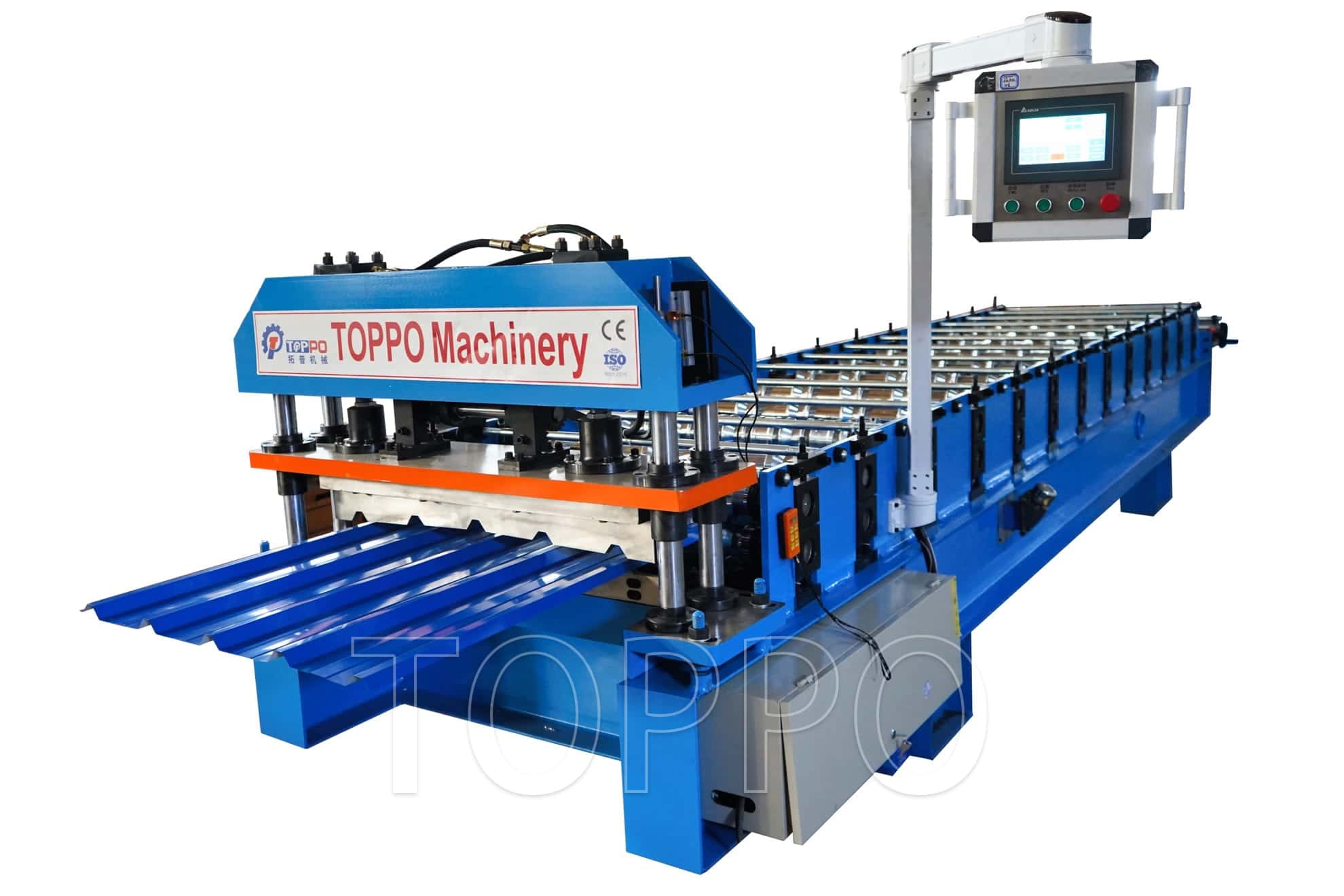
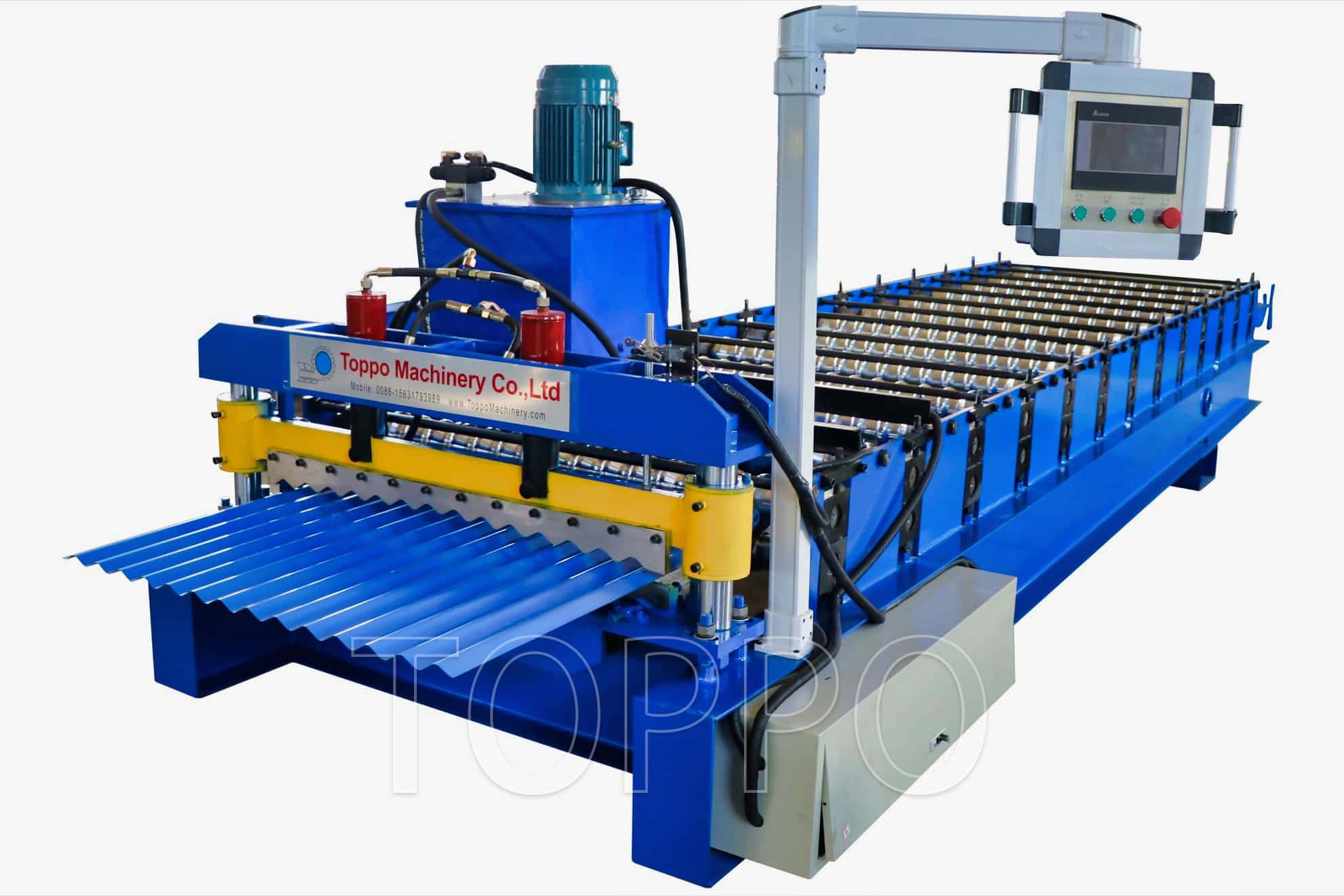
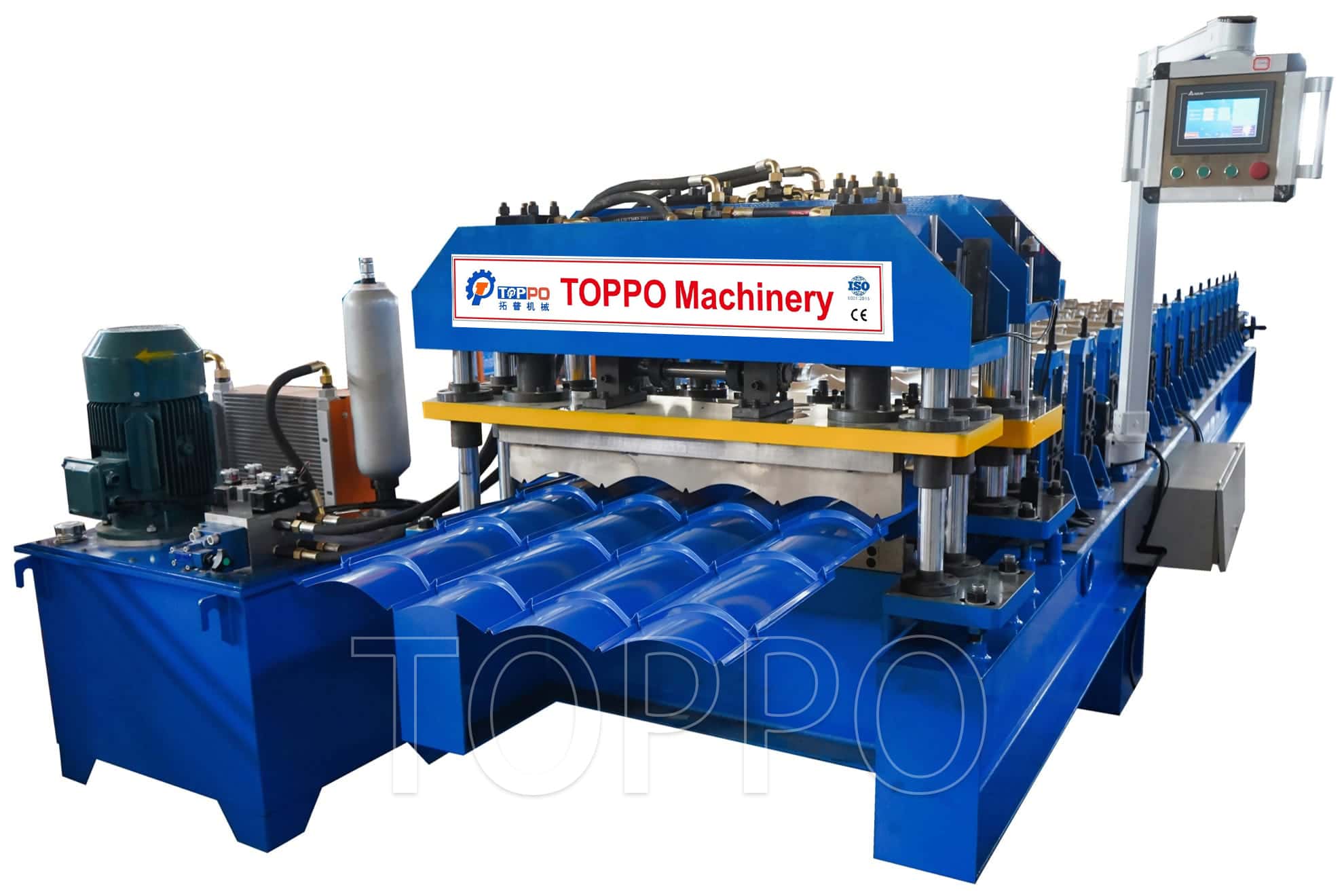
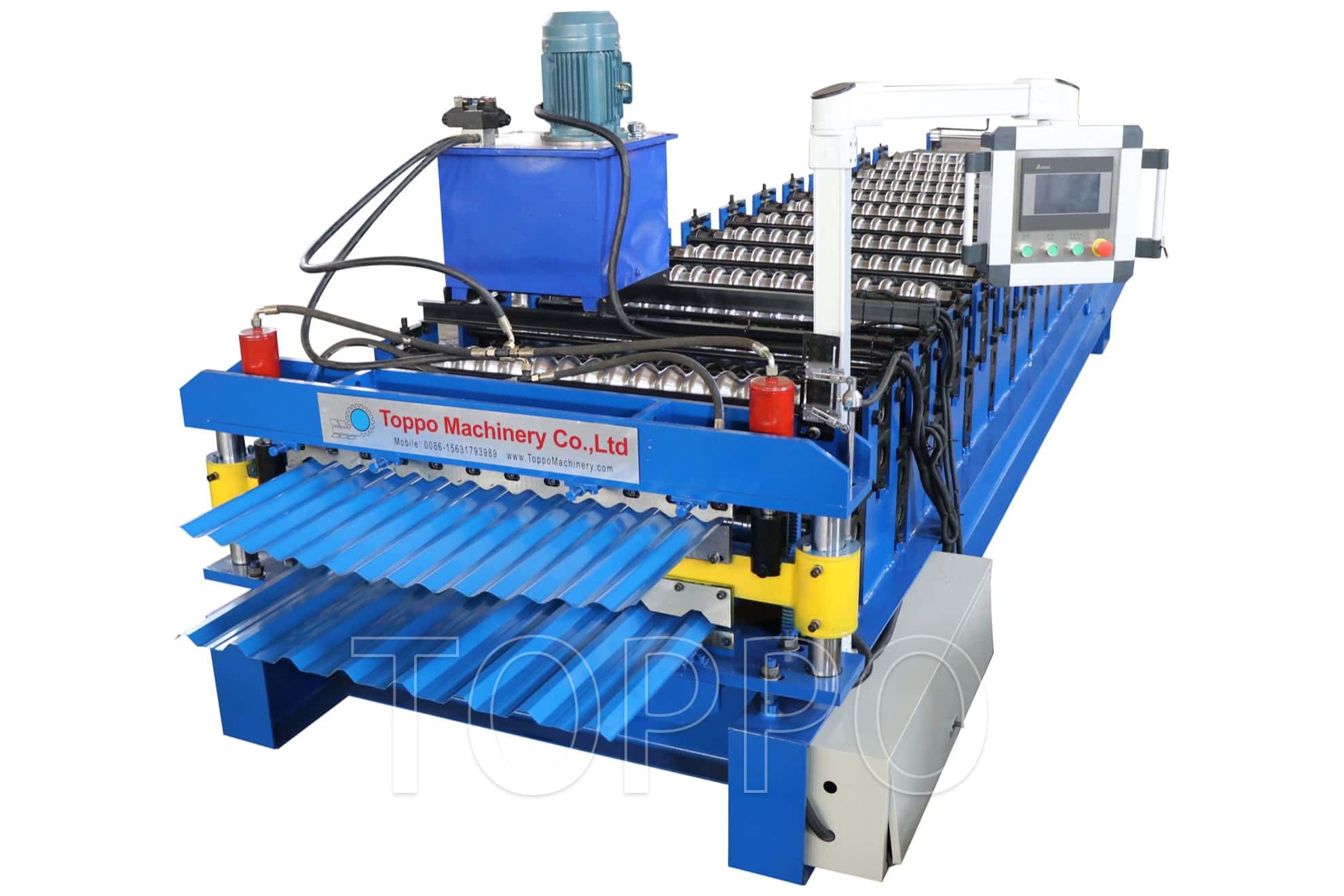
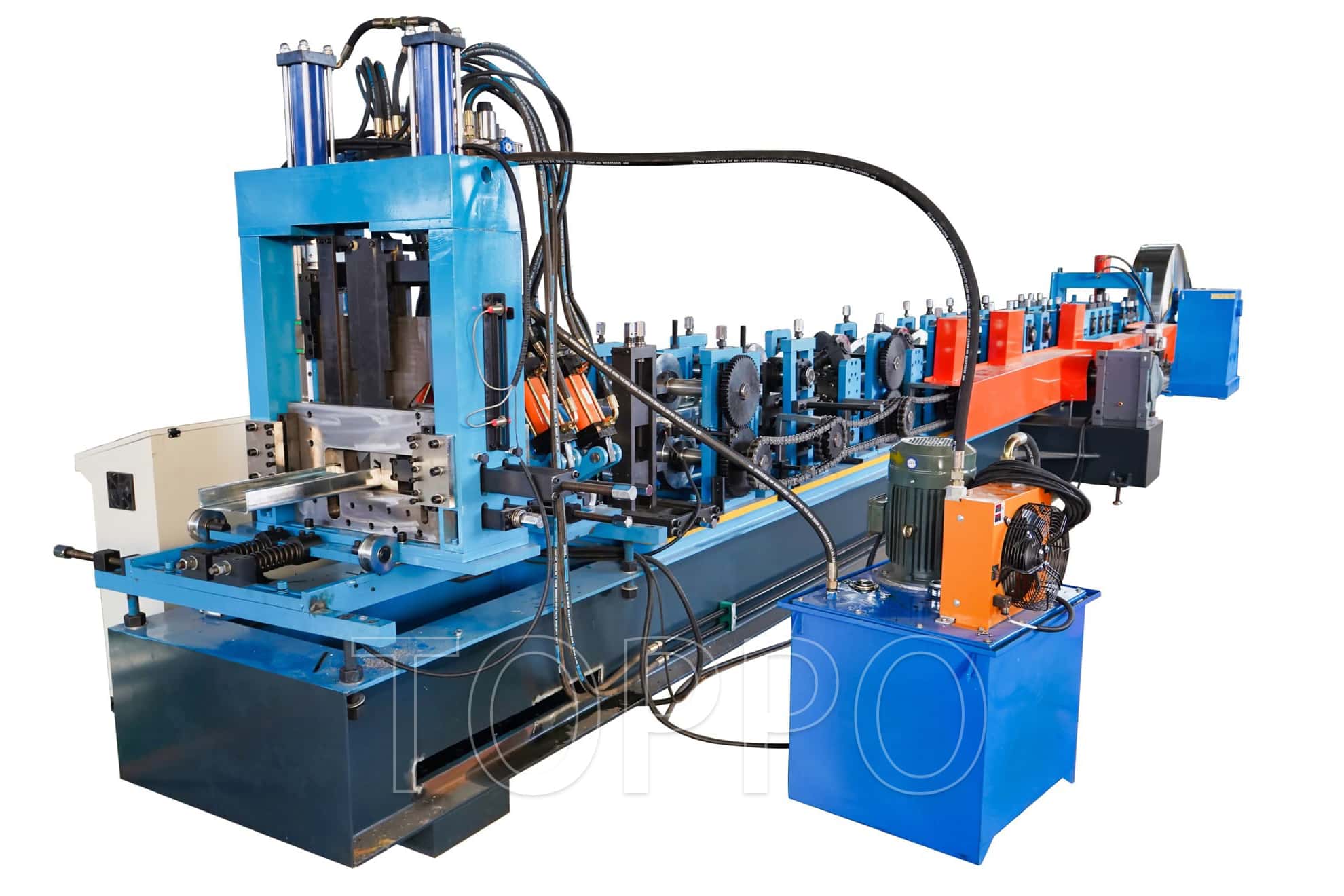
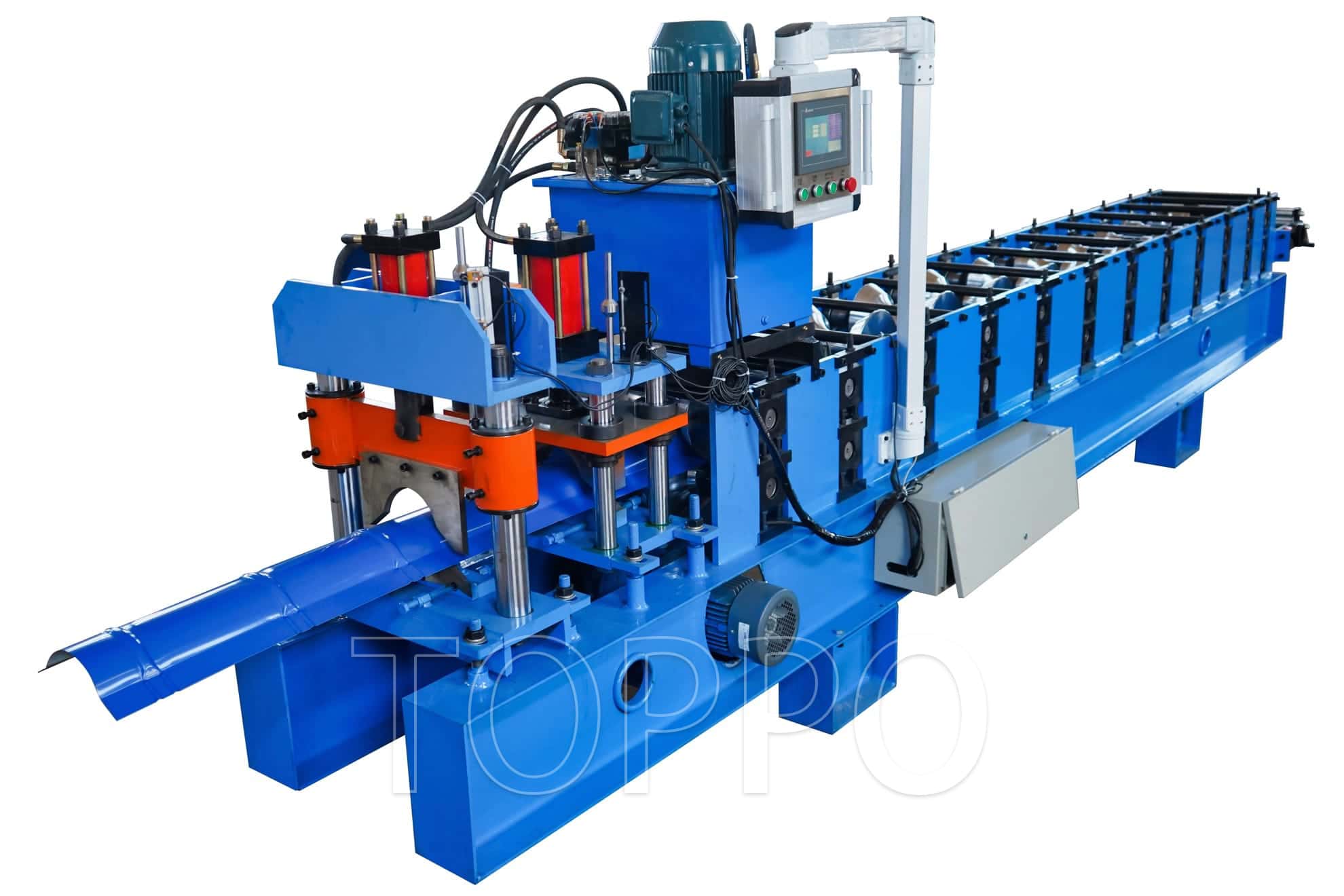
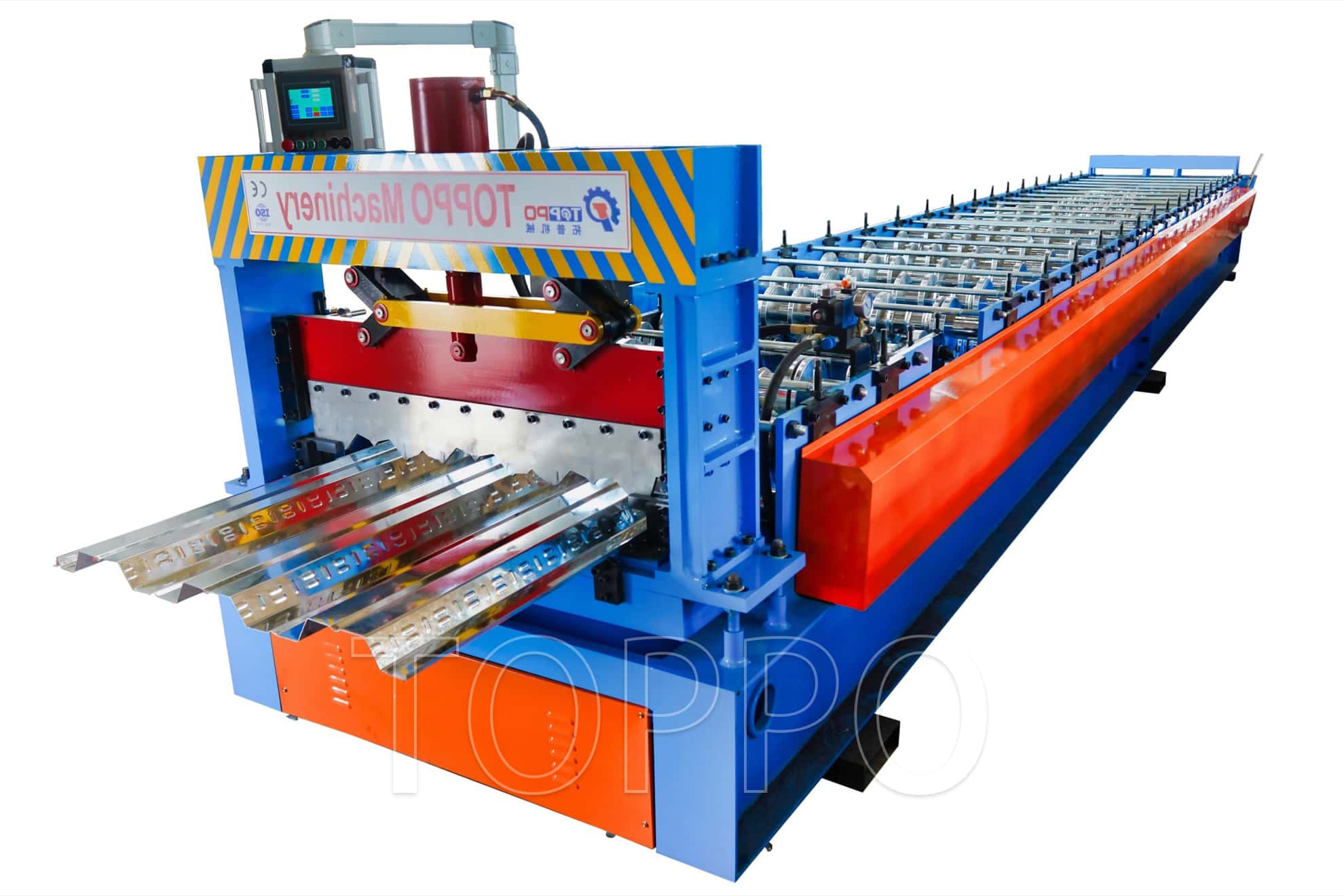
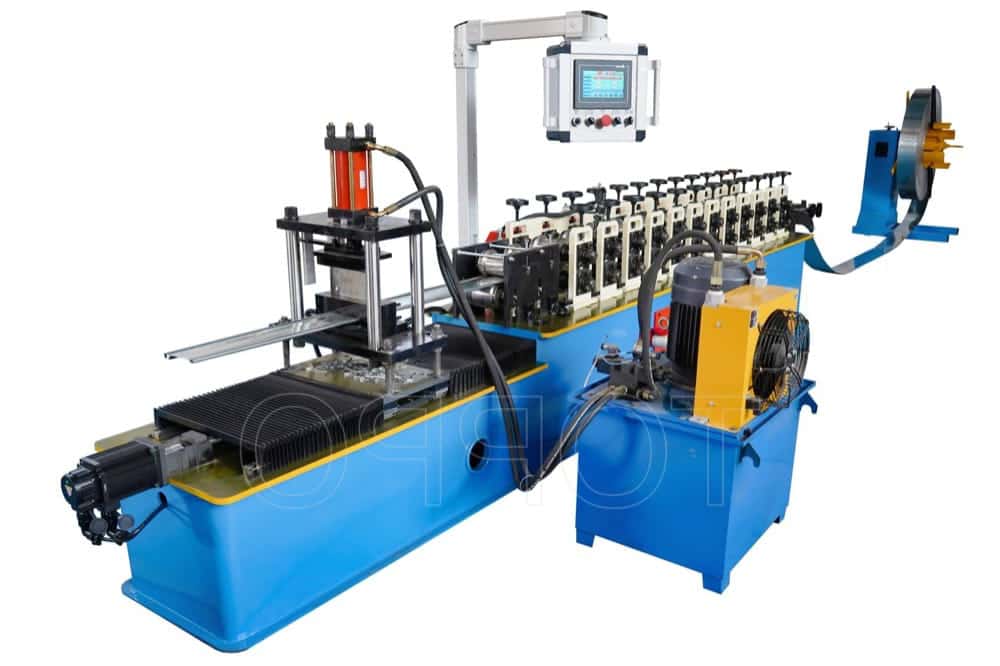
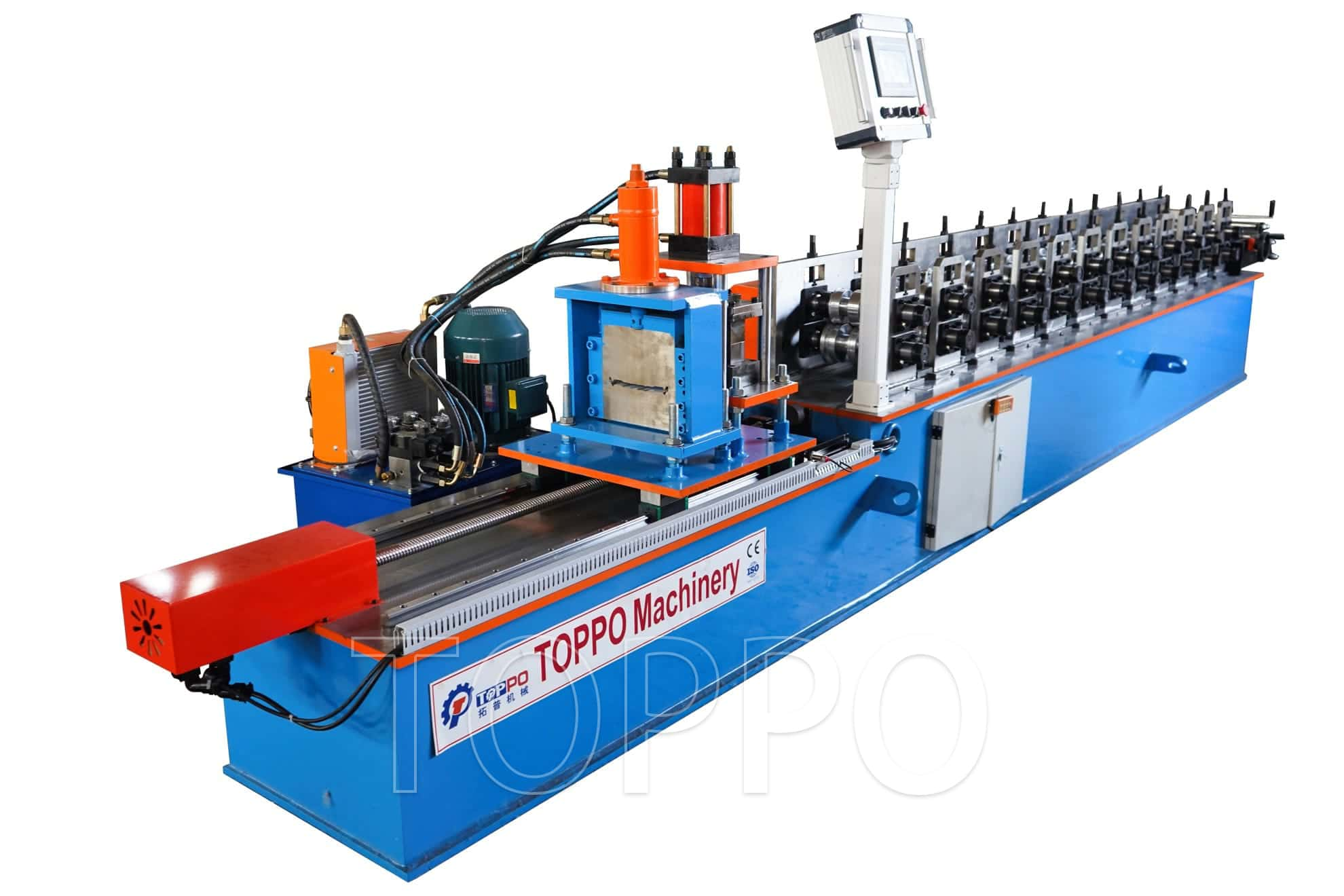
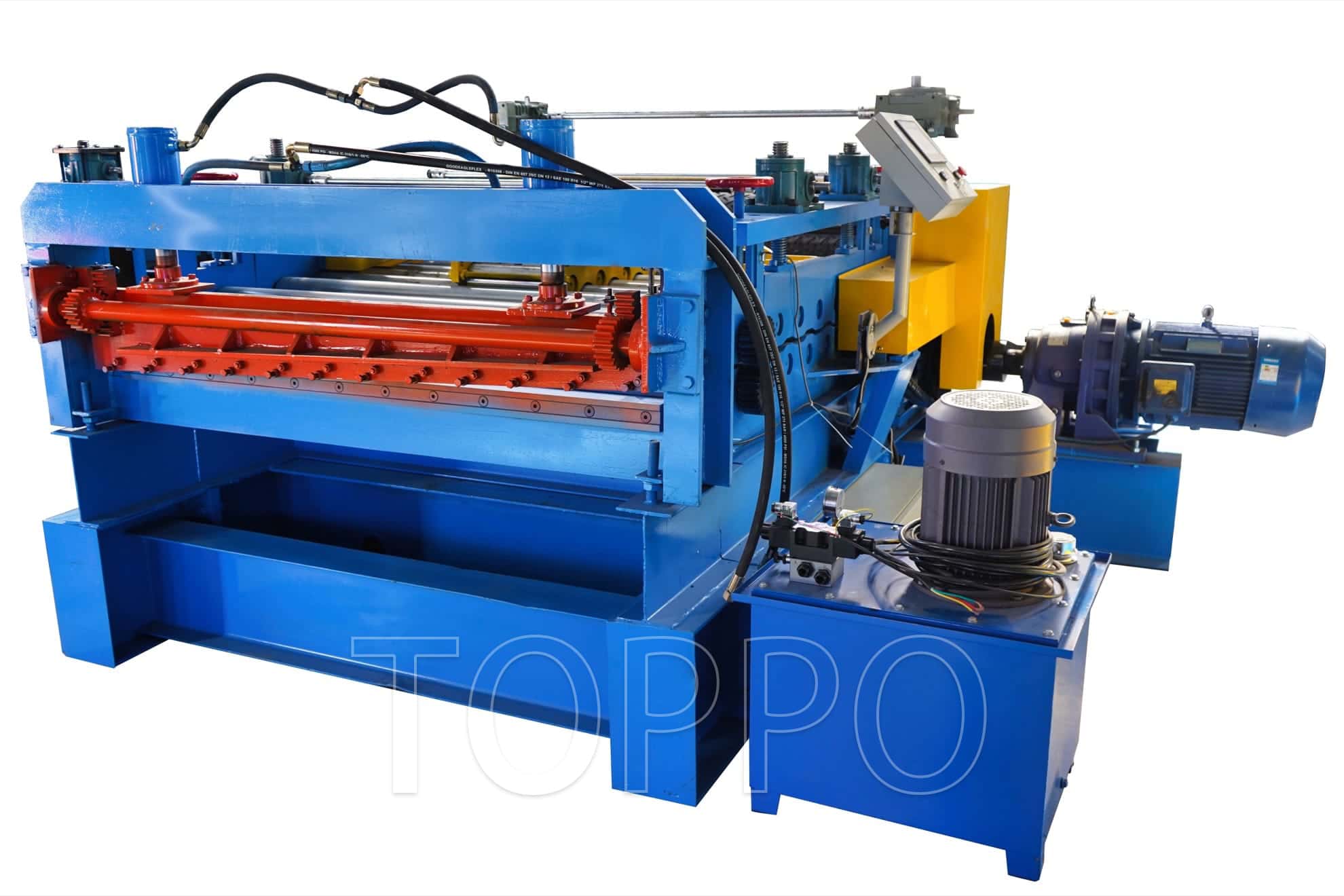
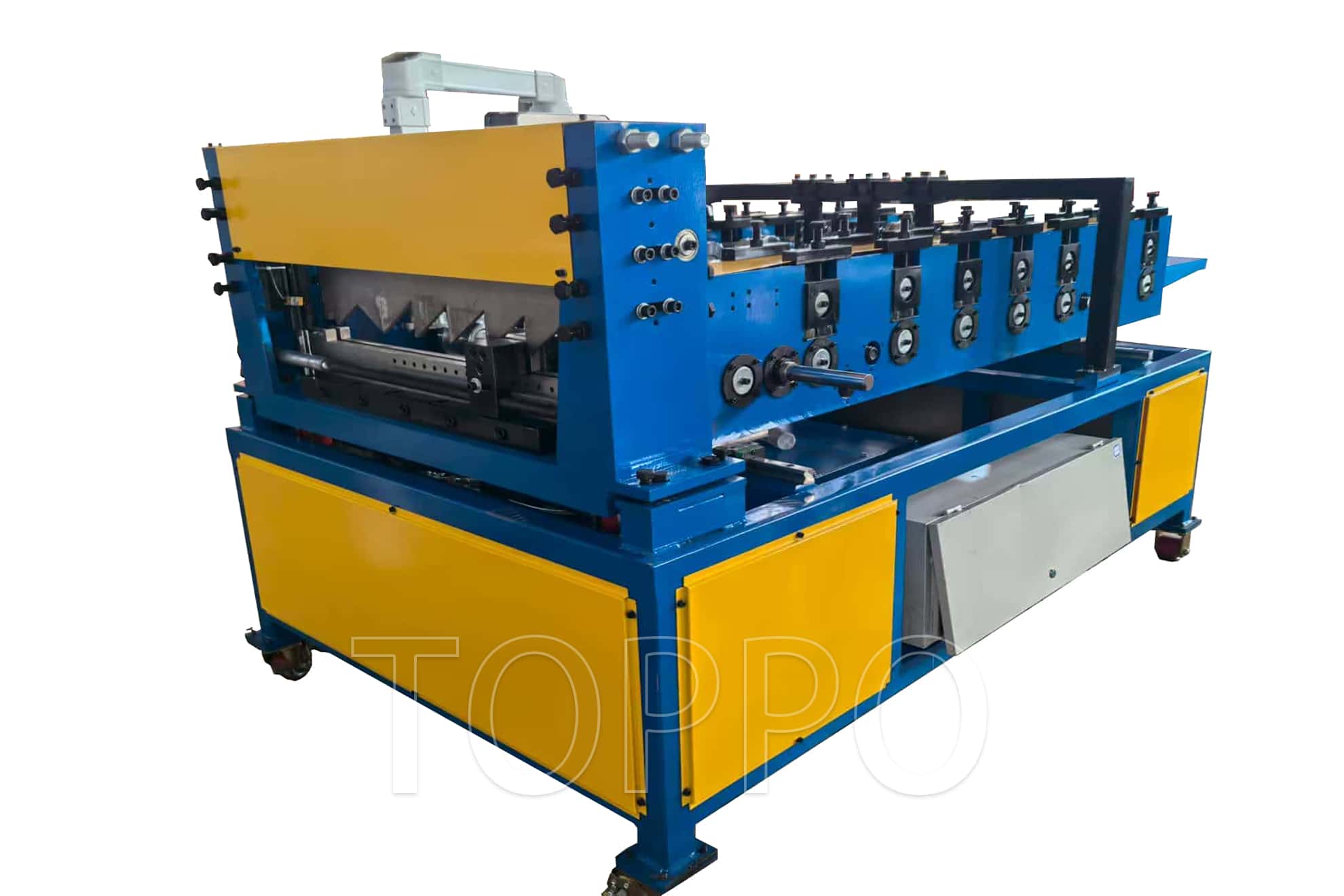
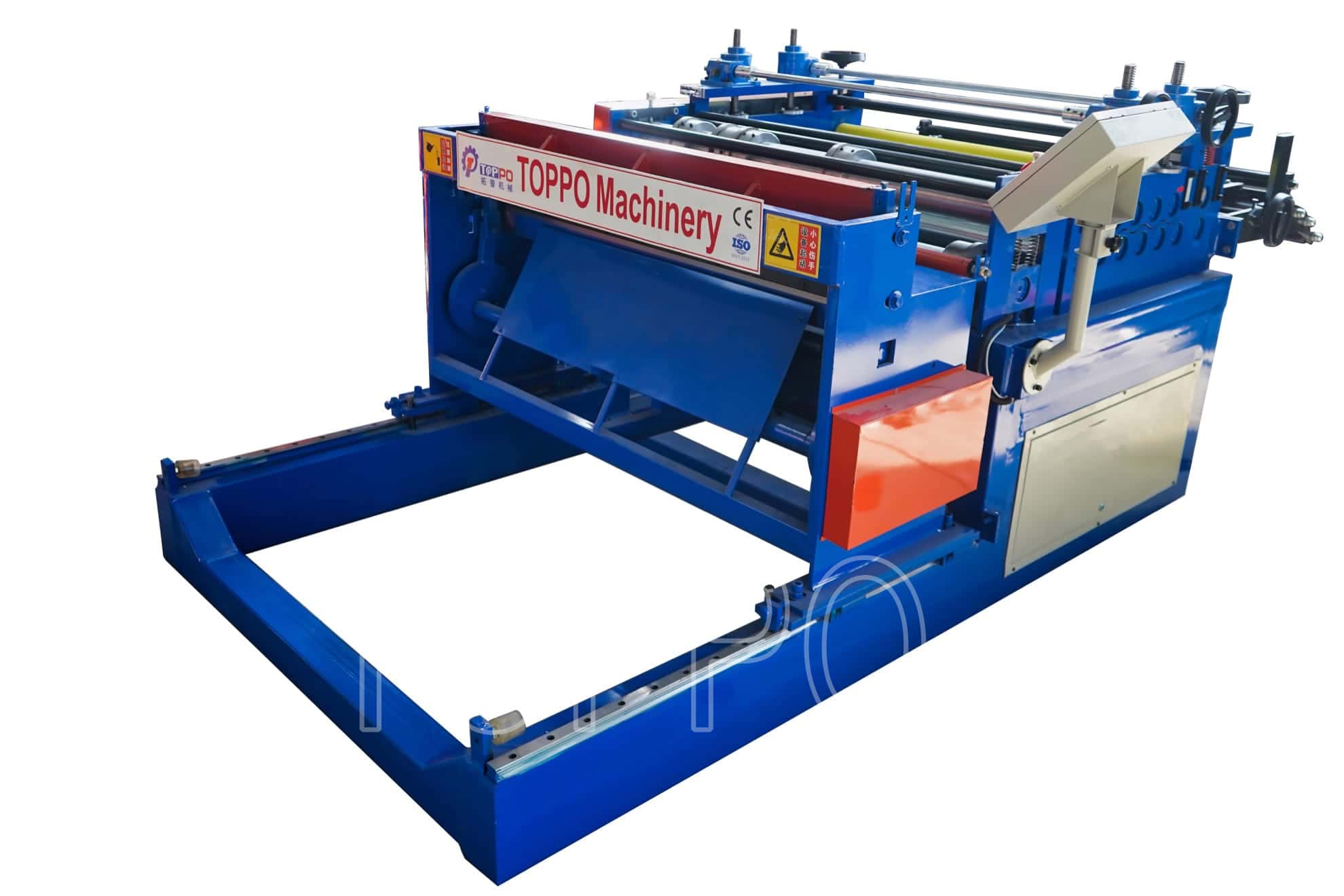
A trapezoidal roof tile making machine is a vital asset for manufacturers aiming to produce durable and precise roofing sheets. When evaluating equipment investment, one of the most common concerns is production capacity. With the rise of the high speed trapezoidal roof tile making machine and the automatic trapezoidal roof tile machine, output levels and operational efficiency have dramatically improved.
The overall capacity of a trapezoidal roof tile making machine depends on forming speed, material thickness, automation level, and profile complexity. Entry-level machines operate at moderate speeds and are suitable for small workshops. In contrast, a high speed trapezoidal roof tile making machine is designed for continuous, large-scale production, making it ideal for industrial roofing suppliers.
Speed is one of the most significant factors. A high speed trapezoidal roof tile making machine can operate at up to 30 meters per minute while maintaining accurate rib height and panel dimensions. This performance ensures consistent quality even under heavy production schedules. For projects requiring thousands of square meters of roofing panels, high-speed capability becomes a major competitive advantage.
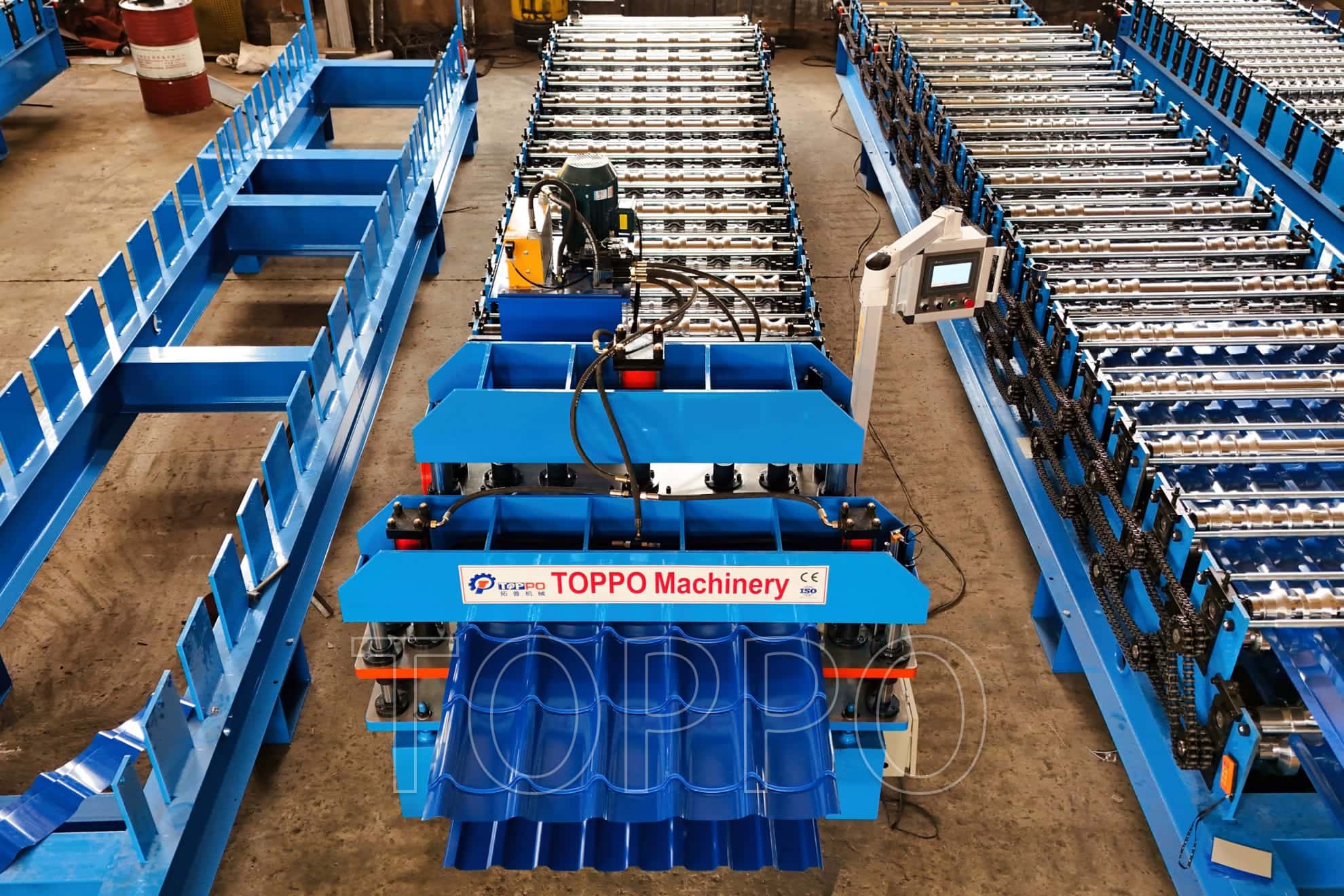
Automation further enhances production capacity. An automatic trapezoidal roof tile machine integrates advanced PLC control systems, servo-driven feeding, and hydraulic cutting units. These features enable precise length control and reduce manual errors. The automatic trapezoidal roof tile machine also improves safety by minimizing operator intervention during high-speed operation.
Material adaptability is another important consideration. A robust trapezoidal roof tile making machine can process galvanized steel, pre-painted steel, and aluminum coils with varying thicknesses. The high speed trapezoidal roof tile making machine maintains forming stability even when handling high-strength materials. Meanwhile, the automatic trapezoidal roof tile machine automatically adjusts cutting synchronization based on coil thickness.
Profile diversity influences capacity as well. More complex trapezoidal shapes require additional forming stations, which may slightly reduce speed. However, a well-designed trapezoidal roof tile making machine balances forming precision and efficiency. Advanced high speed trapezoidal roof tile making machine systems optimize roller distribution to maintain both output and dimensional accuracy.
Energy efficiency and maintenance design also affect long-term productivity. Modern trapezoidal roof tile making machine frames are built with reinforced steel structures to reduce vibration. The high speed trapezoidal roof tile making machine incorporates upgraded transmission systems that reduce power loss. At the same time, the automatic trapezoidal roof tile machine features diagnostic systems that detect operational abnormalities early.
From a financial perspective, higher production capacity translates directly into improved return on investment. A high speed trapezoidal roof tile making machine enables manufacturers to fulfill bulk export orders within tight deadlines. The automatic trapezoidal roof tile machine lowers labor costs and ensures consistent product quality, enhancing brand reputation.
In summary, the production capacity of a trapezoidal roof tile making machine depends on speed, automation, material compatibility, and profile configuration. By investing in a high speed trapezoidal roof tile making machine equipped with automatic trapezoidal roof tile machine technology, roofing manufacturers can significantly increase output, maintain precision, and achieve long-term operational efficiency in a competitive global market.
READ MORE: