- Trapezoidal Machine
- Corrugated Machine
- Glazed Tile Machine
- Double Layer Machine
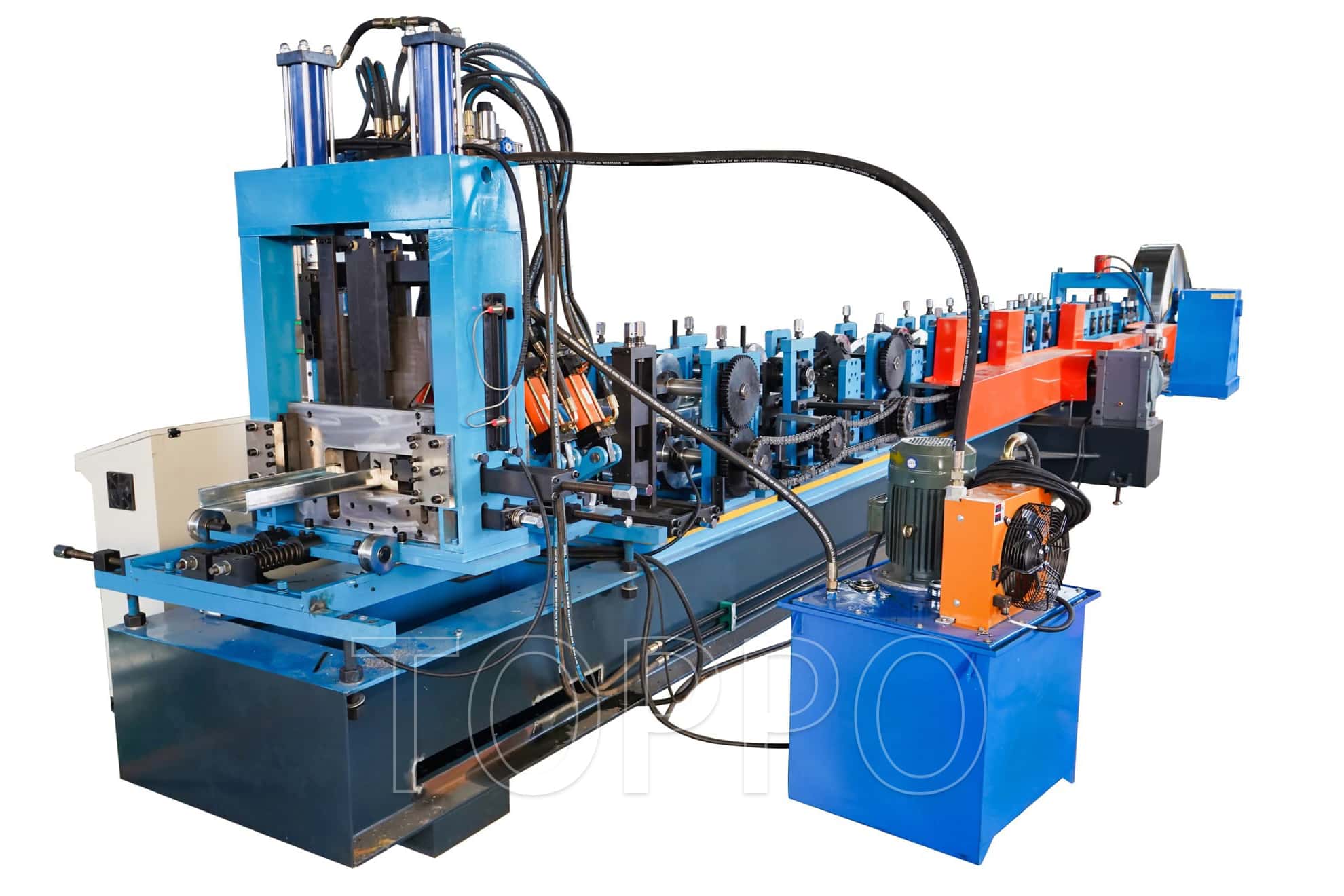
- CZU Purlin Machine
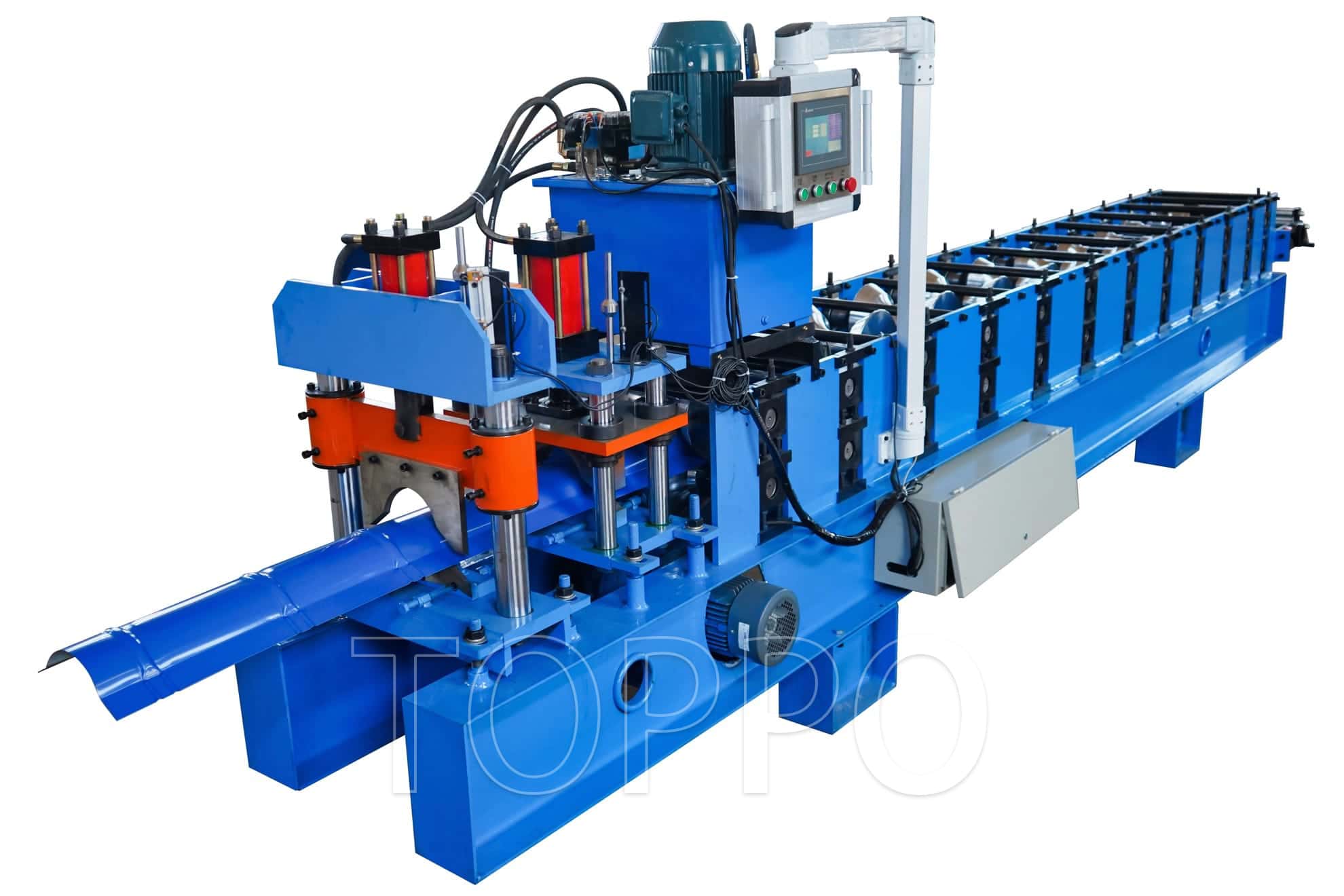
- Ridge Cap Machine
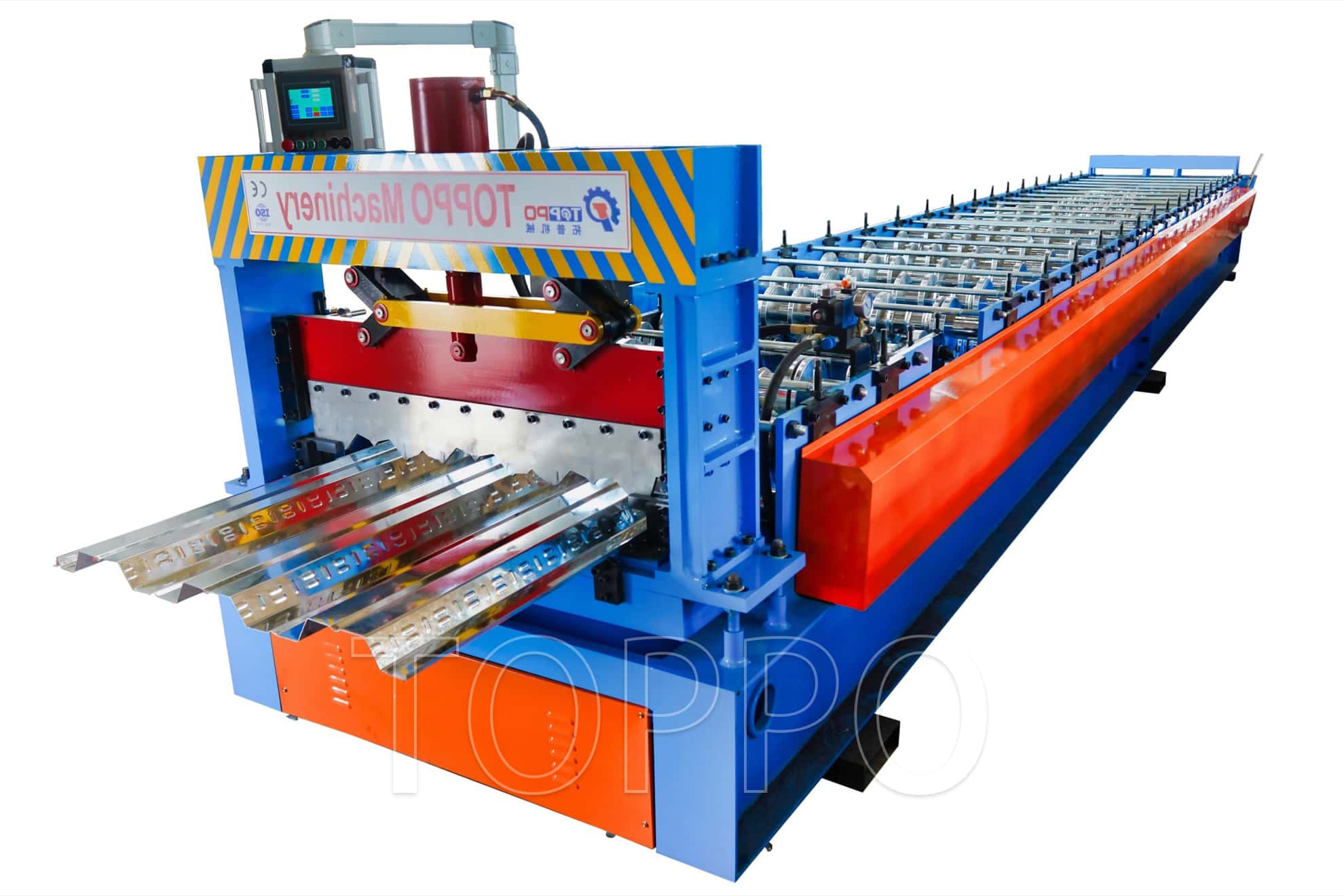
- Floor Decking Machine
- Rolling Door Machine
- Fence Machine
- Embossing Machine
- Standing Seam Machine
- Cut To Length And Slitting Line
- Guard Rail Machine
- Decoiler And Stacker
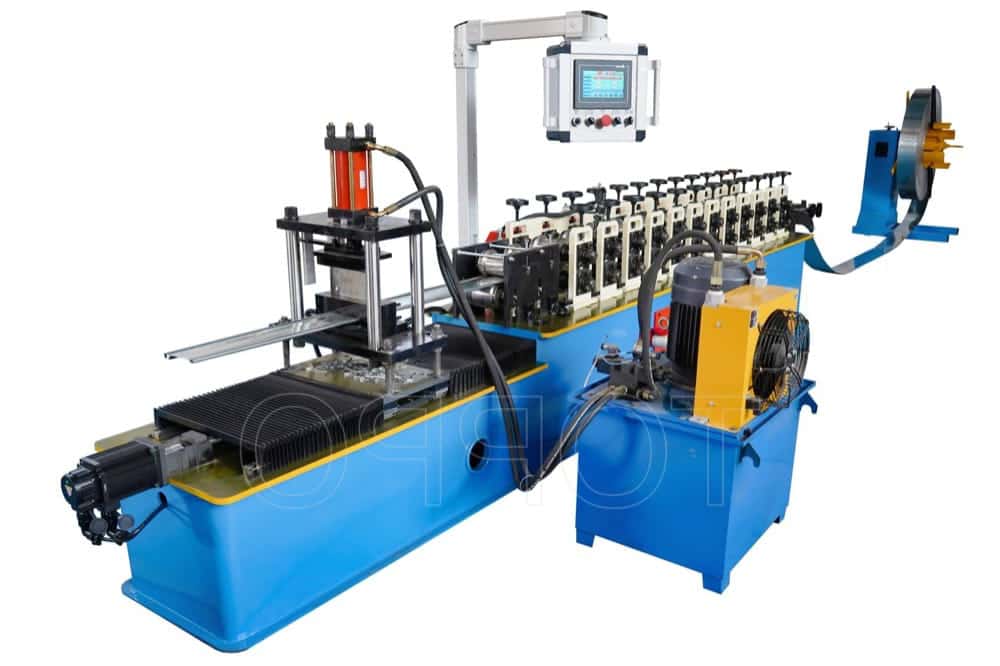
- Stud And Track Machine
- Gutter And DownPipe
- Curving Machine
- Cladding Panel Machine
- Corollary Equipment


Why Metal Roofing Sheets Make Practical Sense for Construction Growth in Developing Countries
Construction markets in developing countries often face a difficult balancing act. Builders, distributors, contractors, and project owners need materials that are affordable, durable, easy to transport, and fast to install. At the same time, projects may take place in areas with limited infrastructure, long transport routes, harsh climates, or labor constraints. In that context, metal roofing sheets have become one of the most practical roofing solutions for residential, agricultural, commercial, and light industrial construction. Their value does not come from one single benefit. It comes from the combination of structural efficiency, weather resistance, installation speed, and long-term cost control.
One major advantage of metal roofing sheets is weight efficiency. Compared with many traditional roofing materials, metal sheets are lighter, which reduces transportation cost and makes installation easier. In developing countries, where logistics can account for a large share of total project expense, lighter roofing materials can create meaningful savings. Roofing sheets can also be bundled, transported, and handled more efficiently on sites where lifting equipment is limited. This advantage becomes even more important for rural housing, remote construction zones, warehouse projects, schools, and agricultural buildings.
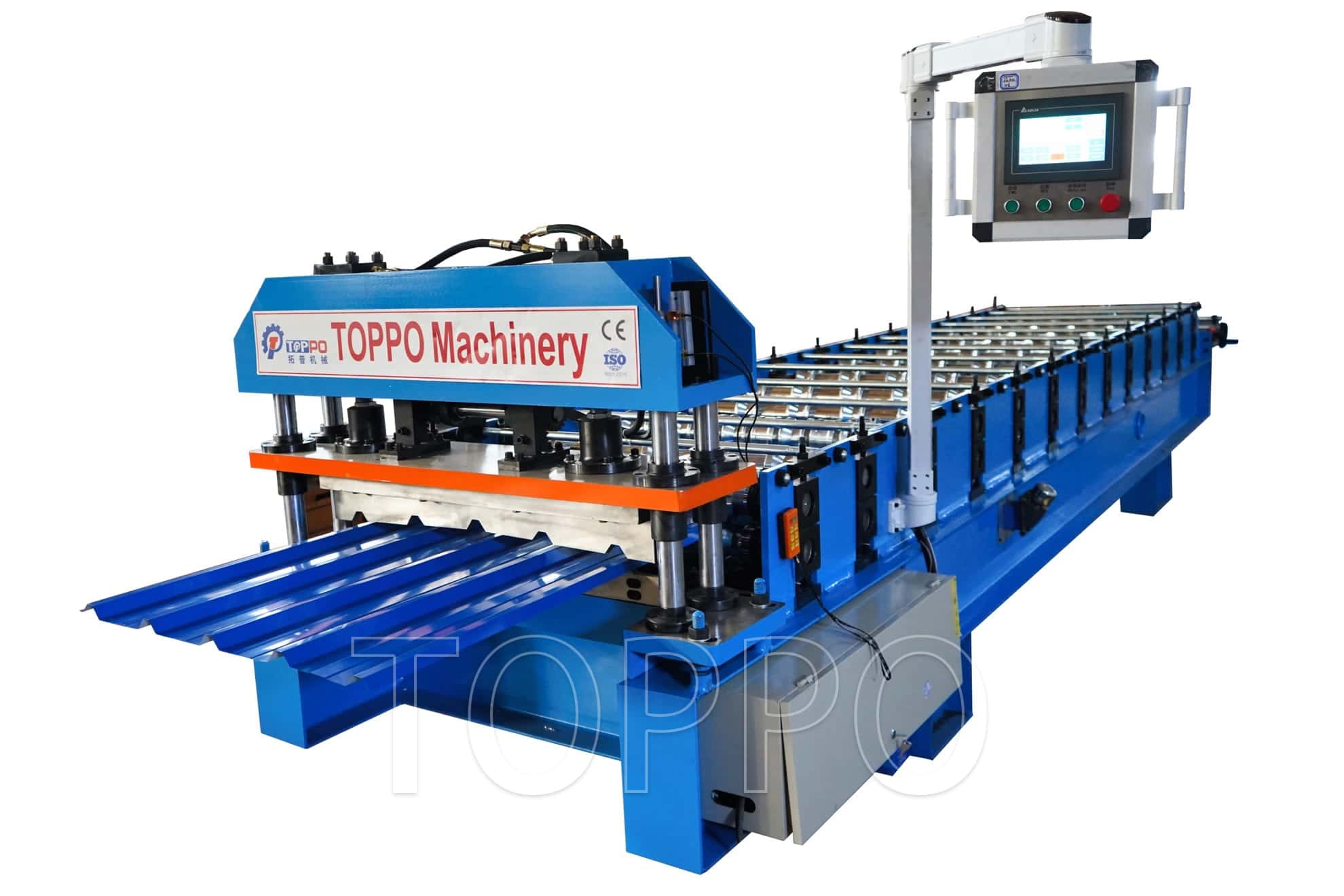
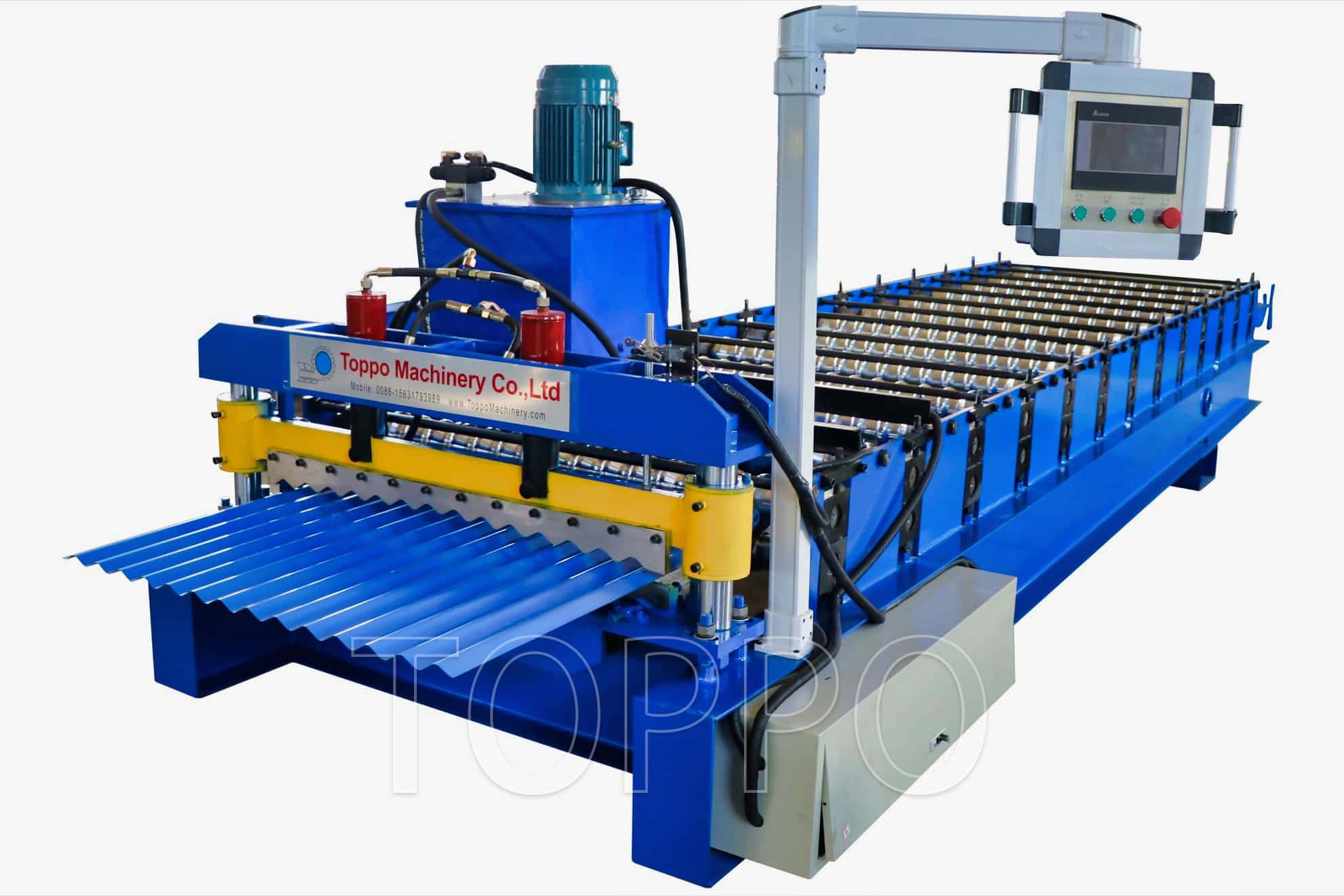
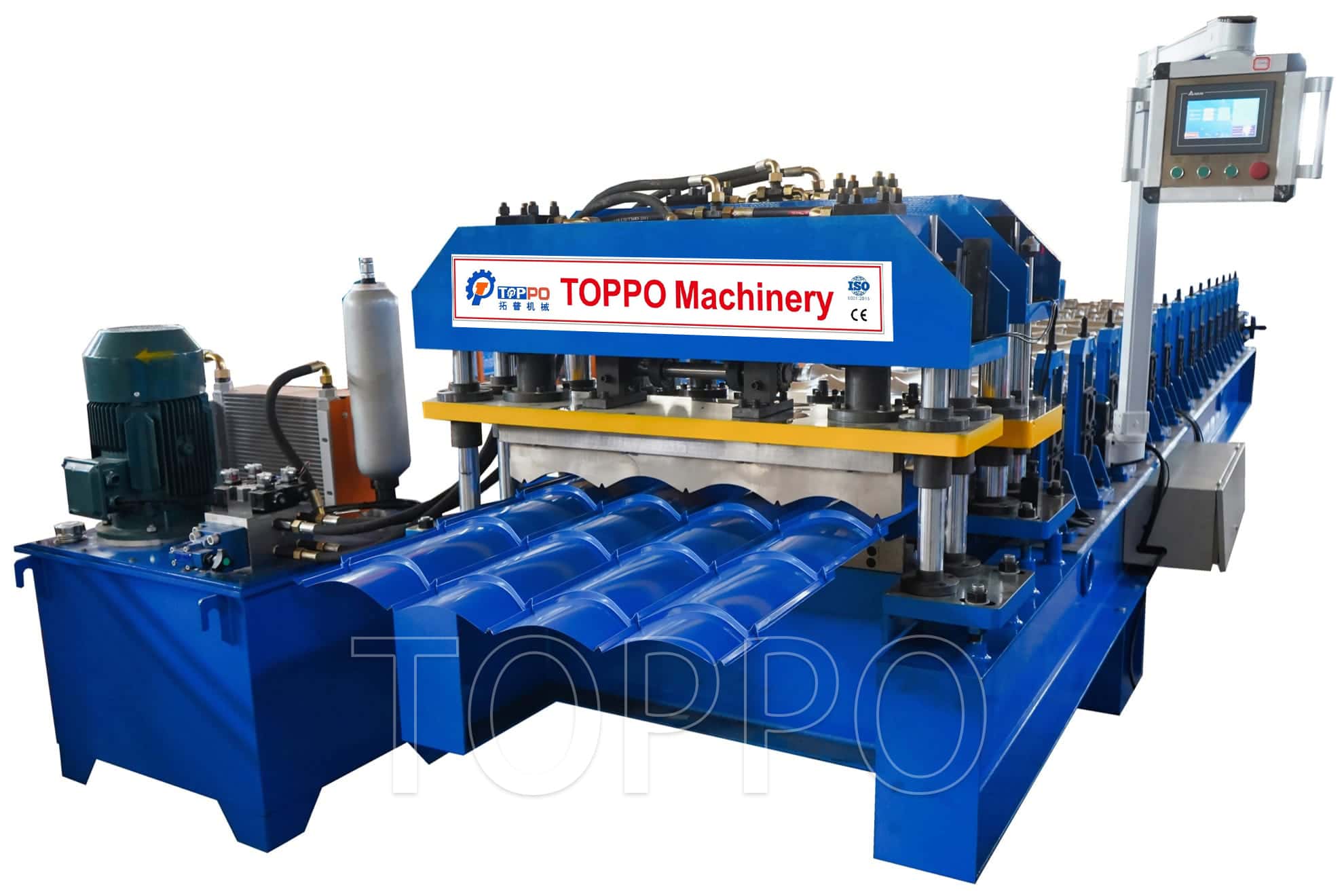
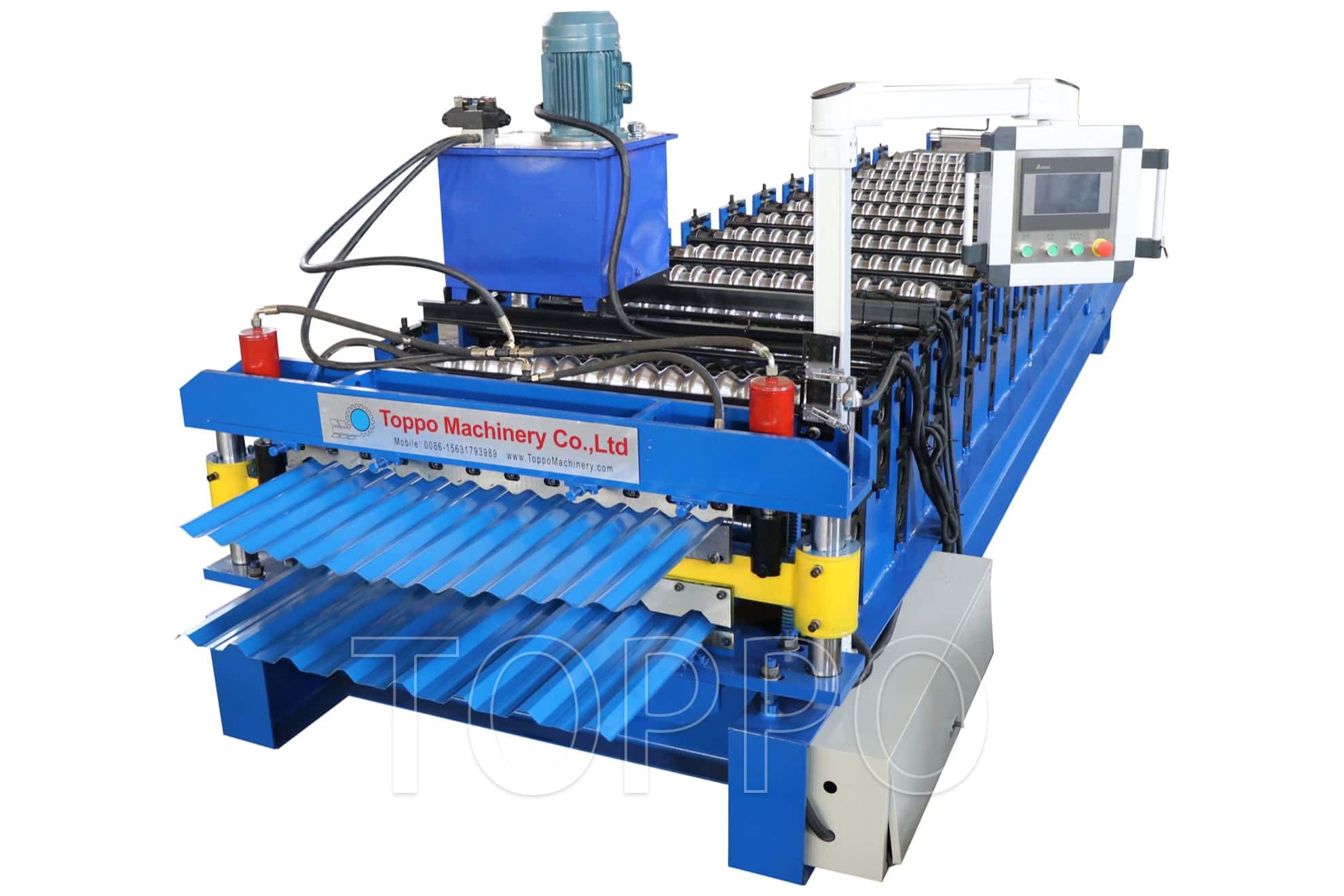
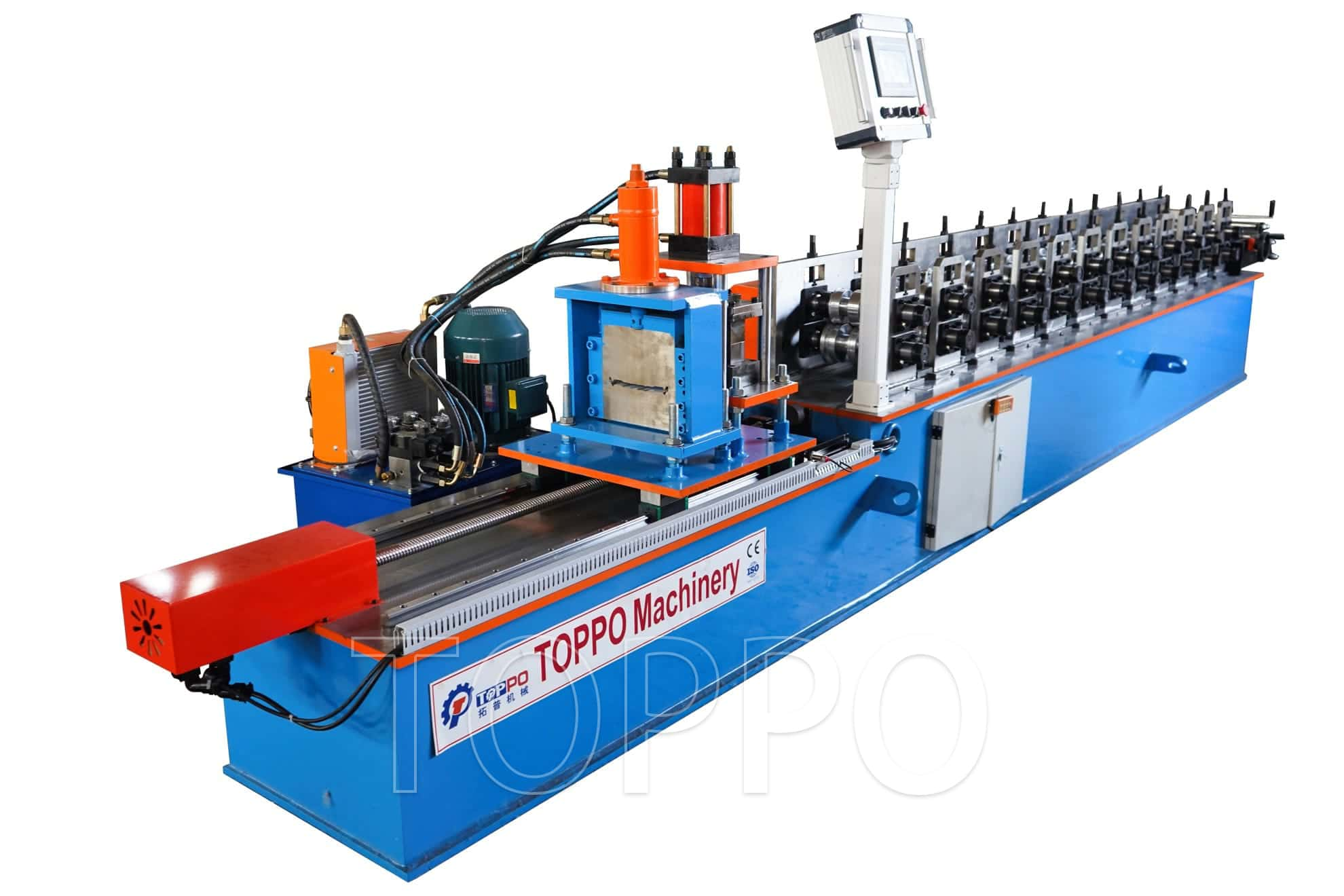
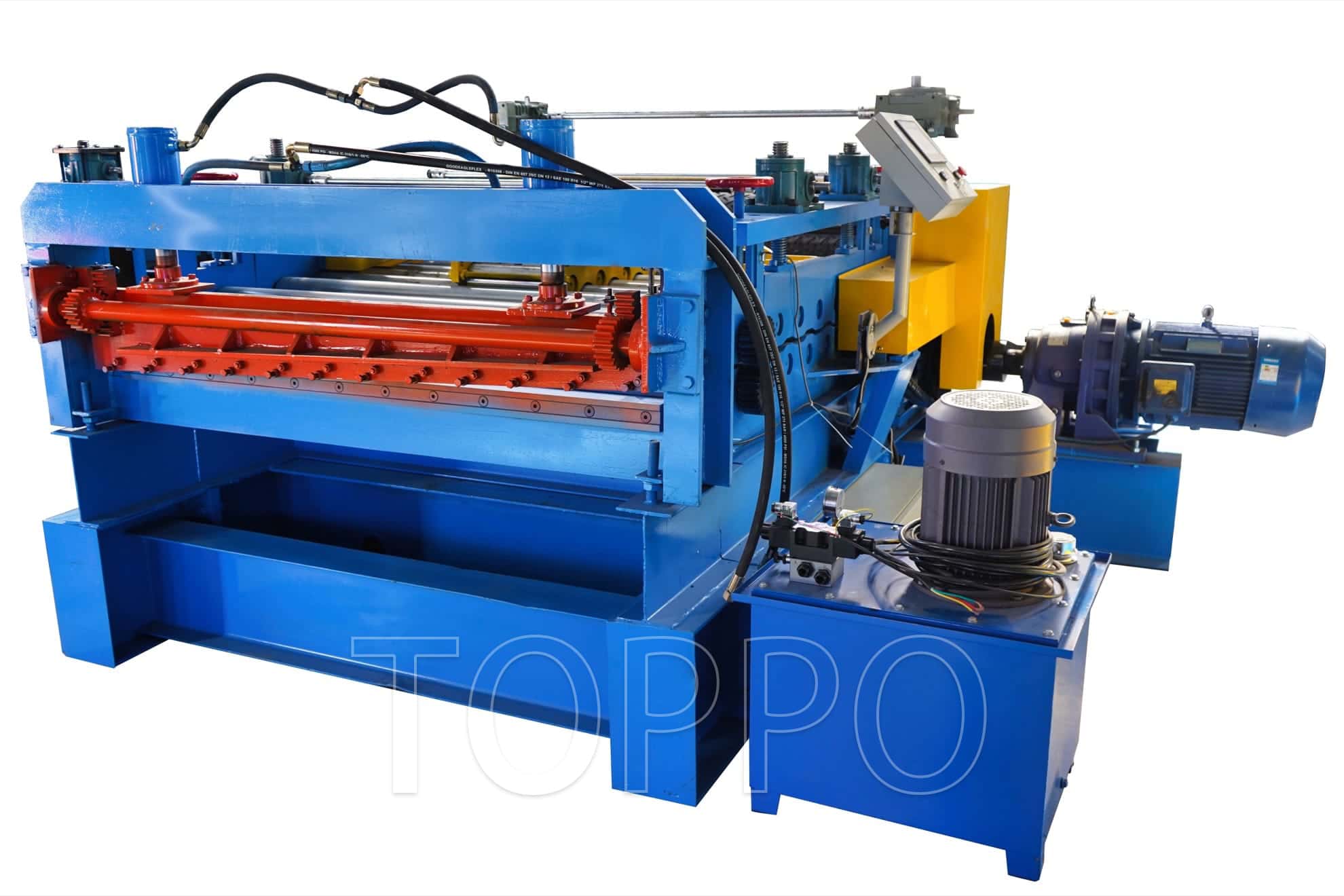
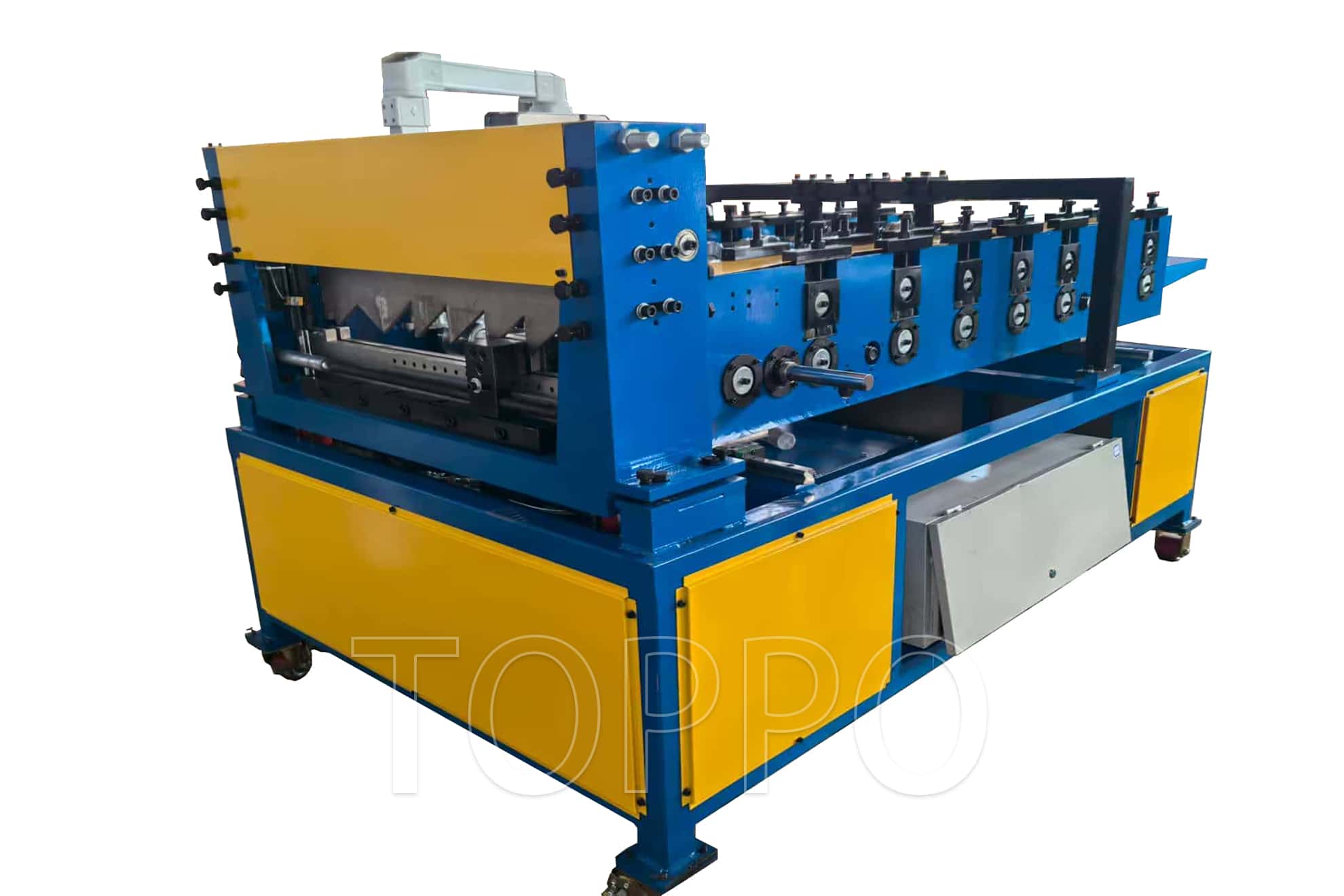
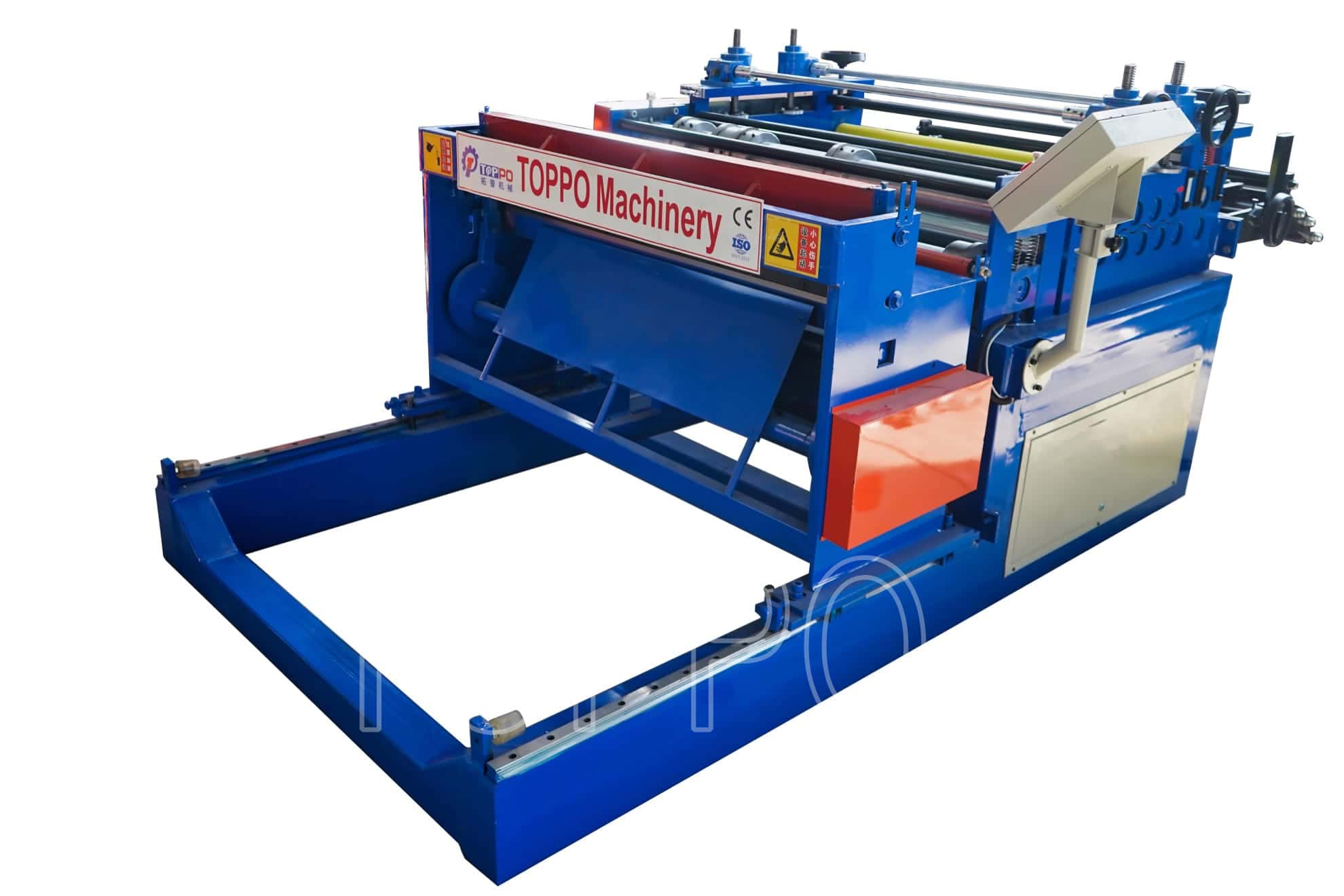
Another reason metal roofing performs well is durability. Good-quality roofing sheets resist rain, sun exposure, and wind more effectively than many low-cost alternatives. When properly selected and installed, they can deliver long service life with relatively low maintenance. This matters in developing regions where owners often prefer materials that reduce repair frequency and lifetime replacement cost. A well-made sheet produced by a stable roofing sheet making machine also offers more consistent profile accuracy, which helps improve installation fit and reduces waste at the project site.
Surface finish is another important consideration. In many fast-growing markets, appearance increasingly matters in addition to function. A Color Coated sheet machine helps manufacturers supply roofing sheets that combine visual appeal with corrosion protection. This is useful not only for urban residential developments, but also for retail units, schools, offices, and public-facing commercial buildings. If a producer is running painted steel, a PrePainted Color Coated Sheet metal cold roofing sheet making machine becomes especially valuable because it allows the finished sheet to be formed while protecting the coated surface that customers are paying for.
Implementation steps for using metal roofing sheets effectively
1. Match the roofing sheet to local climate and building type
The first practical step is to choose the correct sheet type for the local environment. Tropical zones, coastal areas, hot inland regions, and heavy-rainfall zones do not place the same demands on roofing material. Builders should consider coating type, sheet thickness, profile design, and expected load conditions before purchasing. In hot climates, reflective or lighter-color coated roofing can help with heat management. In areas with strong rain and wind, profile selection and fastening method become more important. This is where consistent production from a reliable roofing sheet making machine matters, because poor dimensional control can weaken fit-up and installation quality.
2. Source from manufacturers with stable quality control
The second step is supplier selection. A roofing sheet may look acceptable at first glance but still create problems if coating quality, profile geometry, or cut accuracy is inconsistent. Buyers should evaluate whether the manufacturer controls raw material inspection, roll forming stability, cutting accuracy, and packaging quality. A Color Coated sheet machine is useful only when it preserves the finish and profile without introducing scratches or roller marks. For painted products, a PrePainted Color Coated Sheet metal cold roofing sheet making machine should be part of a disciplined production process rather than treated as a marketing phrase.
3. Plan transport, storage, and installation carefully
Metal roofing sheets offer handling advantages, but those benefits still depend on planning. Sheets should be transported on stable supports, stored away from standing water, and protected from careless dragging during unloading. On-site teams should separate bundles correctly, avoid surface damage during movement, and install sheets with proper overlap and fastening spacing. A high-quality sheet can still fail early if installation discipline is poor. The same logic applies to factory output: if the roofing sheet making machine is well configured but the sheets are mishandled after production, the full value of the product can be lost.
4. Train installers and distributors on correct use
In many developing markets, one hidden challenge is inconsistent installation practice. Training installers on fastener placement, overlap direction, sealing details, and sheet handling can reduce leakage, noise issues, and premature corrosion. Distributors also benefit from understanding how profile choice, thickness, and coating type affect application suitability. Manufacturers using a Color Coated sheet machine can strengthen their market reputation when they support the supply chain with practical guidance rather than only product catalogs.
Important precautions for long-term project success
The first precaution is not to judge roofing sheets by price alone. Very low-cost sheets may create higher long-term expense through early corrosion, deformation, or frequent replacement. The second precaution is to verify coating and substrate suitability for the local environment. Coastal humidity, intense sun, and airborne pollutants can place more stress on roofing than inland conditions. The third precaution is proper fastening. Even excellent sheets can fail if installers use poor fasteners, incorrect spacing, or weak edge details.
The fourth precaution is finish protection. A PrePainted Color Coated Sheet metal cold roofing sheet making machine can produce attractive, durable roofing products, but only if the coated surface is protected during manufacturing, transport, and installation. The fifth precaution is realistic maintenance planning. While metal roofing is low maintenance compared with many alternatives, periodic inspection is still needed to check fasteners, drainage paths, debris buildup, and any accidental damage.
Another important point is scalability. Developing countries often need roofing solutions that can serve both low-cost housing and larger economic infrastructure such as workshops, logistics buildings, schools, and clinics. Metal roofing sheets are flexible enough to support these different project types when manufacturers maintain stable output. A dependable roofing sheet making machine helps producers deliver consistent supply, while a properly managed Color Coated sheet machine helps them meet growing demand for better appearance and higher corrosion resistance. A robust PrePainted Color Coated Sheet metal cold roofing sheet making machine also gives manufacturers the ability to serve premium painted-sheet demand without sacrificing process control.
Why metal roofing will remain important in developing markets
Metal roofing sheets offer a rare combination of economic practicality and technical reliability. They are easier to transport, faster to install, more durable than many low-end alternatives, and adaptable to different types of construction demand. For developing countries trying to expand housing, agriculture, commercial buildings, and light industry at the same time, that combination is extremely valuable. The real advantage is not just that metal sheets cover buildings. It is that they help construction move faster, more efficiently, and with better lifecycle performance.
That is why the long-term success of metal roofing in developing countries depends on both product choice and production quality. When builders select the right material, when installers follow sound practice, and when manufacturers use stable systems such as a well-managed roofing sheet making machine, the result is a roofing solution that supports growth rather than creating future repair burden. In rapidly developing construction markets, that kind of reliability is a major advantage.
READ MORE:
Why Metal Roofing Sheets Remain One of the Best Roofing Choices for Developing Country Construction
How Metal Roofing Sheets Help Developing Countries Build Faster, Smarter, and More Reliably
Why Metal Roofing Sheets Are a Practical Construction Solution for Developing Countries
How Metal Roofing Sheets Support Faster and More Reliable Construction in Developing Countries