What Are the Latest Innovations in Roll Forming Technology for Roofing Sheet Manufacturers?
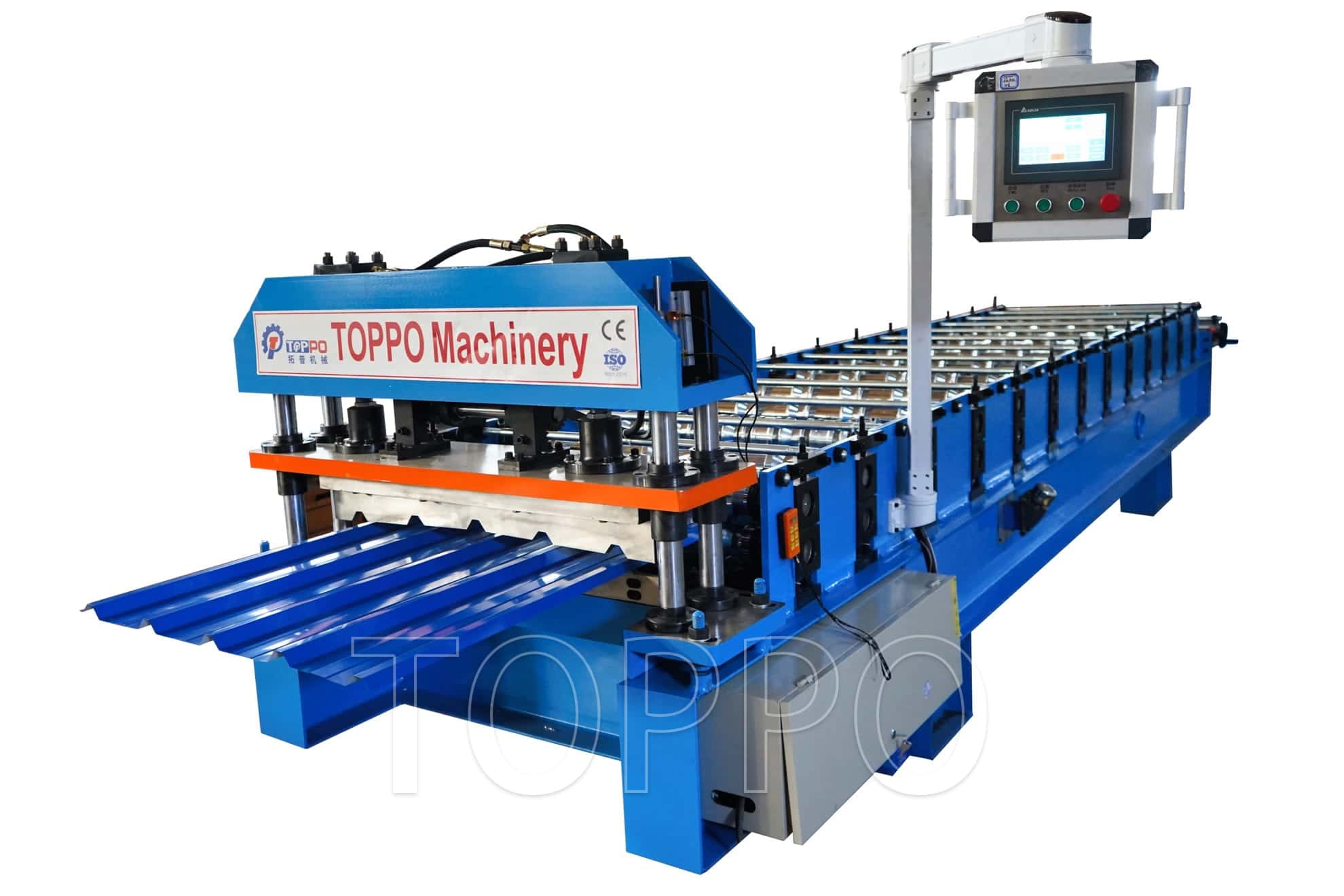
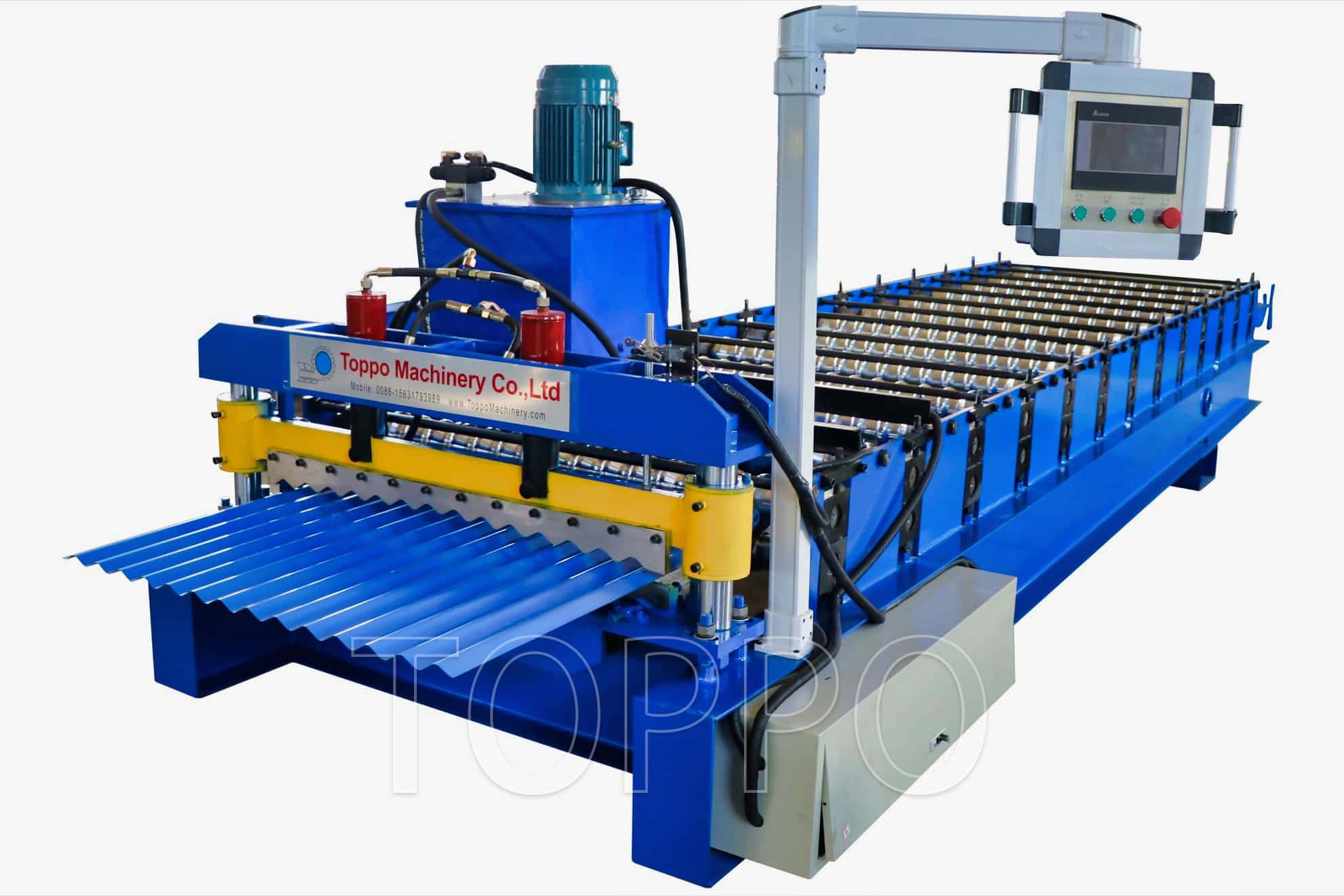
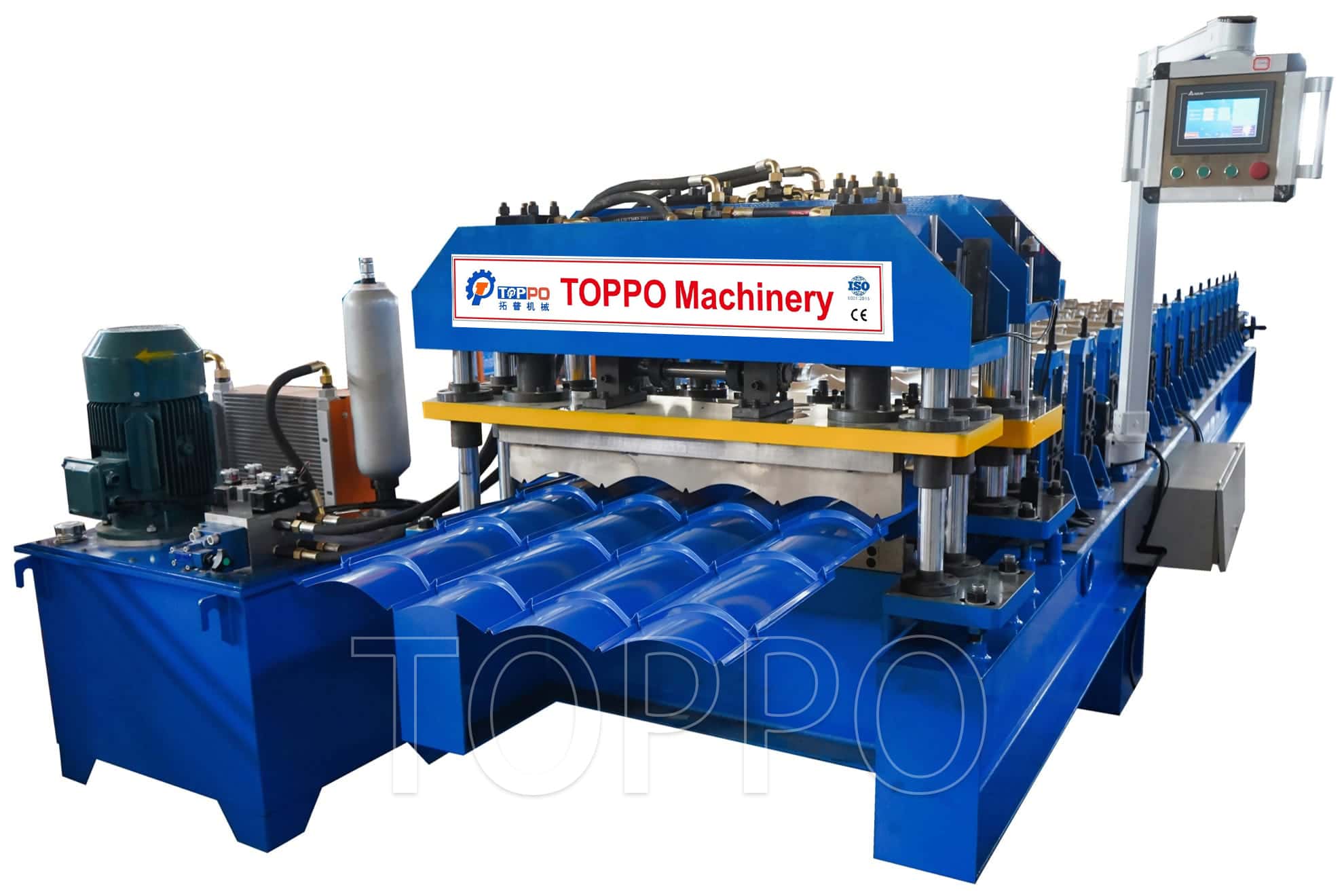
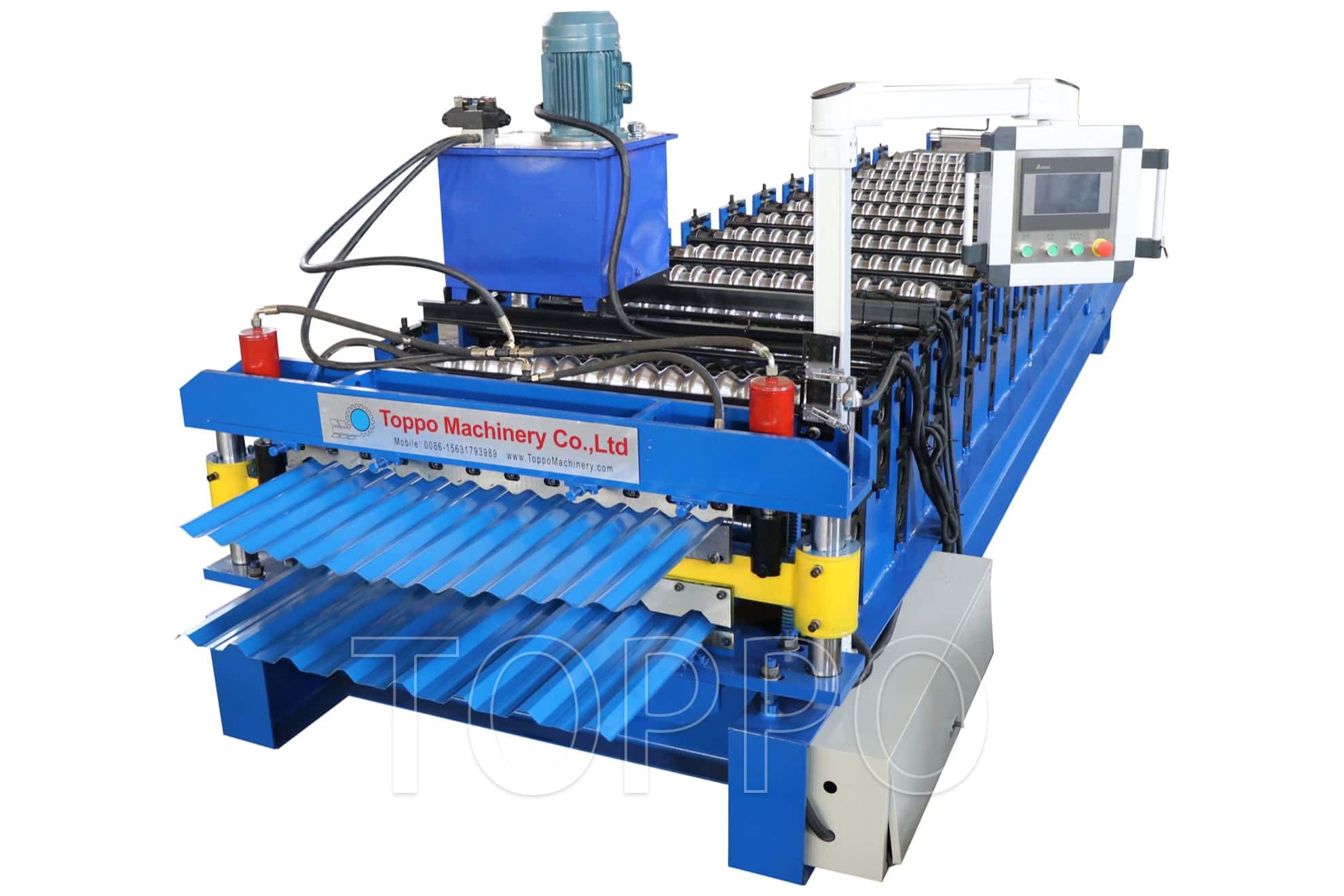
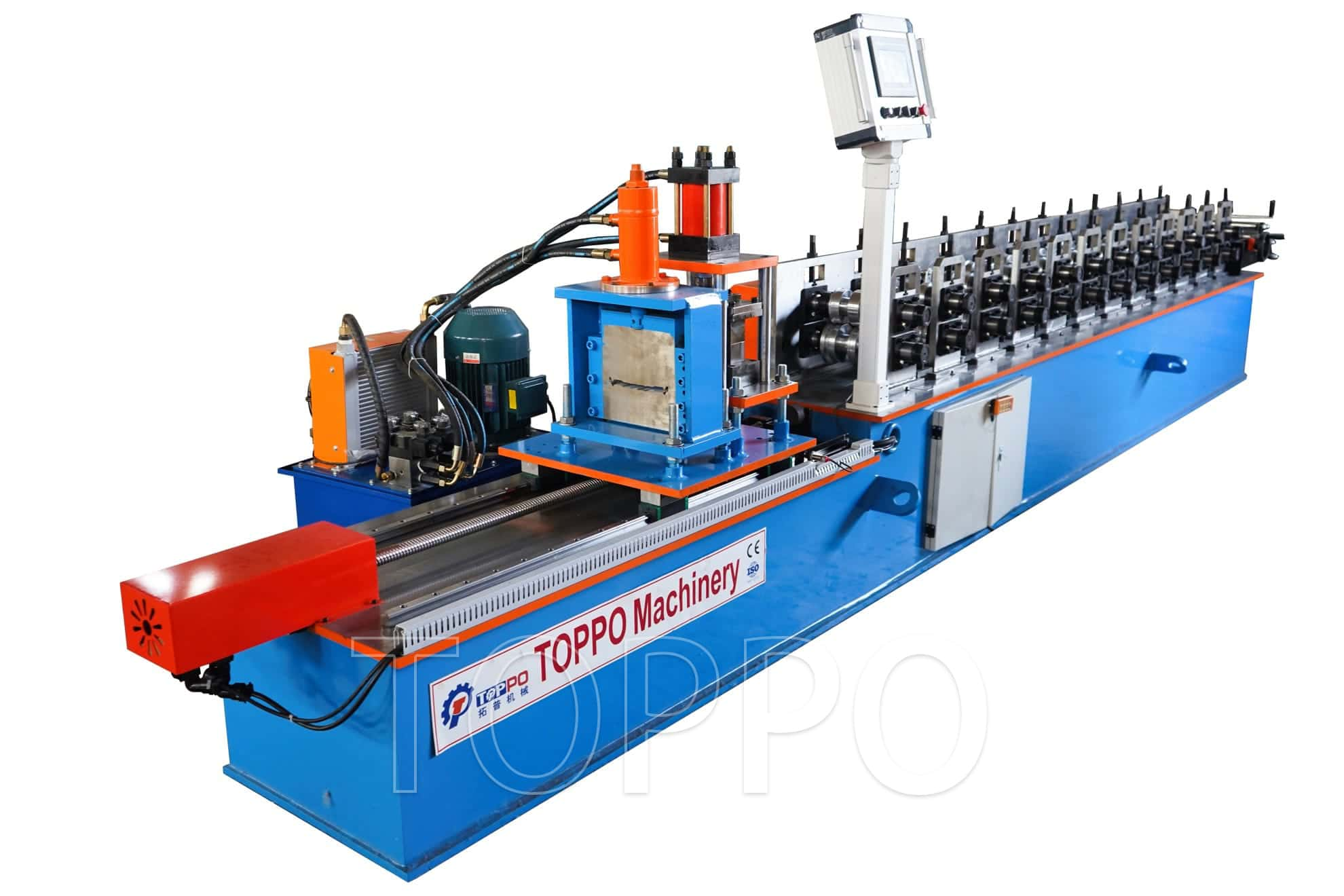
As the demand for durable and high-quality roofing materials continues to rise, roofing sheet manufacturers are embracing innovative technologies to stay competitive in the market. One such technology that has revolutionized the industry is roll forming. In this article, we will explore the latest innovations in roll forming technology for roofing sheet manufacturers, focusing on advancements in machinery such as the Heavy-Duty 850 Roof and Wall Panel Sheet Corrugated Roof Roll Forming Machine. We will also discuss practical implementation steps, challenges to avoid, and real-world case studies.
Understanding Roll Forming Technology
Roll forming is a continuous bending process in which metal sheets are passed through a series of rollers to form them into the desired shape. This process is commonly used for producing roofing sheets, wall panels, and other metal products. The key advantage of roll forming is its ability to produce high volumes of parts with consistent shapes and high precision, which is critical for roofing sheet manufacturers.
Recent Innovations in Roll Forming Technology
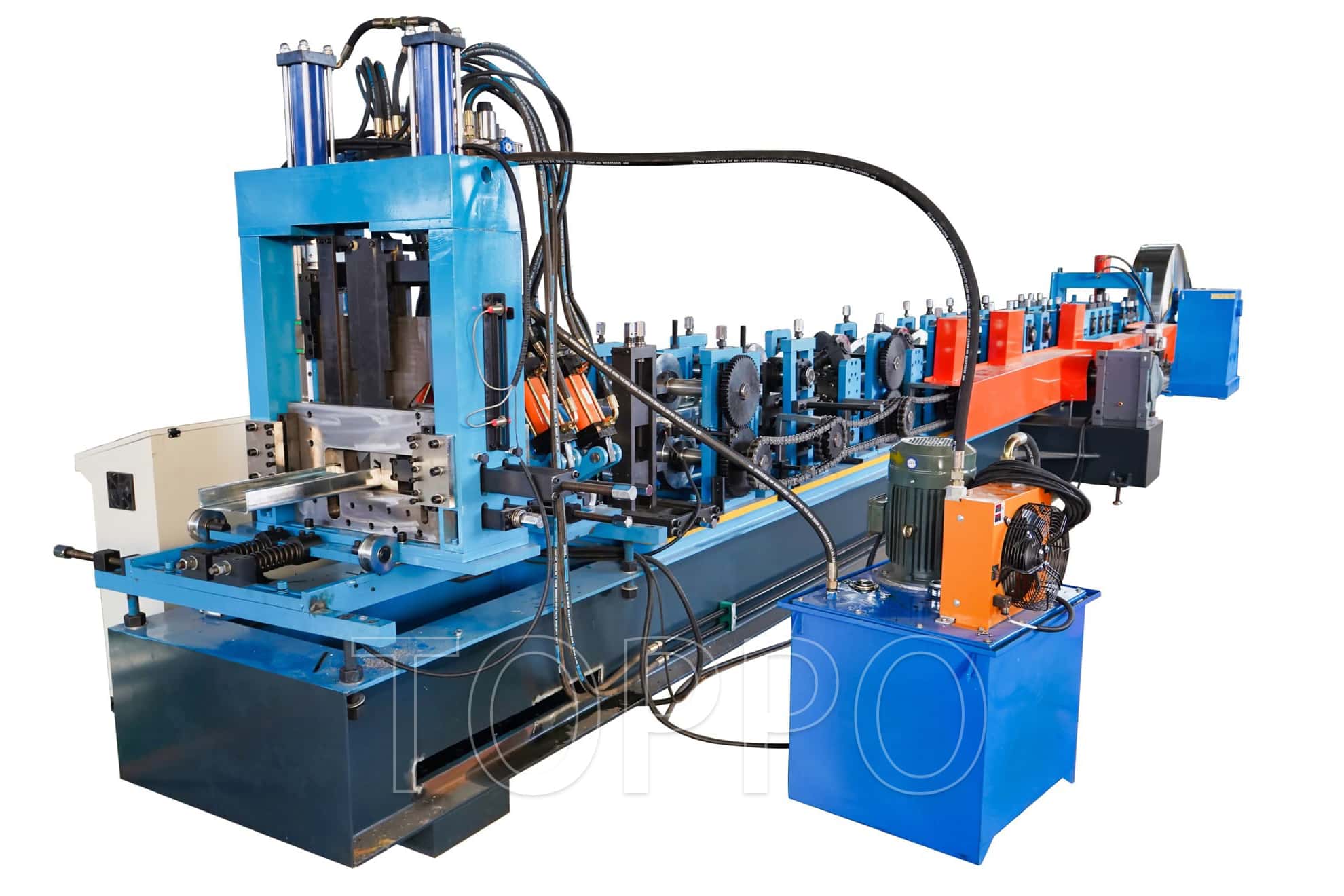
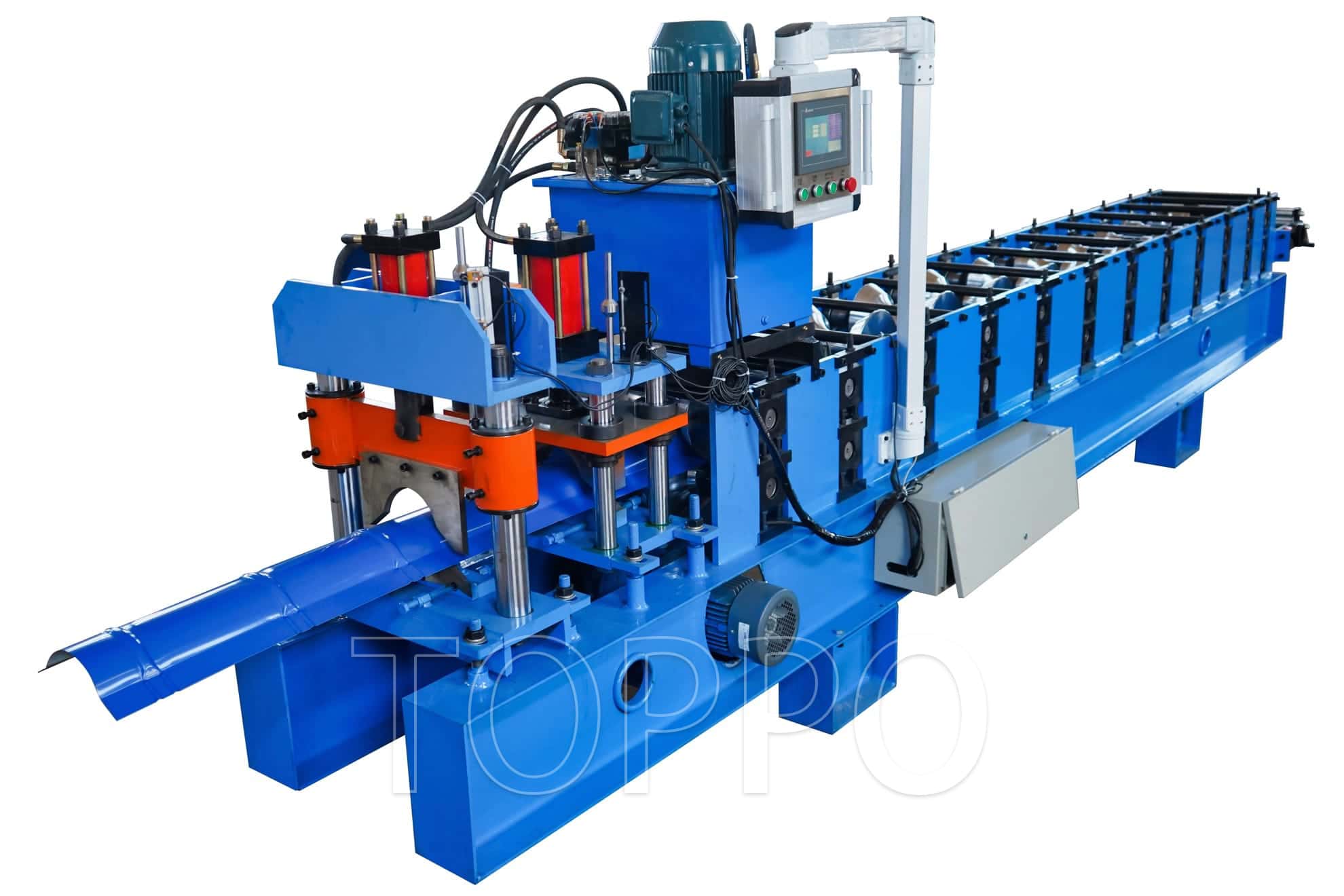
1. Automation and Smart Machines: One of the most significant innovations in roll forming technology is the integration of automation and smart machines. Modern Corrugated Roll Forming Machines are equipped with sensors, PLCs (programmable logic controllers), and IoT (Internet of Things) capabilities, allowing manufacturers to monitor production in real-time and optimize the manufacturing process. These machines can automatically adjust settings for different material thicknesses, profiles, and lengths, ensuring a high level of efficiency and reducing the need for manual intervention.
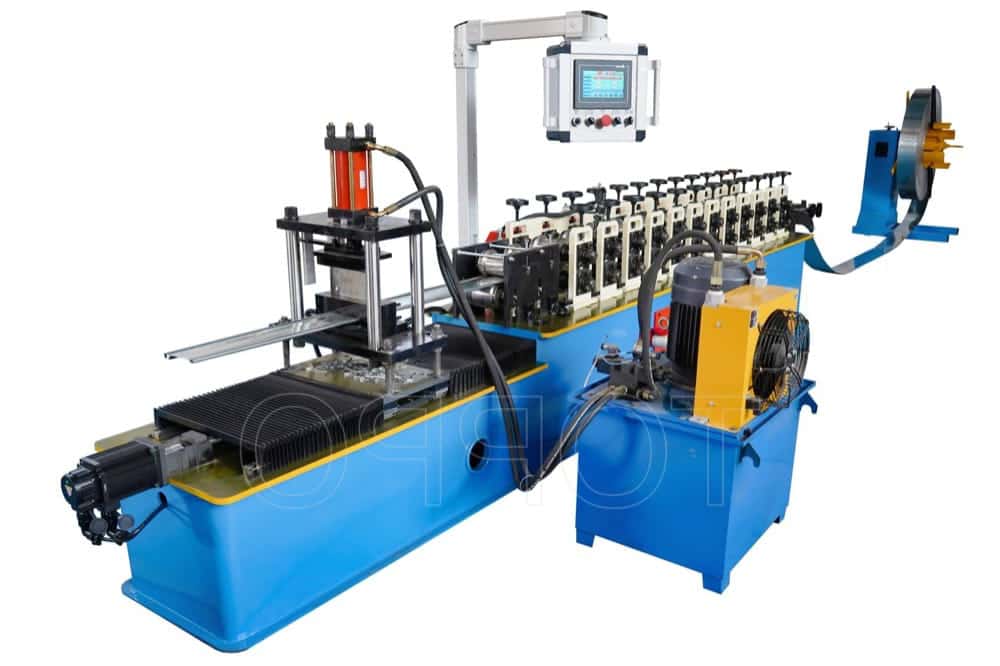
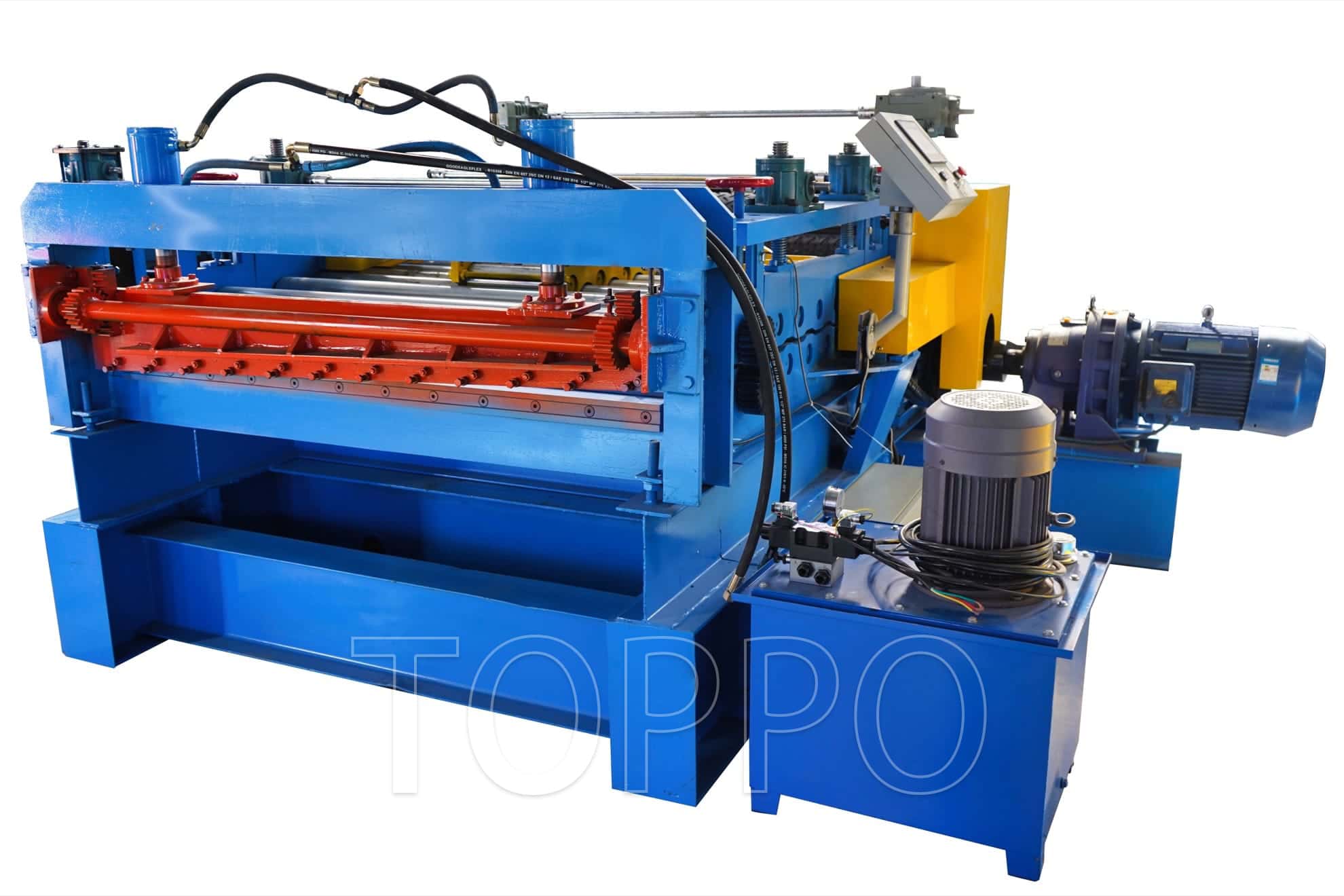
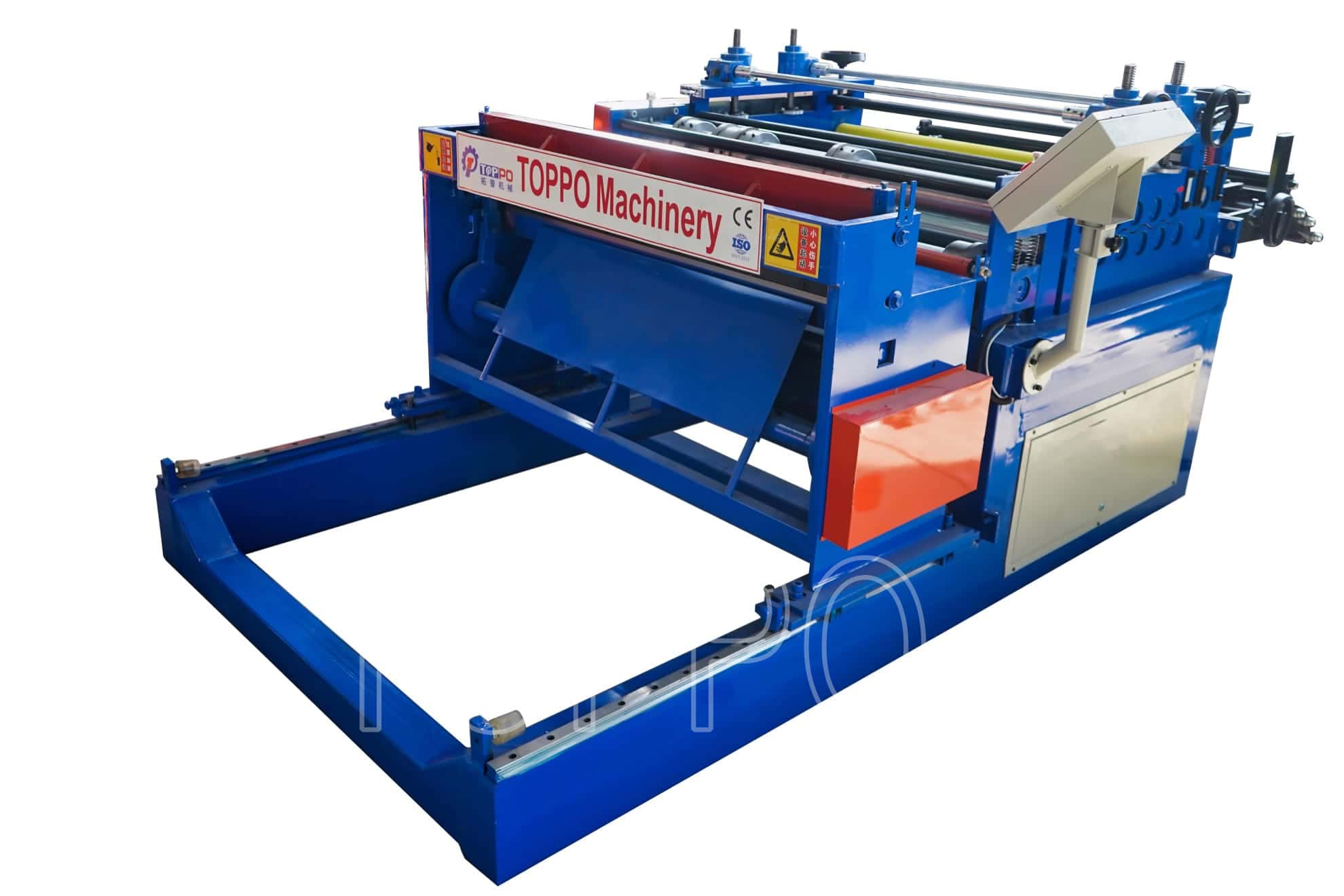
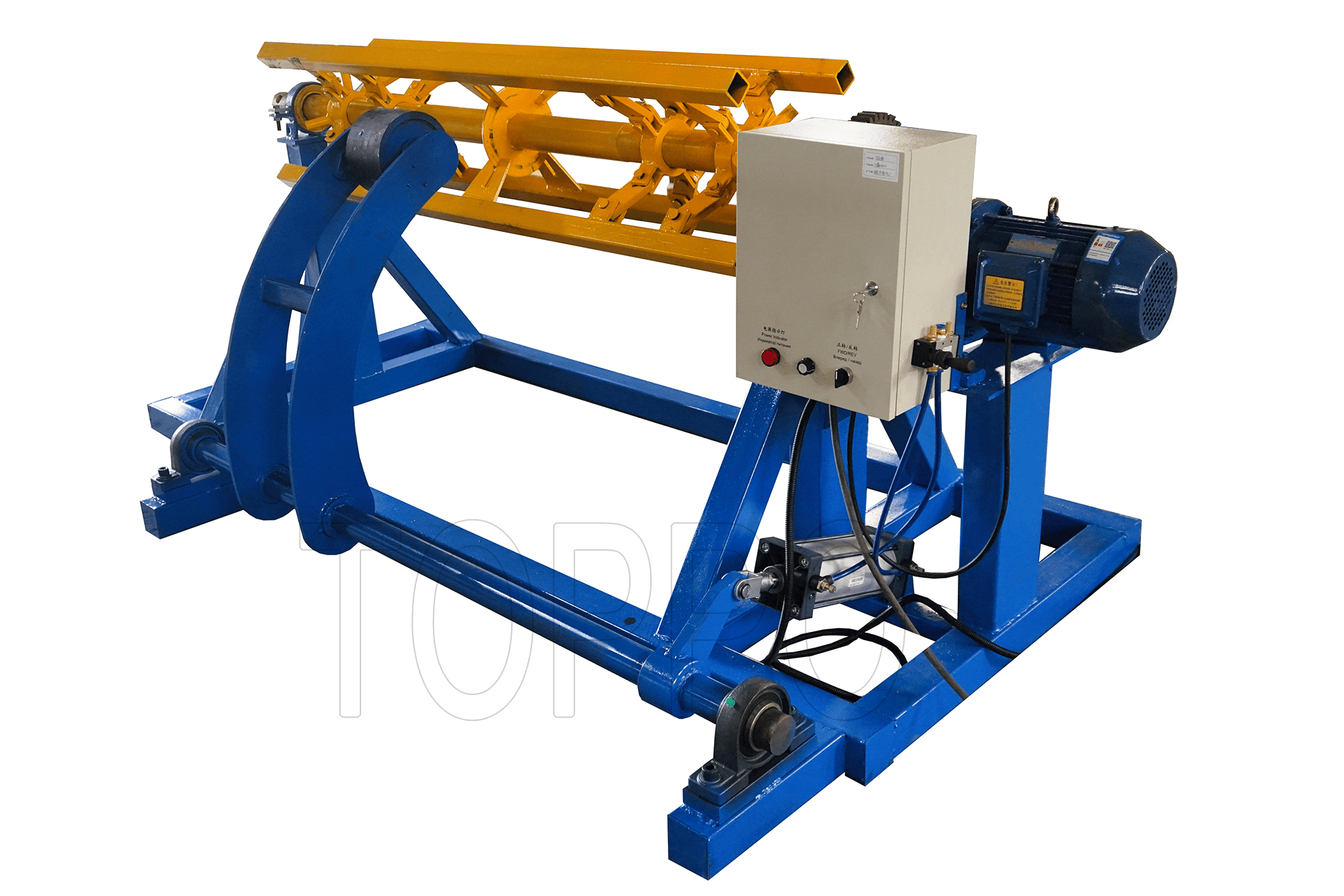
2. Advanced Material Handling Systems: Innovations in material handling systems have also played a significant role in improving the efficiency of roll forming lines. Modern machines are designed to handle a variety of materials, including high-strength steels and aluminum, with greater ease. Additionally, automated coil handling systems help streamline production by reducing downtime and ensuring that materials are fed into the machine smoothly and consistently.
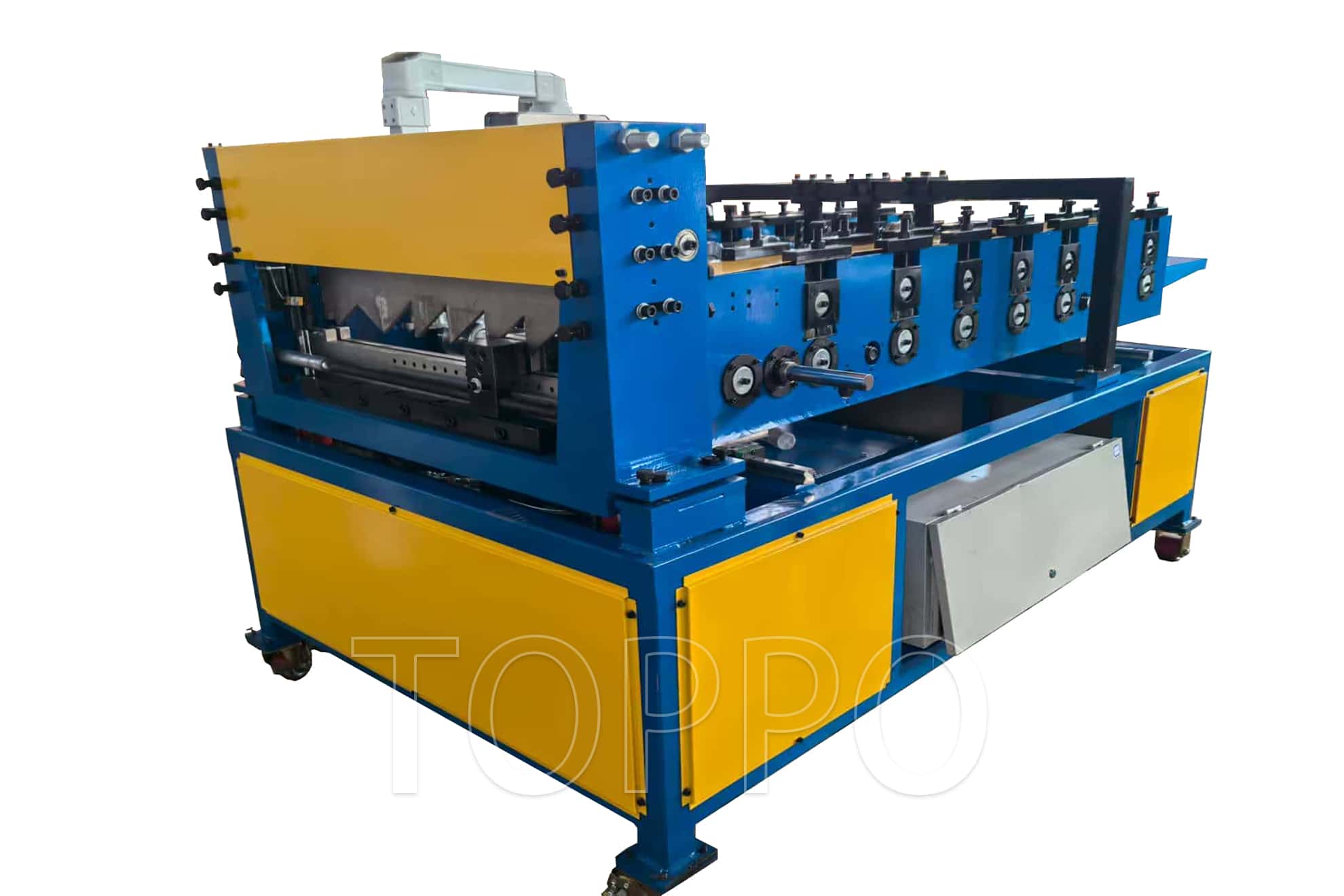
3. Energy-Efficient Machines: As energy costs rise, roofing sheet manufacturers are increasingly adopting energy-efficient machines. The latest Roof Panel Making Machines are designed to consume less energy while maintaining high production rates. These machines incorporate energy-saving features such as variable-speed drives and energy recovery systems, helping manufacturers reduce their overall energy consumption and improve cost efficiency.
Steps for Implementing Roll Forming Innovations
1. Evaluate Production Needs: Before implementing new roll forming technology, manufacturers must assess their specific production needs. This includes evaluating the volume of production, material types, and desired profiles. Understanding these factors will help manufacturers choose the right machinery and technology for their production lines.
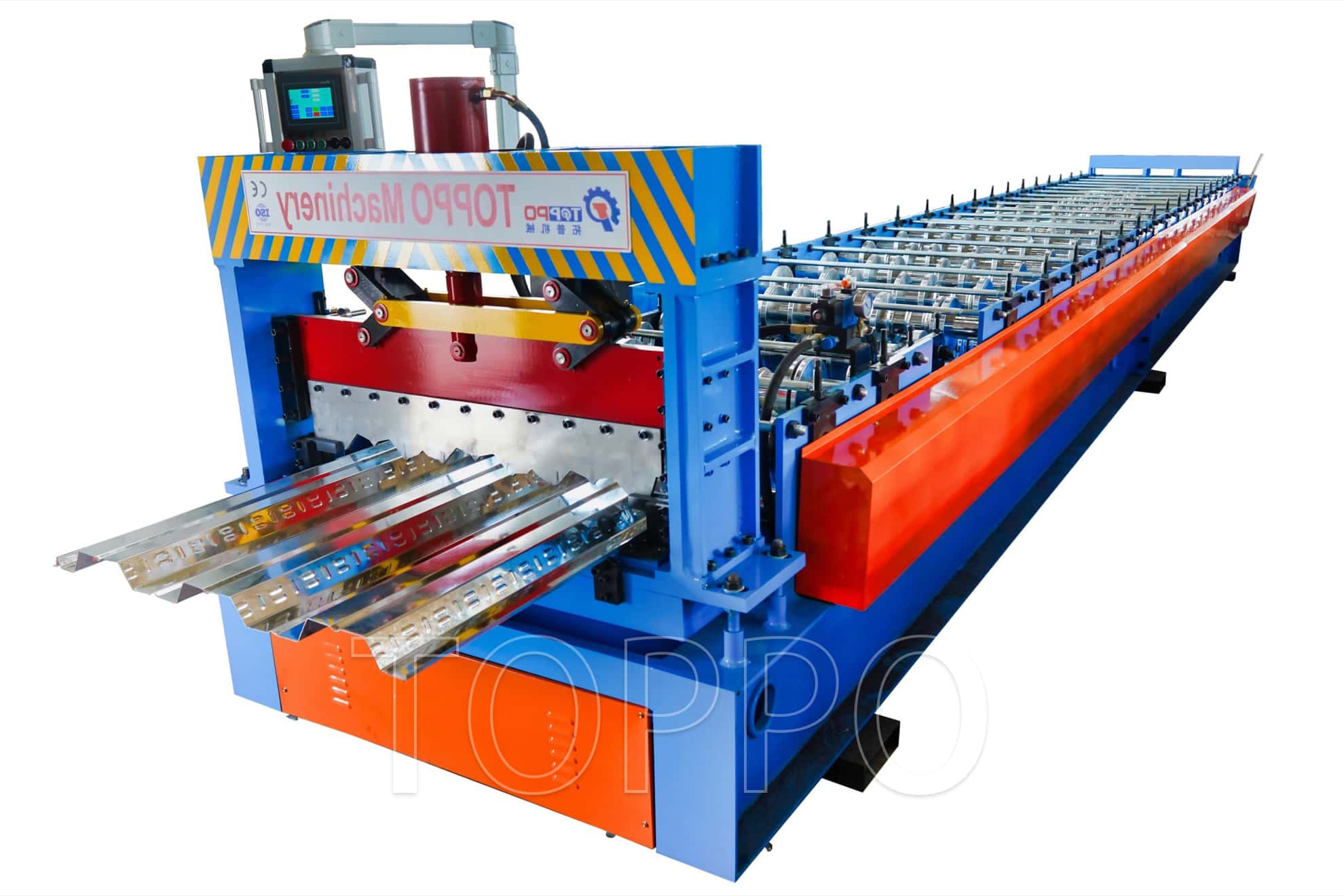
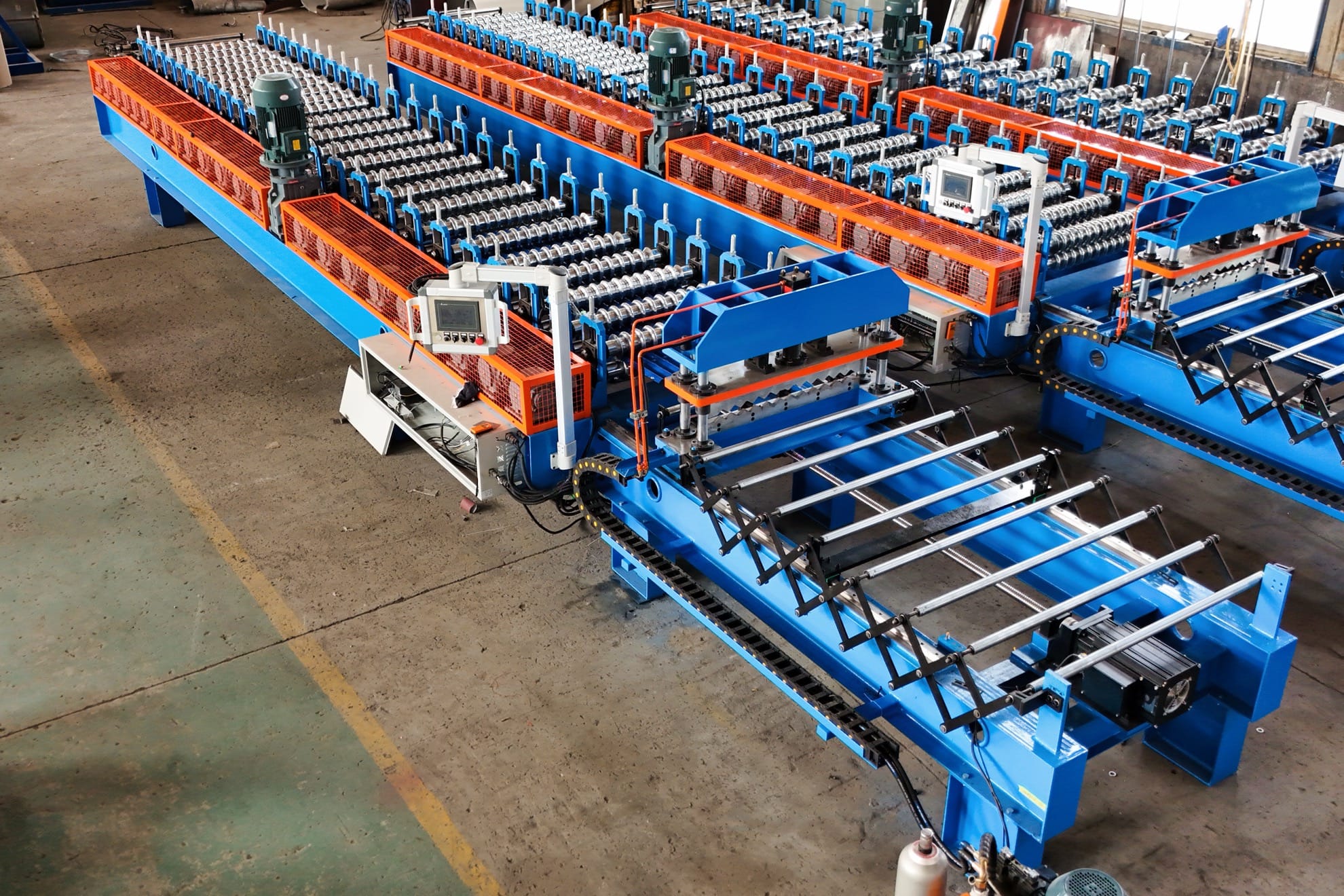
2. Upgrade Machinery: To take advantage of the latest innovations, roofing sheet manufacturers should consider upgrading their existing machines to more advanced versions. The Heavy-Duty 850 Roof and Wall Panel Sheet Corrugated Roof Roll Forming Machine, for example, offers enhanced capabilities, such as the ability to produce a wider range of profiles with improved precision and speed.
3. Train Operators: It is essential to train operators on the new technologies and machines. Although modern roll forming machines are designed to be user-friendly, operators need to be familiar with their functionalities to maximize their potential. Regular training ensures that operators can efficiently monitor and adjust machines for optimal performance.
Common Mistakes to Avoid
1. Underestimating the Cost of Implementation: Many manufacturers overlook the initial cost of implementing new roll forming technology. While advanced machines may have higher upfront costs, they can lead to significant savings in the long term by improving efficiency and reducing maintenance costs.
2. Neglecting Maintenance: Another common mistake is neglecting regular maintenance of roll forming machines. To ensure long-term performance and prevent unexpected downtime, manufacturers must implement a strict maintenance schedule. This includes checking for wear and tear on rollers, adjusting machine settings, and cleaning the machines regularly.
Case Studies in Roll Forming Technology
In one case study, a roofing sheet manufacturer in the United States adopted an advanced Corrugated Roll Forming Machine equipped with automated material handling and energy-saving features. The company saw a 25% increase in production efficiency and a 15% reduction in energy consumption after implementing the new technology.
Another example comes from a company in India that upgraded its production line with the Heavy-Duty 850 Roof and Wall Panel Sheet Corrugated Roof Roll Forming Machine. The new machine enabled the manufacturer to produce a wider range of roofing profiles, which helped them expand their market reach and improve customer satisfaction.
Conclusion
The latest innovations in roll forming technology have transformed the roofing sheet manufacturing process, offering manufacturers improved efficiency, precision, and cost savings. By embracing these advancements, such as automation, energy-efficient machines, and advanced material handling systems, manufacturers can stay competitive and meet the growing demand for high-quality roofing materials. Investing in the right machinery, such as the Roof Panel Making Machine and Corrugated Roll Forming Machine, and ensuring proper training and maintenance will enable manufacturers to maximize the benefits of these innovations.
READ MORE: