Why Consistent Sheet Width Plays a Major Role in Winning Roofing Contracts
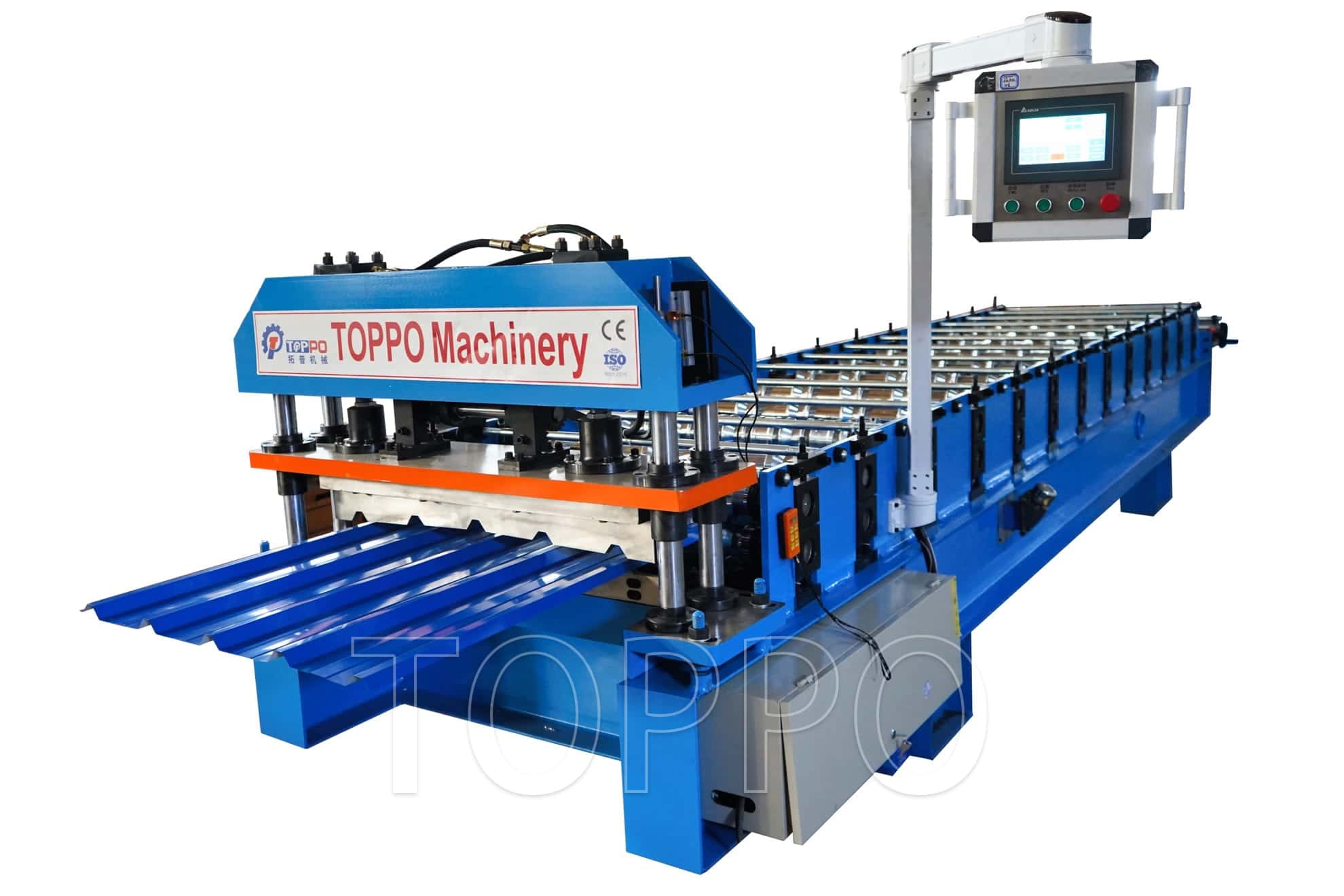
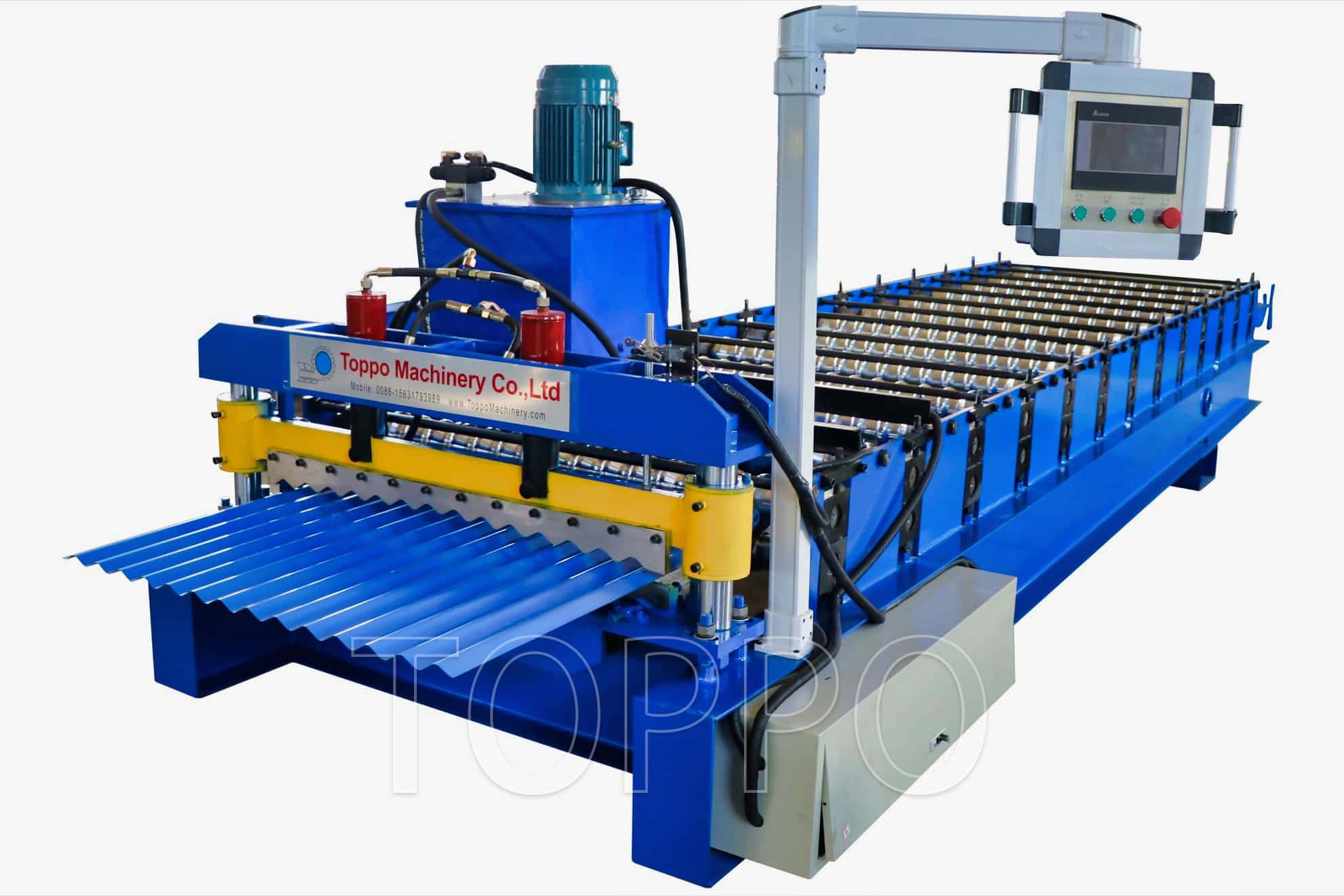
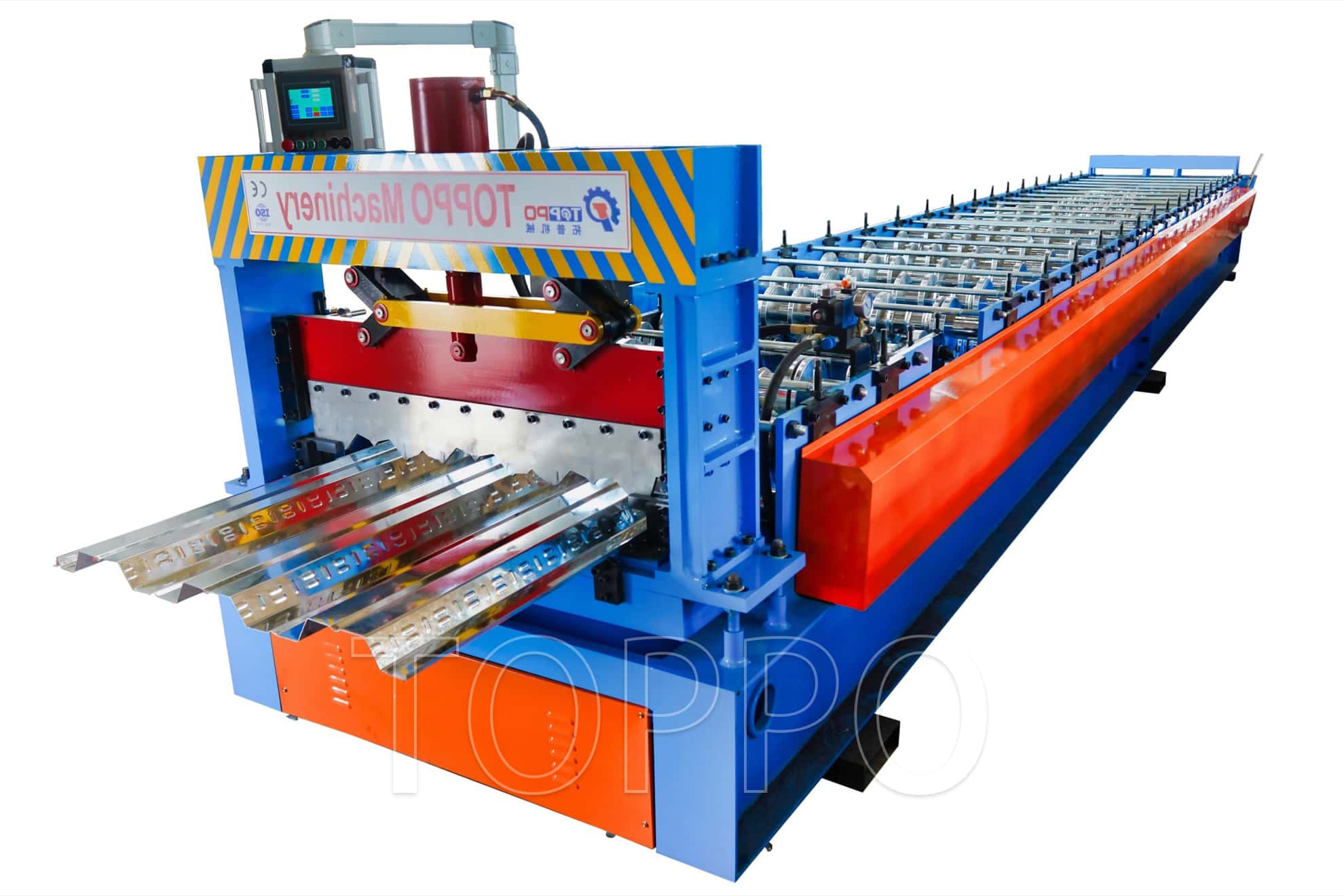
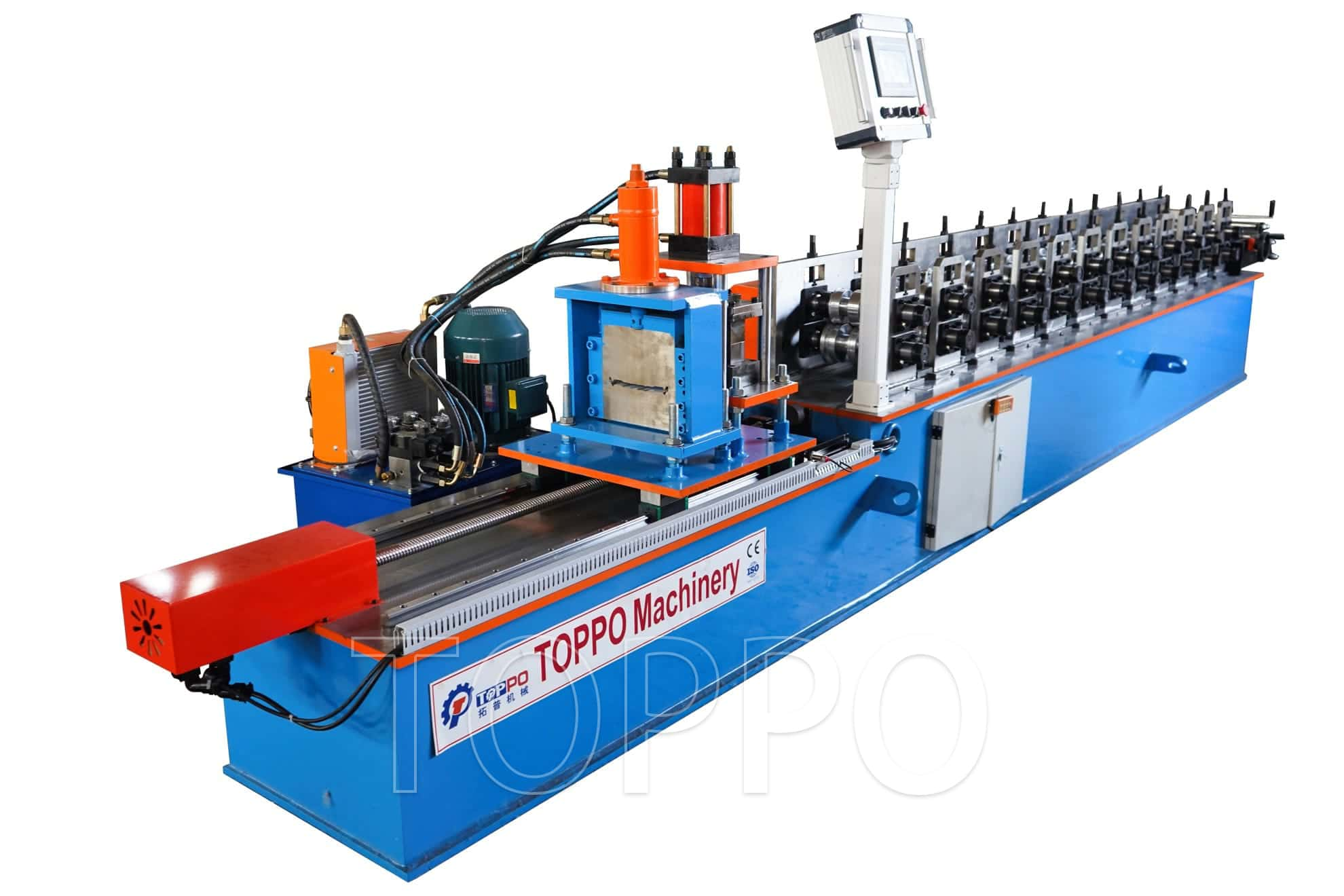
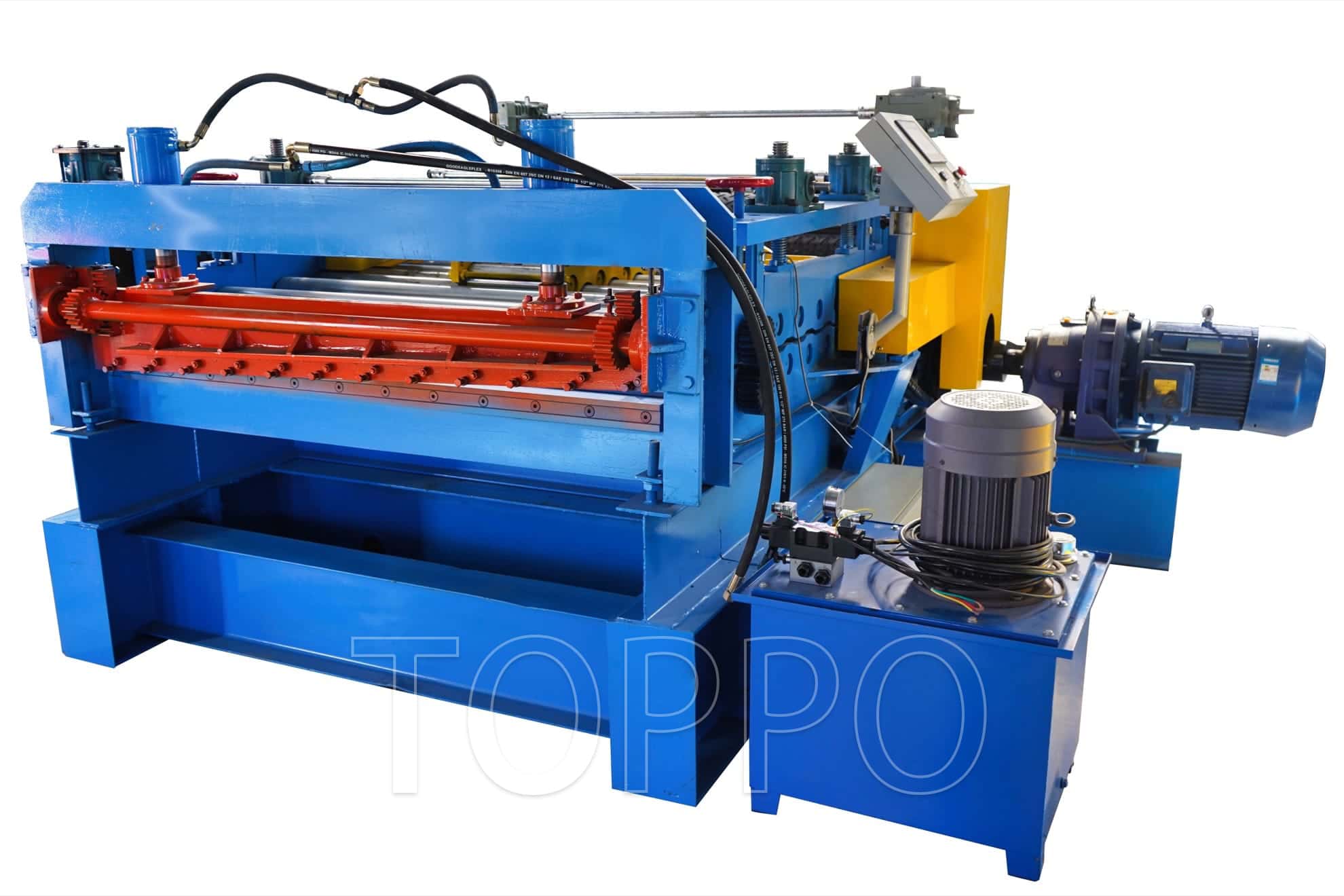
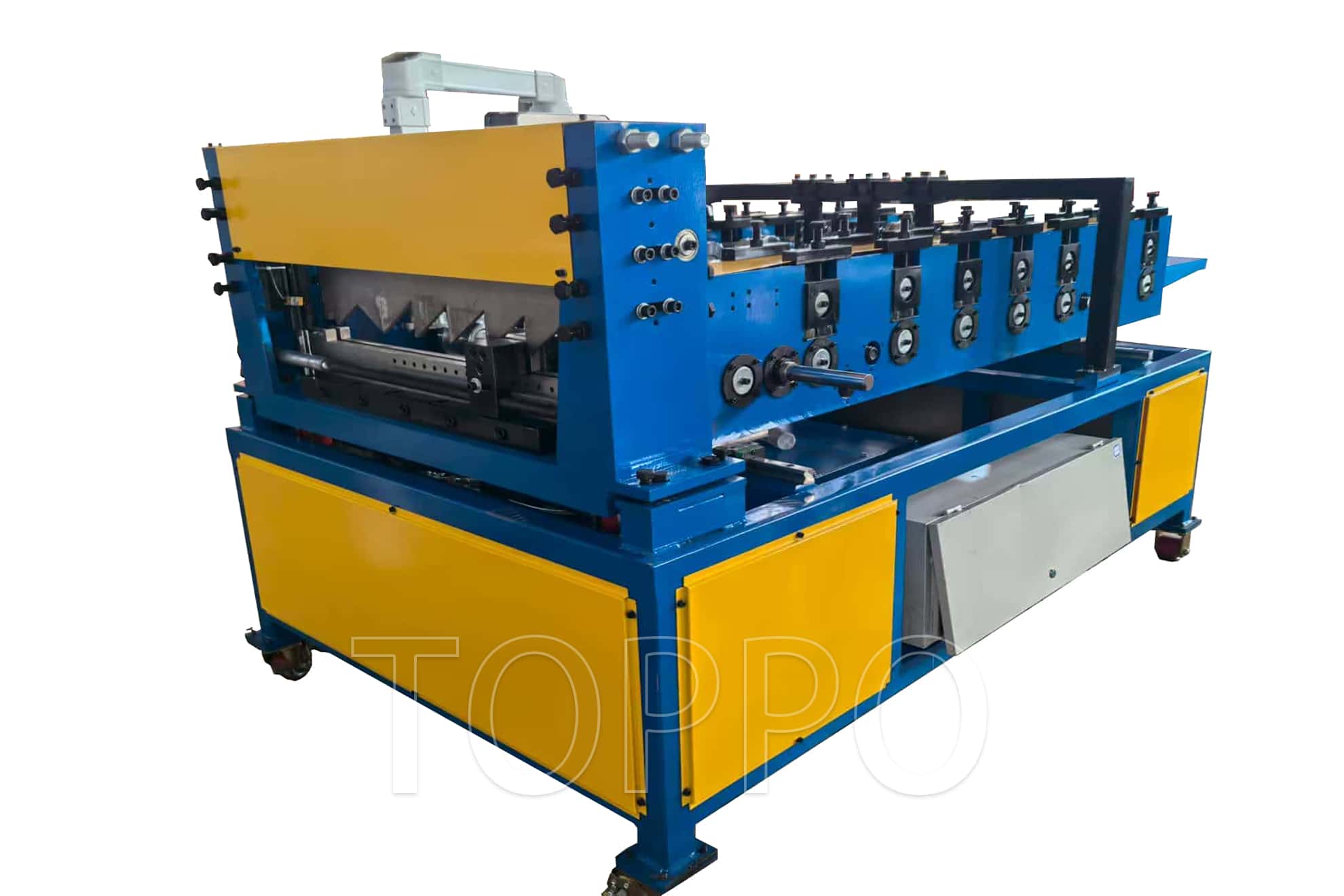
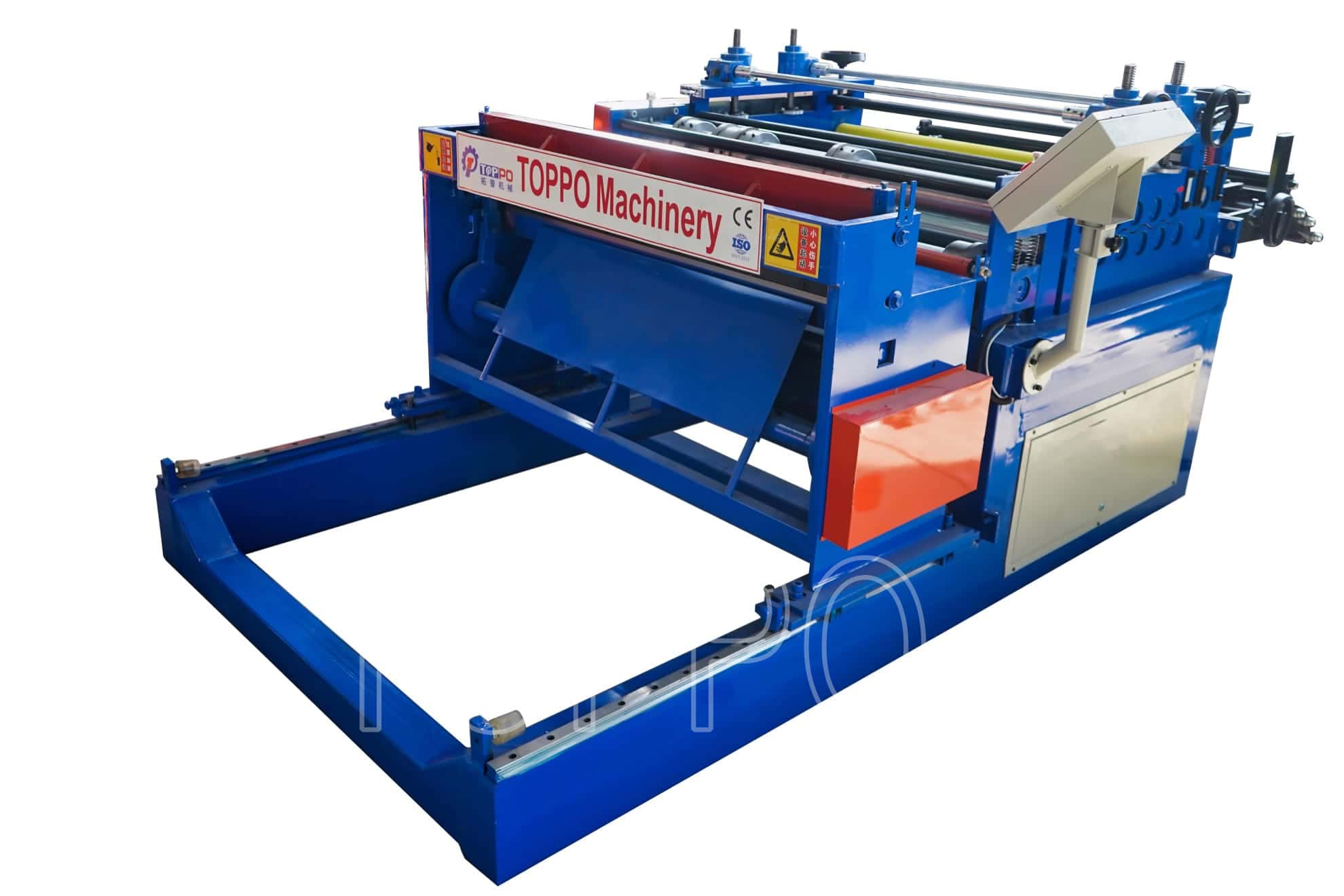
In the roofing industry, contractors and project owners expect precision, reliability, and quality. Among the many performance factors, consistent sheet width—especially on products made with the Heavy-Duty 850 Roof And Wall panel sheet corrugated roof roll forming machine—can make the difference between winning and losing a contract.
1. The Business Impact of Sheet Width Consistency
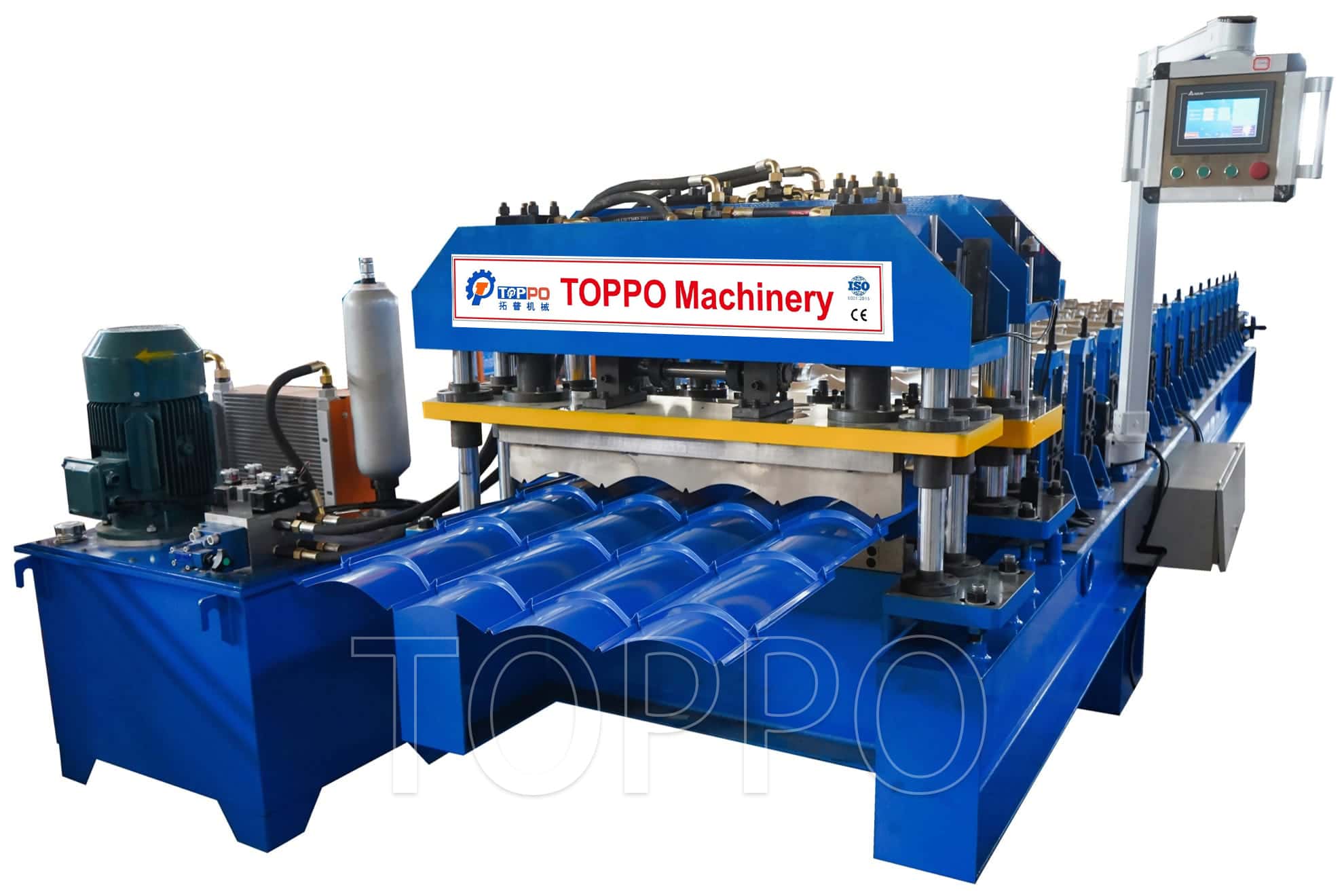
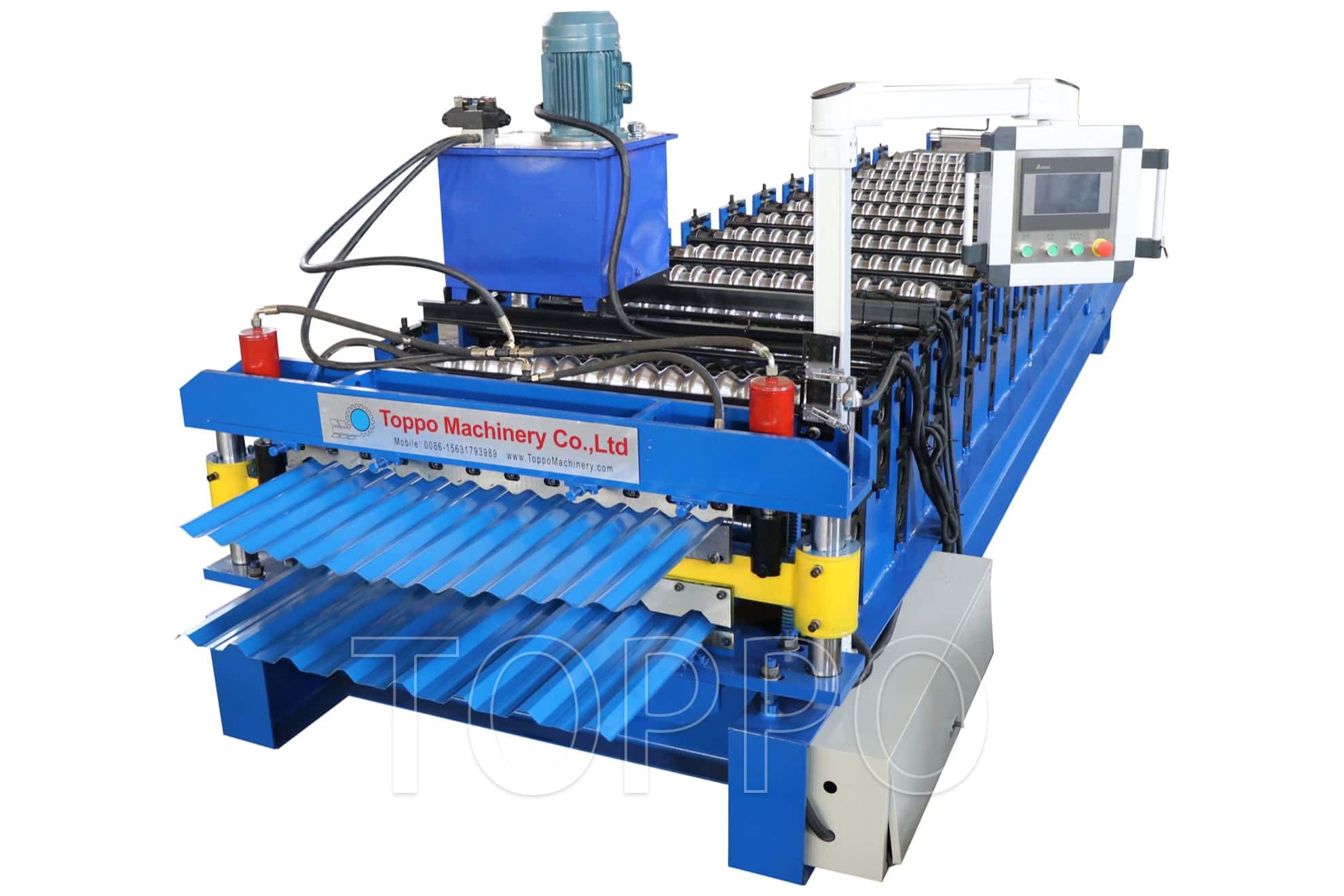
Sheet width variability can lead to misalignment, water leakage, and increased waste during installation. For roofing sheet suppliers, even a few millimeters of deviation from specification can result in costly site errors and project delays, giving competitors an edge. Machines like the roof panel making machine are critical for maintaining exact standards.
2. How to Achieve Consistent Sheet Width
Machine Calibration: Regularly calibrate the corrugated roll forming machine and monitor all roller positions. Neglecting this step is a common cause of width deviation.
Raw Material Inspection: Inspect incoming coils for width, thickness, and flatness before loading onto the roof panel making machine.
Process Monitoring: Use sensors and real-time measurement tools to catch deviations immediately. Operators should log readings at set intervals for traceability.
Operator Training: Train staff on proper adjustment procedures for the Heavy-Duty 850 Roof And Wall panel sheet corrugated roof roll forming machine, with emphasis on troubleshooting common width errors.
Batch Testing: Take samples from every production batch and check width with calibrated gauges. Isolate and investigate any out-of-spec findings.
3. Mistakes That Compromise Sheet Width
Ignoring minor roller misalignments, which can amplify across long runs.
Using poor-quality or variable-width raw materials.
Failing to replace worn rollers and guides in the corrugated roll forming machine.
4. Case Study: Winning and Losing Contracts
A roofing supplier in Mexico lost a major commercial contract when on-site installation revealed that sheets were inconsistent by 5mm, causing delays and additional costs. By contrast, a competitor using the Heavy-Duty 850 provided consistently accurate panels, finishing the job ahead of schedule and securing repeat business. In another case, a manufacturer improved their win rate by adding inline sensors to their roof panel making machine, eliminating width errors entirely.
5. Best Practices for Sheet Width Precision
Schedule monthly calibration for all key machines.
Log all width data and investigate any deviations promptly.
Keep a stock of spare rollers and guides for fast replacement.
Involve quality control staff in every production shift.
Conclusion
Consistent sheet width isn’t just a technical goal—it’s a strategic advantage in the roofing market. Producers using advanced systems like the Heavy-Duty 850 position themselves as reliable partners for high-stakes contracts and long-term success.
Tags: Heavy-Duty 850 Roof And Wall panel sheet corrugated roof roll forming machine, roof panel making machine, corrugated roll forming machine, sheet width consistency, contract win, quality control, machine calibration, real-time monitoring, raw material, operator training, roller alignment, roofing contract, batch testing, production error, competitive advantage, installation error, site waste, panel specification, manufacturing precision, market reputation, repeat business, inline sensor, production log, deviation, supplier success, traceability, project owner, site inspection, best practice, contract loss, equipment maintenance, production batch, data logging, commercial roofing, troubleshooting, quality staff, manufacturing reliability, roller wear, spare part, job schedule, error isolation, finished job, specification, gauge, roofing market, customer satisfaction.
READ MORE: