- Trapezoidal Machine
- Corrugated Machine
- Glazed Tile Machine
- Double Layer Machine
- CZU Purlin Machine
- Ridge Cap Machine
- Floor Decking Machine
- Rolling Door Machine
- Fence Machine
- Embossing Machine
- Standing Seam Machine
- Cut To Length And Slitting Line
- Guard Rail Machine
- Decoiler And Stacker
- Stud And Track Machine
- Gutter And DownPipe
- Curving Machine
- Cladding Panel Machine
- Corollary Equipment


Why Local Roofing Production Is Helping Peruvian Dealers Gain Competitive Advantages
Roofing sheet demand in Peru continues growing due to expanding residential construction, infrastructure projects, industrial development, and commercial building activity. As competition increases, many roofing sheet dealers are searching for ways to improve profitability, reduce dependence on imported roofing products, and maintain stable roofing sheet quality.
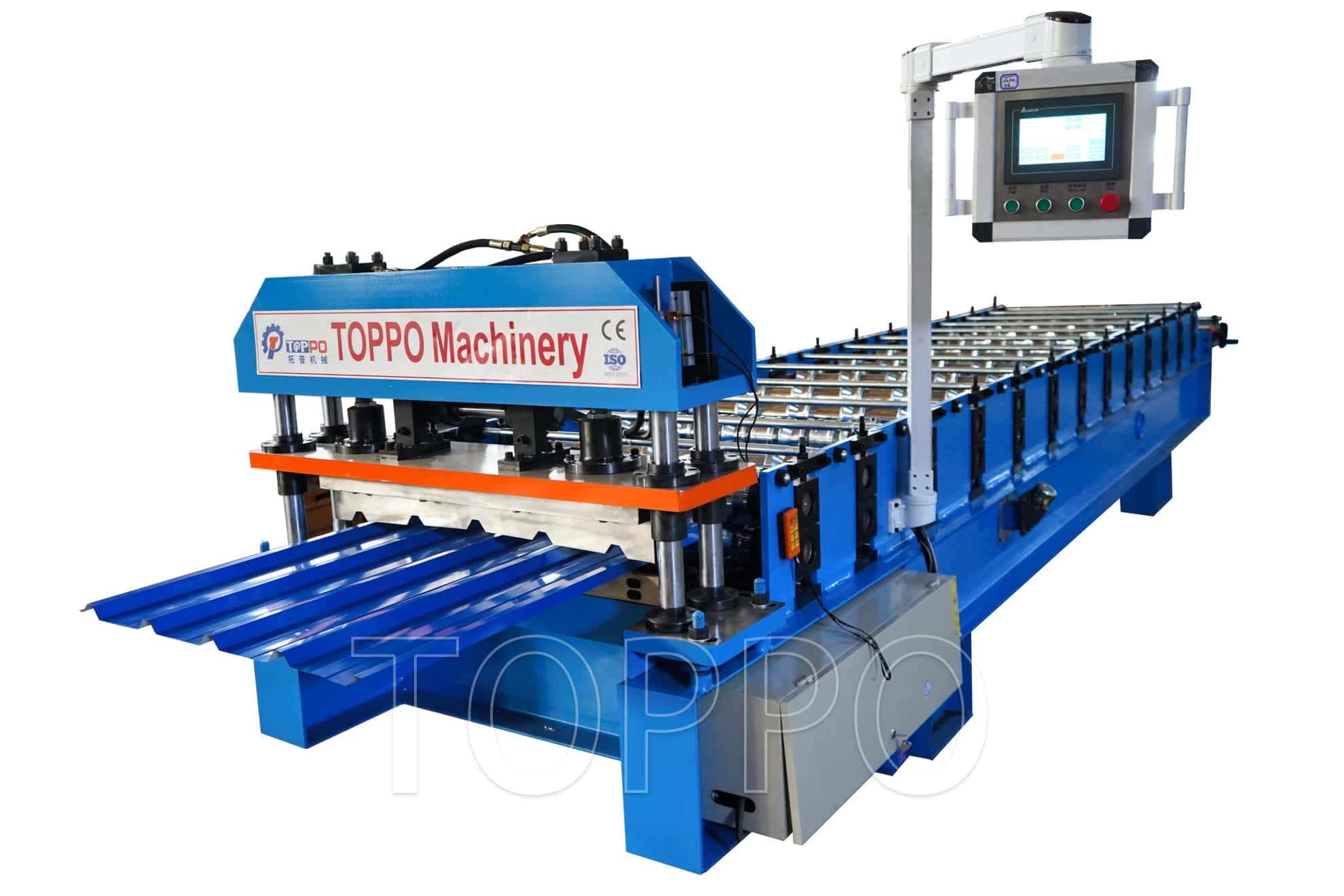
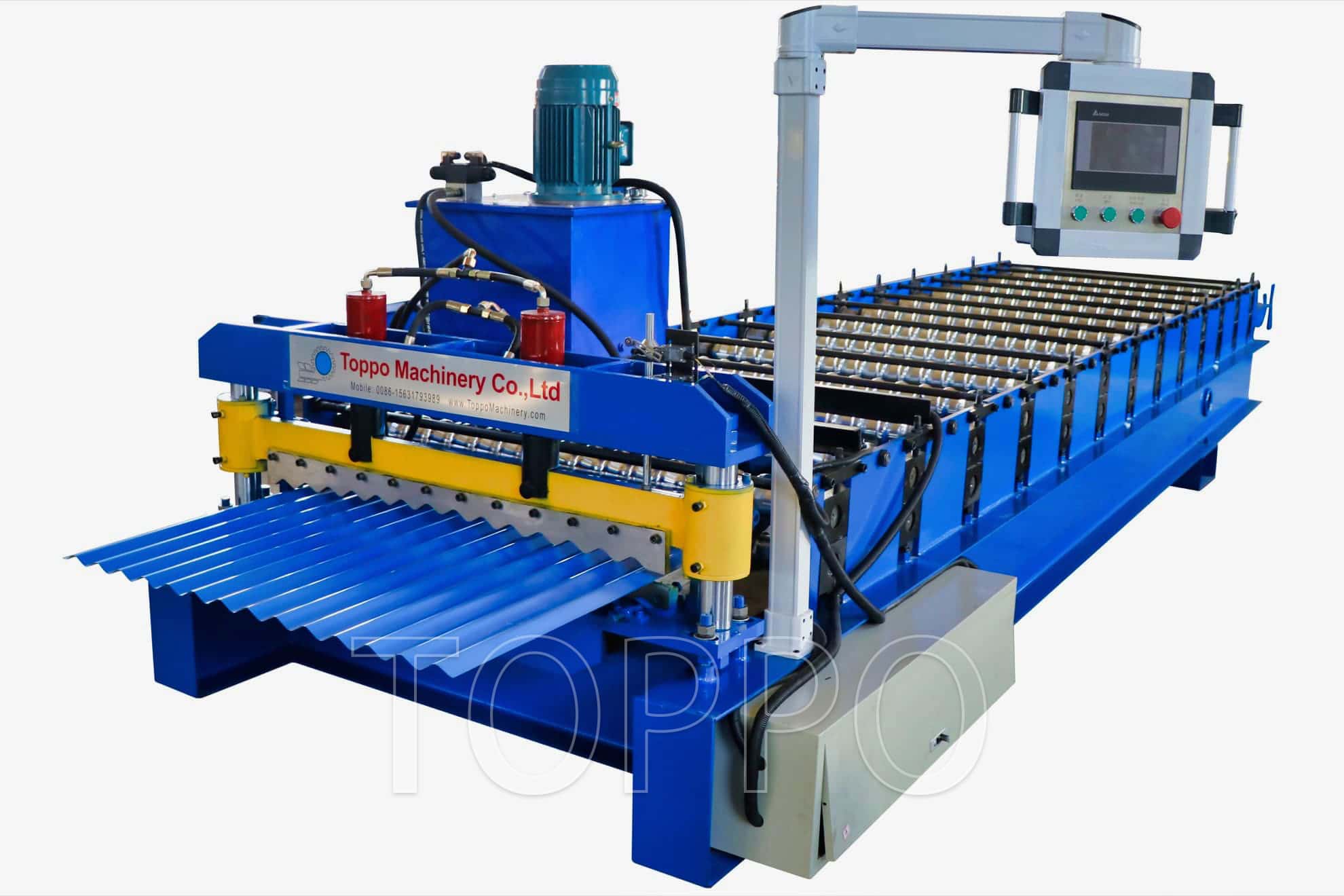
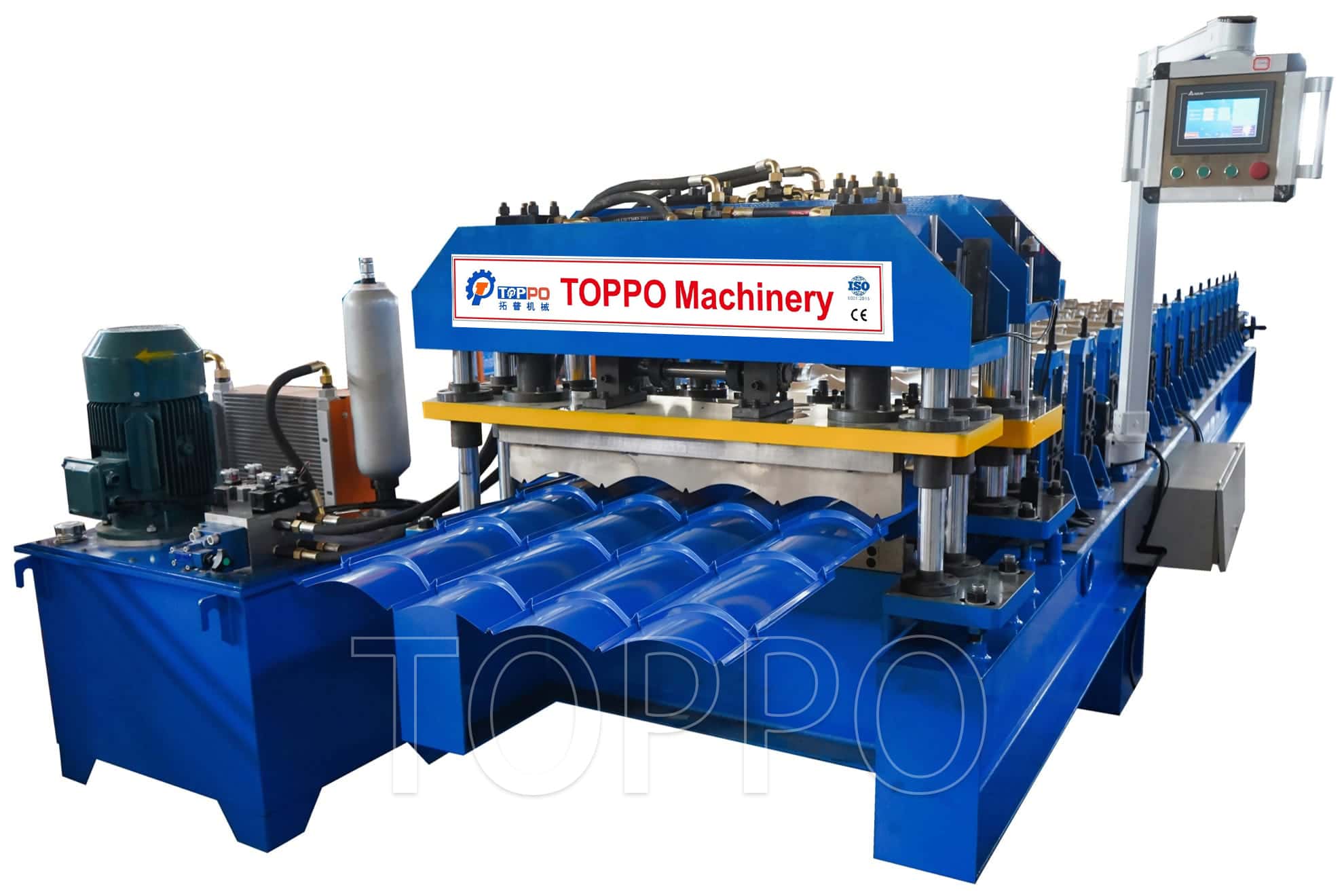
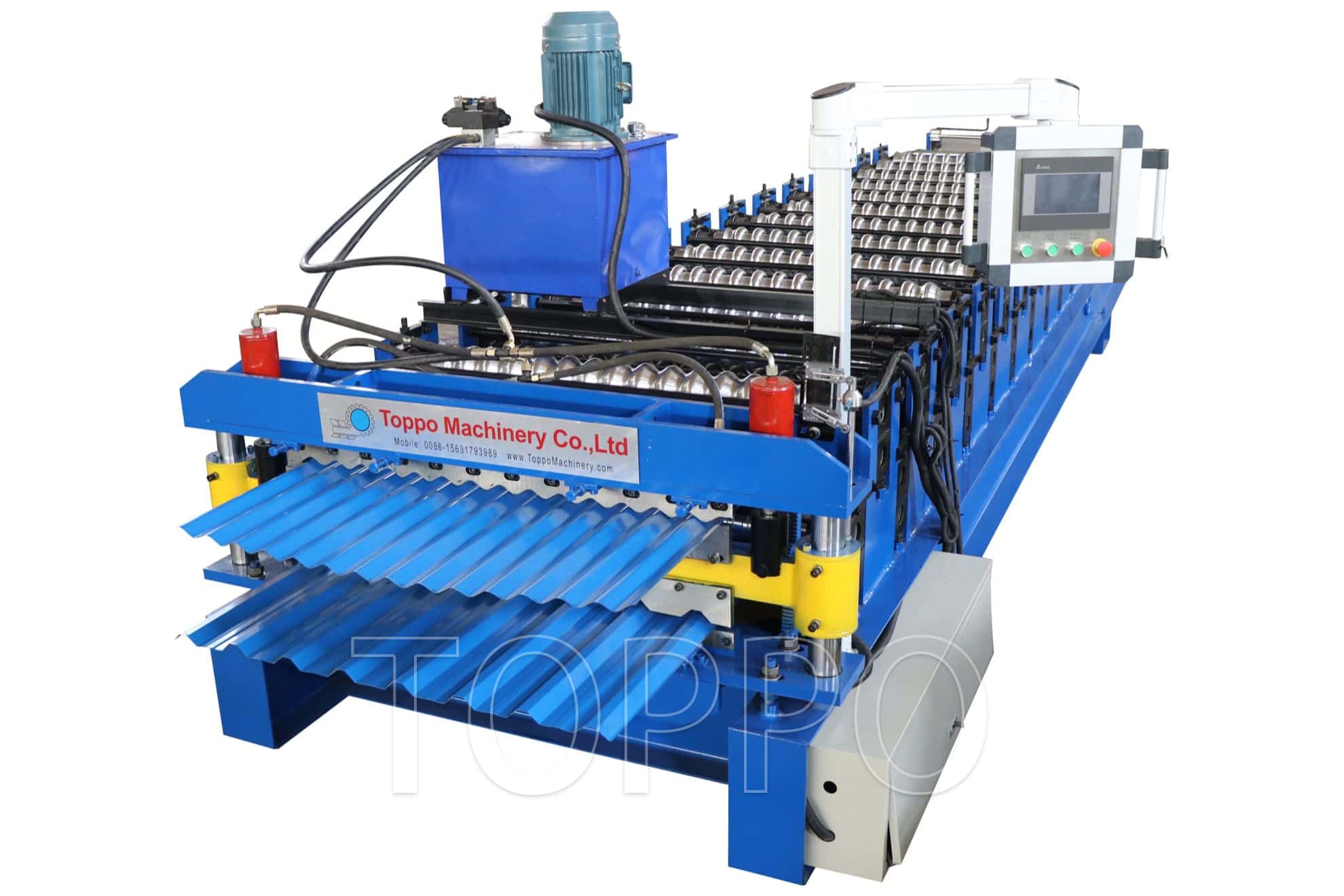
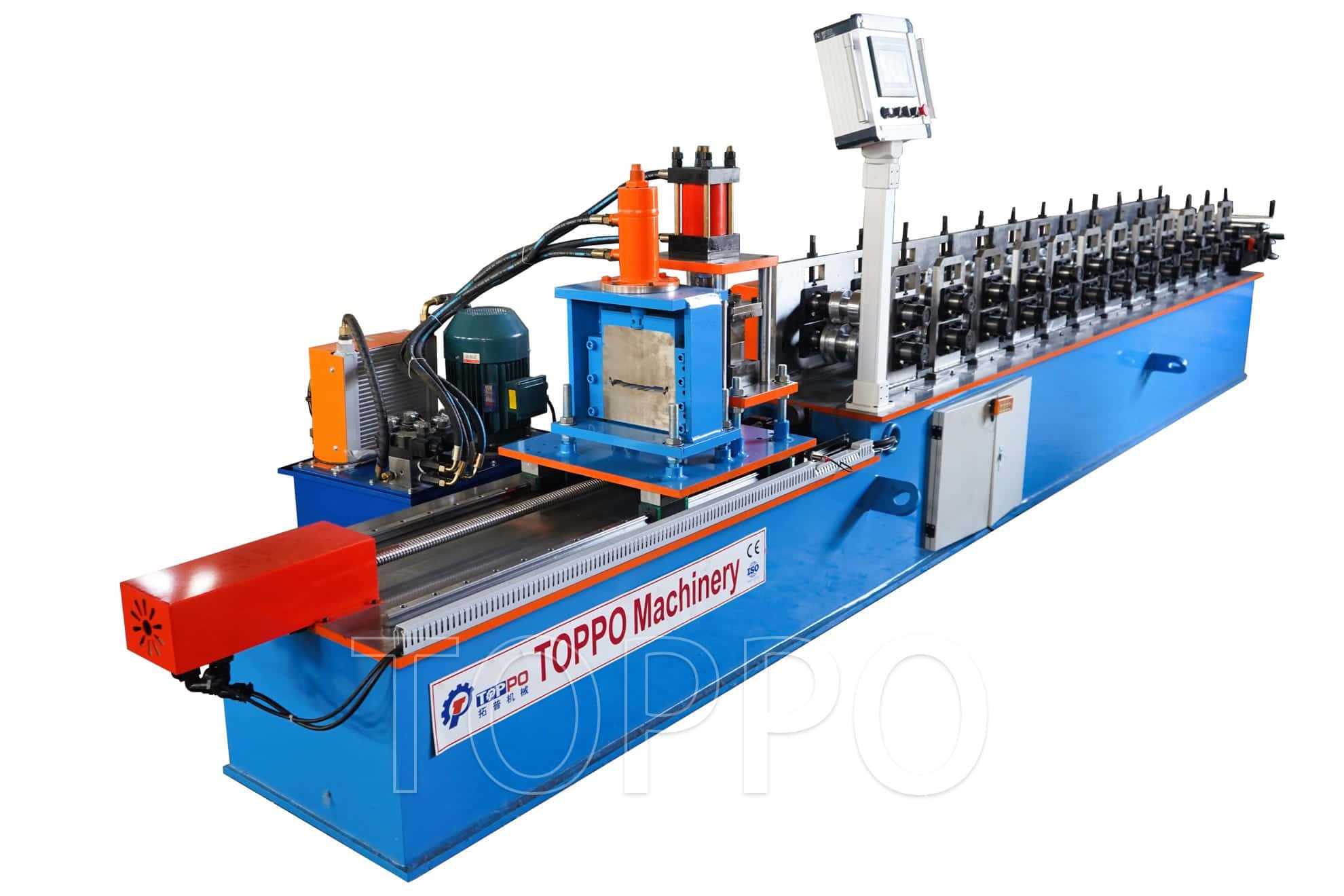
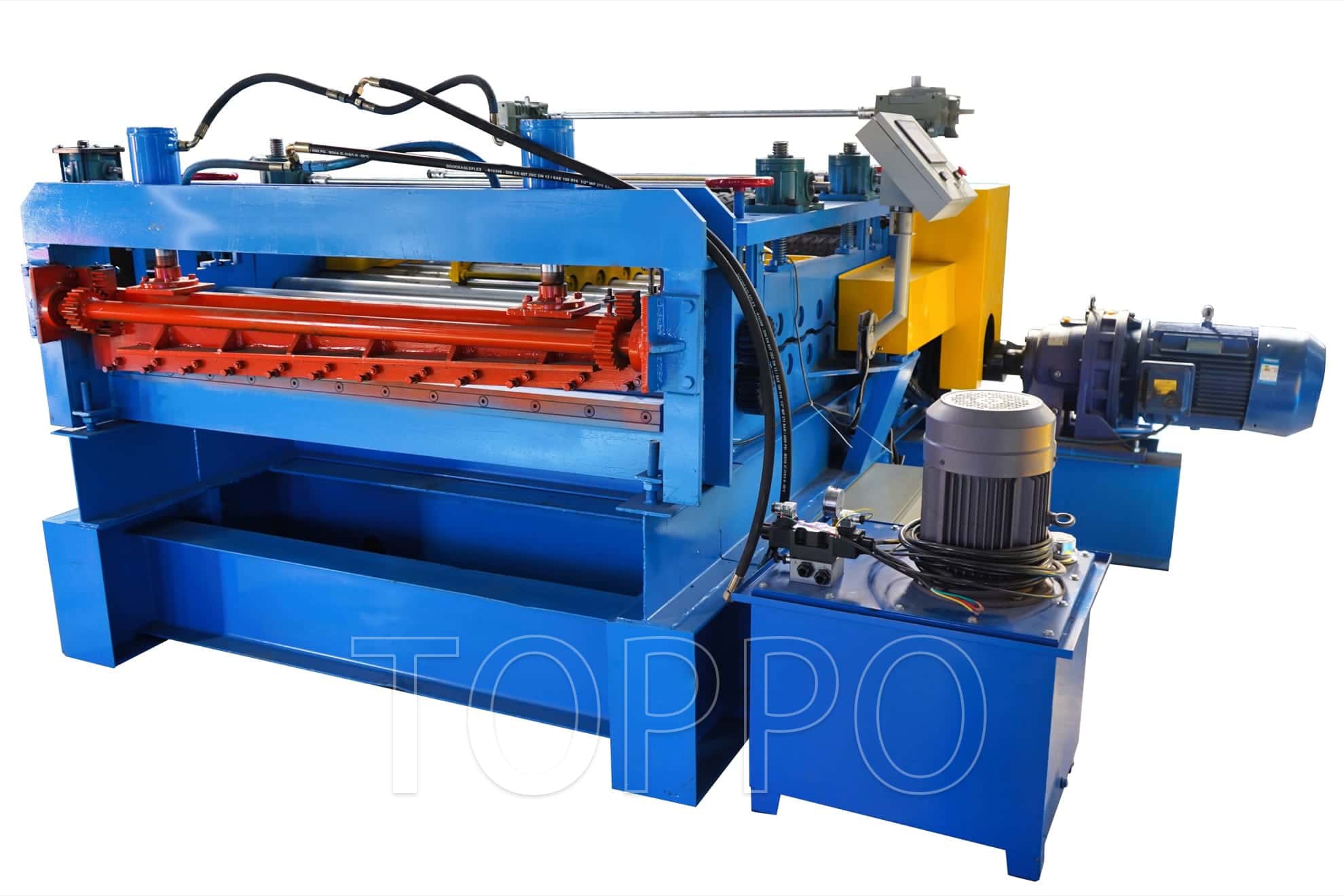
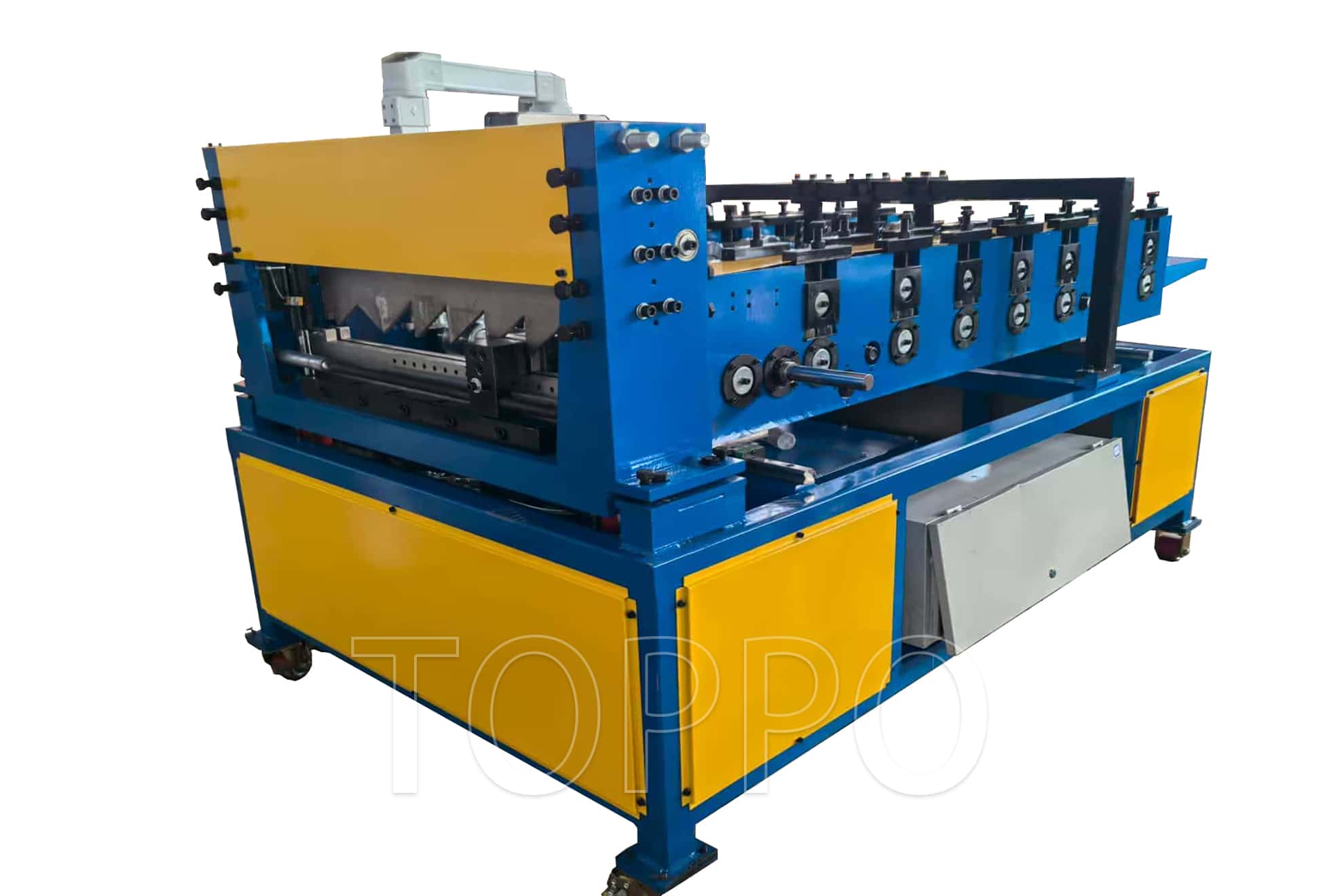
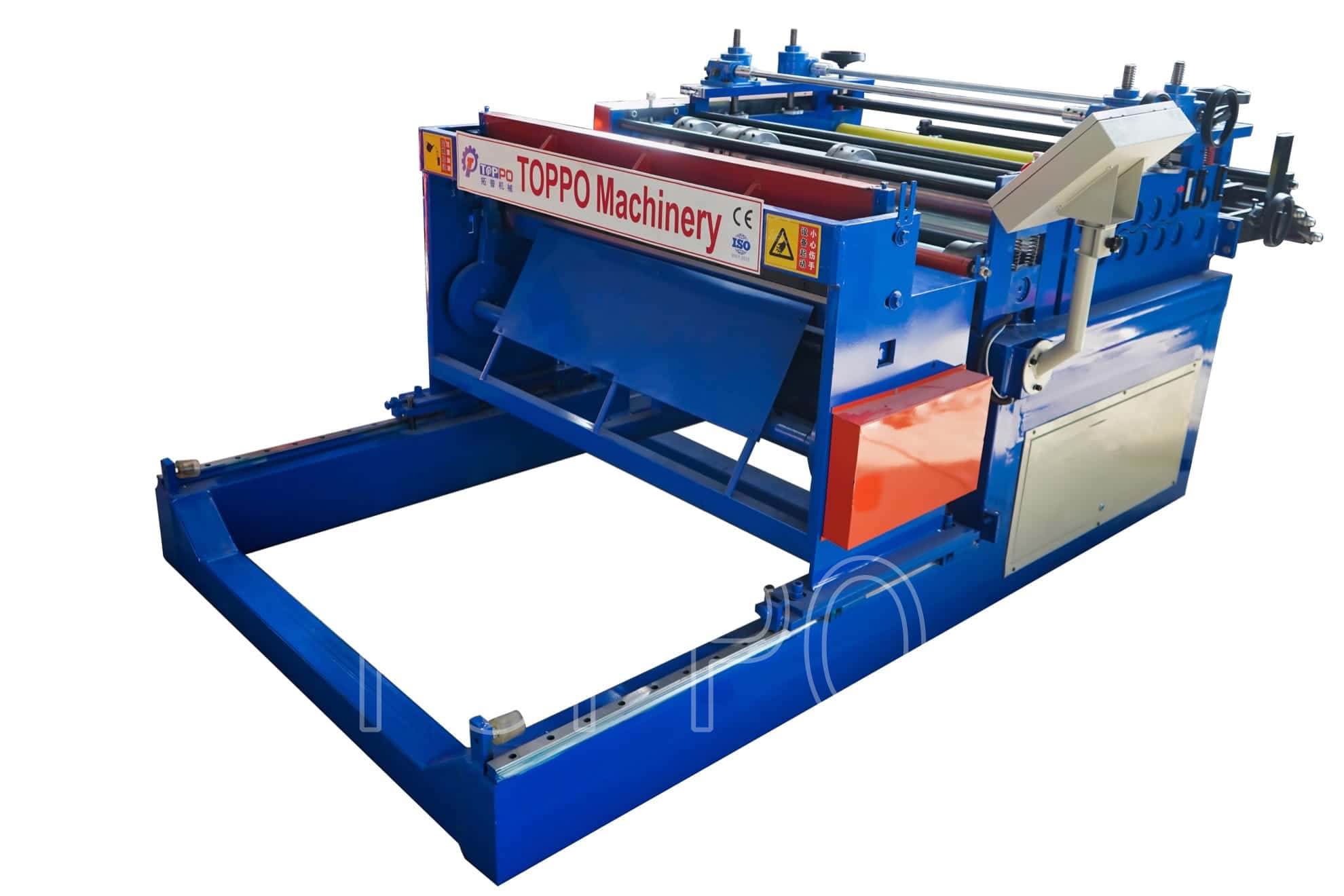
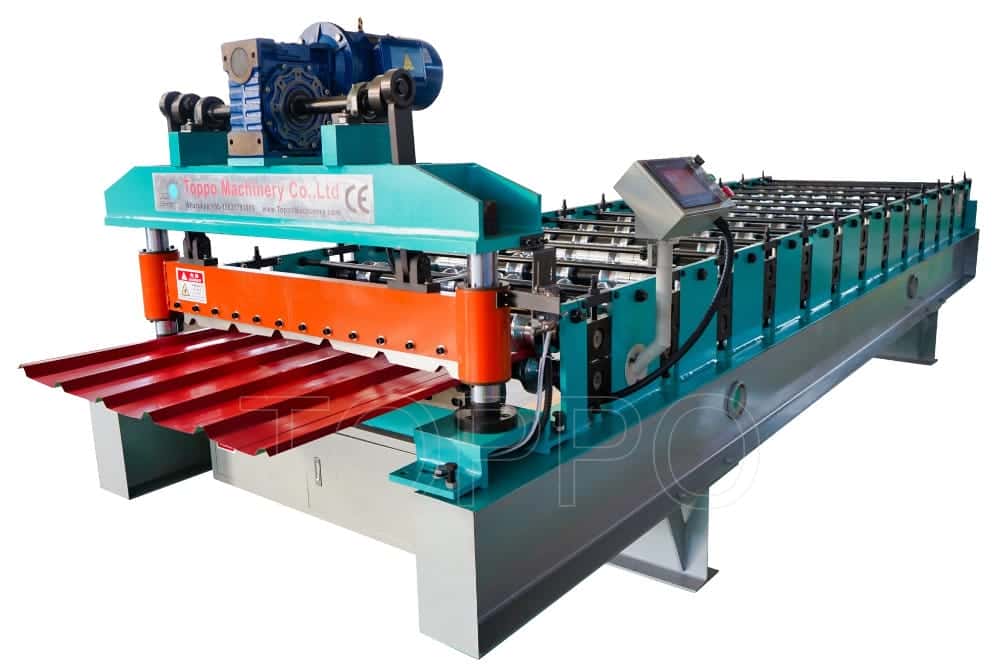
Because of these market changes, more businesses are investing in customizable thickness 0.4mm metal Aluminum steel roofing sheet machine systems that allow local manufacturing of roofing sheets with greater production flexibility and improved operational control.
Instead of relying completely on imported roofing materials, dealers are discovering that local production can create stronger profit margins, improve customer response times, and increase long-term business stability.
This article explains why roofing sheet dealers in Peru are increasingly investing in local production using an Aluminum steel roofing sheet machine, including implementation procedures, operational precautions, common investment mistakes, and practical factory case studies.
Construction Growth Is Driving Roofing Demand
Peru’s construction industry continues expanding across both urban and rural regions. Housing developments, agricultural buildings, industrial warehouses, shopping centers, and infrastructure projects all require large quantities of roofing materials.
Many roofing sheet dealers previously depended heavily on imported roofing products. However, imported products often create several operational problems:
Long delivery times
Unstable international shipping costs
Inventory shortages
Limited product customization
Higher transportation expenses
As customer expectations continue increasing, dealers who rely only on imported roofing sheets may struggle to remain competitive.
One dealer in Lima experienced repeated shipment delays during busy construction seasons. After investing in a local roll forming machine production line, the company significantly improved delivery speed and gained stronger inventory control.
Local Manufacturing Provides Greater Flexibility
Modern roofing customers often require customized roofing sheet sizes, profiles, and material thicknesses.
For customizable thickness 0.4mm metal Aluminum steel roofing sheet machine systems, production flexibility allows manufacturers to process:
Aluminum roofing sheets
Galvanized steel roofing materials
Different roofing sheet thicknesses
Custom roofing sheet lengths
Various roofing sheet profiles
This flexibility allows local manufacturers to respond more quickly to customer requirements and changing market conditions.
Dealers that cannot provide customized roofing solutions often lose customers to competitors with local production capabilities.
Reducing Import and Transportation Costs
Importing finished roofing sheets can significantly increase operational expenses due to:
International shipping fees
Port handling expenses
Import taxes
Warehouse storage costs
Shipping delays
By using an Aluminum steel roofing sheet machine for local production, dealers can import raw materials in coil form and manufacture roofing sheets locally. This often reduces logistics expenses and improves inventory flexibility.
One Peruvian roofing company reduced transportation costs considerably after switching from imported finished products to local manufacturing using automated roofing machinery.
Maintaining Stable Roofing Sheet Quality
Customer satisfaction depends heavily on roofing sheet consistency and durability.
Older production systems or low-quality imported products may create:
Uneven roofing sheet dimensions
Surface scratches
Profile distortion
Inconsistent thickness control
Premature roofing failure
Modern roll forming machine systems provide more stable roller pressure control, improved feeding accuracy, and better hydraulic performance.
Factories that maintain stable production quality often build stronger long-term customer relationships and improve their reputation in local construction markets.
Implementation Procedures for Local Roofing Production
Dealers planning to establish local roofing sheet manufacturing should follow structured implementation procedures.
Important implementation steps include:
Evaluating local market demand
Selecting appropriate machine capacity
Preparing workshop electrical systems
Training machine operators
Testing machine calibration
Establishing preventive maintenance schedules
One company experienced installation delays because workshop power systems were not properly prepared before equipment delivery. Proper planning could have prevented production downtime.
Common Investment Mistakes Dealers Should Avoid
1. Choosing Equipment Only Based on Lowest Price
Extremely low-cost machinery often uses lower-quality components that create long-term maintenance problems.
2. Ignoring Operator Training
Even advanced roofing machinery requires skilled operators to maintain stable roofing sheet quality.
3. Poor Maintenance Planning
Factories that neglect preventive maintenance often experience expensive breakdowns and reduced equipment lifespan.
4. Underestimating Production Planning
Manufacturers should carefully evaluate realistic production conditions and customer demand before investing.
Real Factory Case Study
A roofing dealer in northern Peru struggled with unstable imported roofing sheet supply and increasing transportation expenses. During busy construction periods, delayed shipments caused customer dissatisfaction and lost sales opportunities.
After investing in a modern Aluminum steel roofing sheet machine system, the company improved product availability, reduced operational costs, and expanded its roofing product range. The factory also introduced operator training programs and preventive maintenance procedures, which improved production stability and reduced machine downtime.
Within two years, the business expanded into several new regional markets due to improved delivery speed and more competitive pricing.
Importance of Preventive Maintenance
Preventive maintenance is essential for maintaining long-term production efficiency.
Recommended maintenance procedures include:
Daily roller cleaning
Hydraulic oil inspections
Lubrication monitoring
Electrical system testing
Bearing replacement schedules
Monthly machine alignment inspections
A properly maintained roll forming machine can maintain stable roofing sheet quality and long-term production efficiency for many years while reducing unexpected repair costs.
Conclusion
Roofing sheet dealers in Peru are increasingly investing in customizable thickness 0.4mm metal Aluminum steel roofing sheet machine systems to improve local manufacturing efficiency, reduce import dependency, and maintain stable roofing sheet quality.
Long-term business success depends not only on modern machinery but also on proper implementation planning, operator training, preventive maintenance, and disciplined operational management. Businesses that focus on these critical details are far more likely to achieve stable production growth, lower operational risks, and stronger long-term profitability.
READ MORE:
Why Local Roofing Sheet Manufacturing Is Becoming a Smart Strategy for Dealers in Peru
How Local Roofing Sheet Manufacturing Is Helping Dealers Expand Faster in Peru
Why More Roofing Sheet Dealers in Peru Are Moving Toward Local Manufacturing
How Local Roofing Sheet Production Is Creating New Opportunities for Dealers in Peru