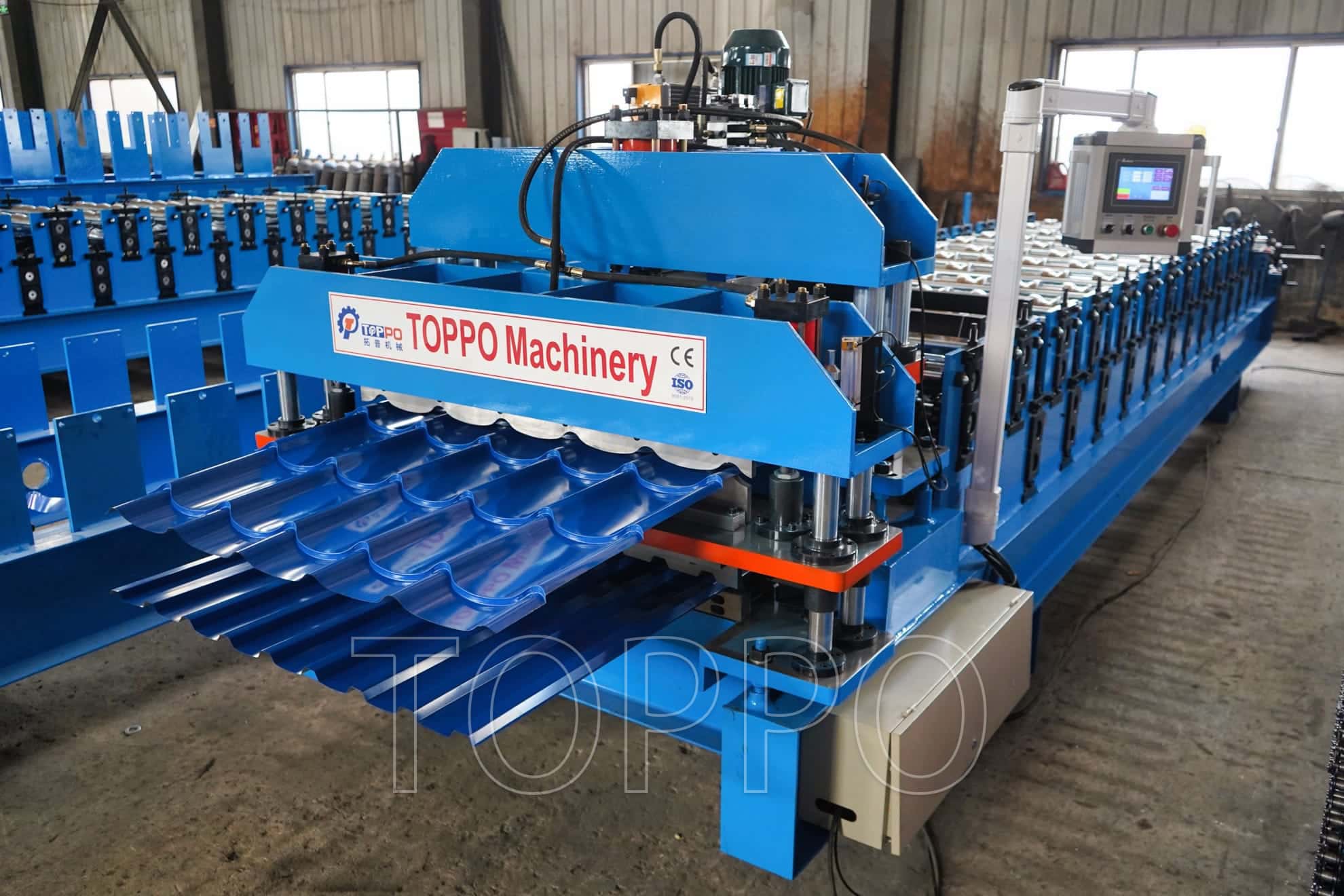
Maximizing Labor Efficiency in South African Roofing Plants Through Integrated Roll Forming Technology
Labor expenses continue to rise across South Africa’s manufacturing sector, and roofing factories are no exception. Increasing minimum wages, load-shedding disruptions, and productivity inconsistencies all contribute to higher operational pressure. For many factory owners, the key question is not simply how to reduce headcount, but how to improve output per worker. One proven solution is upgrading to a double layer roofing sheet roll forming machine, which integrates two profile production systems into one efficient structure.
1. Traditional Production Model and Labor Burden
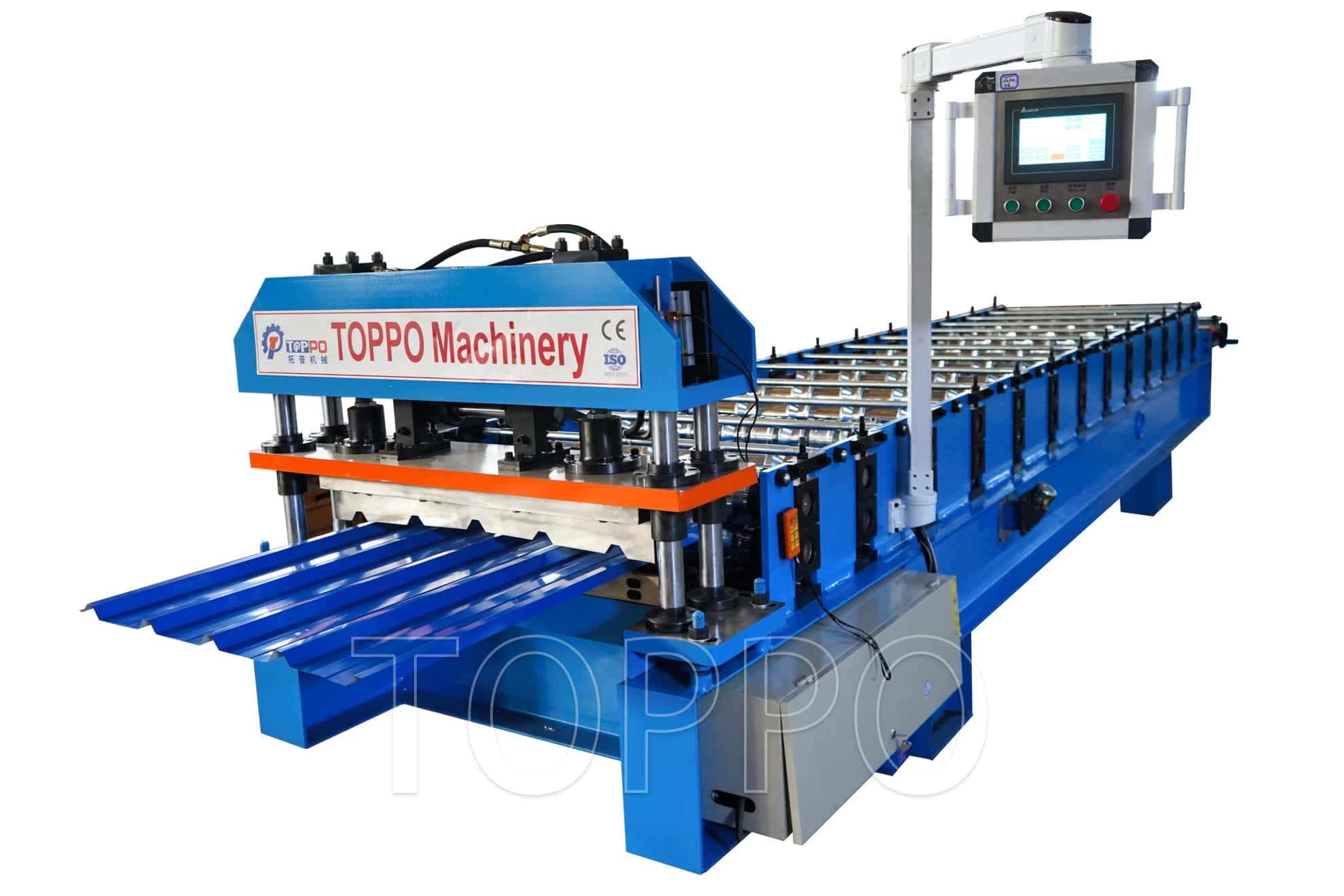
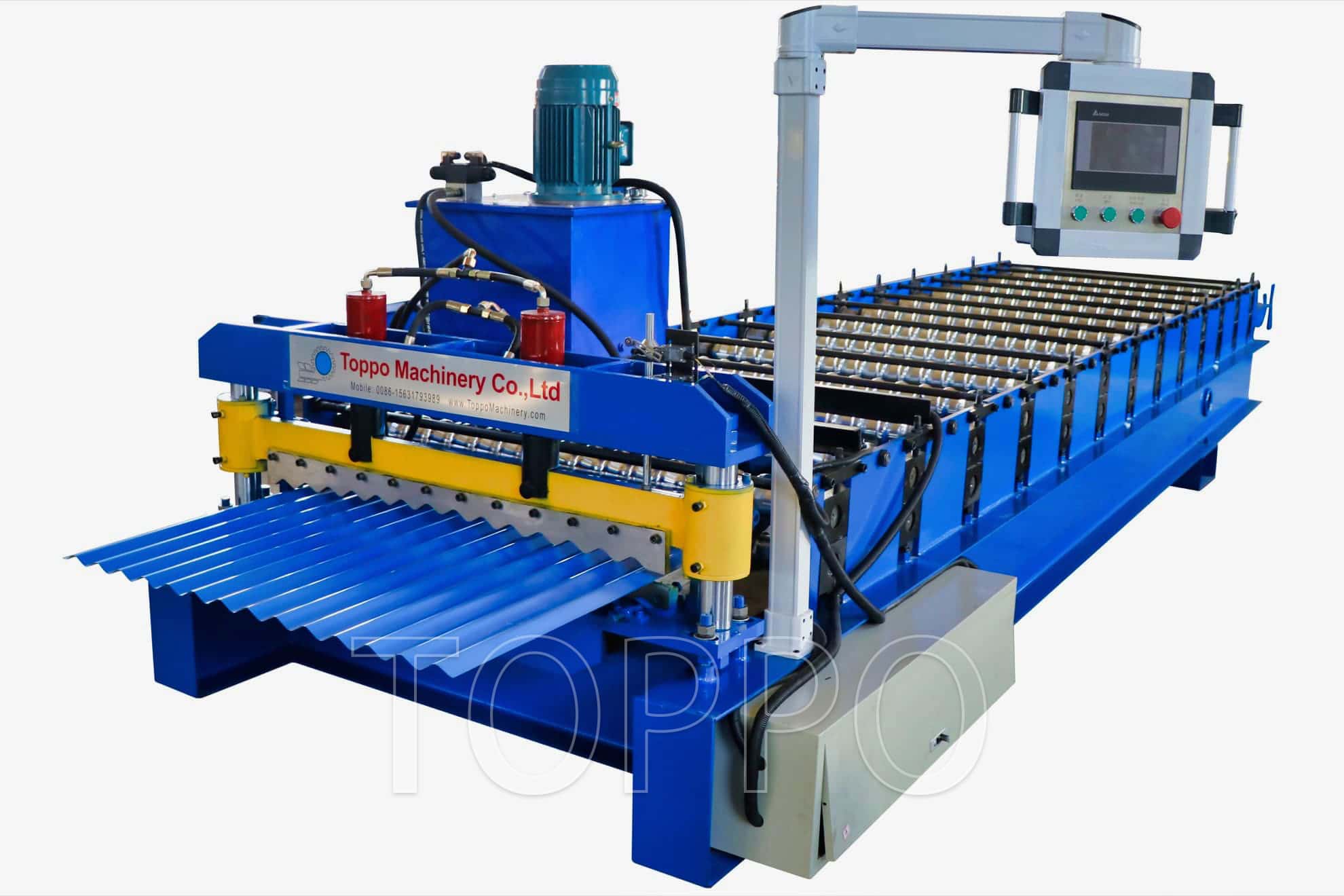
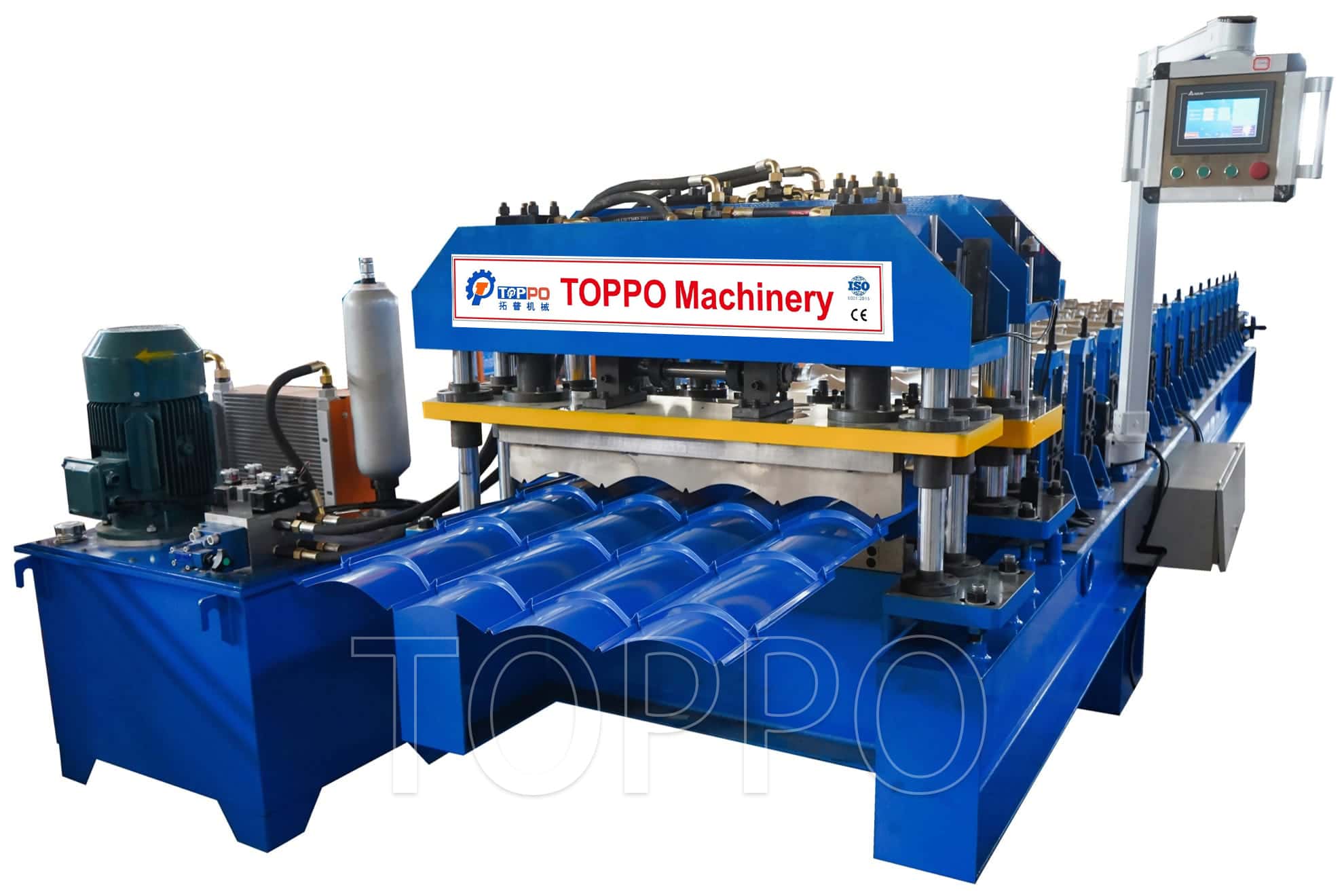
In a conventional factory layout, each roofing profile is produced on a separate roof panel making machine. One line usually requires 4–6 operators per shift, including coil loading personnel, forming supervisors, cutting operators, and stacking workers. When two lines operate simultaneously, total manpower can easily exceed 10 workers per shift.
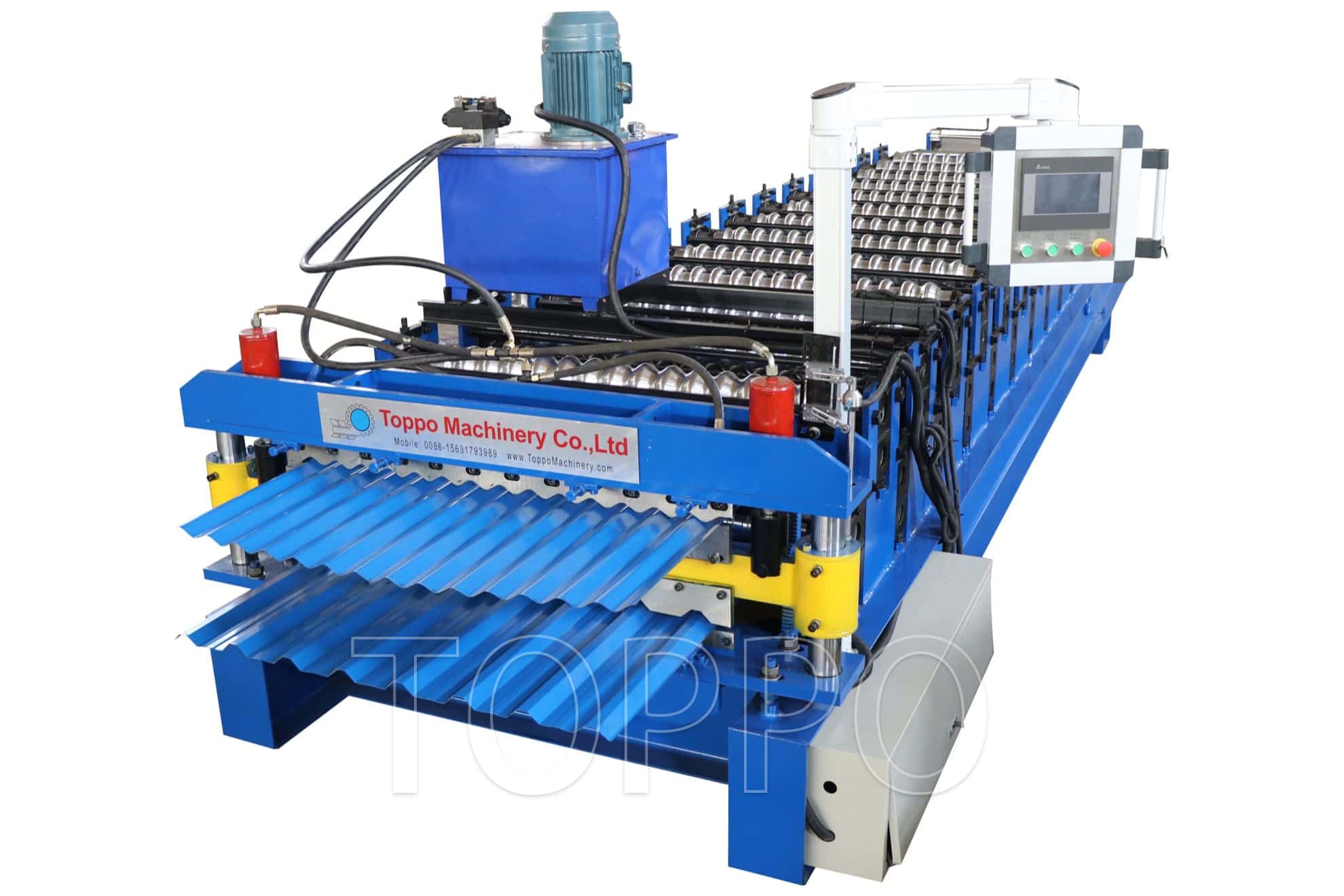
This duplication of roles increases direct wages, supervision costs, and coordination complexity. By comparison, a double layer roofing sheet roll forming machine allows two roofing profiles to be produced within a single integrated frame, reducing operational overlap.
2. Step-by-Step Implementation Plan
Step 1: Analyze Existing Workforce Allocation
Conduct a detailed audit of labor distribution across each roof panel making machine. Identify redundant monitoring roles and excessive manual material handling tasks.
Step 2: Integrate Production Lines
Replace dual independent lines with a double layer roofing sheet roll forming machine. This system shares one hydraulic station and one PLC control cabinet, consolidating operational control. A properly configured double layer roll forming machine typically requires only 3–4 operators per shift to manage two profile outputs.
Step 3: Optimize Material Flow
Position coil storage closer to the decoiler and integrate automated stacking systems. Reducing manual lifting improves both efficiency and workplace safety.
Step 4: Train Operators Thoroughly
A frequent mistake is assuming automation eliminates the need for training. Operators must understand layer switching procedures, roller gap calibration, and PLC parameter adjustments to fully utilize the double layer roll forming machine.
3. Where Labor Savings Truly Come From
Labor cost reduction occurs through several channels:
Elimination of duplicate operator positions
Reduced scrap and rework rates
Lower overtime requirements
Simplified supervisory structure
Compared to running multiple roof panel making machine systems, a double layer roofing sheet roll forming machine centralizes production management and improves workflow communication.
4. Common Mistakes That Reduce Expected Savings
Mistake 1: Improper Foundation Leveling
If the double layer roofing sheet roll forming machine is not installed on a precisely leveled base, uneven forming pressure can increase defect rates, requiring additional manual correction.
Mistake 2: Poor Preventive Maintenance
Neglecting routine maintenance of the double layer roll forming machine can result in breakdowns that force overtime labor to meet production deadlines.
Mistake 3: Failure to Adjust Staffing Structure
Some factories upgrade equipment but retain the same staffing model. Workforce restructuring must align with the integrated system.
5. Practical Case Study: Pretoria-Based Manufacturer
A roofing factory in Pretoria previously operated two independent lines powered by separate roof panel making machine units. The plant required 22 workers across two shifts to maintain output.
After investing in a double layer roofing sheet roll forming machine, production was consolidated into one integrated line. Workforce per shift was reduced to 15 employees while maintaining production capacity. Additionally, the improved precision of the double layer roll forming machine reduced scrap rates by 8%, further lowering indirect labor associated with reprocessing.
Within 18 months, the factory achieved overall labor cost savings of approximately 30%, including reduced overtime and streamlined supervision.
6. Additional Long-Term Benefits
Improved production stability during power interruptions
Reduced dependency on highly specialized manual operators
Lower training costs for new staff
Enhanced safety due to reduced manual handling
A double layer roofing sheet roll forming machine does more than reduce direct labor. It strengthens operational resilience and increases productivity per employee.
7. Final Recommendations
South African roofing factories seeking sustainable labor cost control should prioritize production integration and automation. Investing in a double layer roofing sheet roll forming machine enables centralized management, measurable workforce reduction, and improved efficiency.
When combined with structured training and preventive maintenance, a double layer roll forming machine becomes a strategic asset for long-term competitiveness in the regional roofing market.
SEO Keywords: double layer roofing sheet roll forming machine, roof panel making machine, double layer roll forming machine, metal roofing roll former, roofing sheet roll forming machine, steel roll forming machine
READ MORE: