How to Choose the Right Automation Level for Roofing Sheet Production in South America
As the construction industry continues to expand across South America, roofing sheet manufacturers are under increasing pressure to improve productivity, reduce labor costs, and maintain consistent product quality. Automation has become a key solution, but choosing the right level of automation is often challenging. Over-investment can lead to wasted capital, while under-investment limits growth potential. This article provides a practical, step-by-step guide with real-world insights to help manufacturers make the right decisions.
1. Understand the Spectrum of Automation Levels
Automation in roofing sheet production generally falls into three categories: manual, semi-automatic, and fully automatic systems. Manual systems rely heavily on labor, while semi-automatic systems introduce partial control such as motorized feeding and cutting. Fully automatic systems integrate PLC controls, sensors, and automated stacking.
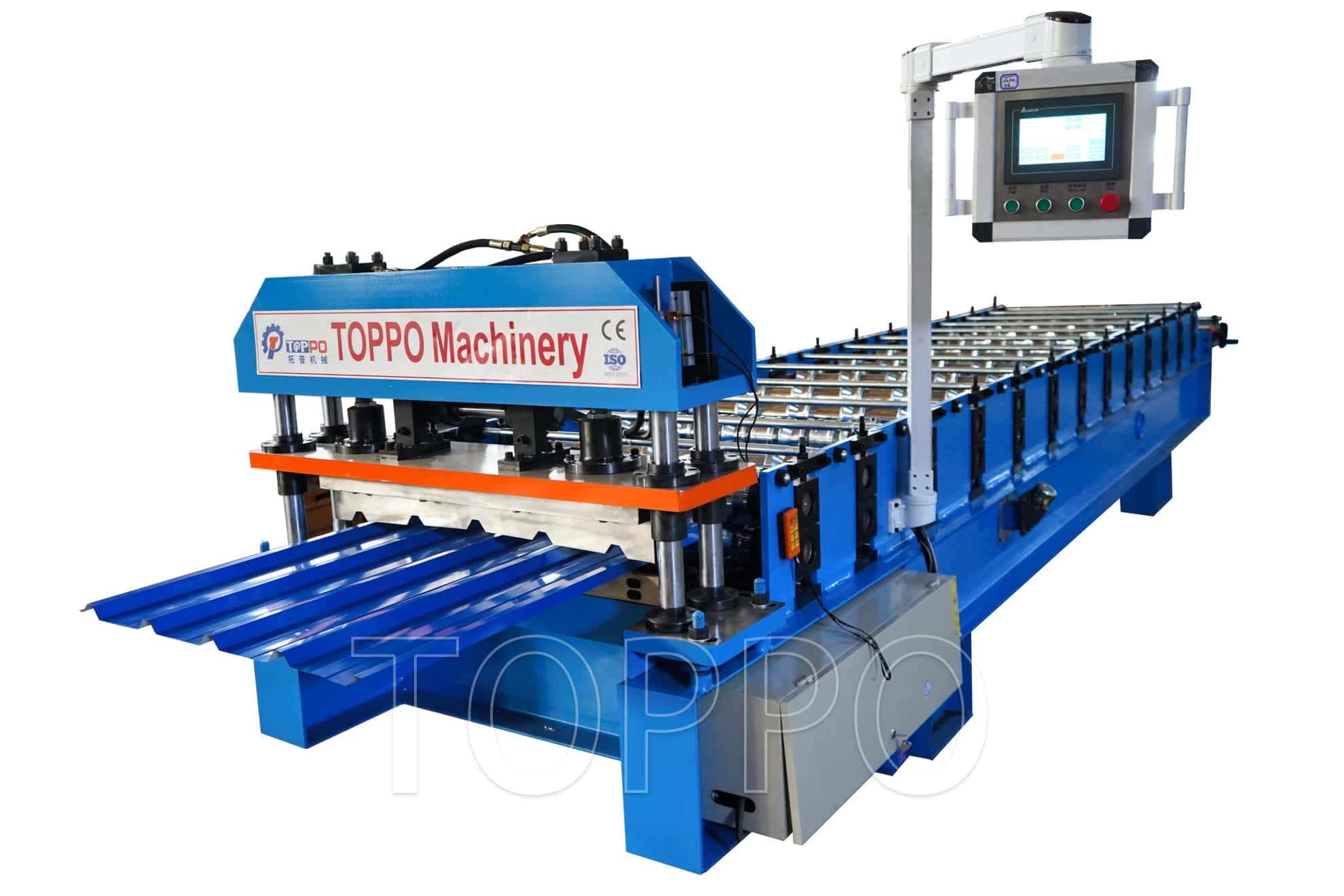
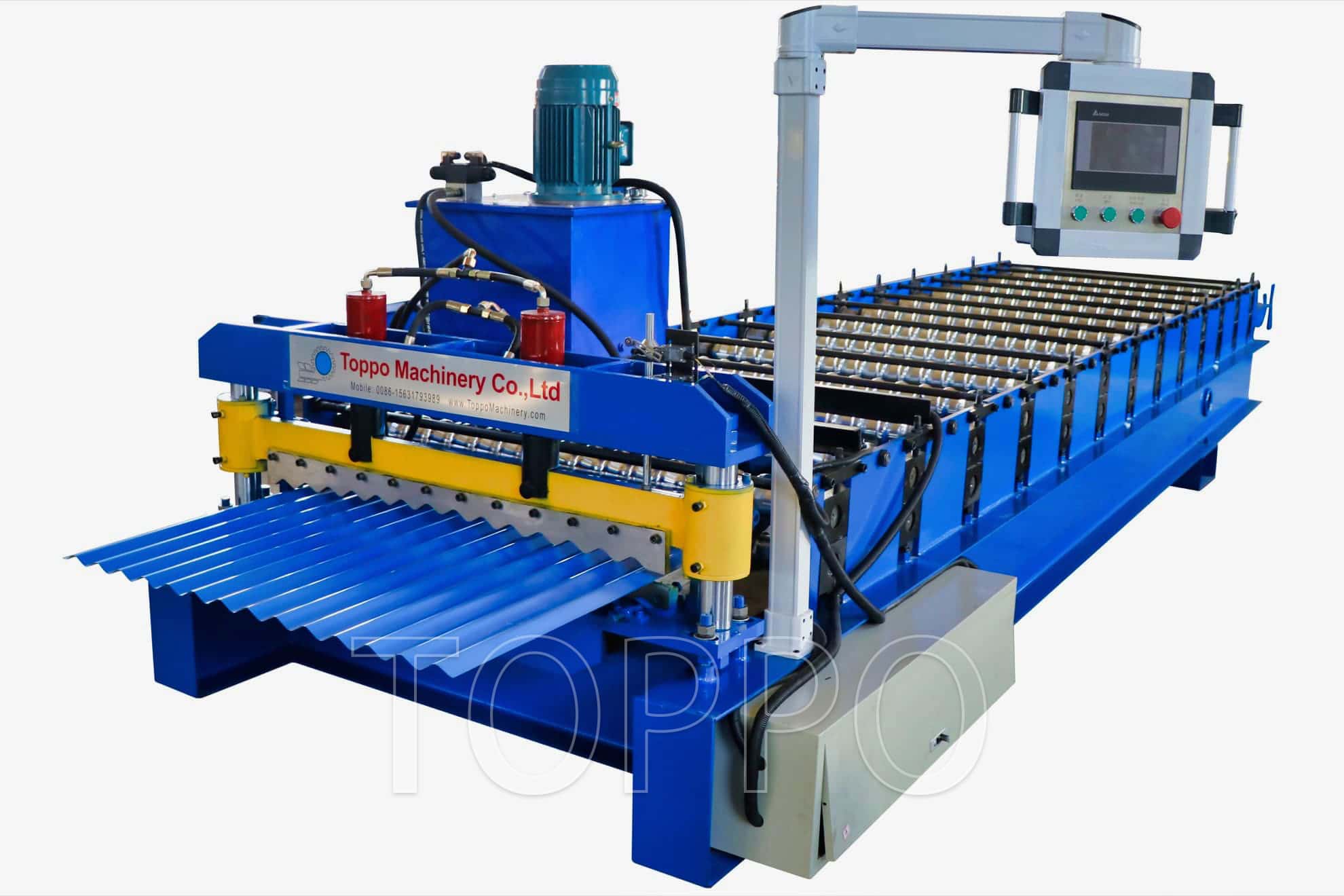
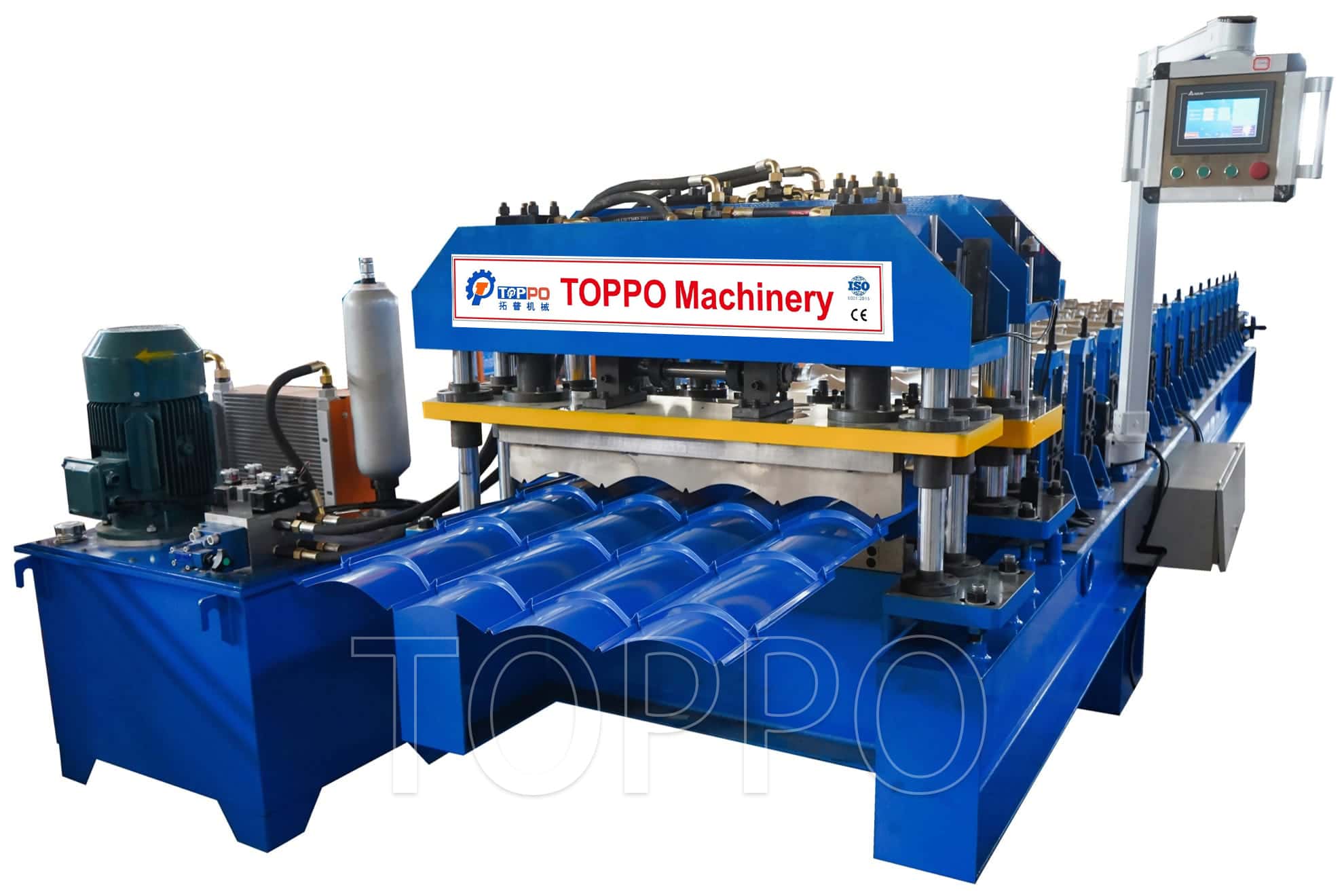
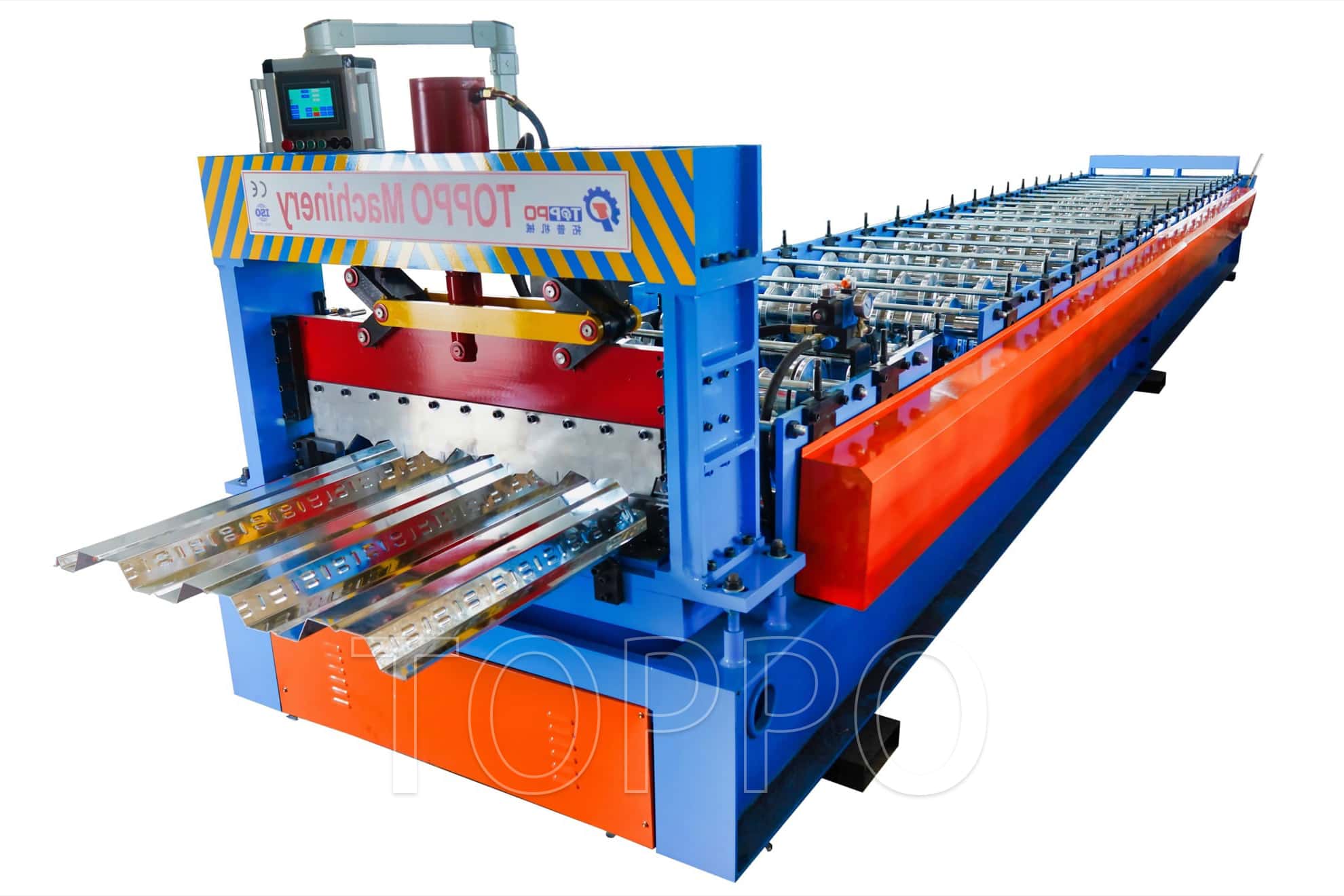
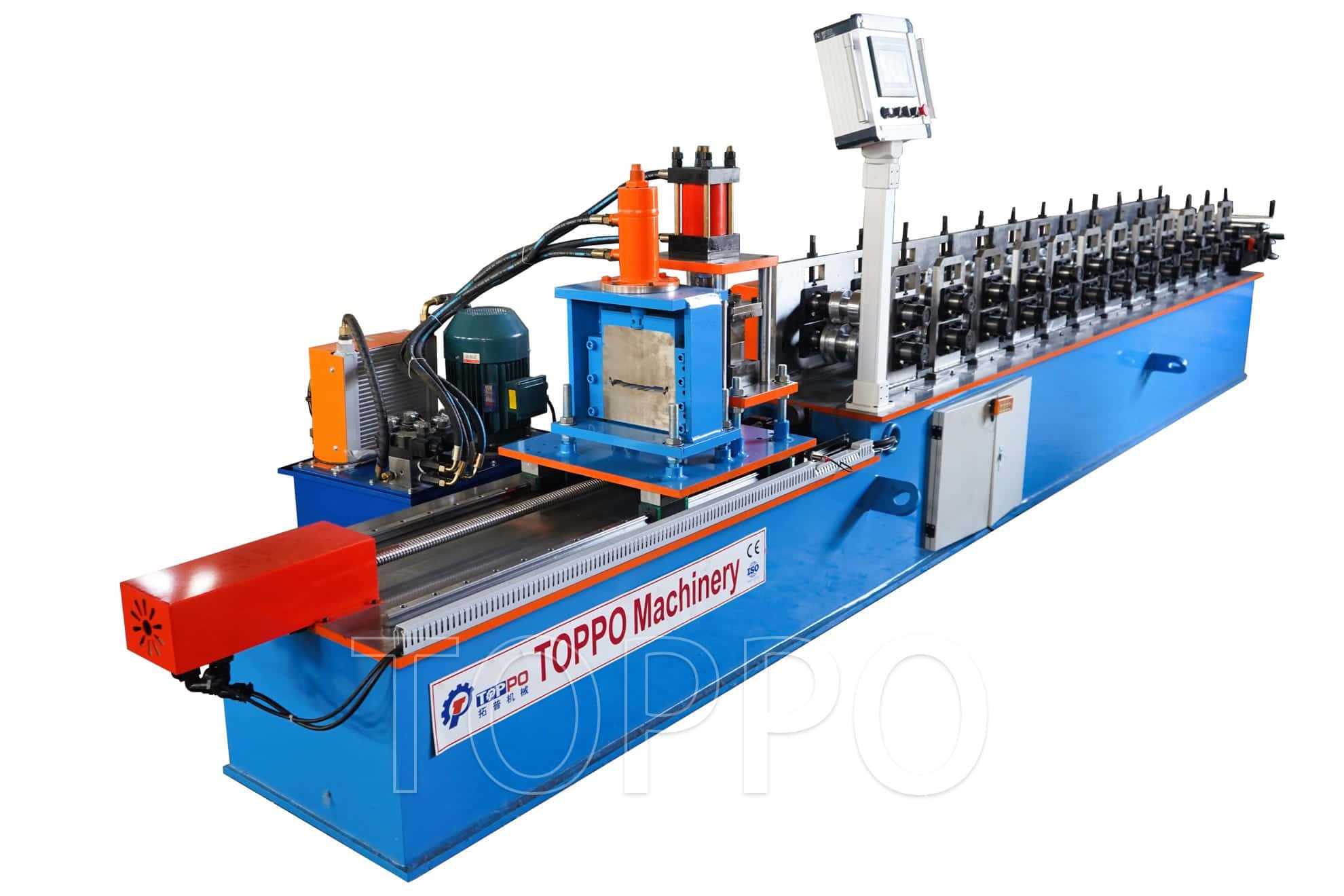
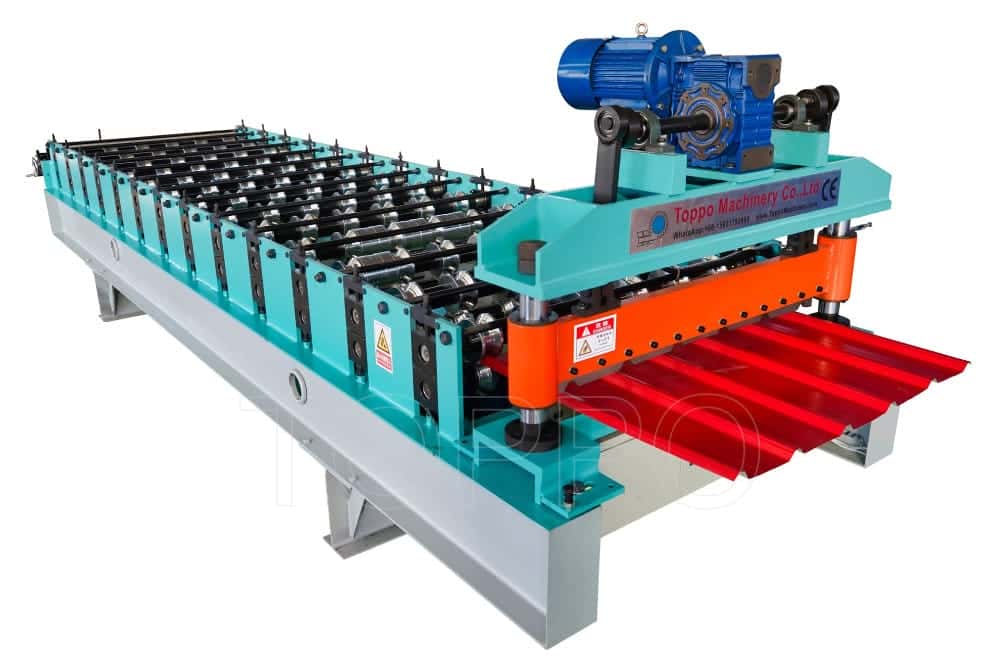
A high output production 3kw metal roofing panel making machine factory configuration typically offers semi-automatic to fully automatic capabilities, allowing manufacturers to scale production efficiently.
Common mistake: Assuming that full automation is always the best option without considering production scale and workforce capabilities.
2. Match Automation Level with Production Volume
The right automation level depends heavily on production demand. Small factories with limited output may benefit from semi-automatic systems, while high-volume operations require full automation.
Action step: Calculate current and projected production capacity before selecting equipment.
Case example: A manufacturer in Colombia increased ROI by choosing a semi-automatic system instead of a fully automated one, aligning investment with actual demand.
3. Evaluate Cost vs. Return on Investment
Automation requires significant upfront investment. Manufacturers must evaluate the return on investment (ROI) by considering labor savings, increased output, and reduced error rates.
Action step: Conduct a cost-benefit analysis comparing manual, semi-automatic, and automated systems.
Common mistake: Focusing only on initial cost rather than long-term operational savings.
4. Choose a Reliable Equipment Supplier
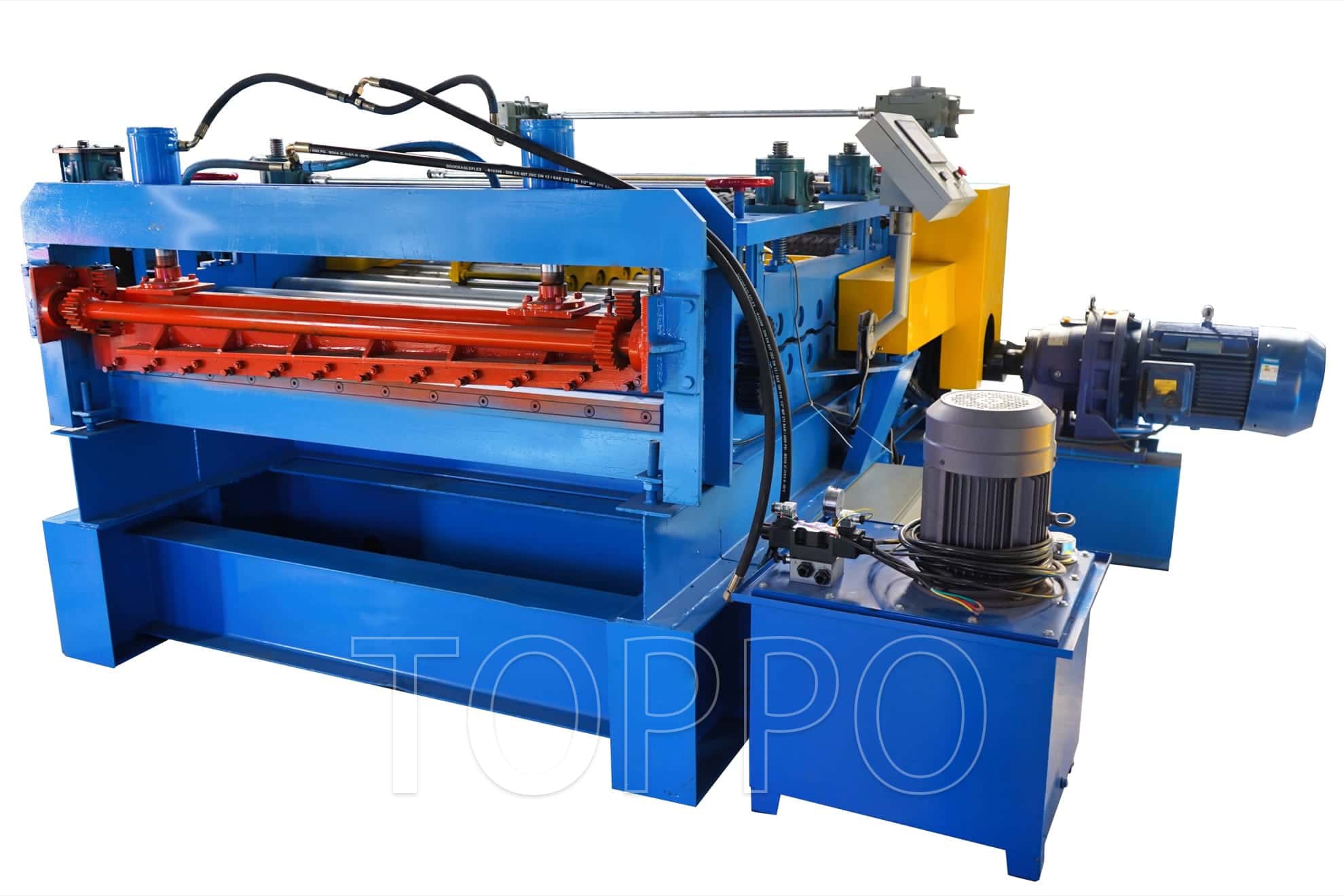
Working with a professional roofing panel making machine factory is critical for successful automation. A reliable supplier can provide tailored solutions, technical support, and system integration services.
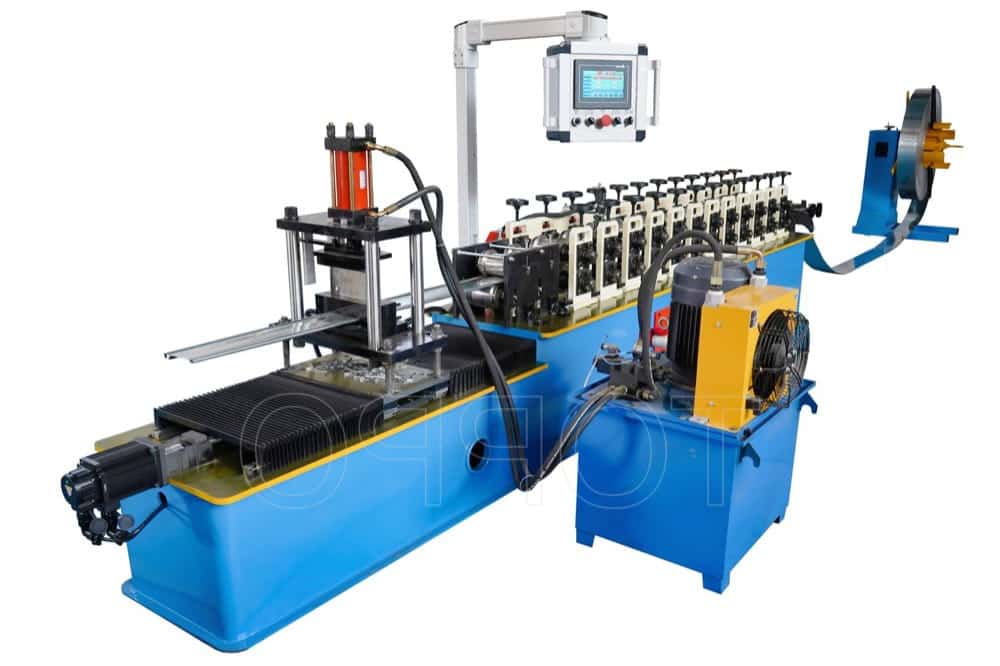
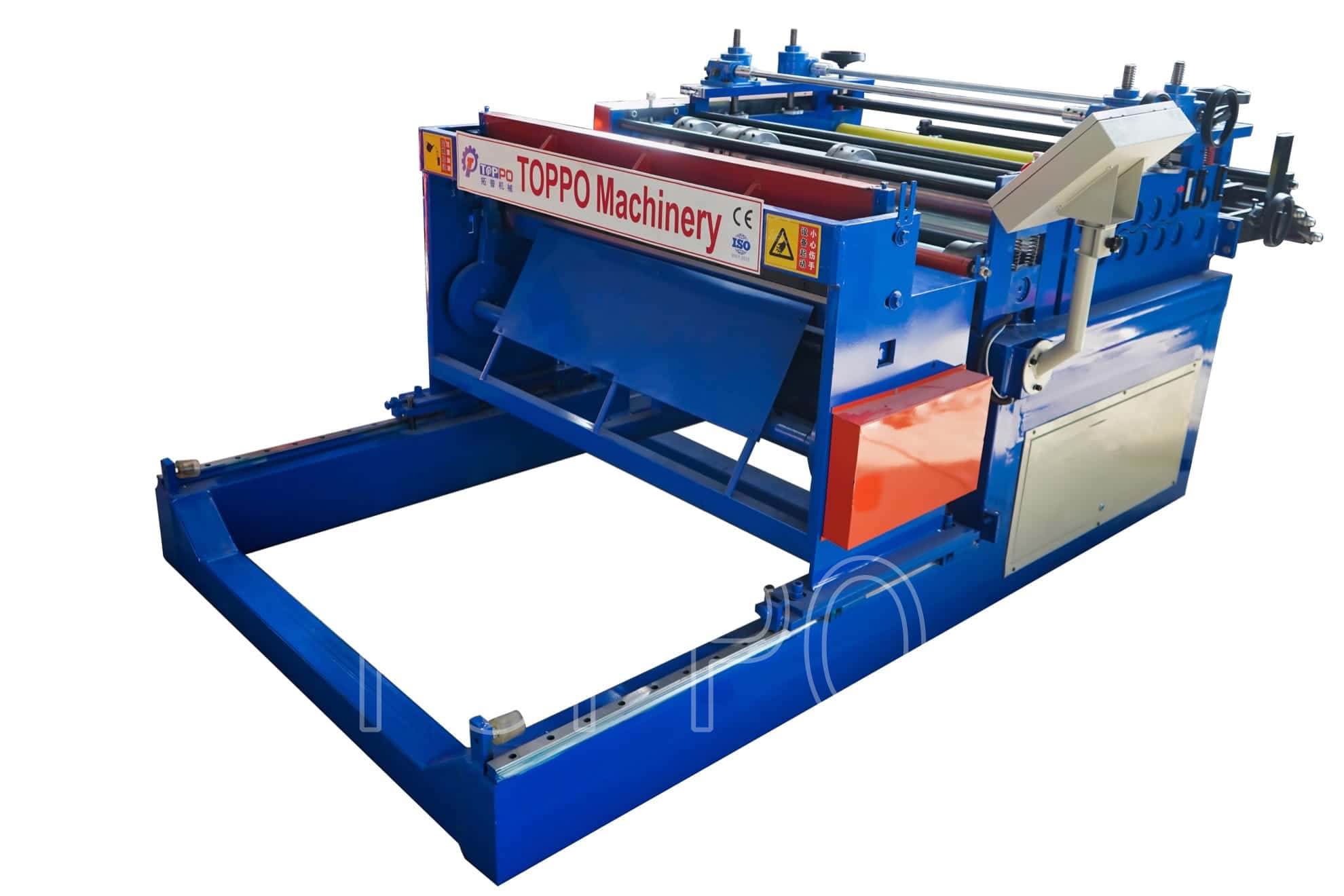
Advanced suppliers offer complete production lines that integrate forming, cutting, and stacking processes.
Common mistake: Selecting suppliers based solely on price without evaluating technical capabilities and after-sales support.
5. Optimize Production Workflow Before Automation
Automation should not be applied to inefficient processes. Manufacturers must first optimize workflow to ensure smooth operation.
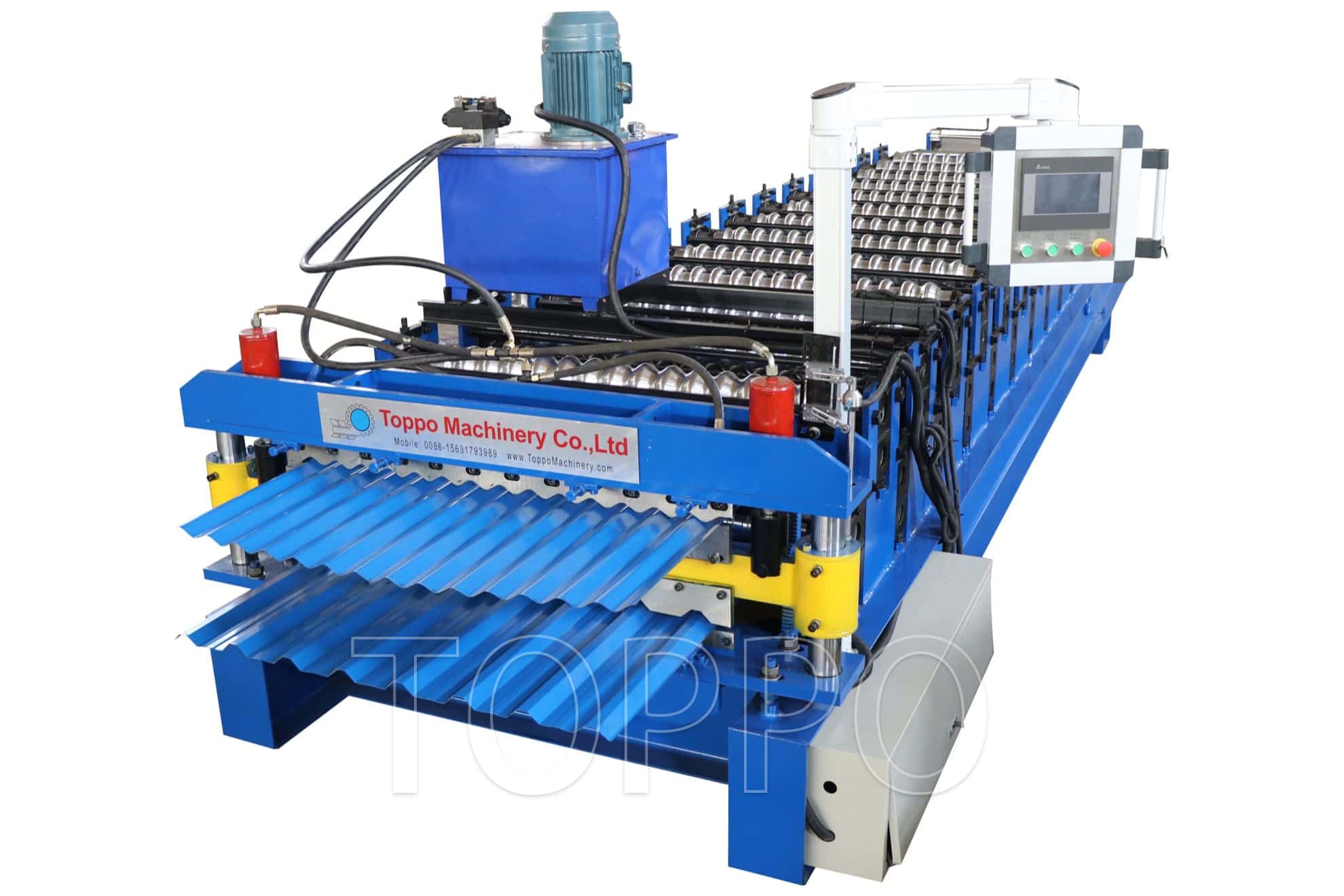
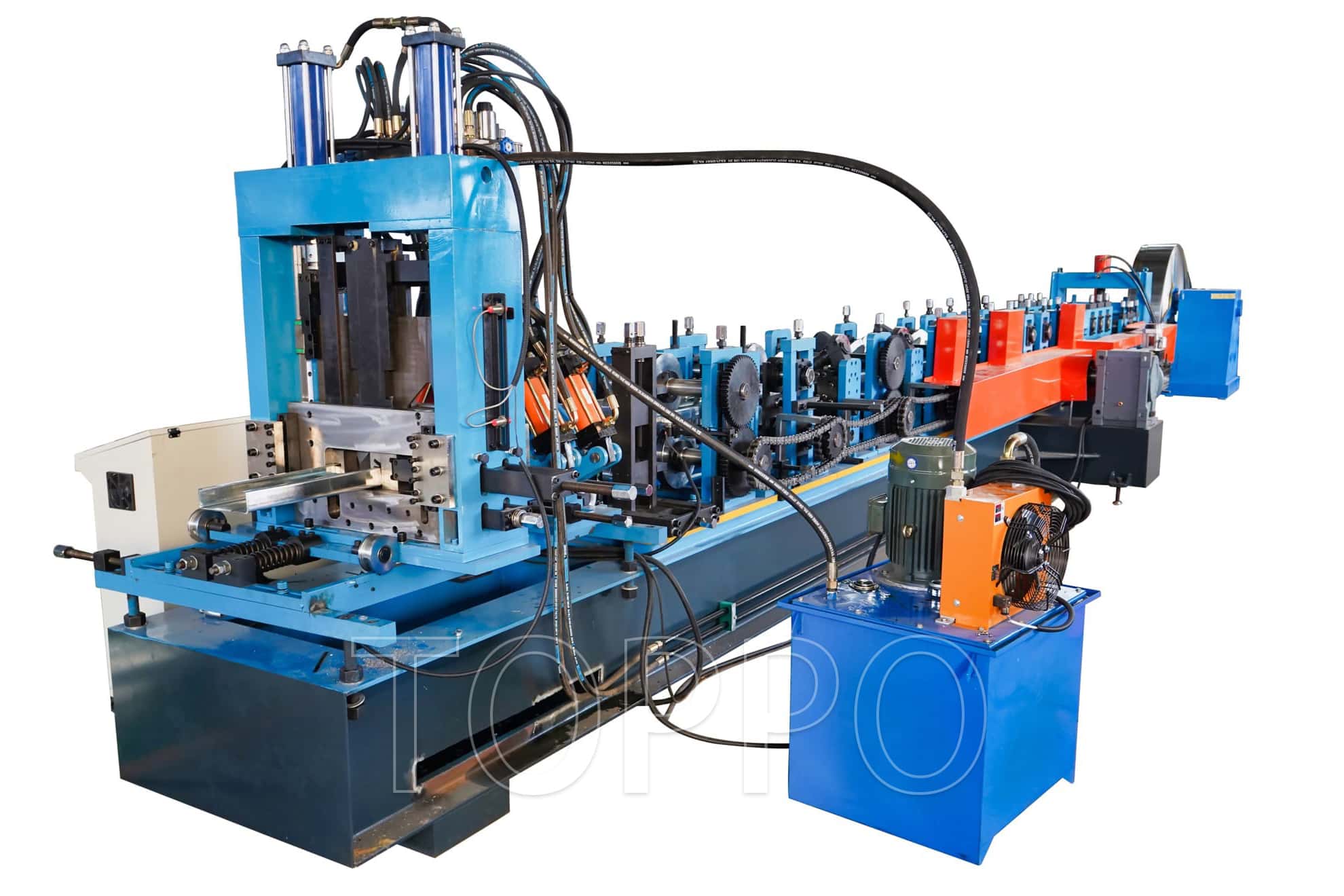
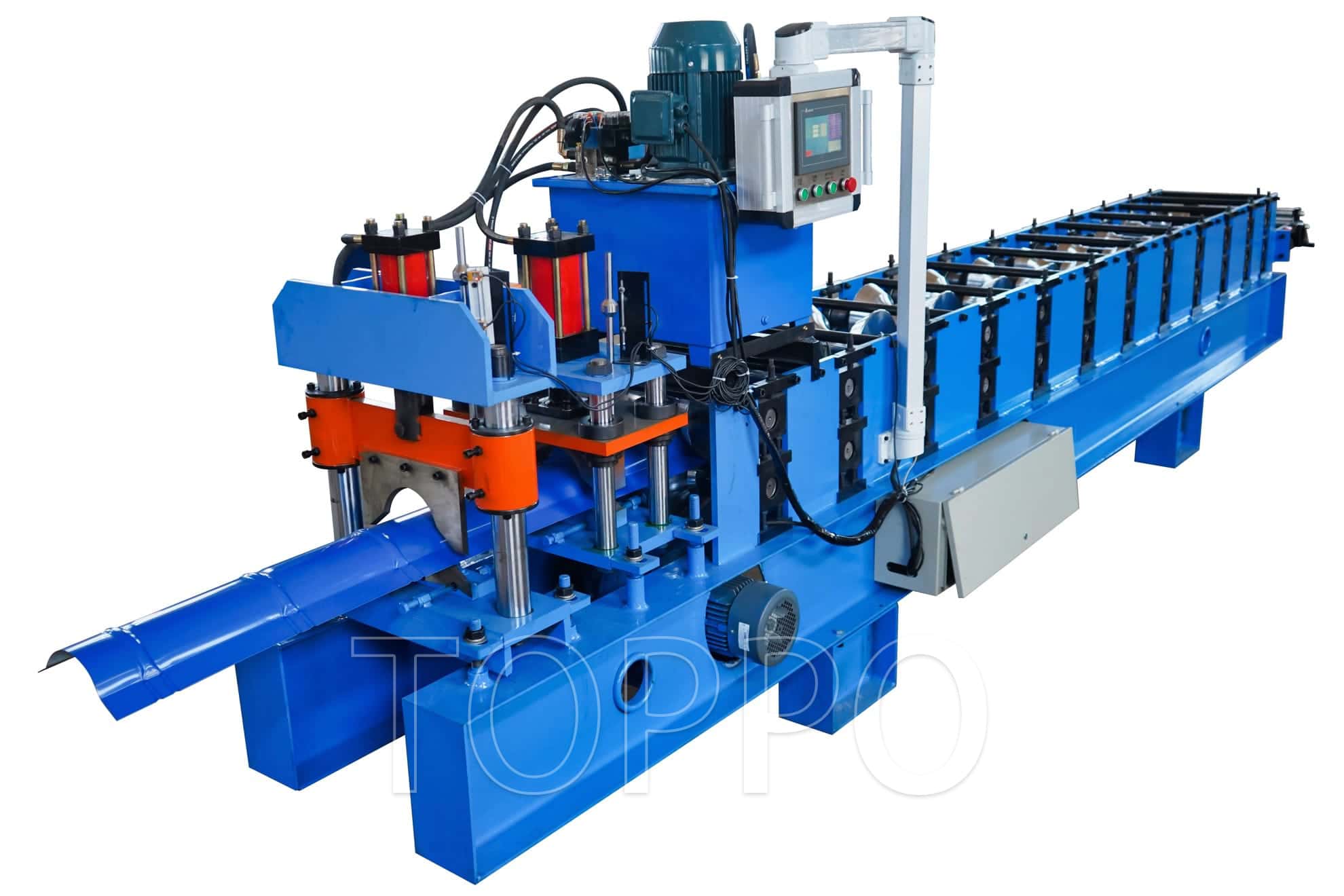
Integrating a roll forming machine into a continuous and balanced production line ensures consistent output and reduces downtime.
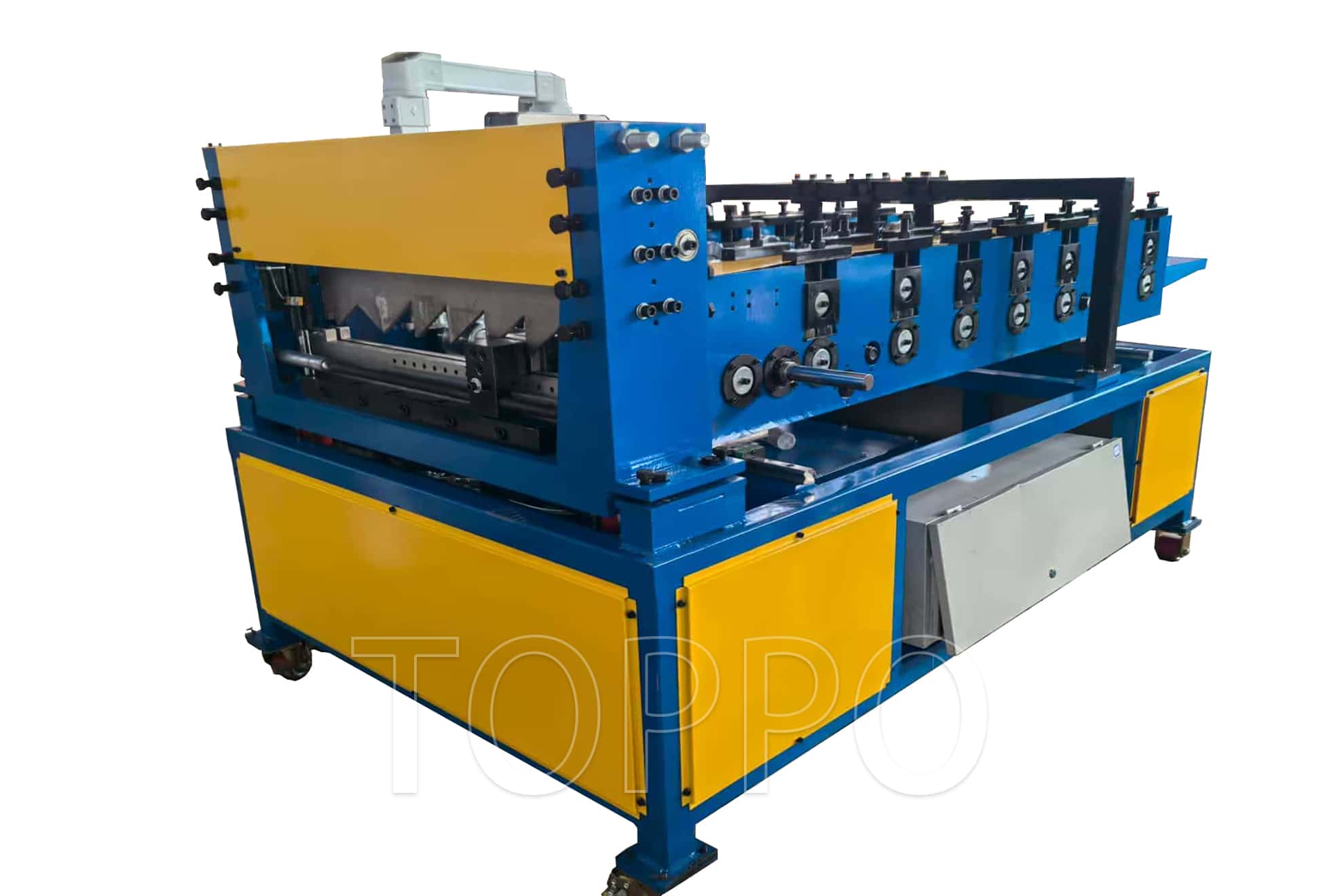
Adding another roll forming machine can help distribute workload and improve efficiency as demand grows.
Case example: A Brazilian factory improved production efficiency by 27% after optimizing workflow before implementing automation.
Common mistake: Automating inefficient processes without redesigning the workflow.
6. Train Operators and Technical Staff
Automation systems require skilled operators who can monitor and maintain equipment. Training is essential for maximizing system performance.
Action step: Provide ongoing training on system operation, troubleshooting, and maintenance.
Common mistake: Ignoring workforce training, leading to underutilization of automated systems.
7. Monitor Performance and Adjust Continuously
Automation systems generate valuable production data. Monitoring this data helps identify inefficiencies and optimize performance.
Action step: Use performance metrics such as output rate, downtime, and defect rates to guide improvements.
Common mistake: Failing to use data insights for continuous optimization.
Conclusion
Choosing the right automation level is essential for roofing sheet manufacturers in South America to remain competitive. By leveraging high output production 3kw metal roofing panel making machine factory solutions, partnering with a reliable roofing panel making machine factory, and effectively integrating roll forming machine systems, manufacturers can achieve the perfect balance between investment and productivity. Real-world experience shows that careful planning, phased implementation, and continuous improvement are the keys to successful automation.
Tags: roofing panel making machine factory, roll forming machine, high output production 3kw metal roofing panel making machine factory, automation level selection, roofing production efficiency, metal roofing automation
READ MORE: