Emerging Market Opportunities for Modern Roofing Sheet Manufacturers
Emerging markets around the world are experiencing rapid urban development, infrastructure expansion, and population growth. Countries across Asia, Africa, and South America are investing heavily in housing projects, industrial facilities, and transportation infrastructure. These developments have significantly increased the demand for affordable and durable roofing materials, creating valuable opportunities for roofing sheet manufacturers.
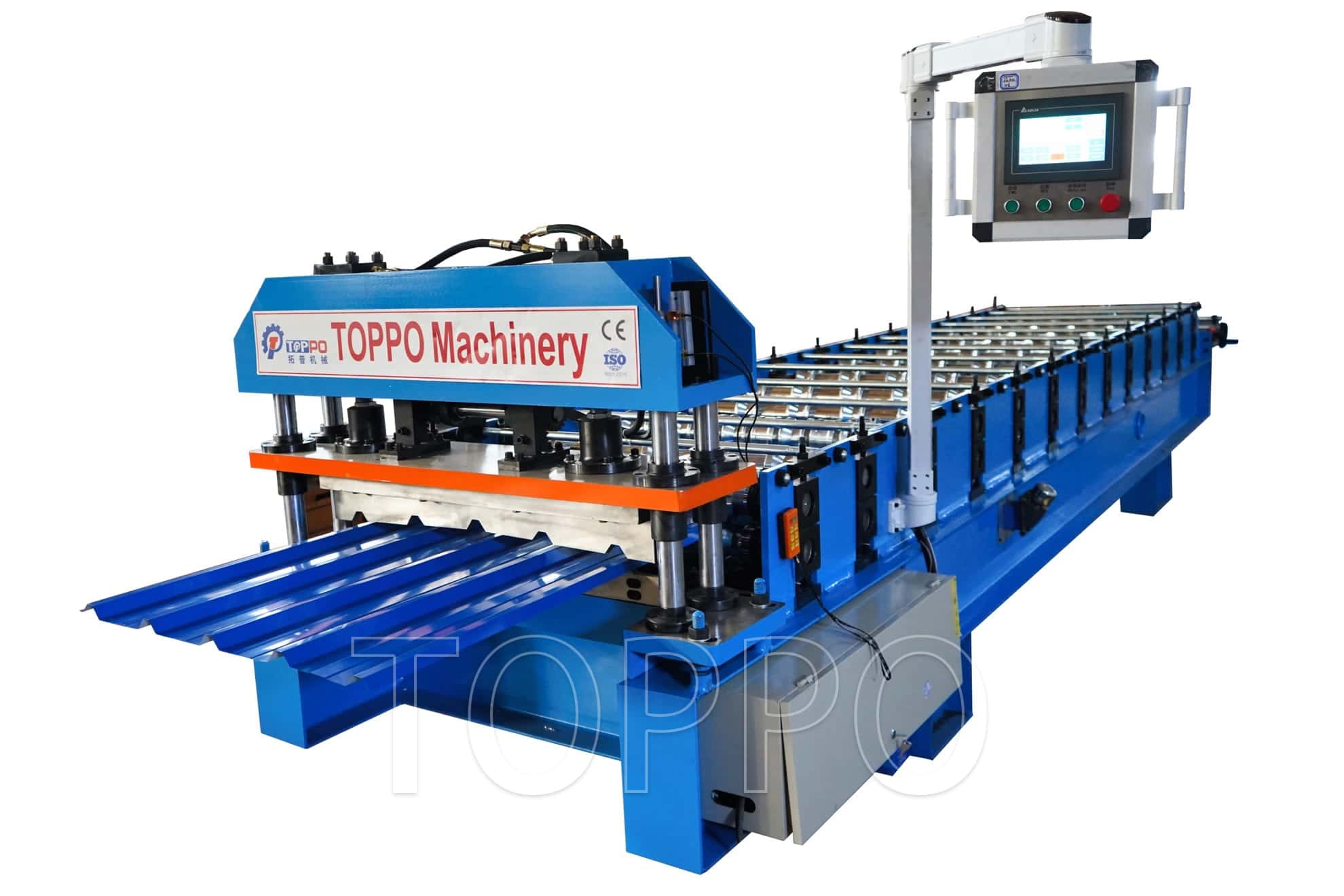
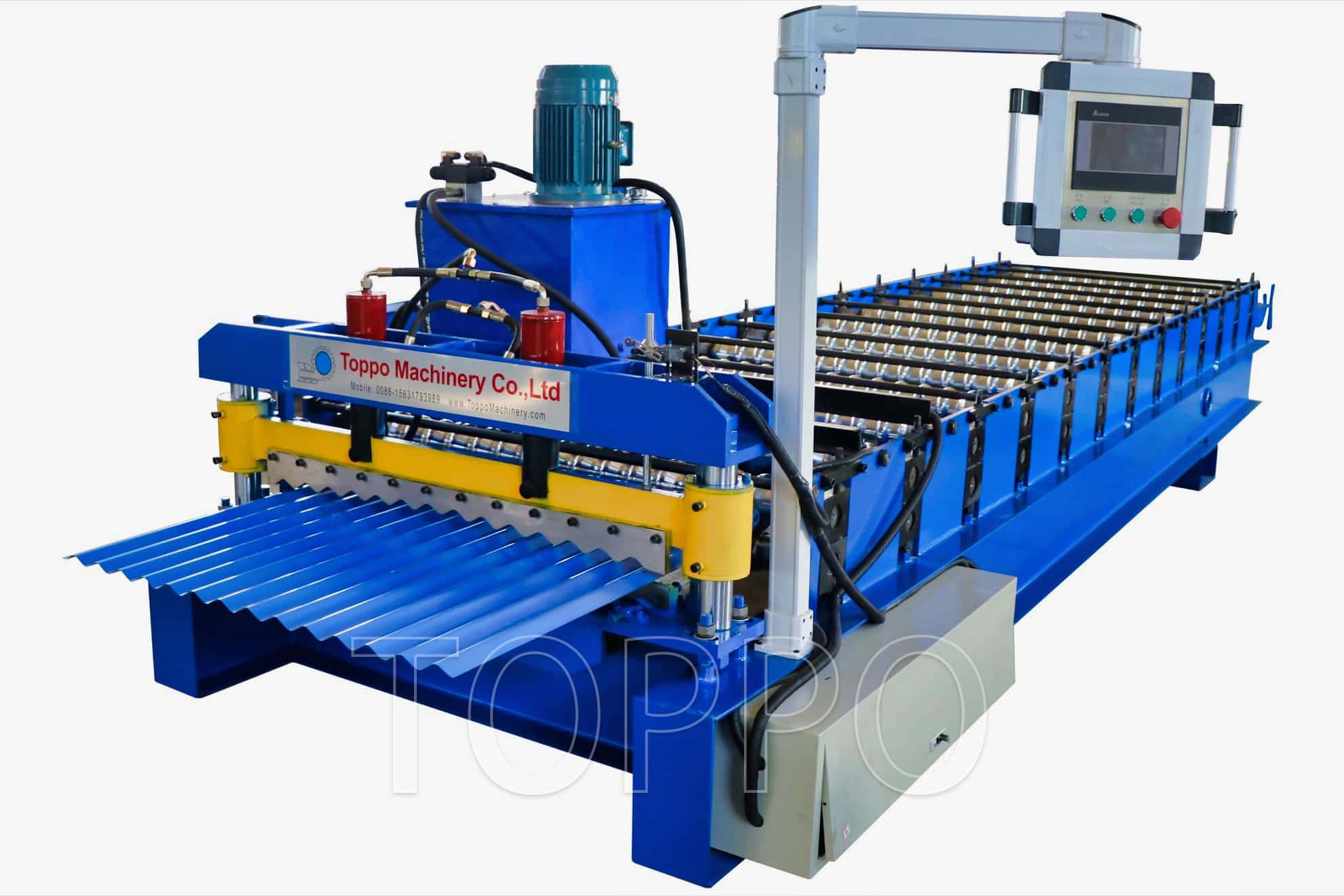
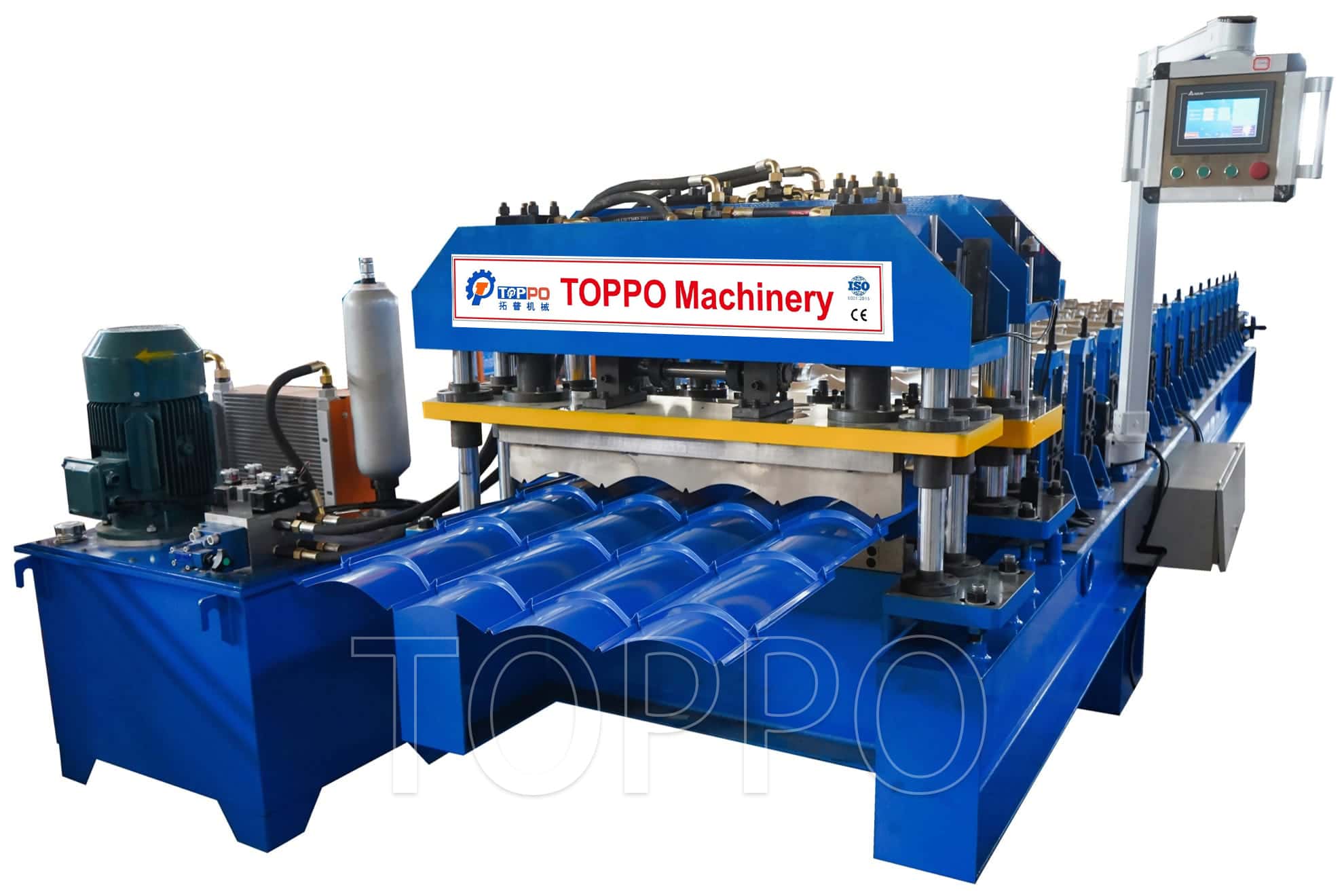
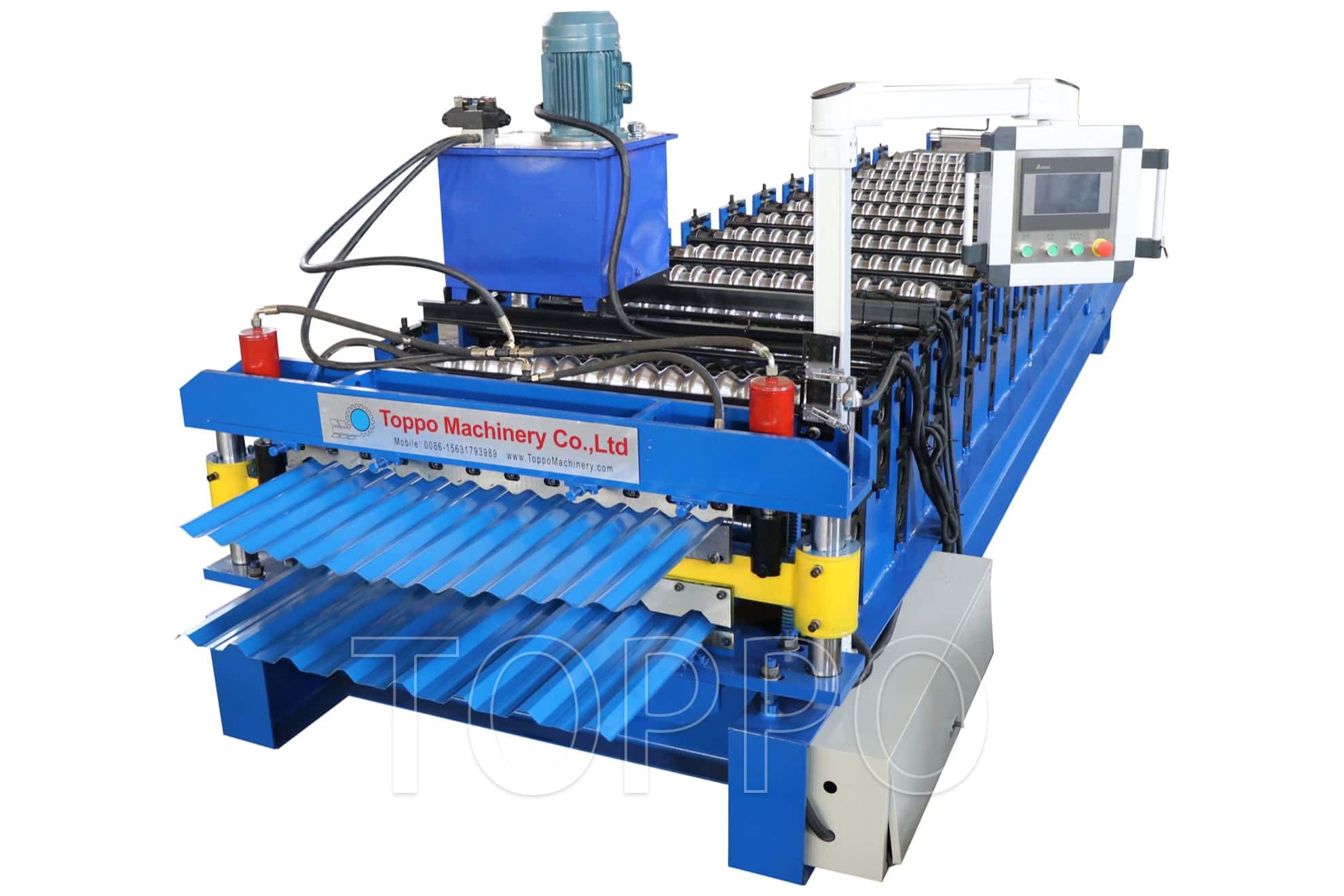
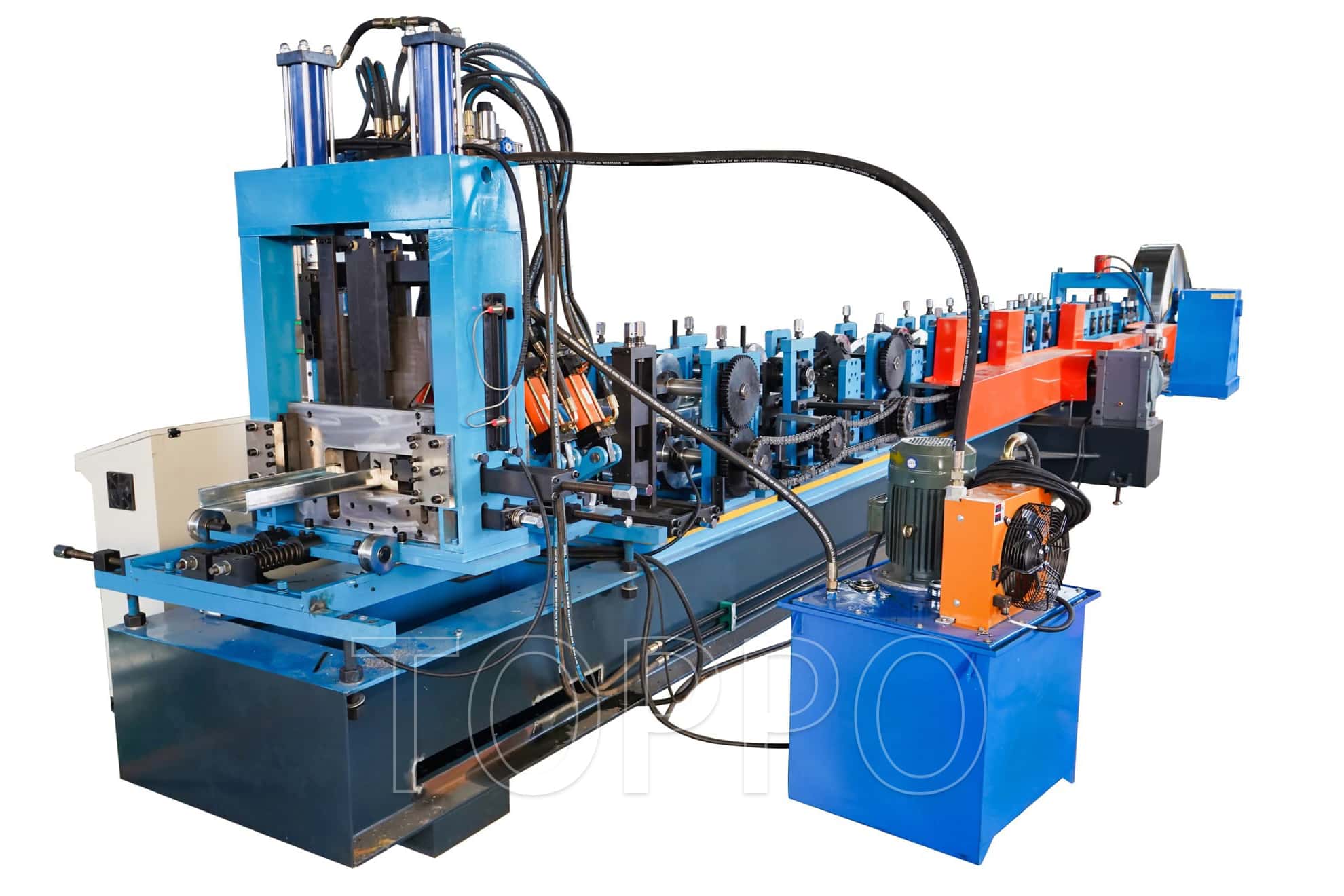
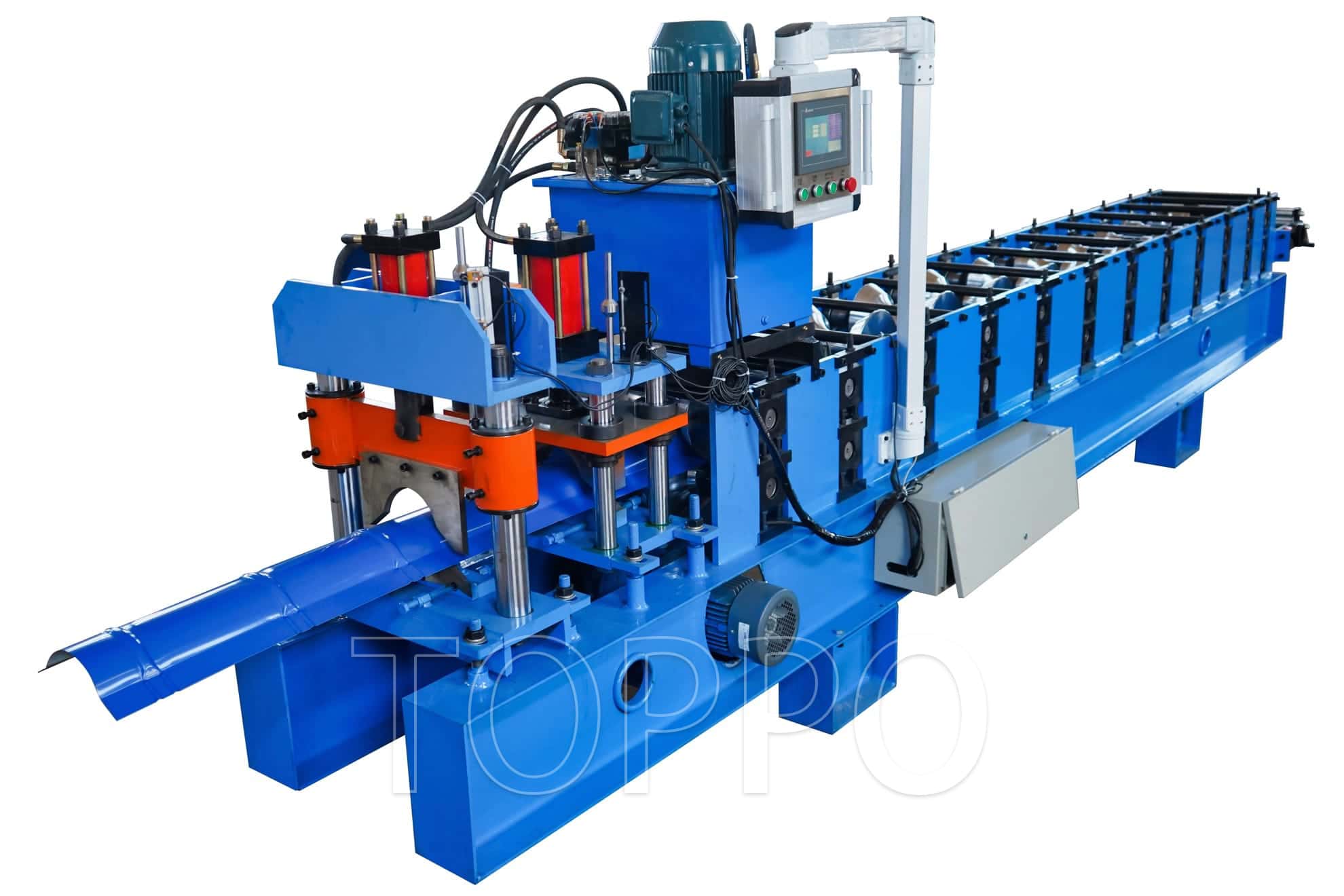
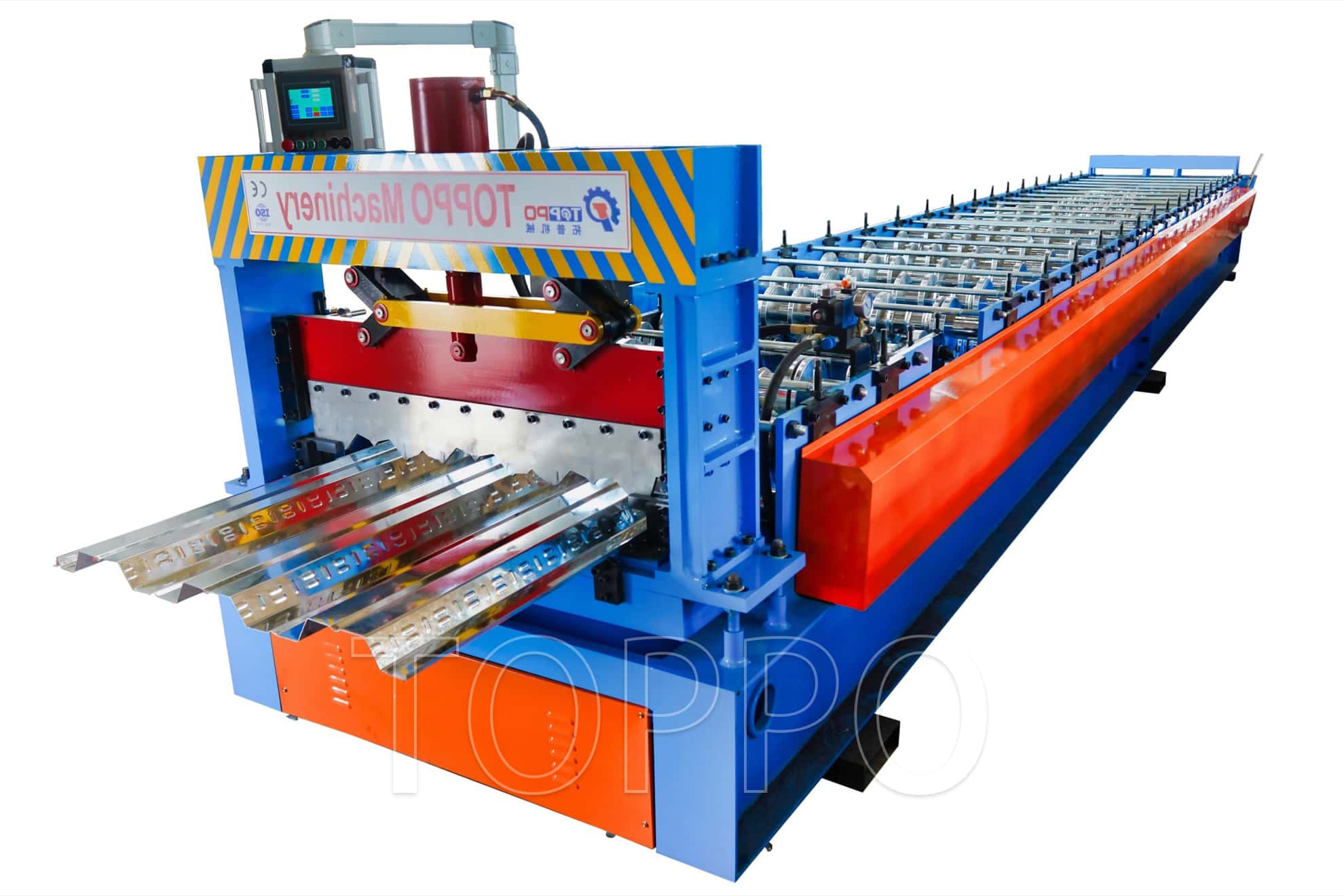
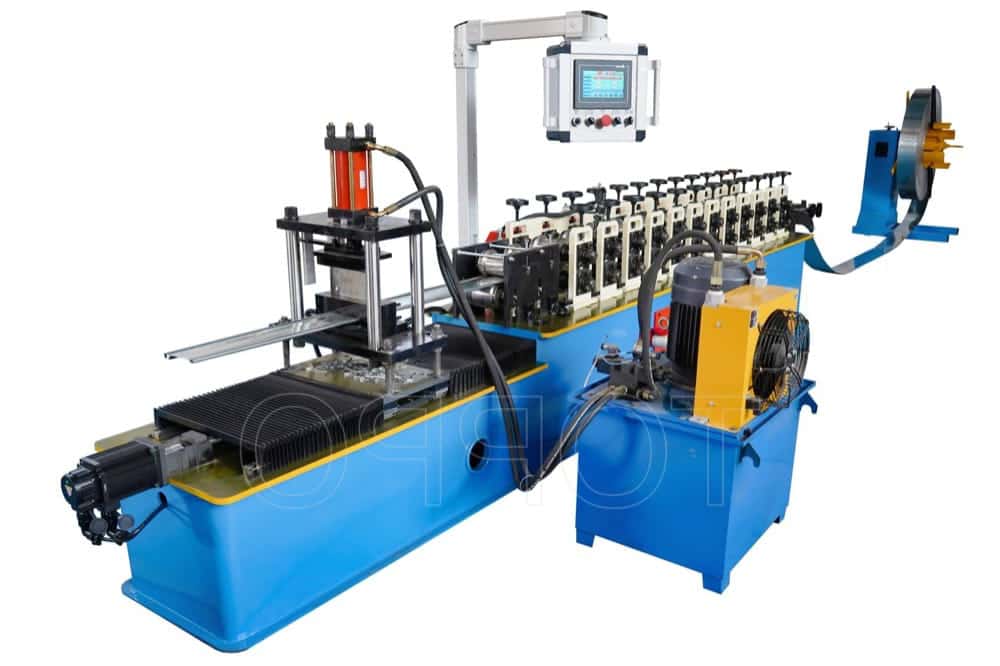
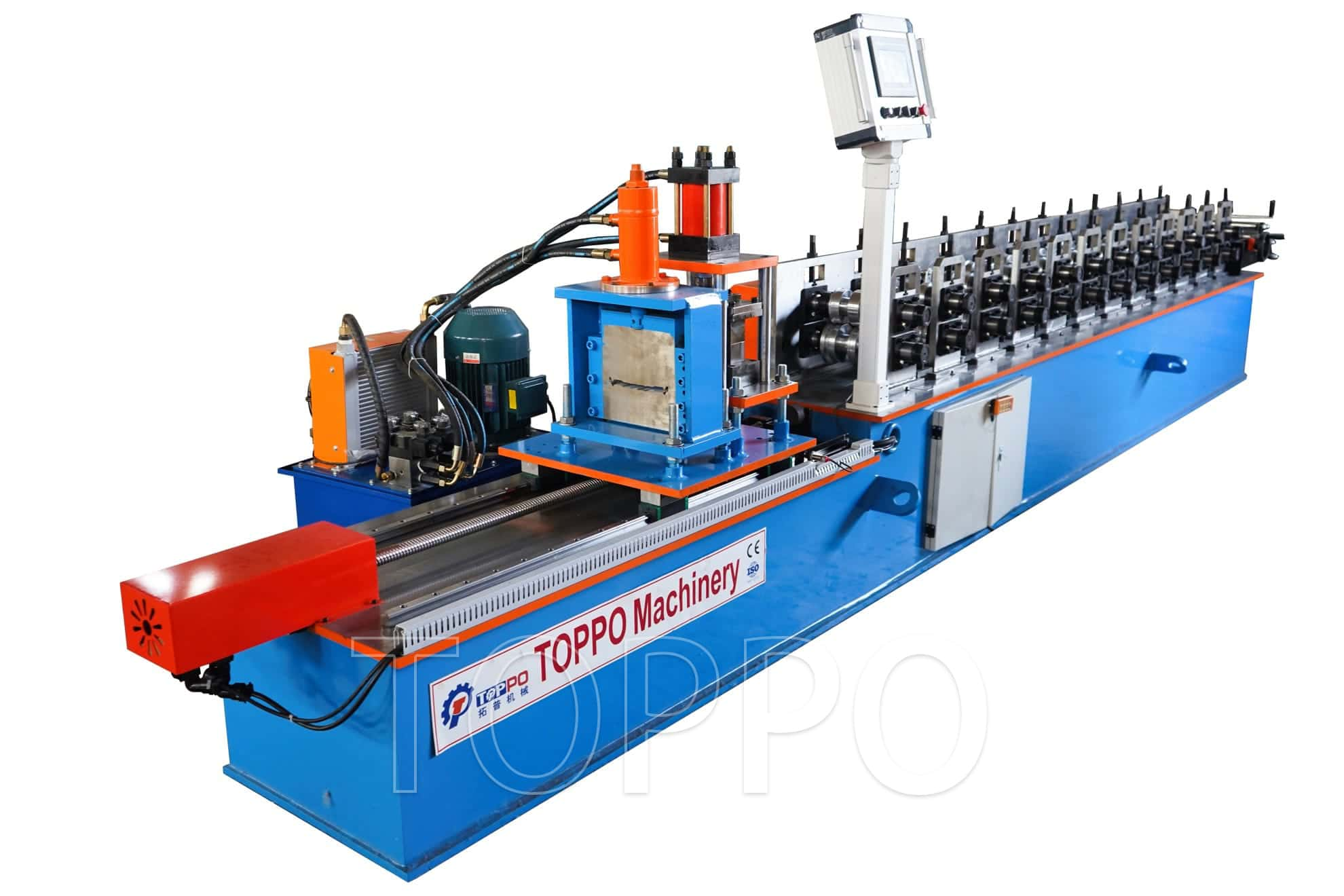
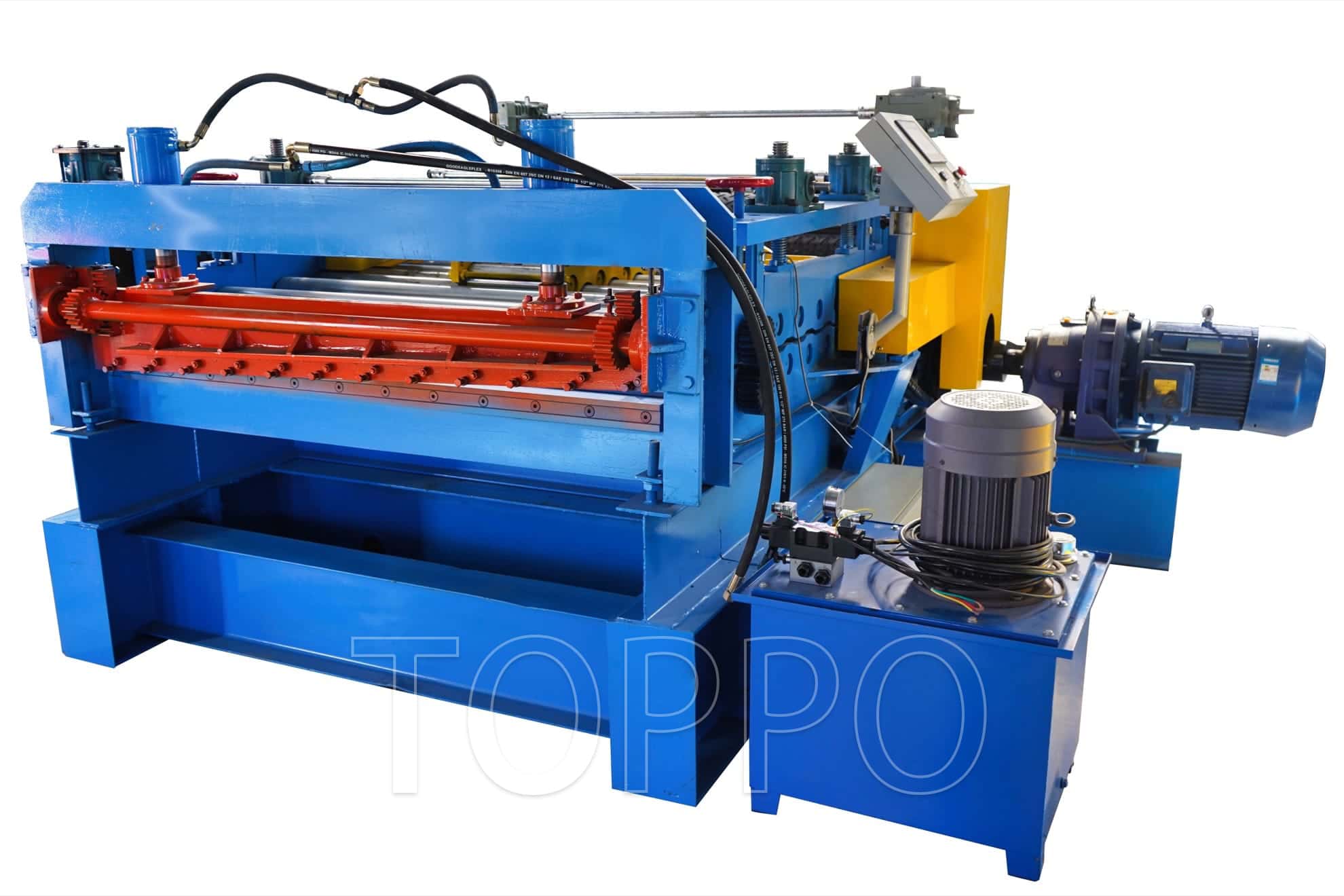
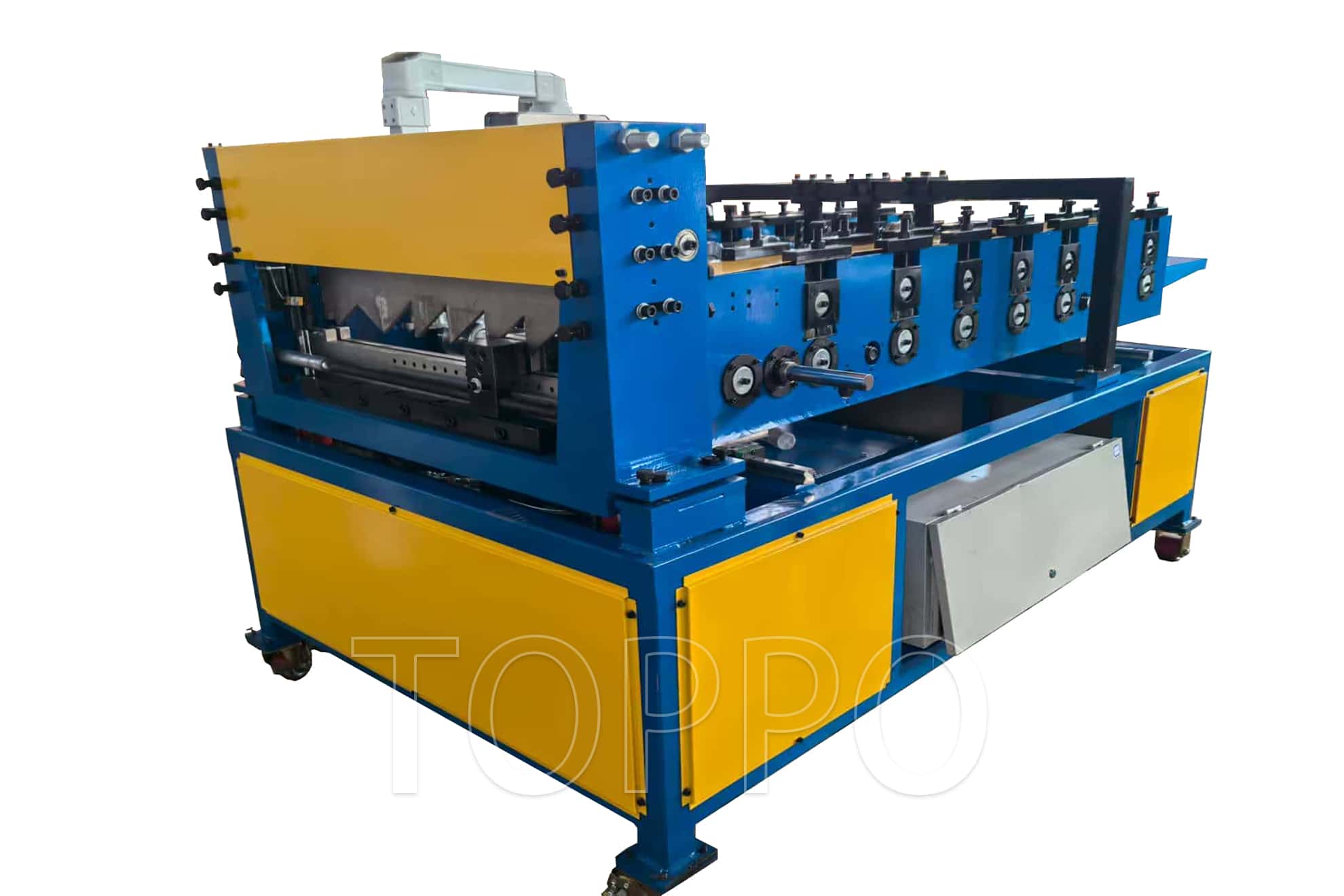
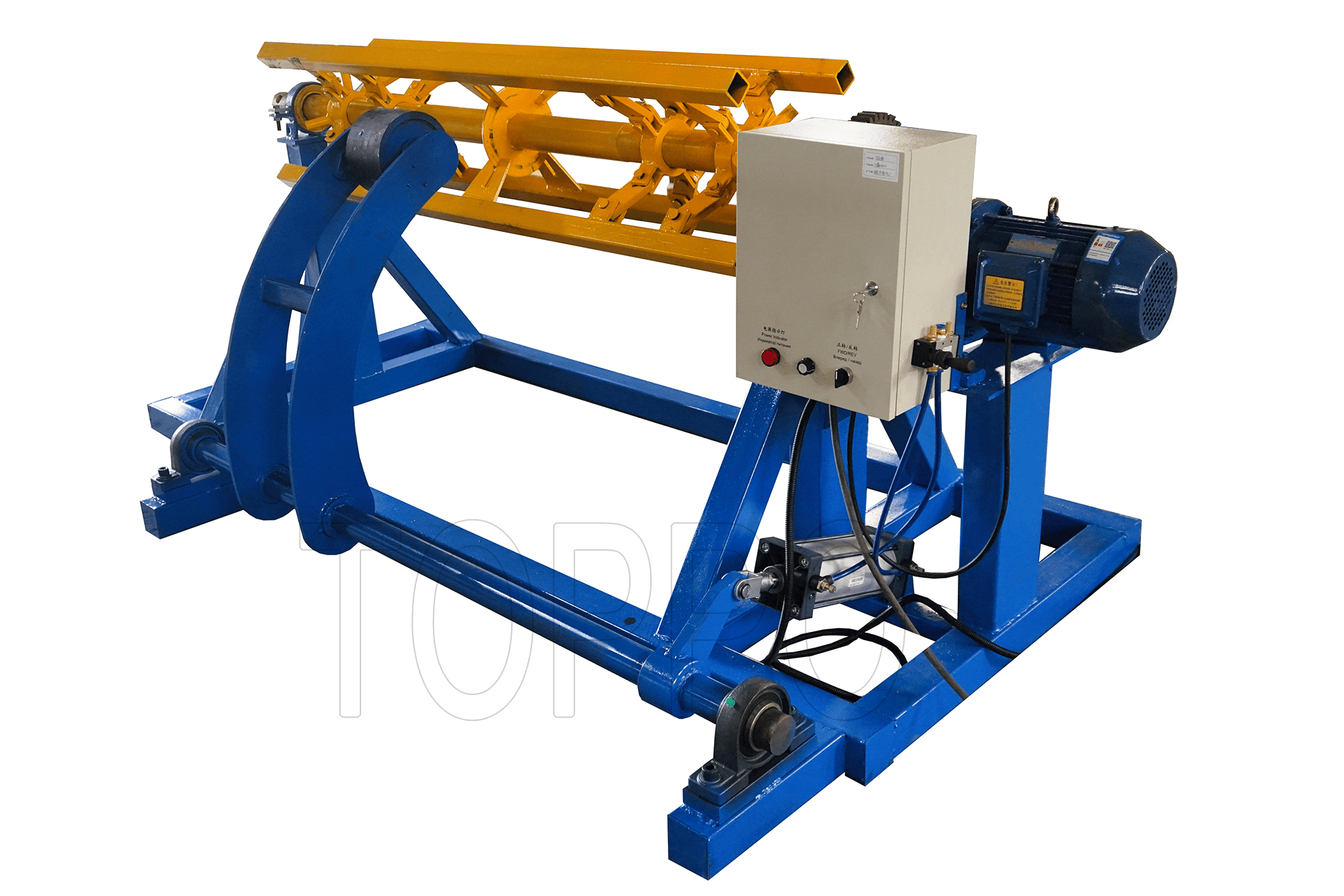
One of the most important technologies supporting this growth is the roofing sheet making machine. This equipment allows manufacturers to transform metal coils into roofing sheets efficiently through roll forming technology. By investing in a modern roofing sheet making machine, companies can establish local production facilities and supply roofing materials to rapidly expanding construction markets.
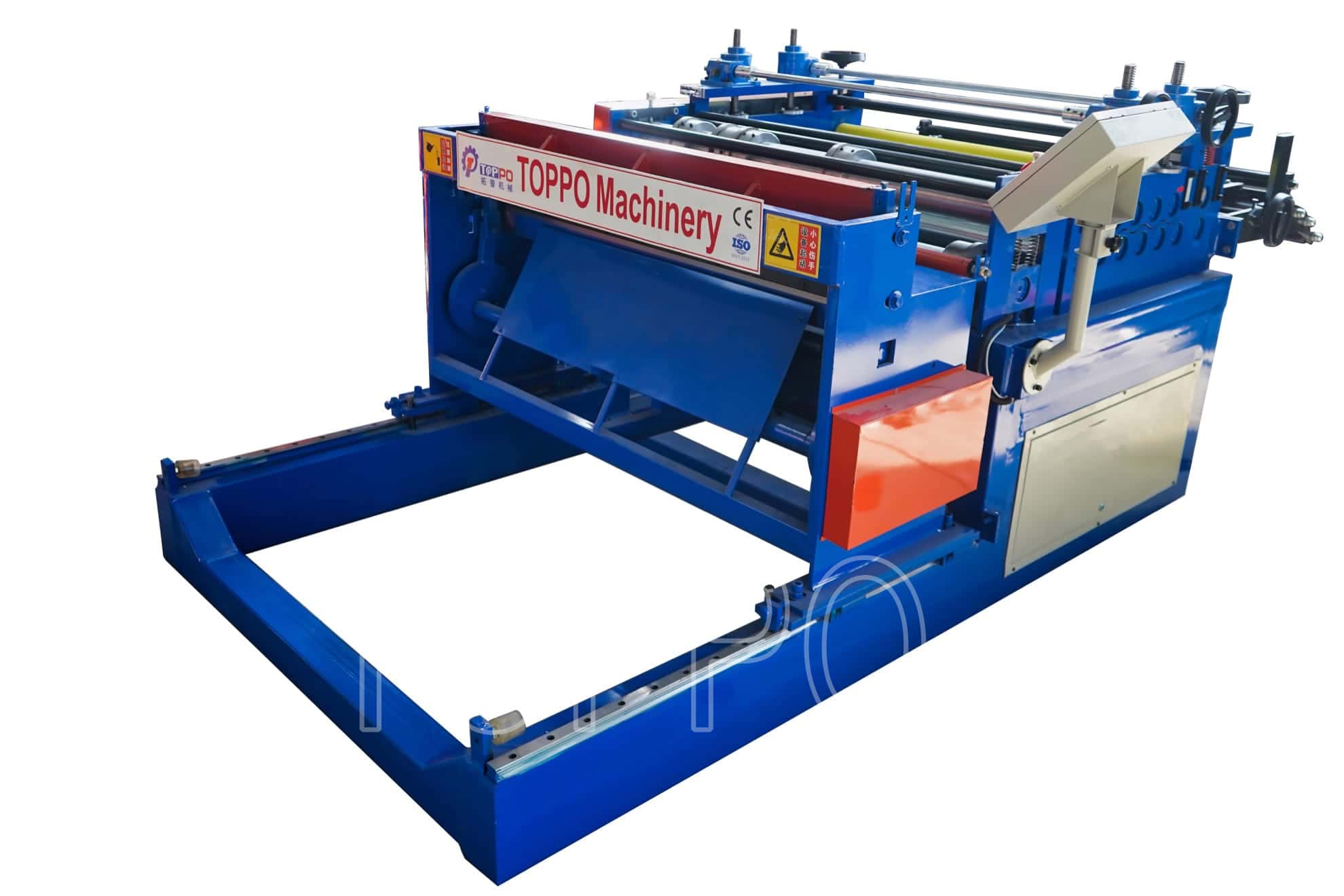
Another key technology in roofing sheet manufacturing is the Color Coated sheet machine. This equipment applies protective coatings to metal sheets, improving corrosion resistance while enhancing the visual appearance of roofing panels.
Construction Growth in Emerging Markets
Emerging economies are experiencing significant construction growth driven by urbanization and government infrastructure programs. Millions of new homes, warehouses, factories, and commercial buildings are being constructed each year.
Metal roofing sheets have become a preferred building material because they are durable, lightweight, and easy to install. Manufacturers that operate a reliable roofing sheet making machine can supply large quantities of roofing panels to meet this growing demand.
Local production is particularly important in emerging markets because transportation costs and import delays can affect construction schedules. Establishing local manufacturing facilities helps companies respond quickly to customer needs.
The Role of Advanced Manufacturing Technology
Modern roofing sheet factories rely on advanced roll forming equipment to maintain efficient production. A roofing sheet making machine gradually shapes steel coils into roofing profiles such as corrugated sheets or trapezoidal panels. This continuous process allows manufacturers to produce roofing materials with consistent quality and precise dimensions.
Automation systems integrated into the production line help monitor forming pressure, machine speed, and cutting length. These technologies ensure stable production performance and reduce material waste.
Importance of Protective Coatings
Roofing materials must withstand harsh environmental conditions including sunlight, rain, humidity, and temperature changes. Without proper protection, metal sheets may corrode and lose structural strength.
A professional Color Coated sheet machine applies multiple layers of protective coating that improve corrosion resistance and extend the lifespan of roofing sheets. These coatings also allow manufacturers to offer roofing panels in different colors, which is particularly attractive for residential construction projects.
By using a Color Coated sheet machine, manufacturers can create roofing products that combine durability with modern architectural design.
Expanding Market Opportunities
Manufacturers that invest in efficient production technology are well positioned to benefit from emerging market growth. Operating a modern roofing sheet making machine allows companies to increase production capacity while maintaining consistent product quality.
In addition, integrating coating systems such as a Color Coated sheet machine helps manufacturers produce high‑value roofing materials that meet the requirements of both residential and industrial construction.
Long‑Term Industry Potential
The roofing materials industry will continue to grow as infrastructure development and urban expansion accelerate in emerging markets. Governments are investing heavily in housing and public infrastructure, creating strong long‑term demand for roofing materials.
Manufacturers that adopt modern roll forming technology and protective coating systems will have a competitive advantage in these markets. By combining a high‑performance roofing sheet making machine with advanced coating technology, companies can produce durable roofing sheets that support sustainable construction development.
READ MORE: