Exploring the Profile Capacity of a Single Roofing Sheet Roll Forming Machine
One of the most common questions in the metal construction industry is how many roofing sheet profiles a single roll forming machine can realistically produce. The answer depends on machine design, tooling flexibility, automation level, and how well the system integrates with supporting structural equipment. Modern manufacturers no longer focus only on speed; they prioritize adaptability, efficiency, and long-term scalability.
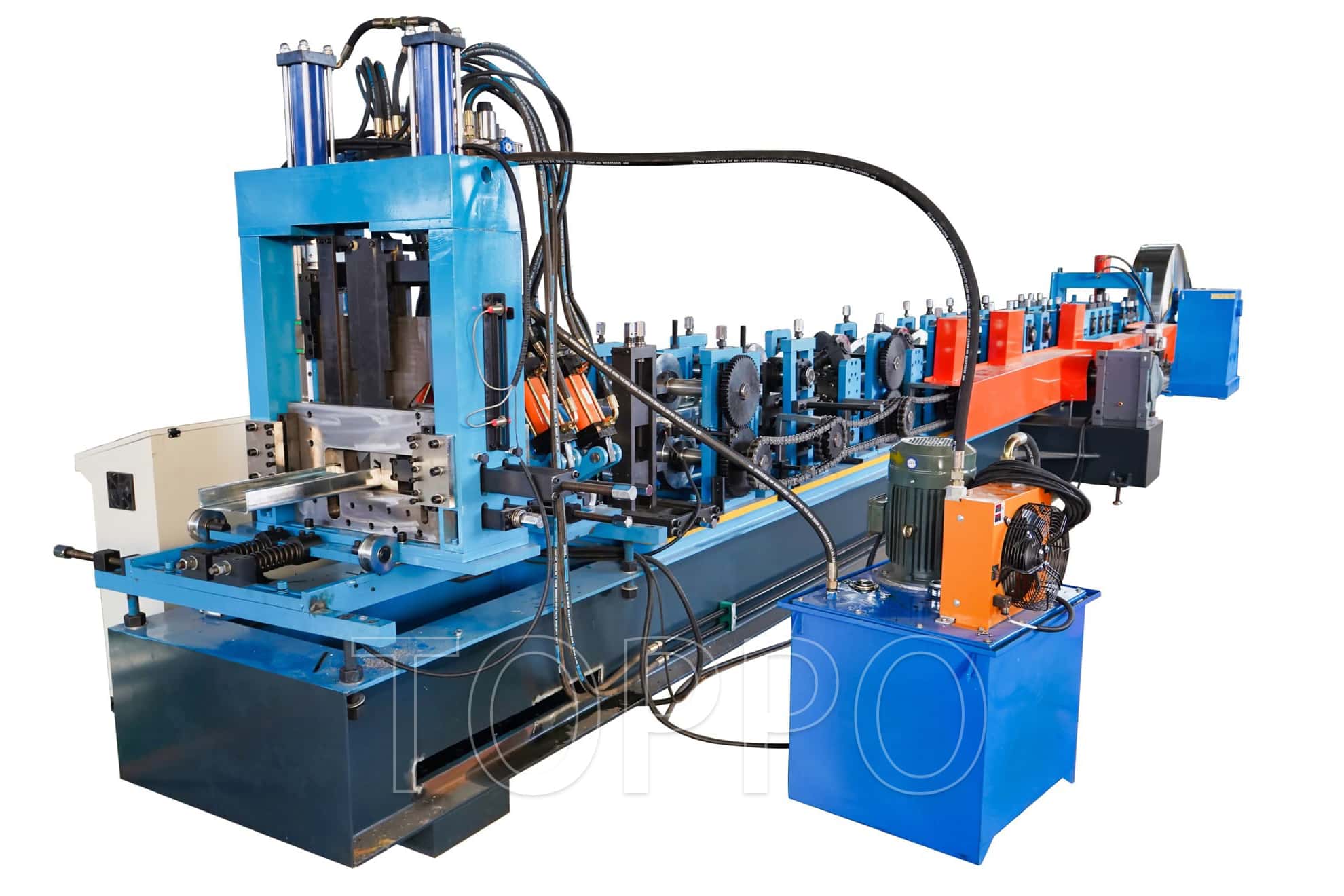
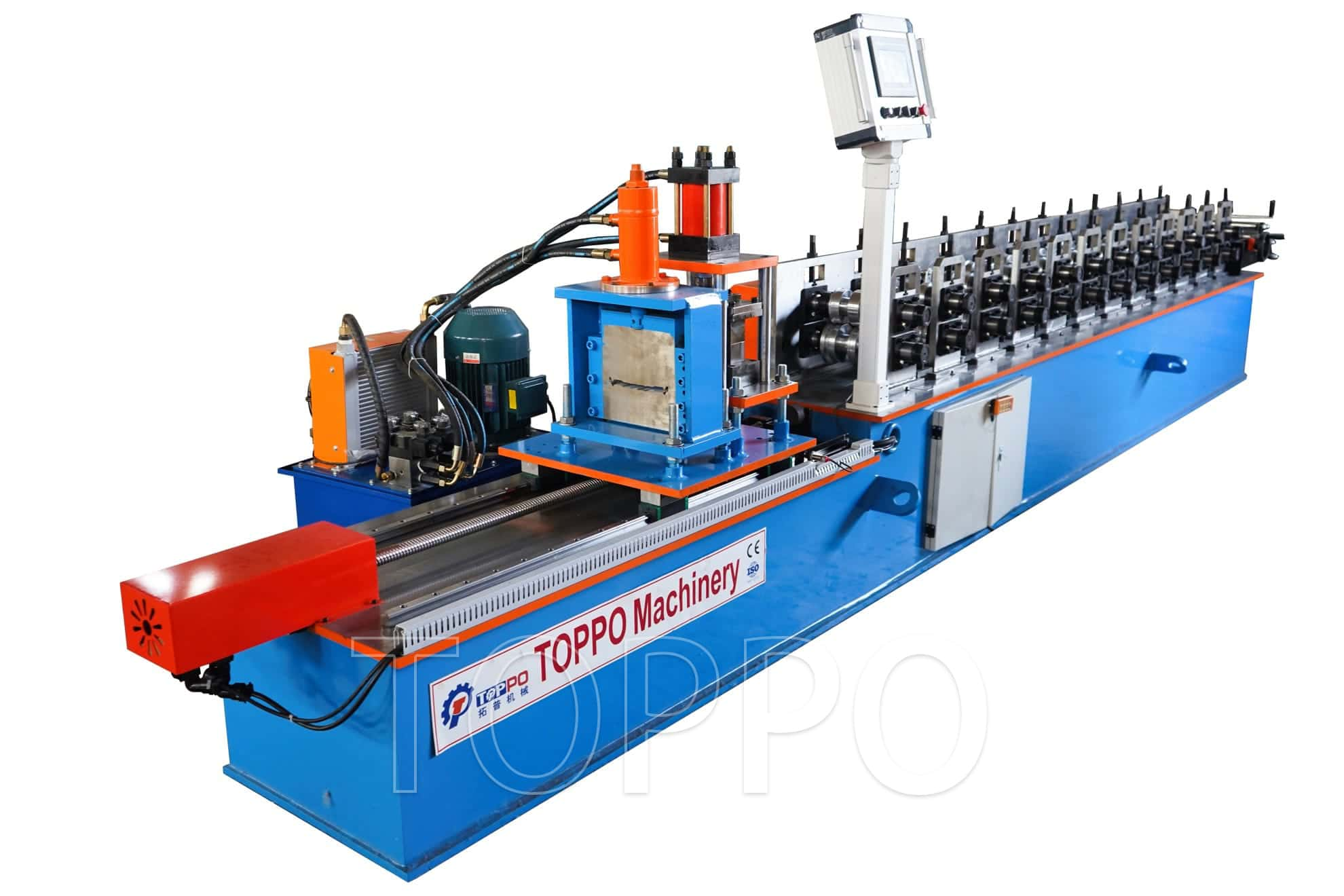
In advanced production environments, the combination of a roof panel making machine and an automatic custom c z steel purlin roll forming machine creates a highly flexible manufacturing ecosystem. Understanding how these systems work together helps determine the true profile capacity of a single production line.
Dedicated vs. Multi-Profile Machines
Traditionally, each roofing sheet profile required a dedicated roof panel making machine. This ensured maximum speed and stable output but limited the ability to diversify product offerings. If a factory wanted to produce corrugated sheets, trapezoidal panels, and custom ribbed profiles, it often needed multiple machines.
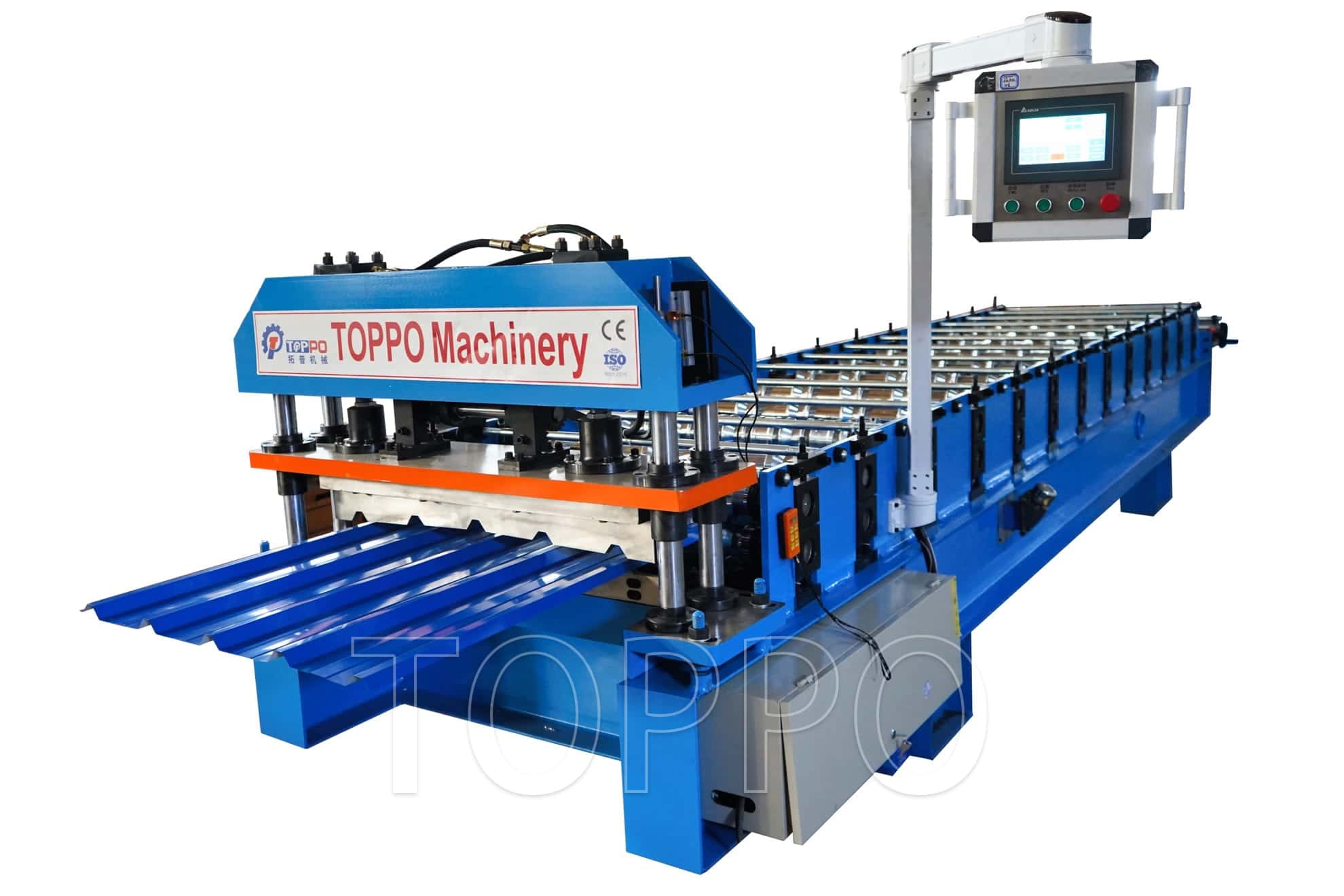
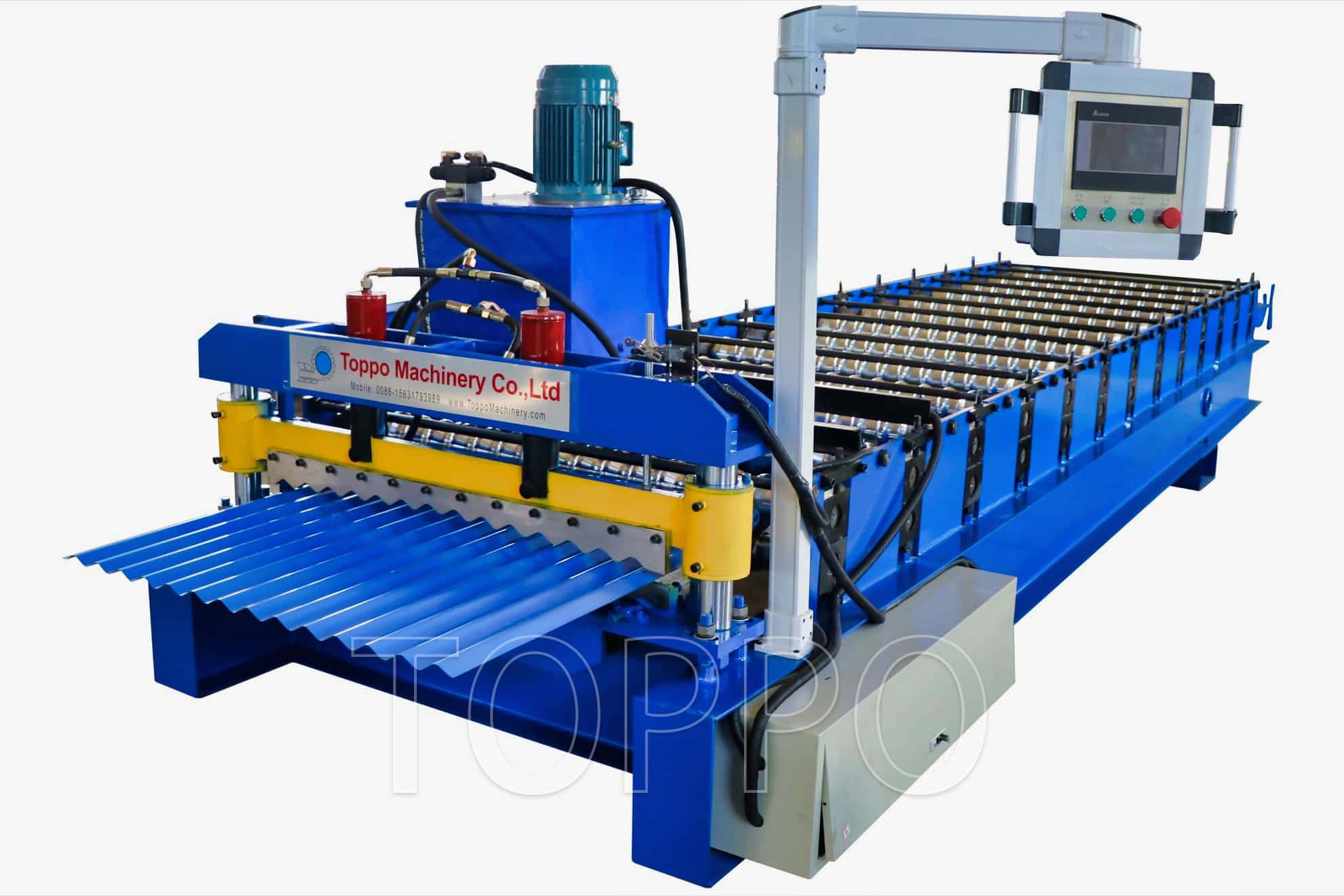
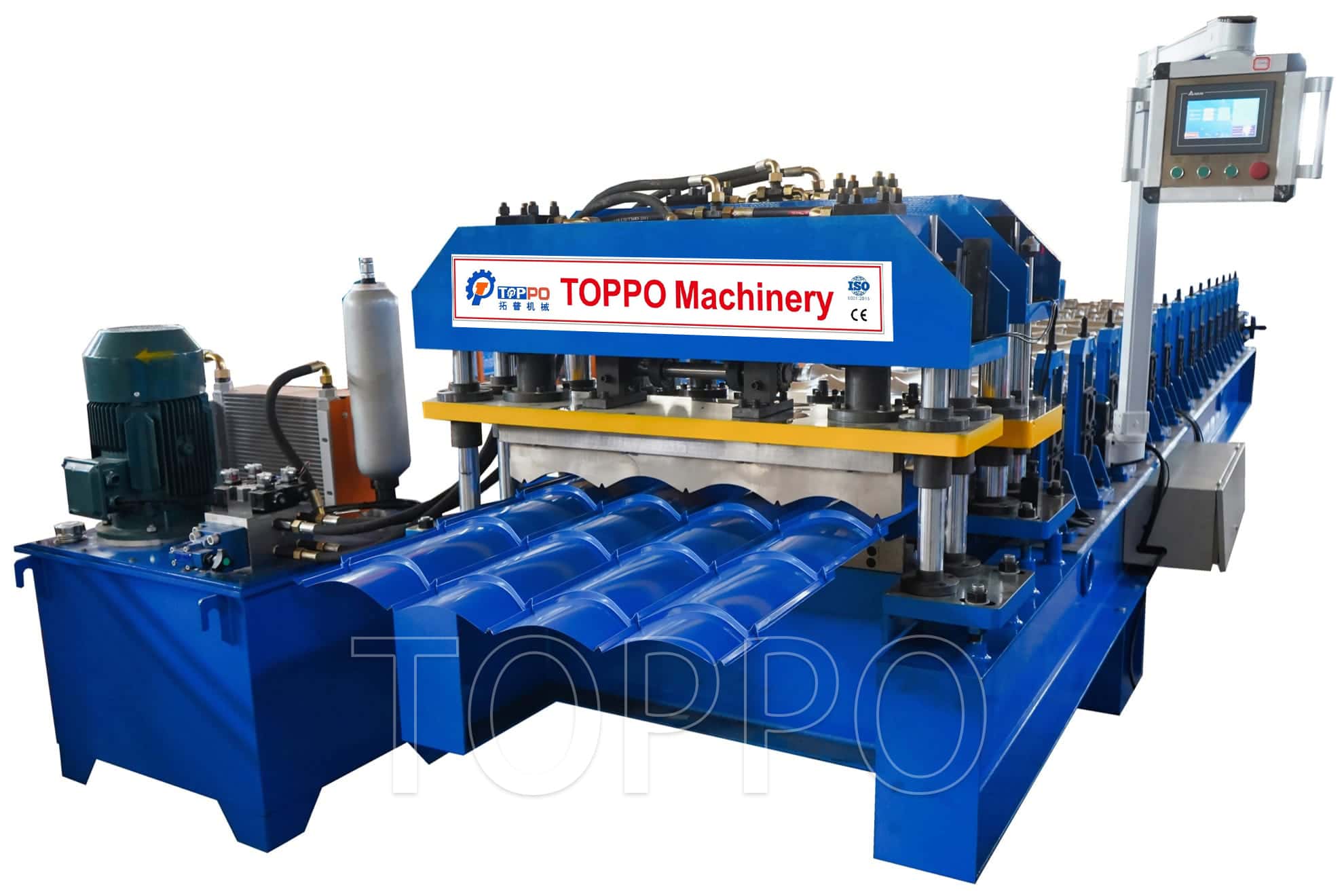
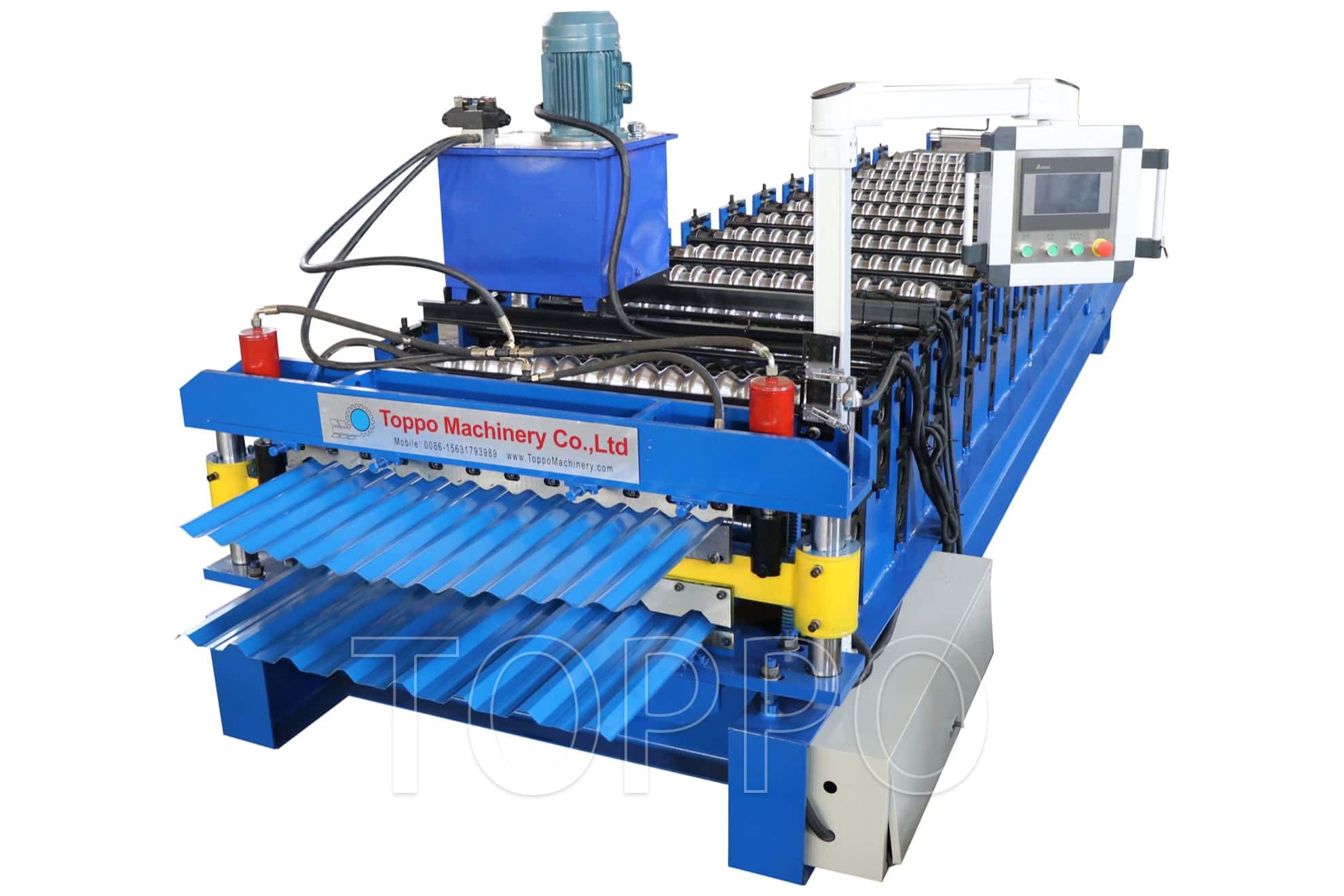
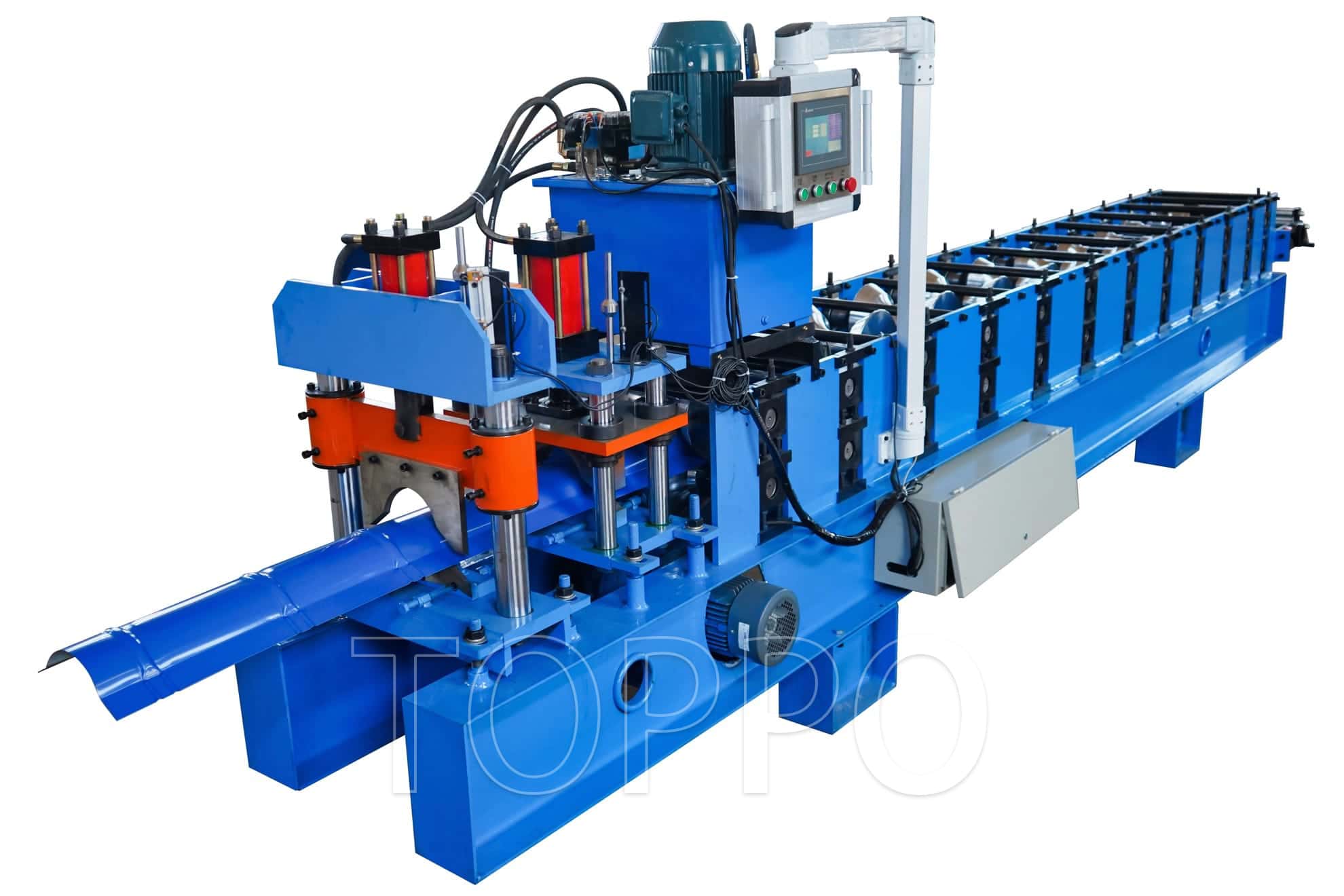
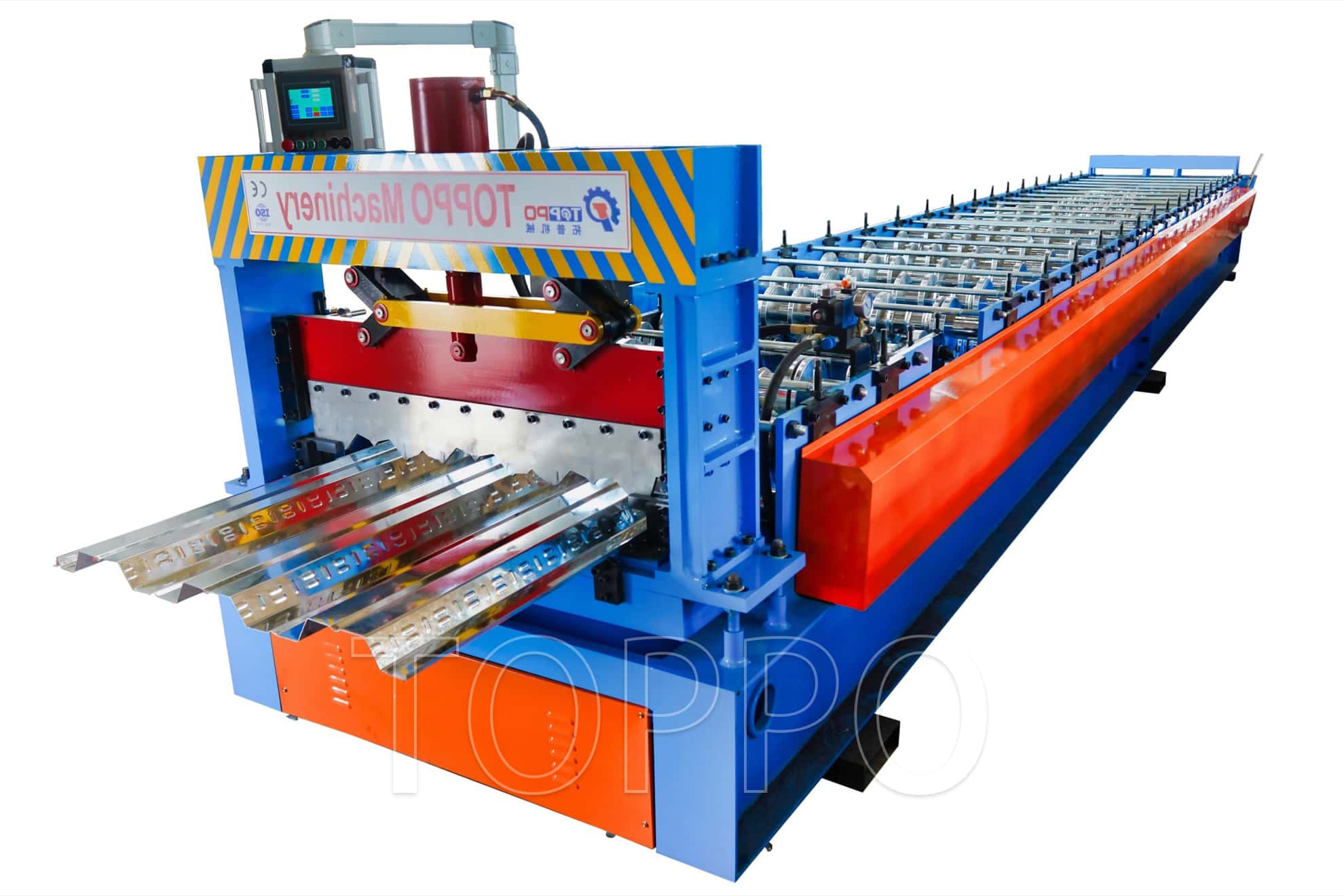
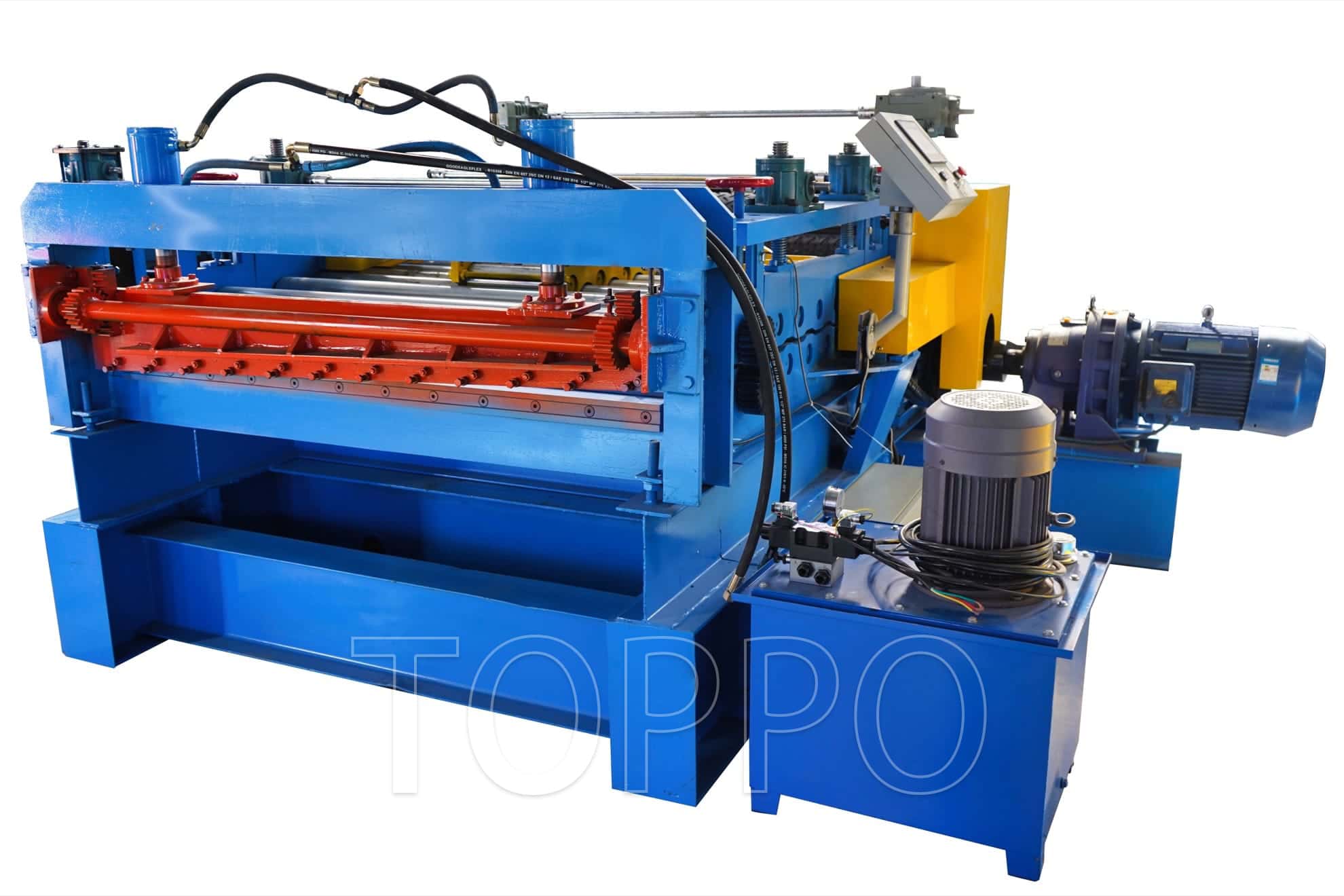
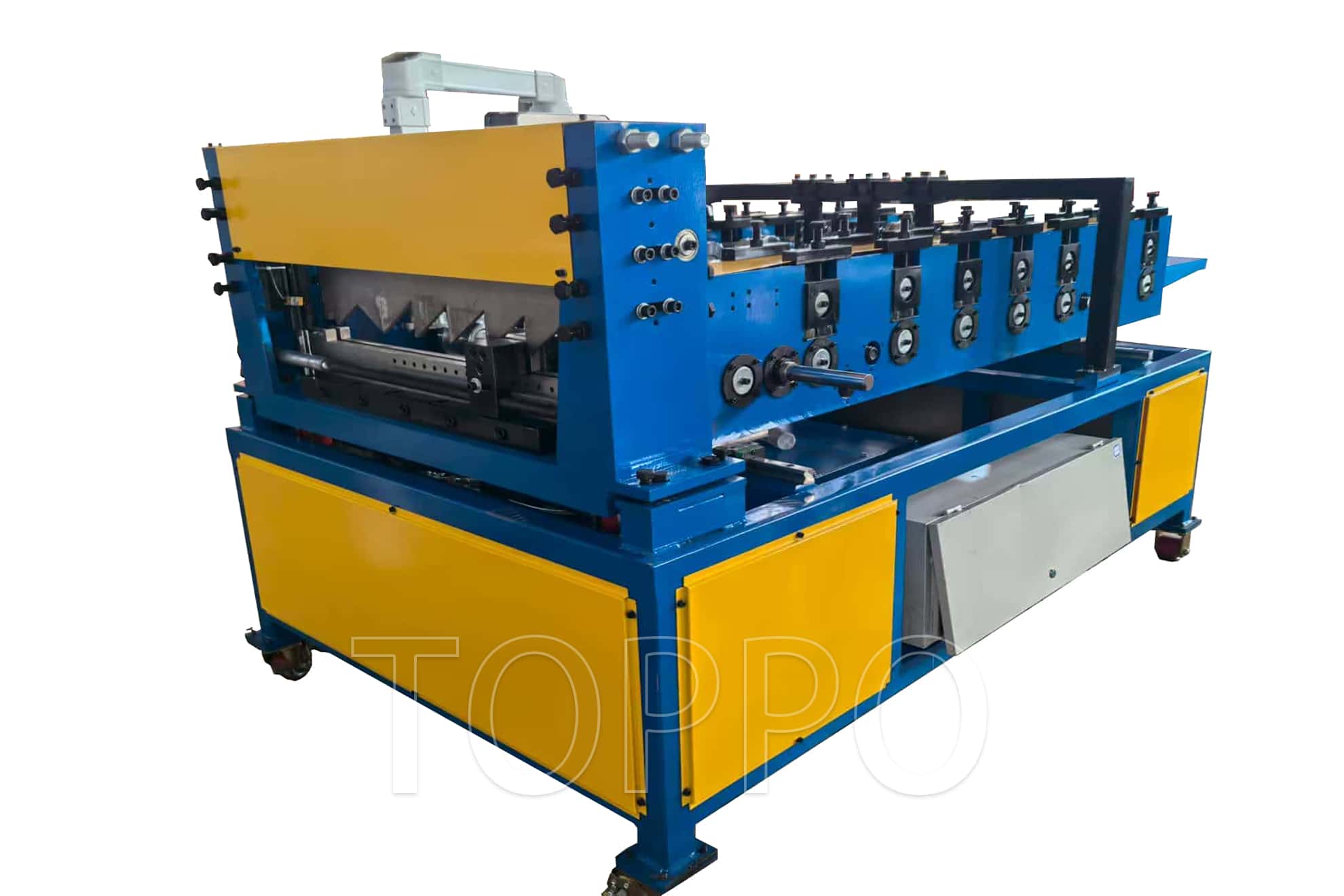
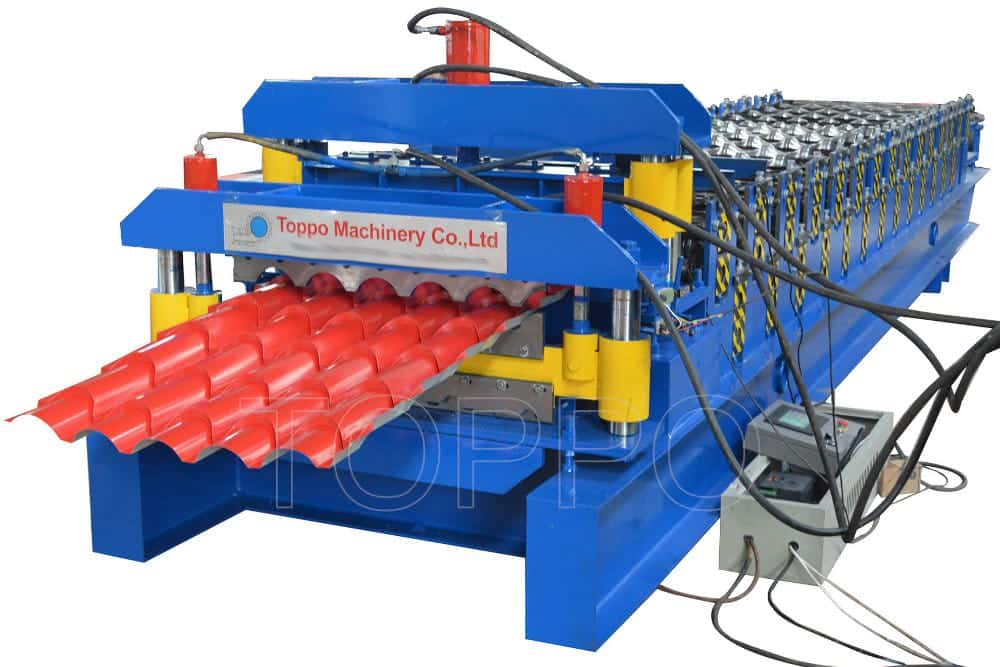
Today, modular cassette systems allow one roof panel making machine to handle multiple profiles by changing roller sets. Depending on configuration, a single machine can produce three to six standard roofing profiles efficiently. However, frequent profile changes require proper planning to maintain productivity.
Structural alignment is equally important. A reliable c z steel purlin roll forming machine ensures that supporting purlins match the roofing sheets precisely. Without this coordination, installation challenges and structural inconsistencies may arise.
The Role of Tooling and Cassette Systems
The number of profiles a machine can produce is largely determined by its tooling system. Cassette-type designs enable operators to swap forming stations quickly. This significantly reduces downtime compared to traditional roller replacement methods. A high-quality roof panel making machine equipped with quick-change cassettes increases operational flexibility without sacrificing forming accuracy.
On the structural side, a c z steel purlin roll forming machine can typically produce numerous size variations through adjustable flange and web dimensions. When upgraded to an automatic custom c z steel purlin roll forming machine, width and thickness adjustments become automated, allowing rapid transitions between product specifications.
Automation and Digital Precision
Automation dramatically enhances profile capacity. A PLC-controlled roof panel making machine can store multiple production parameters, enabling operators to switch profiles using digital presets. This reduces manual errors and ensures consistent quality across different designs.
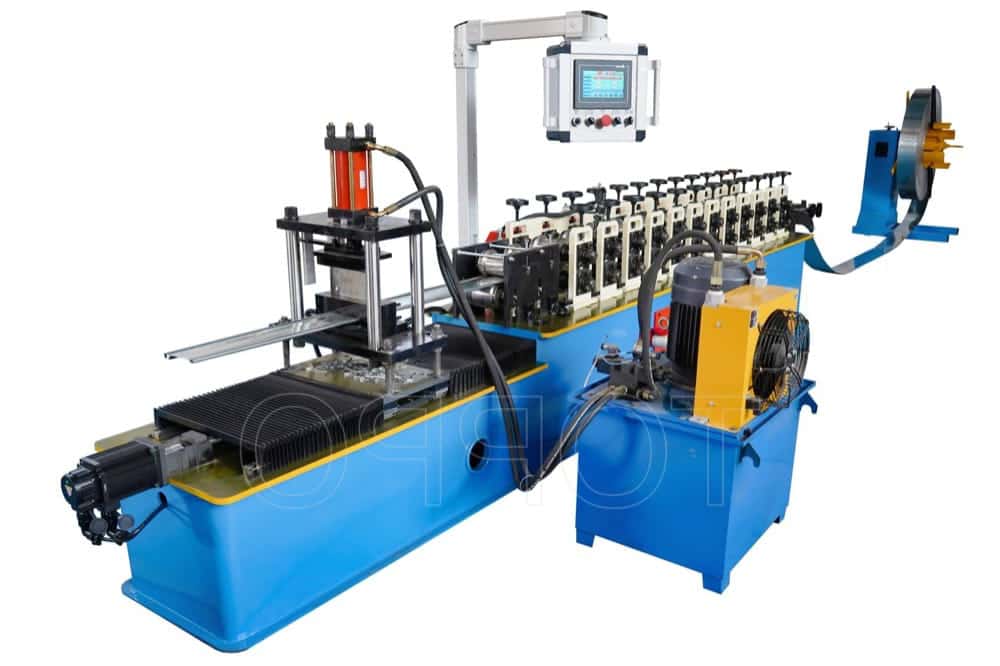
Similarly, a servo-driven c z steel purlin roll forming machine guarantees precise punching and cutting alignment. An automatic custom c z steel purlin roll forming machine further optimizes production by automatically adjusting roller gaps and punching positions according to programmed dimensions. This digital integration shortens changeover time and increases overall efficiency.
Balancing Flexibility and Productivity
Although multi-profile capability is attractive, manufacturers must balance flexibility with output speed. A dedicated roof panel making machine may achieve higher throughput for a single standardized profile. However, factories serving diverse markets benefit from flexible systems that accommodate various sheet designs.
The same principle applies to a c z steel purlin roll forming machine. Companies producing standardized structural components in high volume may prefer dedicated lines. In contrast, businesses handling customized projects gain more value from an automatic custom c z steel purlin roll forming machine, which supports rapid dimensional adjustments.
Integration with Structural Systems
Roofing sheets do not function independently; they rely on structural support systems. A synchronized roof panel making machine and c z steel purlin roll forming machine ensure perfect compatibility between panels and purlins. This coordination reduces installation time and improves overall building safety.
By incorporating an automatic custom c z steel purlin roll forming machine, manufacturers can quickly adapt structural specifications to match new roofing profiles. This integrated approach increases the practical profile capacity of the entire production line rather than focusing solely on the sheet machine.
Return on Investment and Scalability
Investing in multi-profile technology requires strategic planning. While advanced systems may involve higher upfront costs, they offer long-term advantages such as reduced equipment redundancy, lower scrap rates, and broader product offerings. A versatile roof panel making machine enables manufacturers to respond quickly to market trends and customer demands.
At the same time, integrating a durable c z steel purlin roll forming machine ensures structural consistency across projects. An automatic custom c z steel purlin roll forming machine enhances scalability by supporting automated size changes and efficient mass production.
Conclusion
So how many roofing sheet profiles can one roll forming machine produce? With modern cassette tooling and digital automation, a single roof panel making machine can typically handle several standard profiles. When supported by a high-precision c z steel purlin roll forming machine and enhanced by an automatic custom c z steel purlin roll forming machine, the entire production system becomes far more adaptable.
Ultimately, the true capacity of a roll forming machine is defined not only by its mechanical design but also by its integration, automation, and strategic use within a complete structural production line. Manufacturers that prioritize flexibility and technological advancement will achieve greater efficiency and sustained competitive advantage.
READ MORE: