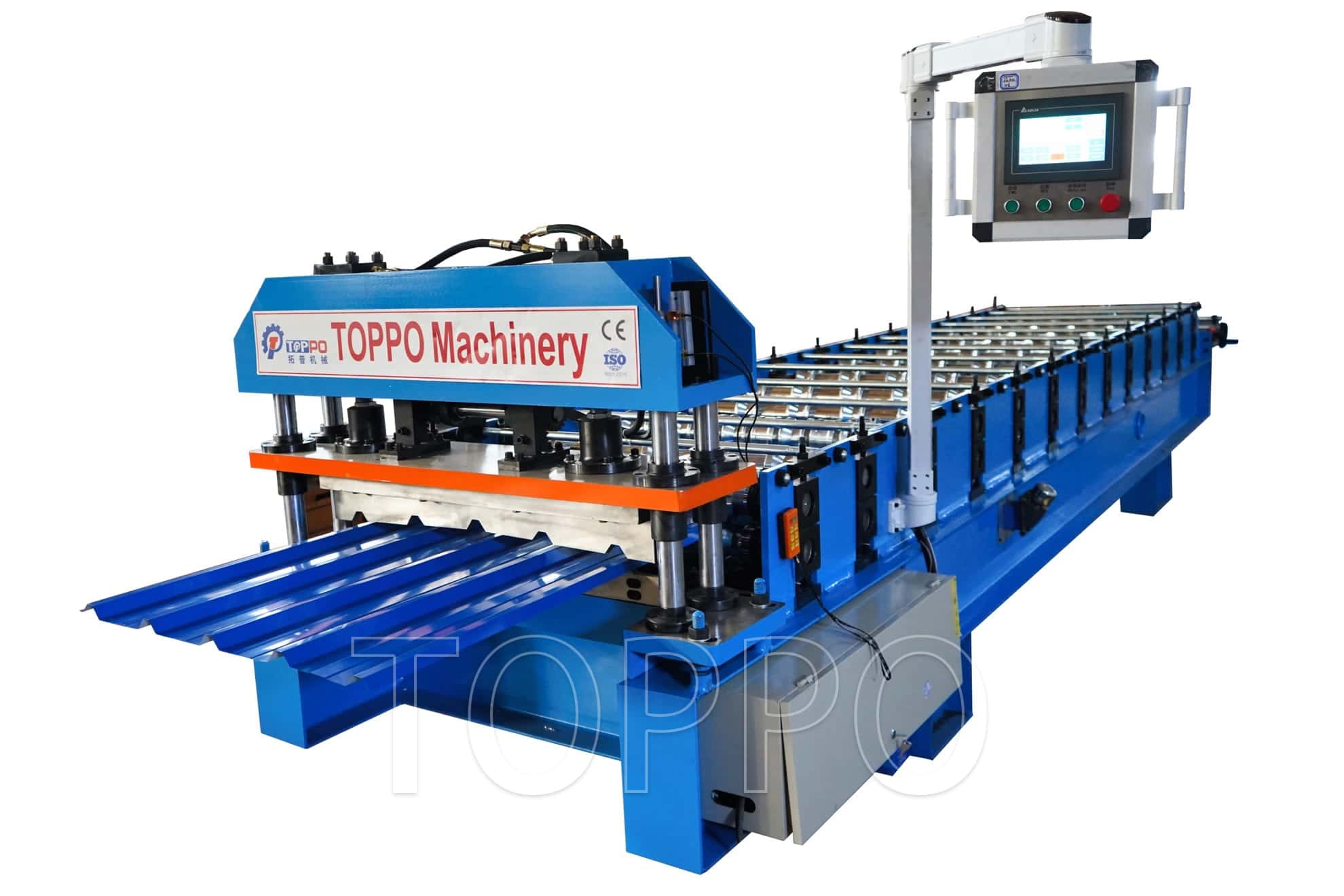
- Trapezoidal Machine
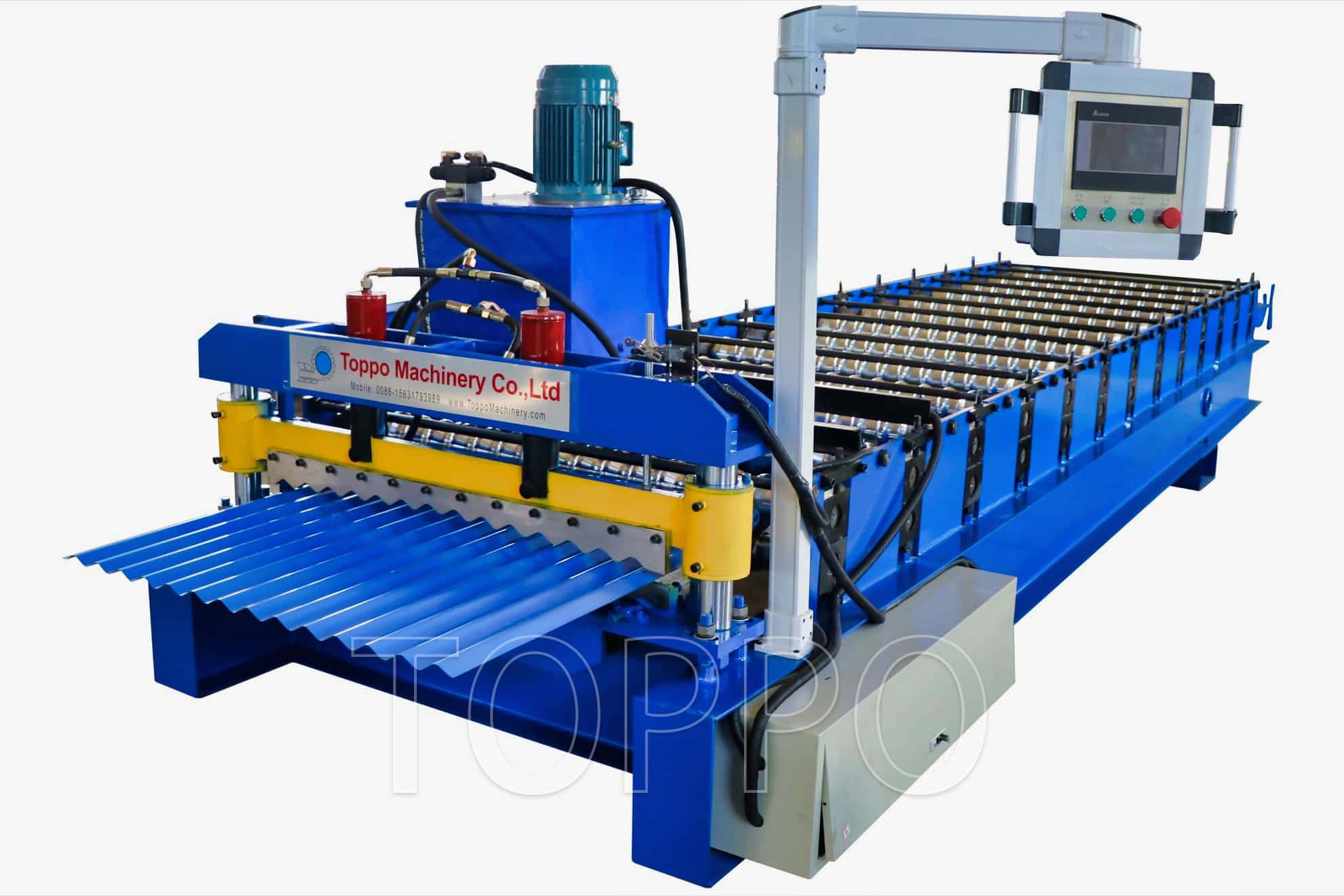
- Corrugated Machine
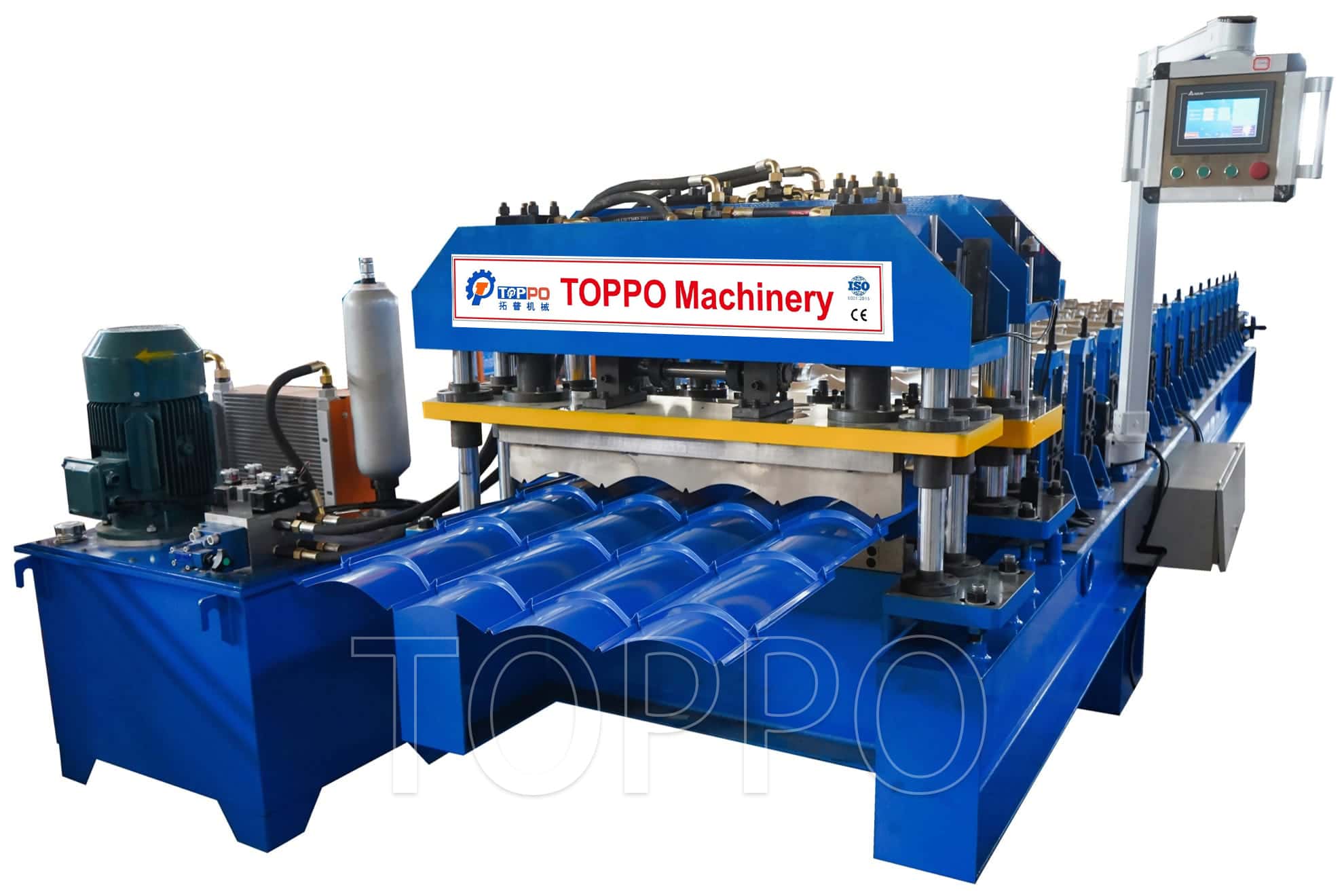
- Glazed Tile Machine
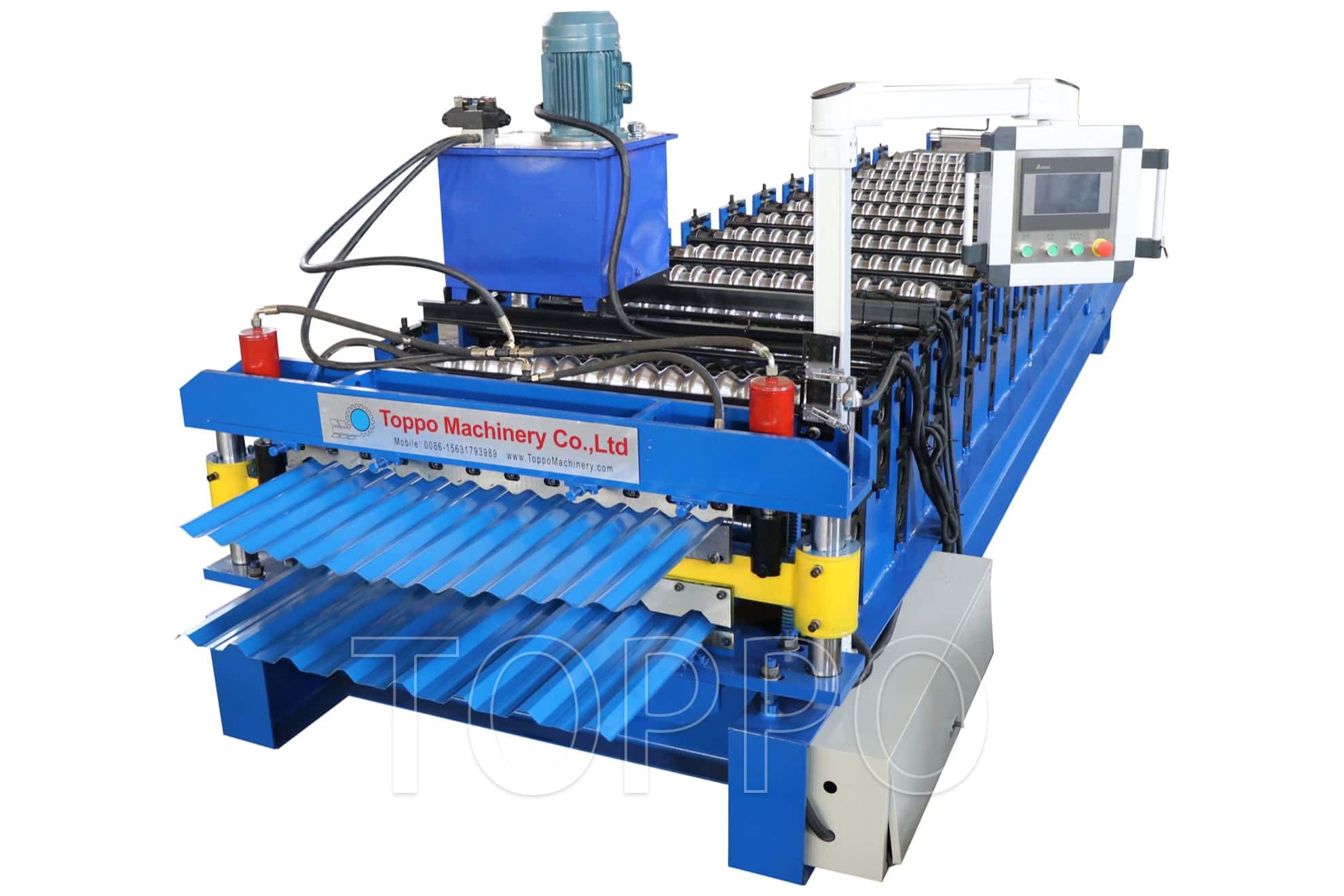
- Double Layer Machine
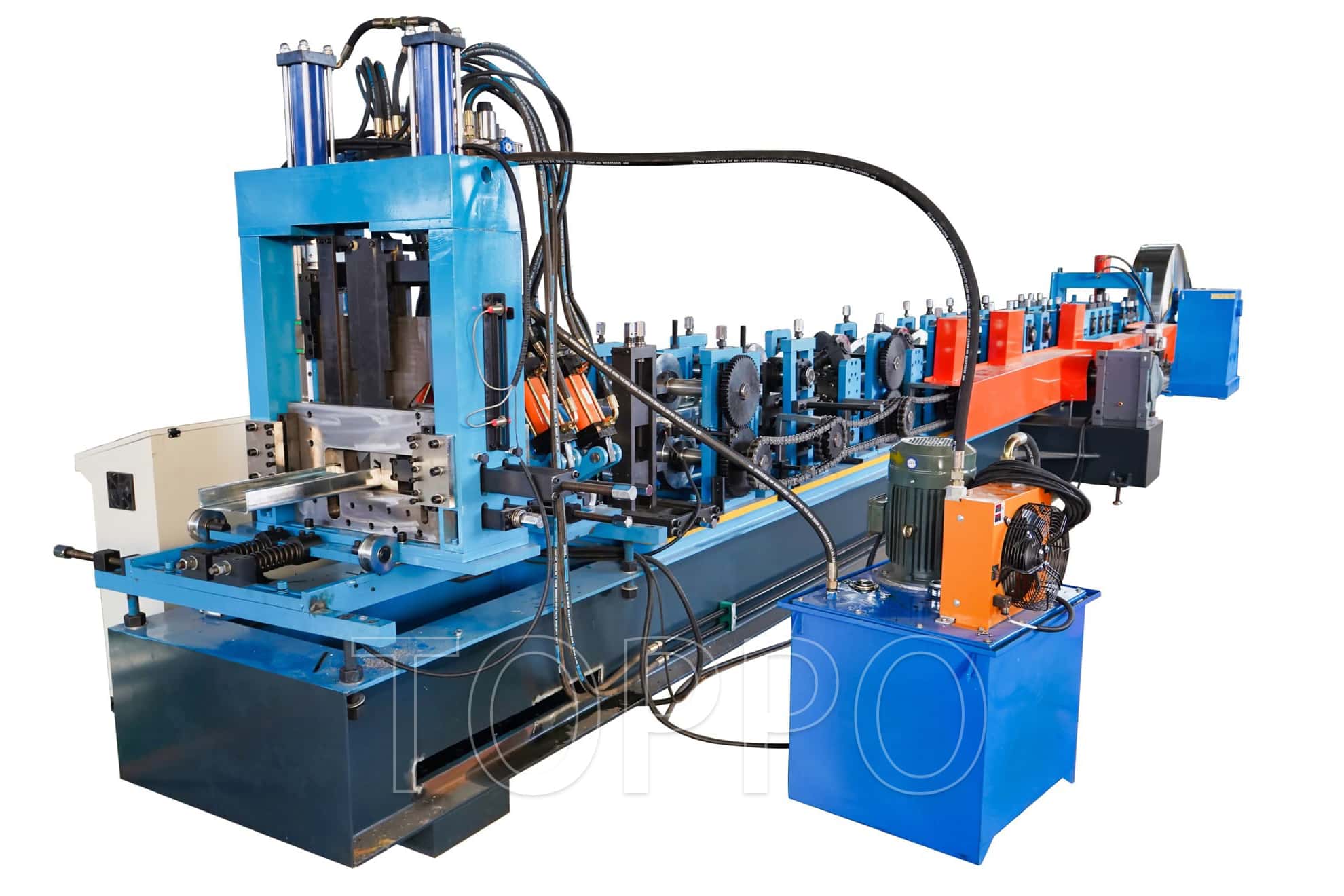
- CZU Purlin Machine
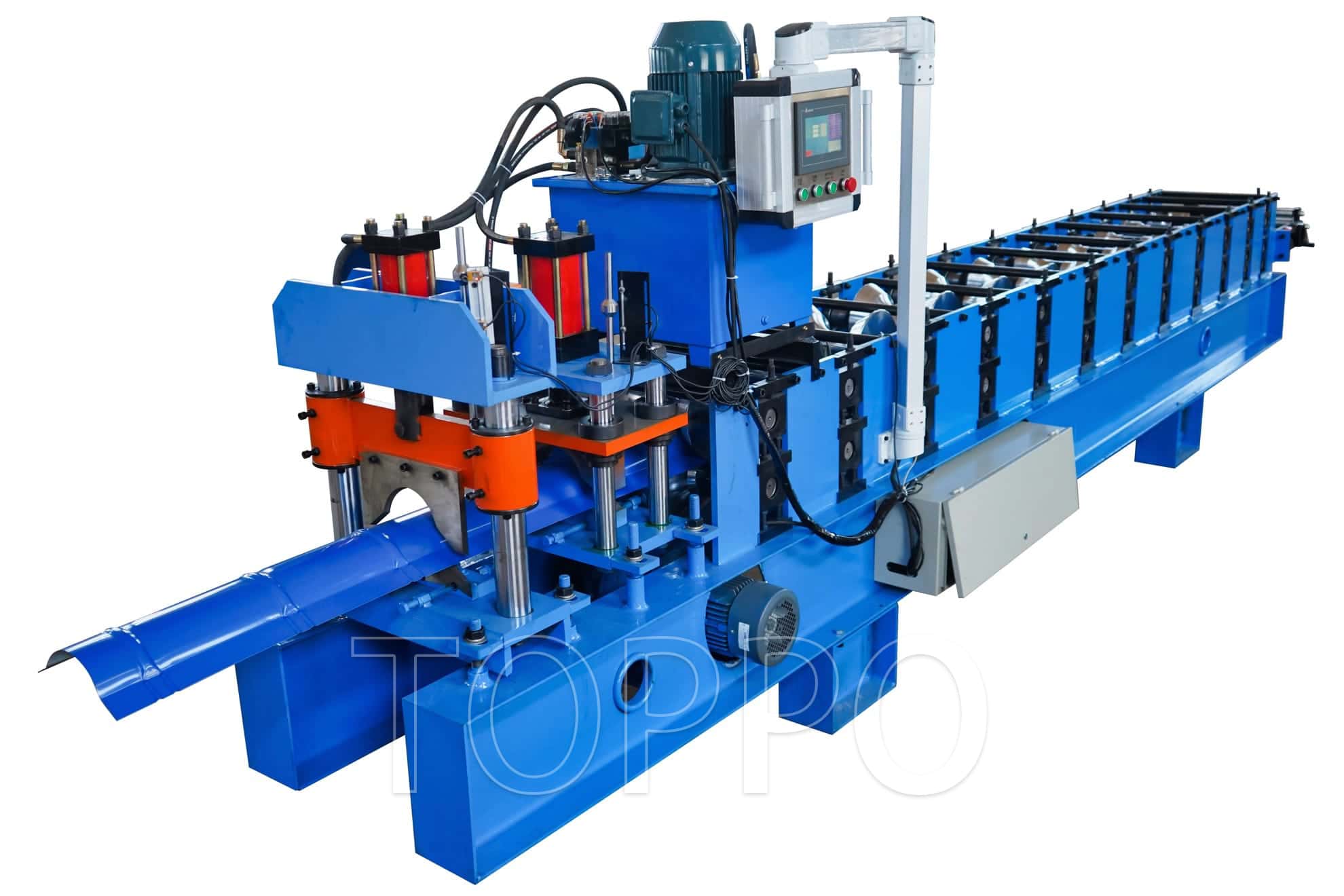
- Ridge Cap Machine
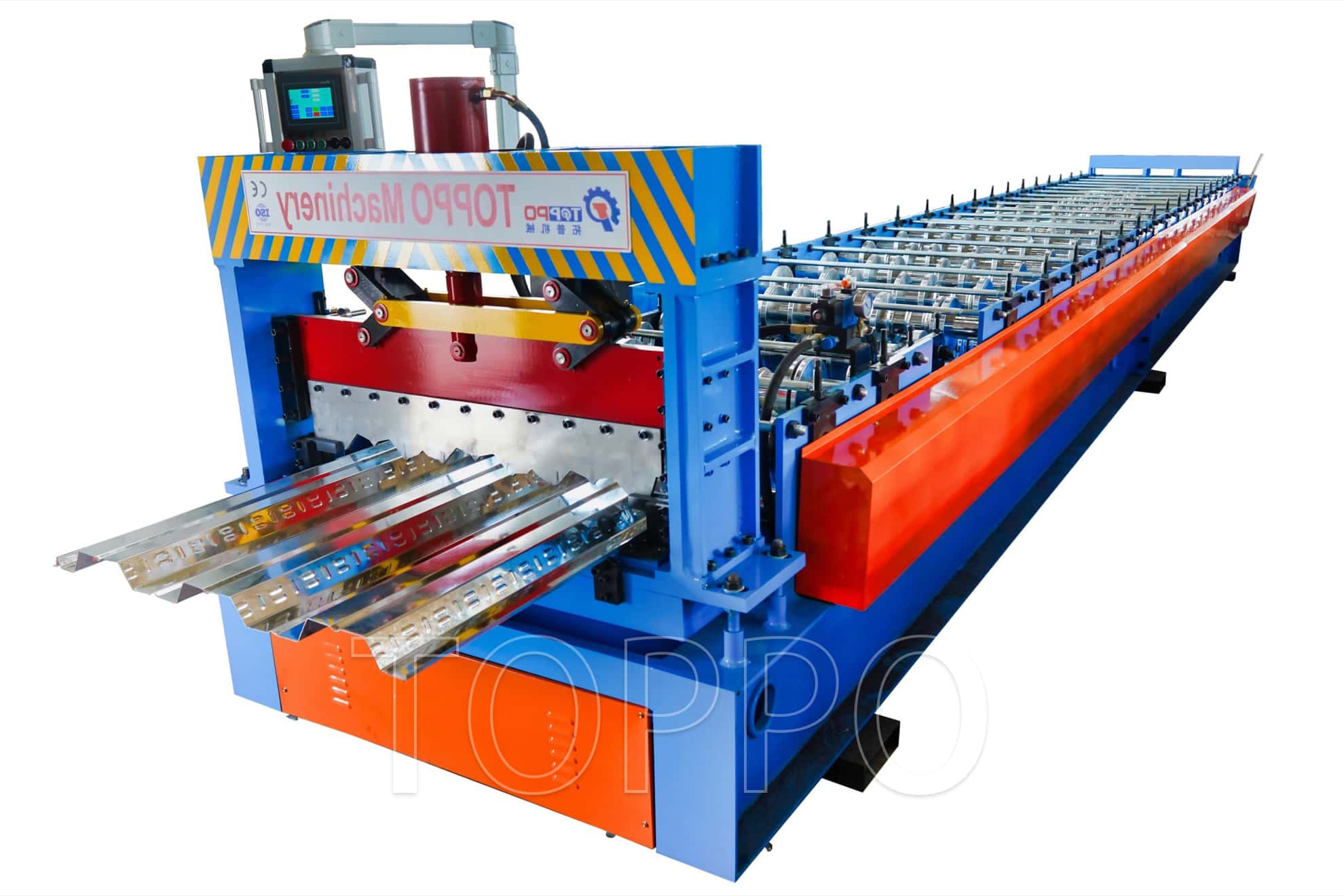
- Floor Decking Machine
- Rolling Door Machine
- Fence Machine
- Embossing Machine
- Standing Seam Machine
- Cut To Length And Slitting Line
- Guard Rail Machine
- Decoiler And Stacker
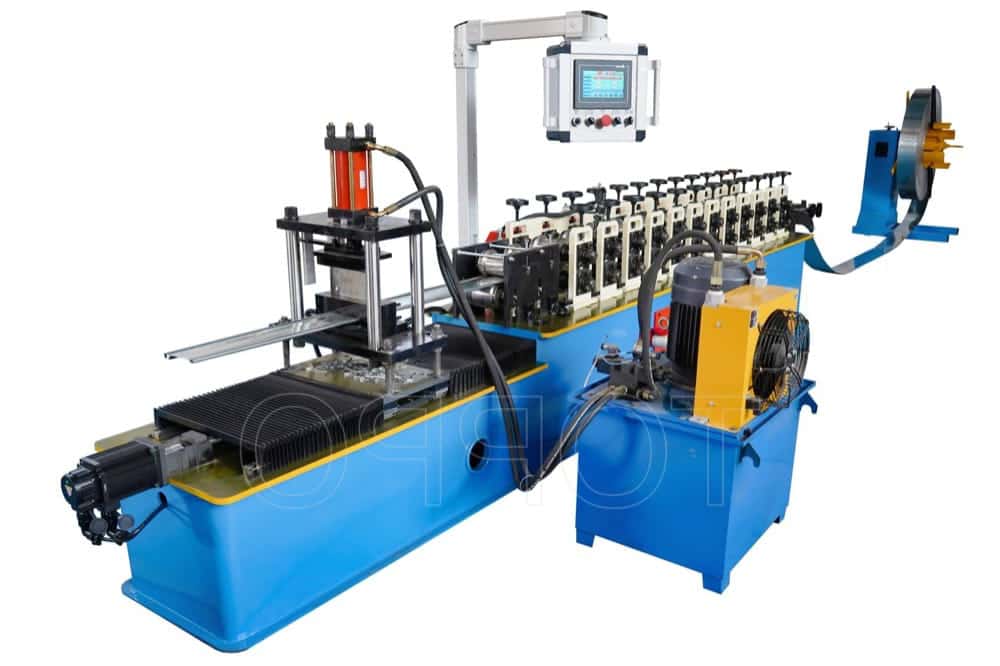
- Stud And Track Machine
- Gutter And DownPipe
- Curving Machine
- Cladding Panel Machine
- Corollary Equipment
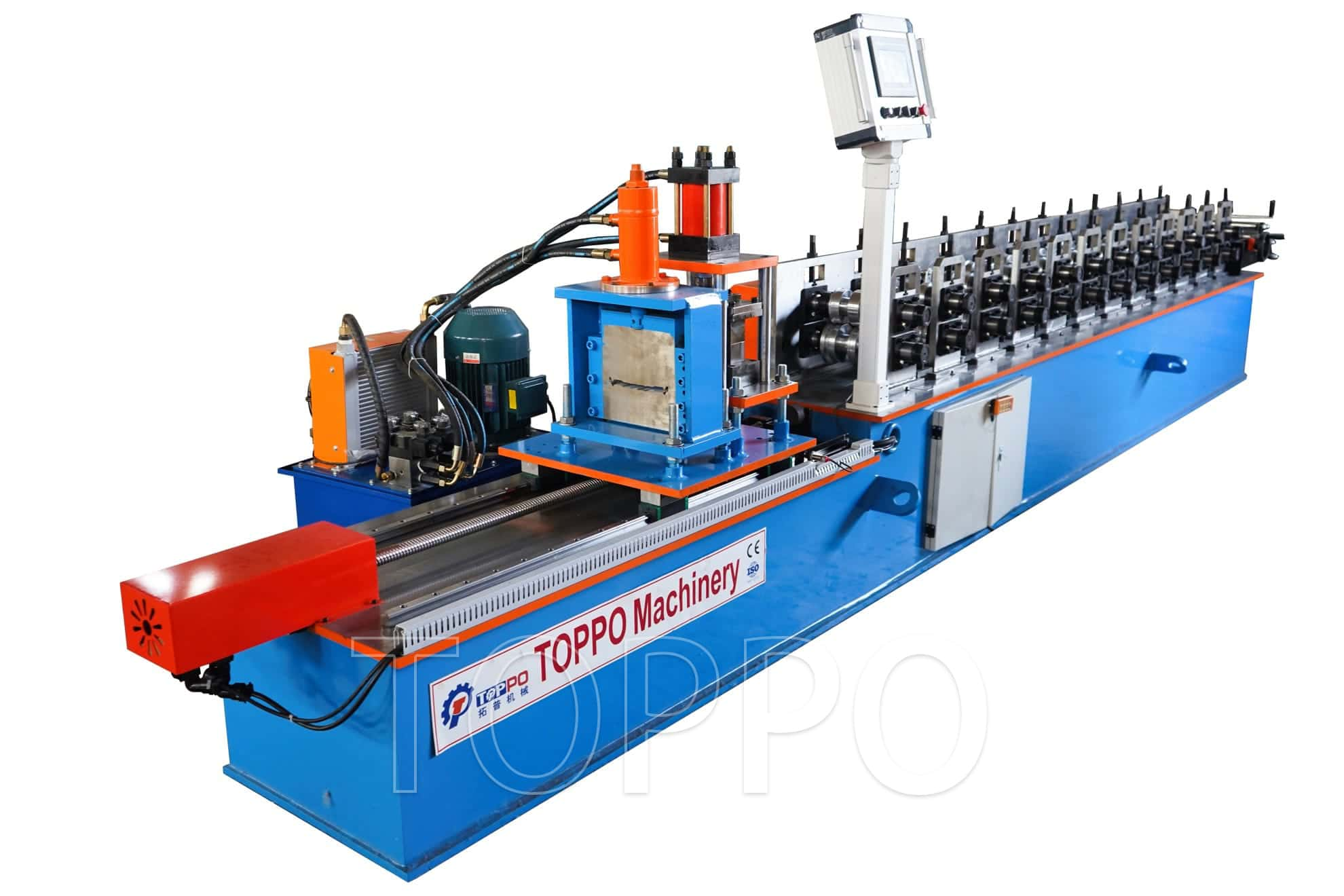
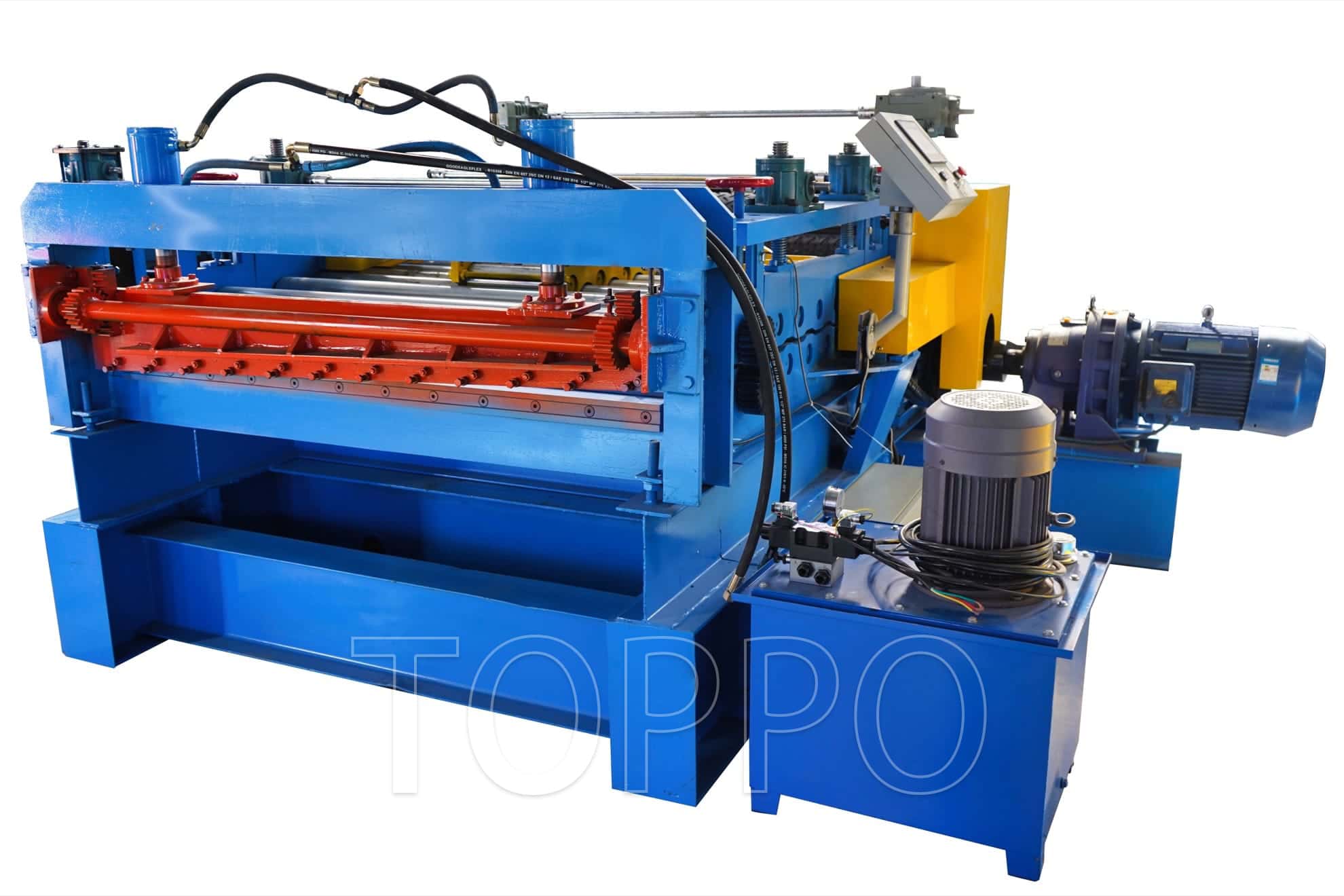
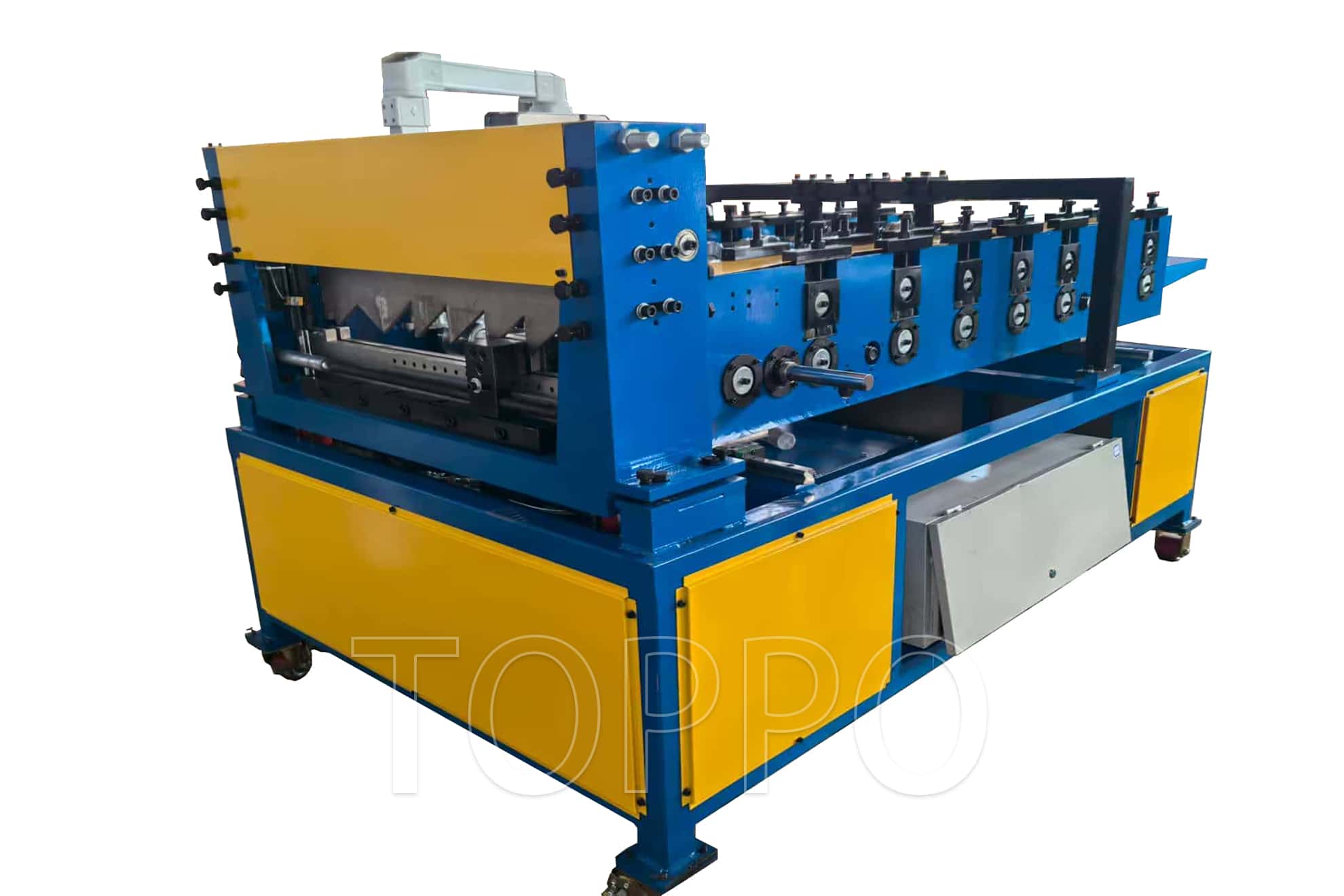
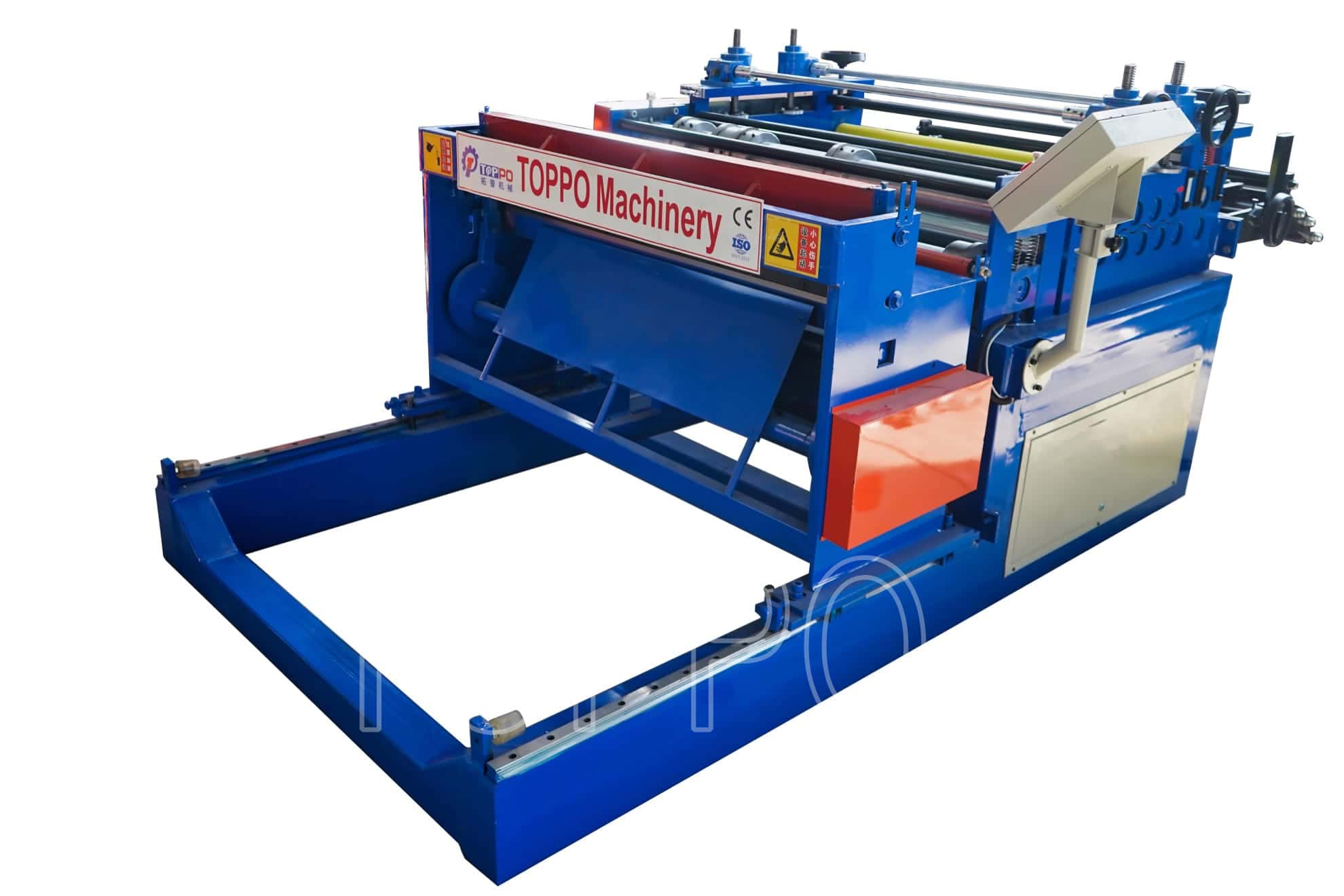


Why Dual-Layer Roll Forming Systems Offer a Competitive Edge in Developing Markets
Across developing countries, construction demand is expanding rapidly due to urban housing programs, logistics hubs, agricultural storage facilities, and light industrial buildings. Roofing manufacturers must respond to diverse profile requirements while maintaining tight cost control. Traditional single-layer production lines often struggle with flexibility and efficiency. For this reason, many factories are upgrading to the double layer roofing sheet roll forming machine to improve operational performance without doubling investment.
The transition from single-layer to dual-layer systems is based on practical economic and technical considerations. However, proper implementation is essential to ensure long-term stability and return on investment. Below is a comprehensive breakdown of implementation steps, key precautions, common operational mistakes, and practical case studies.
1. Financial Logic Behind Equipment Upgrades
Purchasing two independent single-layer lines requires separate foundations, electrical wiring systems, hydraulic units, and operators. In developing markets where capital and industrial space are limited, this approach significantly increases upfront costs. A double layer roofing sheet roll forming machine integrates two independent forming layers within one compact structure.
Reduction of workshop footprint by up to 40%
Lower civil engineering and wiring costs
Reduced manpower allocation
Faster payback period
A properly engineered double layer roll forming machine enables manufacturers to produce two different roofing profiles—such as corrugated and trapezoidal sheets—without dismantling rollers or investing in separate production lines.
Common mistake: Focusing solely on purchase price. In developing regions with unstable power supply and extended working hours, roller hardness, shaft diameter, gearbox strength, and hydraulic stability directly determine durability.
2. Step-by-Step Implementation Guide
Step 1: Production Demand Assessment
Before selecting equipment, factories must evaluate monthly output targets, material thickness range (for example 0.3–0.6 mm GI or PPGI), and profile switching frequency. This ensures the configuration matches real production needs.
Step 2: Foundation Construction and Mechanical Alignment
The machine must be installed on reinforced concrete with accurate leveling. Laser alignment tools are strongly recommended to guarantee parallel positioning between upper and lower forming shafts.
During installation of a roof panel making machine, some technicians align only the first layer intended for immediate production. This creates dimensional deviation when switching to the second layer. Both layers must be calibrated and tested independently before full-scale operation.
Tighten anchor bolts according to torque specifications
Check roller concentricity carefully
Test hydraulic cutting action without steel load
Improper shaft alignment is one of the most frequent causes of uneven wave formation and premature component wear.
Step 3: PLC Programming and Electrical Calibration
Automation precision determines cutting accuracy and material utilization. When commissioning the double layer roll forming machine, engineers should:
Set cutting tolerance within ±1 mm
Calibrate encoder pulse synchronization
Install voltage stabilizers where grid fluctuation exists
Test emergency stop and overload protection systems
Error-prone stage: Skipping no-load simulation before feeding steel coils. Incorrect encoder configuration can immediately lead to length deviation and scrap production.
3. Operational Precautions in Daily Production
Material Feeding and Roller Adjustment
Stable feeding ensures symmetrical wave geometry and consistent surface quality. Roller gaps must precisely match material thickness. A properly configured roof panel making machine guarantees accurate profile depth and clean cutting edges.
Inspect decoiler expansion tension before startup
Maintain constant feeding speed
Lubricate bearings every 300 operating hours
Excessive roller pressure is a common mistake in emerging factories and accelerates roller wear, increasing maintenance costs.
Profile Switching Discipline
The primary advantage of the double layer roofing sheet roll forming machine lies in rapid profile conversion. However, improper switching procedures can cause downtime or product defects.
Stop coil feeding completely before switching layers
Reset hydraulic pressure parameters
Reconfirm cutting length settings
Perform trial cutting before restarting mass production
Factories implementing standardized switching checklists report 20–30% shorter changeover time.
Real Case Study: South Asian Roofing Plant
A medium-sized manufacturer previously operated two independent lines occupying over 1,000 square meters. After installing a double layer roofing sheet roll forming machine, floor space usage decreased by 35% and electricity costs were reduced by 18% annually.
The upgrade included reinforced foundation preparation, PLC recalibration, and operator training. Within six months, production efficiency increased by 26% due to faster switching and improved workflow coordination.
Real Case Study: East African Construction Supplier
An East African company serving public housing projects adopted a compact dual-profile production system. By consolidating output into one integrated solution, the factory reduced manpower requirements and improved delivery flexibility while maintaining consistent product quality.
4. Preventive Maintenance Strategy
In developing markets where spare parts may not be immediately available, preventive maintenance is essential:
Inspect roller wear every 500 working hours
Replace hydraulic oil every 6–8 months
Check gearbox lubrication monthly
Monitor vibration and operational noise regularly
Typical oversight: Ignoring early vibration signals, which may indicate bearing imbalance. Prompt correction prevents shaft misalignment and unexpected shutdowns.
Conclusion
For manufacturers in developing countries, balancing capital control with production flexibility is critical. The double layer roofing sheet roll forming machine offers a scalable solution by integrating two profile capabilities into one efficient structure. With precise installation, disciplined switching procedures, and proactive maintenance, dual-layer systems deliver measurable improvements in productivity, cost efficiency, and long-term return on investment.
SEO Keywords
double layer roofing sheet roll forming machine, double layer roll forming machine, roof panel making machine, roofing sheet production line, industrial roofing equipment, corrugated sheet forming system, trapezoidal panel production machine, hydraulic cutting unit, PLC control roll forming line, galvanized steel roofing machinery
Tags: double layer roofing sheet roll forming machine, double layer roll forming machine, roof panel making machine
READ MORE:
Economic and Technical Drivers Behind Dual-Layer Roll Forming Expansion in Developing Countries
Why Emerging Economies Are Moving from Single Lines to Dual-Profile Roll Forming Systems
Practical Roadmap for Replacing Single-Layer Lines with Dual-Profile Roll Forming Systems
Key Implementation Insights Behind the Shift to Dual-Layer Roll Forming in Developing Nations
How Dual-Layer Roll Forming Technology Delivers Higher ROI in Developing Economies
Strategic Transition from Single to Dual-Layer Roll Forming in Developing Markets
Why Dual-Profile Roll Forming Systems Are Becoming the Standard in Emerging Economies
Technical and Economic Factors Driving Dual-Layer Roll Forming Adoption in Developing Countries