What Is a Double Layer Roll Forming Machine and How Does a Trapezoidal Roof Tile Making Machine System Work?
A trapezoidal roof tile making machine is one of the most widely used solutions in modern metal roofing production, and it often operates within a double layer roll forming machine structure. Understanding how this equipment works helps manufacturers improve efficiency, reduce costs, and increase output without expanding factory space.
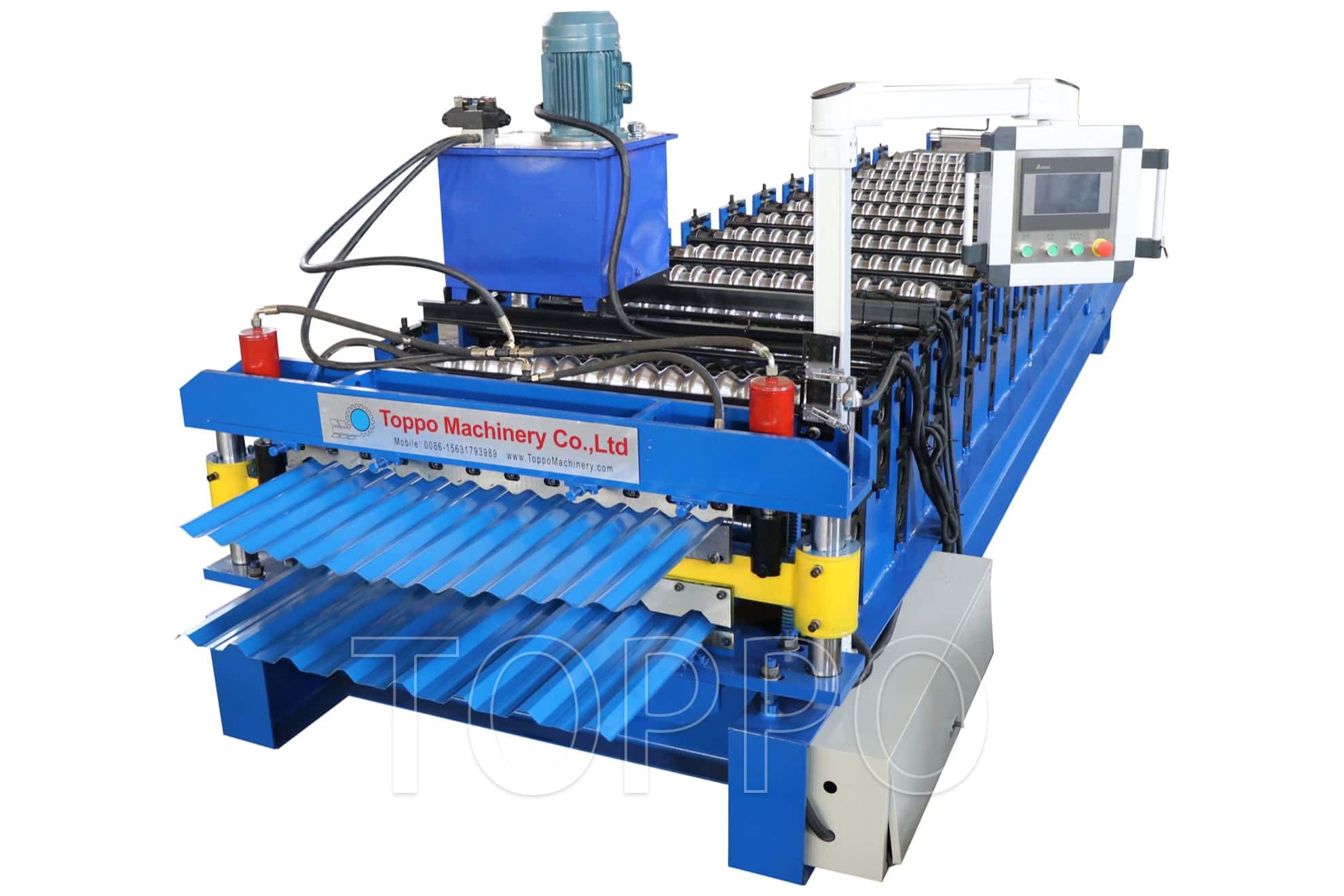
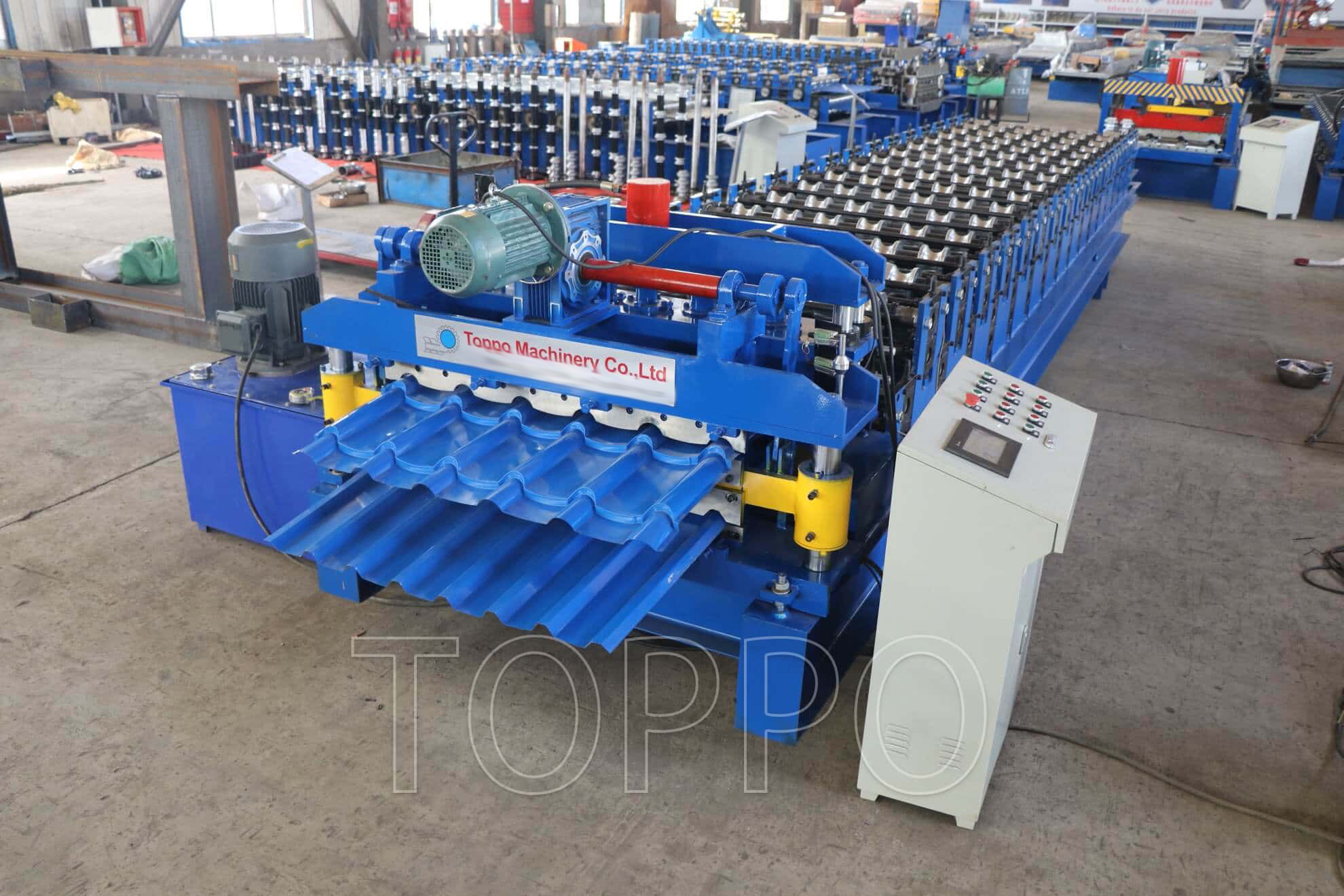
A double layer roll forming machine is designed to produce two different panel profiles within one integrated frame. Instead of installing two separate production lines, manufacturers mount two roll forming layers vertically. The operator selects which layer operates, allowing flexible switching between panel designs. When configured with a trapezoidal roof tile making machine, this system becomes especially valuable for roofing sheet factories serving diverse construction needs.
Core Structure and Components
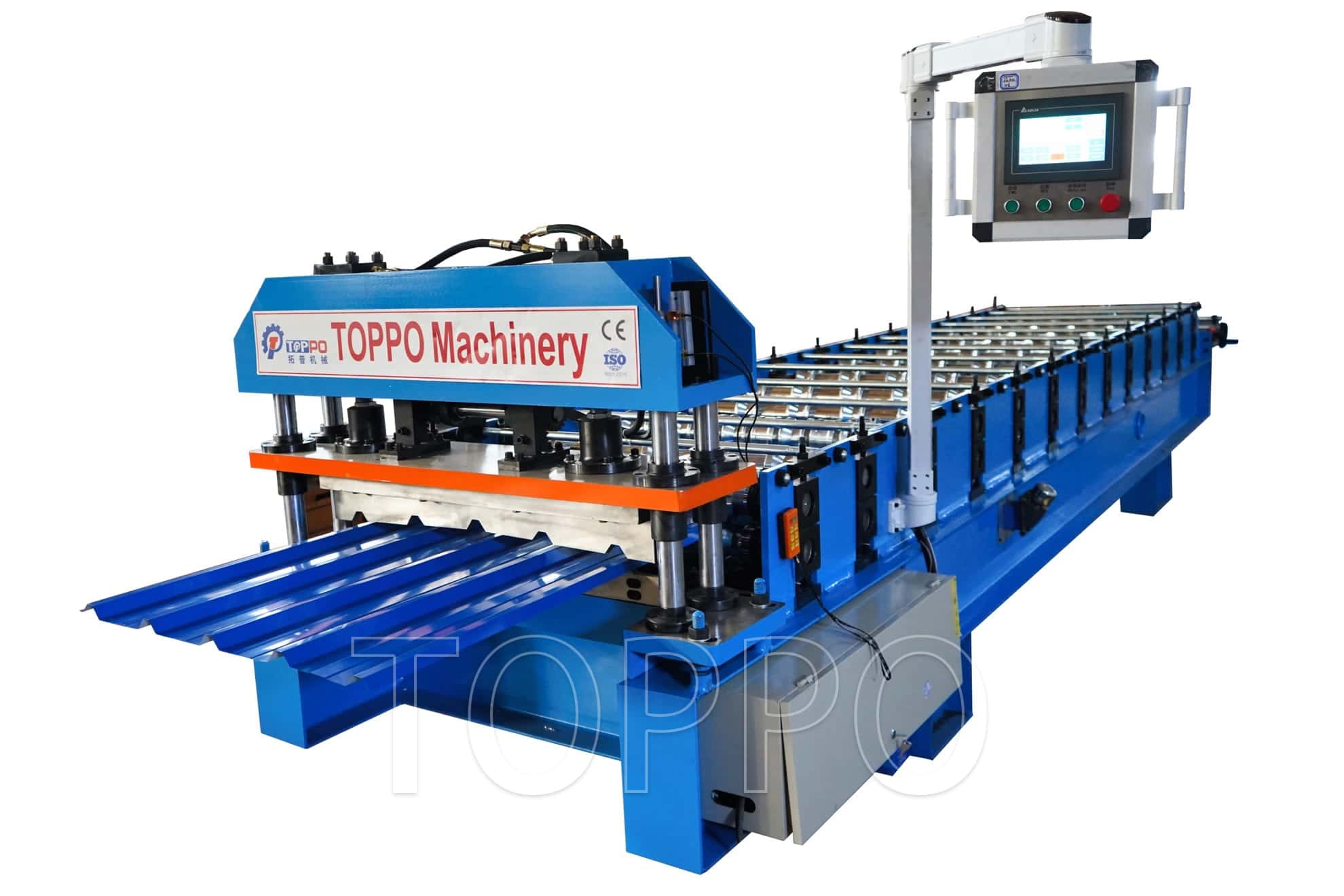
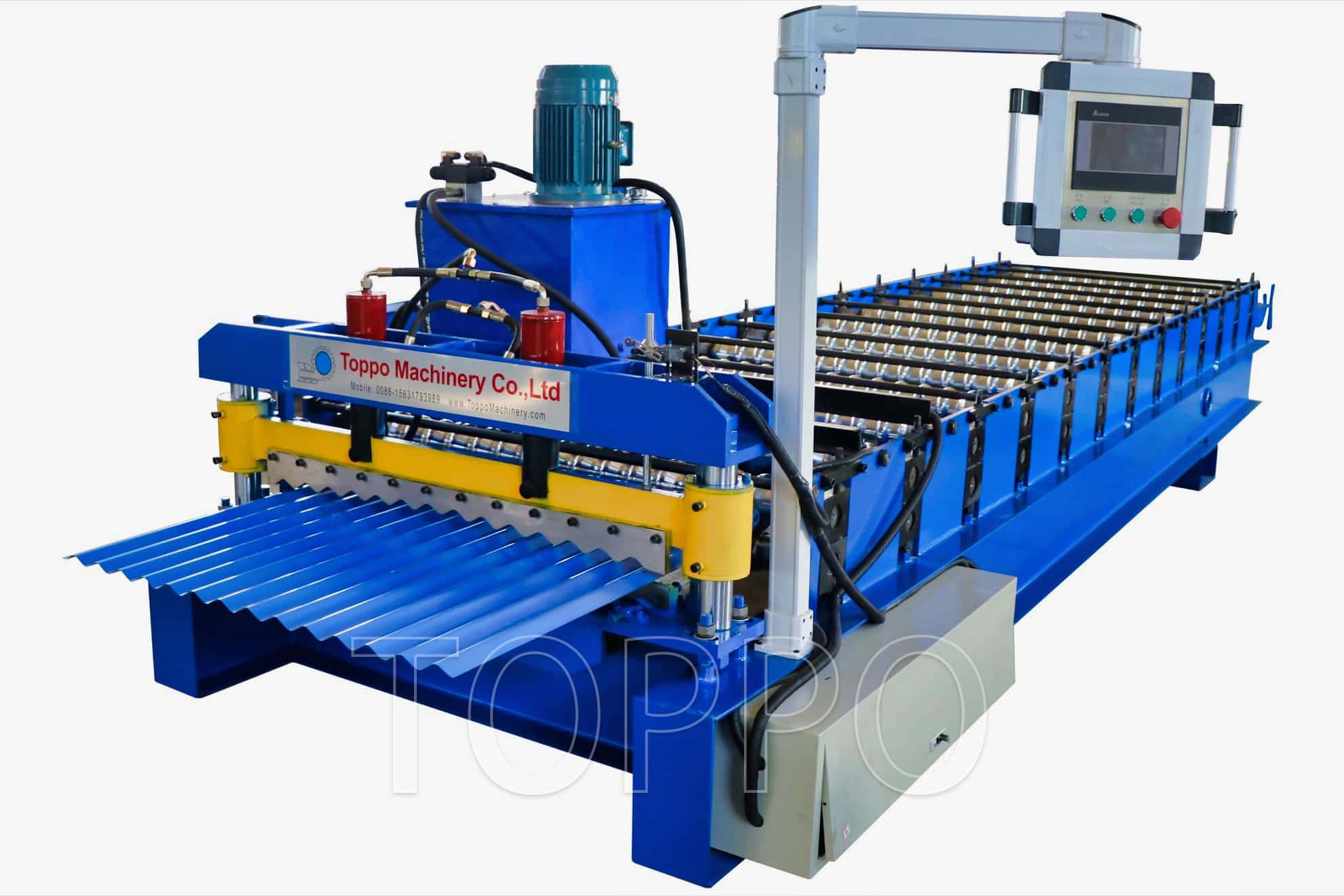
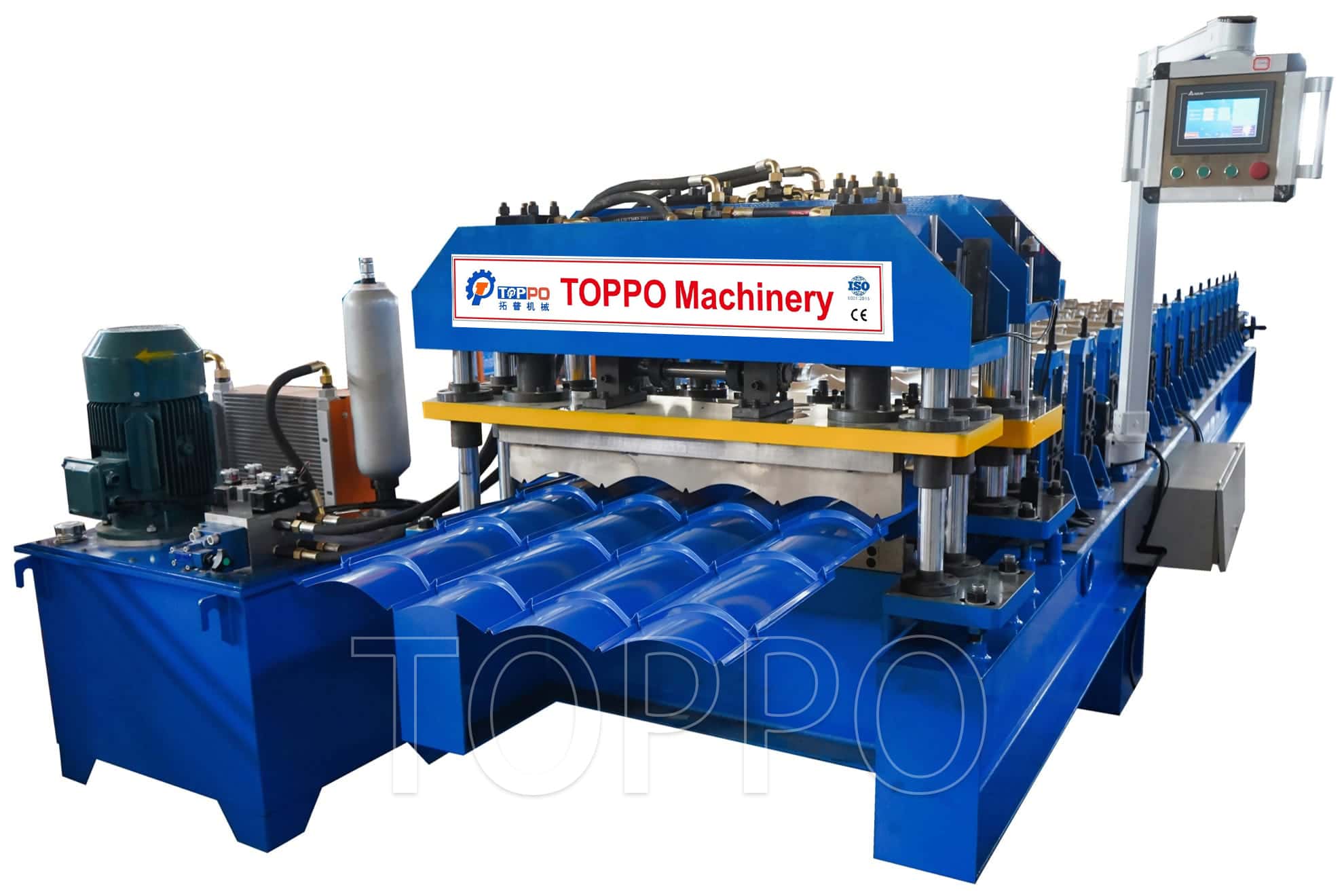
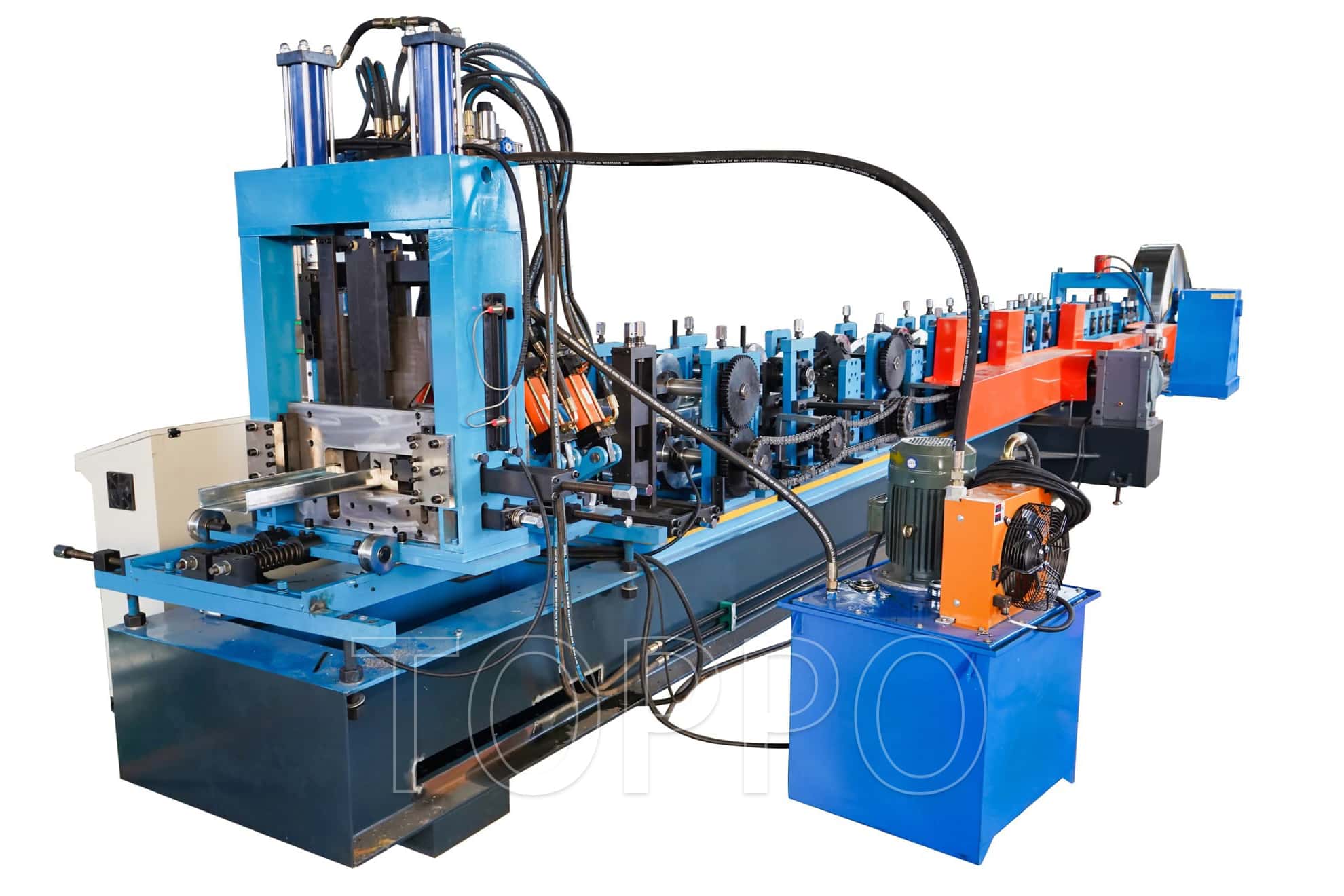
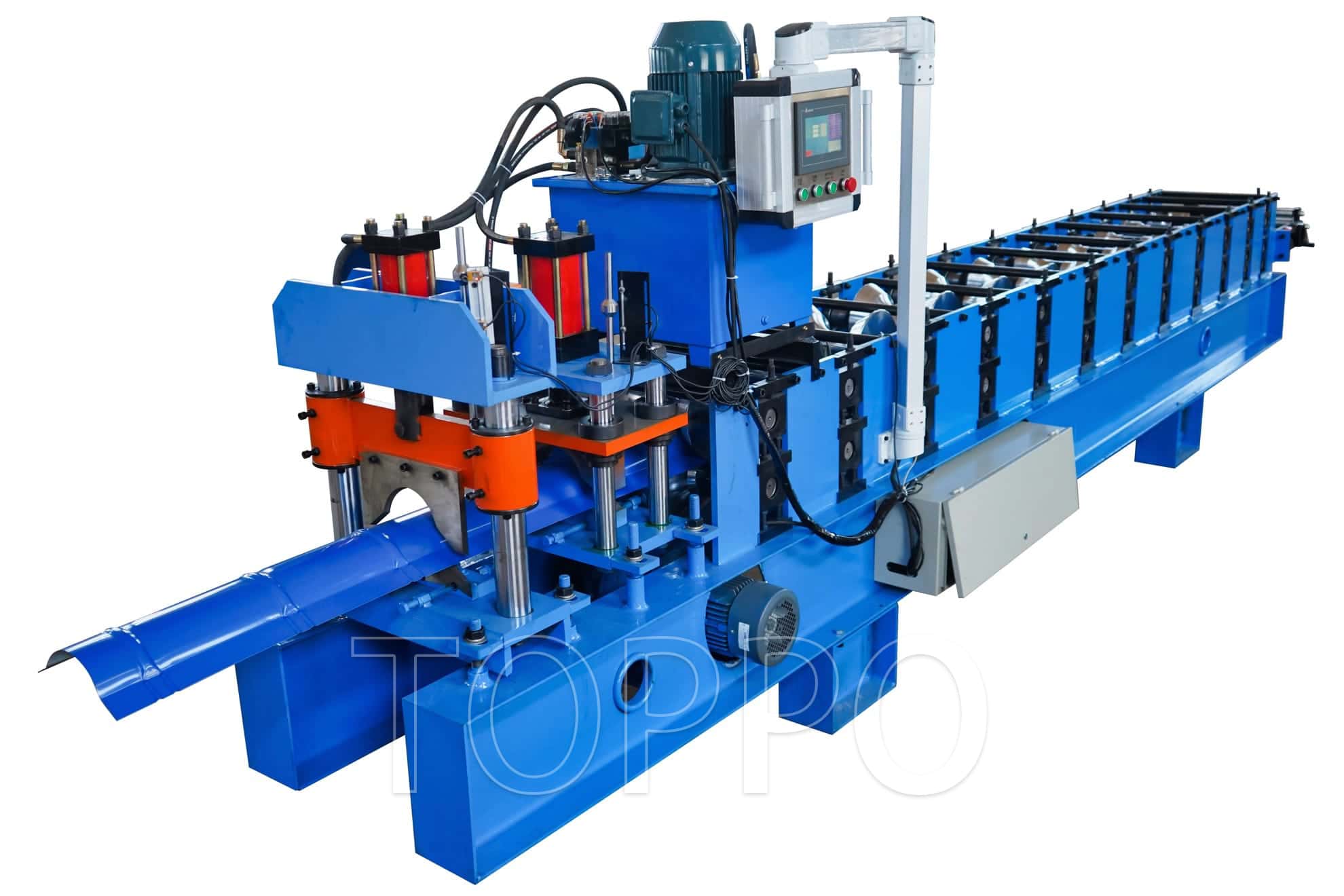
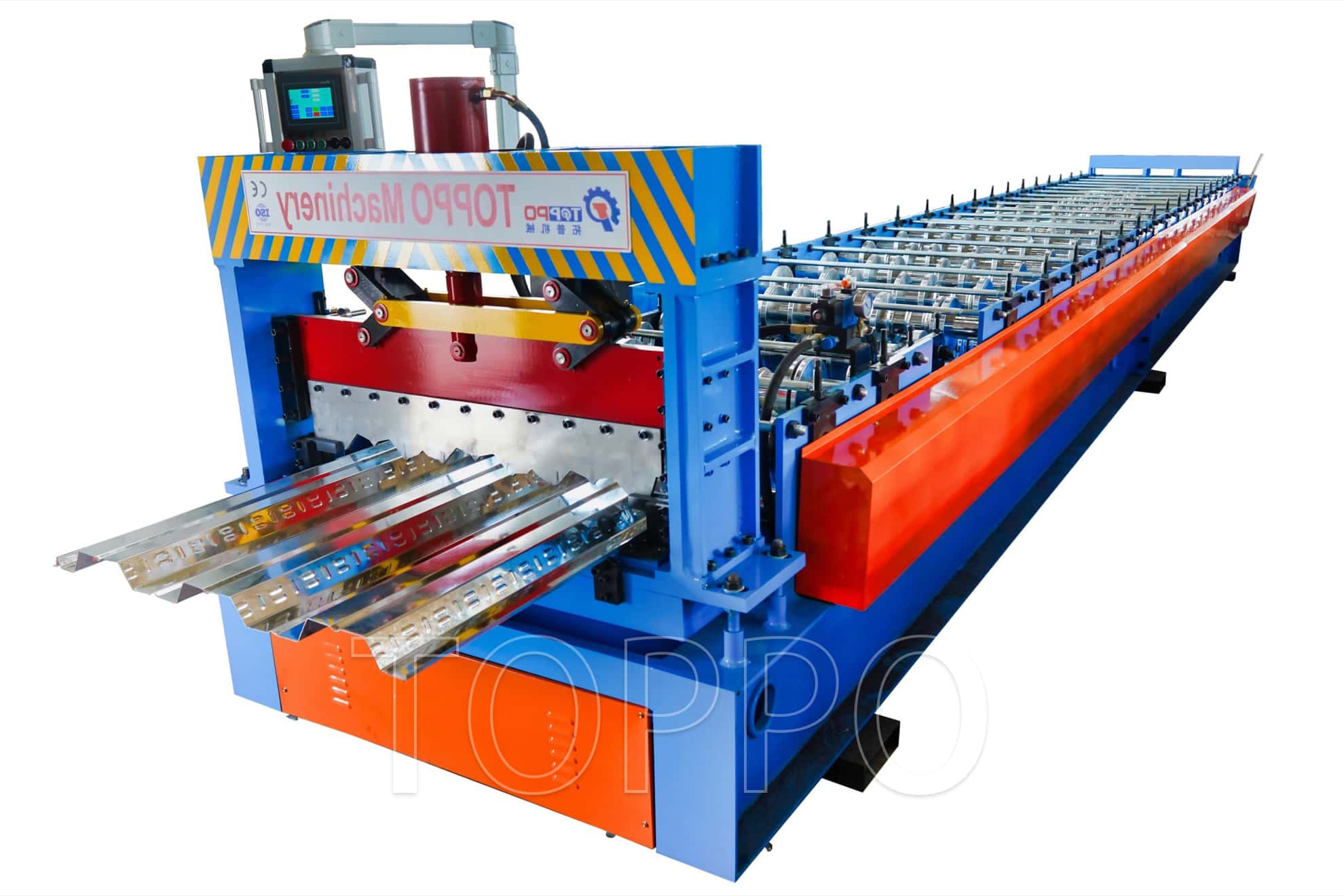
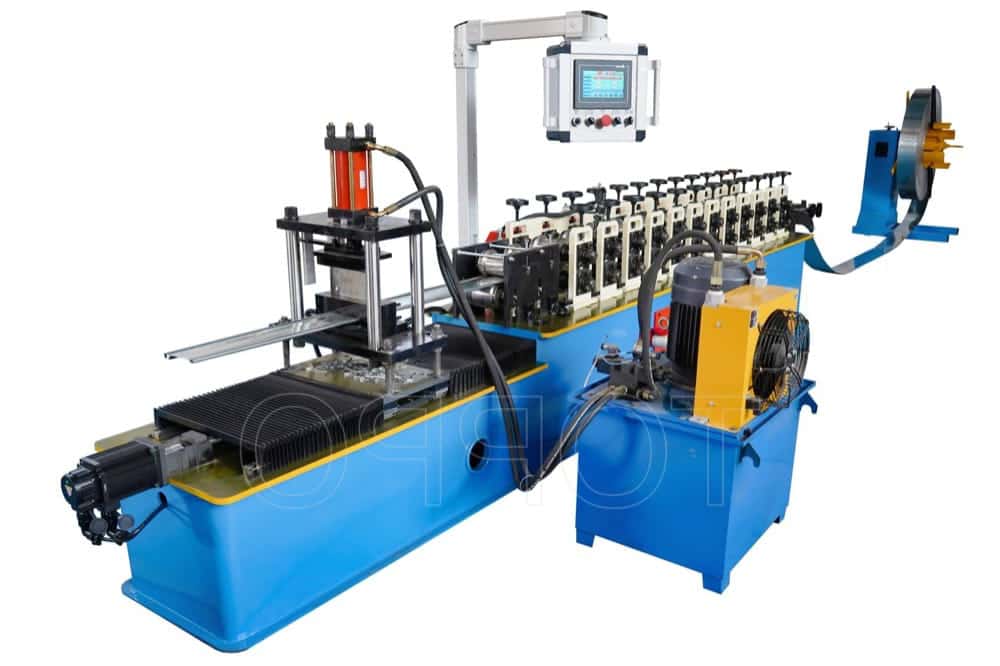
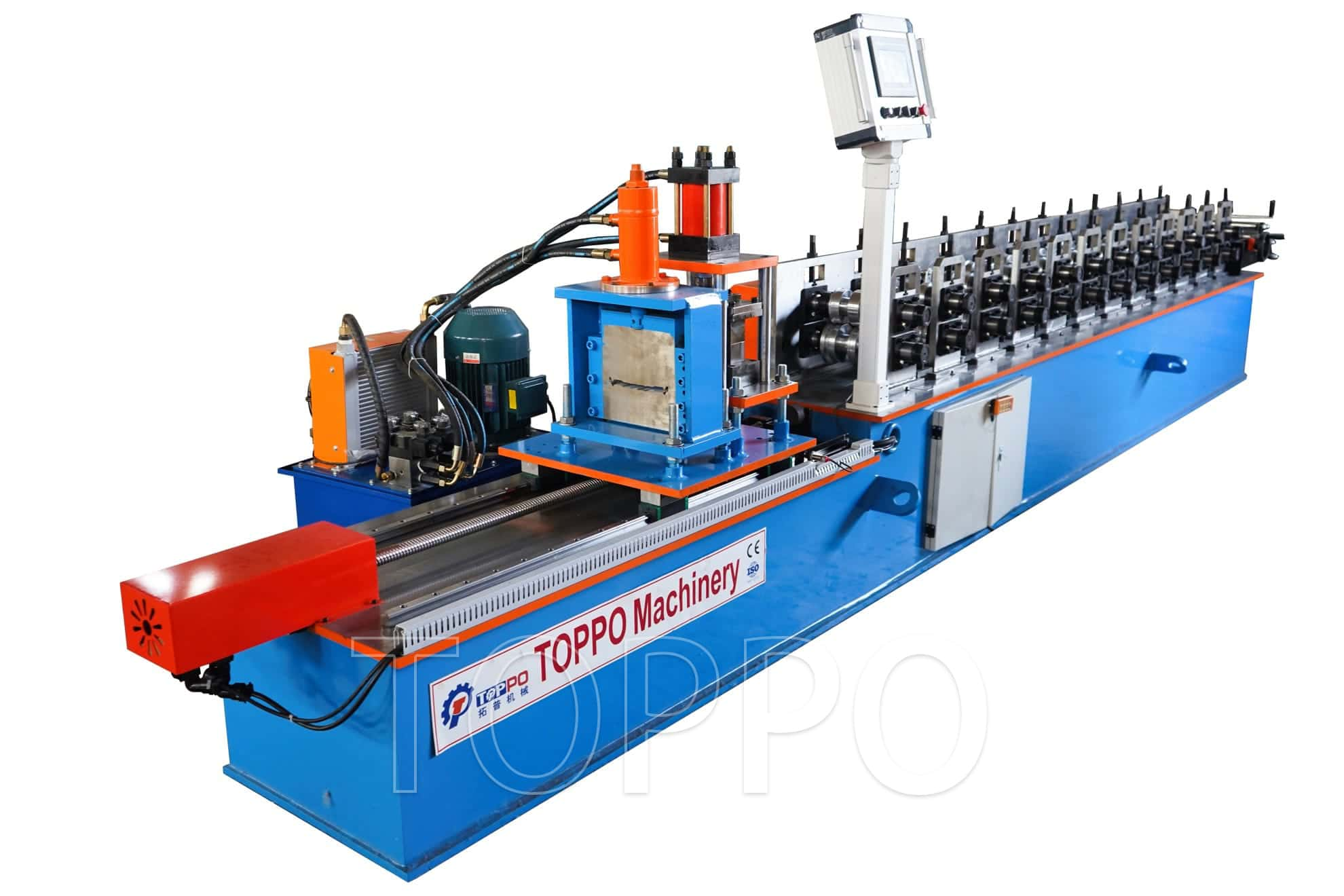
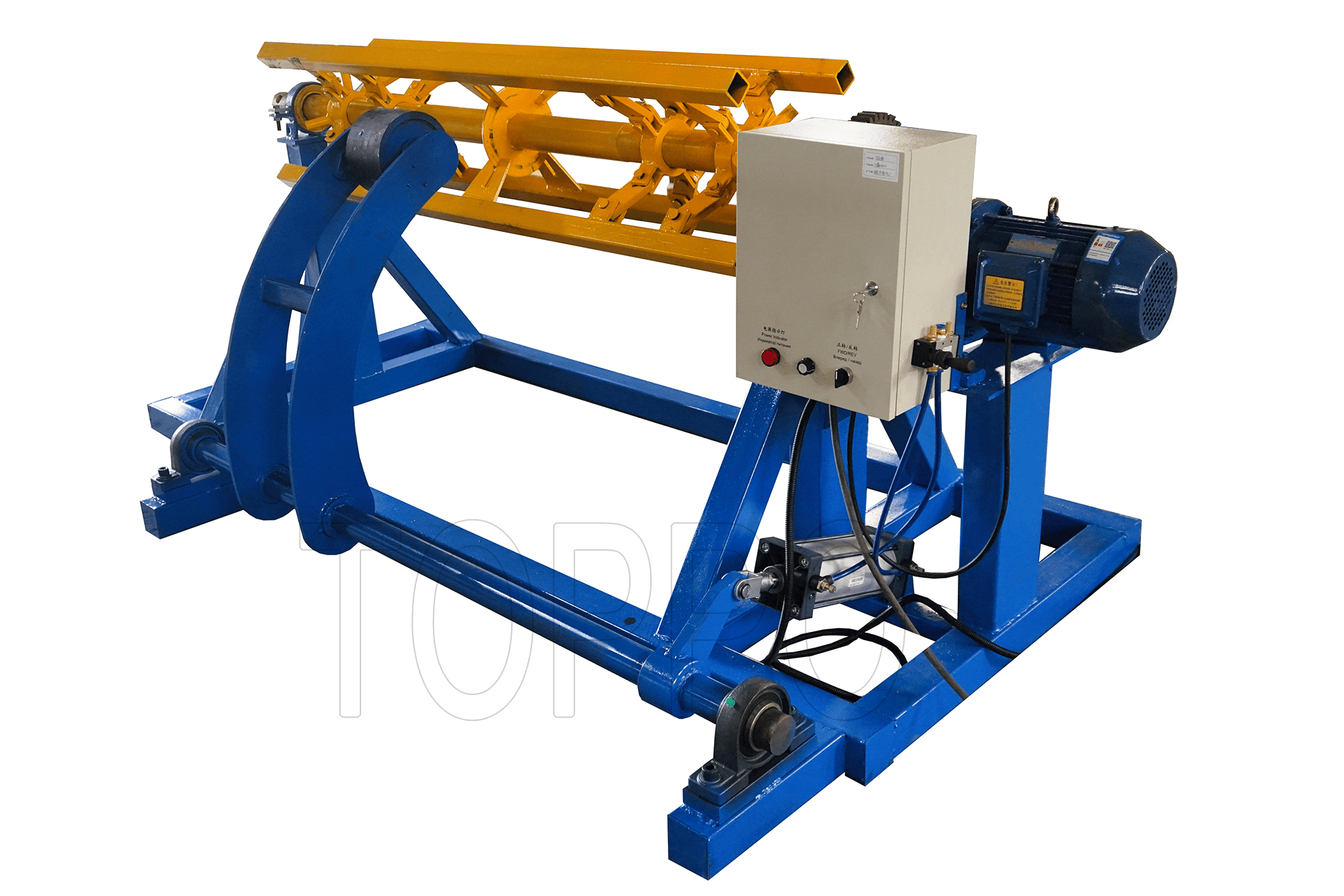
The machine typically includes a decoiler, feeding guide, roll forming stations, hydraulic cutting device, and control cabinet. In a trapezoidal roof tile making machine configuration, precision rollers gradually shape flat steel coils into trapezoidal roofing sheets. Each forming station applies controlled pressure to achieve consistent geometry and thickness.
When manufacturers upgrade to a high speed trapezoidal roof tile making machine, enhanced motor systems and optimized transmission mechanisms allow faster sheet production without compromising profile accuracy. The forming rollers are engineered for durability, ensuring stable performance even during continuous industrial operation.
An automatic trapezoidal roof tile machine further integrates PLC control systems, touchscreen interfaces, and digital length settings. This automation ensures synchronized feeding and cutting, minimizing human error while improving workplace safety.
How the Double Layer System Works
In a double layer structure, two sets of roll forming stations are mounted on a single frame. Only one layer runs at a time, depending on production requirements. This design reduces equipment redundancy and optimizes plant layout efficiency. For factories using a trapezoidal roof tile making machine, the lower layer might produce one profile while the upper layer forms another specification.
Efficiency significantly increases when the system includes a high speed trapezoidal roof tile making machine. Higher forming speeds reduce production cycles, allowing manufacturers to fulfill large roofing orders in shorter timeframes. Speed improvements are particularly beneficial for infrastructure projects with strict deadlines.
Automation also plays a crucial role. With an automatic trapezoidal roof tile machine, operators can store multiple production parameters and switch specifications quickly. Hydraulic cutting devices ensure precise sheet lengths, while automated stacking systems streamline post-forming handling.
Advantages of Integrated Technology
The combination of a trapezoidal roof tile making machine and double layer structure provides several operational benefits. First, it reduces capital investment compared to running two independent machines. Shared drive systems and control units lower installation and maintenance costs.
Second, a high speed trapezoidal roof tile making machine enhances productivity per shift. By increasing linear output while maintaining forming precision, manufacturers can expand capacity without increasing labor costs. Improved throughput strengthens competitiveness in demanding construction markets.
Third, the automatic trapezoidal roof tile machine improves production consistency. Automated monitoring systems detect irregularities early, preventing material waste and reducing downtime. Real-time diagnostics support preventive maintenance planning, extending equipment lifespan.
Applications in Roofing Manufacturing
Roofing sheet producers rely on the trapezoidal roof tile making machine for residential, commercial, and industrial projects. Trapezoidal profiles are valued for their structural strength and efficient water drainage performance. Double layer flexibility allows manufacturers to respond to different regional building standards and customer preferences.
When integrated with a high speed trapezoidal roof tile making machine, the system supports large-scale supply chains by ensuring rapid order fulfillment. Contractors benefit from consistent delivery schedules and reliable product quality.
The automatic trapezoidal roof tile machine further enhances reliability by reducing manual adjustments during long production runs. This level of control is essential for factories aiming to meet international quality certifications.
Conclusion
A double layer roll forming machine is an advanced manufacturing solution that allows two roofing profiles to be produced within a single structural system. When combined with a trapezoidal roof tile making machine, supported by high-performance speed capabilities and intelligent automation, it delivers exceptional efficiency and flexibility. By integrating high speed trapezoidal roof tile making machine performance and automatic trapezoidal roof tile machine control systems, manufacturers can achieve scalable, cost-effective, and reliable roofing sheet production for modern construction demands.
READ MORE: