Why Automated Roofing Sheet Machines Are Becoming the Standard in Latin America
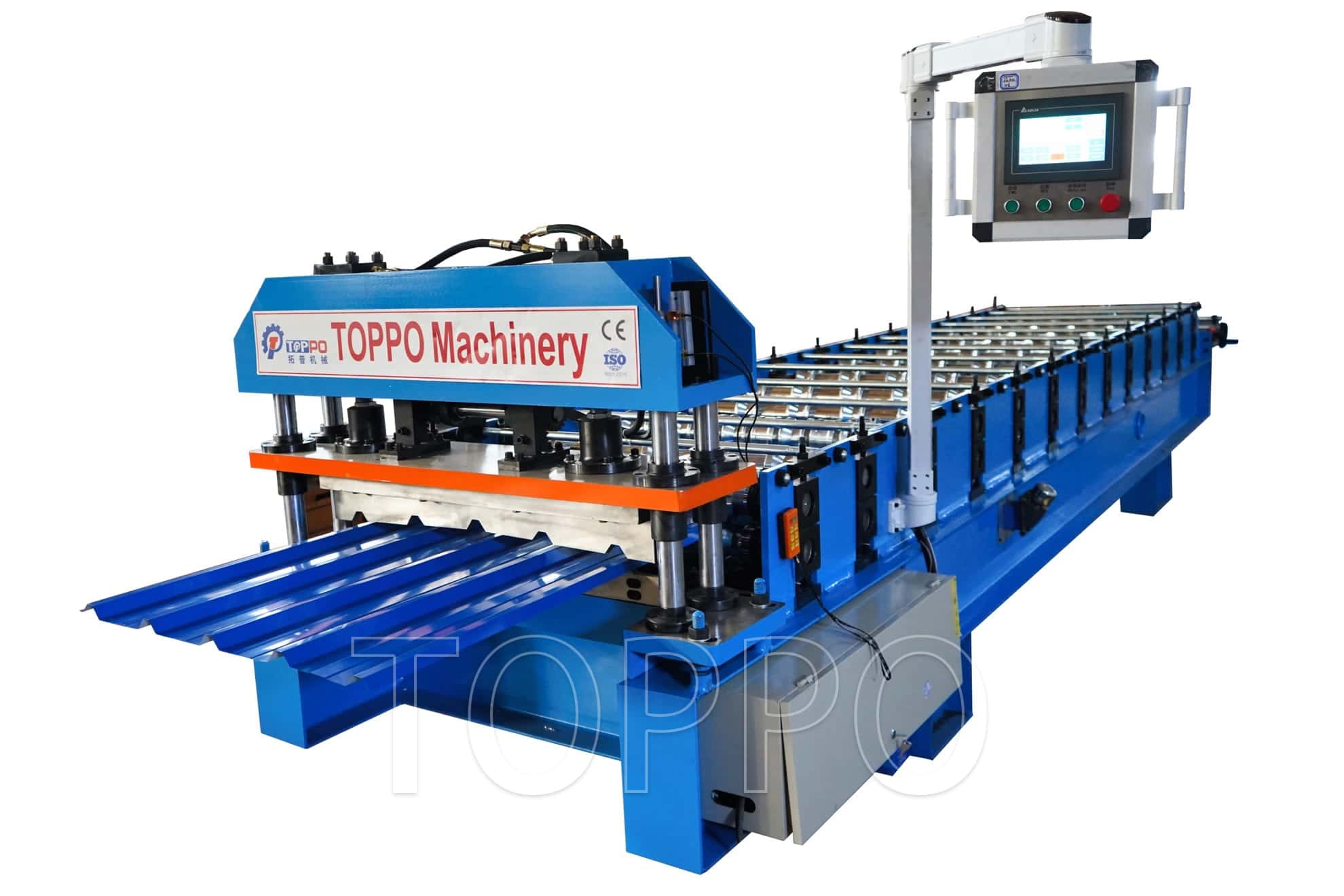
The roofing sheet manufacturing industry in Latin America is evolving rapidly. As construction projects expand across countries such as Brazil, Colombia, Chile, and Peru, the demand for high‑quality steel roofing panels continues to rise. In the past, many manufacturers relied on manual or semi‑manual production methods. However, these traditional approaches are quickly being replaced by automated roll forming technologies such as the high speed metal steel trapezoidal roof panel tile making machine.
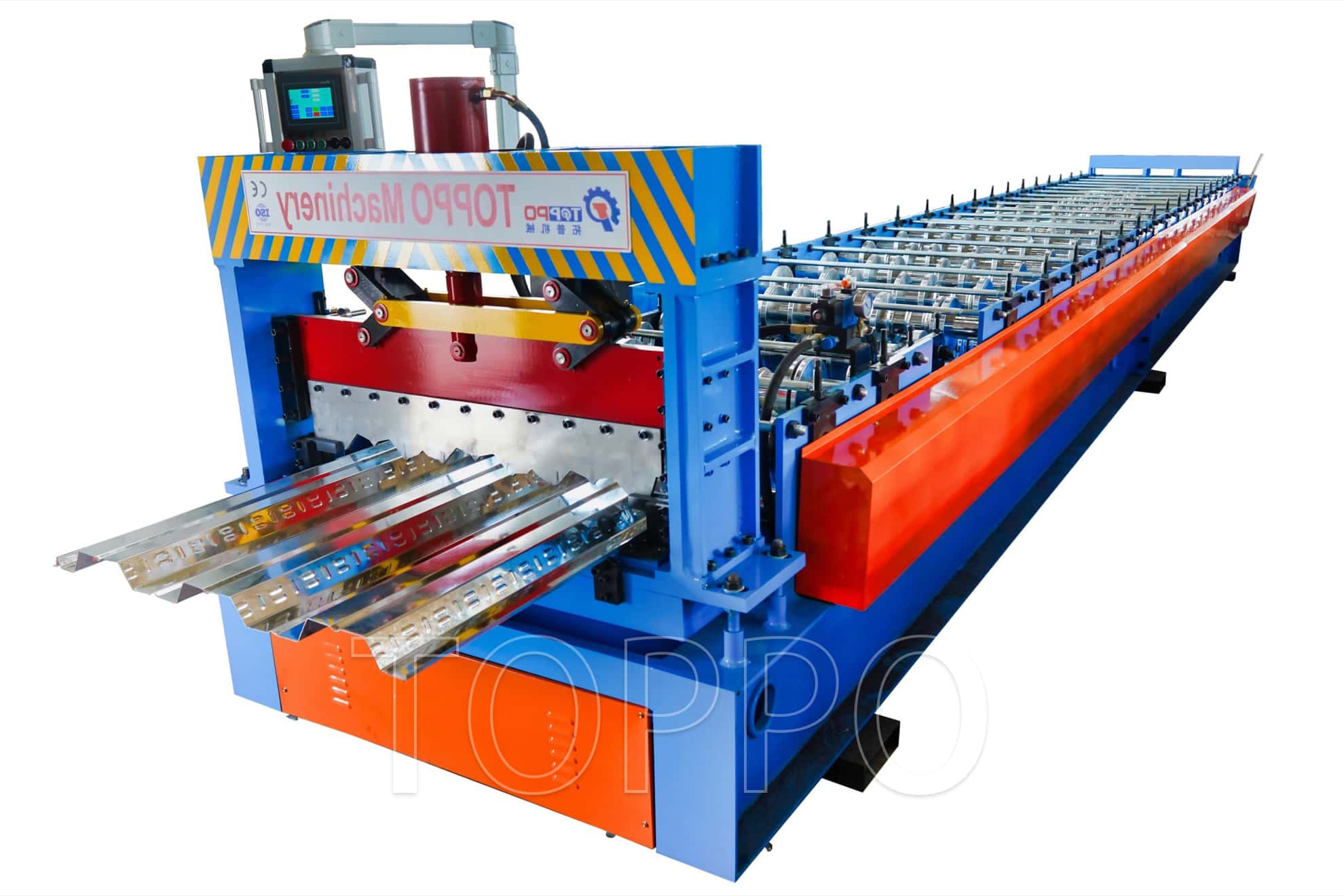
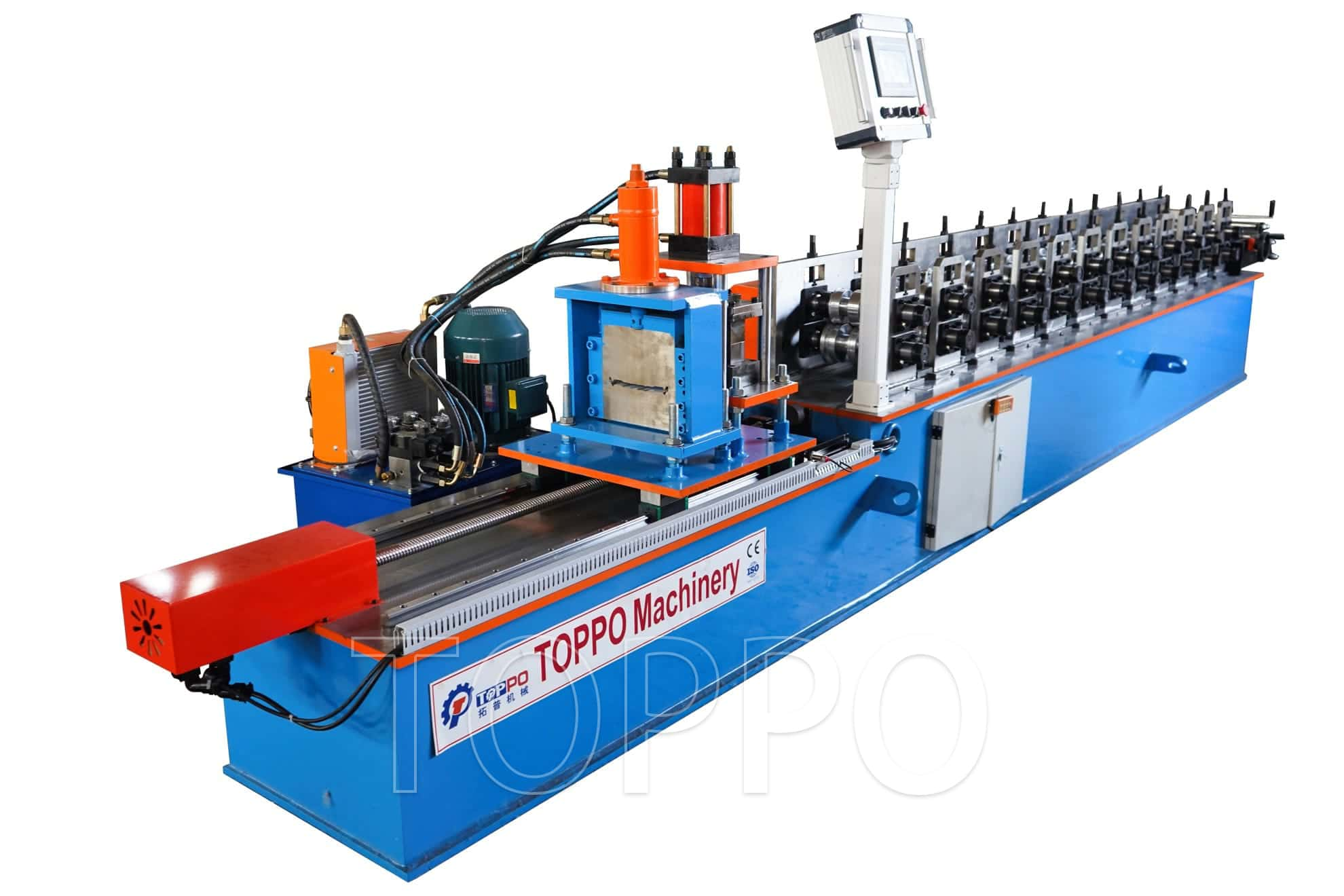
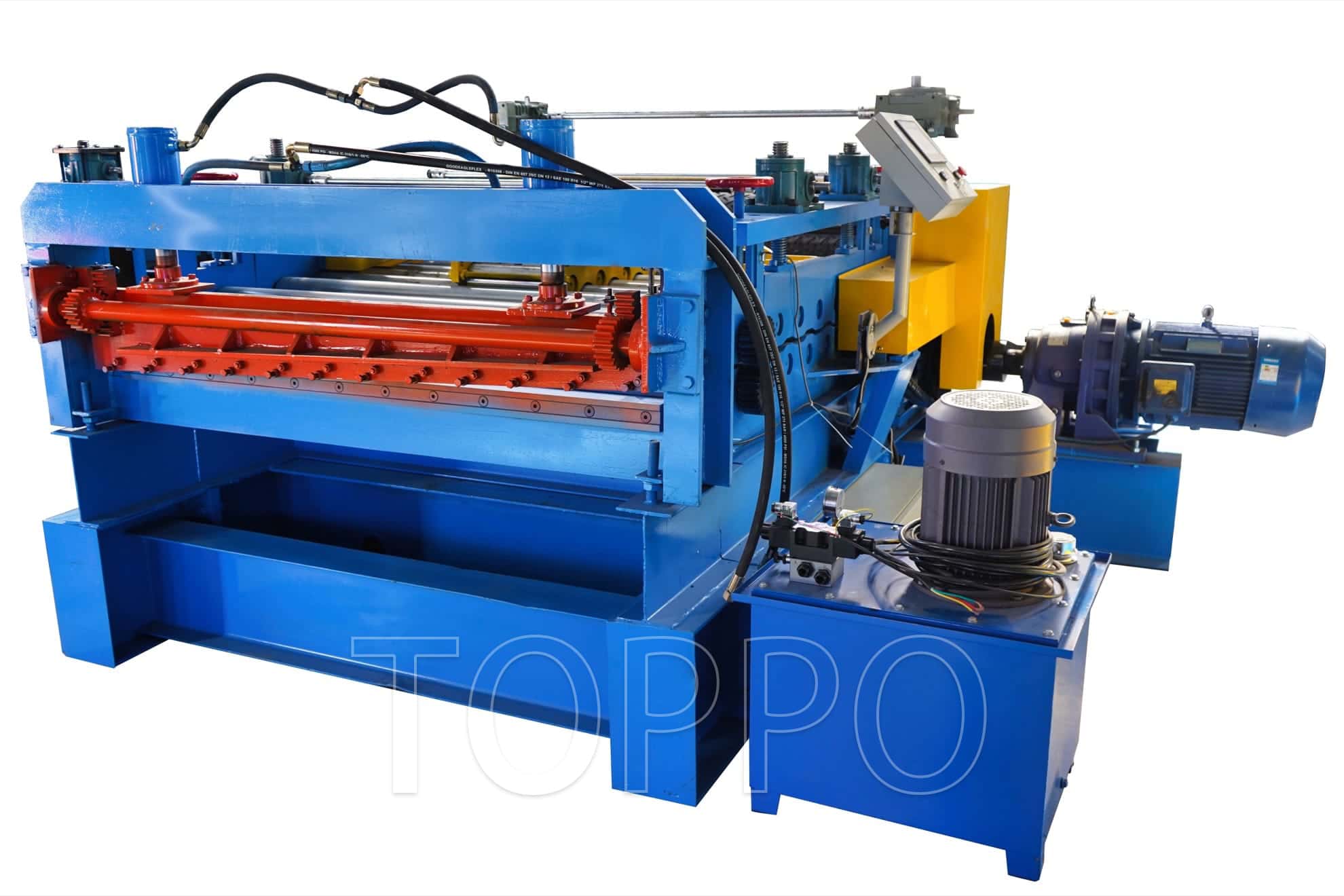
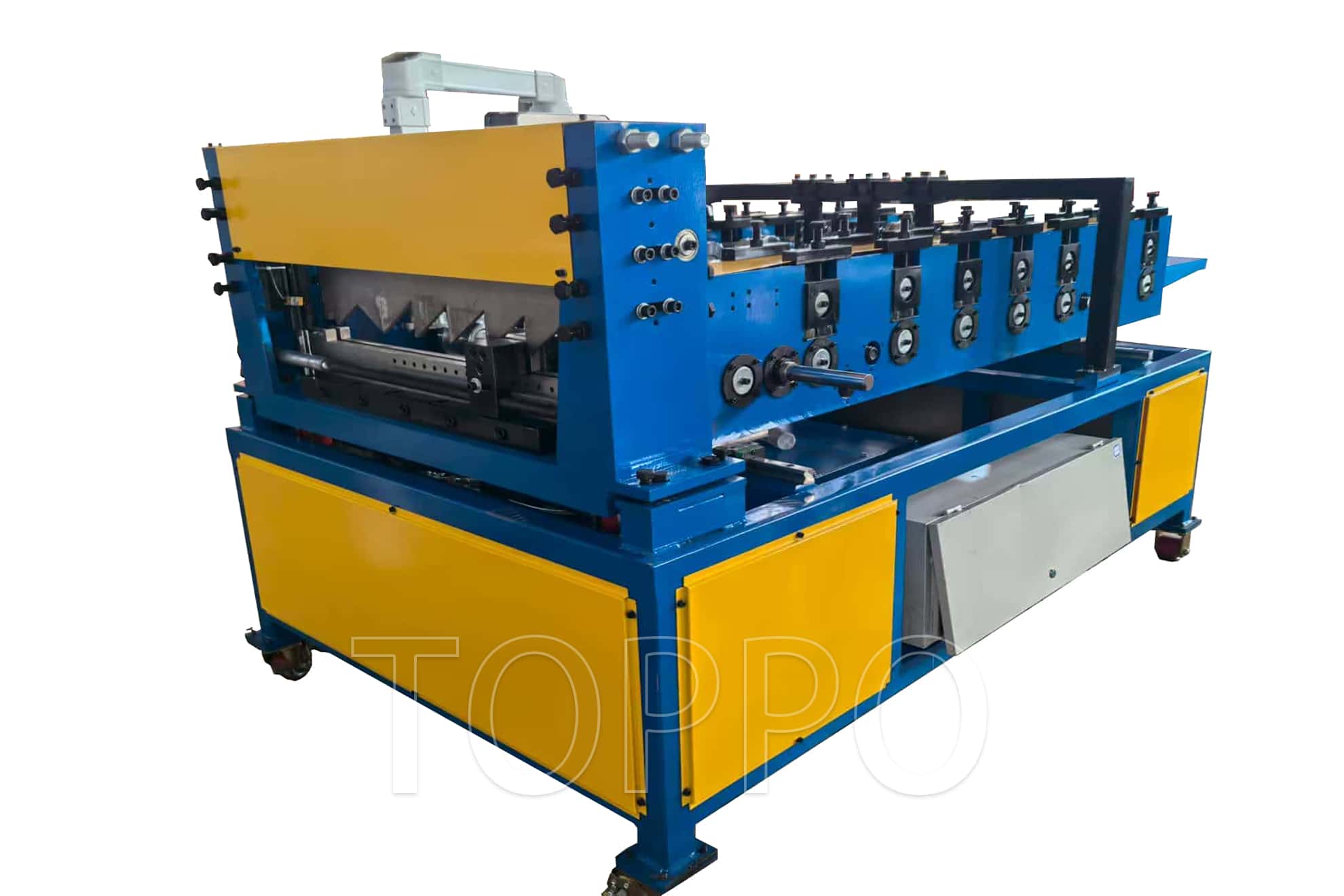
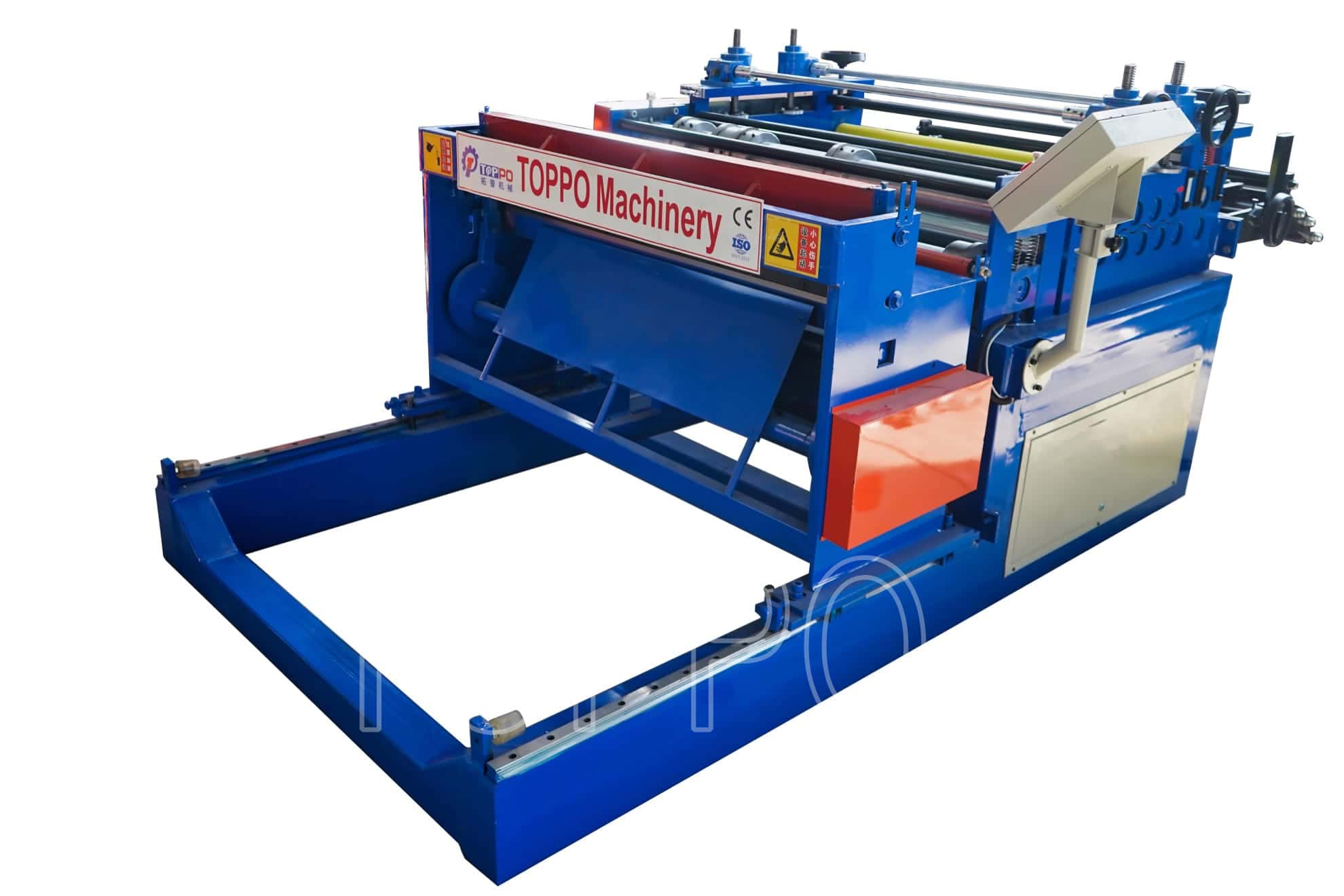
A modern production system that includes a high speed trapezoidal roof tile making machine together with an automatic trapezoidal roof tile making machine enables factories to produce roofing sheets efficiently while maintaining precise panel dimensions.
Growing Pressure on Manufacturing Efficiency
Latin America's expanding construction sector requires manufacturers to deliver roofing materials quickly and reliably. Manual production systems often struggle to keep up with the increasing demand for roofing sheets.
A high speed trapezoidal roof tile making machine allows factories to produce large volumes of roofing panels continuously. Meanwhile, the automatic trapezoidal roof tile making machine automates critical production processes, reducing the need for manual labor. Combined with the efficiency of the high speed metal steel trapezoidal roof panel tile making machine, manufacturers can significantly improve productivity.
Consistency and Quality Control
Consistency is essential for roofing materials used in large construction projects. Manual production processes often lead to variations in panel dimensions and quality.
A high speed trapezoidal roof tile making machine ensures stable forming pressure and accurate panel profiles. The automatic trapezoidal roof tile making machine synchronizes cutting operations with roll forming to maintain precise panel lengths. The reliability of the high speed metal steel trapezoidal roof panel tile making machine ensures consistent product quality.
Reducing Labor and Operational Costs
Labor costs can significantly impact manufacturing profitability. Manual roofing sheet production requires multiple operators to manage different stages of the process.
With a high speed trapezoidal roof tile making machine, factories can produce roofing panels with fewer workers. The automatic trapezoidal roof tile making machine further simplifies operations through automated control systems. As a result, the high speed metal steel trapezoidal roof panel tile making machine helps manufacturers reduce overall operating costs.
Meeting Future Market Demand
The demand for steel roofing sheets in Latin America is expected to continue growing as infrastructure development and housing construction expand across the region.
Factories equipped with a high speed trapezoidal roof tile making machine can quickly scale production to meet large construction orders. An automatic trapezoidal roof tile making machine ensures stable production performance, while the high speed metal steel trapezoidal roof panel tile making machine provides the forming precision required for modern roofing materials.
Conclusion
Automated roofing sheet manufacturing is becoming the standard across Latin America as factories seek to increase productivity and improve product quality. By adopting a high speed trapezoidal roof tile making machine and integrating it with an automatic trapezoidal roof tile making machine, manufacturers can build efficient production lines capable of meeting growing construction demand. The high speed metal steel trapezoidal roof panel tile making machine continues to drive innovation and competitiveness in the roofing sheet industry.
READ MORE: