Why Chile Roofing Sheet Manufacturers Prefer Double Layer Lines with Trapezoidal Roof Tile Making Machine Technology
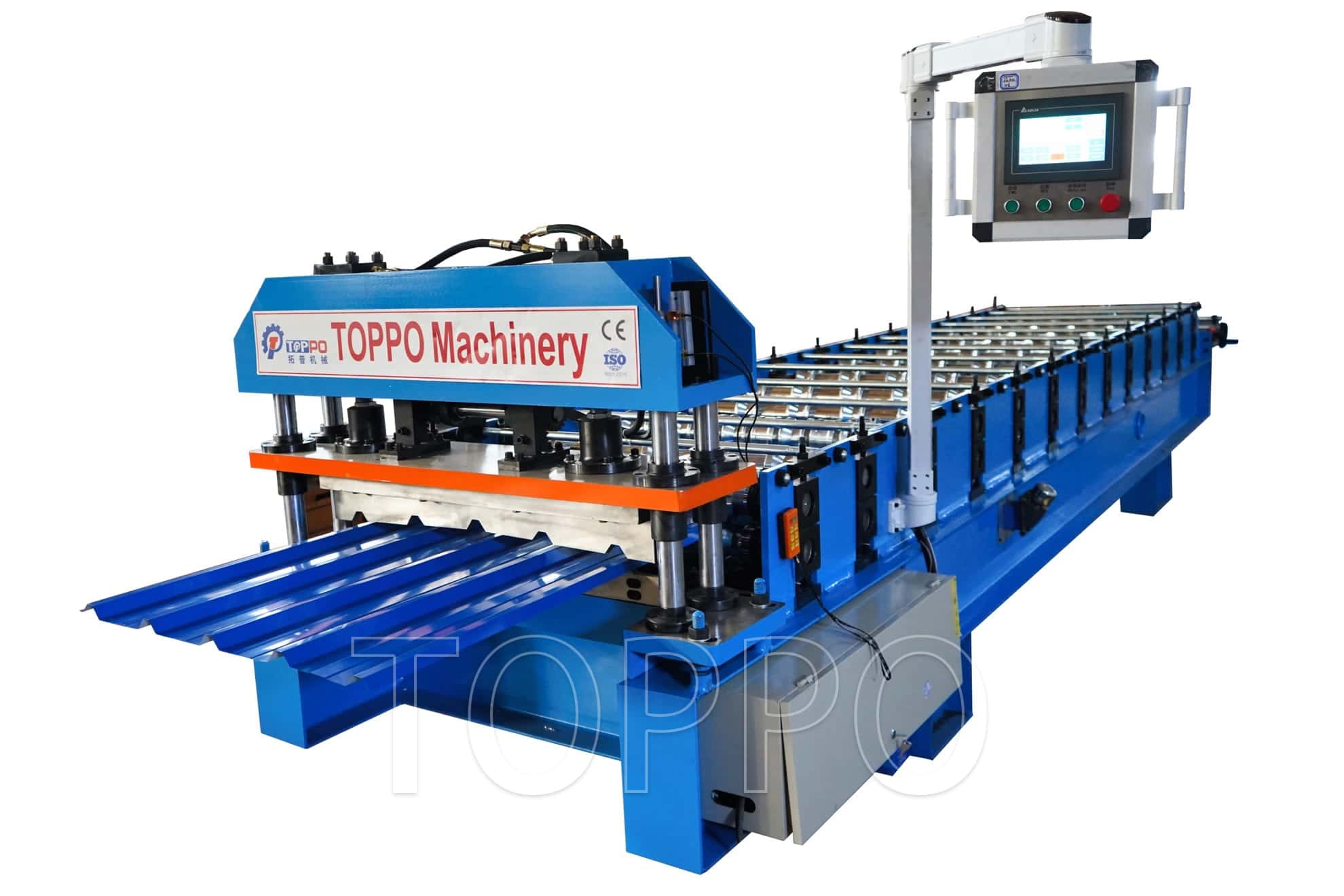
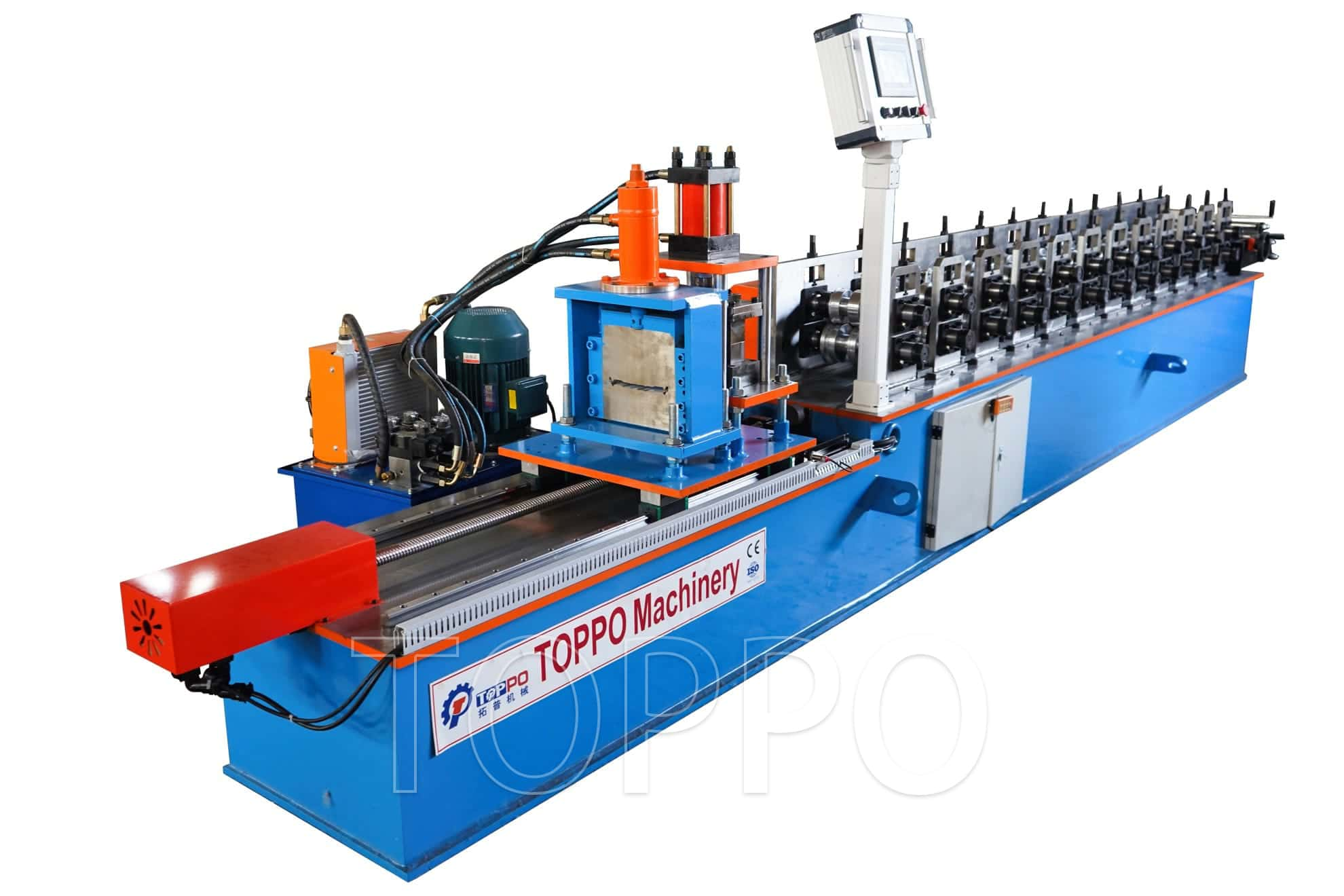
Trapezoidal roof tile making machine solutions are rapidly becoming the preferred investment for roofing sheet manufacturers in Chile. As the construction sector expands across Santiago, Valparaíso, and northern mining regions, producers are under pressure to increase output while maintaining consistent quality. The shift toward double layer roll forming systems reflects a broader strategy focused on efficiency, automation, and production flexibility.
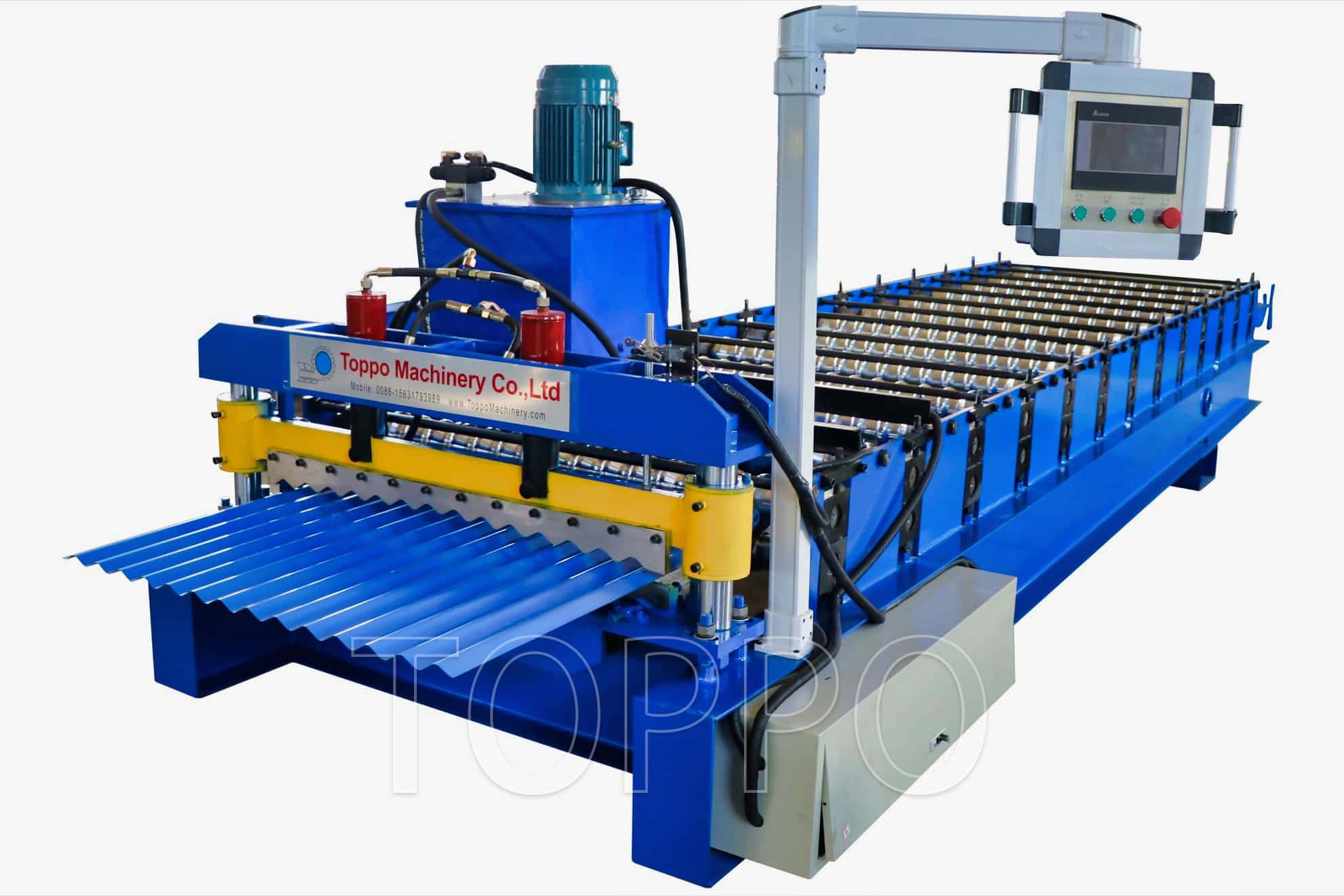
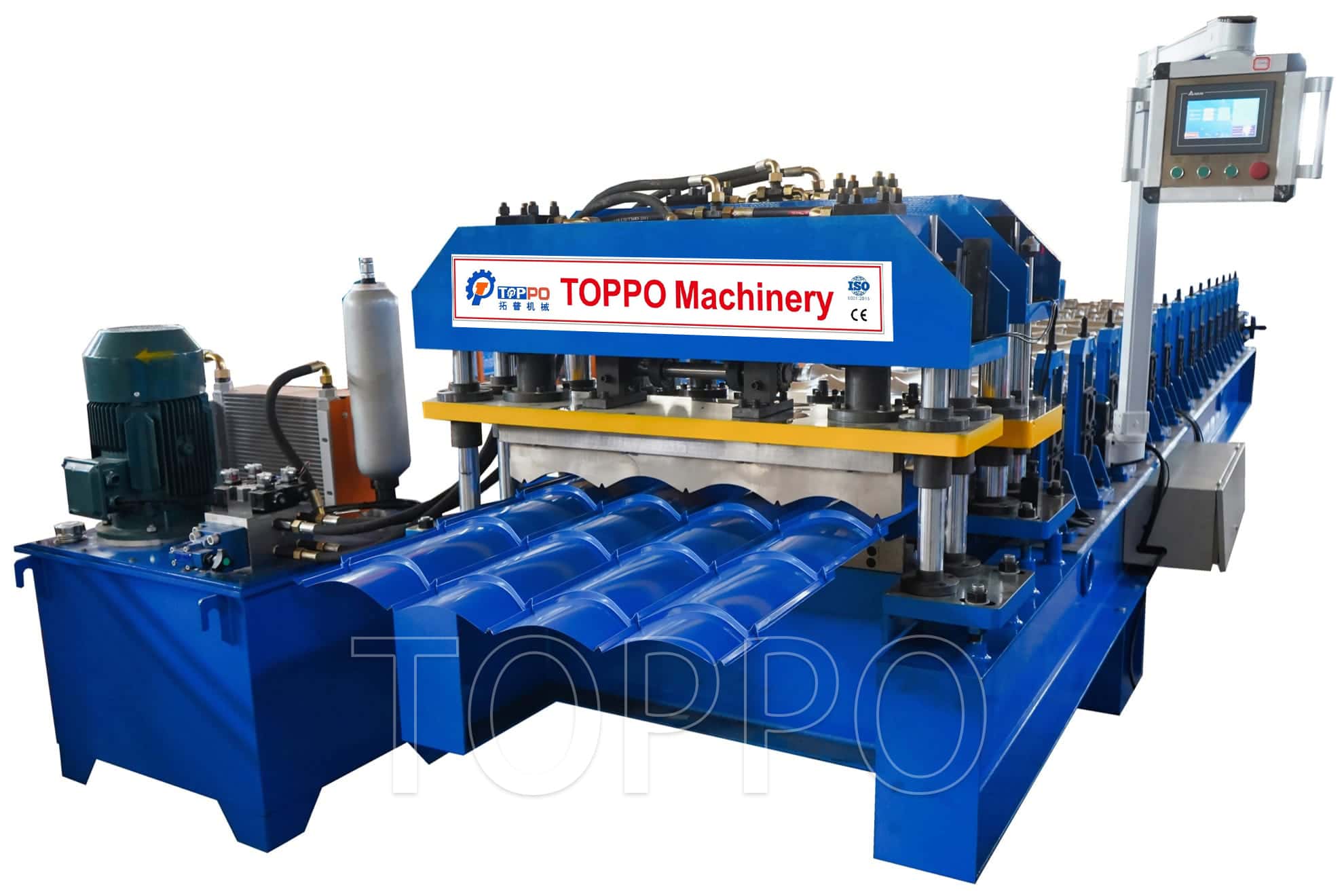
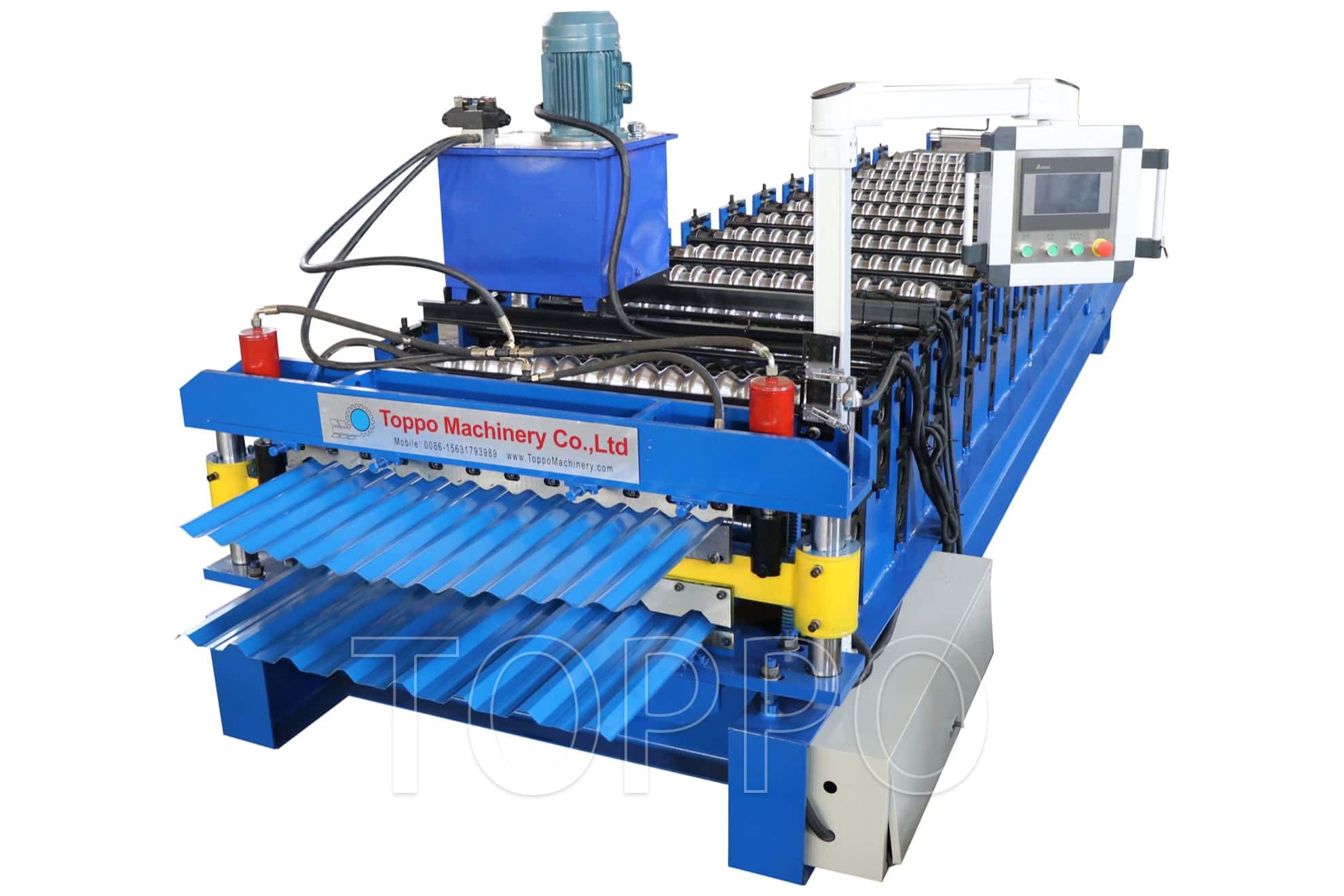
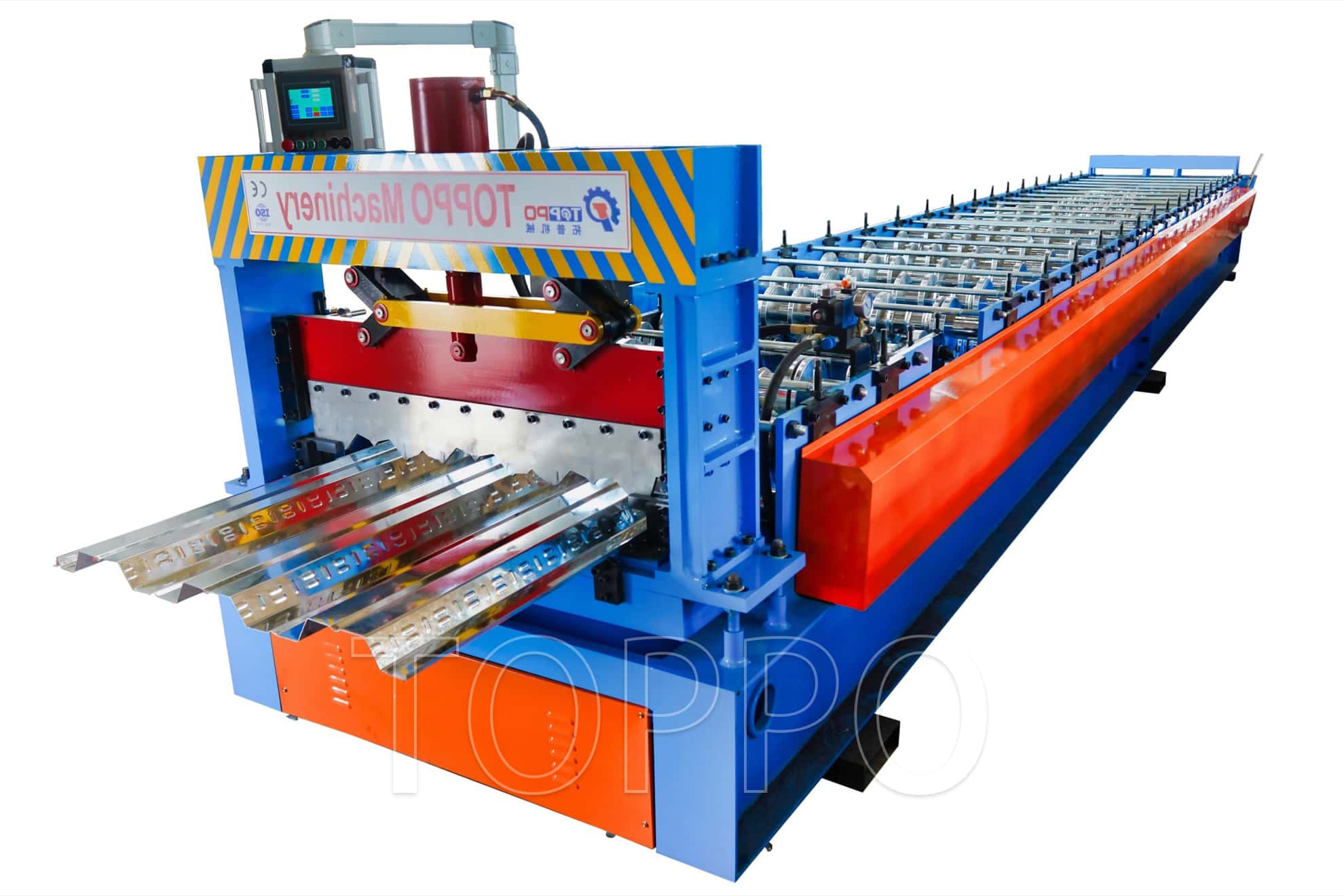
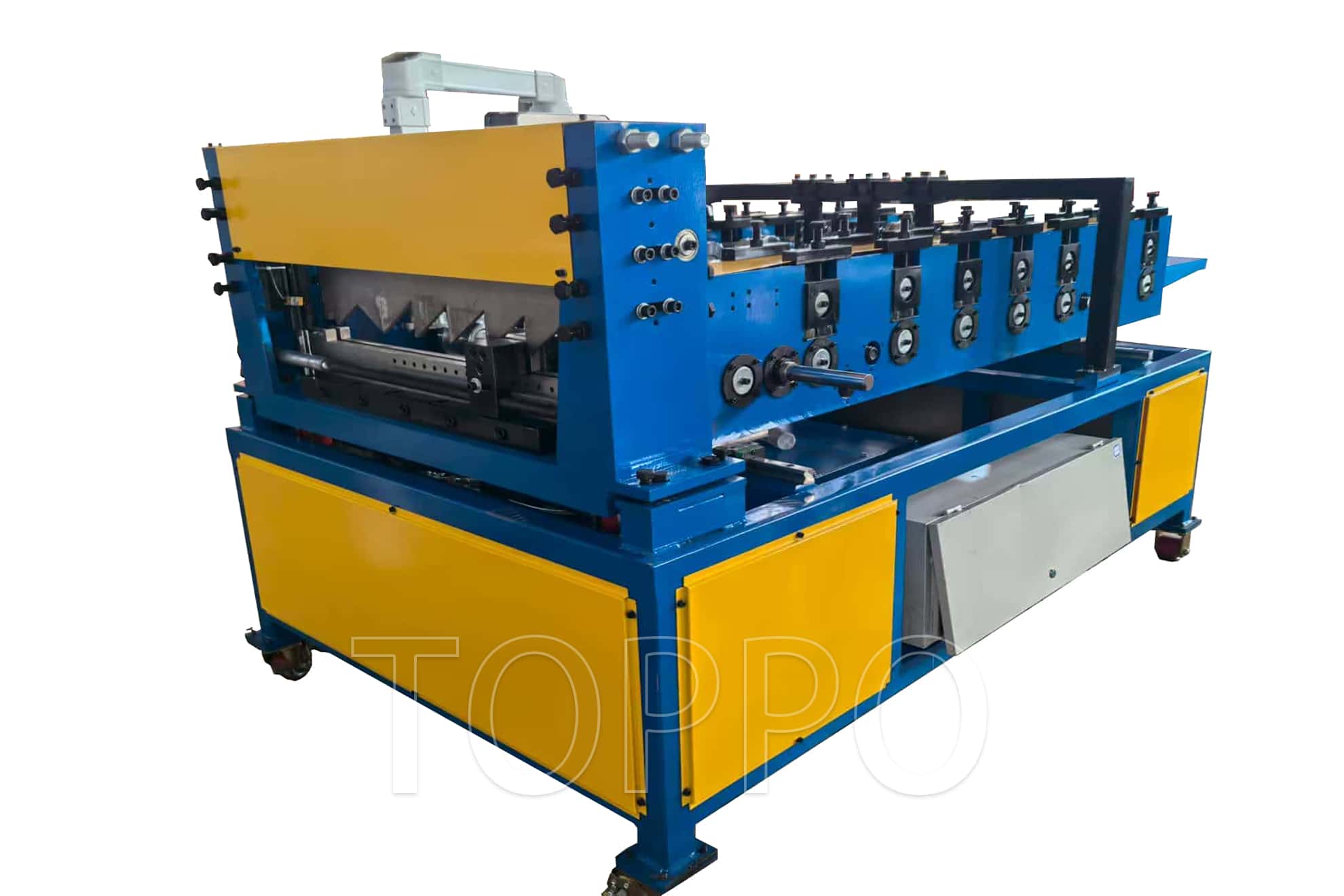
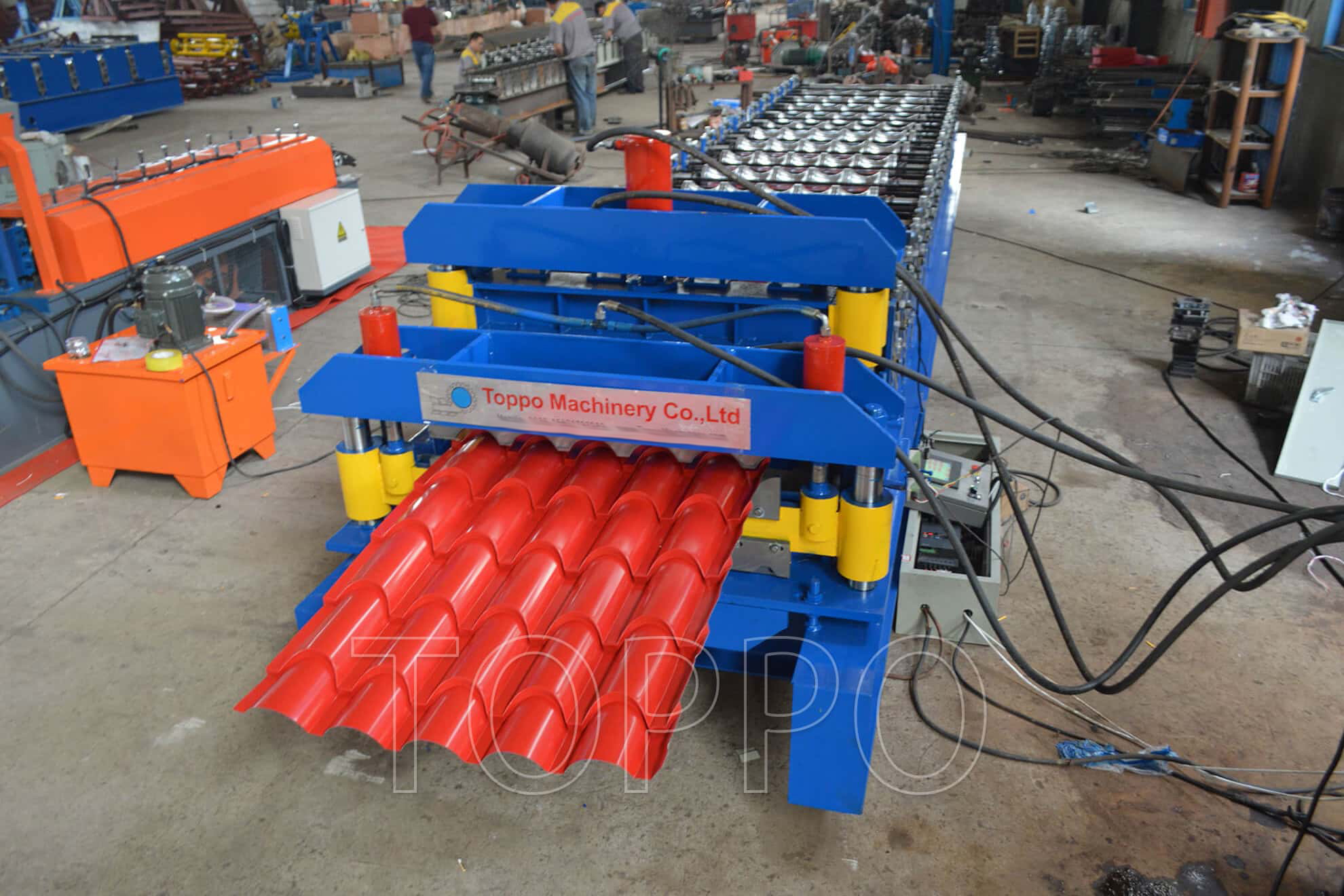
A modern trapezoidal roof tile making machine integrated into a double layer configuration enables factories to manufacture two roofing profiles within one compact structure. This approach maximizes plant space utilization and reduces redundant equipment costs. Instead of installing two separate lines, companies can switch profiles quickly, adapting to changing project requirements in residential, commercial, and industrial markets.
One of the driving forces behind this transition is the adoption of a high speed trapezoidal roof tile making machine. By increasing forming speed without compromising structural precision, manufacturers can significantly boost daily production capacity. Faster throughput means shorter lead times and improved competitiveness in a market where timely delivery is critical.
Equally important is the integration of an automatic trapezoidal roof tile machine. Automation ensures accurate length control, synchronized cutting, and stable feeding performance. With digital monitoring systems, operators can manage specifications through user-friendly interfaces, reducing manual adjustments and minimizing operational errors.
Adapting to Chile’s Diverse Construction Needs
Chile’s geography presents unique building challenges, from coastal humidity to seismic activity. A durable trapezoidal roof tile making machine allows manufacturers to produce panels designed for strength and corrosion resistance. Double layer systems provide flexibility, enabling companies to offer multiple profile options suited to different structural demands.
When factories implement a high speed trapezoidal roof tile making machine, they achieve measurable improvements in productivity. Higher forming rates translate into greater output per shift, helping businesses handle large infrastructure contracts without expanding labor forces. This operational efficiency is particularly valuable in competitive bidding environments.
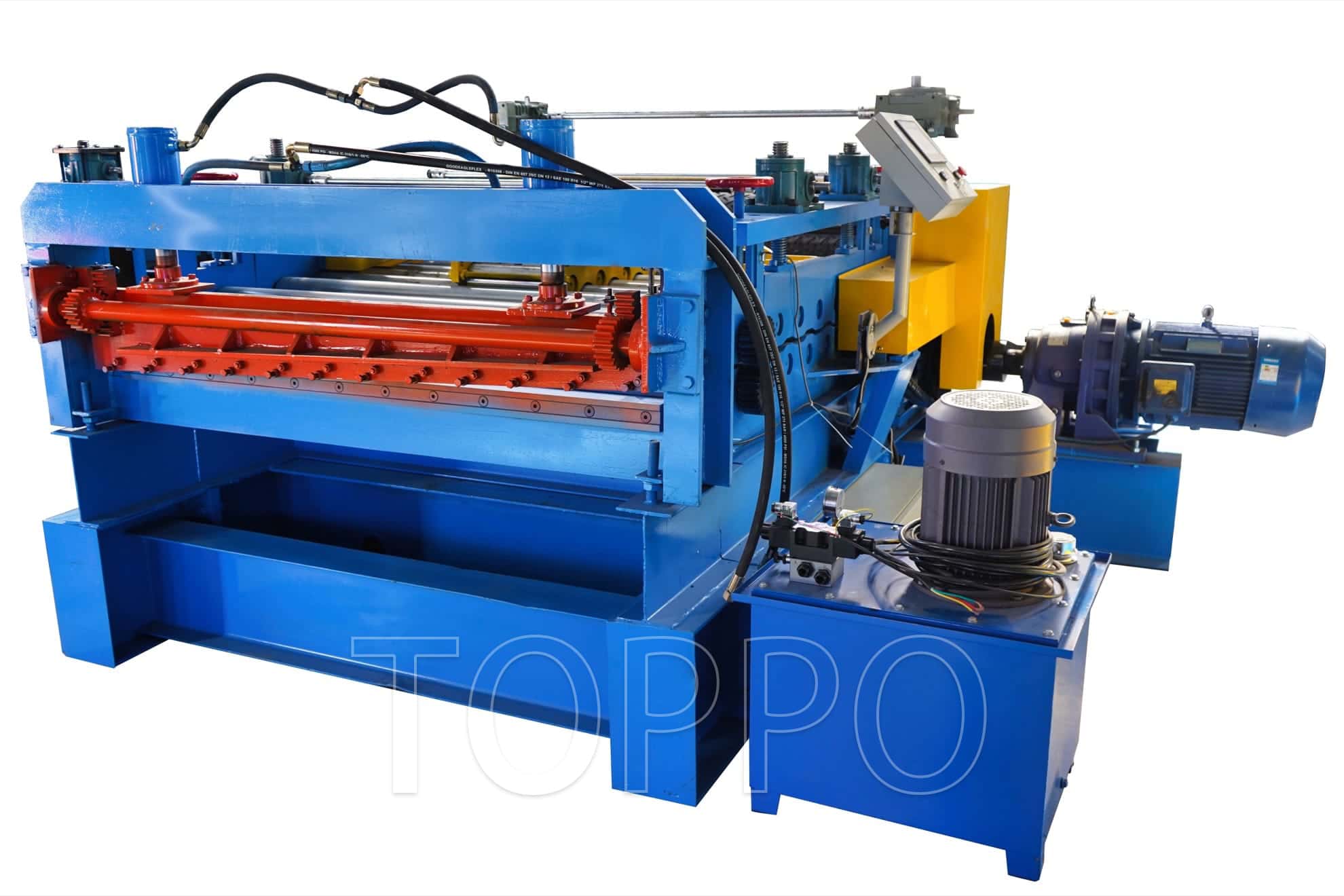
The benefits of an automatic trapezoidal roof tile machine extend beyond speed. Automated stacking and hydraulic cutting reduce workplace risks and ensure consistent dimensional accuracy. By minimizing human intervention, production stability improves across long manufacturing cycles.
Economic Advantages of Double Layer Systems
Investing in a trapezoidal roof tile making machine within a double layer line reduces overall capital expenditure compared to operating two independent machines. Shared components such as frames, control systems, and drive units lower installation and maintenance costs. Over time, this integrated design delivers substantial savings.
Furthermore, a high speed trapezoidal roof tile making machine enhances energy efficiency. Producing more panels within the same timeframe reduces energy consumption per unit. This contributes to lower operating expenses and supports environmentally responsible manufacturing practices.
An automatic trapezoidal roof tile machine also strengthens quality control. With programmable settings and real-time diagnostics, factories can maintain uniform output even when switching between product specifications. Predictive maintenance alerts help prevent unexpected downtime, ensuring uninterrupted workflow.
Strengthening Market Position
Chile roofing sheet manufacturers increasingly compete with international suppliers. Upgrading to a trapezoidal roof tile making machine built for high productivity helps local producers maintain strong market presence. Double layer flexibility allows them to respond quickly to architectural trends and customized orders.
By incorporating a high speed trapezoidal roof tile making machine into their production strategy, companies enhance delivery reliability. Clients value suppliers who combine rapid manufacturing with consistent product quality. Automation further reinforces this advantage, as the automatic trapezoidal roof tile machine ensures repeatable precision across bulk orders.
Conclusion
The transition toward double layer roll forming lines in Chile reflects a forward-looking approach to manufacturing. A trapezoidal roof tile making machine, supported by advanced speed capabilities and intelligent automation, enables producers to expand output while controlling costs. Through strategic equipment upgrades, roofing sheet manufacturers can meet growing demand, improve operational efficiency, and secure long-term competitiveness in Chile’s evolving construction landscape.
READ MORE: