Why Every Peru Manufacturer Needs a High Speed Trapezoidal Roof Tile Making Machine for Double Output
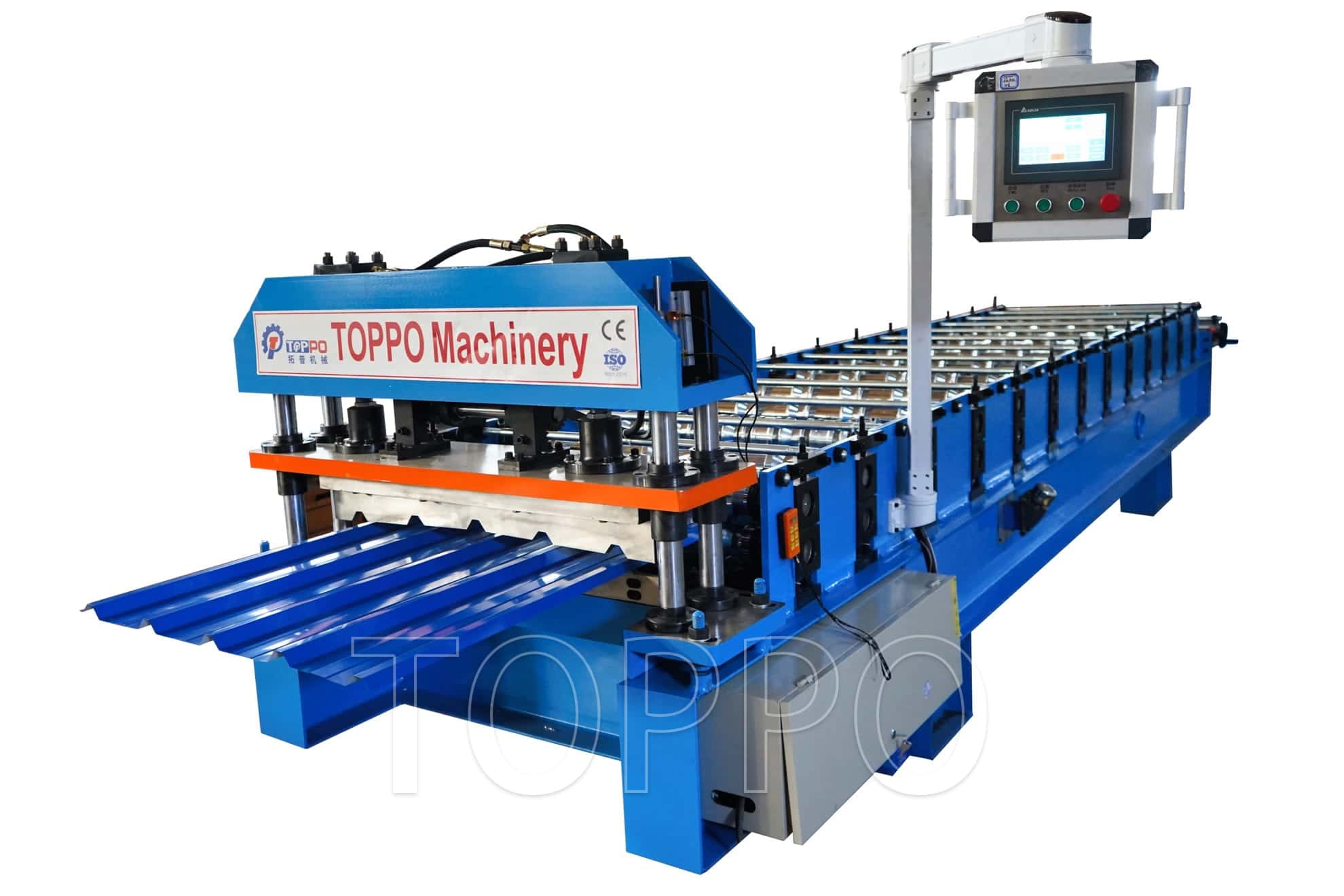
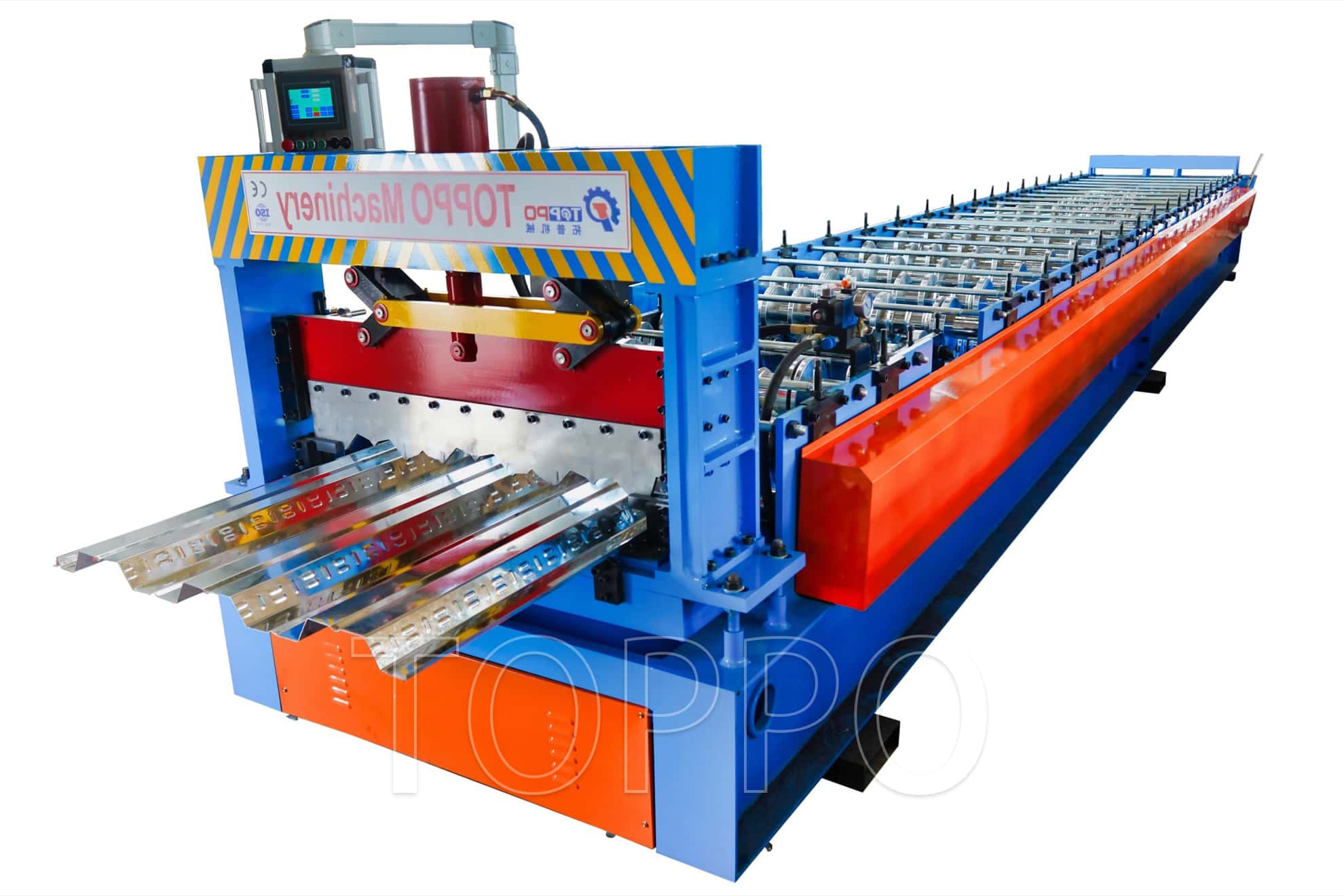
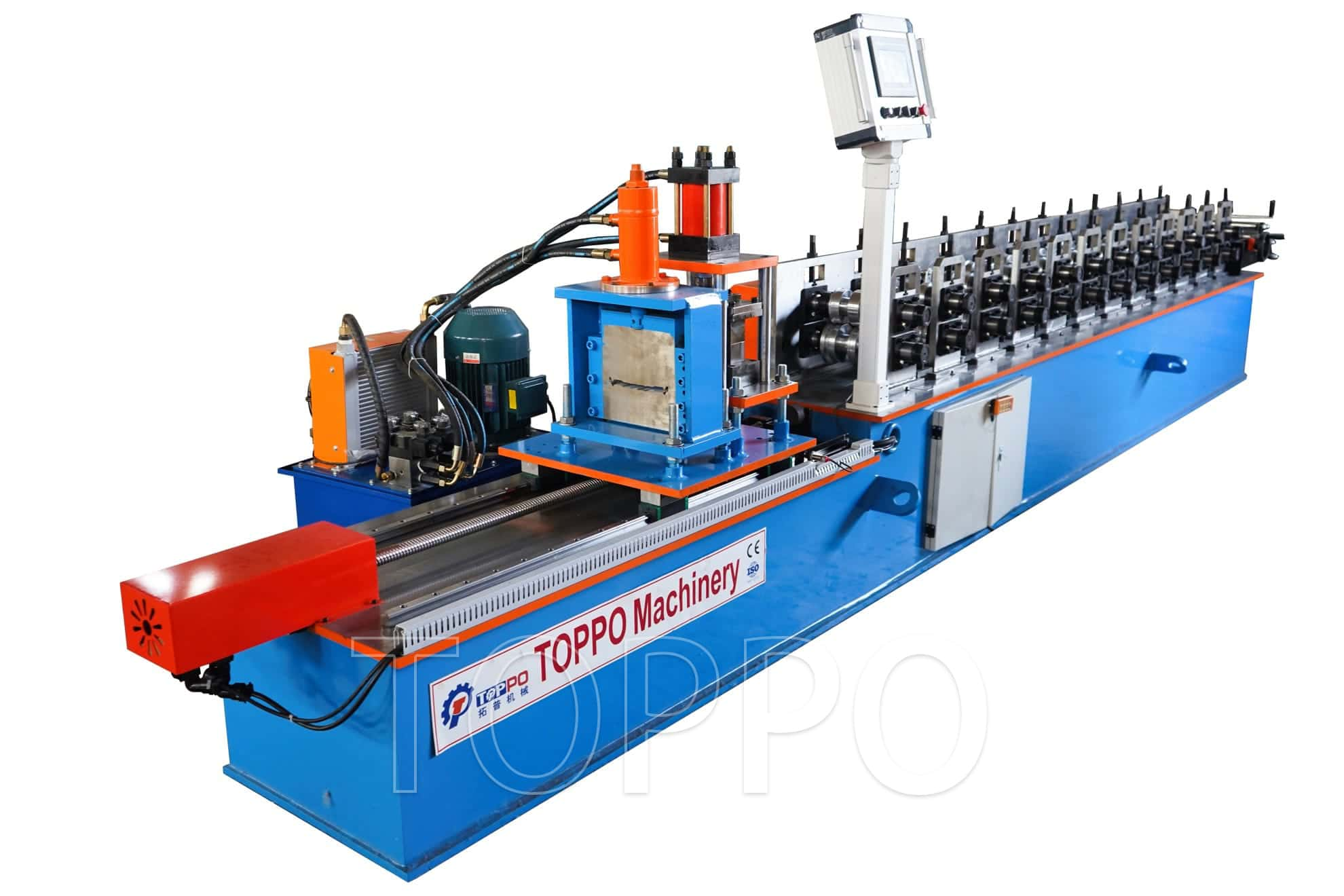
Trapezoidal roof tile making machine technology is becoming the cornerstone of expansion strategies for roofing manufacturers across Peru. In a competitive environment where delivery speed and product consistency define success, integrating a high speed trapezoidal roof tile making machine together with an automatic trapezoidal roof tile machine allows factories to dramatically increase throughput while maintaining strict quality control.
Meeting Expanding Construction Demand
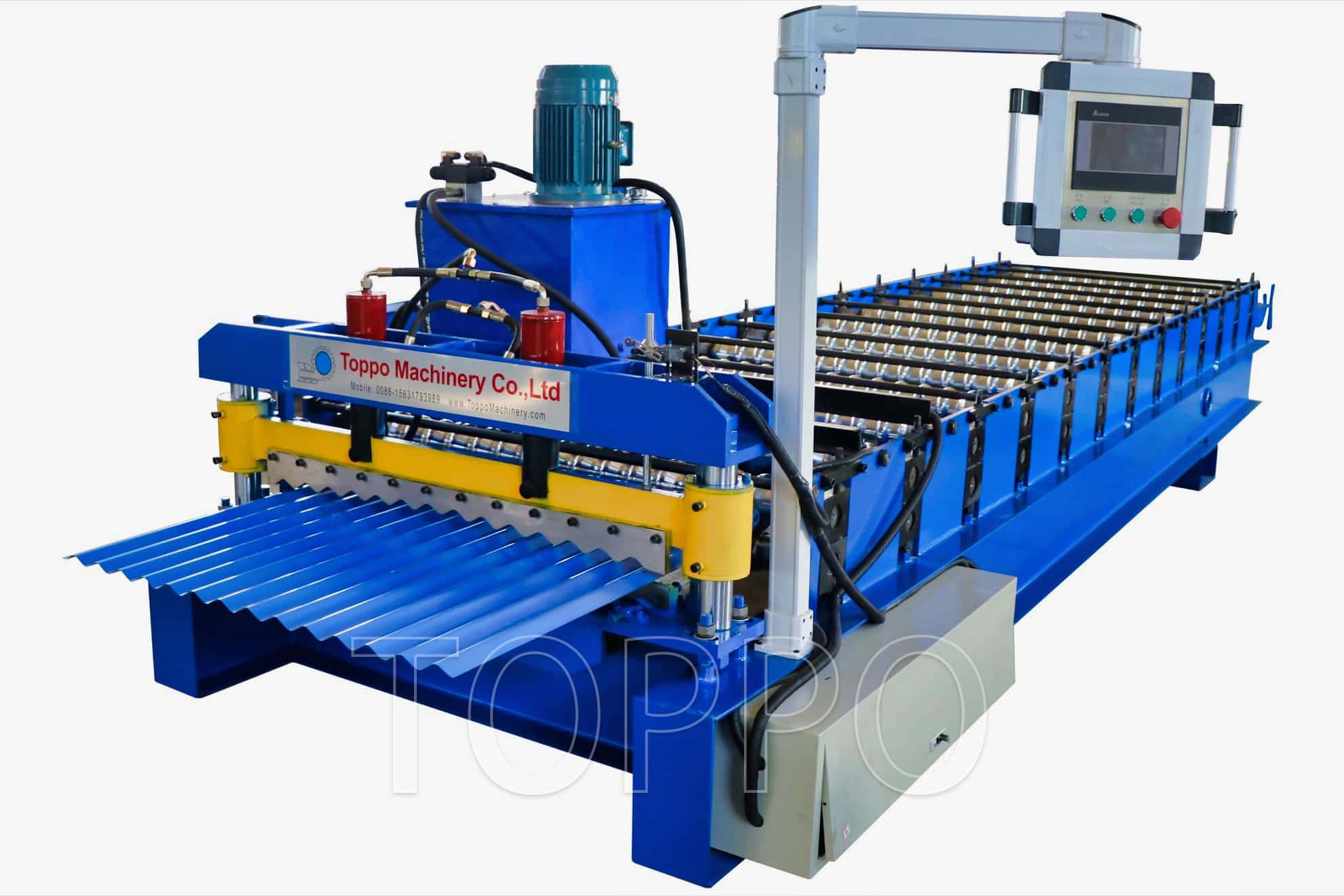
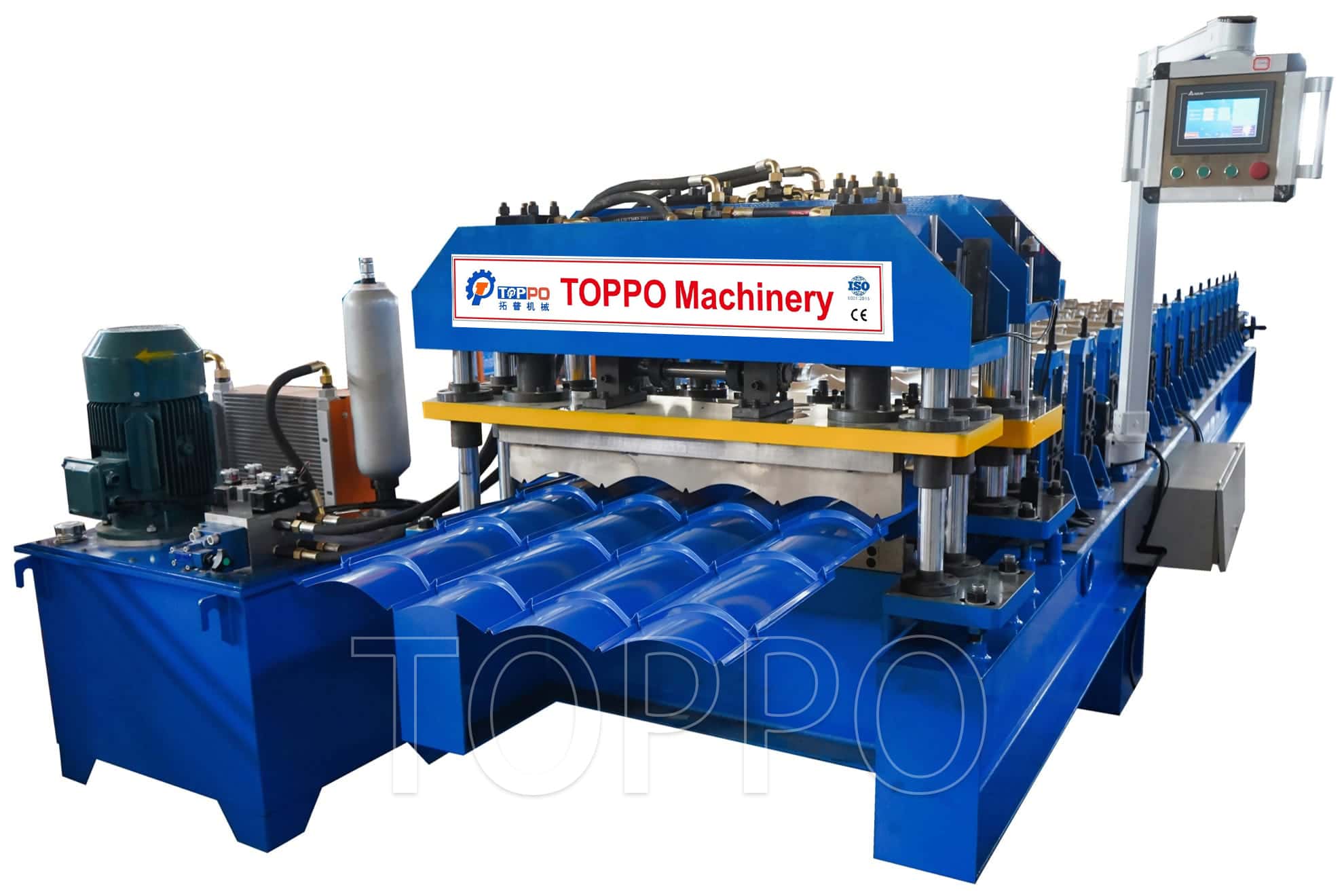
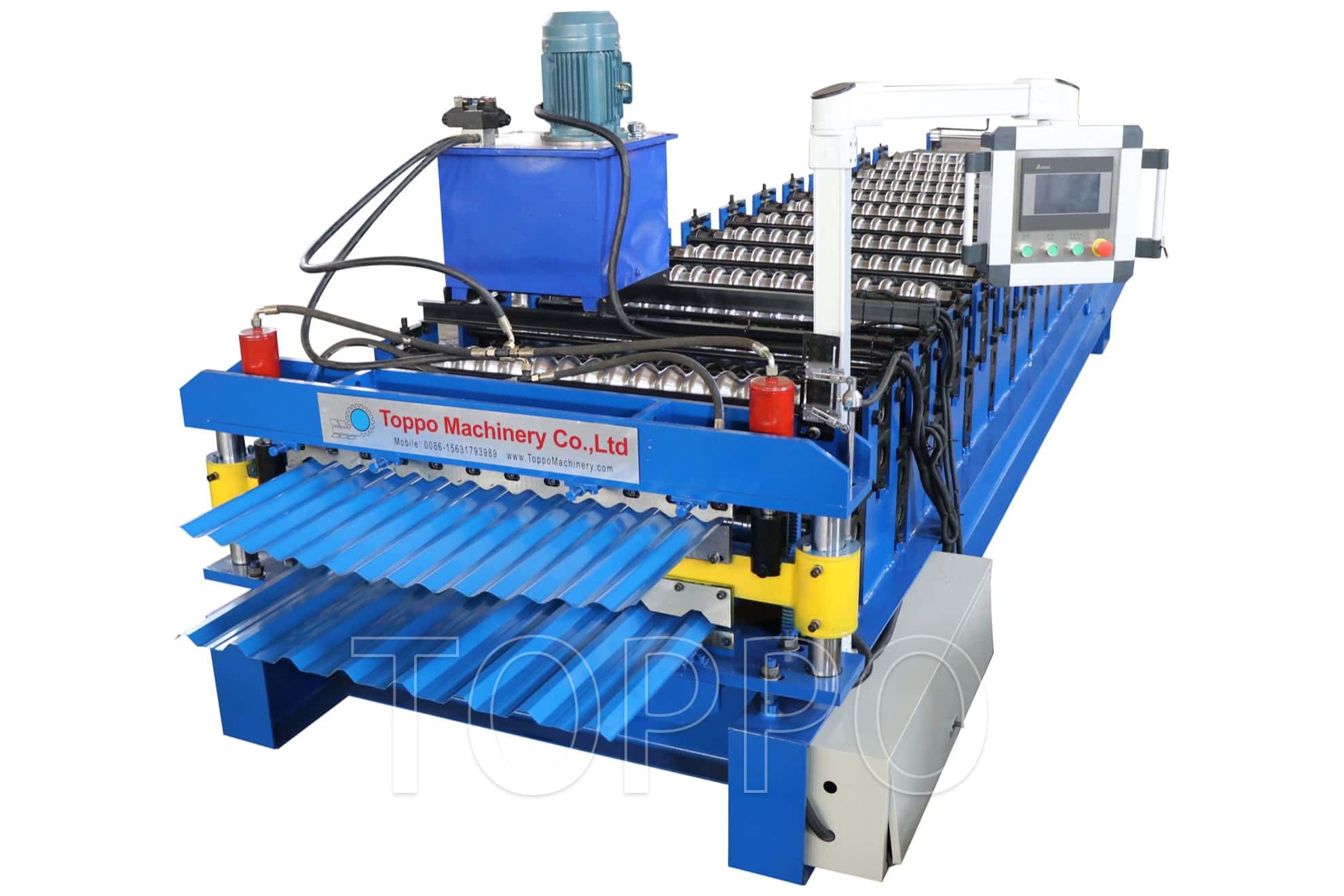
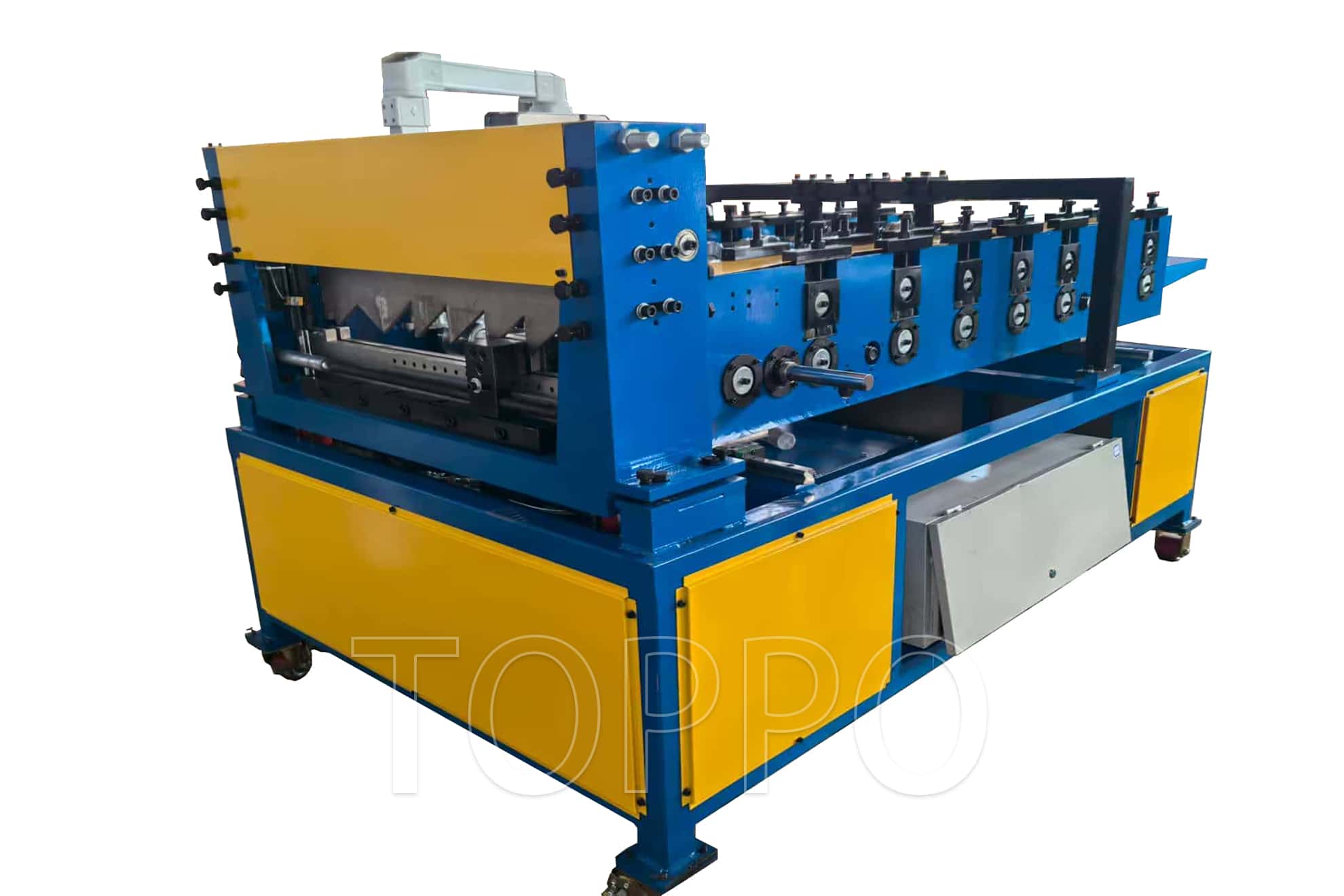
From residential housing to logistics warehouses, demand for durable metal roofing continues to grow. A modern trapezoidal roof tile making machine enables manufacturers to produce standardized profiles suitable for various structural applications. When equipped with double layer capability, the system supports two panel designs within a single compact production line.
The addition of a high speed trapezoidal roof tile making machine significantly increases forming efficiency. Faster roll forming speeds translate into higher daily production capacity, helping companies fulfill large contracts without delays.
Role of Automation in Production Stability
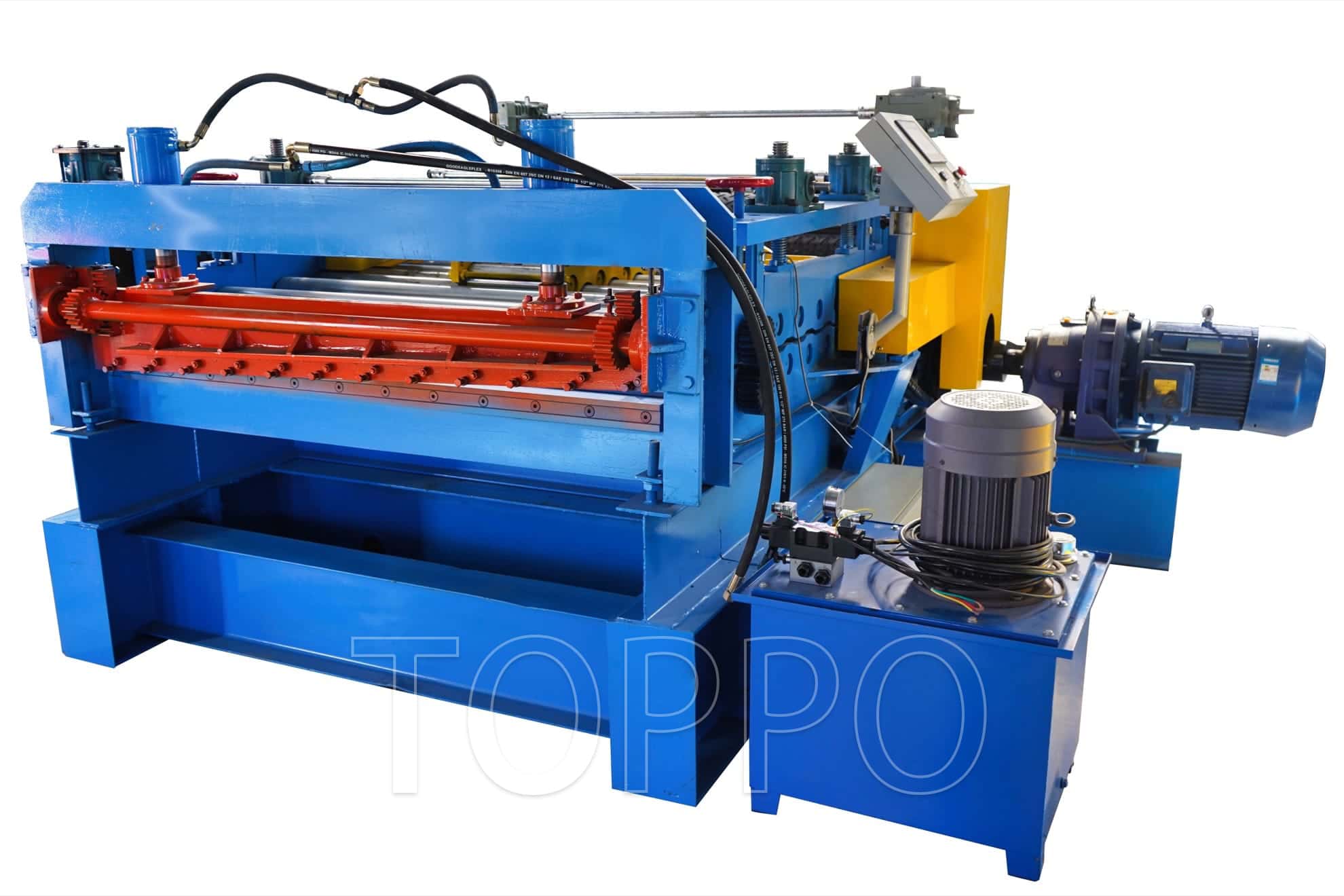
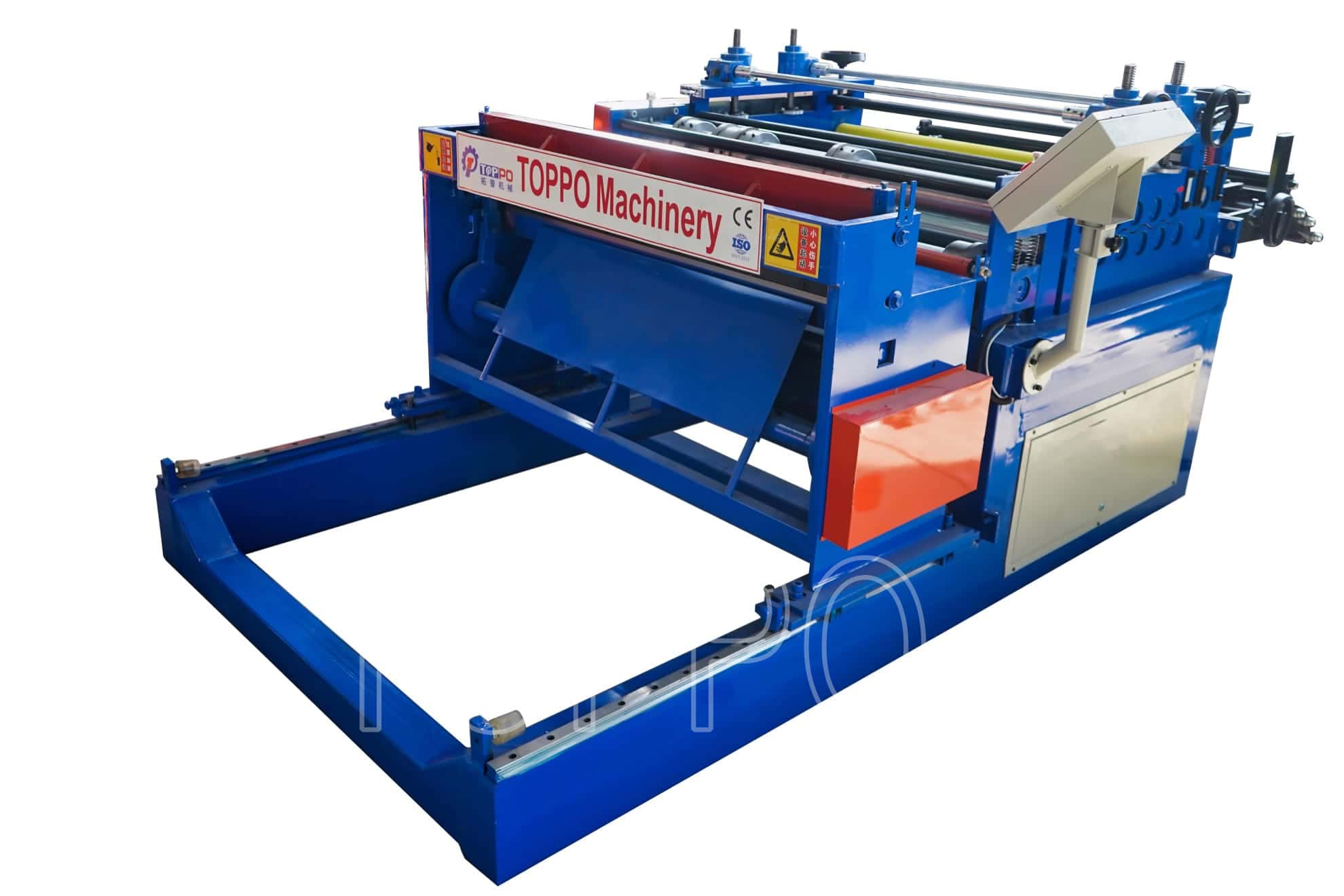
An automatic trapezoidal roof tile machine plays a critical role in minimizing human intervention. Automated feeding, hydraulic cutting, and digital length control ensure that each sheet meets precise dimensional standards.
Moreover, the automatic trapezoidal roof tile machine improves workplace safety and reduces operational errors. Intelligent PLC systems allow quick parameter adjustments, which is essential for manufacturers handling customized orders.
Speed as a Competitive Advantage
Investing in a high speed trapezoidal roof tile making machine means achieving greater productivity per shift without increasing labor costs. Enhanced motor systems and optimized roll station design ensure stable performance even at elevated speeds.
Combined with a trapezoidal roof tile making machine built for heavy-duty operation, manufacturers can confidently scale output while maintaining long-term mechanical reliability.
Cost Efficiency and ROI
The financial benefits of upgrading equipment are substantial. A trapezoidal roof tile making machine reduces material waste through accurate feeding and cutting. At the same time, the high speed trapezoidal roof tile making machine accelerates order completion cycles, improving cash flow.
Additionally, the automatic trapezoidal roof tile machine lowers reliance on skilled labor, reducing overhead expenses while enhancing consistency across production batches.
Supporting Regional Expansion
For companies planning to export roofing sheets to neighboring South American countries, consistent product quality is essential. A trapezoidal roof tile making machine ensures uniform profile geometry, while a high speed trapezoidal roof tile making machine enables timely fulfillment of bulk orders.
By integrating an automatic trapezoidal roof tile machine into a double layer configuration, manufacturers can adapt quickly to changing architectural trends and regional specifications.
Conclusion
Peru’s roofing manufacturers seeking to double output should prioritize upgrading to a trapezoidal roof tile making machine supported by high speed trapezoidal roof tile making machine innovation and automatic trapezoidal roof tile machine automation. Through intelligent investment in advanced roll forming technology, companies can secure sustainable growth, improved efficiency, and stronger market positioning in the evolving construction industry.
READ MORE: