- Trapezoidal Machine
- Corrugated Machine
- Glazed Tile Machine
- Double Layer Machine
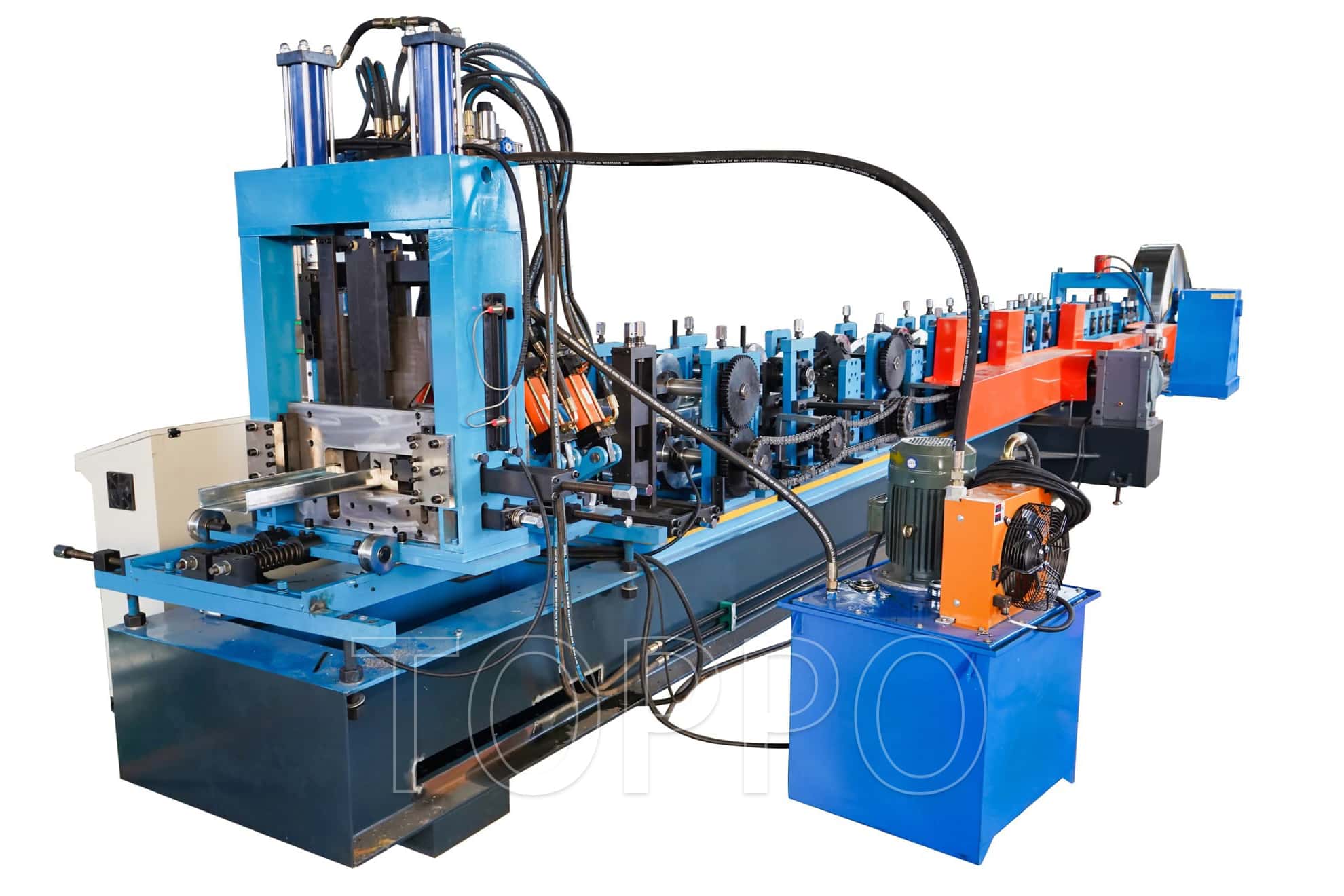
- CZU Purlin Machine
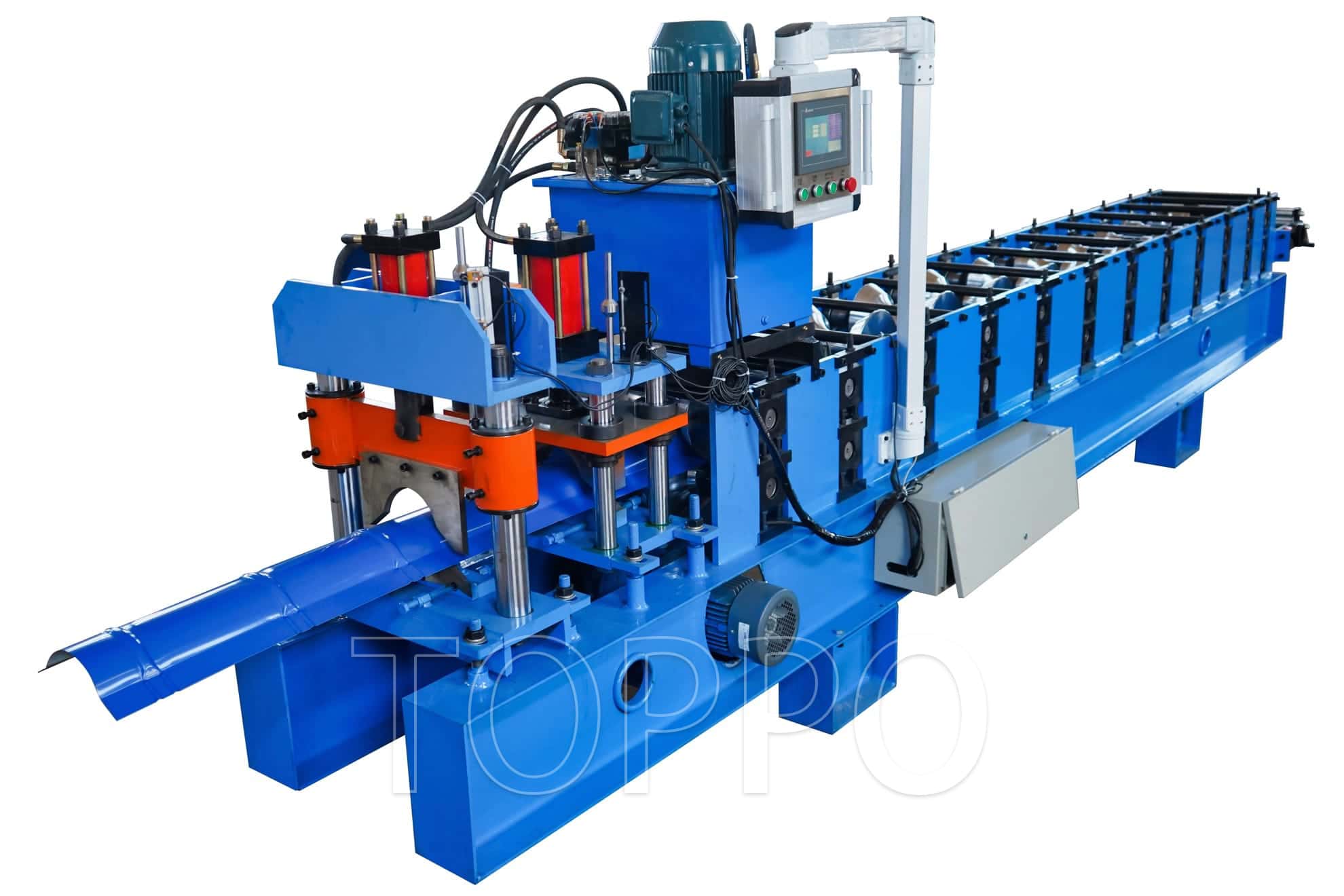
- Ridge Cap Machine
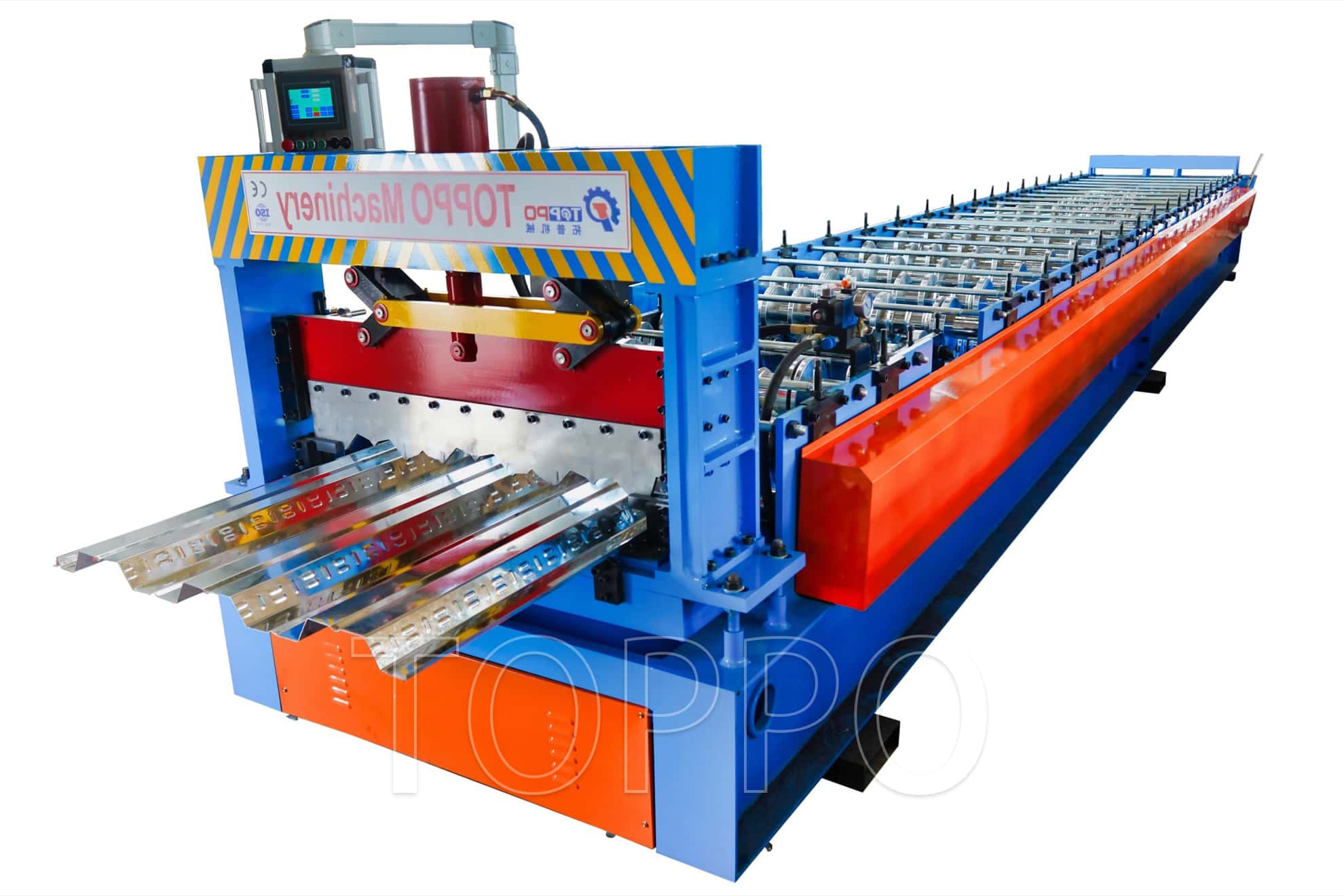
- Floor Decking Machine
- Rolling Door Machine
- Fence Machine
- Embossing Machine
- Standing Seam Machine
- Cut To Length And Slitting Line
- Guard Rail Machine
- Decoiler And Stacker
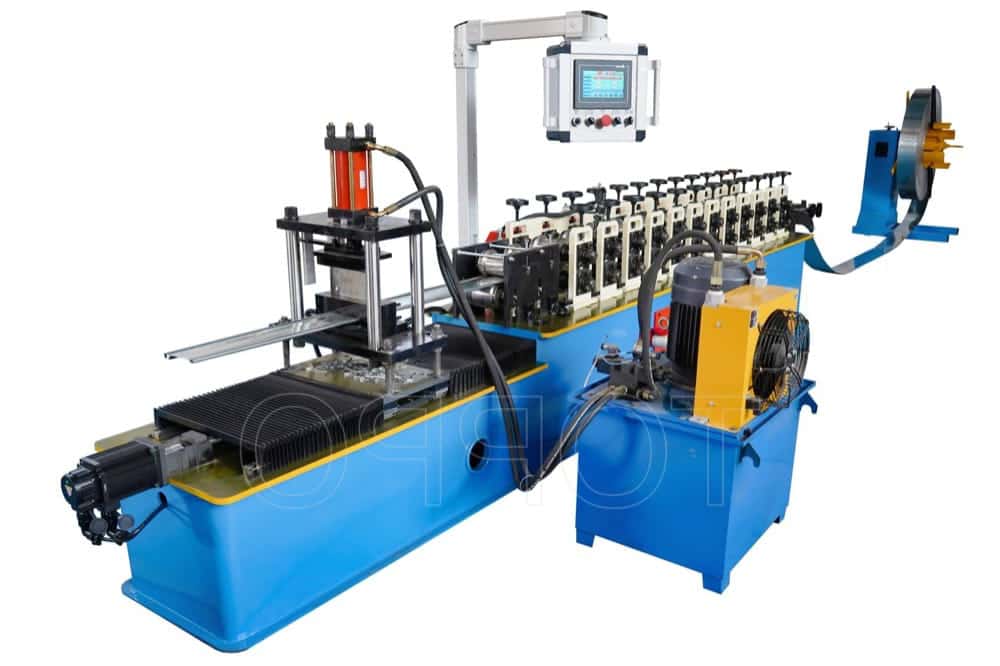
- Stud And Track Machine
- Gutter And DownPipe
- Curving Machine
- Cladding Panel Machine
- Corollary Equipment
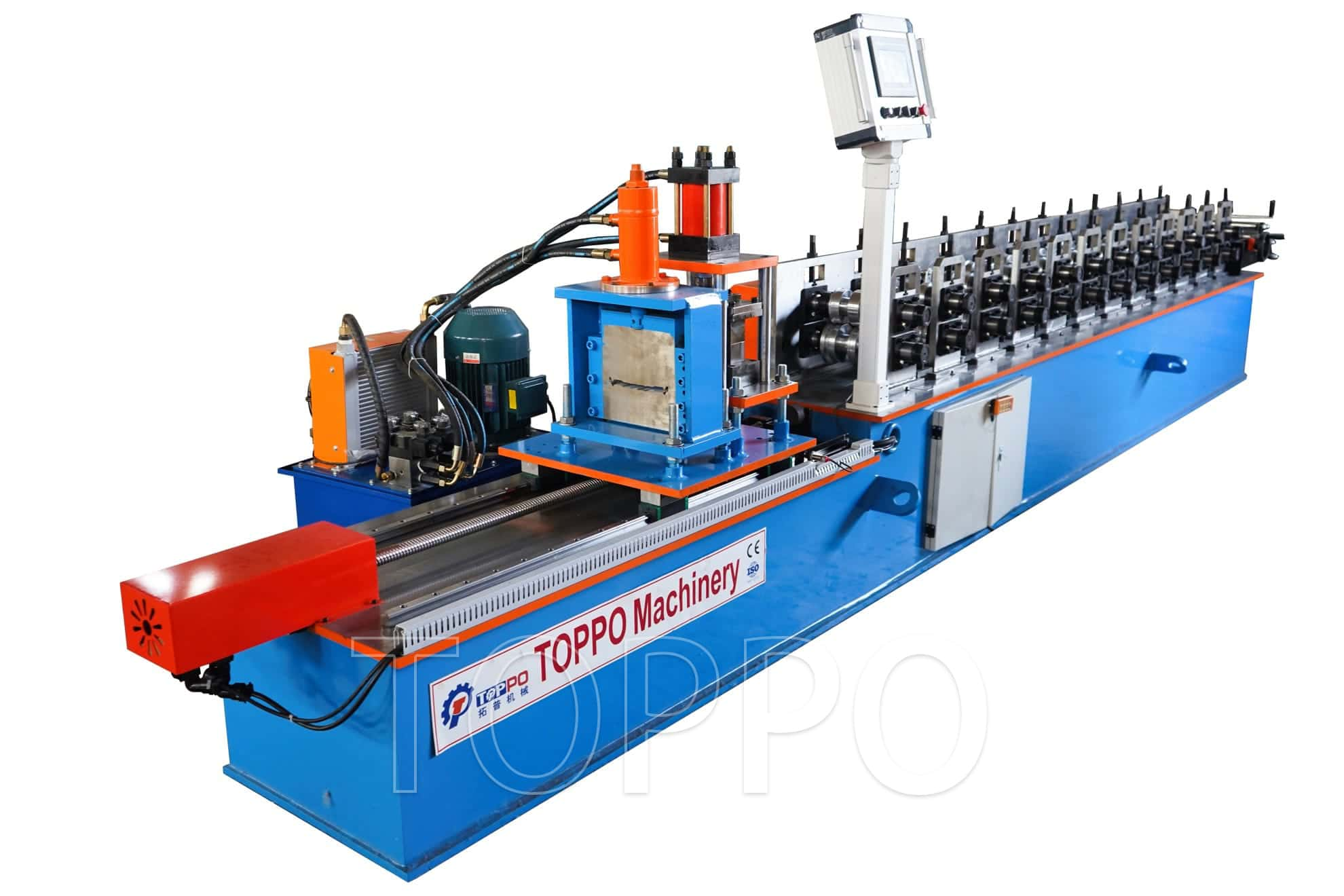
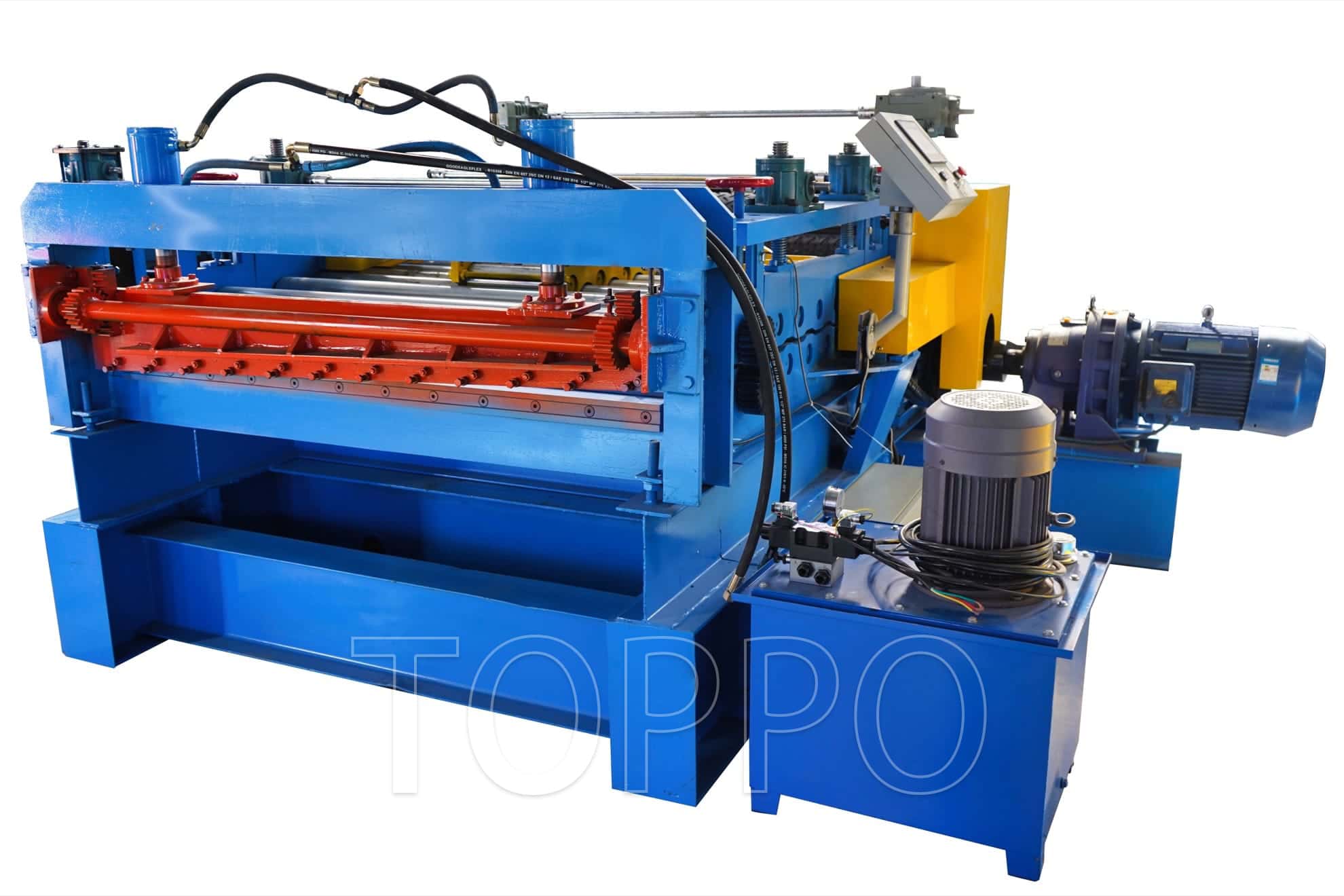
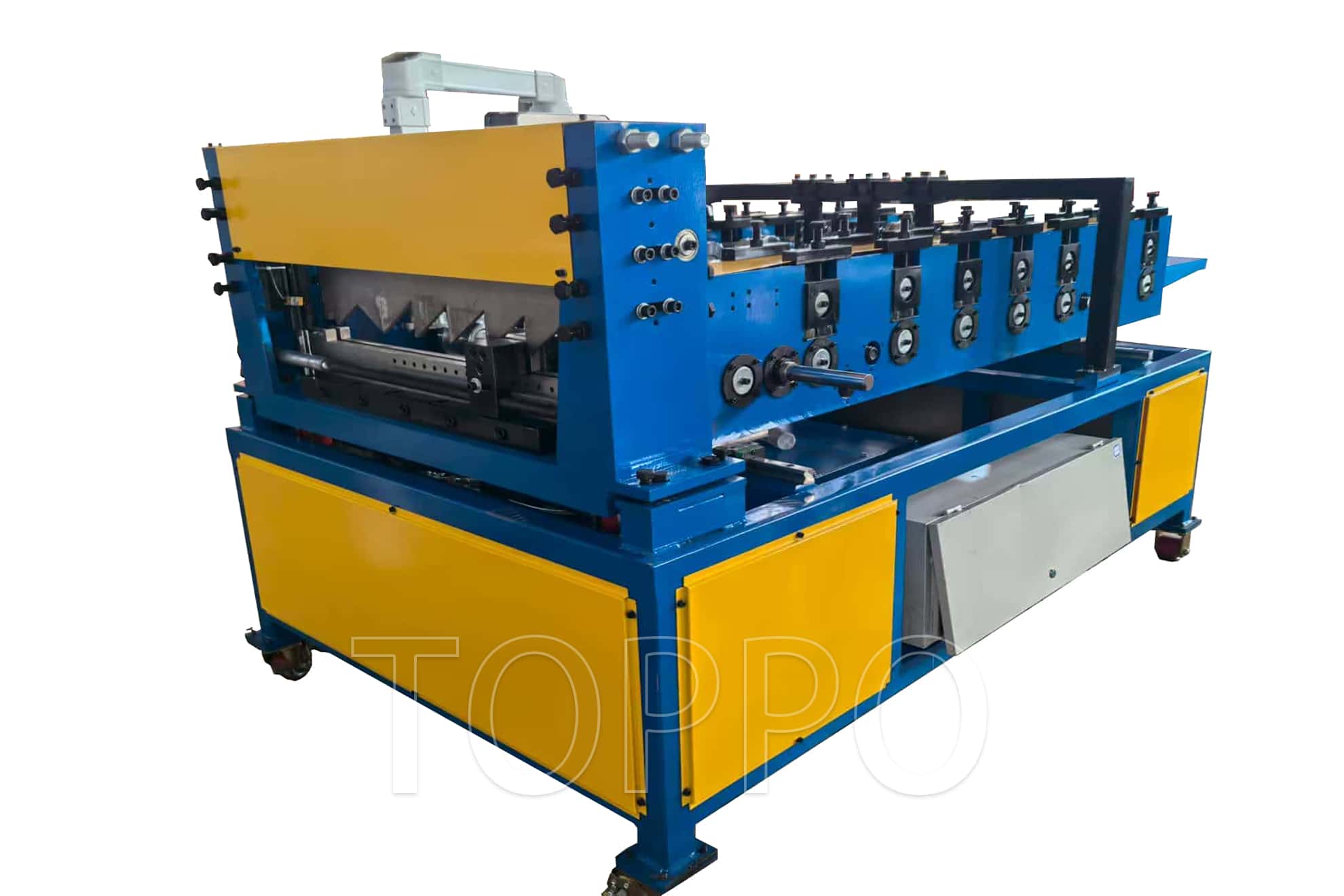
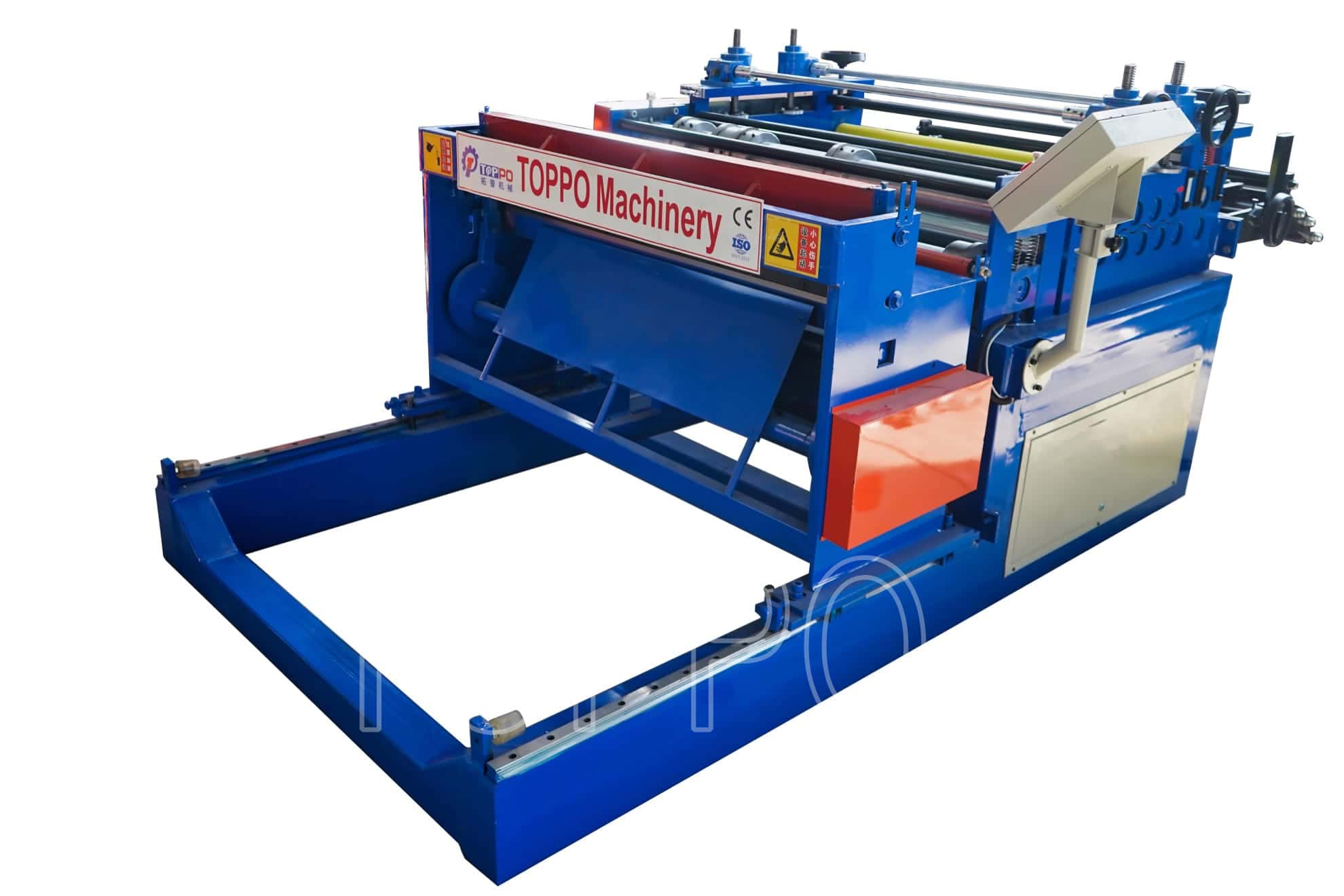


How Manufacturers Can Match Roofing Profiles to Real Demand in South America
Roofing profiles used across South America reflect a combination of environmental pressure, project economics, logistics realities, and installer familiarity. A profile that works well for a warehouse in one region may not be the best choice for residential distribution in another. Heavy rainfall, steep-slope applications, transport distance, wind conditions, and customer preference all shape what the market accepts. Because of this, manufacturers should not see profile selection as a catalog exercise. They should see it as a technical and commercial decision that starts with regional use cases and ends with production capability on a roofing sheet making machine that can reproduce the same geometry and finish every day.
This production view matters even more when coated material is involved. As soon as the product includes painted or decorative steel, profile quality is no longer only about structural shape. It also includes coating appearance, scratch resistance, gloss retention, and clean handling from entry to stacking. A capable Color Coated sheet machine helps maintain strip tracking and controlled roller contact so that the finished roofing sheet remains both dimensionally correct and visually acceptable. When high-grade prepainted material is used, a PrePainted Color Coated Sheet metal cold roofing sheet making machine becomes a major asset because it allows manufacturers to form premium panels without sacrificing coating integrity during production.
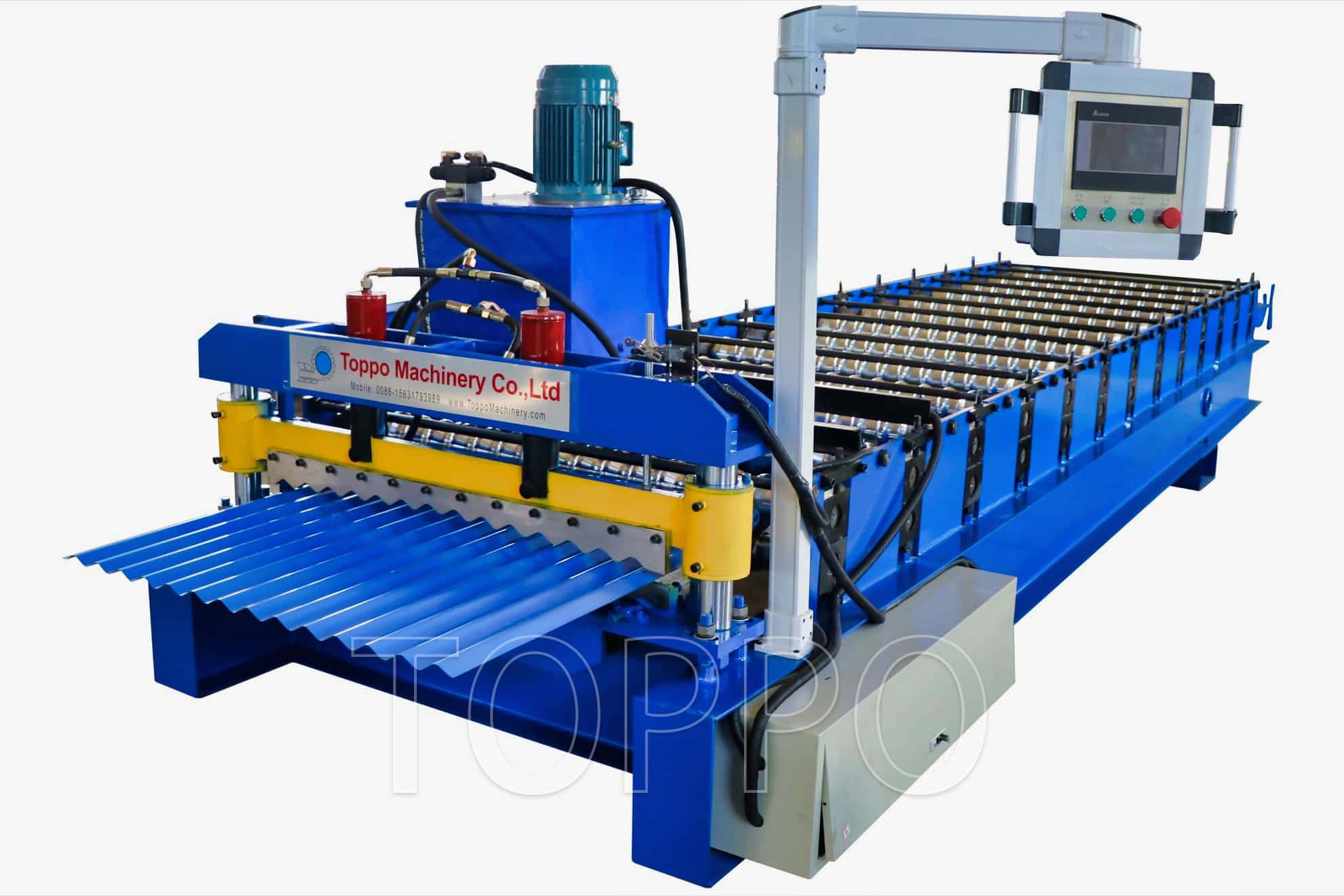
Corrugated profiles: proven, flexible, and still commercially important
Corrugated roofing panels remain commercially important across South America because they offer a familiar balance of drainage, simplicity, and affordability. They are common in agricultural facilities, workshops, utility buildings, storage units, and cost-sensitive projects. The wave shape helps runoff and provides practical stiffness, but this simplicity should not lead to low production discipline. Installers quickly notice poor overlap fit, inconsistent pitch, or cut-length variation. That means the value of a corrugated profile depends not only on its design but also on the repeatability of the forming process.
A well-managed roofing sheet making machine should deliver consistent wave depth and effective width throughout the run, not just at startup. One key caution is that some producers approve only a short trial batch. Yet many profile issues appear later when material variation, roller temperature, or alignment changes affect forming stability. Continuous measurement is therefore more valuable than one-time approval.
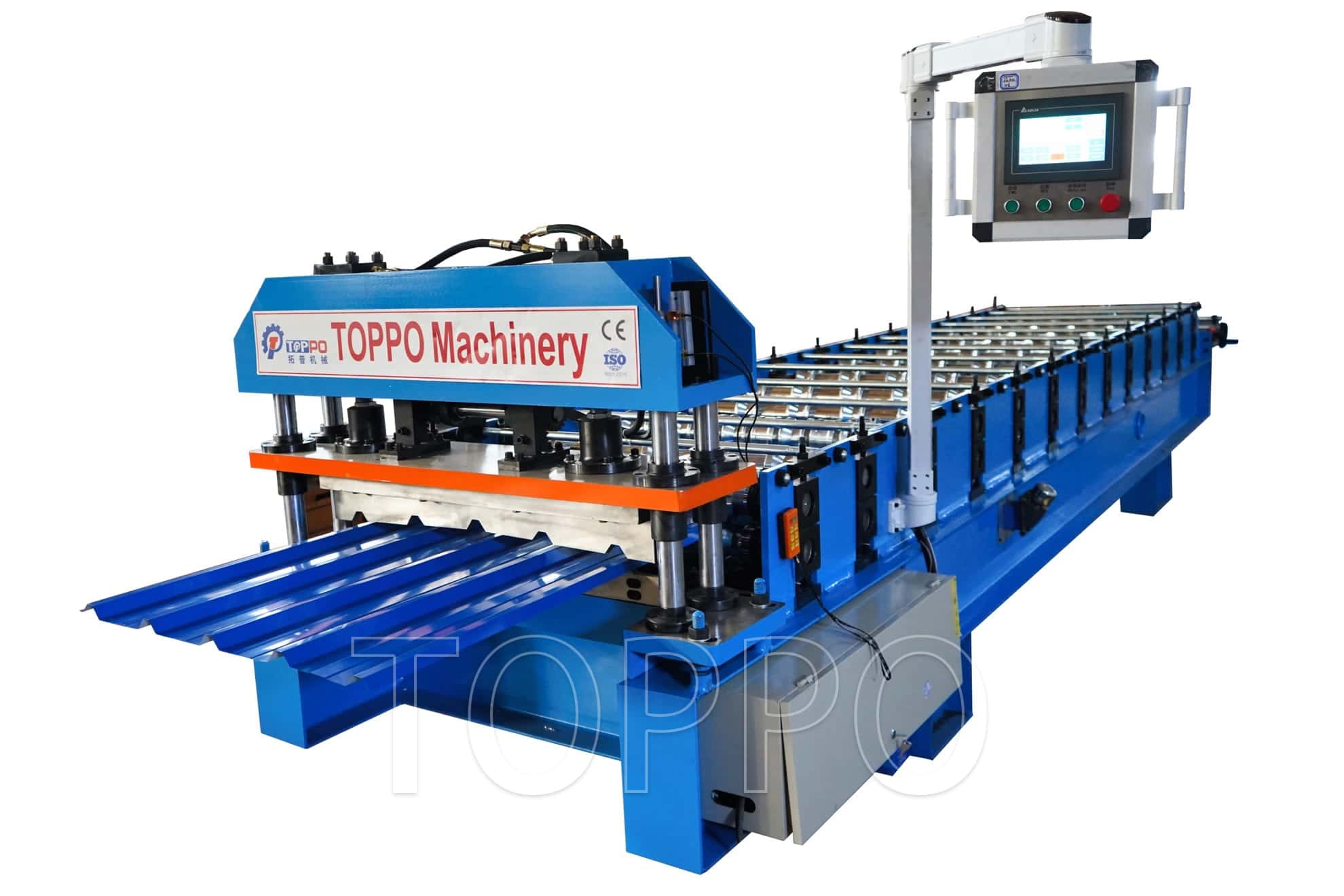
Trapezoidal profiles: stronger positioning in industrial roofing
Trapezoidal roofing profiles are widely favored for industrial, logistics, and larger commercial projects because their rib geometry supports stronger load behavior and a more technical appearance. They often fit building systems that use longer spans and structured support layouts. In these applications, even small dimensional variation matters. Incorrect rib spacing or effective cover width can slow installation, weaken visual alignment, and create water-management issues if overlaps are not precise.
Manufacturing these profiles from painted material requires a dependable Color Coated sheet machine that keeps roller pressure balanced and avoids damaging the surface finish while maintaining sharp rib definition. A critical caution is that quality control should include overlap testing and actual assembly checks, not only simple dimensional measurement. The field outcome matters more than the drawing alone.
Standing seam profiles: value grows where performance and appearance matter
Standing seam systems are increasingly attractive in premium commercial and architectural segments because they provide cleaner lines and reduce exposed fastening points. They can improve water resistance and visual uniformity, but they also demand greater precision in forming and installation. Seam geometry must remain stable, panel straightness must be controlled, and engagement must remain reliable from one batch to the next. This makes standing seam production much less forgiving than ordinary exposed-fastener products.
For this reason, a PrePainted Color Coated Sheet metal cold roofing sheet making machine is especially useful when manufacturers want to serve higher-value projects. It should form the seam profile cleanly while protecting the prepainted finish from scoring, friction damage, or pressure marks. A major caution is to perform real seam-lock trials instead of relying only on bench measurement. A profile can appear acceptable in isolation and still cause installation problems later.
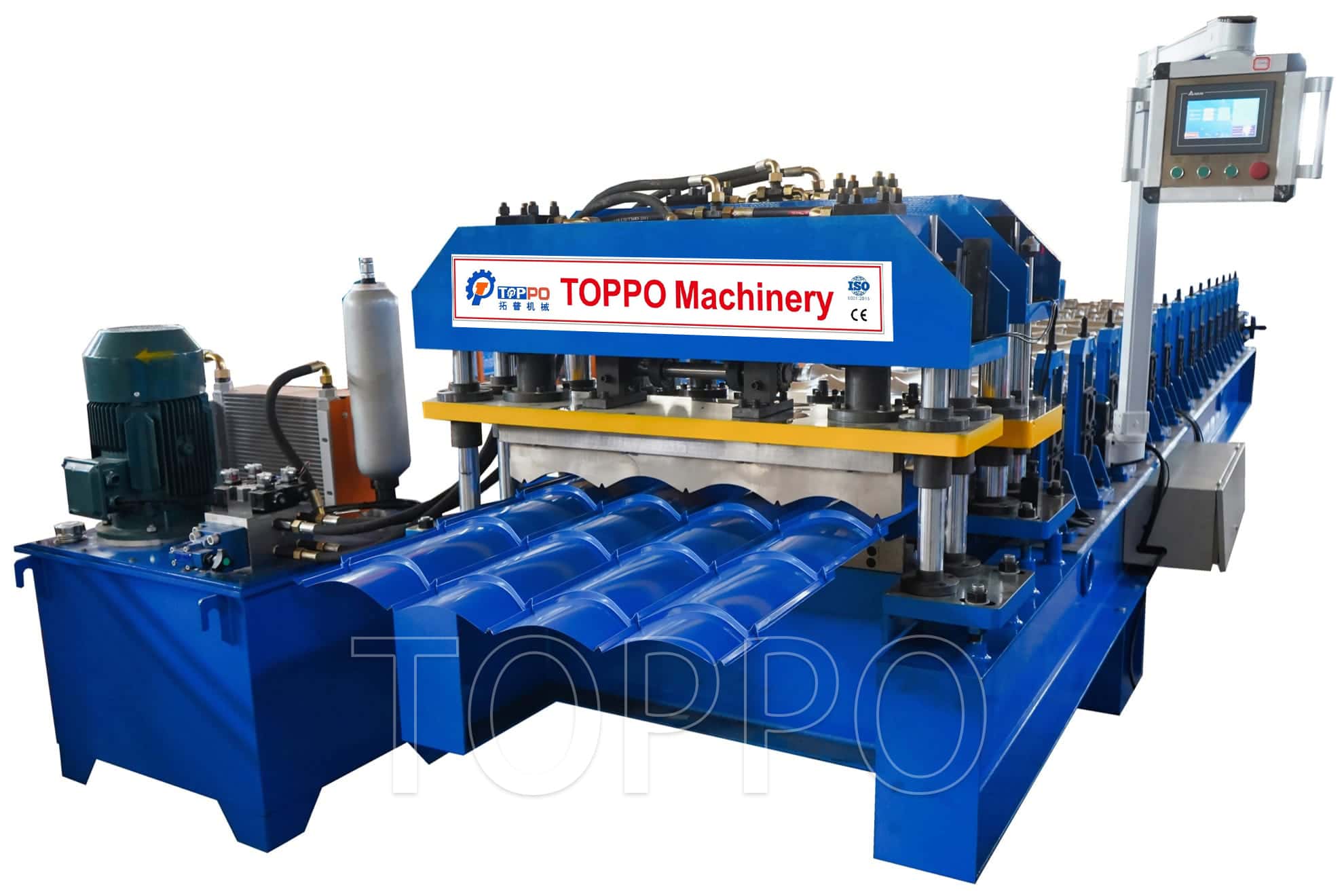
Decorative and tile-effect profiles: appearance becomes part of performance
In some residential and light commercial markets, decorative metal profiles that imitate tile or traditional roofing materials can capture demand because they combine lower weight and faster production with a familiar look. These profiles are strongly influenced by taste, regional architecture, and buyer perception. Unlike basic industrial roofing, decorative products are judged immediately by appearance. Surface marks, pattern inconsistency, and edge defects are highly visible.
A stable Color Coated sheet machine helps support these products by minimizing surface contact damage and preserving repeat pattern quality. Producers should be careful not to focus exclusively on the forming section. Receiving, stacking, interleaving, and packaging are equally important because cosmetic damage introduced after forming can destroy the value of an otherwise well-produced panel.
Implementation steps for profile planning and production
Step 1: Identify the target segment. Separate regional demand into agricultural, industrial, warehouse, residential, and commercial uses before choosing the profile mix.
Step 2: Connect profile type with climate logic. Consider rainfall, wind exposure, slope practice, and local installation habits before deciding which profiles to standardize.
Step 3: Validate the production line. Confirm that the roofing sheet making machine can hold geometry, length accuracy, and acceptable speed for the intended material range.
Step 4: Test with actual coated material. A PrePainted Color Coated Sheet metal cold roofing sheet making machine should be commissioned with real prepainted coils to verify surface protection and stable forming behavior.
Step 5: Standardize inspection and dispatch handling. Width, rib geometry, seam engagement, surface condition, stacking, and package security should all be controlled systematically.
Important precautions for long-term success
Manufacturers should avoid assuming one profile strategy fits the whole continent. South American demand is shaped by regional building habits and climate realities. They should also avoid judging a line only by theoretical speed. The real benefit of a Color Coated sheet machine is sellable output with consistent appearance and low rework. Finally, they should remember that premium profile production requires full-process control. If coated sheets are mishandled after forming, machine performance alone cannot protect final quality.
The best-performing manufacturers win by connecting market knowledge with disciplined production. They understand which profiles belong to which projects, and they build output around machines, inspection routines, and handling methods that support those profiles properly. That is how roofing profile strategy becomes an operational advantage instead of a sales slogan.
READ MORE:
Roofing Profiles Used in South America and What Manufacturers Need to Get Right
Understanding Roofing Profile Selection in South America from Production to Application
How to Evaluate Roofing Profiles for South American Markets and Produce Them Correctly
A Practical Guide to Roofing Profiles Commonly Used Across South America