- Trapezoidal Machine
- Corrugated Machine
- Glazed Tile Machine
- Double Layer Machine
- CZU Purlin Machine
- Ridge Cap Machine
- Floor Decking Machine
- Rolling Door Machine
- Fence Machine
- Embossing Machine
- Standing Seam Machine
- Cut To Length And Slitting Line
- Guard Rail Machine
- Decoiler And Stacker
- Stud And Track Machine
- Gutter And DownPipe
- Curving Machine
- Cladding Panel Machine
- Corollary Equipment


Roofing Profiles Used in South America and What Manufacturers Need to Get Right
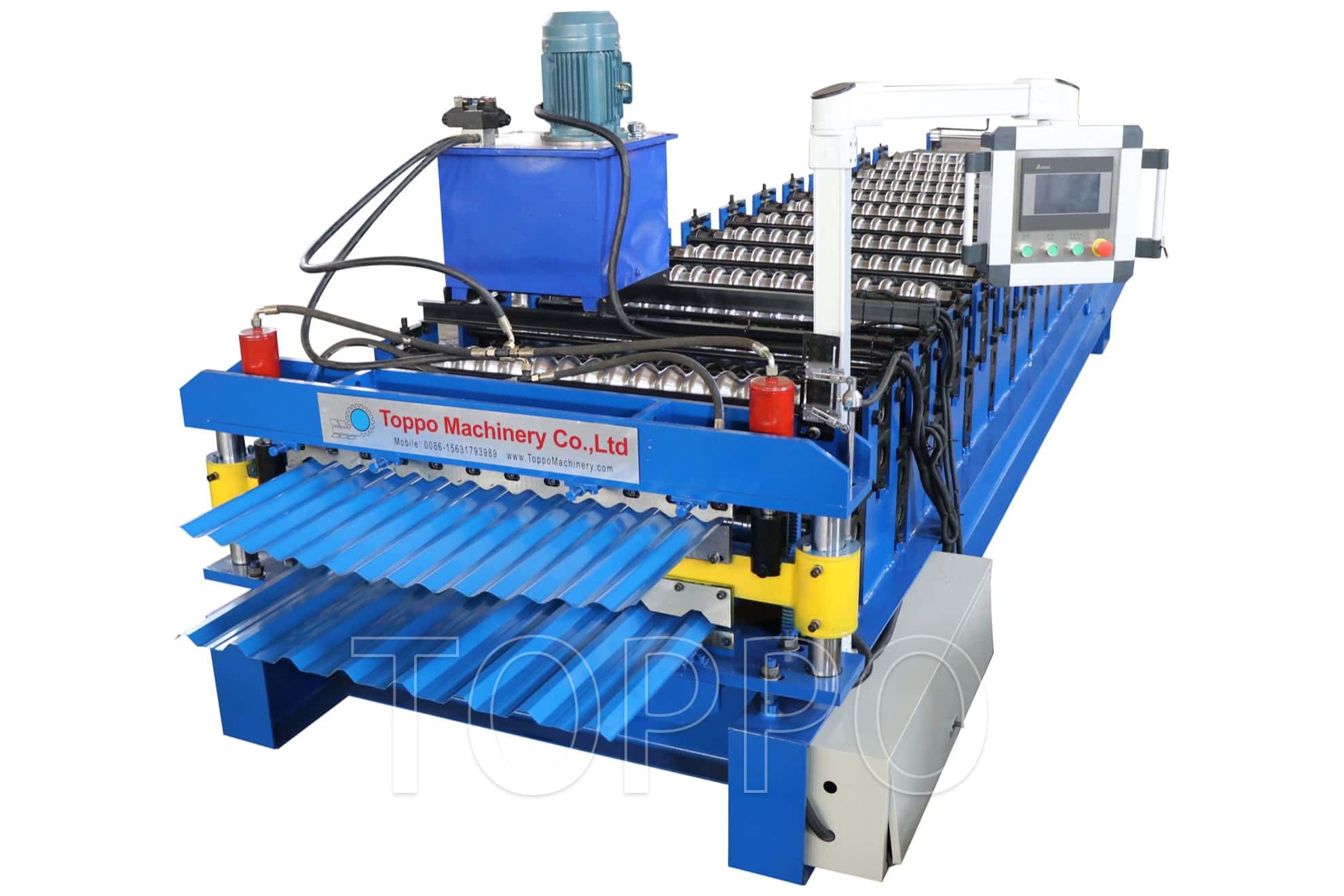
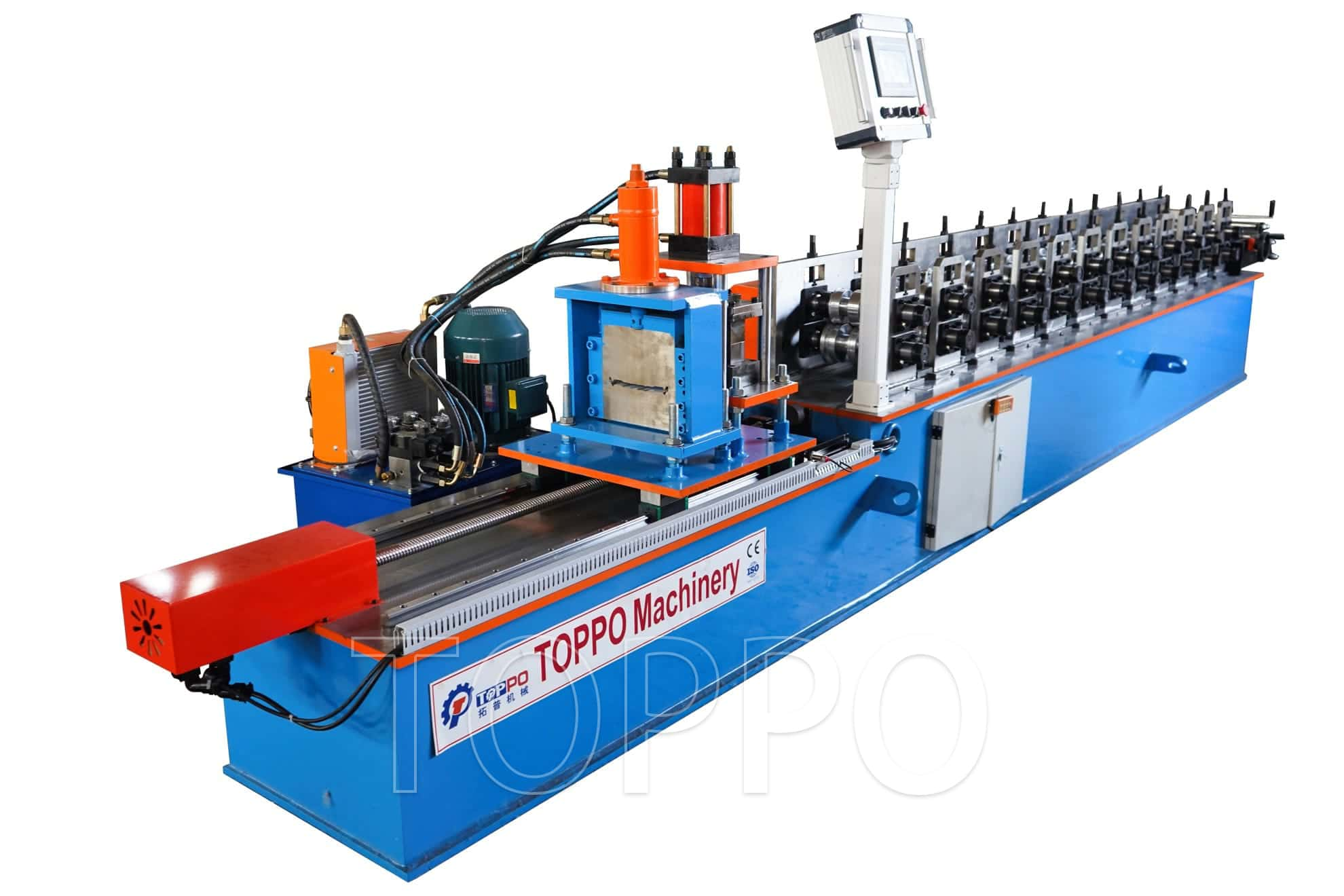
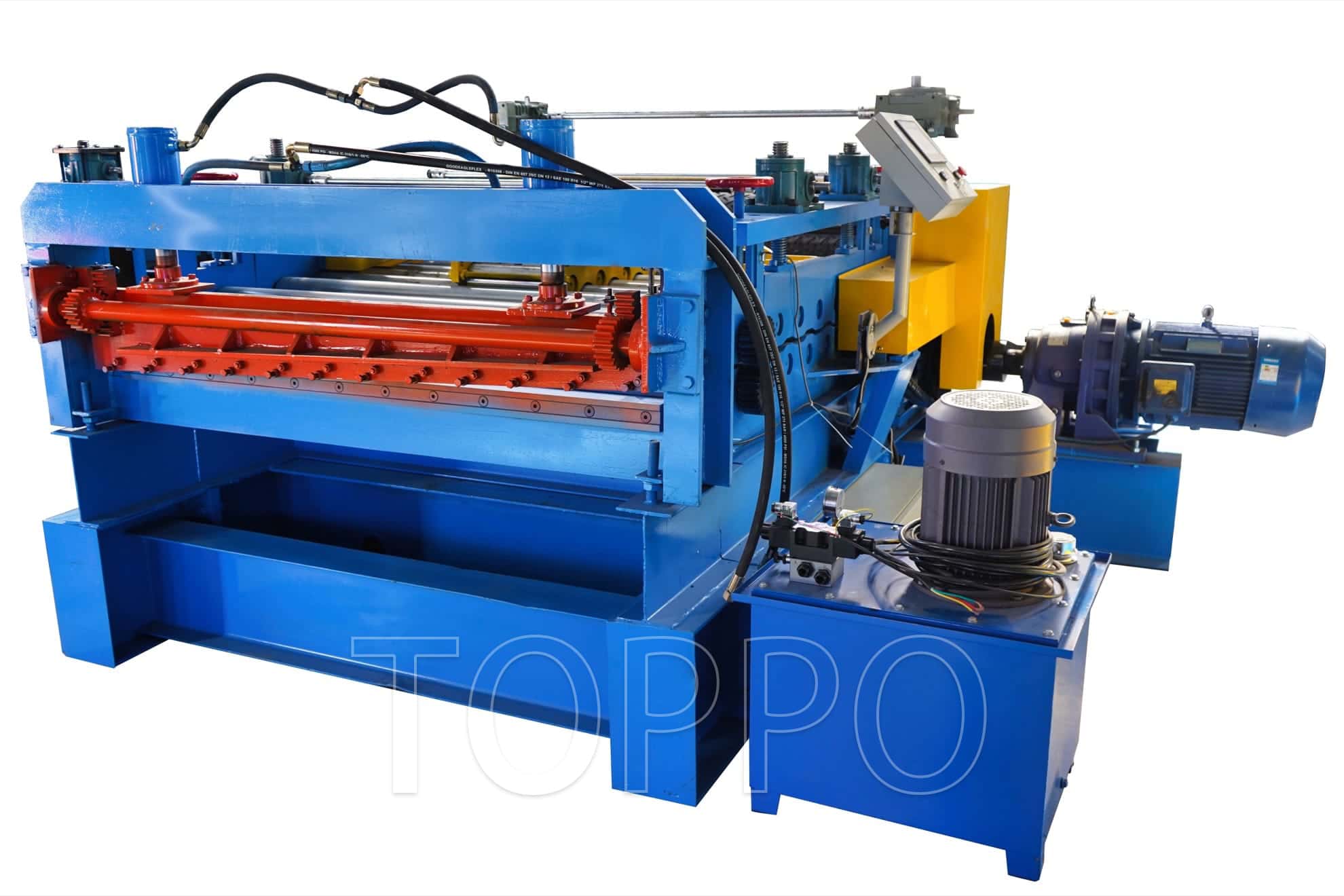
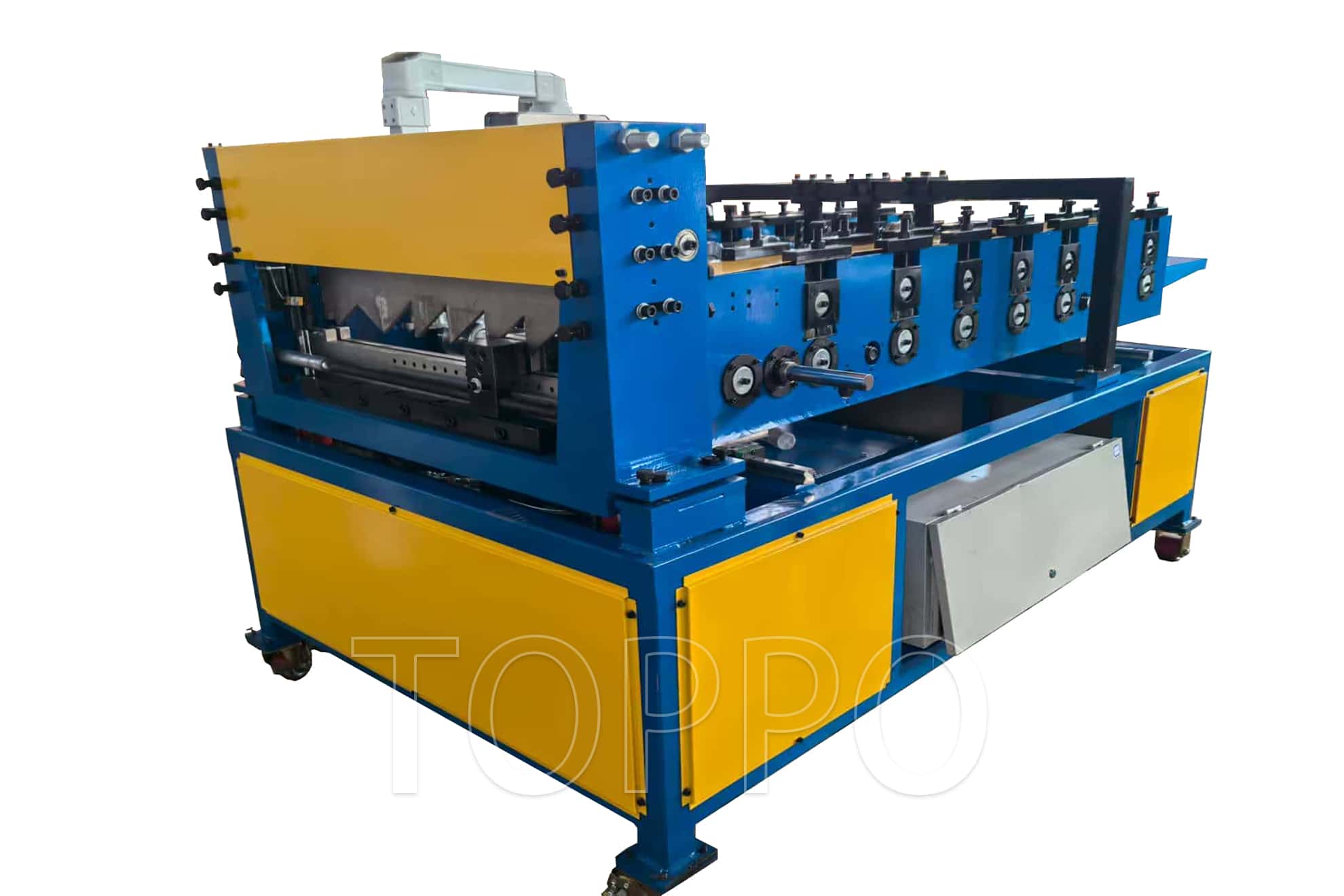
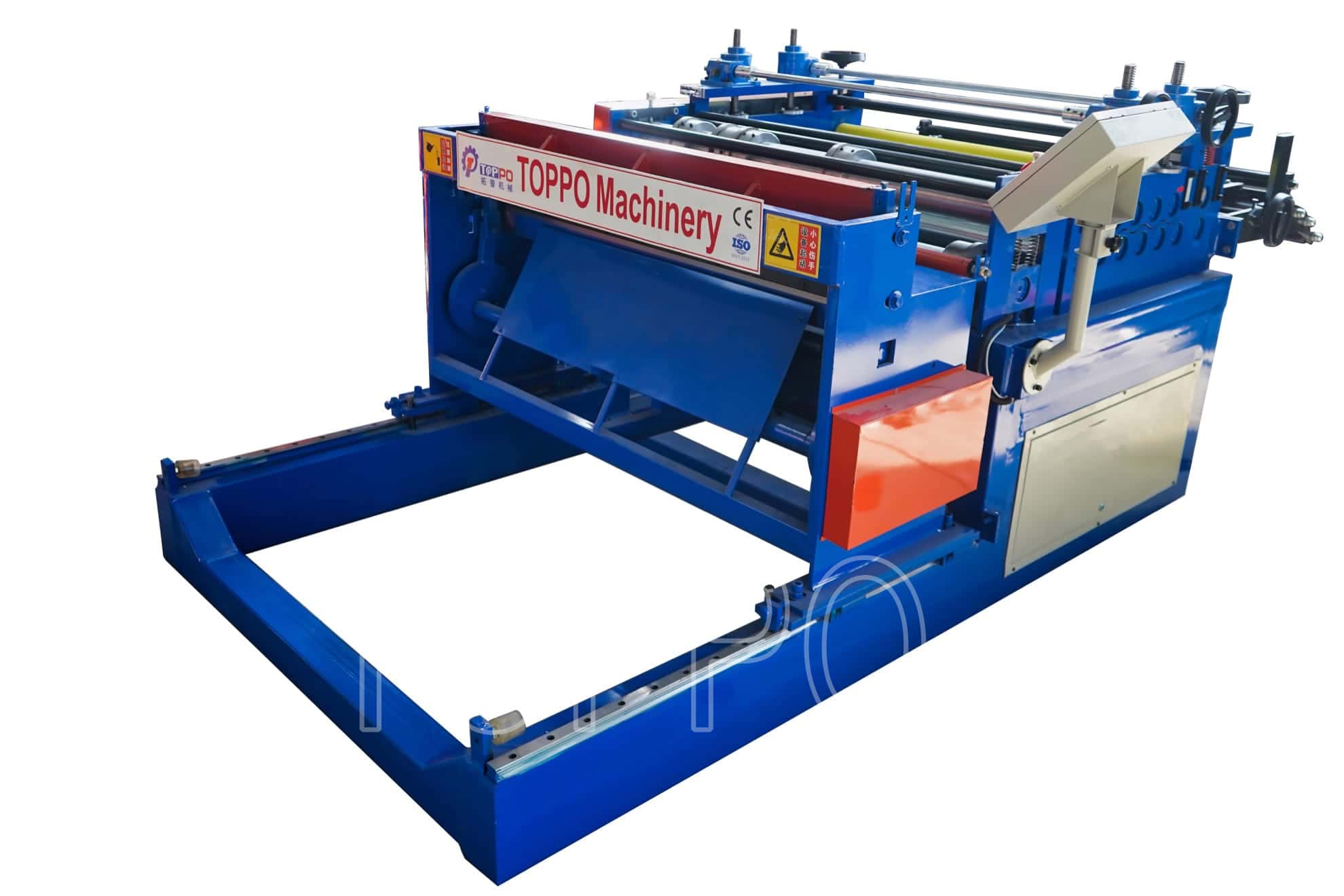
Roofing profile selection in South America is shaped by a combination of practical and regional factors. Climate conditions vary sharply across the continent, building standards are not identical, installer habits differ by market, and buyers often balance appearance, price, and durability in different ways. Because of this, manufacturers that want strong results in South American markets must do more than list available profile types. They need to understand which profiles are suitable for which applications, and they need production systems capable of manufacturing those profiles consistently. In daily operations, that means the choice of profile must be linked to the capability of the roofing sheet making machine used to form, cut, and handle the panel.
That connection becomes even more important when coated steel is involved. As soon as roofing demand includes painted, decorative, or premium corrosion-resistant material, profile quality must be judged by both form and finish. A reliable Color Coated sheet machine helps preserve surface appearance while maintaining dimensional stability through repeated runs. When prepainted coil becomes part of the product strategy, a PrePainted Color Coated Sheet metal cold roofing sheet making machine offers a stronger process foundation because the line must protect the finished surface while keeping geometry within tolerance. In many competitive markets, this ability to combine clean appearance with repeatable profile accuracy is what separates serious producers from low-control output.
Corrugated roofing profiles: simple in appearance, demanding in consistency
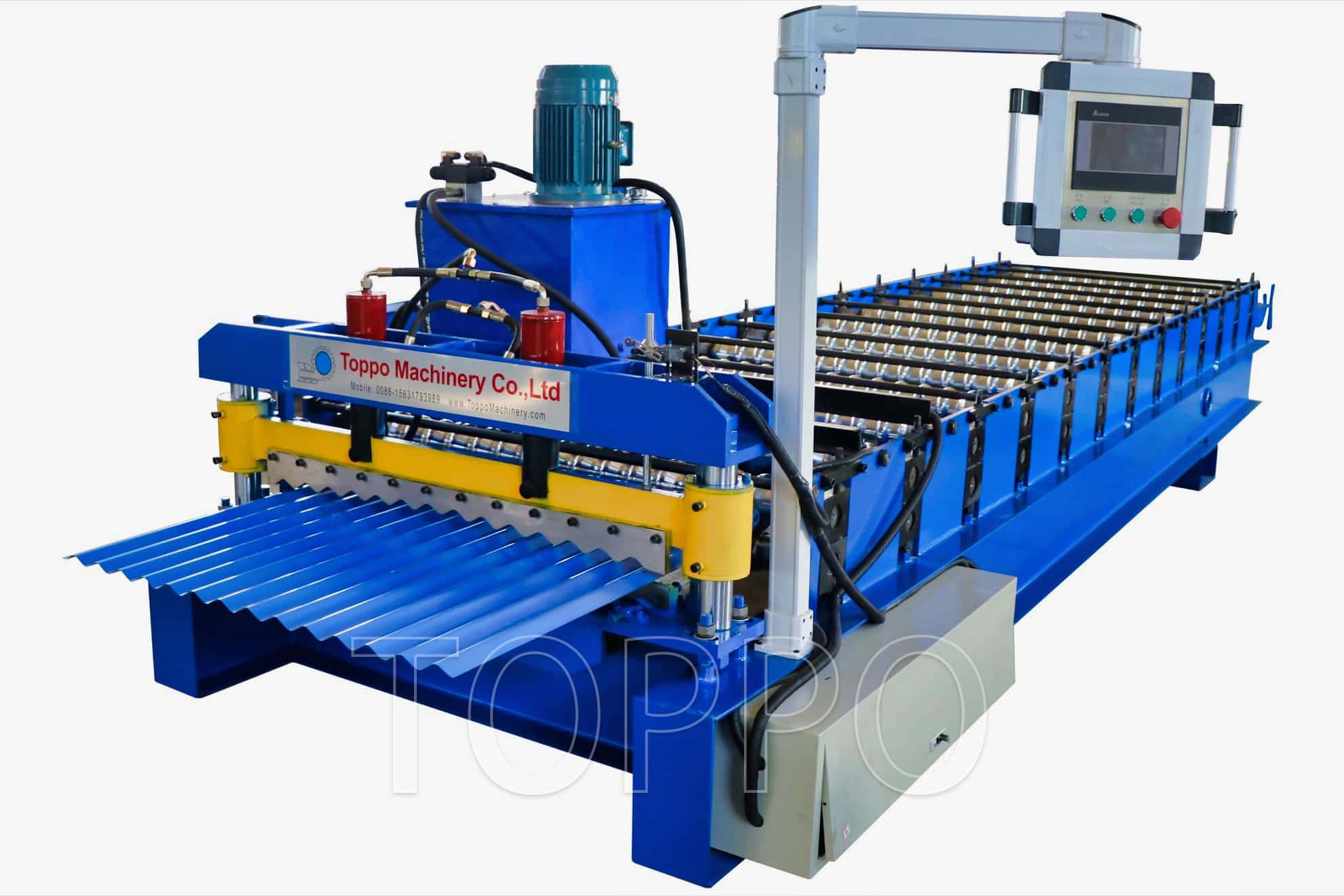
Corrugated sheets remain widely used in South America because they suit a broad range of applications. Agricultural buildings, workshops, storage areas, service structures, and economical roofing projects often rely on corrugated profiles due to their practicality, drainage ability, and market familiarity. Their apparent simplicity, however, can create a false sense of low technical demand. If pitch, overlap shape, or cut accuracy varies from sheet to sheet, installers lose time and customers lose confidence.
A well-set roofing sheet making machine should maintain stable wave form and effective width throughout the full run, not just on startup samples. A common caution is that some factories focus on speed while neglecting inspection after the first accepted pieces. Real production quality must be confirmed over long runs, especially when coil properties vary from batch to batch.
Trapezoidal profiles: preferred where load capacity and clean lines matter
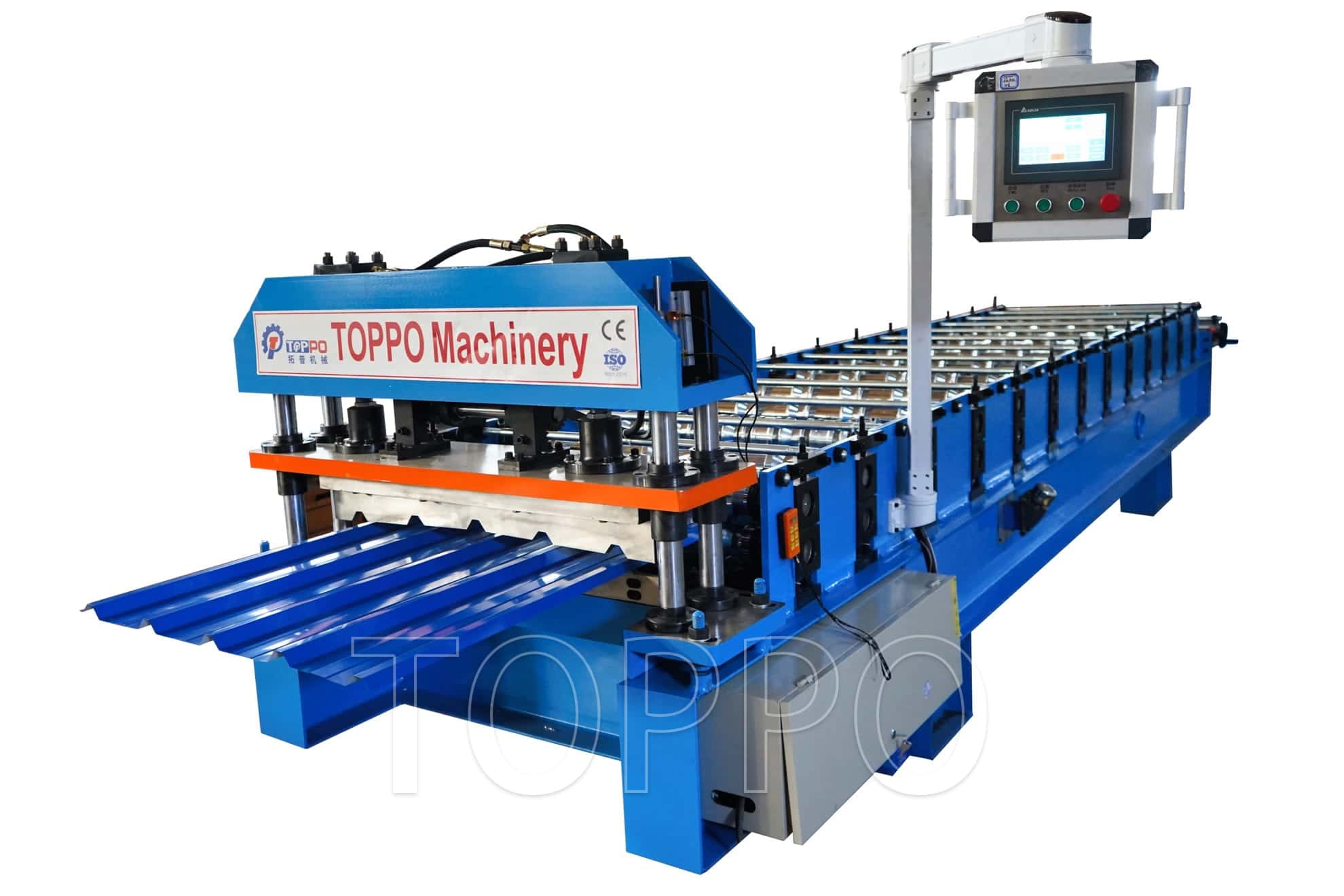
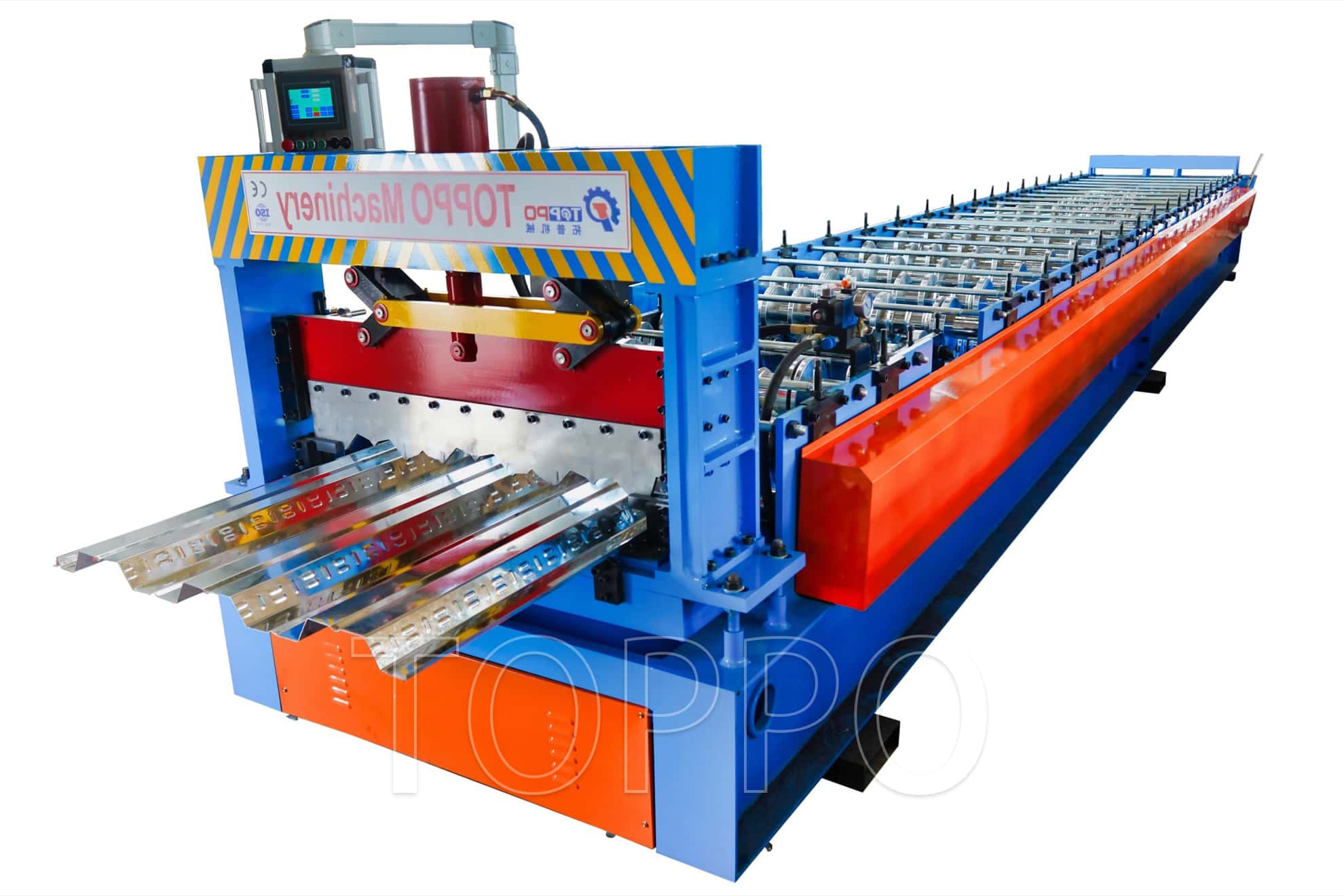
Trapezoidal roofing profiles are frequently selected for industrial buildings, logistics facilities, warehouses, and larger commercial structures because they provide stronger structural behavior and a more engineered appearance. Their sharper ribs help support span requirements and water management, but they also demand tighter manufacturing control. Small differences in rib angle, height, or effective cover width can complicate overlap, weaken visual alignment, or reduce installation efficiency on site.
For painted products, a dependable Color Coated sheet machine must form these shapes without introducing friction marks or pressure damage. Manufacturers should verify not only profile dimensions but also assembly logic through overlap trials. One important caution is that profile quality should be judged after repeat runs at commercial speed, not only after a slow demonstration batch in favorable conditions.
Standing seam and concealed-fix systems: higher value, higher precision
Standing seam and concealed-fix profiles are increasingly attractive where premium finish, weather resistance, and architectural value are important. They reduce exposed fasteners and can improve water sealing performance, but they require far more precise manufacturing than simpler exposed-fastener sheets. The seam area must be formed accurately, panel straightness must be maintained, and installation engagement must be smooth and predictable. That means factories entering this segment need to verify whether their current roofing sheet making machine is genuinely suitable for such products.
A capable PrePainted Color Coated Sheet metal cold roofing sheet making machine helps producers serve this segment because it can support accurate seam geometry while preserving prepainted surfaces. Even so, approval should never stop at dimensional measurement. A key caution is to complete mock-up installation trials. If installers cannot lock or align the panels easily, the profile is not truly production-ready regardless of what the factory gauges suggest.
Decorative and tile-effect profiles: strong visual demand, low tolerance for defects
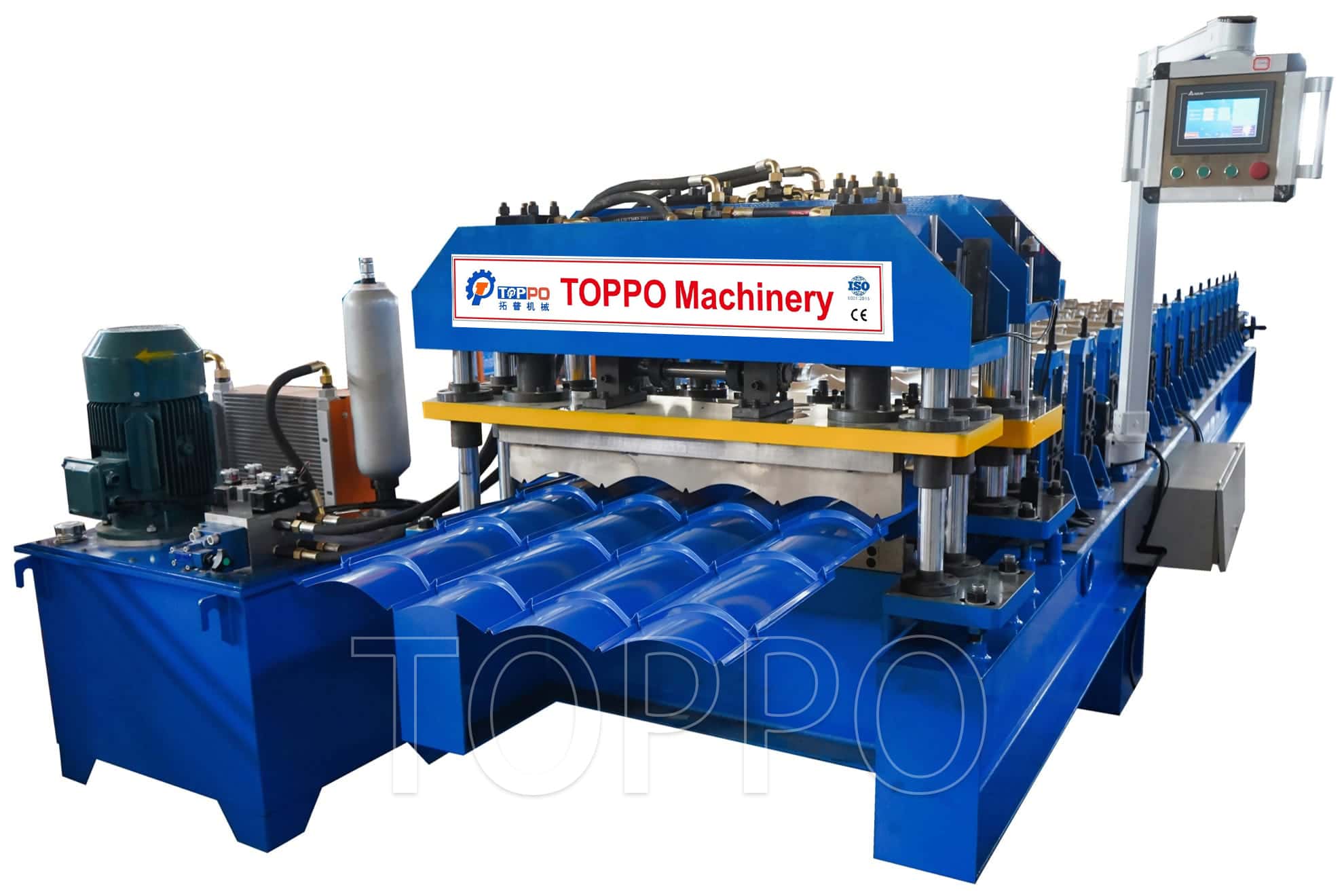
In residential and appearance-sensitive segments, decorative metal roofing profiles that resemble tile or traditional roofing forms can have strong market appeal. These products offer lighter logistics, scalable manufacturing, and visual familiarity, making them attractive in selected channels. Yet they also create higher expectations around visible quality. Surface scratches, pattern inconsistency, edge defects, and handling marks are easier for buyers to notice and less likely to be accepted.
A properly maintained Color Coated sheet machine supports this category by helping preserve gloss, coating cleanliness, and repeat pattern quality. However, downstream handling matters just as much as forming. If receiving, stacking, and packaging are not controlled carefully, cosmetic damage can erase the value created by precise roll forming. That is why decorative roofing production requires full-process discipline rather than machine-only attention.
Implementation steps for producing the right roofing profiles
Step 1: Segment the market carefully. Divide demand by application such as residential, agricultural, warehouse, industrial, and commercial construction before selecting profile families.
Step 2: Match profile choice to field conditions. Consider rainfall intensity, slope, support spacing, installation practice, and expected lifespan for each target segment.
Step 3: Validate the production line. Confirm that the roofing sheet making machine can hold shape, length, and width stability at realistic operating speed with the intended material range.
Step 4: Trial coated production with real material. A PrePainted Color Coated Sheet metal cold roofing sheet making machine should be tested using real prepainted coils so the plant can verify surface protection and commercial stability.
Step 5: Standardize inspection and handling. Check geometry, overlap fit, surface finish, stack condition, and packaging quality on every shift, not only during launch.
Precautions that should guide manufacturers and buyers
The first precaution is to avoid treating the whole continent as one roofing-profile market. Regional demand patterns matter. The second is to avoid judging a line by top speed alone. The practical value of a Color Coated sheet machine lies in stable sellable output, not isolated speed claims. The third is to remember that coated profiles require end-to-end control. Surface damage introduced after forming still becomes the manufacturer’s problem in the customer’s eyes.
Manufacturers that approach South American roofing profiles with this level of discipline are far more likely to build durable market positions. They align profile selection with application logic, confirm that machines can produce those profiles correctly, and create operating systems that protect both geometry and appearance. That is how profile expertise becomes commercial strength instead of simple product variety.
READ MORE:
How Manufacturers Can Match Roofing Profiles to Real Demand in South America
Understanding Roofing Profile Selection in South America from Production to Application
How to Evaluate Roofing Profiles for South American Markets and Produce Them Correctly
A Practical Guide to Roofing Profiles Commonly Used Across South America