How Perfect Sheet Width Secures Roofing Contracts: Insights and Strategies
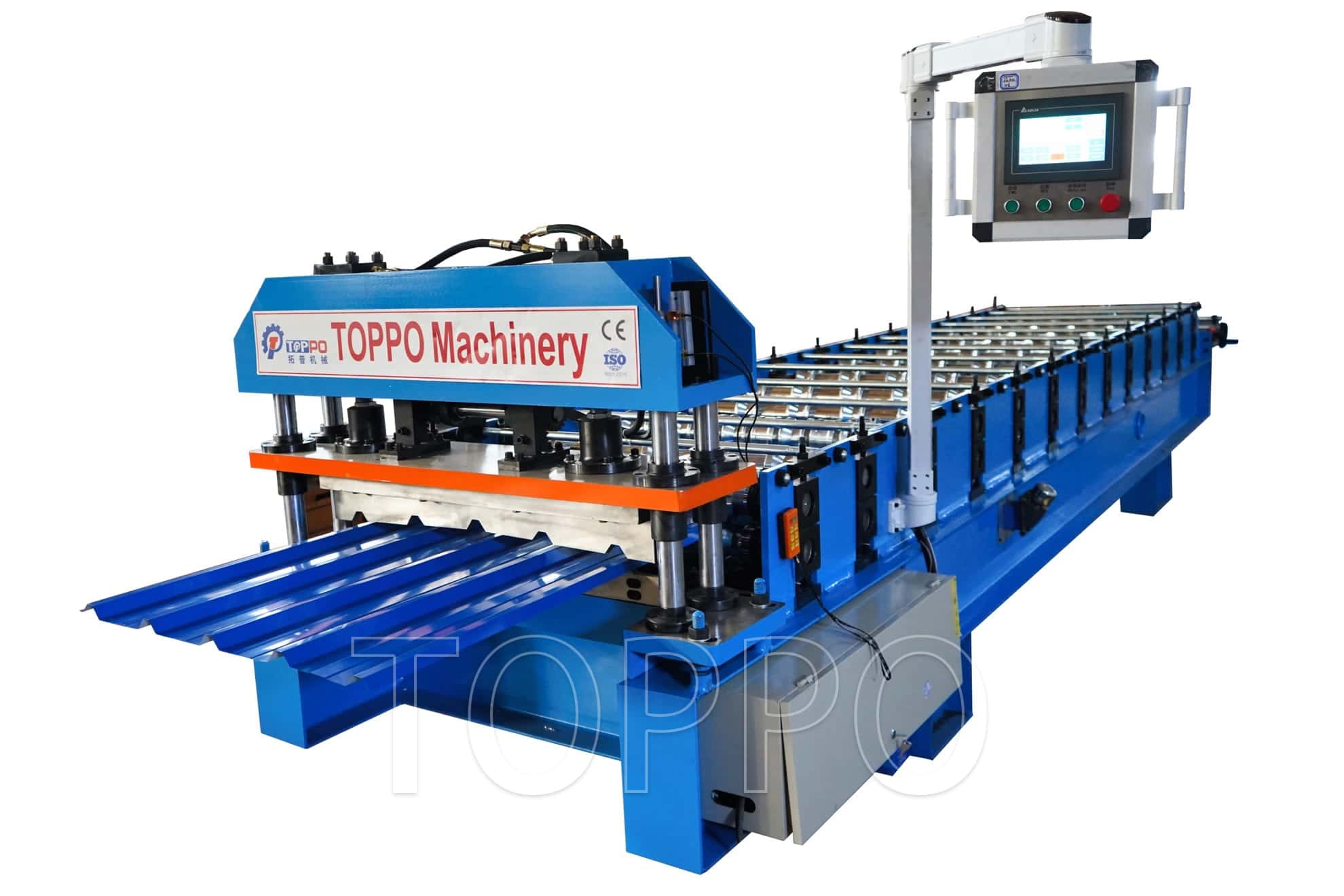
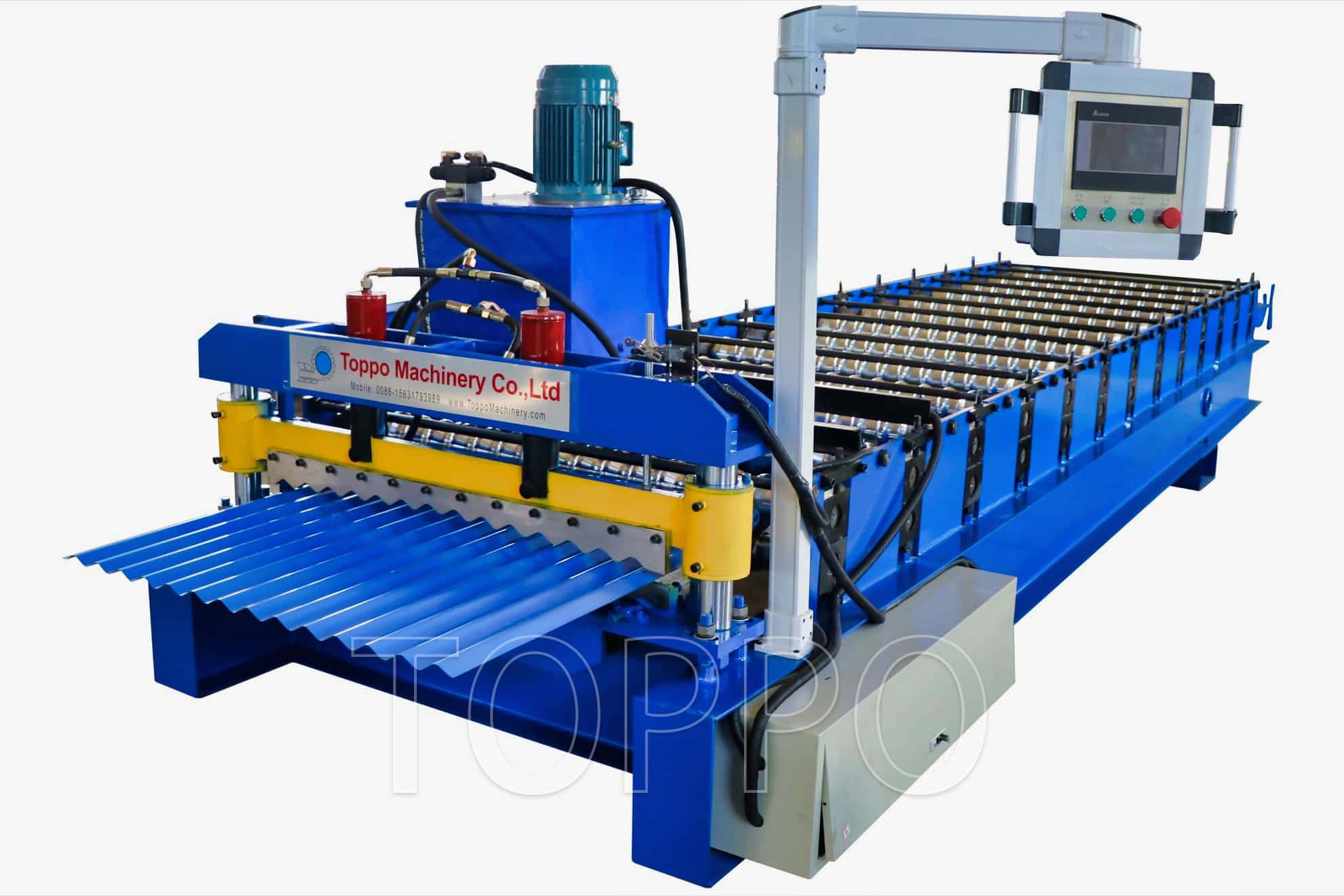
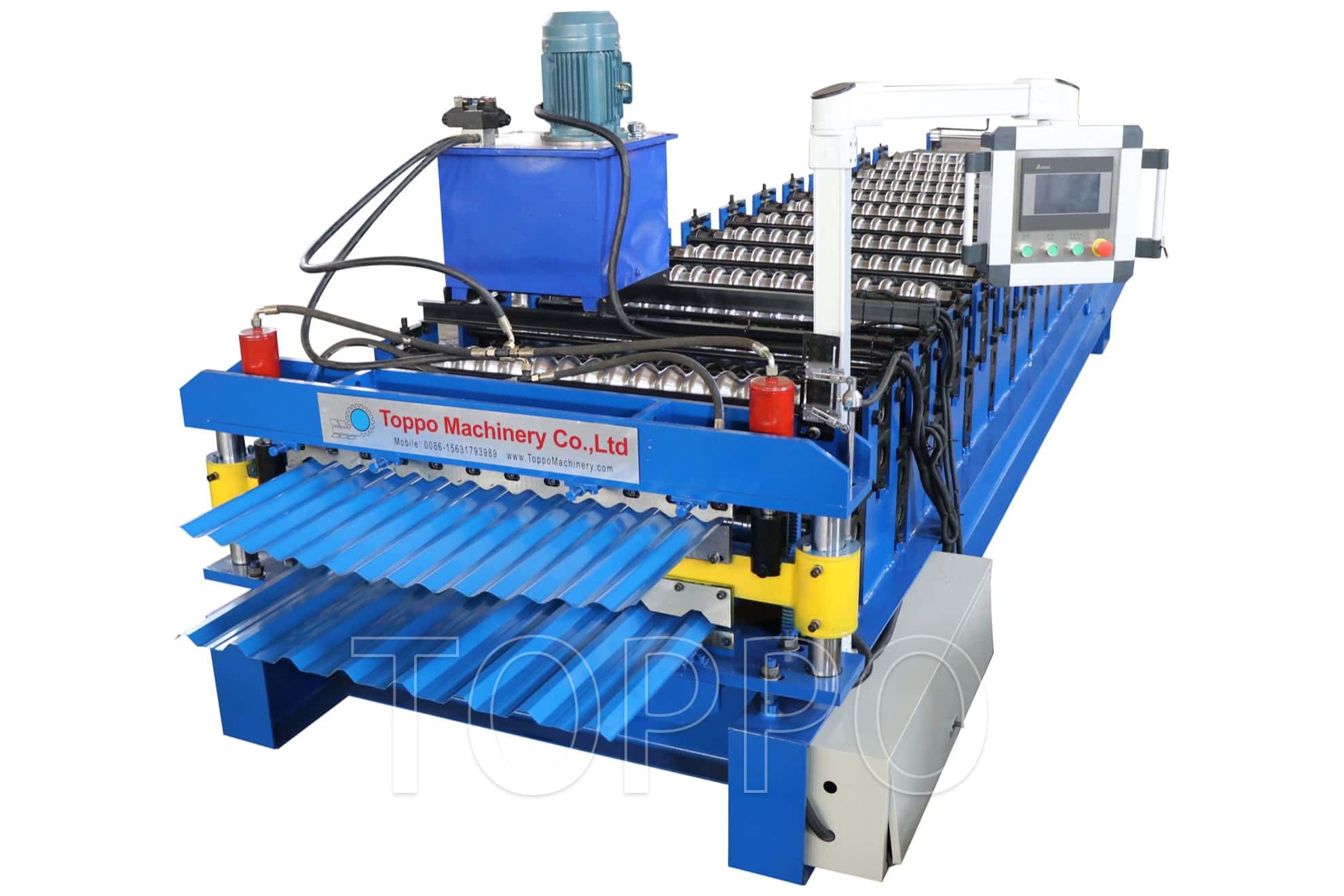
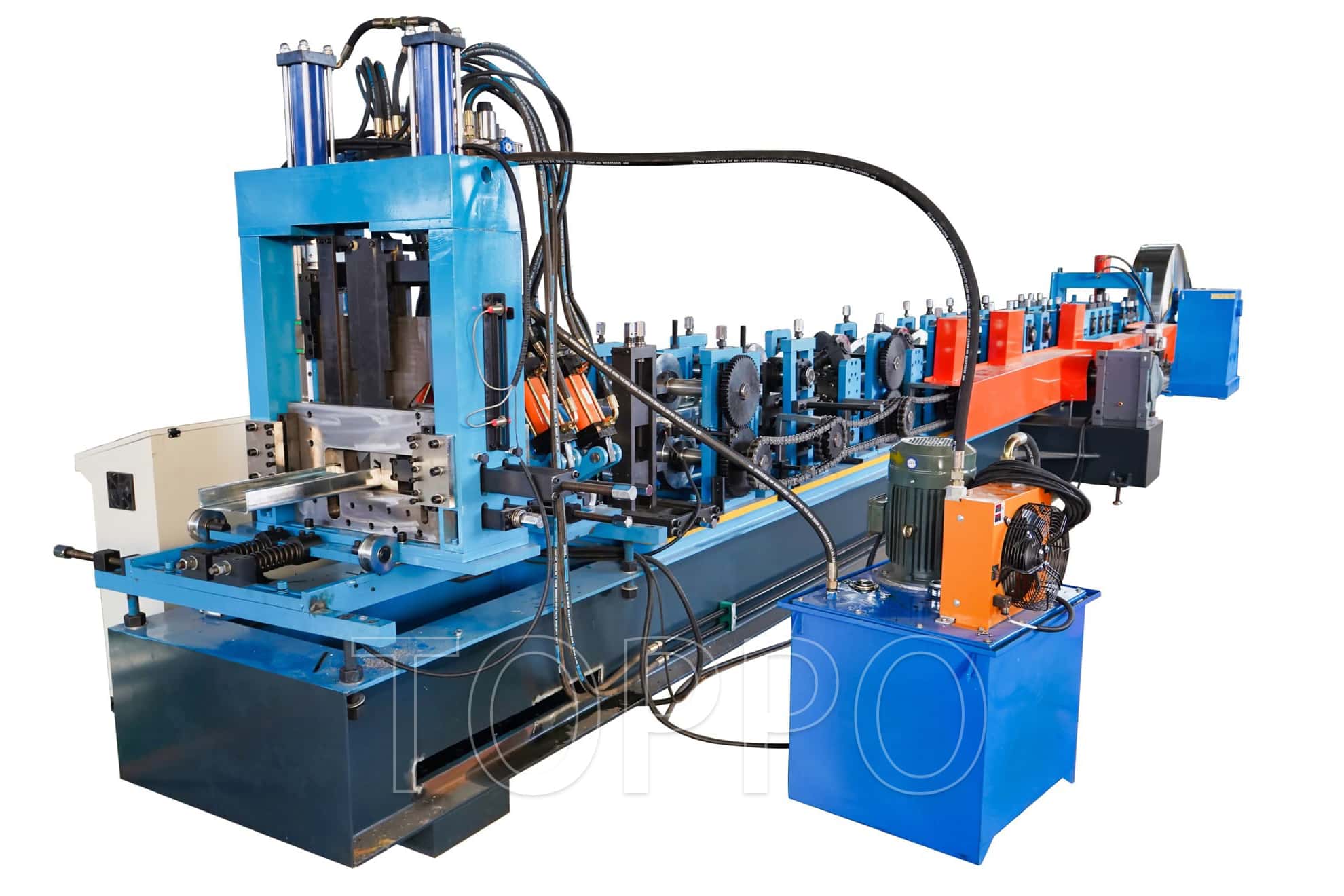
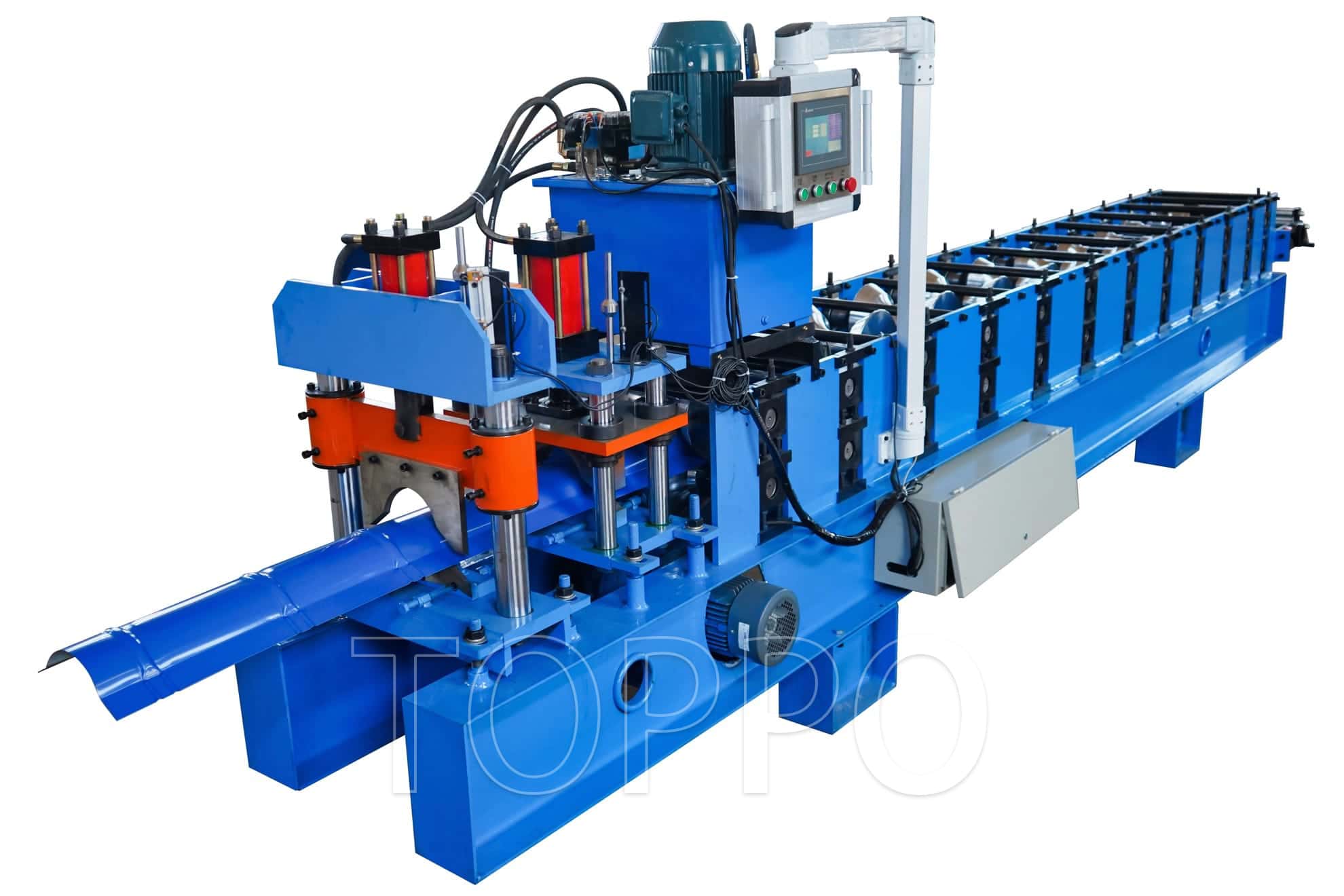
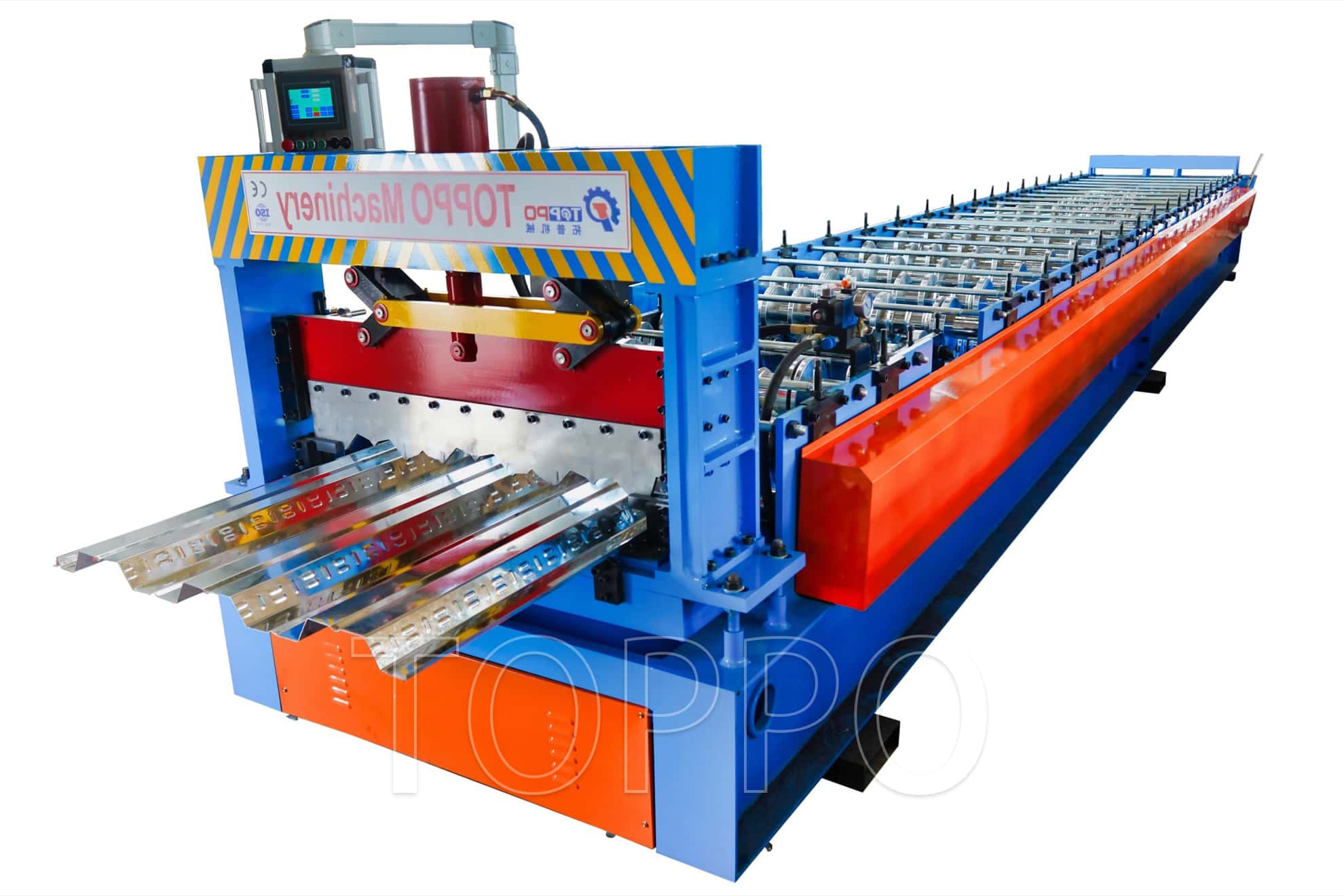
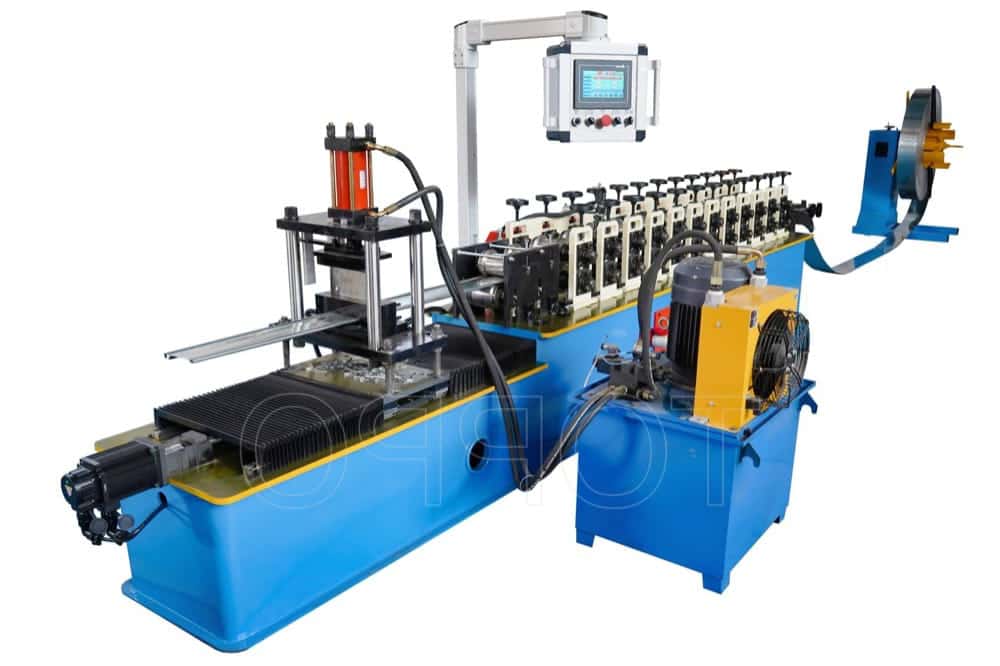
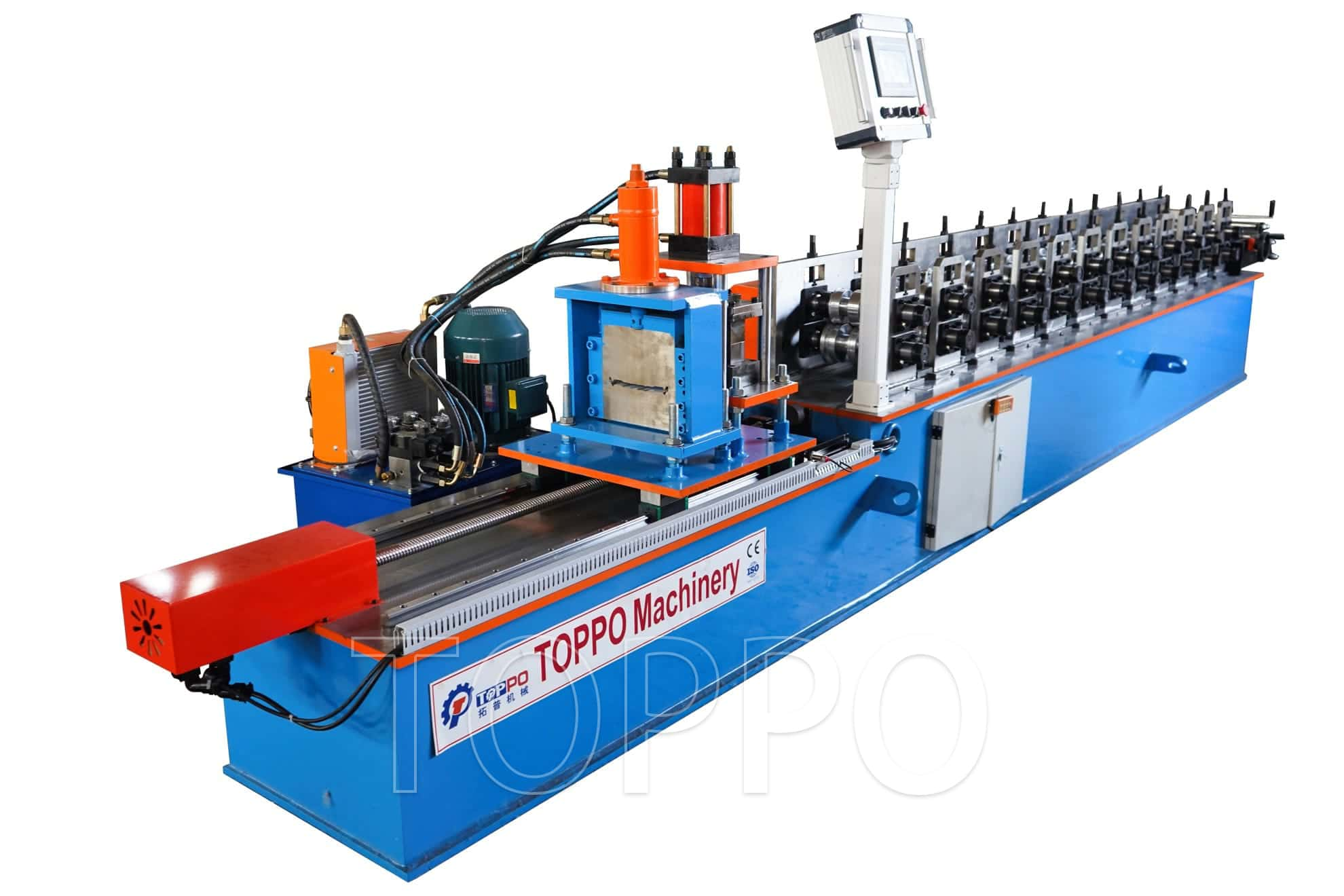
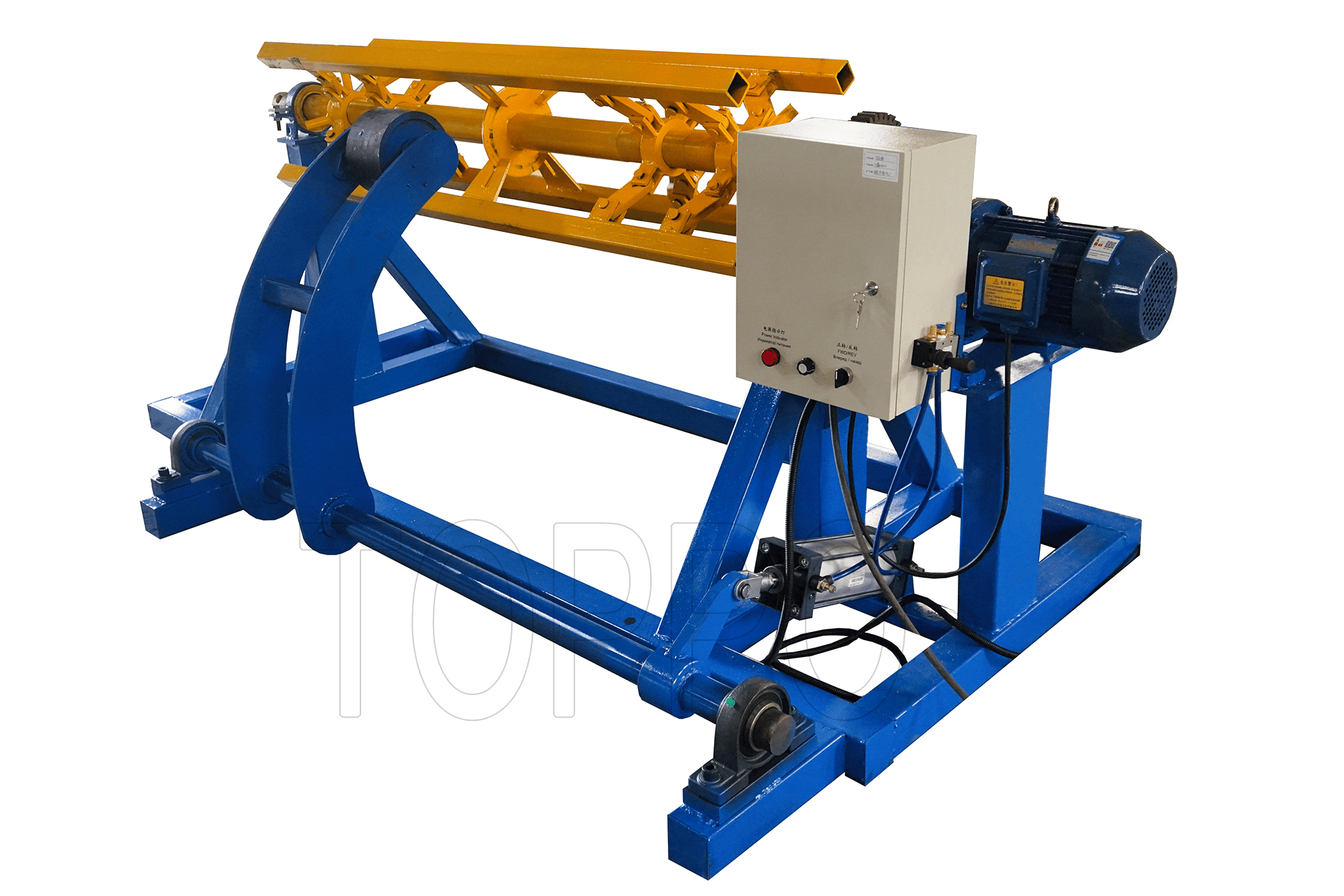
Contractors and clients alike judge roofing suppliers on the accuracy and reliability of delivered materials. In particular, consistent sheet width from machines like the Heavy-Duty 850 Roof And Wall panel sheet corrugated roof roll forming machine is often the deciding factor between a job won and a job lost.
1. Why Perfect Width Is Essential for Contracts
Sheet width errors cause installation headaches—panels won’t fit, seams leak, and on-site adjustments waste time and money. The roof panel making machine must deliver precisely to specification, every batch. Contract documents increasingly mandate strict tolerances, making advanced quality control a must.
2. Strategies for Sheet Width Perfection
Routine Machine Calibration: Calibrate all stations of the corrugated roll forming machine before every major run. Document all settings and maintain logs for traceability.
High-Quality Raw Material: Source coils with minimal width variance and inspect every batch before loading onto the roof panel making machine.
Automated Inline Measurement: Install sensors to provide real-time width feedback and alarms for out-of-spec production on the Heavy-Duty 850.
Operator Training: Train operators to react to sensor alerts and perform corrective actions quickly on the corrugated roll forming machine.
Final Product Sampling: QC should pull random samples for width verification using precision gauges, especially after any machine adjustment.
3. Mistakes That Risk Contract Loss
Skipping or rushing machine setup—causes out-of-spec batches.
Relying on uninspected or inconsistent coil supply.
Ignoring inline sensor alarms—small issues quickly become major defects.
4. Field Story: Winning with Consistency
A supplier in Chile credits their Heavy-Duty 850 and robust calibration protocol for a 98% contract win rate. They never miss width specs, and customers know they can trust every shipment. A rival using an old roof panel making machine missed a key government project after failed on-site measurements revealed 4mm variation, resulting in disqualification.
5. Best Practices for Sheet Width Excellence
Audit all production lines for calibration adherence monthly.
Maintain clear QC protocols and escalation plans for any deviation.
Keep spare sensors and calibration tools in stock for quick replacement.
Document every quality issue and corrective action for continuous improvement.
Conclusion
Perfect sheet width is not optional for today’s roofing suppliers—it’s the foundation of contract success. With leading machines like the Heavy-Duty 850, careful calibration, and real-time control, producers can win more projects and build a reputation for excellence.
Tags: Heavy-Duty 850 Roof And Wall panel sheet corrugated roof roll forming machine, roof panel making machine, corrugated roll forming machine, sheet width, contract success, calibration, quality control, inline sensor, operator training, production log, project win, specification, field story, contract loss, coil inspection, government project, precision gauge, corrective action, escalation, best practice, QC protocol, customer trust, shipment, on-site measurement, batch run, machine setup, width error, manufacturing excellence, roofing supplier, project delivery, sensor alarm, real-time control, calibration tool, documentation, continuous improvement, panel fit, seam leak, installation, supplier reputation, shipment audit, batch sample, job win, specification adherence.
READ MORE: