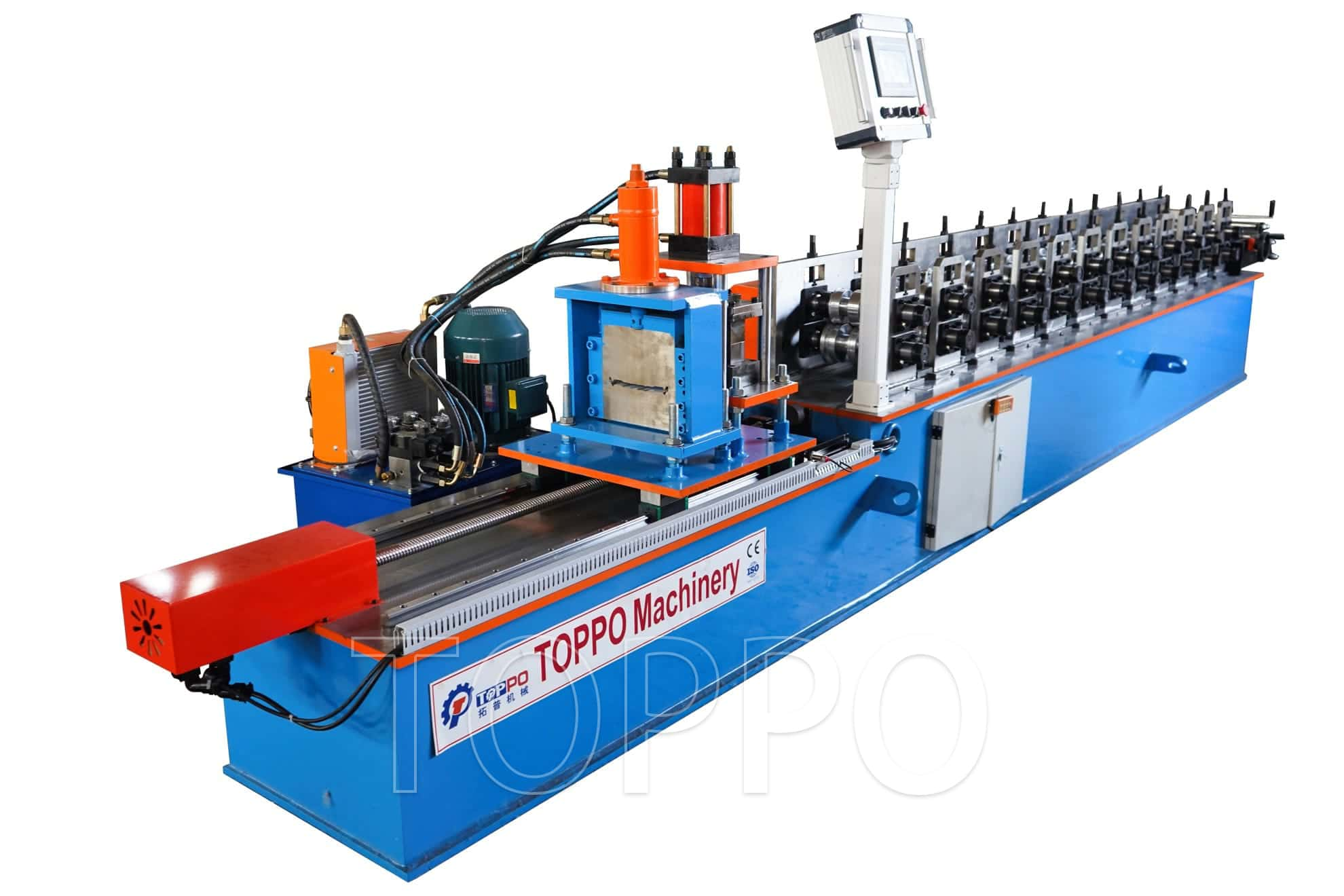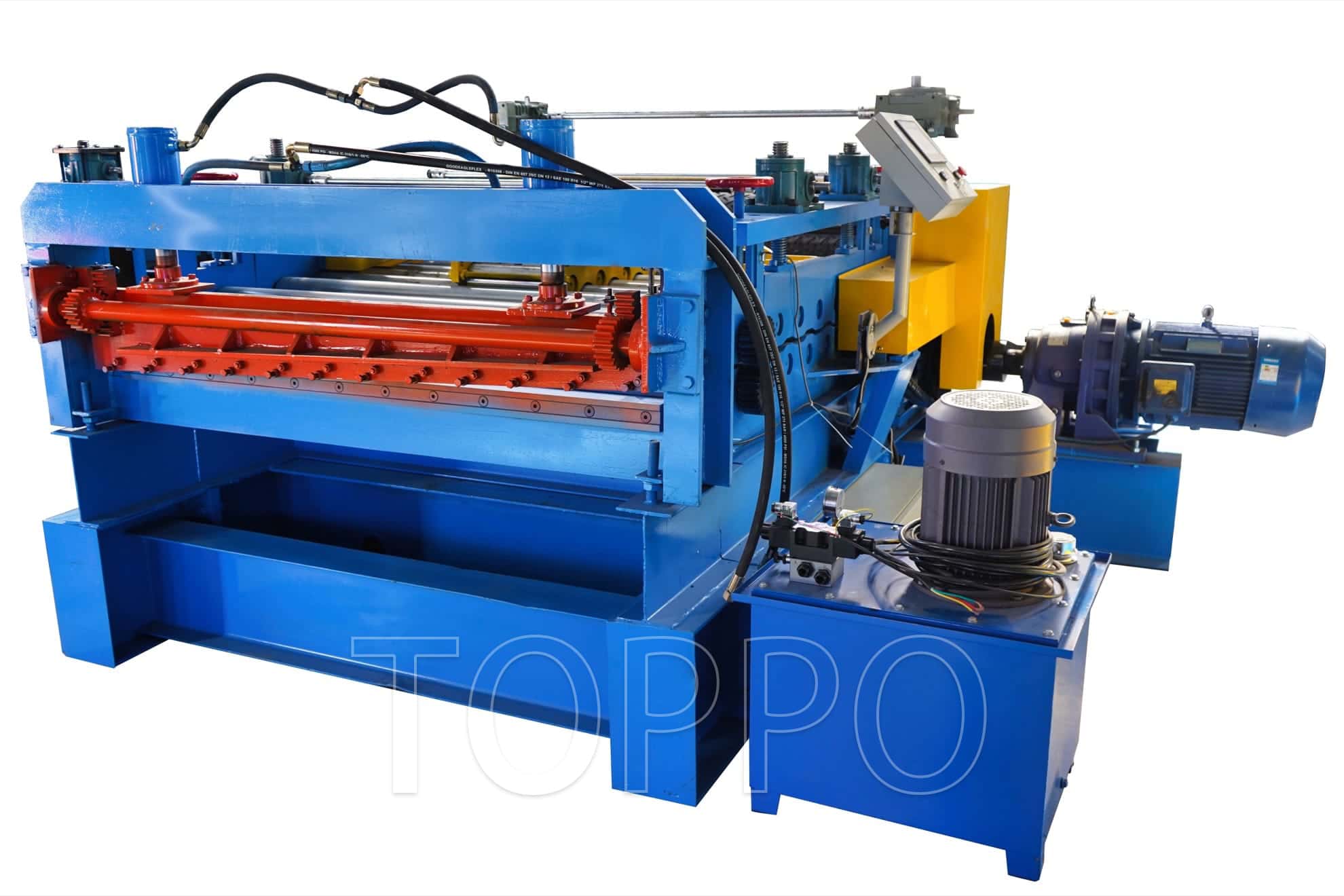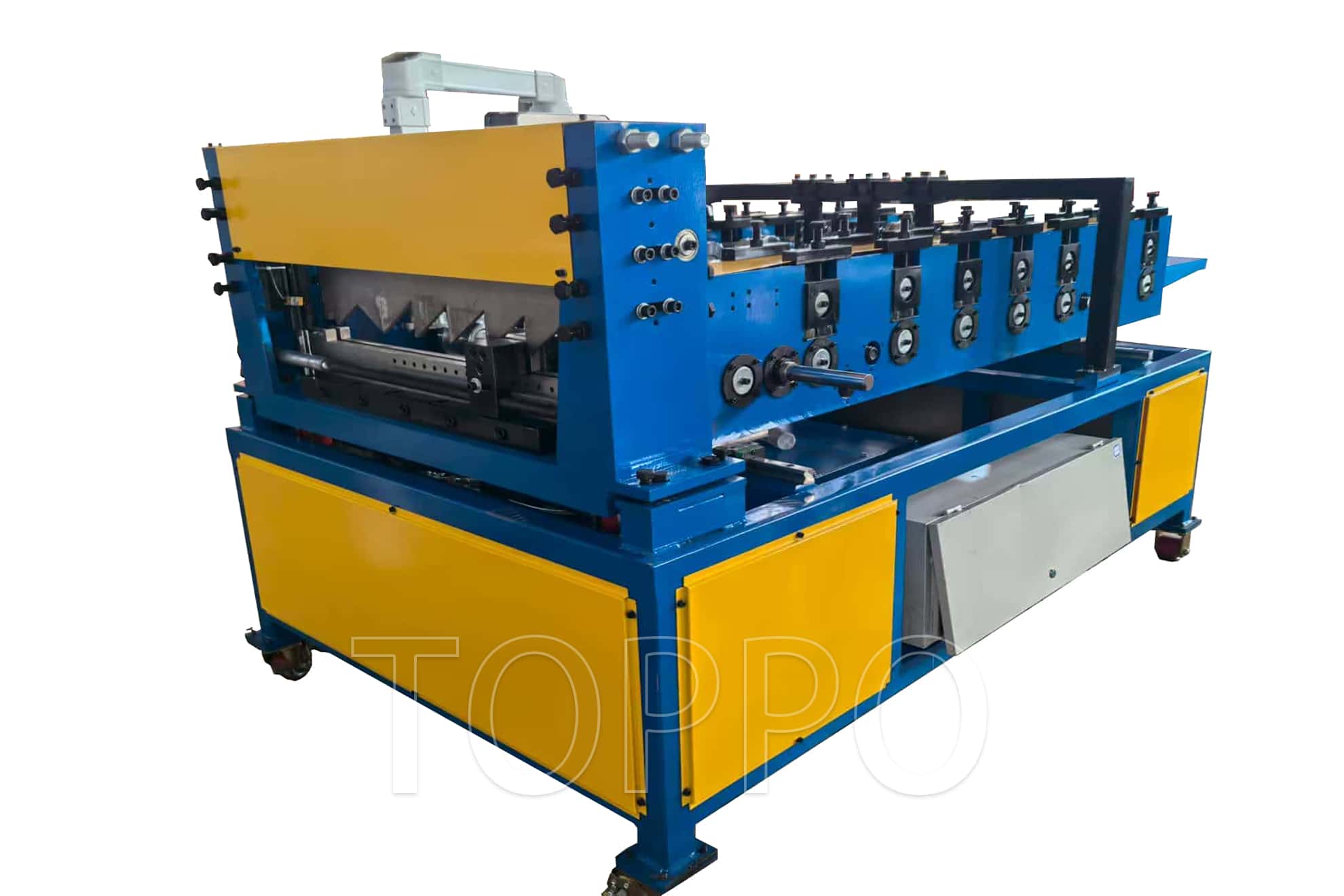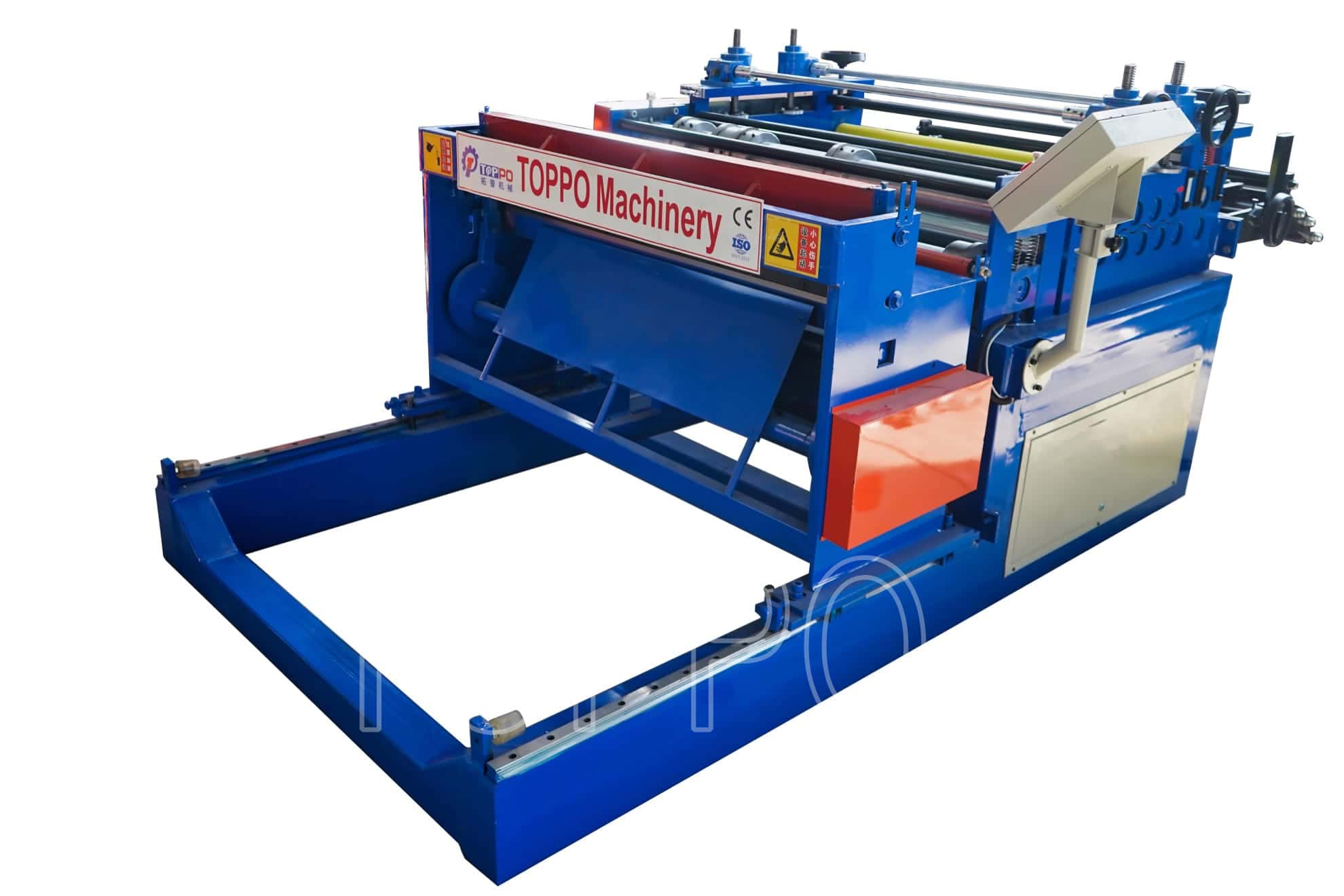
Commissioning-Focused Execution Guide with Real Factory Cases for Double Layer Roofing Sheet Roll Forming Machines
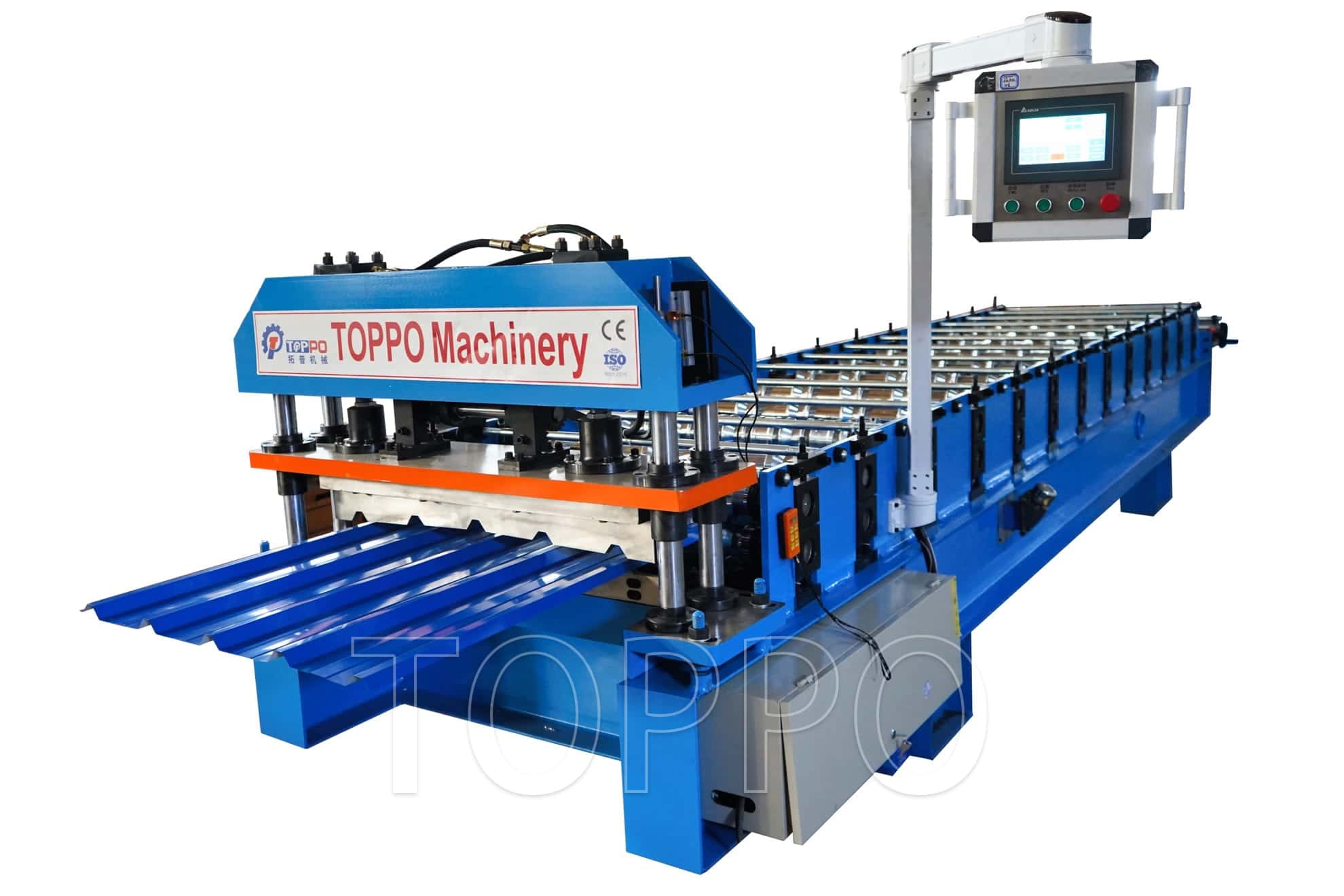
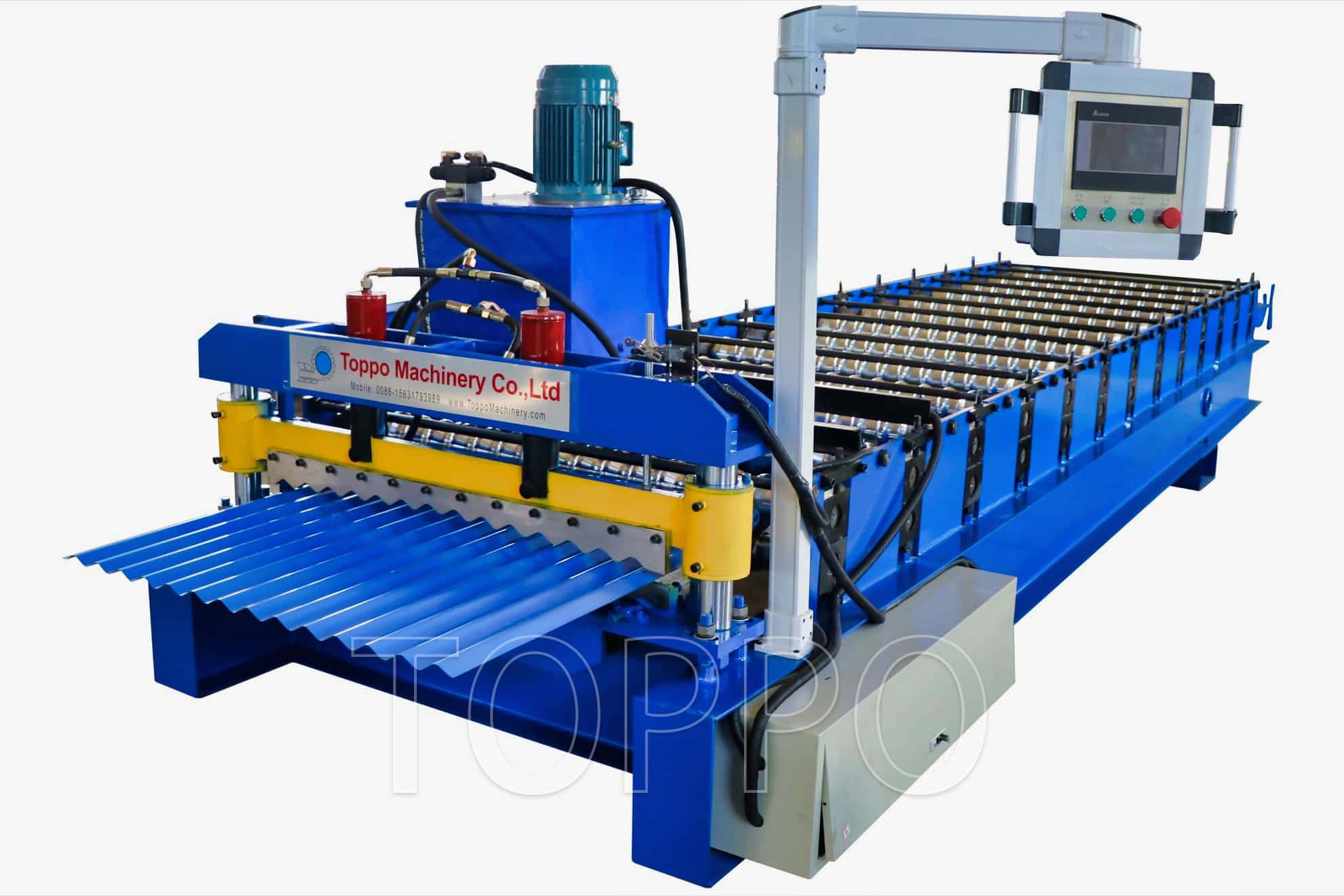
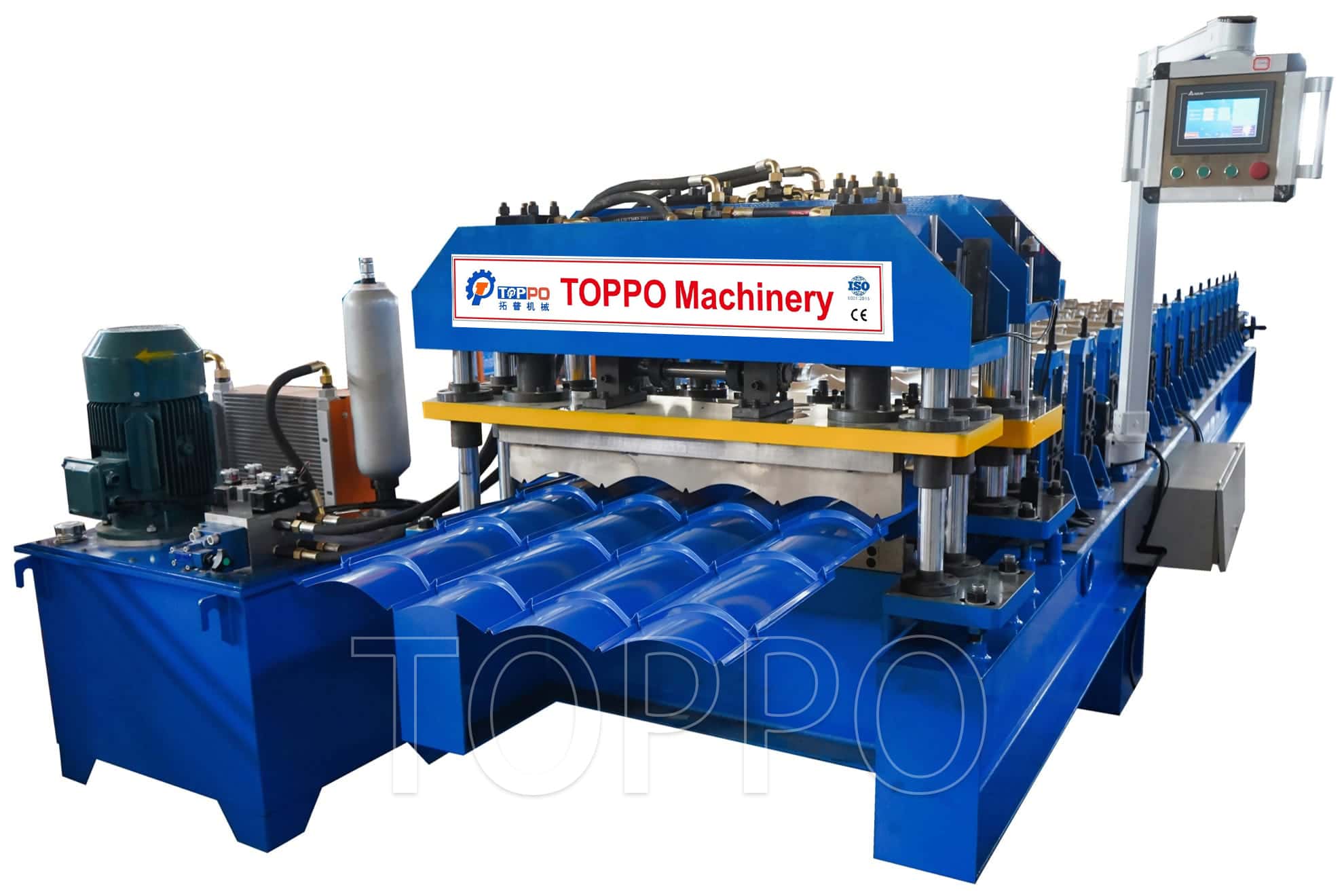
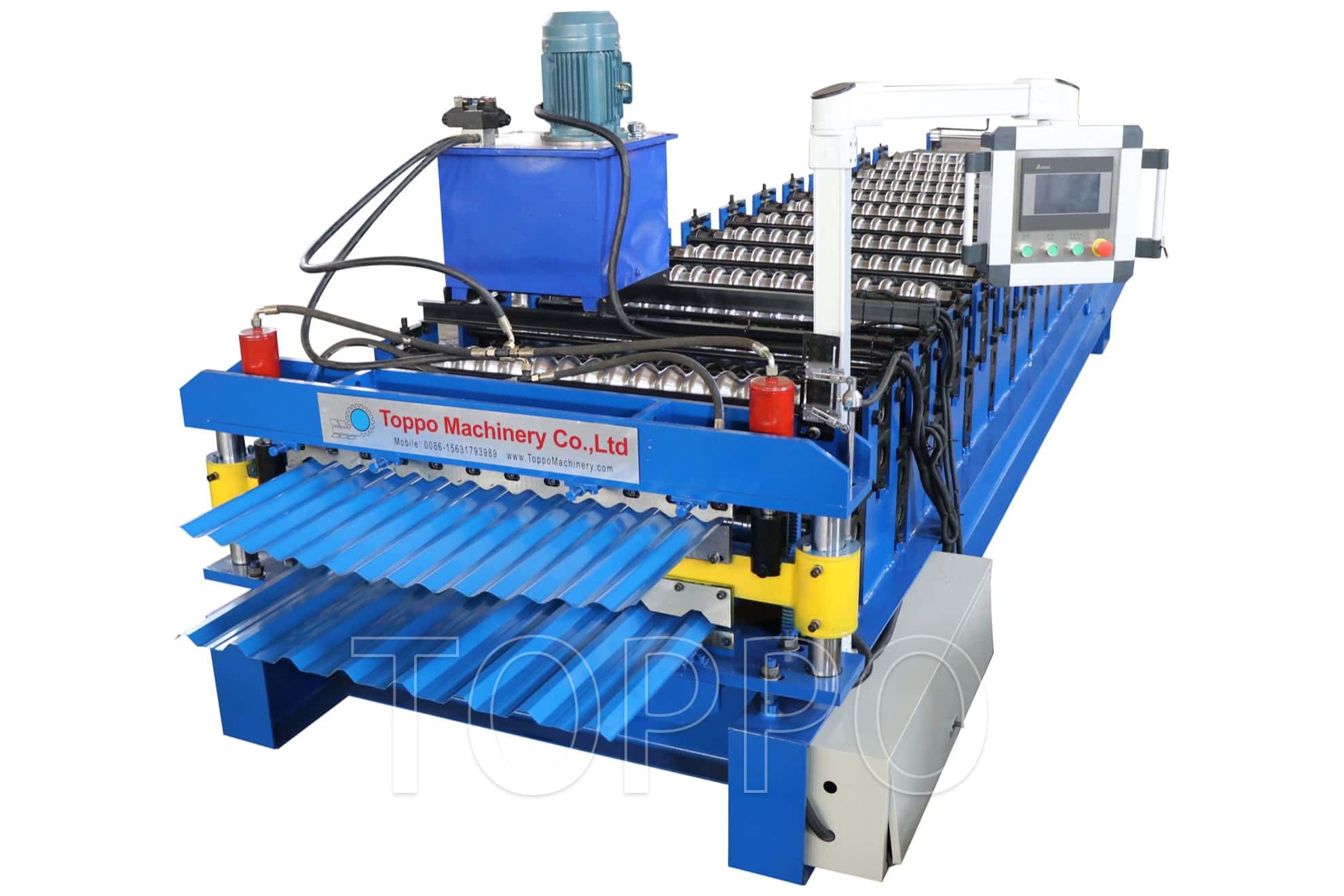
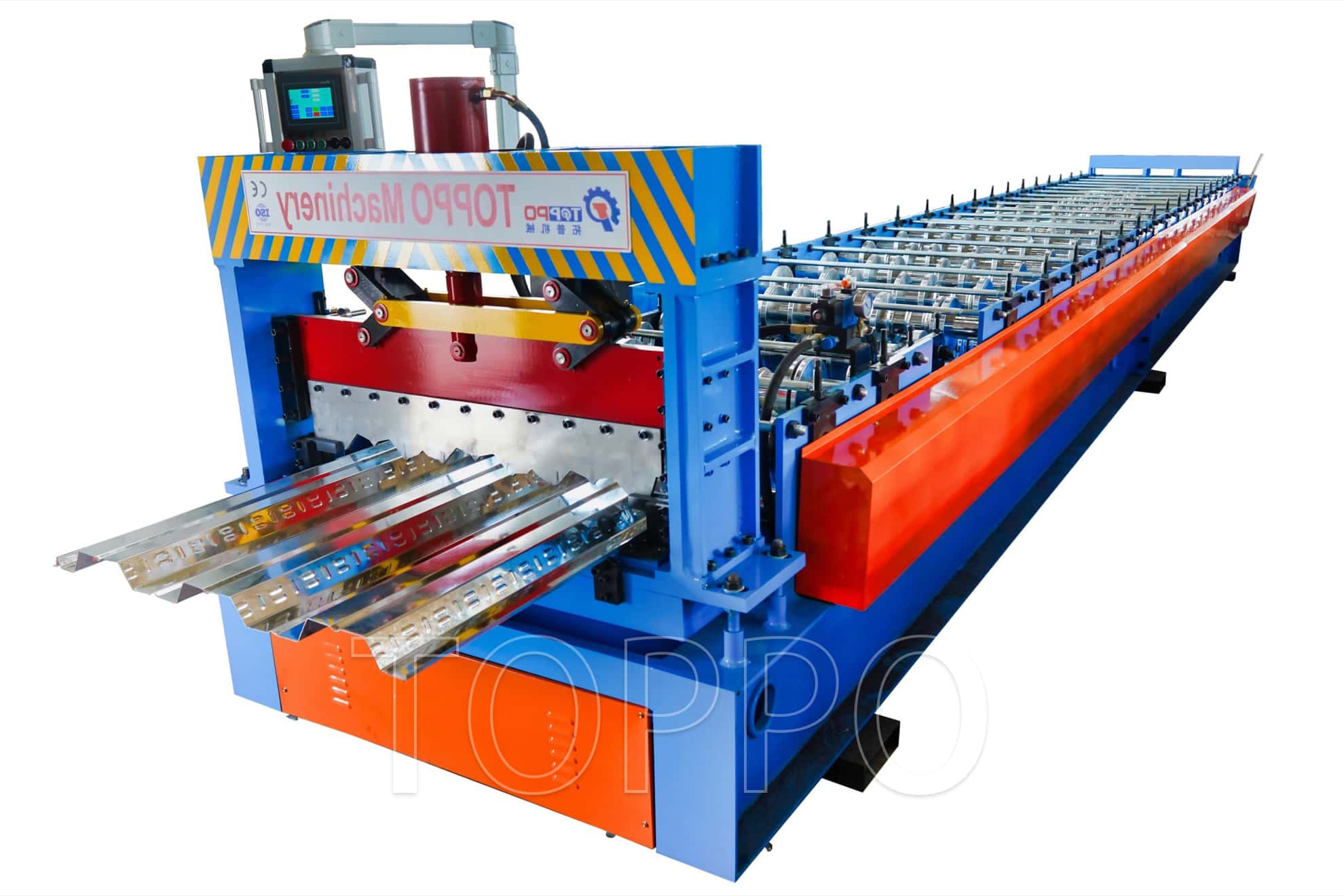
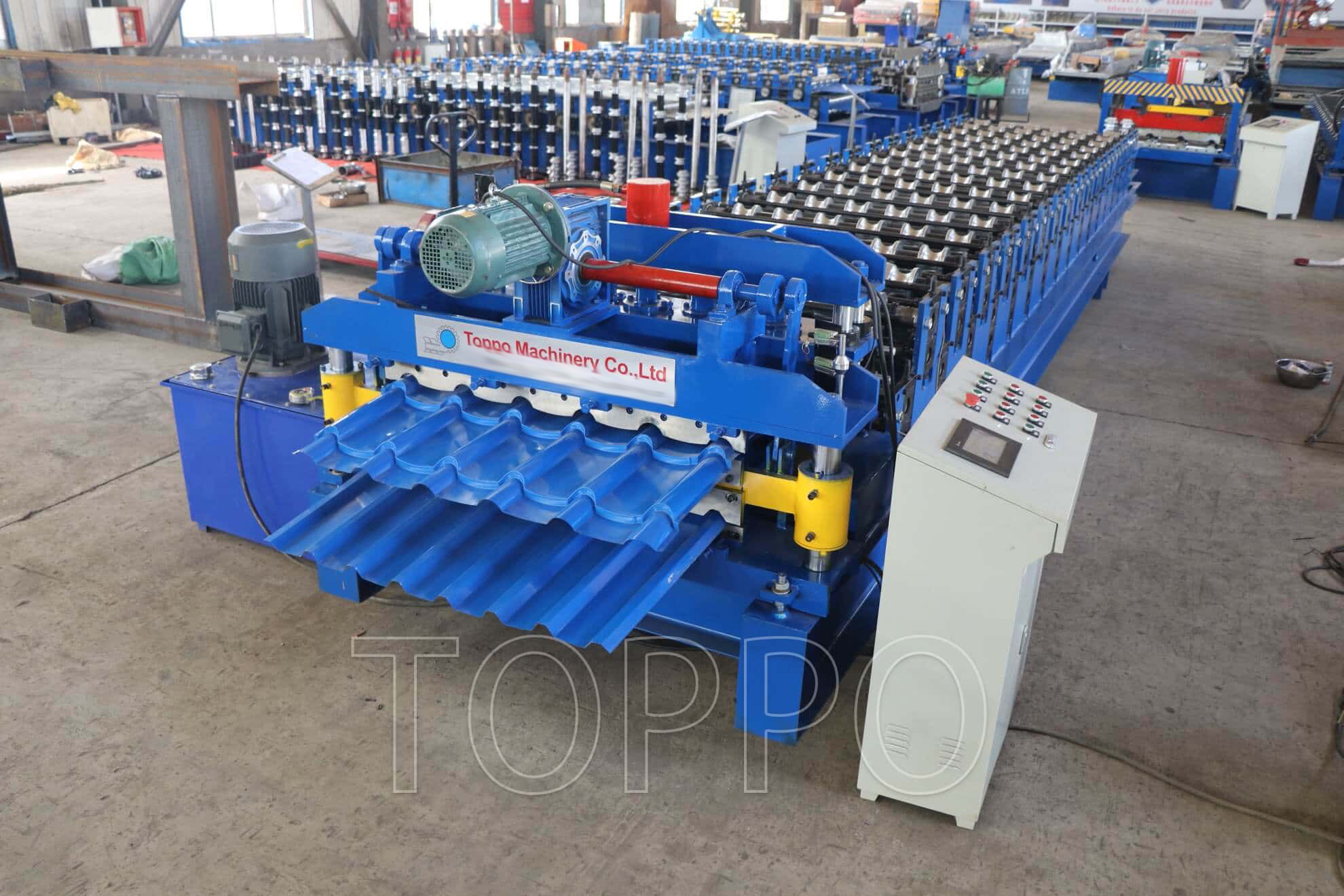
Many production problems in metal roofing factories originate during the commissioning stage rather than long-term operation. The double layer roofing sheet roll forming machine provides excellent flexibility, but improper commissioning often leads to instability, scrap, and repeated adjustments. This article presents a commissioning-focused execution guide that explains practical implementation steps, operating precautions, common mistakes, and real factory cases.
Implementation Steps That Ensure Smooth Commissioning
The first step is precise foundation preparation and machine alignment. The machine must be installed on a reinforced concrete base with accurate leveling. In real factories, commissioning delays were often traced back to small alignment errors. Before startup, technicians should carefully inspect roller alignment, shaft concentricity, and fastening security.
Material verification is the next critical step. Steel coils must meet specified thickness and mechanical strength requirements. During commissioning, unstable test results are frequently caused by unsuitable materials. When starting a roof panel making machine, experienced operators always inspect coating quality, edge straightness, and thickness tolerance before feeding the coil.
Key Operating Precautions During Commissioning
Speed regulation is essential in the commissioning phase. A double layer roll forming machine allows profile switching on one line, but operators must begin at low speed and gradually increase output. Sudden acceleration during commissioning often results in cutting deviation and unstable forming accuracy.
Lubrication and inspection must be intensified during early operation. Bearings, chains, and transmission components should be checked frequently to detect abnormal noise or heat. Factories that emphasize early-stage preventive maintenance achieve faster stabilization.
Common Commissioning Mistakes to Avoid
Improper layer switching is one of the most frequent commissioning errors. Operators sometimes forget to fully lock the inactive layer, leading to vibration or roller interference. This issue commonly appears during early operation of a double layer roofing sheet roll forming machine and can be prevented through standardized startup procedures.
Another common mistake is neglecting cutting system calibration. Each roofing profile requires specific cutting parameters, and skipping calibration often results in length deviation and repeated adjustments.
Real Factory Commissioning Case
A manufacturer producing industrial roofing panels installed a new double layer roll forming machine to replace two older lines. Initial commissioning took longer than expected due to insufficient operator training. After implementing a structured commissioning checklist and retraining staff, stable production was achieved within days instead of weeks. When integrated with a roof panel making machine, the factory reached full output quickly with minimal scrap.
Practical Conclusions
Successful commissioning depends on precise installation, controlled speed adjustment, and disciplined inspection. Real factory experience confirms that a double layer roofing sheet roll forming machine delivers long-term stability only when commissioning is handled with structured execution.
READ MORE: