Scalability-Focused Execution Guide with Real Factory Practices for Double Layer Roofing Sheet Roll Forming Machines
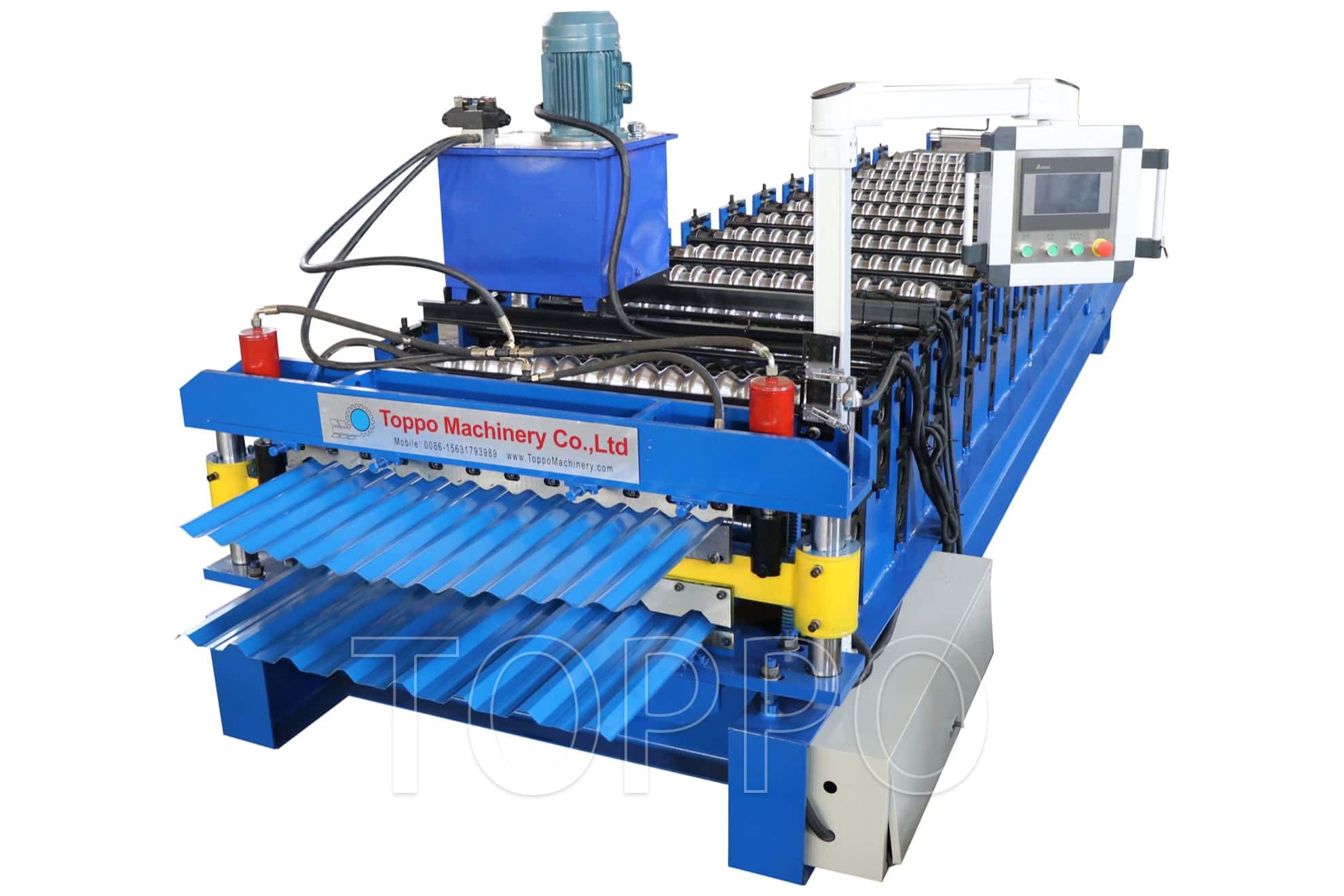
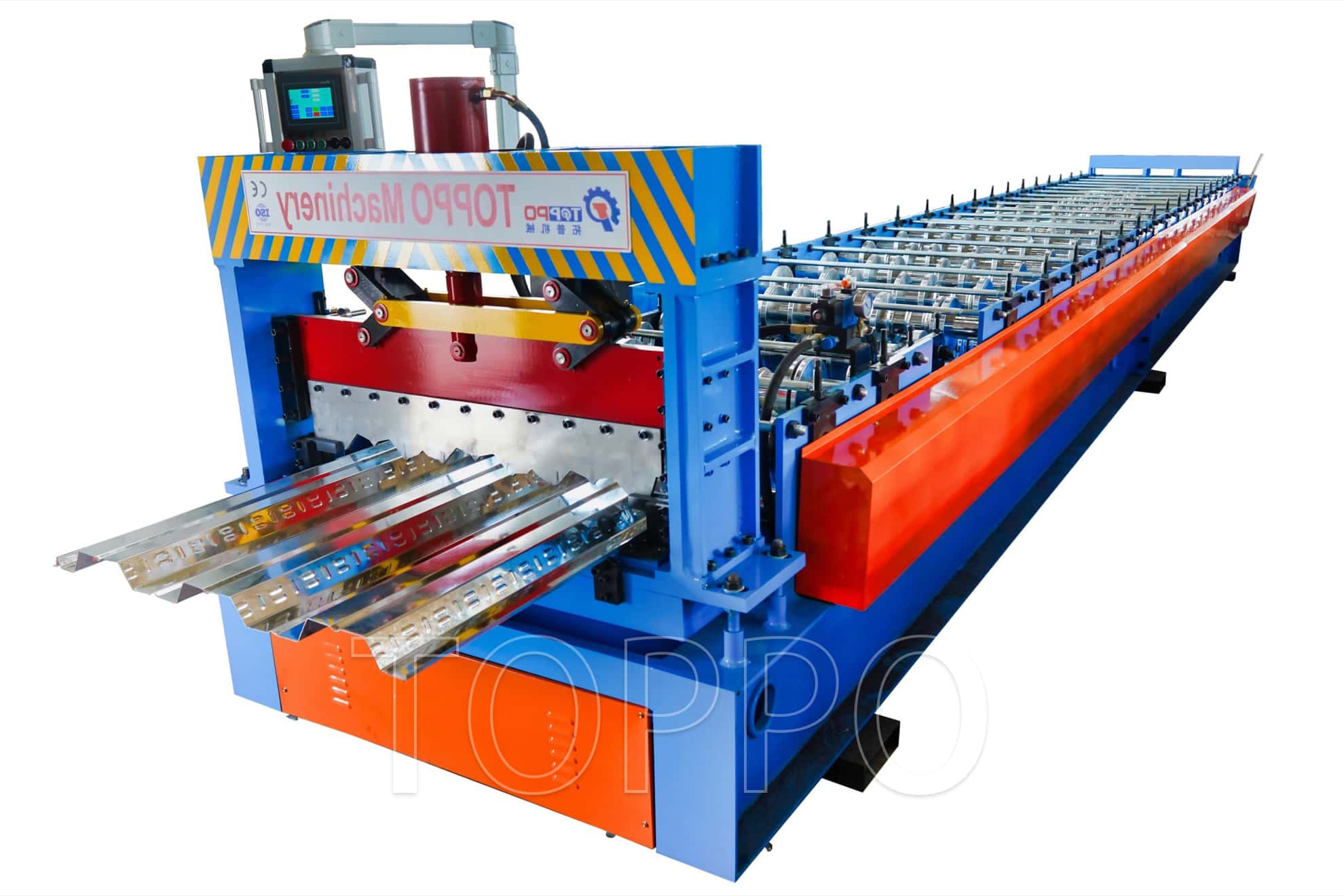
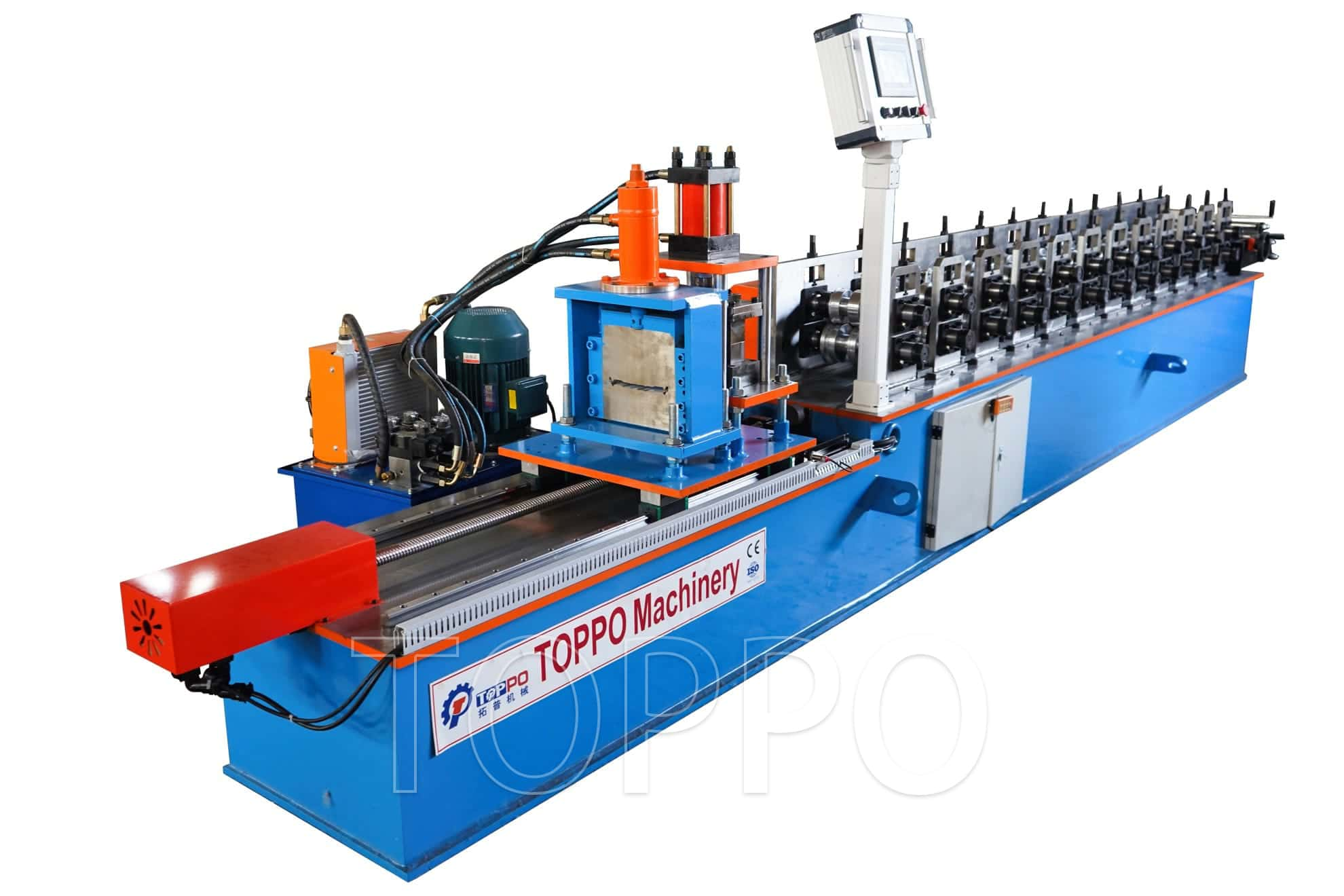
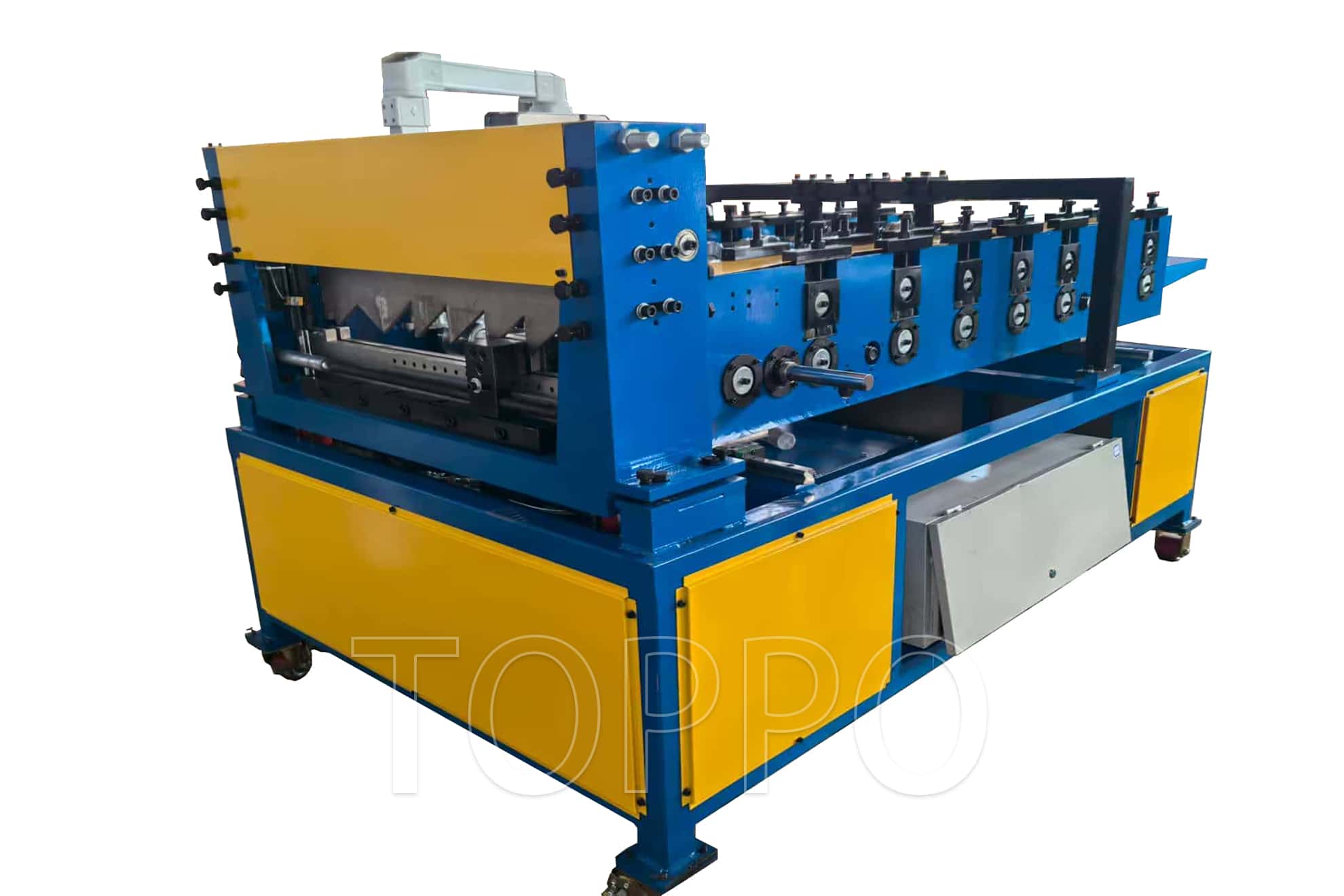
As roofing manufacturers expand capacity and diversify product lines, scalability has become a critical consideration in equipment selection and production planning. The double layer roofing sheet roll forming machine enables factories to scale output without duplicating full production lines. However, scalable performance depends on disciplined execution rather than equipment design alone. This article presents a scalability-focused execution guide covering implementation steps, operating precautions, common mistakes, and real factory practices.
Implementation Steps That Support Scalable Production
The first step is precise foundation preparation and alignment. The machine must be installed on a reinforced concrete base with accurate leveling. In real factories, scaling issues such as vibration and profile inconsistency were often traced back to minor installation errors. Before startup, technicians should verify roller alignment, shaft concentricity, and fastening security.
Material planning is equally important for scalability. Steel coils must meet specified thickness and mechanical strength standards. In daily production, scaling bottlenecks are frequently caused by inconsistent raw materials. When commissioning a roof panel making machine, experienced operators always inspect coating quality, edge straightness, and thickness tolerance before feeding material.
Key Operating Precautions for Scaled Output
Speed management is a decisive factor when scaling production. A double layer roll forming machine supports profile switching on one line, but operators must reduce speed during transitions. Sudden acceleration often leads to cutting deviation, surface damage, and unstable forming accuracy.
Preventive maintenance becomes more critical as output scales. Bearings, chains, and transmission components should be inspected and lubricated according to a fixed schedule. Factories that enforce preventive maintenance achieve higher uptime as production volume increases.
Common Mistakes That Limit Scalability
Improper layer switching is one of the most frequent execution errors. Operators sometimes fail to fully lock the inactive layer, resulting in vibration or roller interference. This issue commonly occurs during early operation of a double layer roofing sheet roll forming machine and can be avoided through standardized switching procedures.
Another recurring mistake is neglecting cutting system recalibration. Each roofing profile requires specific cutting parameters, and skipping recalibration often leads to length deviation and scrap accumulation.
Real Factory Scalability Case
A manufacturer supplying regional roofing projects consolidated multiple small production lines into one double layer roll forming machine. Initial scaling attempts caused instability due to weak operational discipline. After implementing standardized workflows and retraining staff, scalable output increased by over 45%. When integrated with a roof panel making machine, the factory achieved flexible growth without compromising quality.
Practical Conclusions
Successful scalability depends on precise installation, disciplined execution, and continuous maintenance. Real factory experience confirms that a double layer roofing sheet roll forming machine supports scalable growth only when backed by trained operators and standardized process control.
READ MORE: