How Profitable Is It for Roofing Sheet Distributors to Start Local Manufacturing? A Detailed ROI Guide
In recent years, many roofing sheet distributors have begun exploring the possibility of shifting from pure trading to local manufacturing. The motivation is clear: rising international freight costs, unpredictable delivery times, and shrinking trading margins are reducing profitability. By investing in a double layer roofing sheet roll forming machine, distributors can control production costs, respond faster to market demand, and potentially achieve significantly higher margins.
However, profitability depends on structured planning, disciplined management, and proper equipment selection. This article breaks down real implementation steps, financial calculations, common mistakes, and actual operational cases to provide a practical reference.
1. Equipment Investment and Configuration
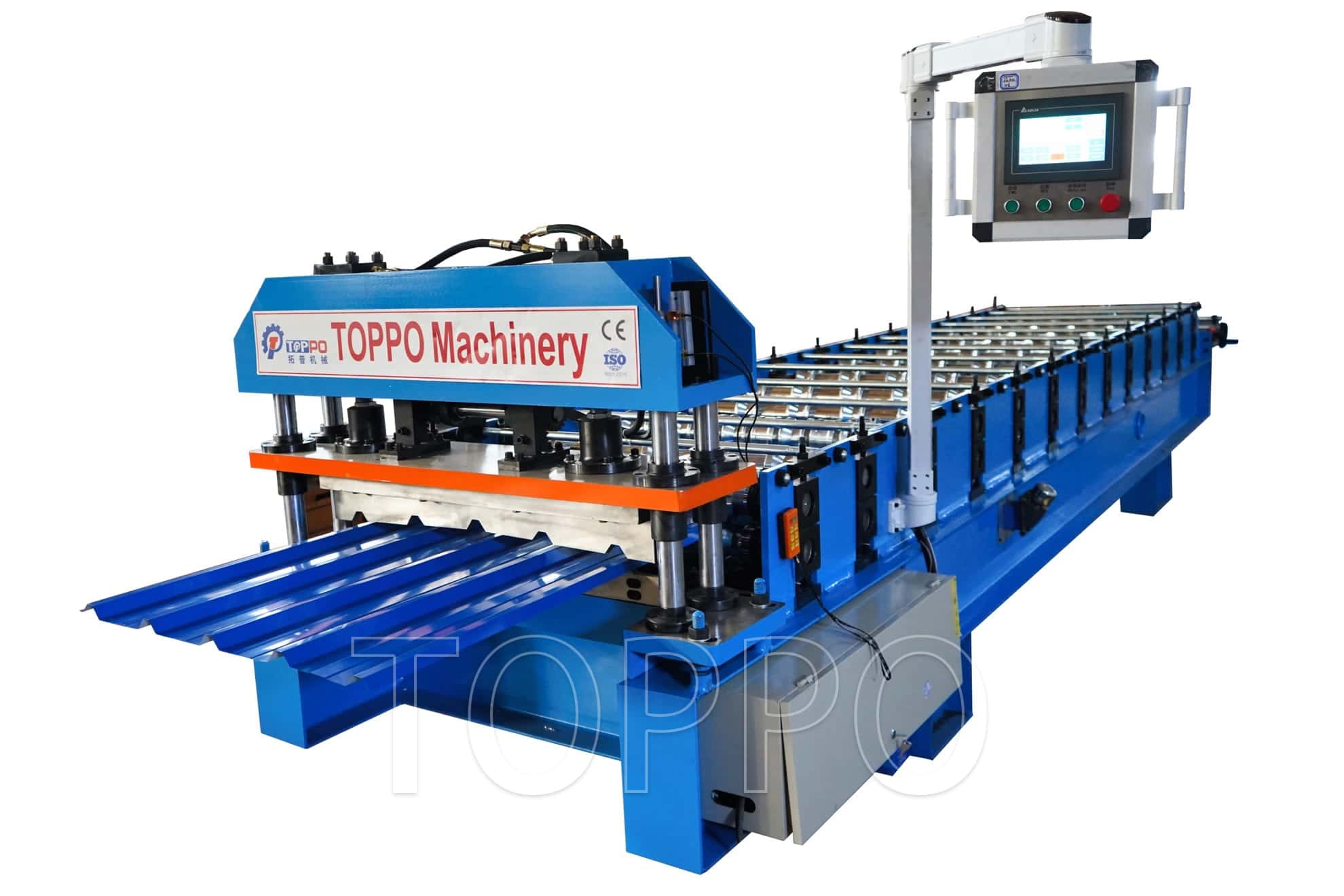
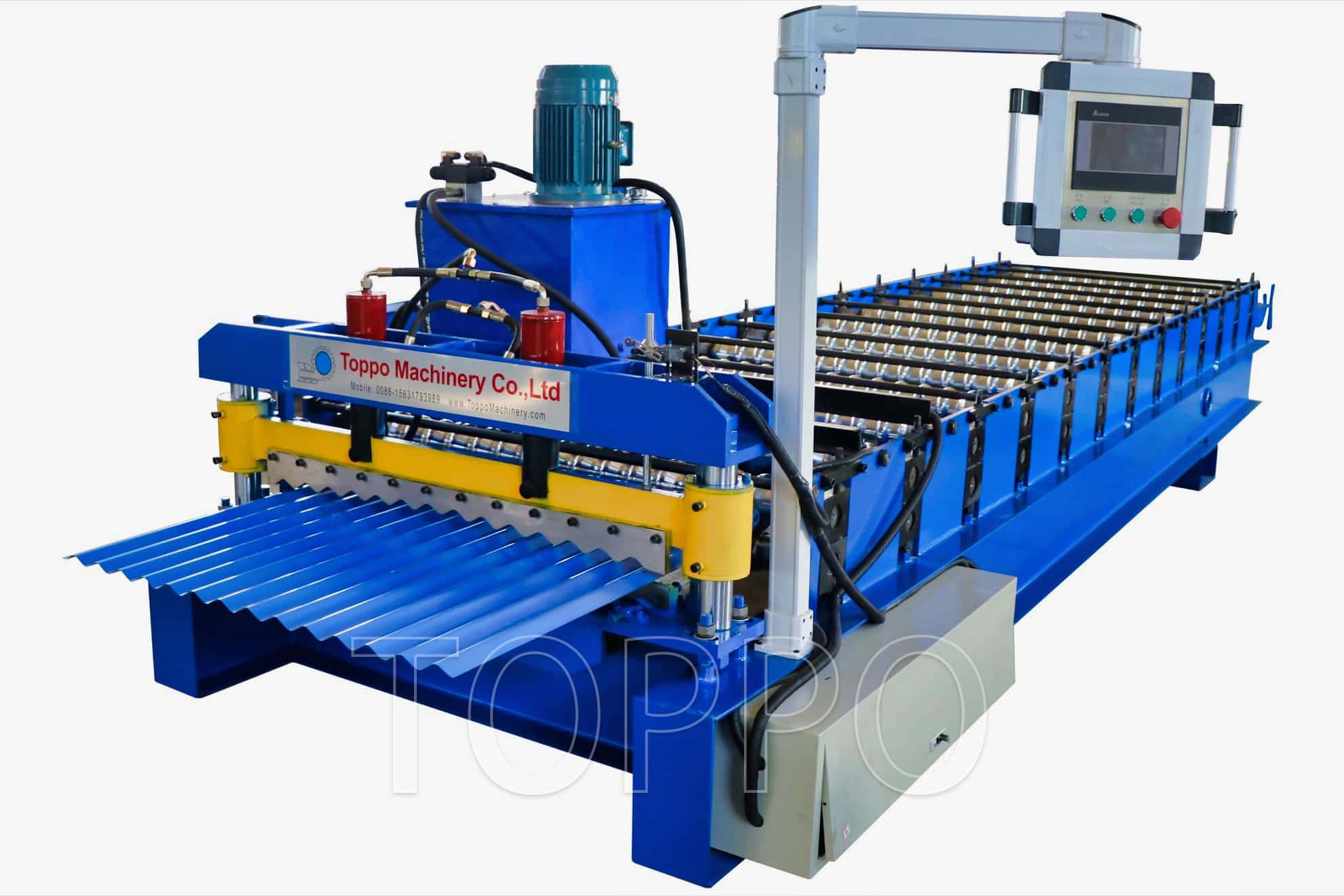
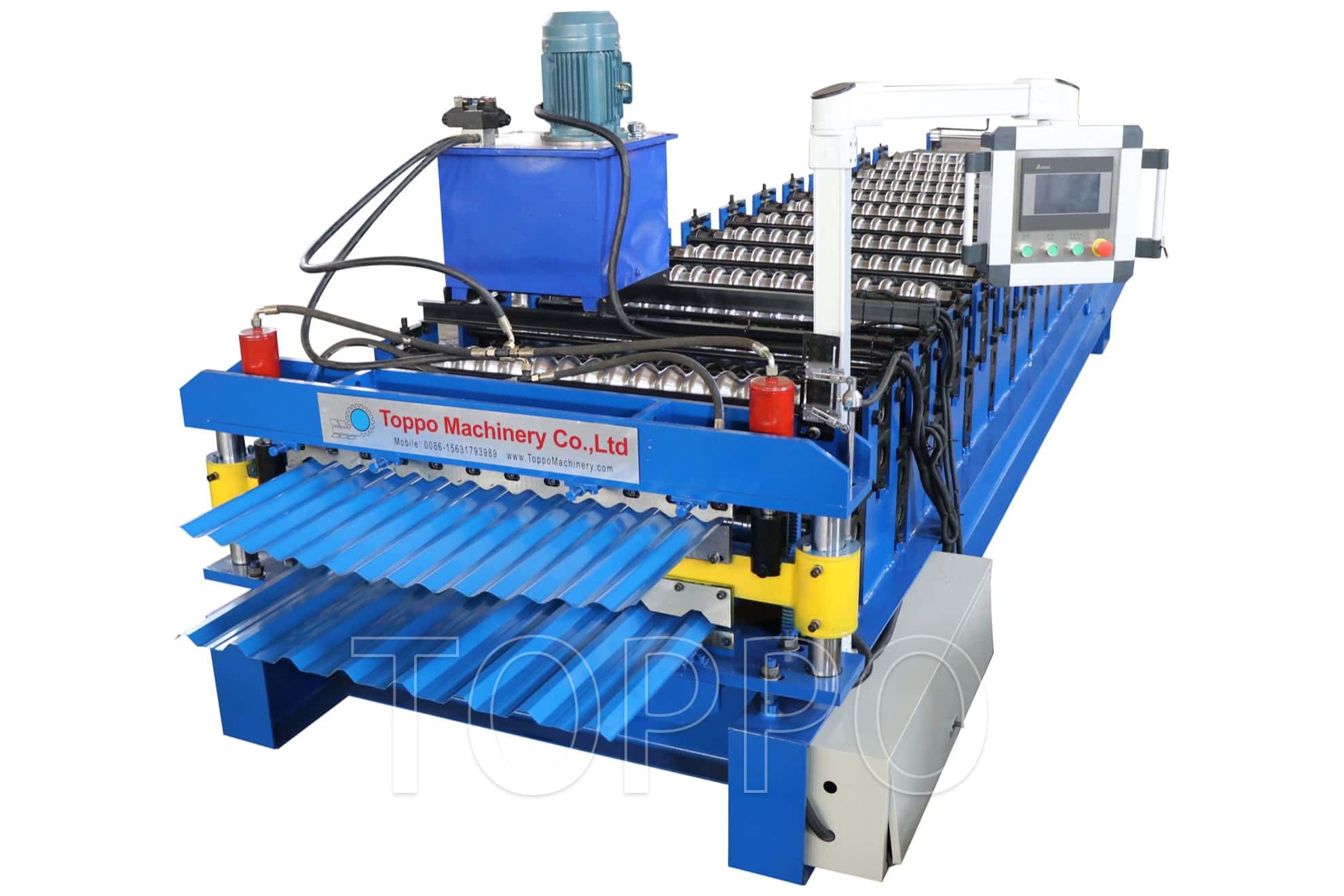
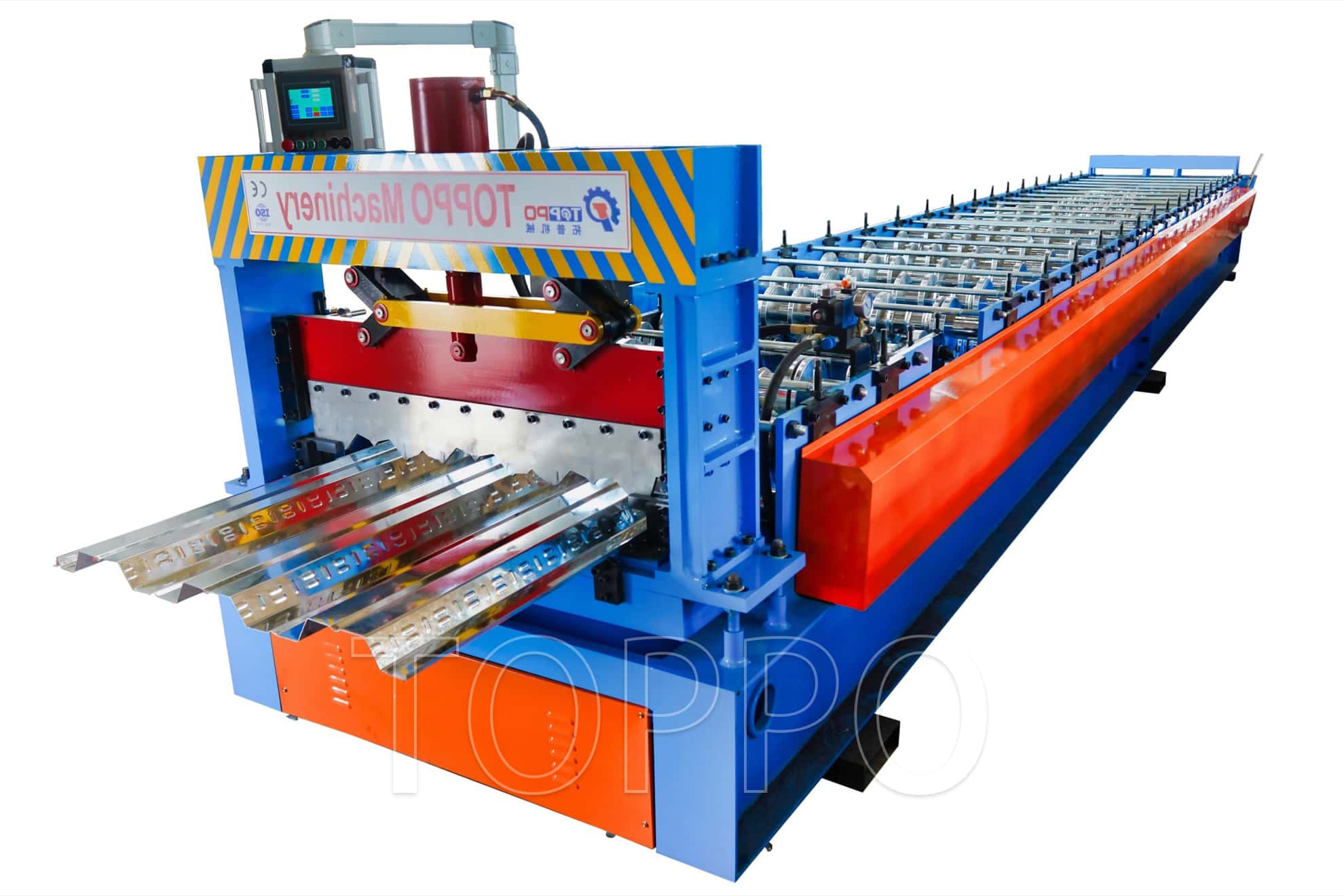
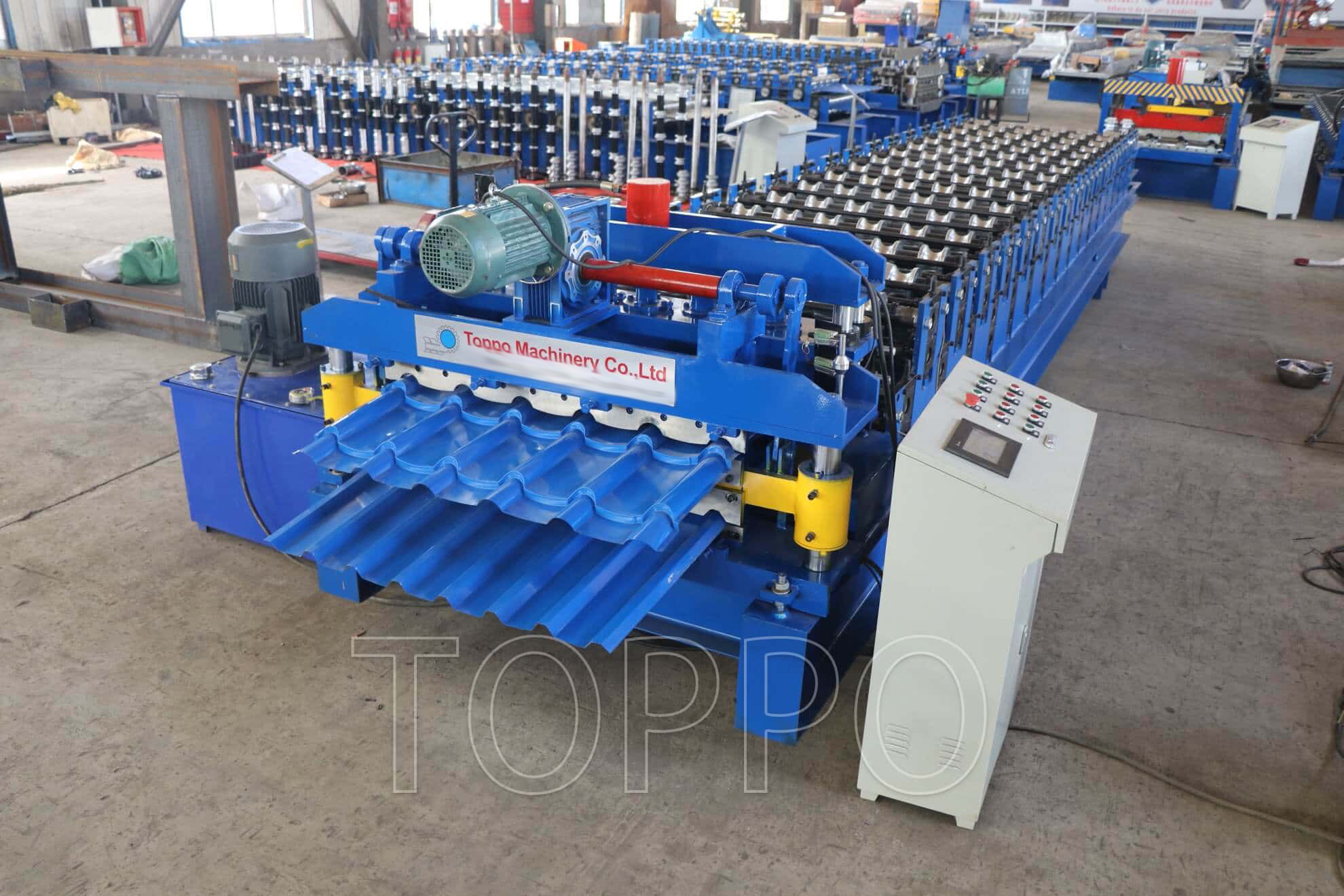
The core investment for local production is the forming line itself. A double layer roofing sheet roll forming machine integrates two different roofing profiles—such as corrugated and trapezoidal—into one compact structure. Compared with operating two separate lines, this setup reduces factory space requirements and lowers overall capital cost.
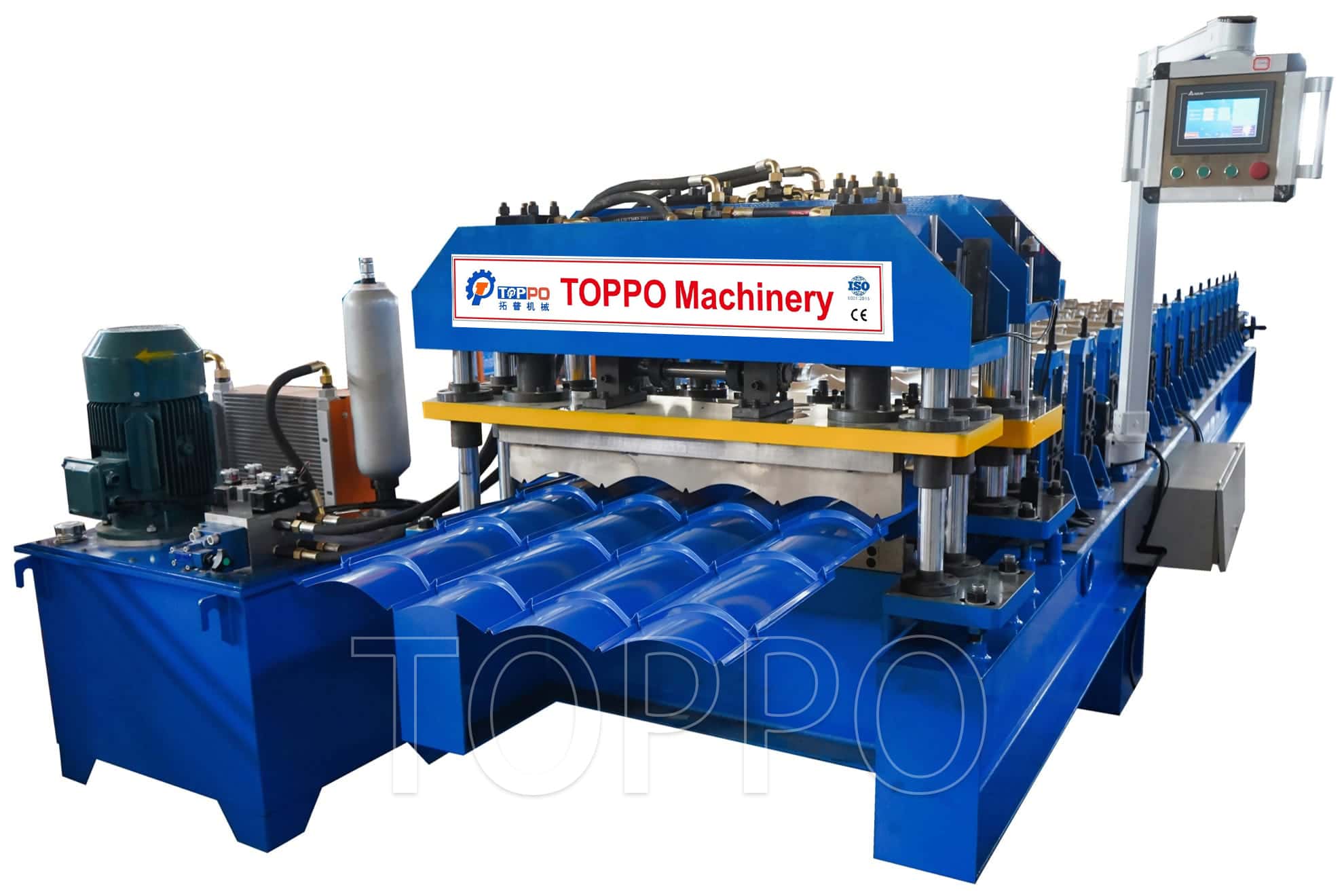
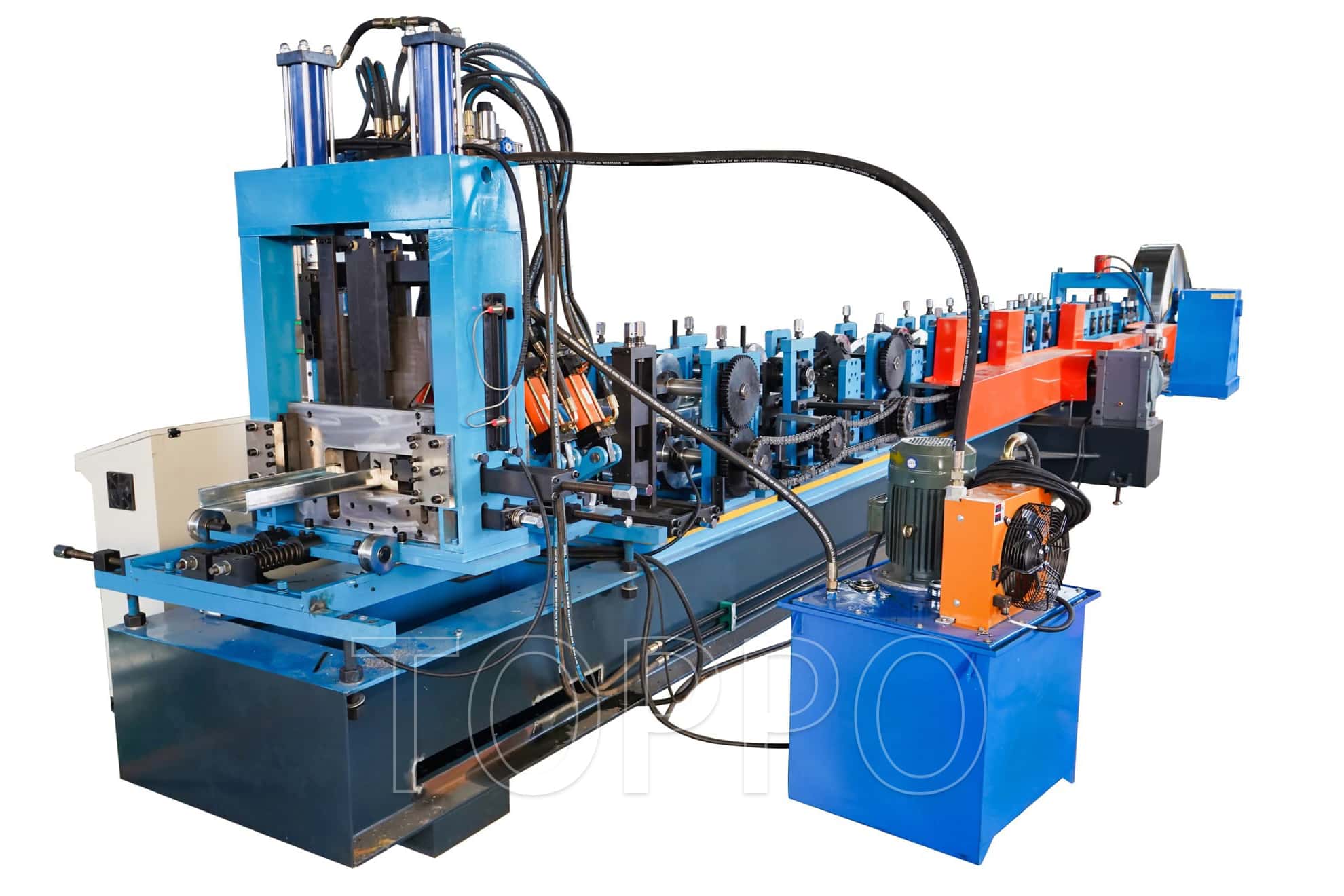
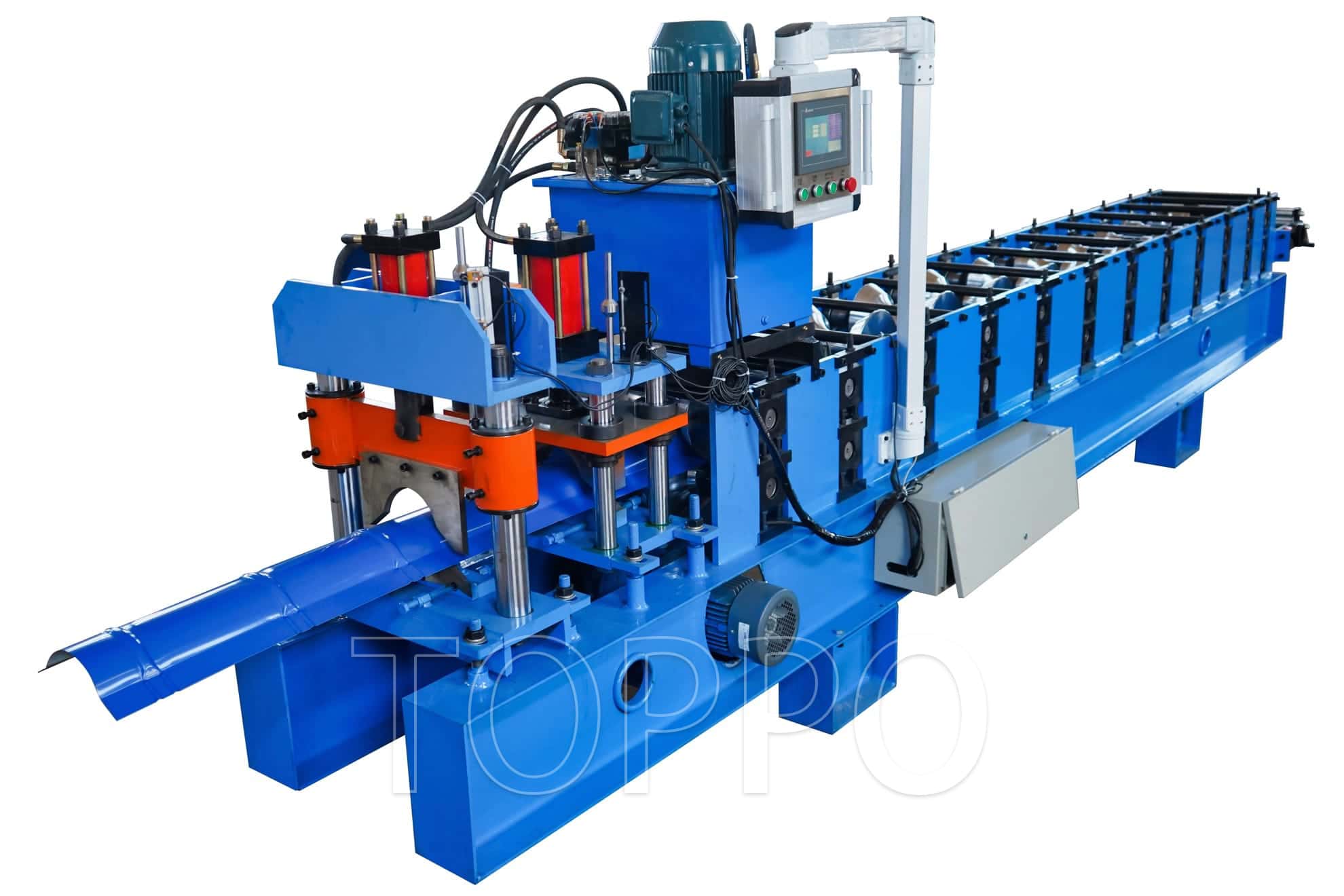
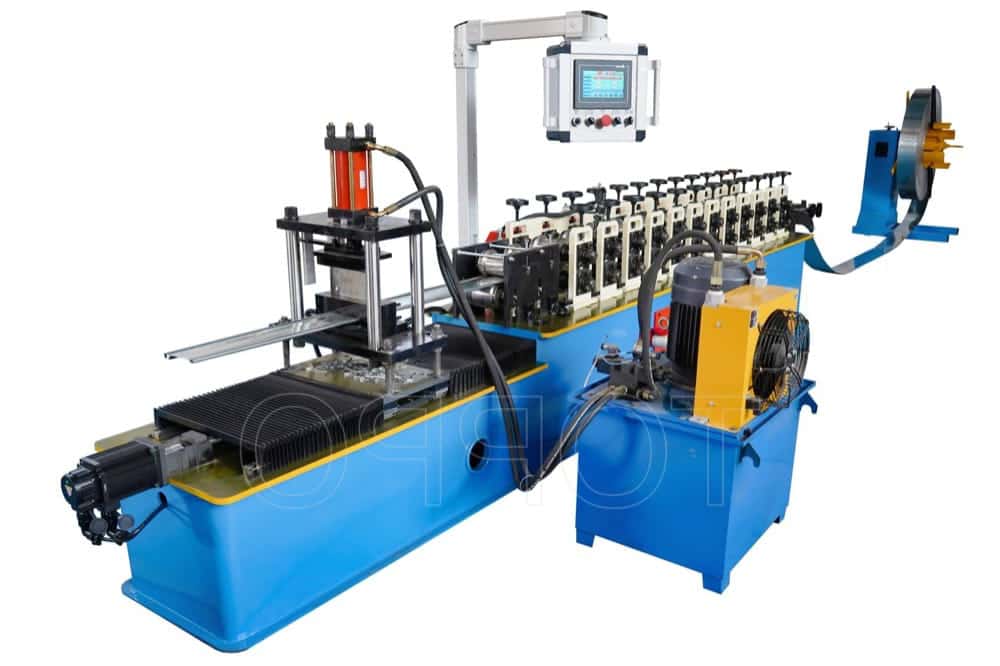
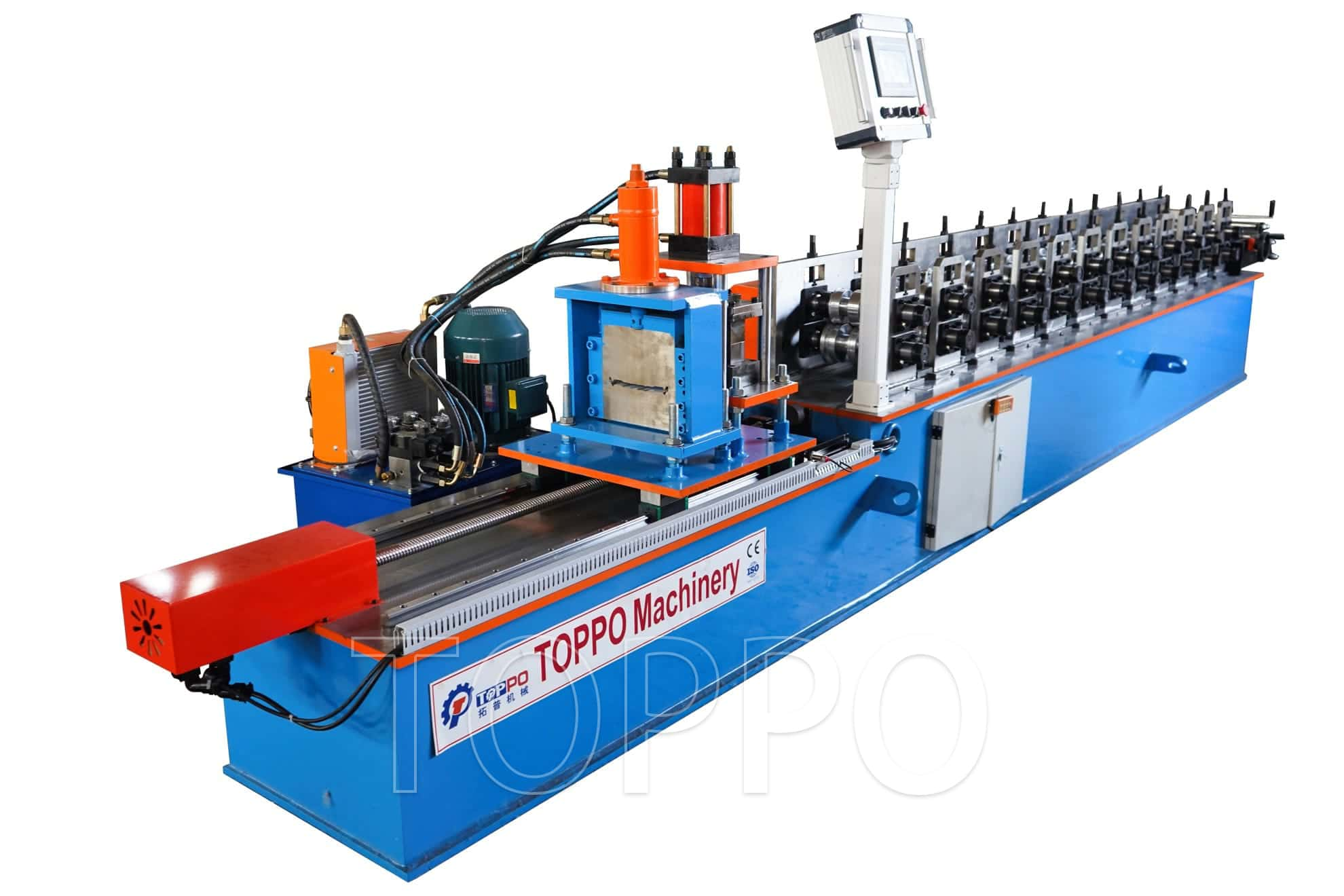
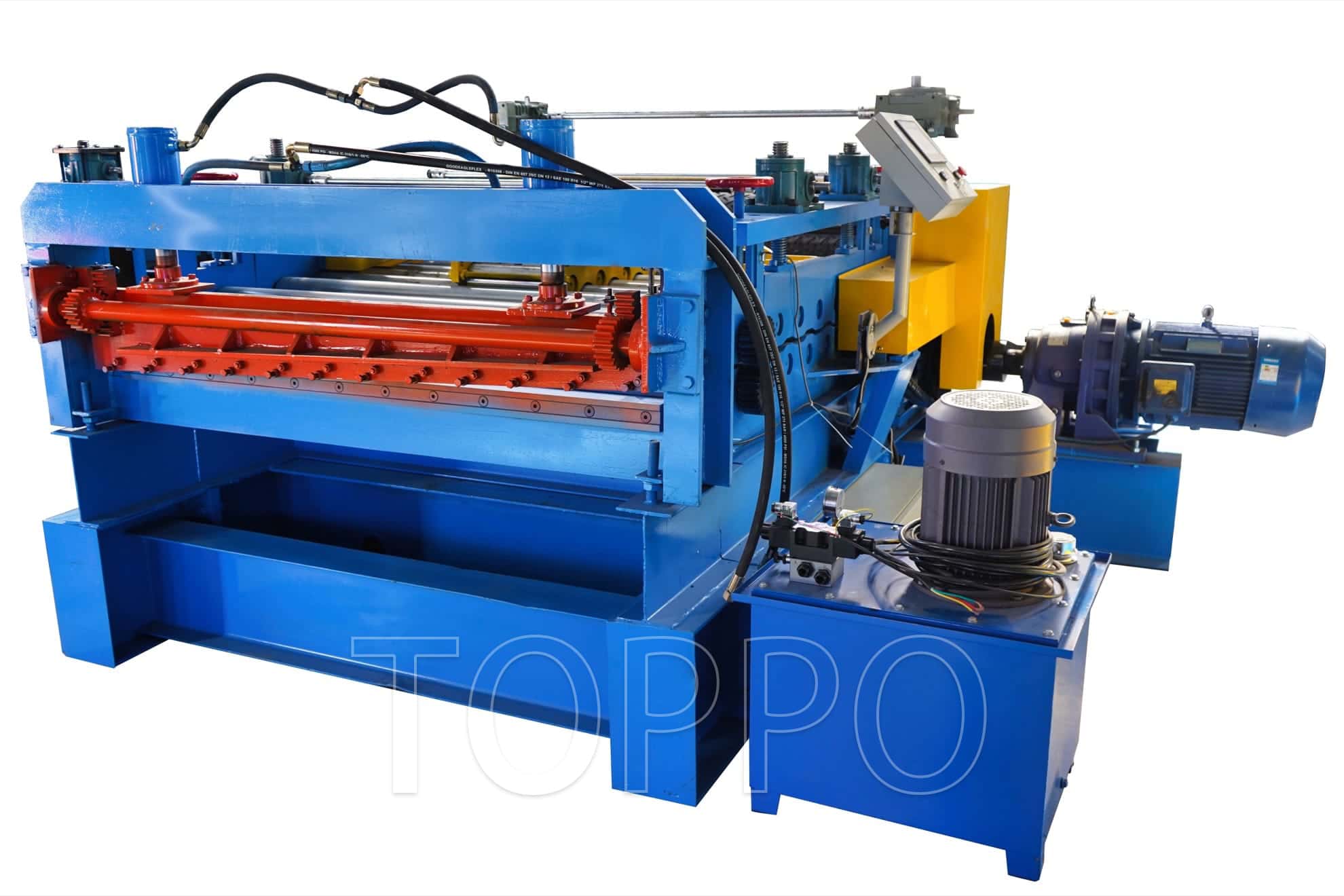
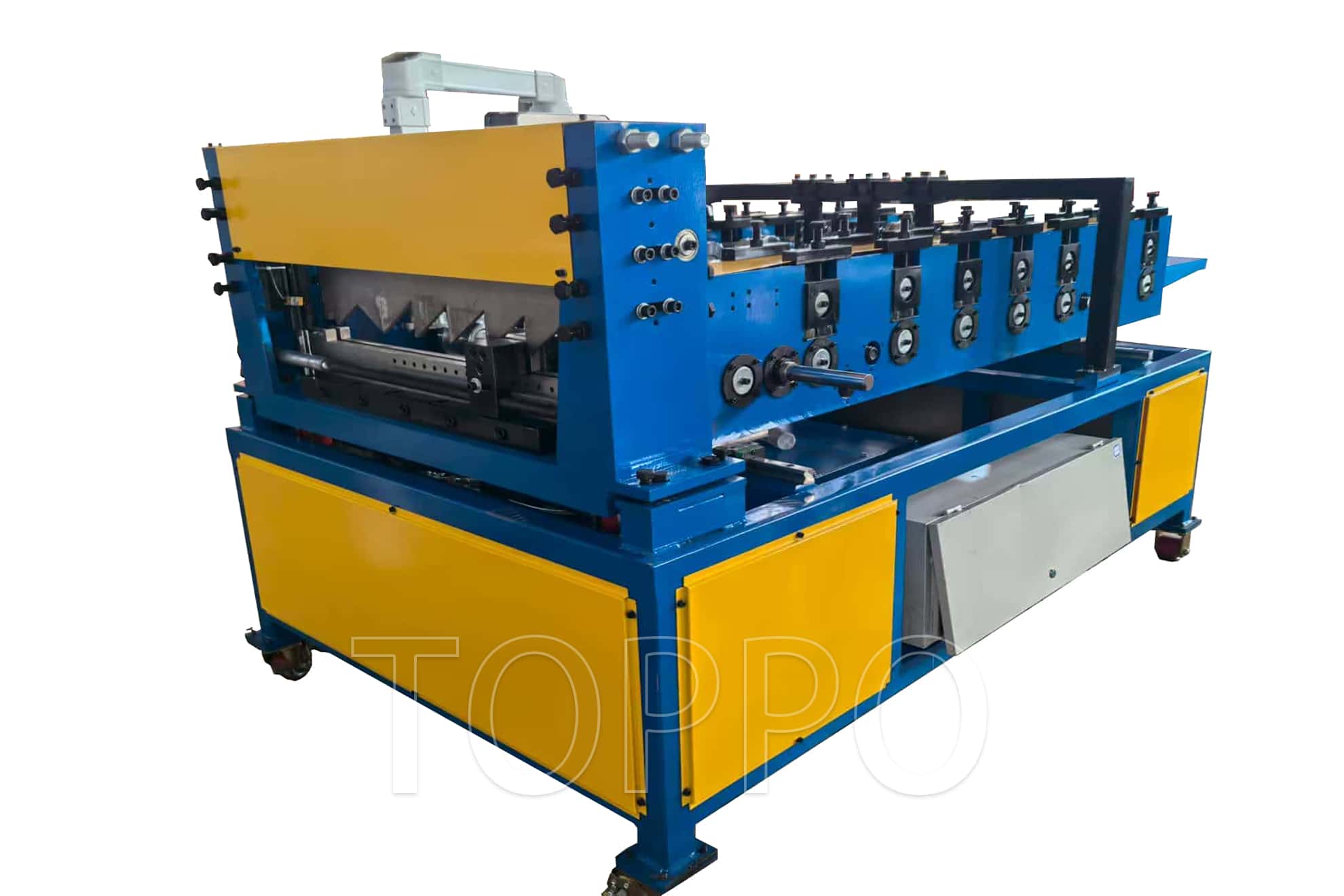
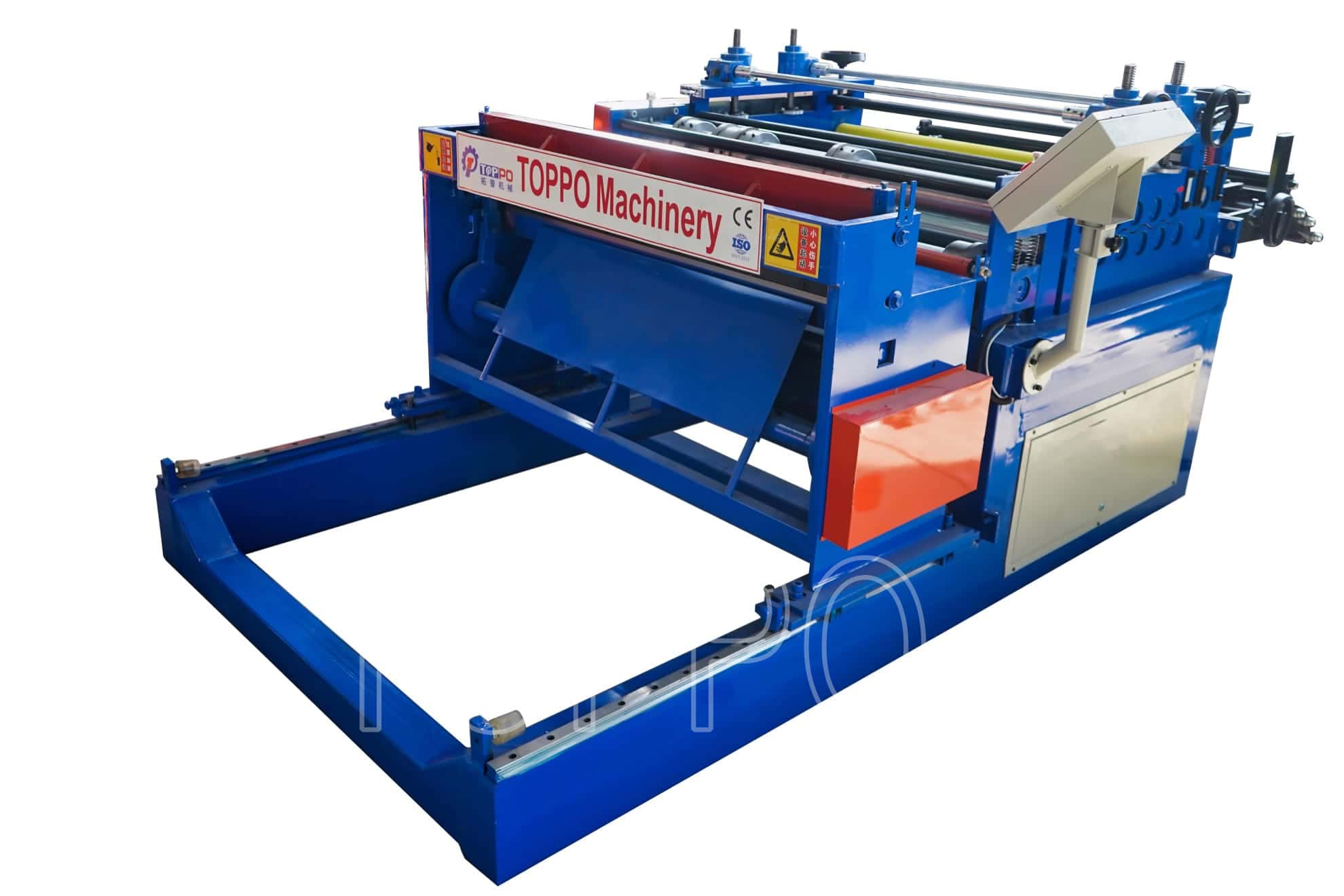
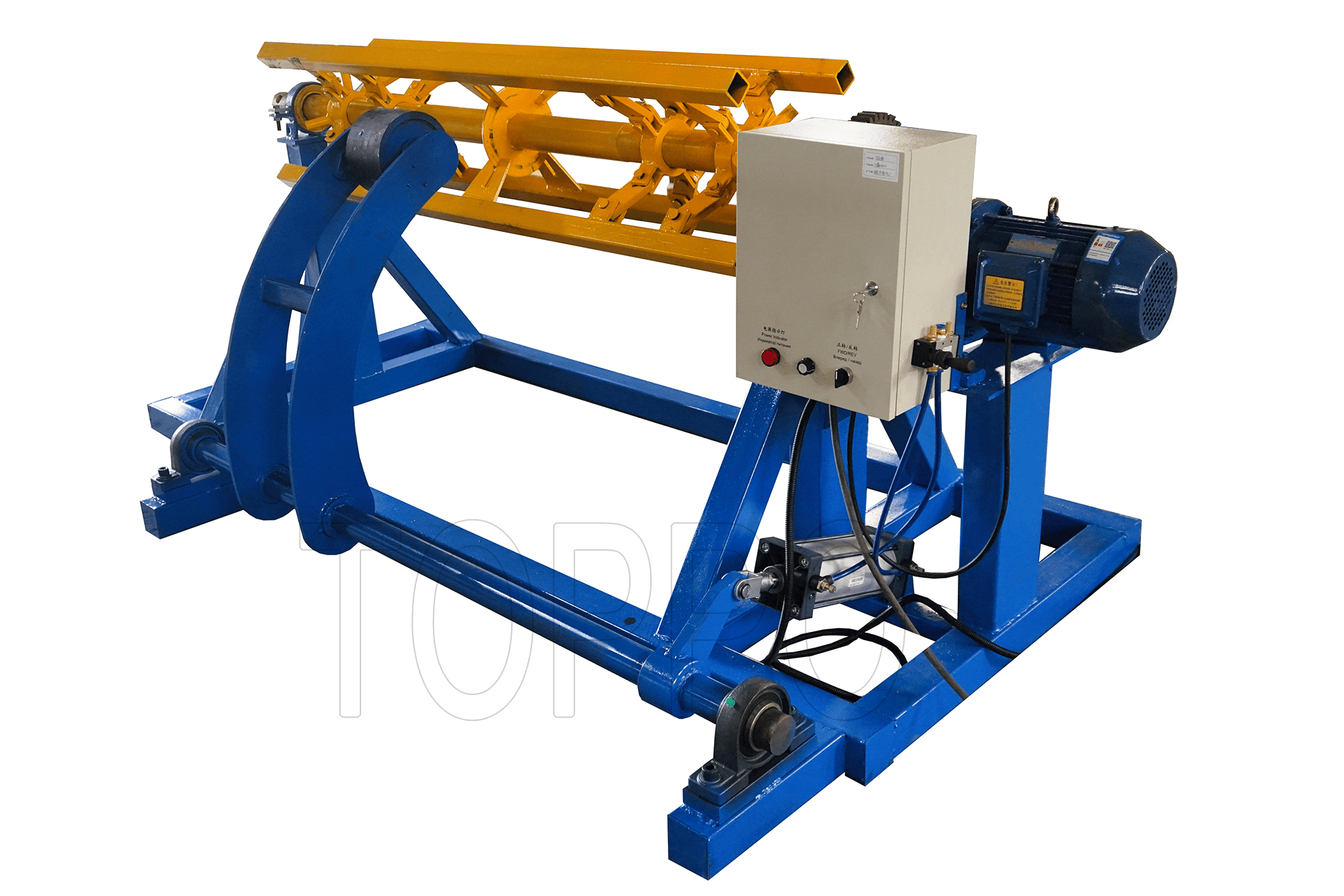
A complete system usually includes the forming section, hydraulic cutting unit, PLC control cabinet, decoiler, and run-out table. Selecting a high-quality double layer roll forming machine with hardened rollers and stable motor configuration ensures long-term operational stability.
Additionally, proper installation of the roof panel making machine is essential. The foundation must be level, anchor bolts properly secured, and grounding resistance compliant with safety standards. Ignoring these technical details can result in vibration, inaccurate forming, and premature bearing failure.
2. Step-by-Step Implementation Strategy
Step 1: Market Demand Analysis
Study regional construction trends and identify which roofing profiles have the highest turnover. Understanding seasonal fluctuations helps determine expected production volume.
Step 2: Raw Material Planning
Steel coils account for 65–75% of total production cost. Establishing long-term supply agreements protects profit margins from sudden price increases.
Step 3: Equipment Testing and Calibration
Before commercial operation, run the double layer roofing sheet roll forming machine continuously for at least 60 minutes under load. Check panel width, wave height, and cutting precision to ensure tolerance remains within ±1mm.
Step 4: Operator Training
Operators must understand profile switching procedures on the double layer roll forming machine and know how to monitor hydraulic pressure and motor temperature daily. Proper training reduces downtime and material waste.
3. Financial Breakdown and Profit Estimation
Profitability depends on the difference between selling price and total production cost. Key expenses include raw materials, electricity, labor, maintenance, and depreciation.
Electricity consumption for a roof panel making machine is relatively low compared to material cost. Therefore, controlling steel procurement price is the most critical profit factor.
For example, assume the market selling price is $7.00 per square meter. If total production cost—including steel, labor, electricity, and maintenance—is $5.20 per square meter, the gross margin equals $1.80 per square meter.
If the double layer roofing sheet roll forming machine produces 6,000 square meters per day, daily gross profit reaches $10,800 before overhead costs. Under stable sales conditions, distributors often recover the investment in a double layer roll forming machine within 8–12 months.
4. Real Case Study: Profit Growth After Localization
A roofing distributor in West Africa previously relied on imported sheets. Freight charges and customs duties increased product cost by approximately 18%. After investing in a double layer roofing sheet roll forming machine, the distributor reduced unit cost by 14%.
The flexibility of the double layer roll forming machine allowed rapid switching between profiles depending on contractor orders. Meanwhile, the roof panel making machine enabled customized sheet lengths, reducing on-site material waste for clients.
Within one year, net annual profit increased by 30%, and the company expanded its market share due to faster delivery and competitive pricing.
5. Common Mistakes That Reduce Profit
Overestimating Production Capacity: Investing in a double layer roofing sheet roll forming machine without securing sufficient orders can result in underutilized capacity and slow ROI.
Ignoring Maintenance: Poor lubrication or unstable voltage can damage the roof panel making machine, causing downtime and delayed deliveries.
Weak Inventory Management: Failure to manage steel inventory during price fluctuations may eliminate expected margins.
Improper Calibration: Inaccurate setup of the double layer roll forming machine can produce defective panels, harming brand reputation.
6. Key Operational Precautions
Install voltage stabilizers to protect electrical components.
Maintain strict lubrication schedules for rollers and bearings.
Inspect hydraulic systems weekly.
Monitor coil thickness consistency before feeding.
Keep detailed maintenance and production records.
Consistent preventive maintenance ensures the double layer roofing sheet roll forming machine operates at optimal efficiency and minimizes unexpected repair costs.
7. Long-Term Competitive Advantages
Beyond direct profit margins, local production strengthens market position. Faster delivery, flexible customization, and stable supply increase customer loyalty. A well-managed double layer roll forming machine enables future expansion into additional profiles without major new investment.
Operating a roof panel making machine locally also reduces dependence on international logistics disruptions and currency volatility, creating a more resilient and predictable business model.
Conclusion
Local roofing sheet production can substantially increase distributor profitability when implemented strategically. By investing in a reliable double layer roofing sheet roll forming machine, carefully managing raw material sourcing, and avoiding common operational mistakes, distributors can achieve strong margins and rapid return on investment. Success depends on disciplined execution, accurate market forecasting, and consistent equipment maintenance.
SEO Keywords
double layer roofing sheet roll forming machine, double layer roll forming machine, roof panel making machine, roofing sheet production profit, metal roofing roll former, steel roll forming machine
Tags
double layer roofing sheet roll forming machine, double layer roll forming machine, roof panel making machine
READ MORE: