Turning Distribution Into Manufacturing: How Profitable Is Local Roofing Sheet Production?
For roofing sheet distributors, shifting from pure trading to local manufacturing is a strategic move that can significantly increase profitability. Instead of importing finished sheets and accepting limited margins, distributors who invest in a double layer roofing sheet roll forming machine gain control over production cost, delivery time, and product customization. However, the actual profit depends on structured implementation, financial planning, and disciplined operations.
This article provides a practical breakdown of investment requirements, step-by-step implementation, common operational mistakes, and real-world case studies to help distributors evaluate the true profit potential of local production.
1. Investment Overview and Equipment Selection
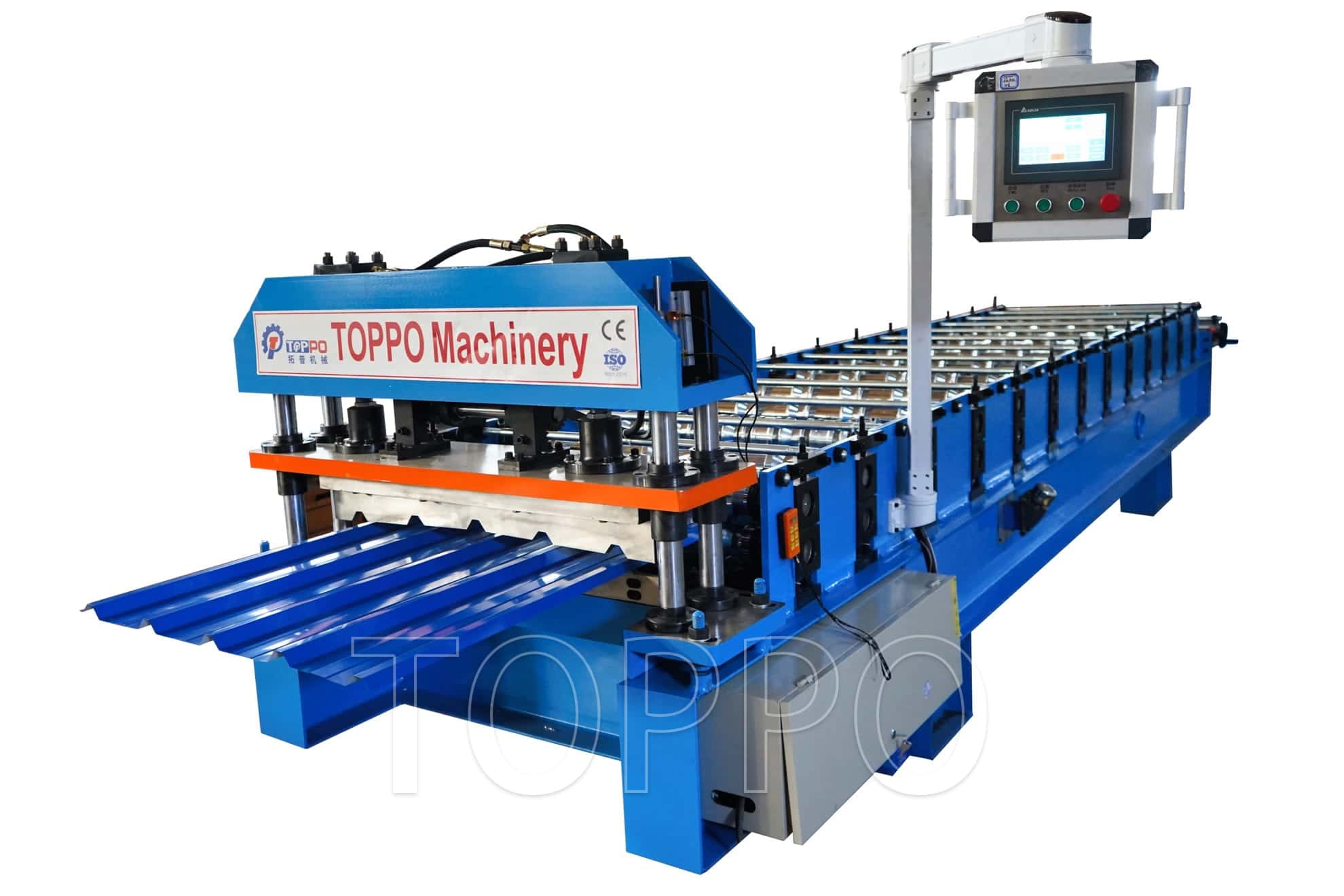
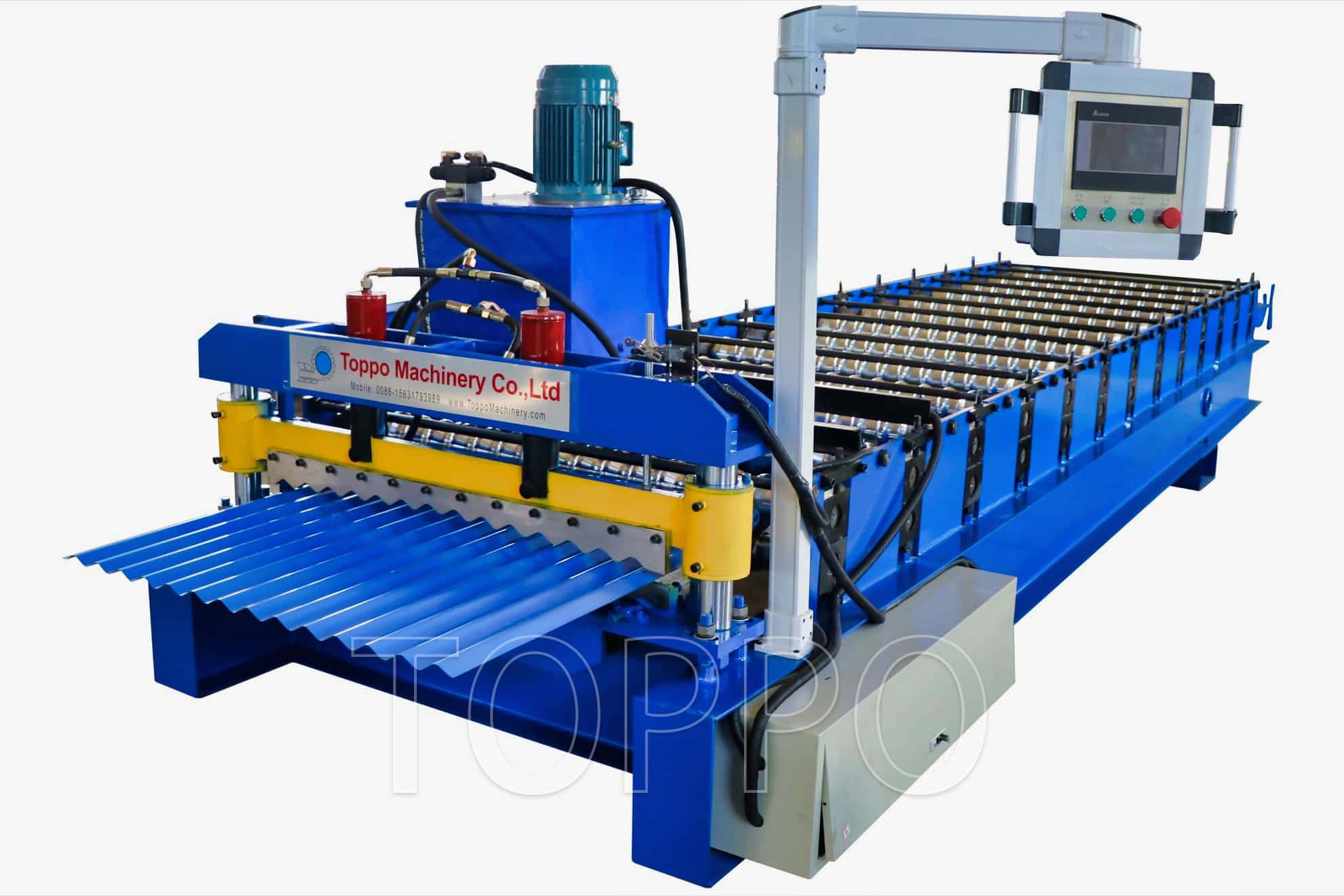
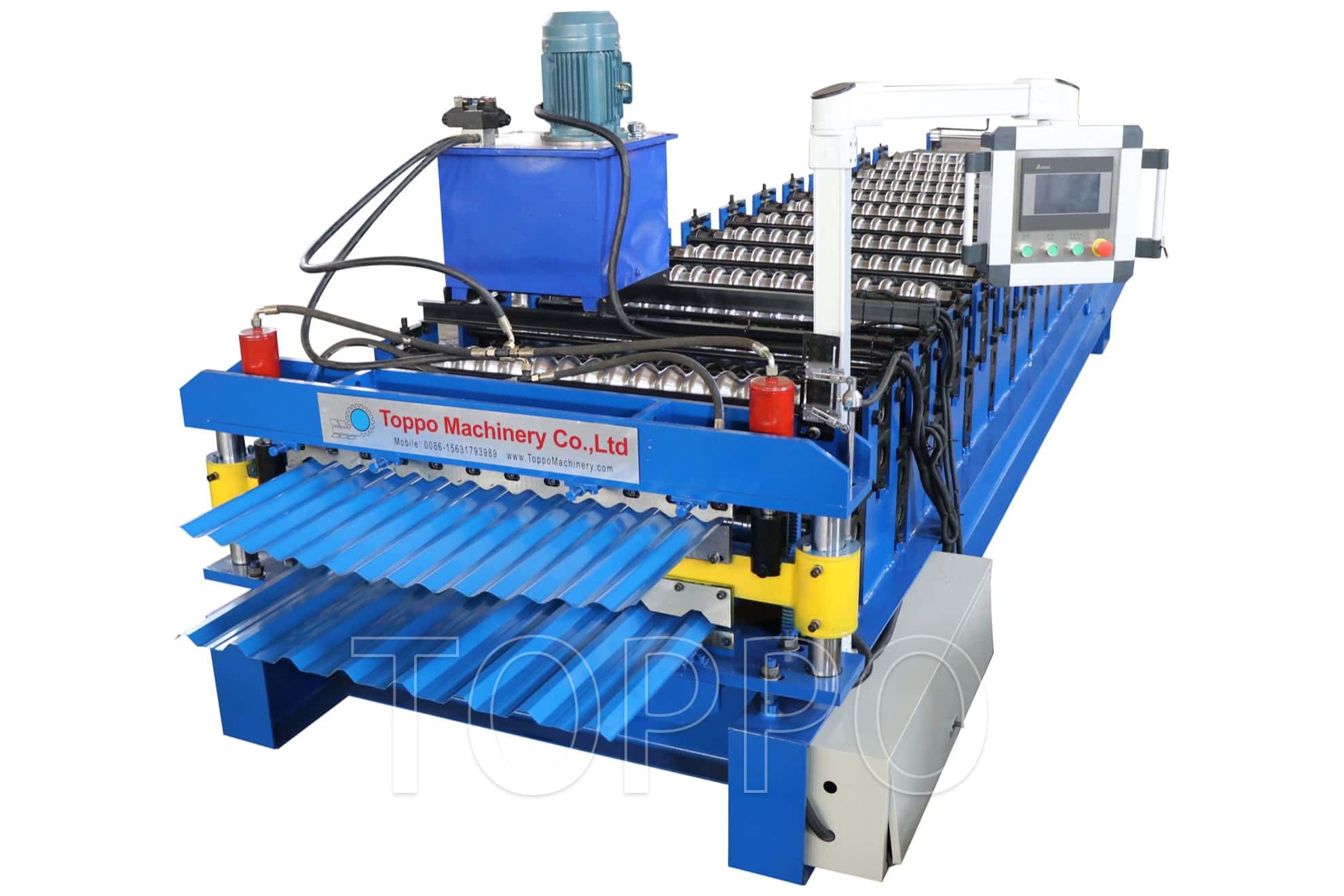
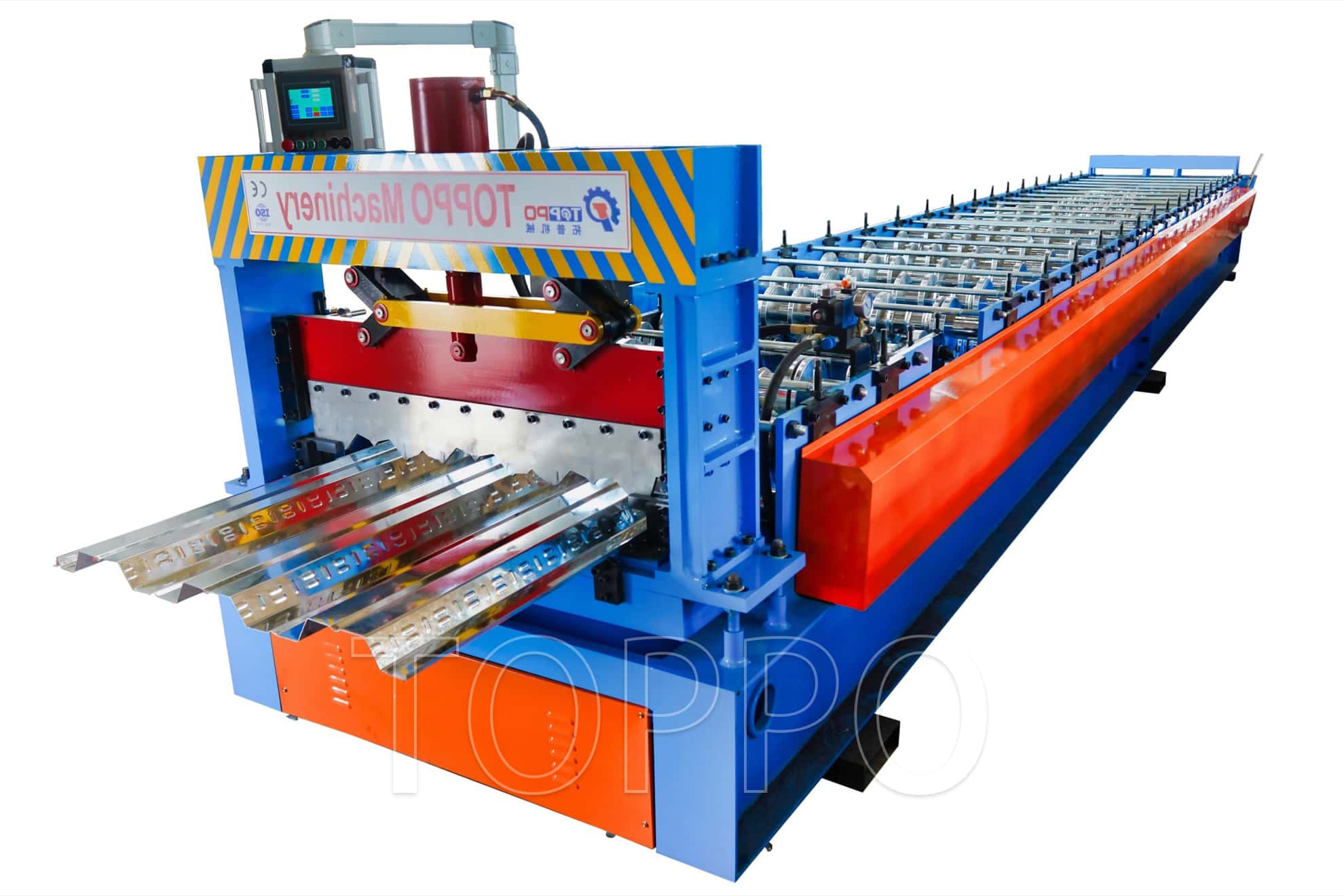
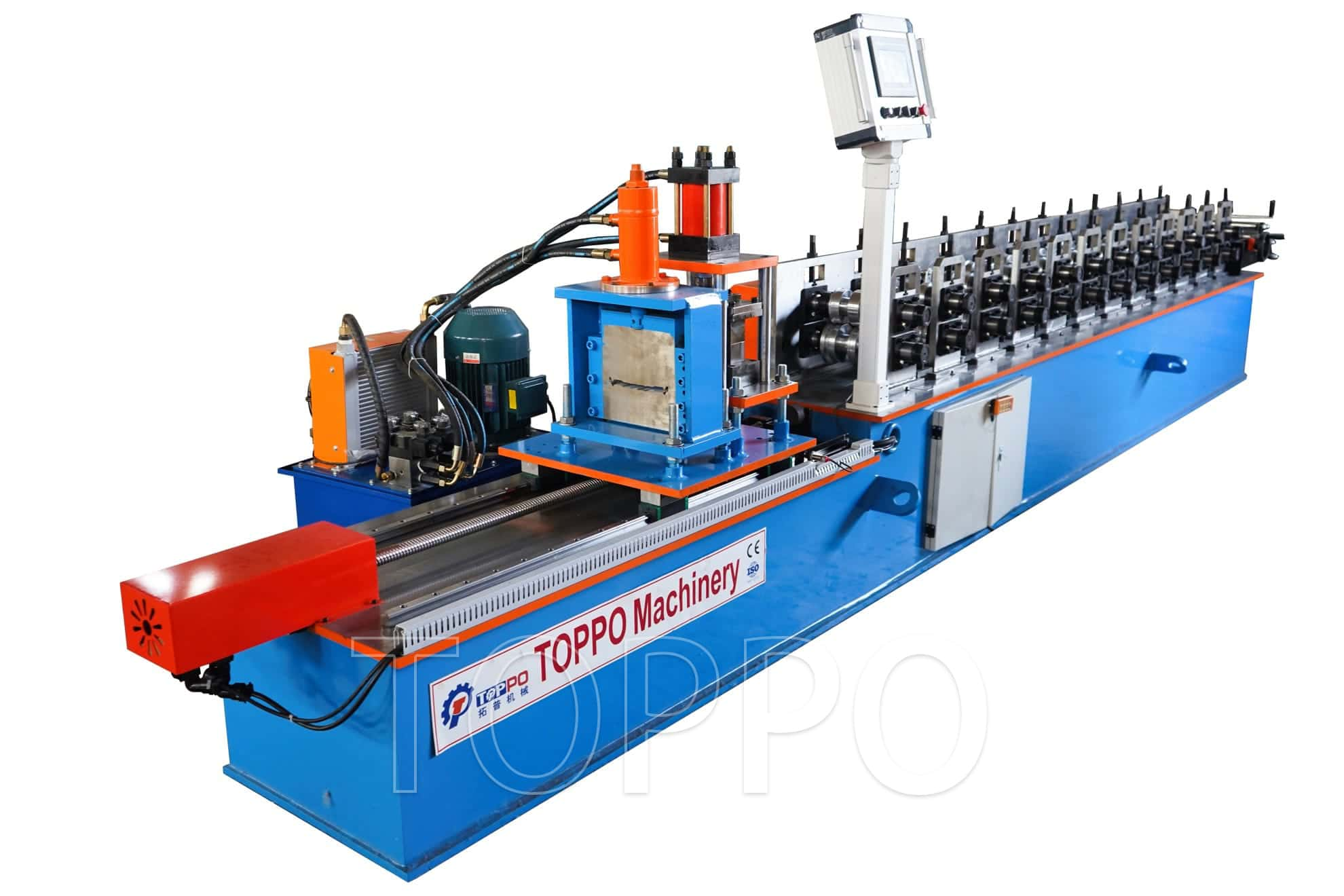
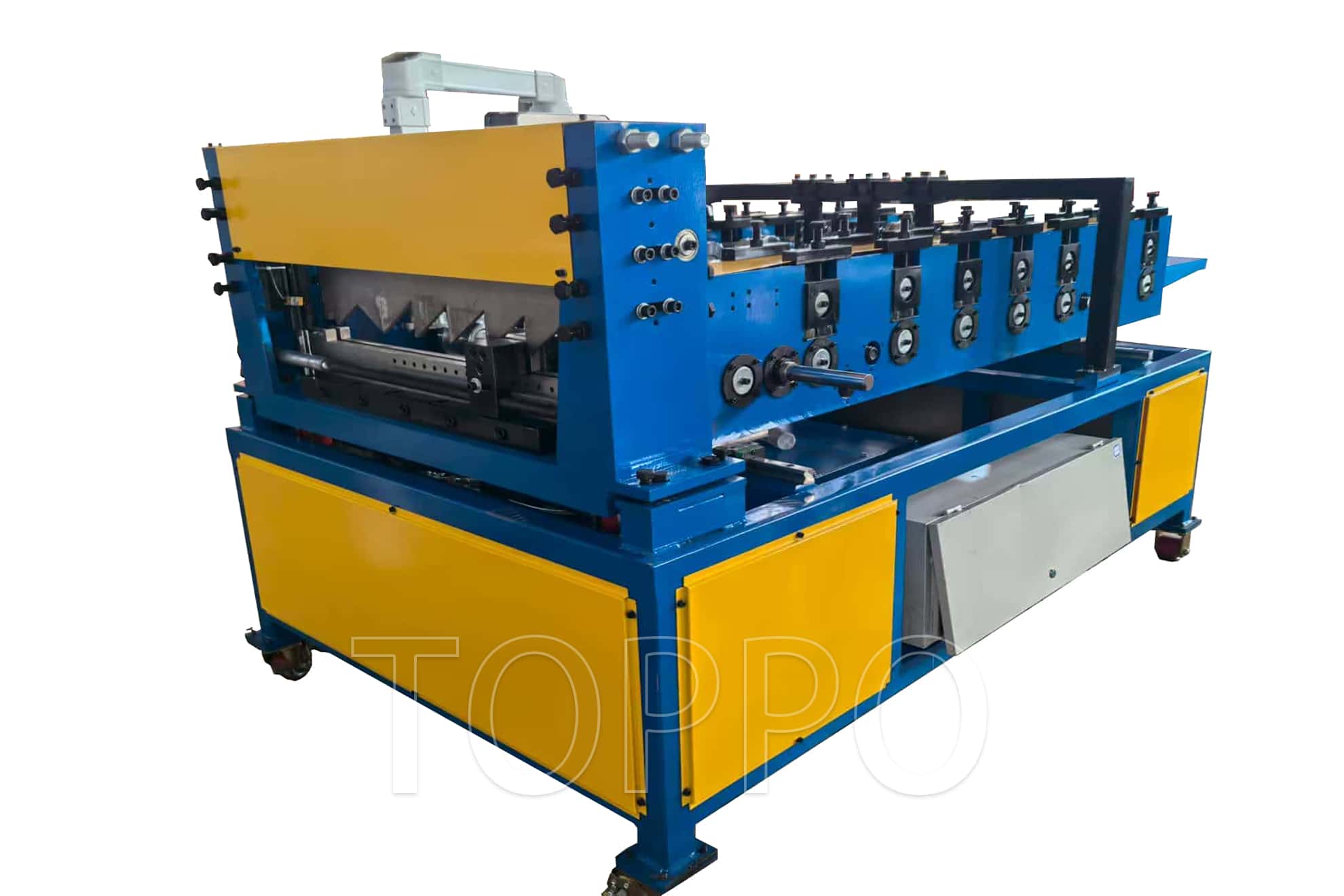
The first major expense is the production line itself. A double layer roofing sheet roll forming machine integrates two profile systems into one compact structure. Compared with installing two separate lines, this configuration reduces floor space, electrical wiring complexity, and initial capital cost.
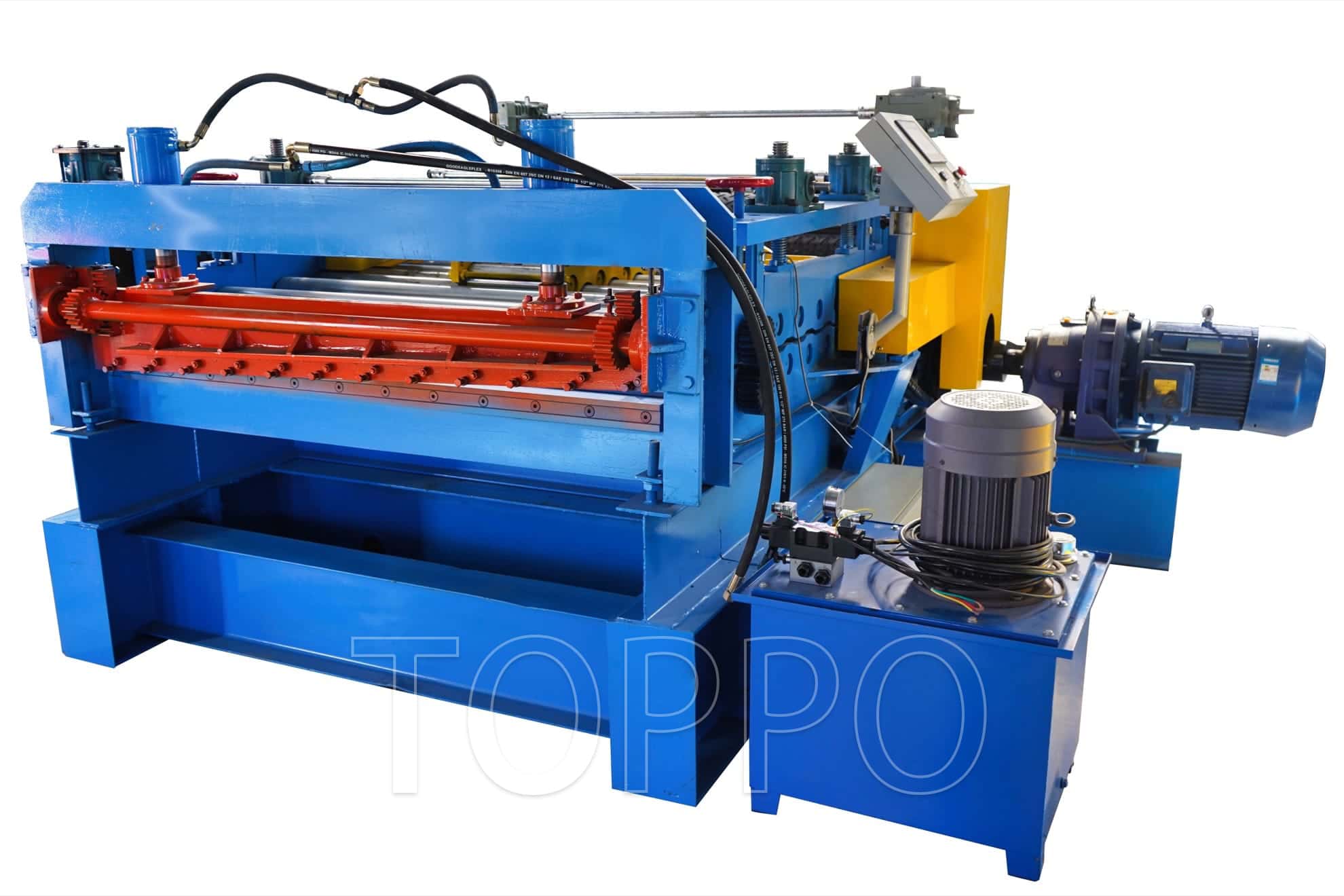
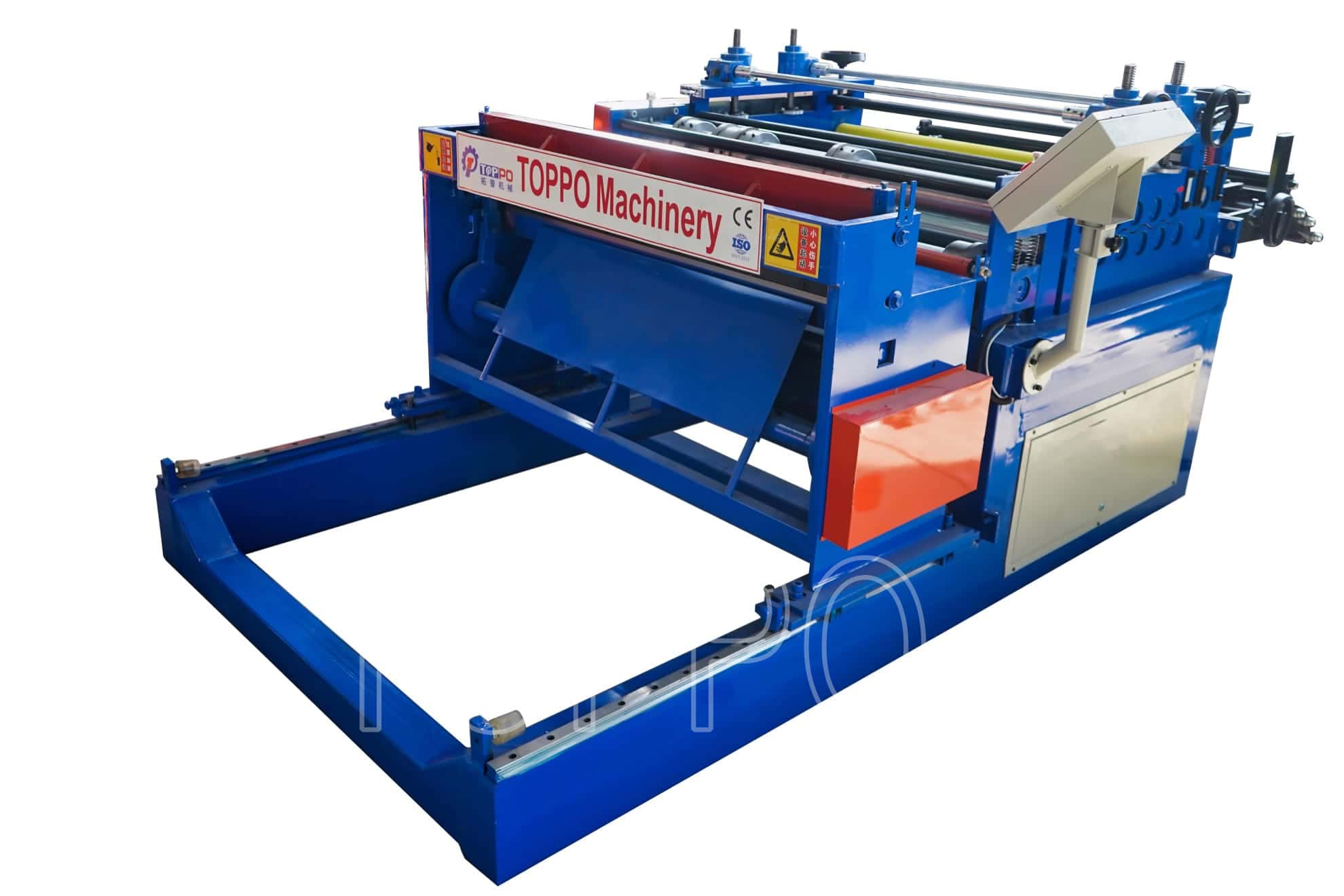
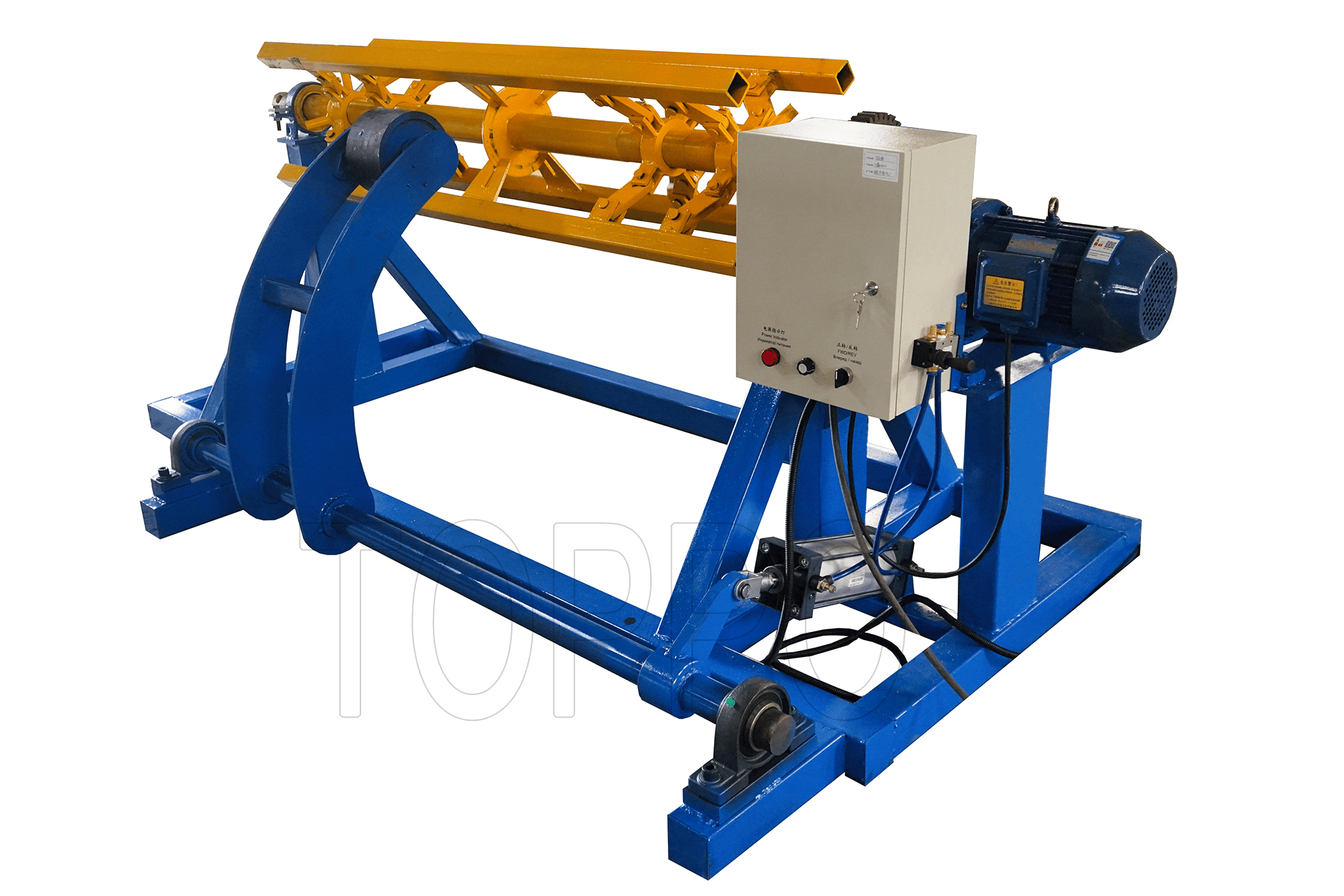
In addition to the forming system, distributors must budget for a hydraulic cutting unit, PLC control cabinet, decoiler, run-out table, and voltage stabilizer. Choosing a reliable double layer roll forming machine with stable motor configuration and hardened rollers ensures long-term durability and reduces maintenance costs.
Proper installation of the roof panel making machine is essential. The foundation must be level, and electrical grounding must comply with safety standards. Skipping these steps often leads to vibration, inaccurate forming, and early component wear.
2. Step-by-Step Implementation Plan
Step 1: Market Demand Analysis
Study local construction activity, seasonal demand cycles, and competitor pricing. Identify which profiles—corrugated or trapezoidal—have the highest turnover.
Step 2: Raw Material Sourcing Strategy
Steel coil cost represents 65–75% of total production cost. Establish long-term supplier agreements to stabilize pricing and protect margins.
Step 3: Equipment Testing and Calibration
Run the double layer roofing sheet roll forming machine continuously under full load for at least 30–60 minutes. Check panel dimensions, wave spacing, and cutting accuracy before commercial launch.
Step 4: Operator Training
Ensure staff understand how to switch profiles efficiently on the double layer roll forming machine and how to monitor hydraulic pressure and motor current daily.
3. Cost Structure and Profit Estimation
The cost structure includes raw materials, electricity, labor, maintenance, and depreciation. Electricity consumption of a roof panel making machine is relatively low compared to material expenses, making steel procurement the key profit driver.
For example, assume the selling price of roofing sheets in the local market is $6.50 per square meter. If total production cost—including raw material, labor, and electricity—is $4.80 per square meter, the gross margin is $1.70 per square meter.
If the double layer roofing sheet roll forming machine produces 7,000 square meters daily, daily gross profit equals $11,900 before fixed overhead expenses. In many emerging markets, distributors recover full equipment investment within 8–12 months, depending on sales volume.
4. Real Operational Case Study
A distributor in Central Africa transitioned from importing finished sheets to manufacturing locally. Before investing in a double layer roofing sheet roll forming machine, the company paid high shipping fees and customs duties, which increased product cost by nearly 20%.
After installing a double layer roll forming machine, the distributor reduced per-unit cost by 14% and shortened delivery time from 14 days to 3 days. The flexibility of the roof panel making machine allowed custom lengths based on contractor requirements, increasing customer satisfaction.
Within the first year, net profit increased by 32%, and market share expanded significantly due to faster response and competitive pricing.
5. Common Mistakes That Reduce Profitability
Underestimating Raw Material Volatility: Steel prices fluctuate frequently. Without strategic inventory management, sudden price increases can erode margins.
Ignoring Maintenance: Poor lubrication or unstable voltage can cause downtime in a double layer roofing sheet roll forming machine. Production delays directly impact revenue and customer trust.
Overestimating Market Capacity: Some distributors invest in a double layer roll forming machine without securing sufficient sales contracts. Underutilized equipment increases depreciation cost per unit.
6. Key Operational Precautions
Install voltage stabilizers to protect the roof panel making machine.
Maintain strict lubrication schedules for rollers and bearings.
Monitor coil thickness consistency before feeding material.
Conduct weekly inspection of hydraulic hoses and cutting blades.
Keep detailed maintenance records for performance tracking.
Proper operational discipline ensures the double layer roofing sheet roll forming machine runs at optimal efficiency with minimal waste and downtime.
7. Strategic Advantages Beyond Immediate Profit
Local manufacturing offers more than direct margin improvement. It enhances brand reputation, enables faster delivery, and reduces reliance on international logistics. Operating a double layer roll forming machine also allows product diversification, opening opportunities for new profiles and regional expansion.
Furthermore, using a roof panel making machine locally protects the distributor from currency fluctuations and global shipping disruptions, creating a more stable long-term business model.
Conclusion
Producing roofing sheets locally can significantly increase distributor profitability when implemented strategically. By investing in a reliable double layer roofing sheet roll forming machine, managing raw material sourcing carefully, and avoiding common operational mistakes, distributors can achieve strong margins and rapid return on investment. Success depends on disciplined management, accurate market analysis, and consistent equipment maintenance.
SEO Keywords
double layer roofing sheet roll forming machine, double layer roll forming machine, roof panel making machine, local roofing sheet production profit, metal roofing roll former, steel roll forming machine
Tags
double layer roofing sheet roll forming machine, double layer roll forming machine, roof panel making machine
READ MORE: