Maximizing Margins: The Real Profit Potential of Local Roofing Sheet Manufacturing for Distributors
Roofing sheet distributors traditionally rely on importing finished products and reselling them with limited margins. However, increasing freight charges, currency instability, and stronger competition have pushed many distributors to reconsider their business model. Local manufacturing, especially with the support of a double layer roofing sheet roll forming machine, offers a powerful opportunity to increase margins, improve delivery speed, and strengthen market control.
But how much profit can actually be generated? The answer depends on investment planning, raw material sourcing, operational discipline, and realistic sales forecasting. This article provides a practical and detailed breakdown of financial potential, implementation procedures, and operational precautions.
1. Investment Structure and Equipment Configuration
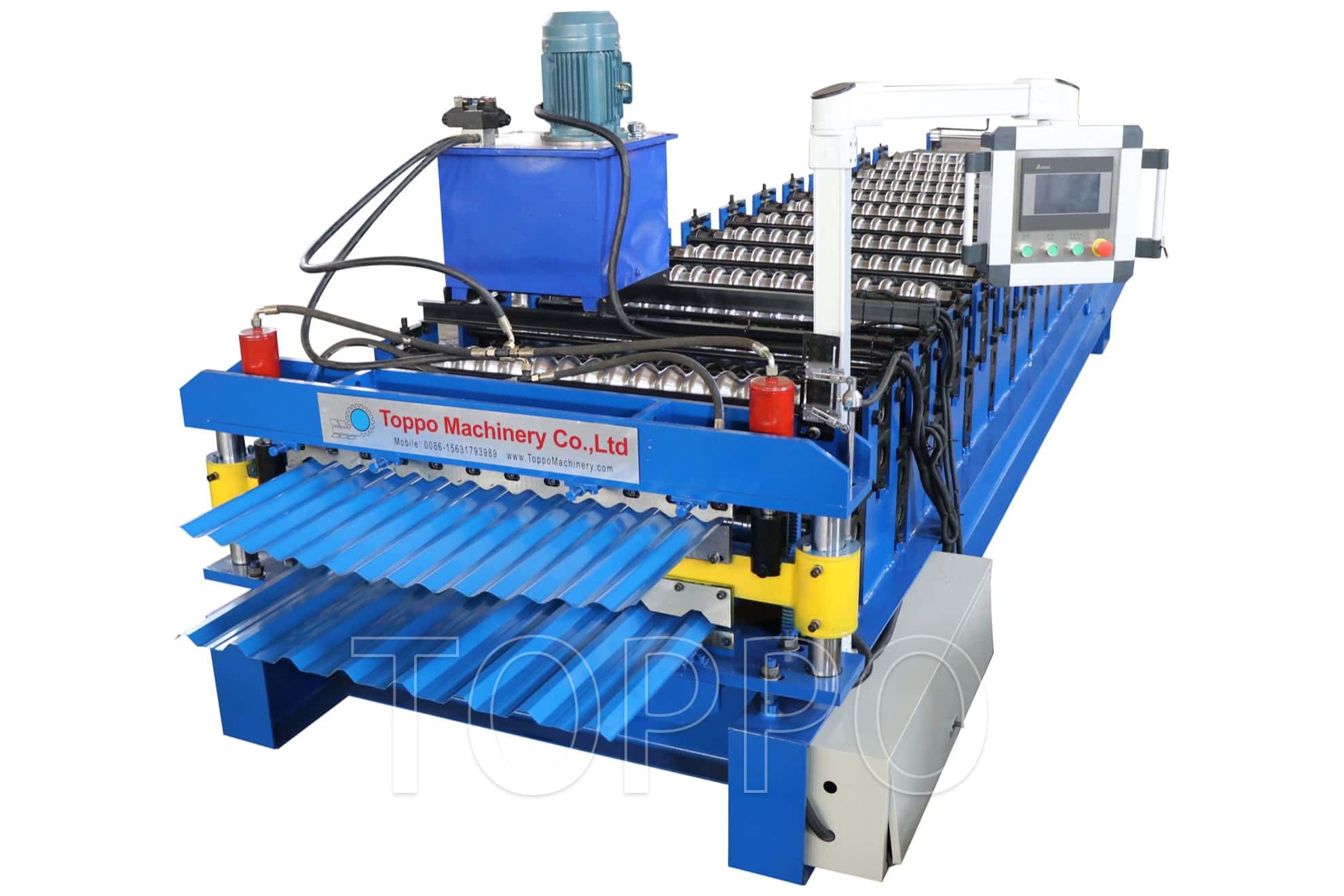
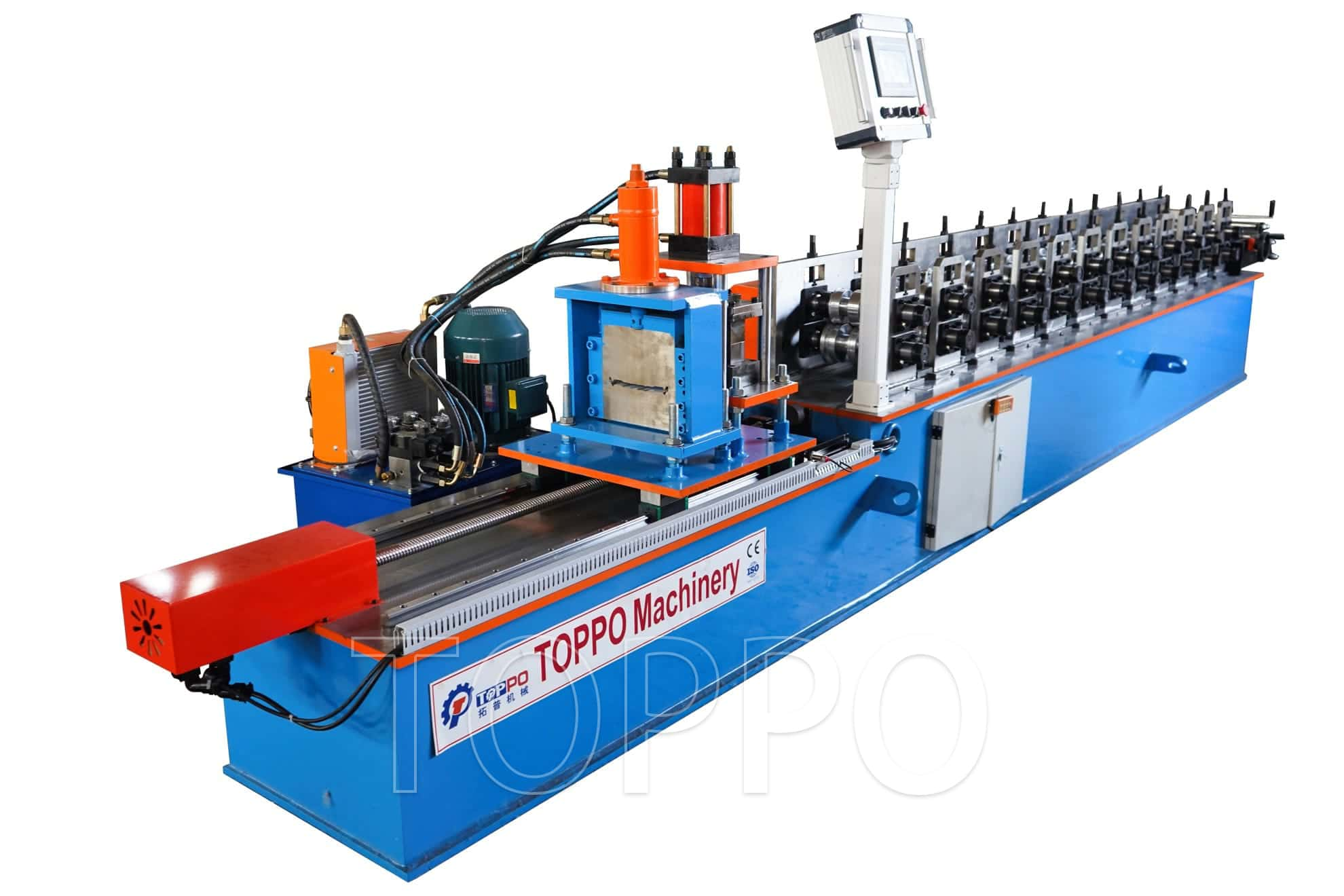
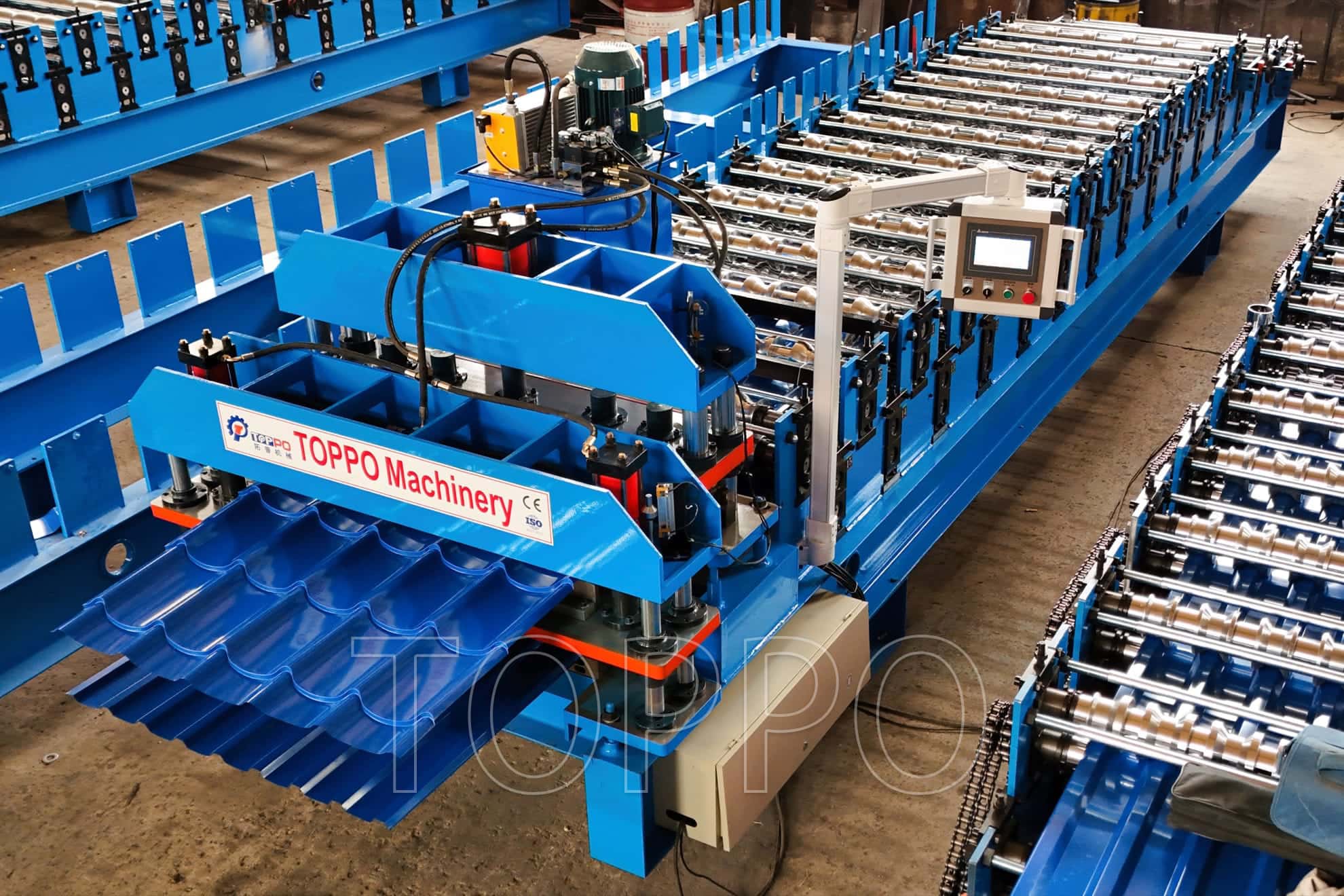
The primary capital investment is the forming production line. A double layer roofing sheet roll forming machine allows the production of two different roofing profiles within a single integrated system. This design reduces floor space requirements and avoids the cost of installing two separate machines.
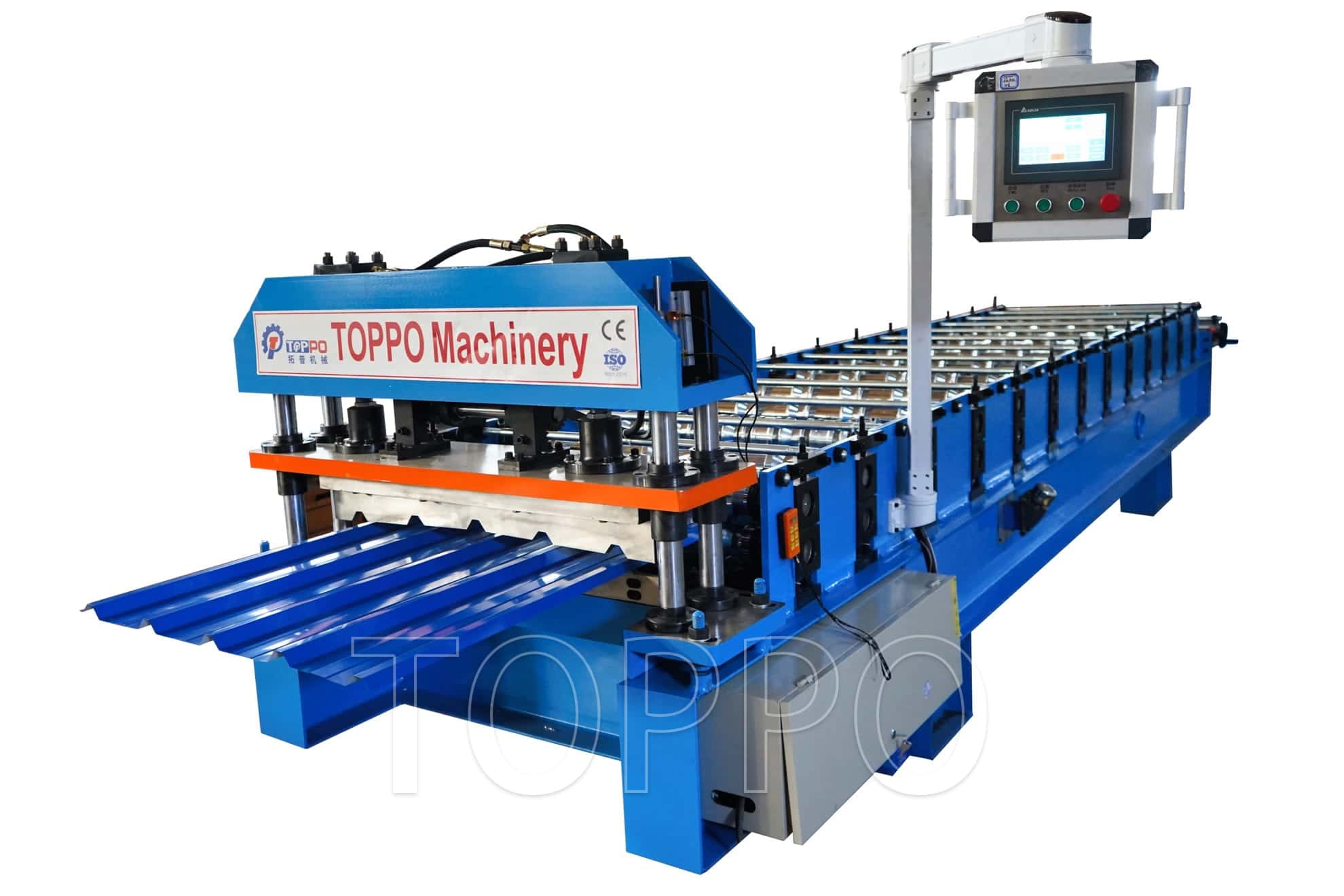
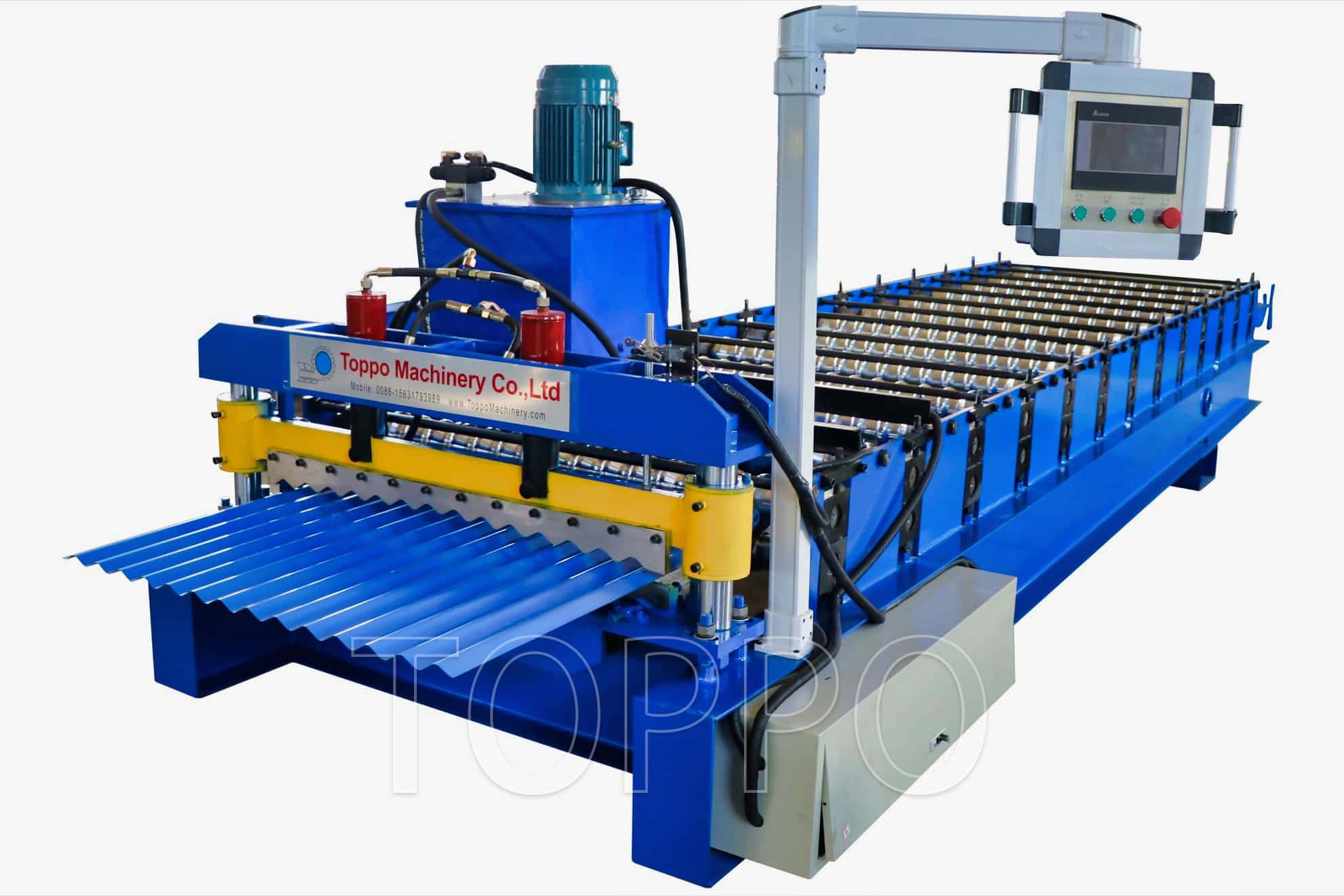
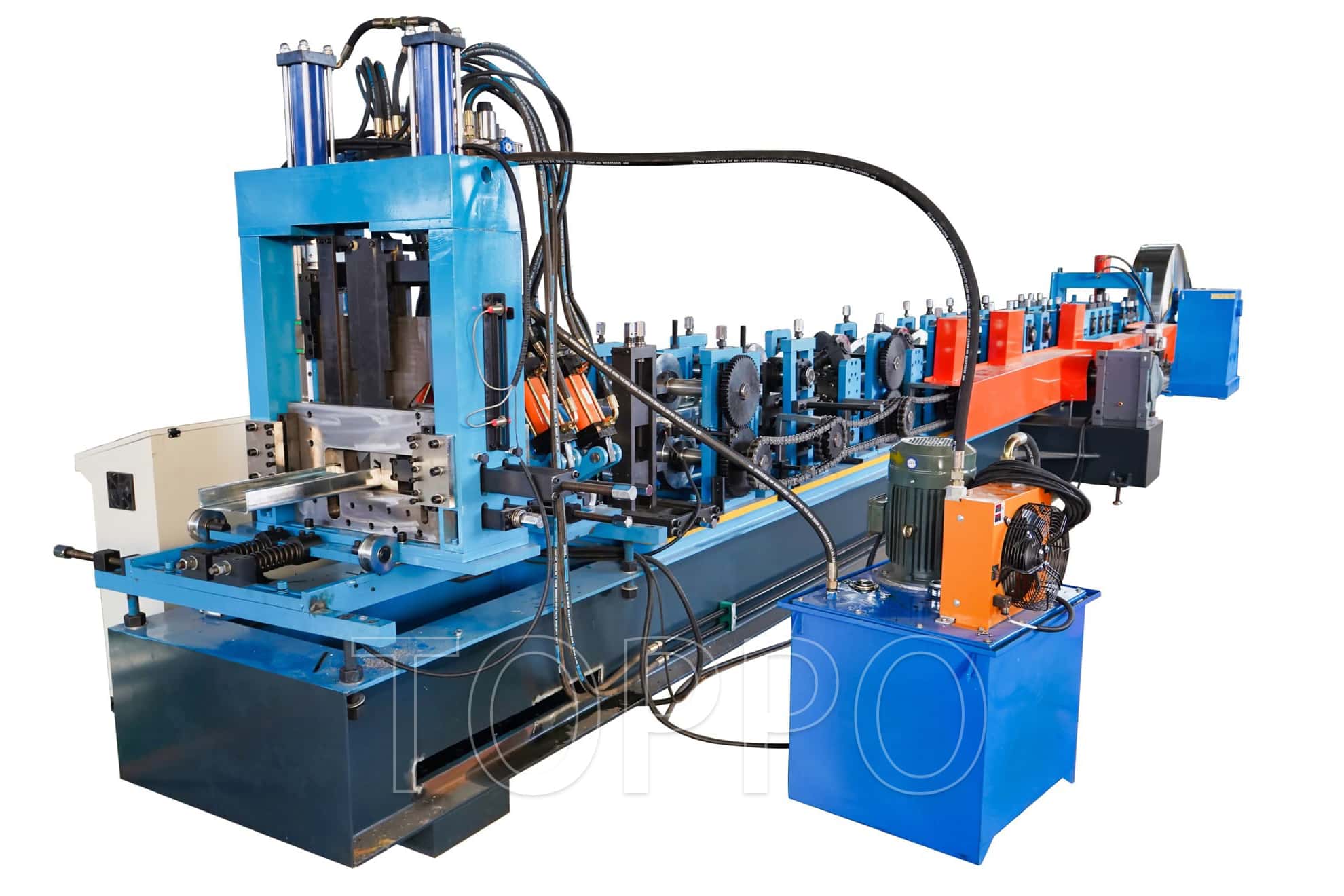
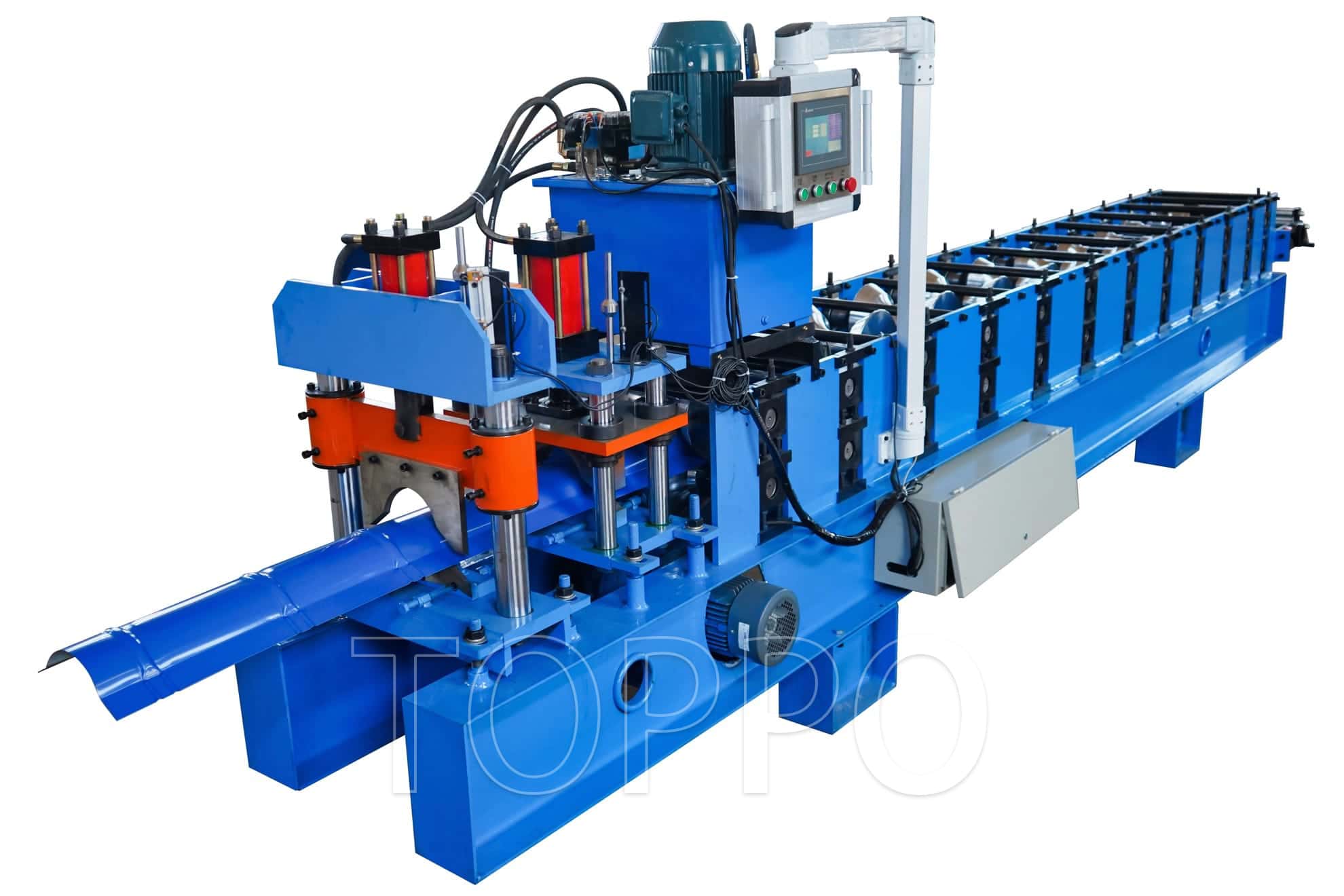
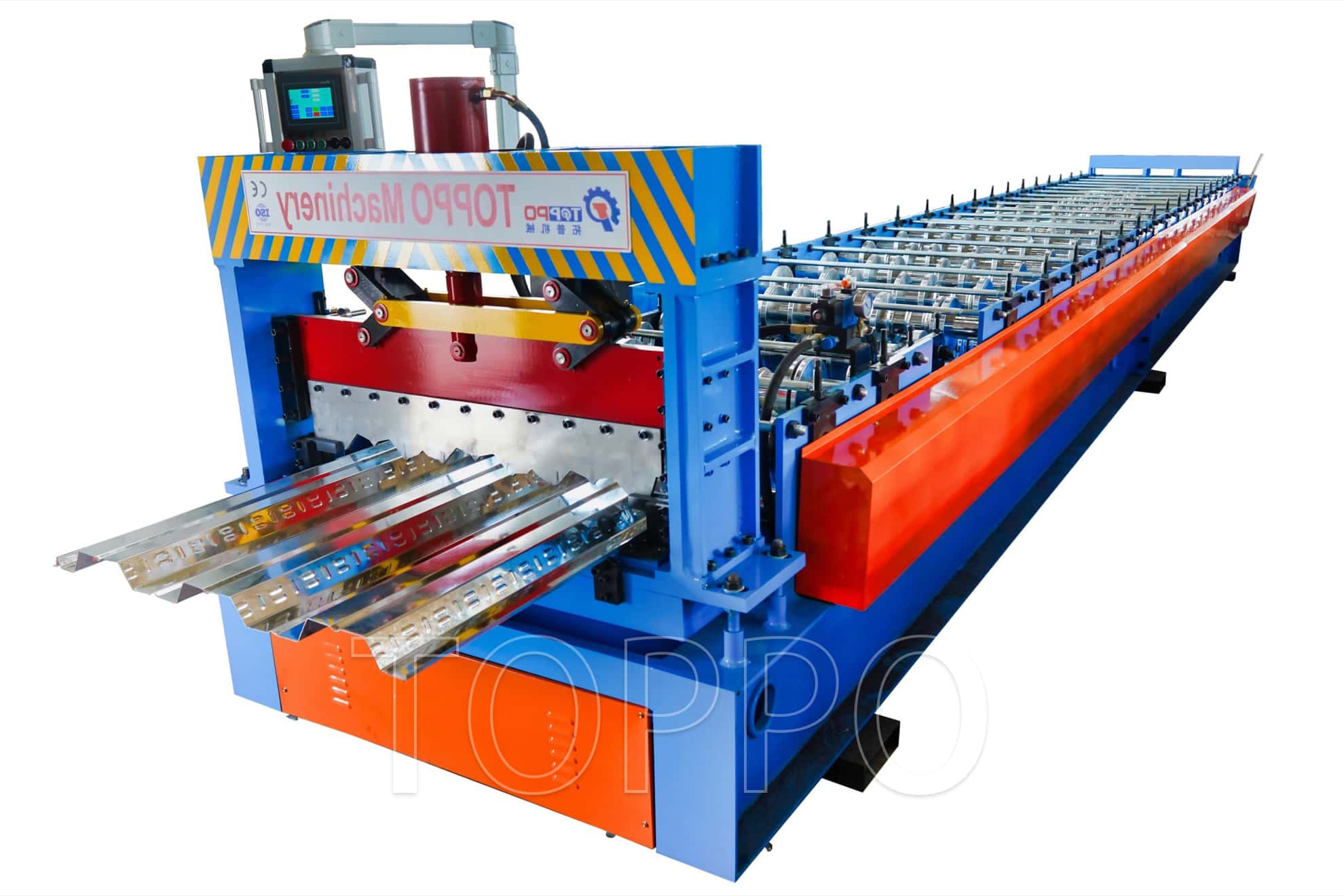
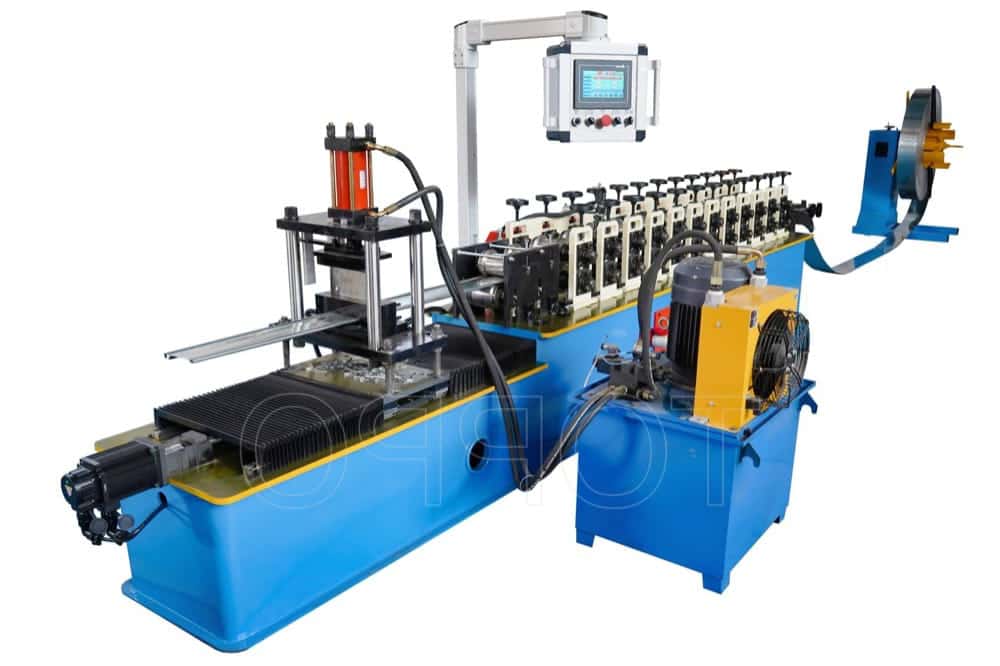
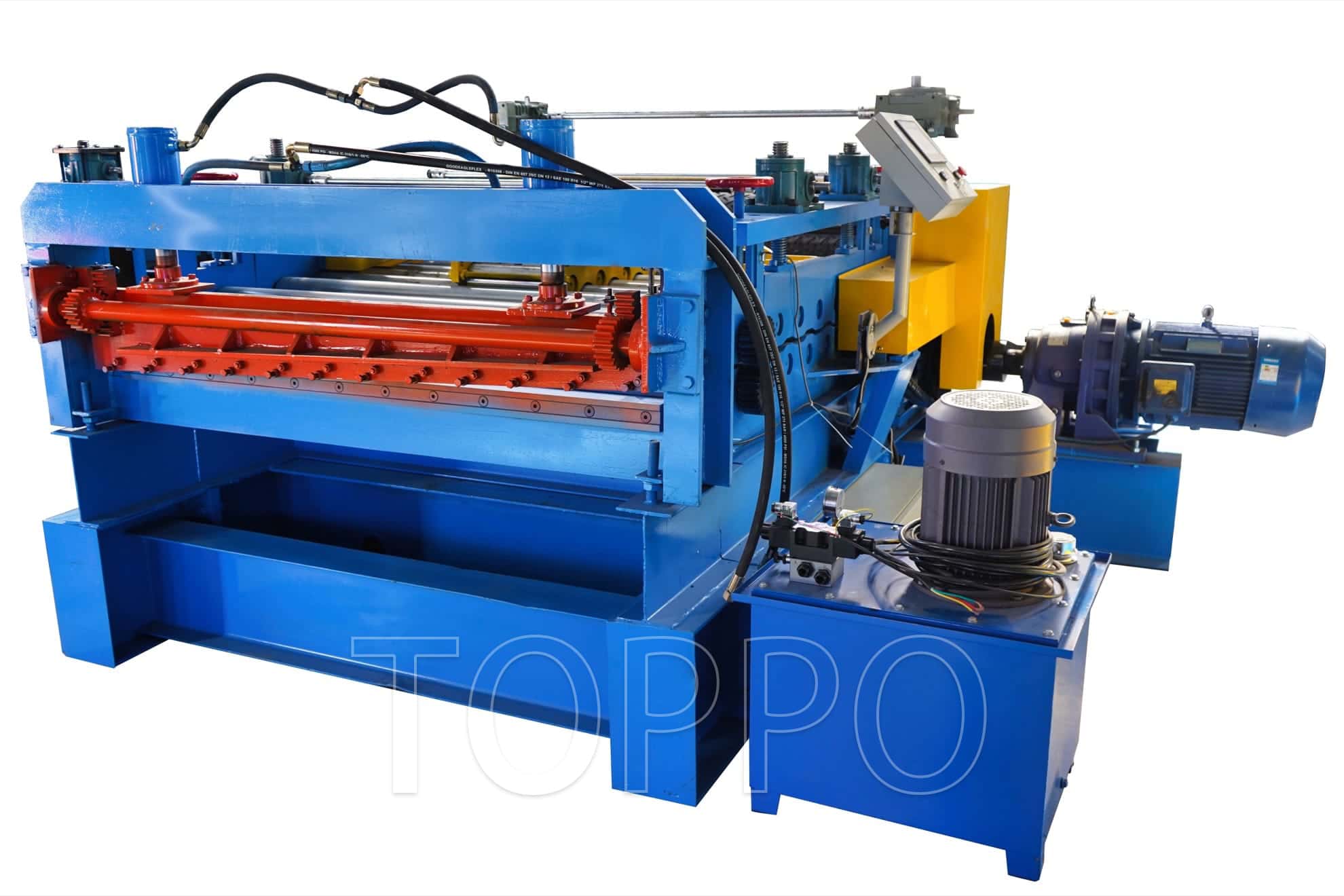
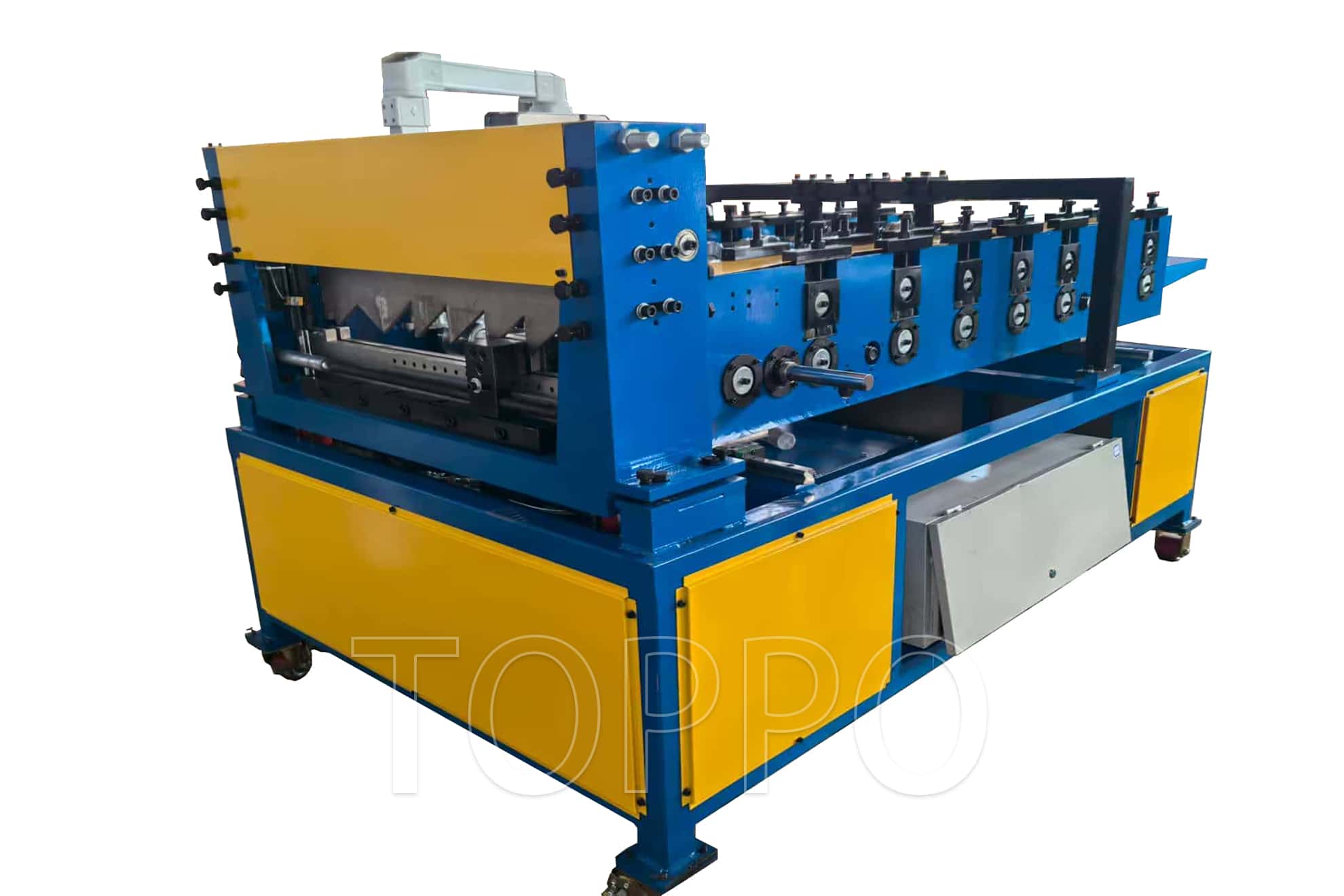
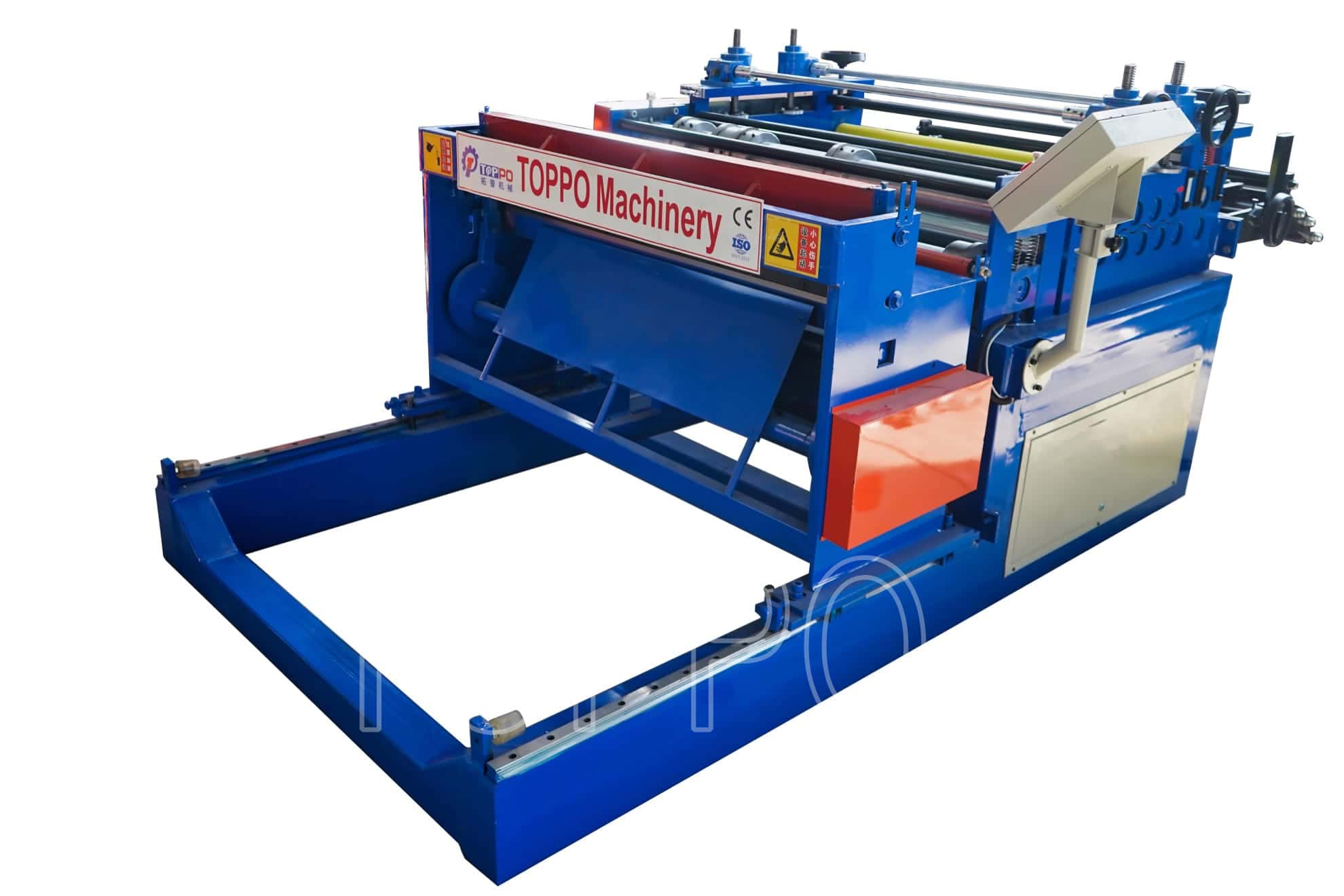
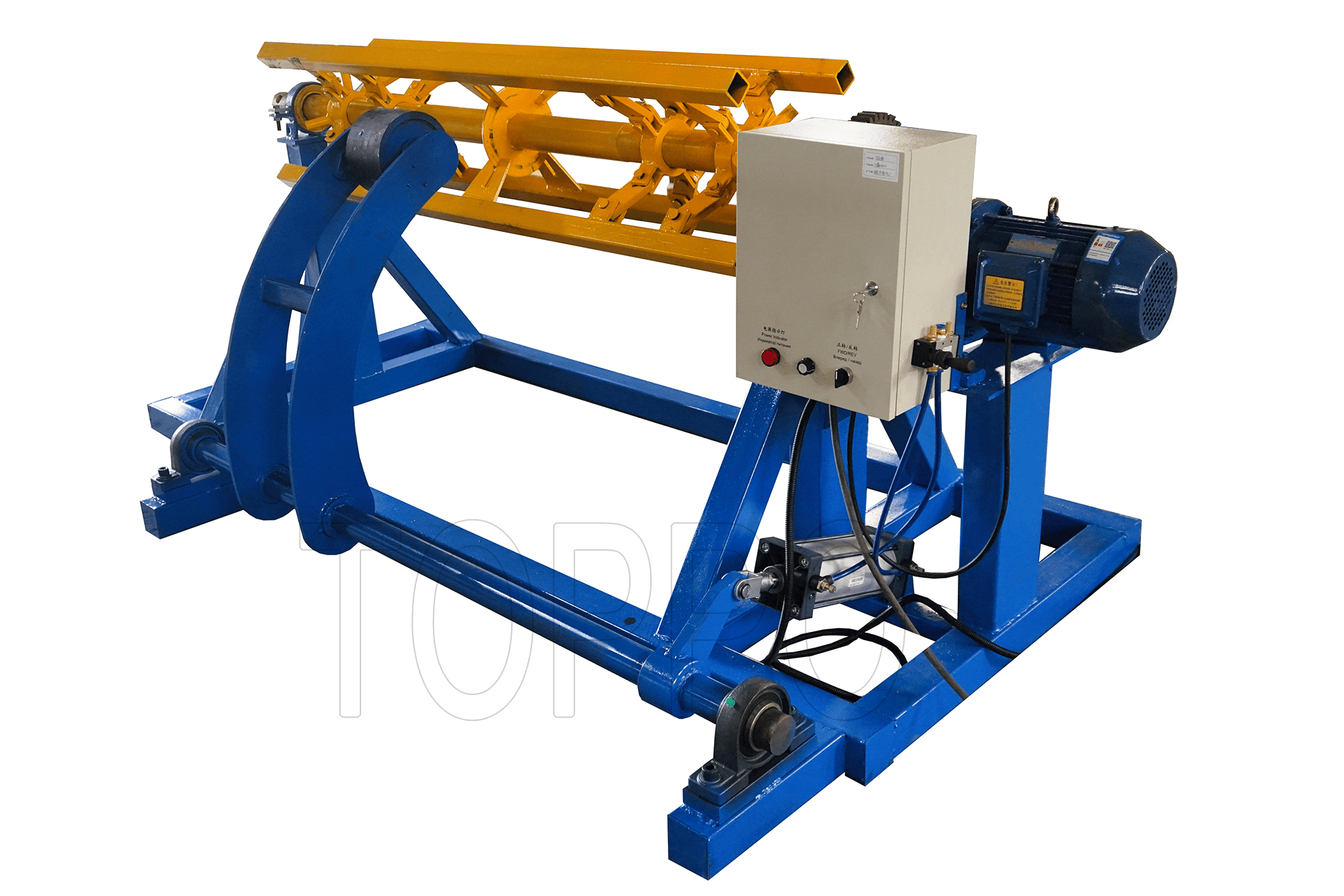
Compared with traditional setups, a double layer roll forming machine offers better flexibility for distributors who supply both corrugated and trapezoidal panels. The equipment generally includes a decoiler, forming system, hydraulic cutting unit, PLC control cabinet, and run-out table.
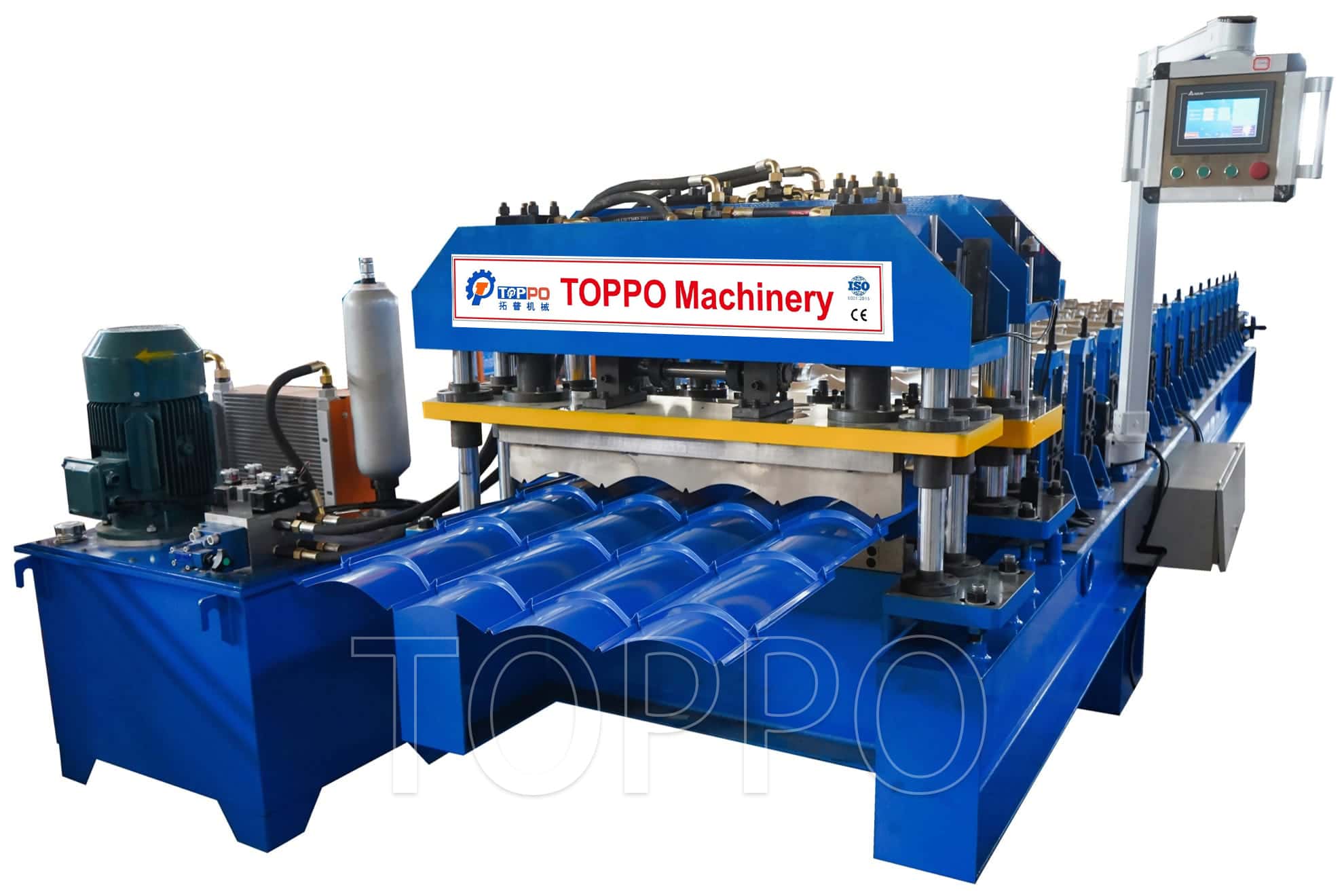
Additionally, installing a roof panel making machine requires a stable concrete foundation, proper anchor bolt fixation, and compliant electrical grounding. Ignoring these installation details often leads to vibration, misalignment, and reduced machine lifespan.
2. Step-by-Step Implementation Process
Step 1: Market Feasibility Study
Before investing, distributors should analyze local construction demand, seasonal trends, and competitor pricing. Understanding peak sales months helps determine realistic production volume.
Step 2: Raw Material Procurement Strategy
Steel coils account for approximately 65–75% of total production cost. Establishing long-term supply agreements reduces exposure to sudden price increases.
Step 3: Equipment Commissioning
Run the double layer roofing sheet roll forming machine continuously for at least 60 minutes under load. Monitor motor current, hydraulic pressure stability, and panel dimensional accuracy.
Step 4: Operator Training
Operators must understand how to switch profiles efficiently on the double layer roll forming machine and conduct daily inspection routines. Proper operation reduces downtime and material waste.
3. Financial Model and Profit Calculation
The total cost per square meter includes raw material, electricity, labor, maintenance, and depreciation. Electricity consumption of a roof panel making machine is relatively small compared to steel cost, making procurement strategy the most critical factor.
For example, assume the local selling price is $7.20 per square meter. If the combined production cost equals $5.30 per square meter, the gross margin is $1.90 per square meter.
If the double layer roofing sheet roll forming machine produces 6,500 square meters daily, daily gross profit reaches $12,350 before fixed overhead expenses. Under stable market conditions, distributors can recover the investment in a double layer roll forming machine within 8–11 months.
4. Real Operational Case Study
A distributor in Central Africa transitioned from importing panels to local production. Previously, freight and customs duties increased final product cost by nearly 20%.
After installing a double layer roofing sheet roll forming machine, the distributor reduced total cost per square meter by 16%. The flexibility of the double layer roll forming machine enabled rapid switching between profiles depending on contractor demand.
The roof panel making machine also allowed customized length production, reducing on-site cutting waste for customers. Within 12 months, the distributor increased net annual profit by 34% and expanded regional market share.
5. Common Mistakes That Reduce Profitability
Overestimating Sales Volume: Purchasing a double layer roofing sheet roll forming machine without confirmed orders may result in underutilized capacity.
Ignoring Maintenance: Lack of lubrication or voltage stabilization can damage the roof panel making machine and cause unexpected downtime.
Poor Inventory Control: Failure to monitor steel price fluctuations may quickly erode profit margins.
Improper Calibration: Incorrect adjustment of the double layer roll forming machine can produce panels outside tolerance, harming customer trust.
6. Key Operational Precautions
Install voltage stabilizers to protect electrical components.
Maintain weekly lubrication schedules for rollers and bearings.
Inspect hydraulic cutting systems regularly.
Monitor coil thickness before feeding into the roof panel making machine.
Record production and maintenance data for performance analysis.
Proper management ensures the double layer roofing sheet roll forming machine operates at optimal efficiency and minimizes long-term maintenance costs.
7. Strategic Advantages Beyond Immediate Profit
Local manufacturing improves delivery speed, enhances customization capability, and reduces dependency on international logistics. A well-managed double layer roll forming machine provides scalability, allowing distributors to introduce new profiles without major additional investment.
Furthermore, operating a roof panel making machine domestically protects the business from currency fluctuations and global shipping disruptions, ensuring greater financial stability.
Conclusion
Local roofing sheet production offers strong profit potential when implemented strategically. By investing in a reliable double layer roofing sheet roll forming machine, controlling raw material procurement, and avoiding operational mistakes, distributors can significantly increase margins and shorten return-on-investment cycles. Long-term success depends on disciplined management, accurate market forecasting, and consistent equipment maintenance.
SEO Keywords
double layer roofing sheet roll forming machine, double layer roll forming machine, roof panel making machine, roofing sheet manufacturing profit, metal roofing roll former, steel roll forming machine
Tags
double layer roofing sheet roll forming machine, double layer roll forming machine, roof panel making machine
READ MORE: