Profit Expansion Strategy: What Distributors Gain by Manufacturing Roofing Sheets Locally
In many developing construction markets, roofing sheet distributors operate on narrow margins due to high freight costs, customs duties, and currency fluctuations. While importing finished panels reduces technical complexity, it also limits profitability and flexibility. By investing in a double layer roofing sheet roll forming machine, distributors can shift from a pure trading model to a hybrid manufacturing model and significantly expand earnings.
However, profitability depends on careful planning, disciplined cost control, and proper equipment management. This article provides a detailed breakdown of implementation steps, financial analysis, operational precautions, and real business cases.
1. Investment Planning and Equipment Selection
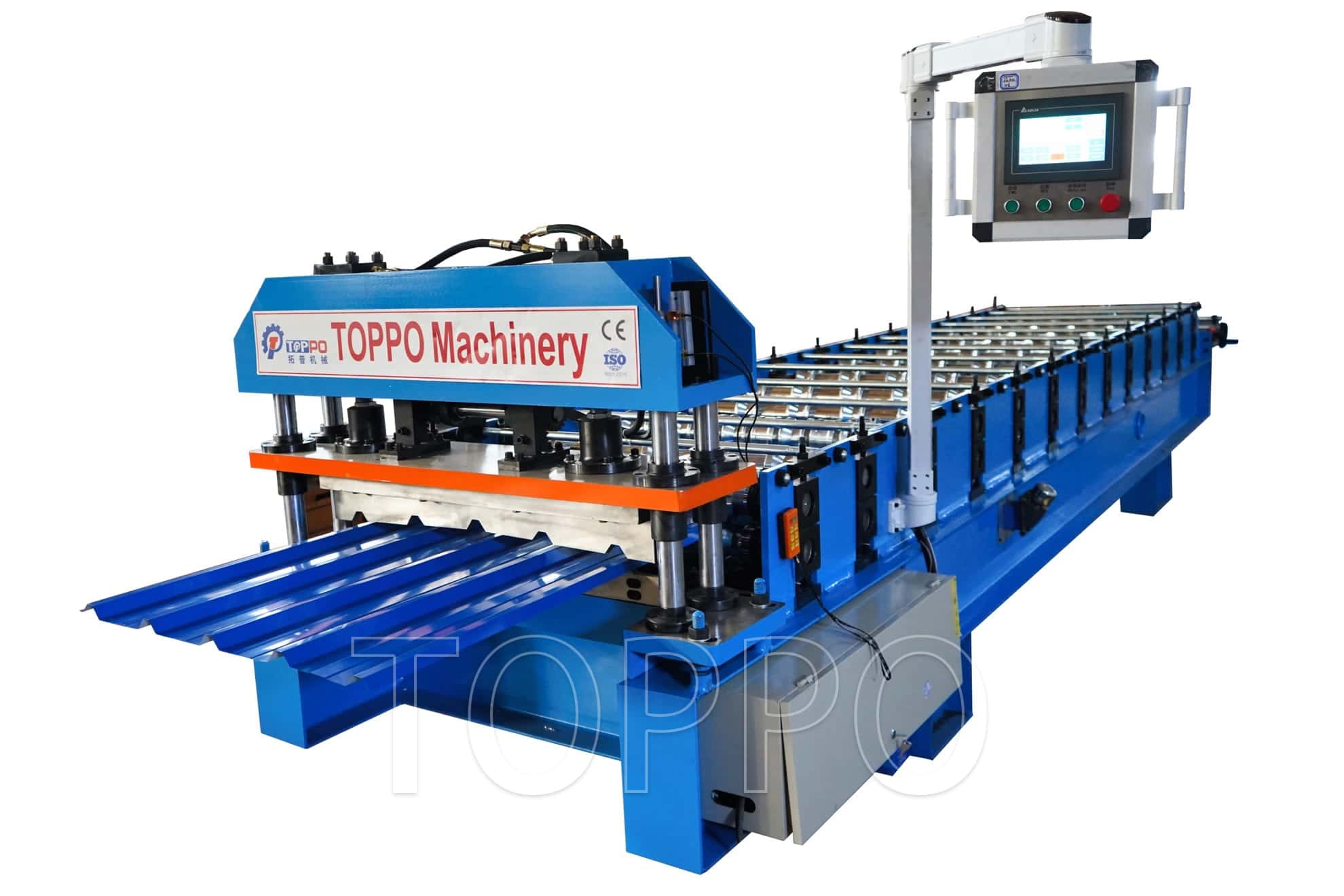
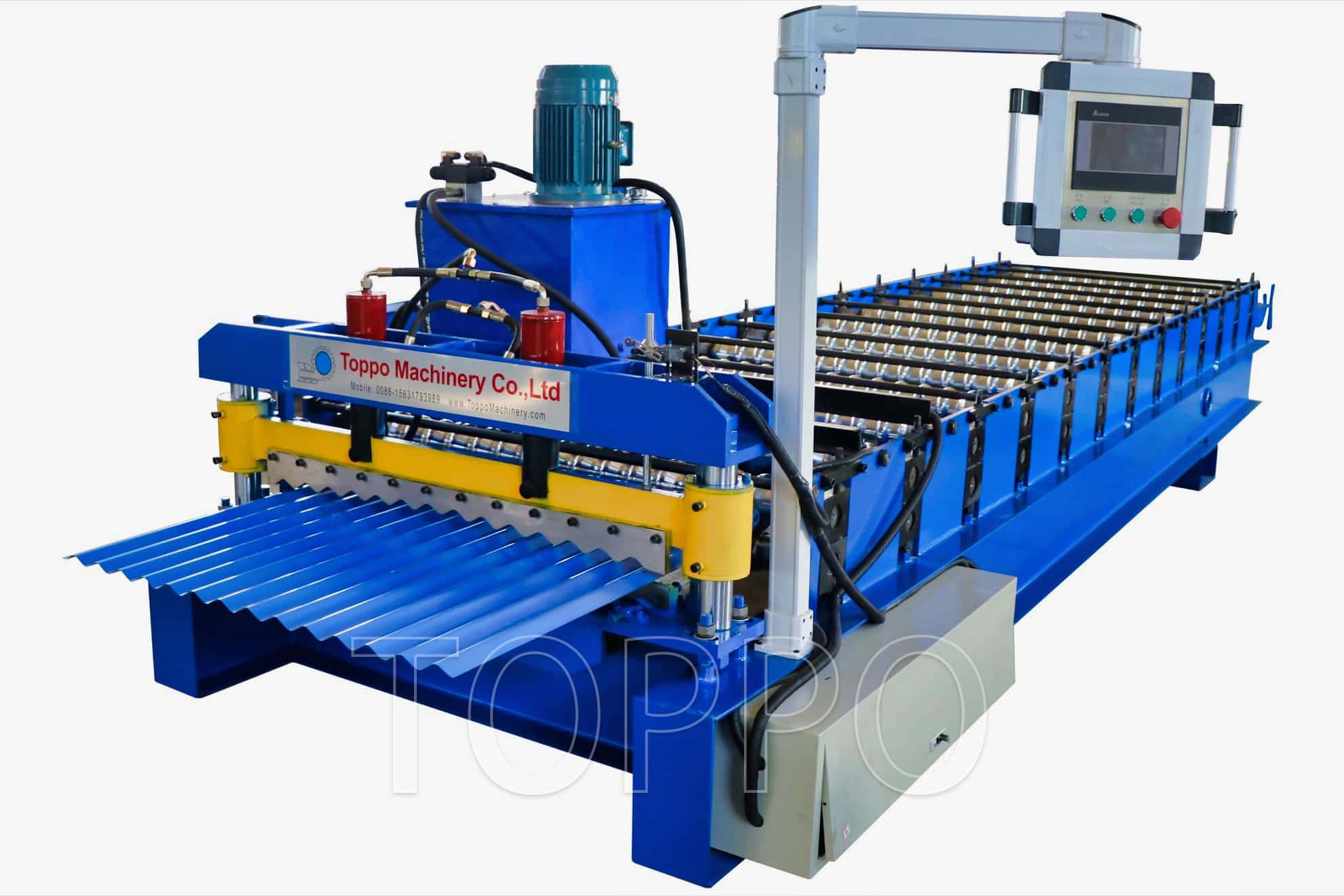
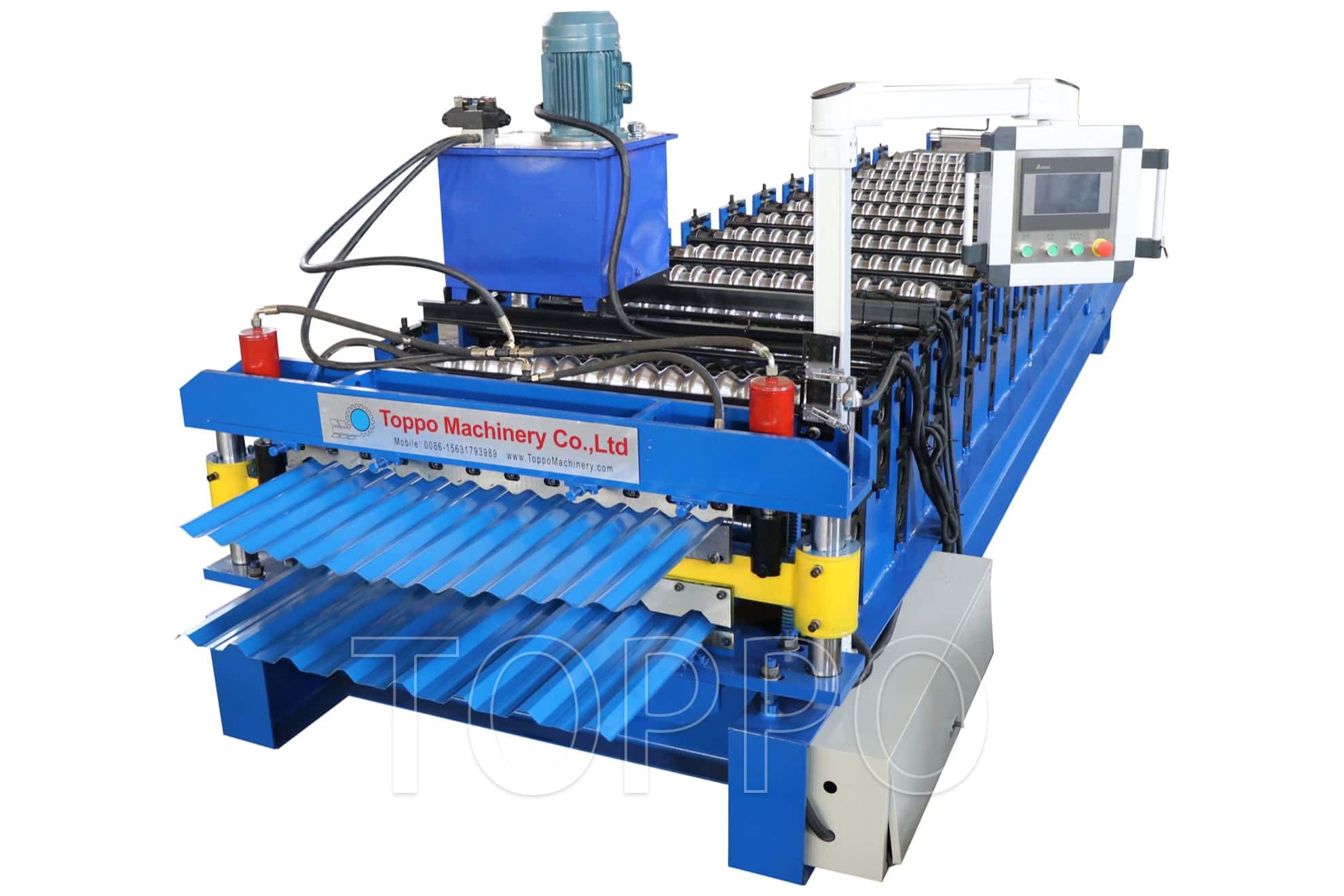
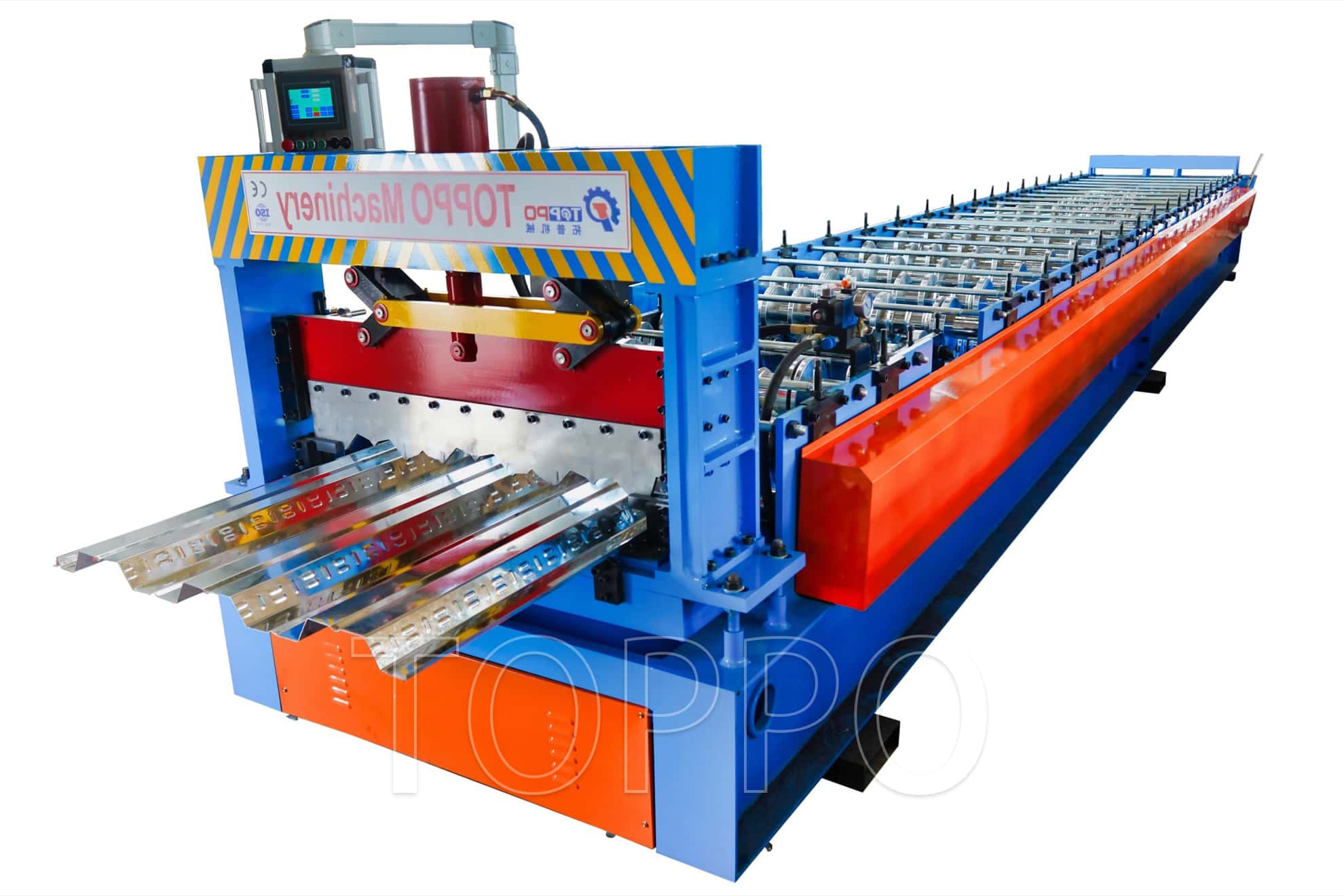
The first step toward local production is selecting the right forming equipment. A double layer roofing sheet roll forming machine integrates two roofing profiles into a single production structure. Compared to installing two independent lines, this configuration saves factory space and reduces capital expenditure.
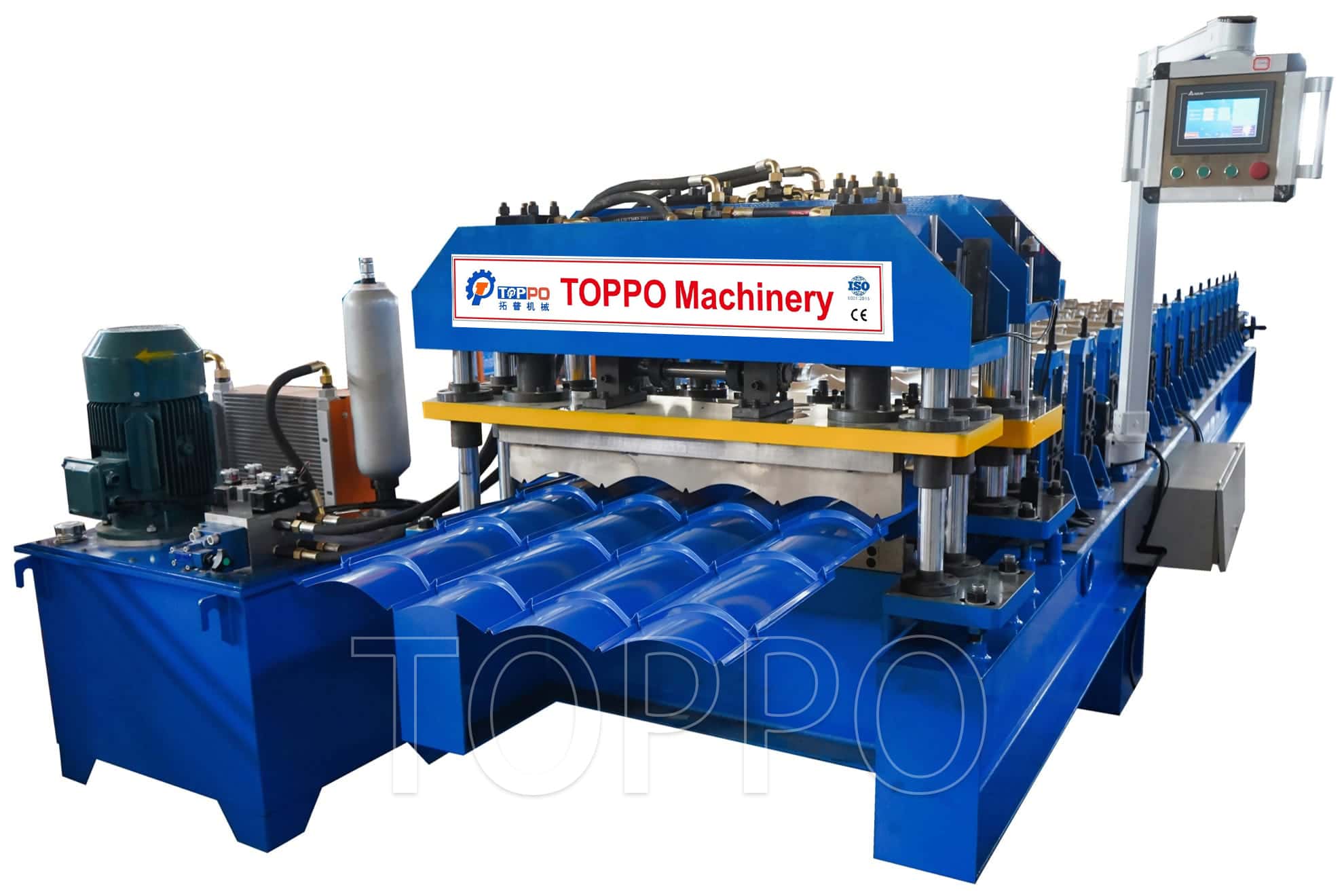
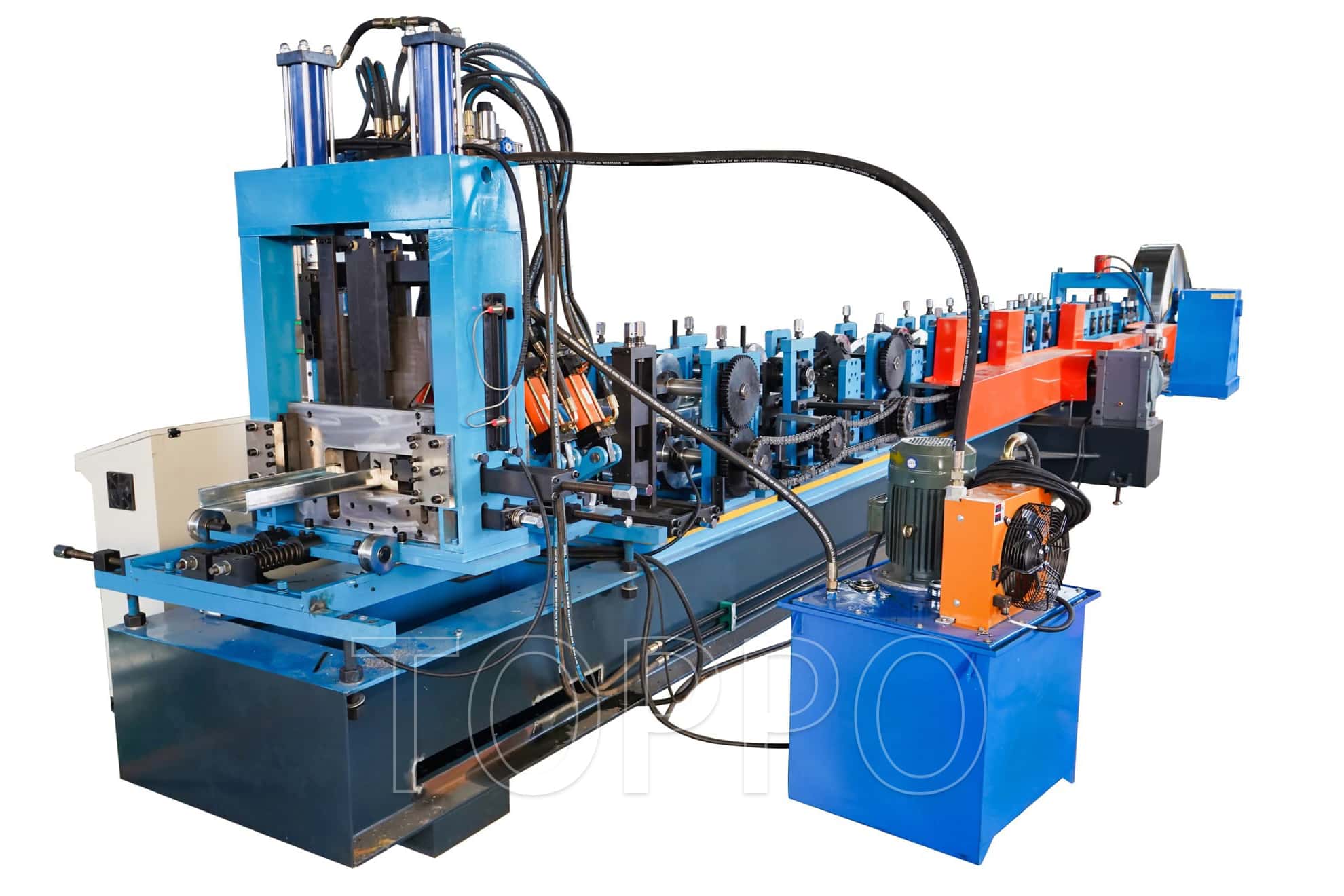
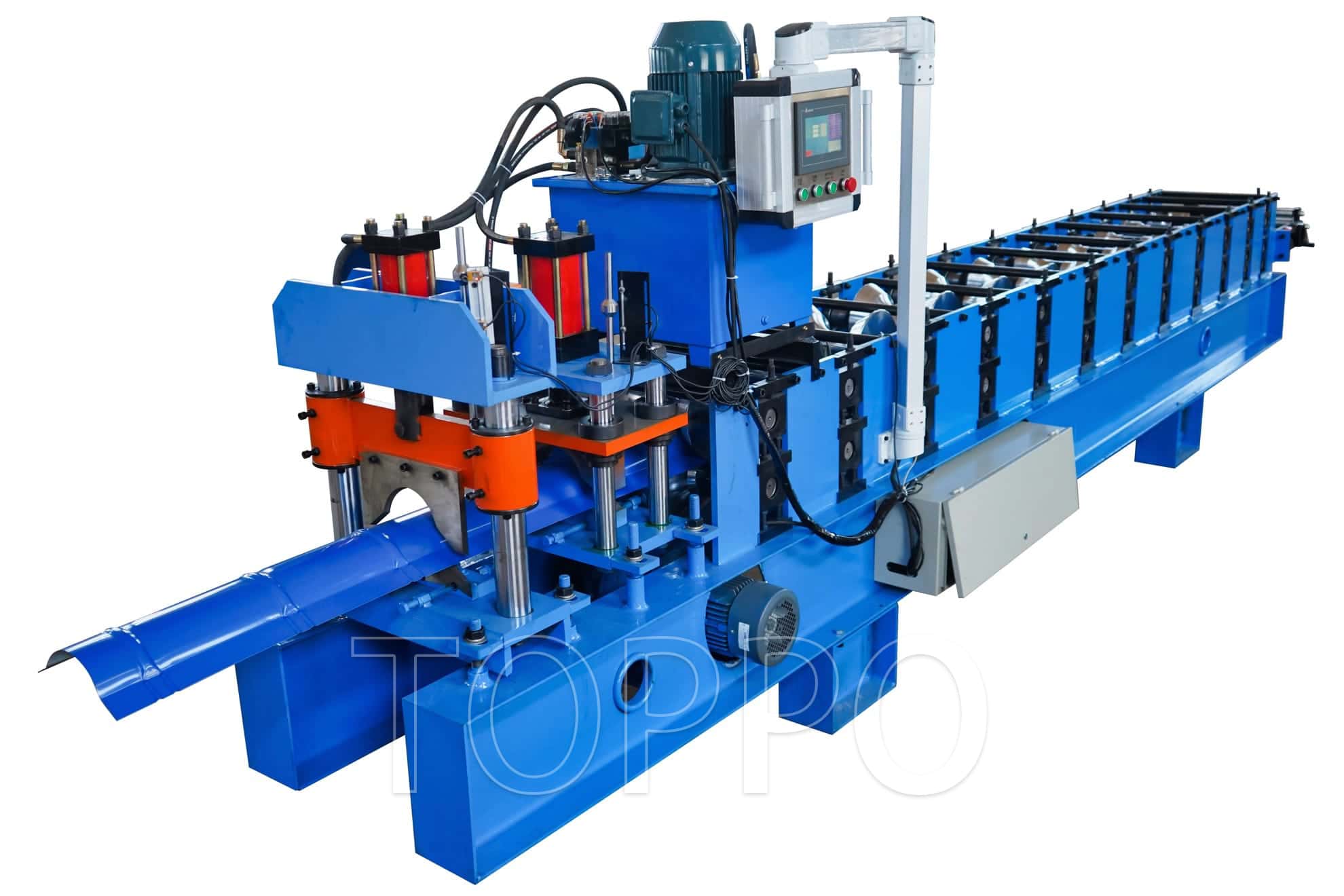
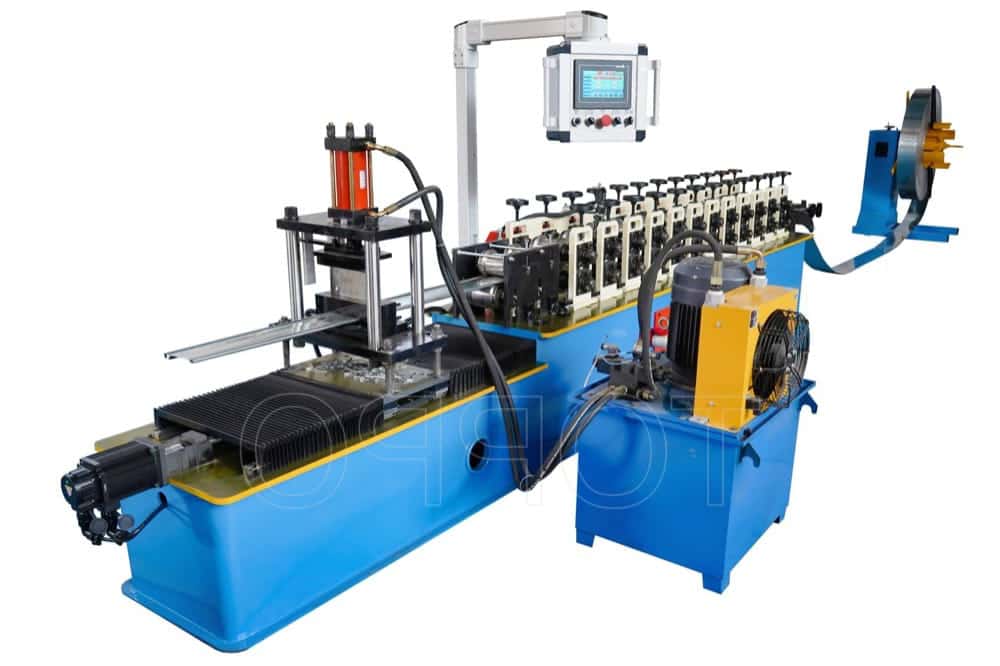
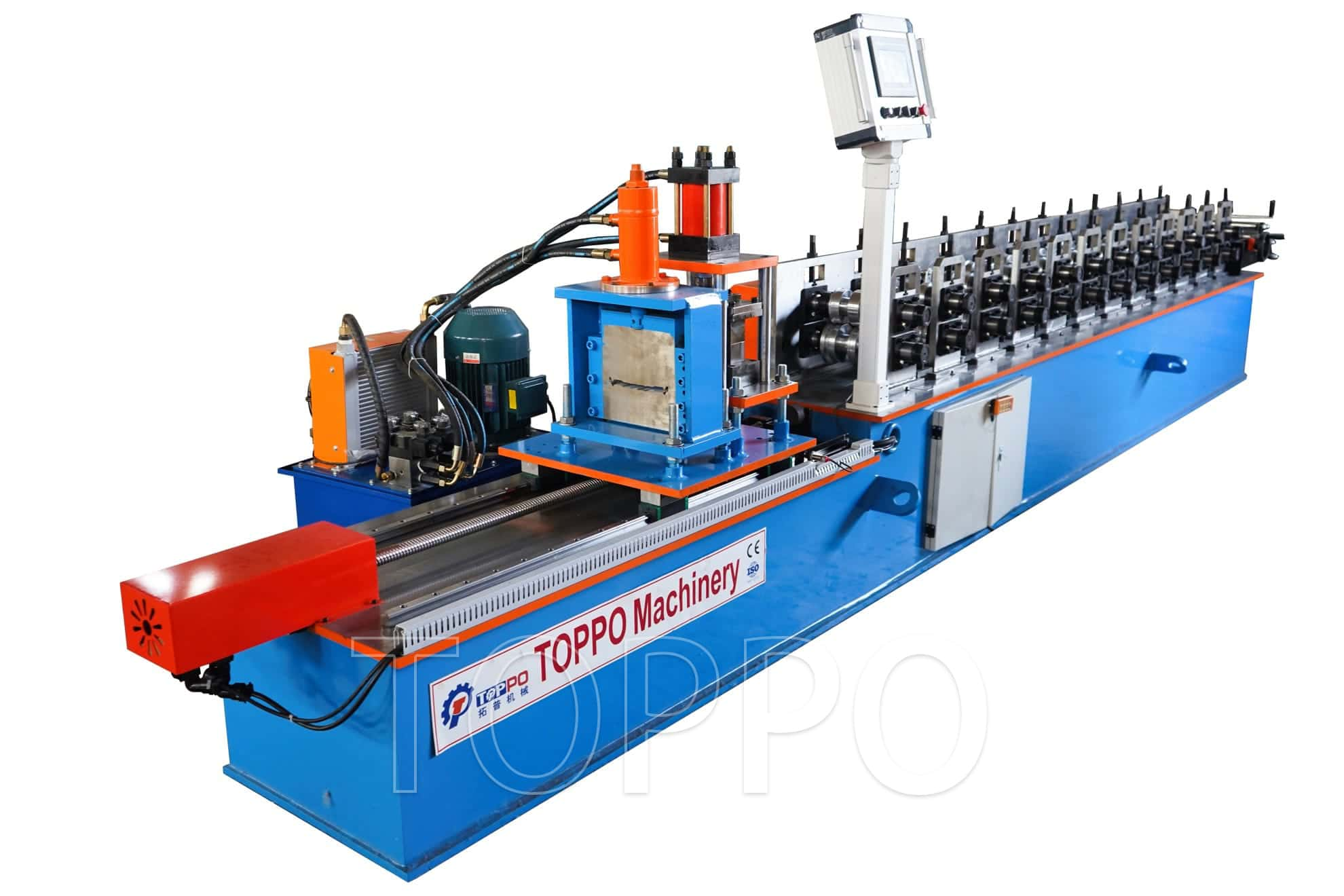
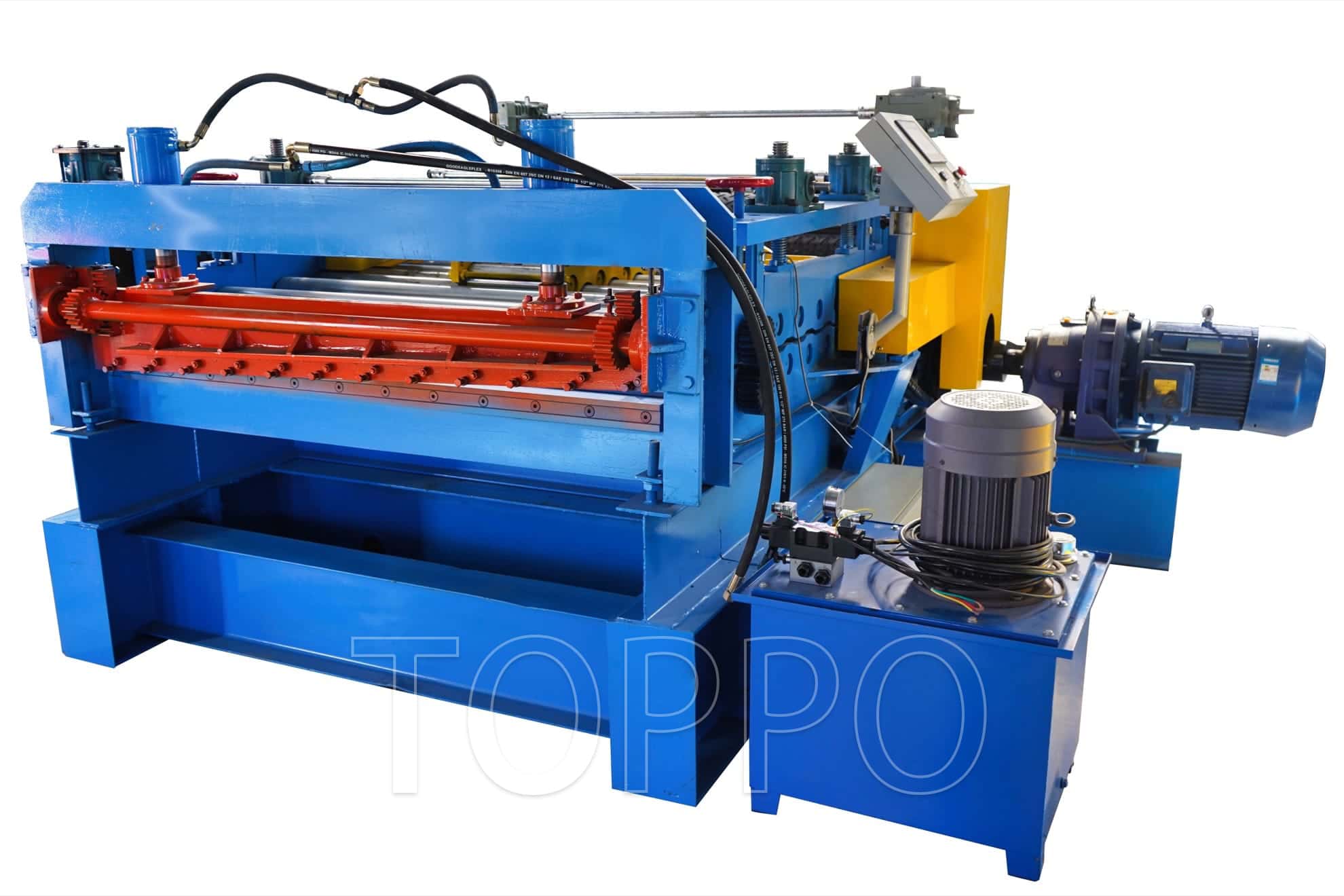
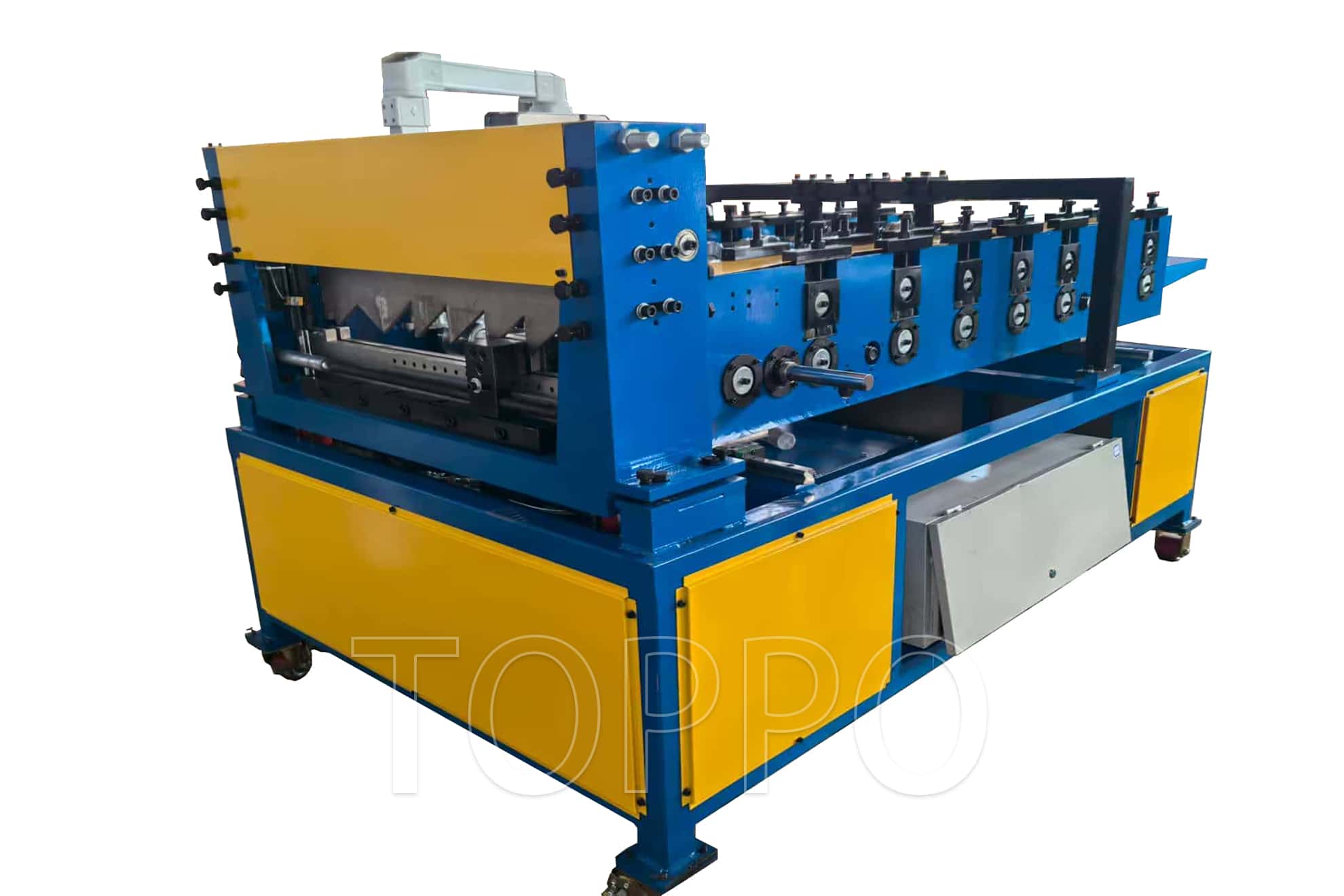
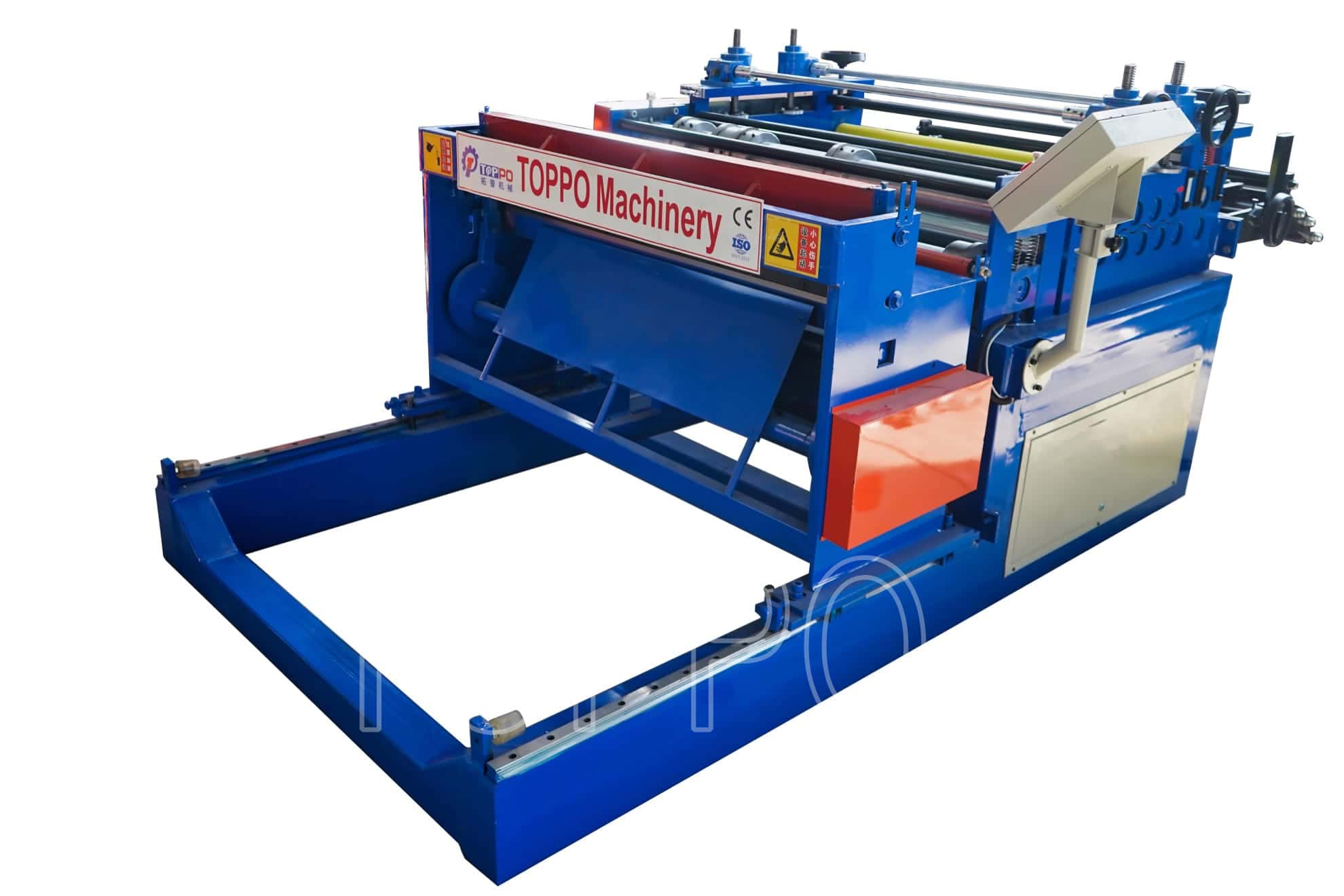
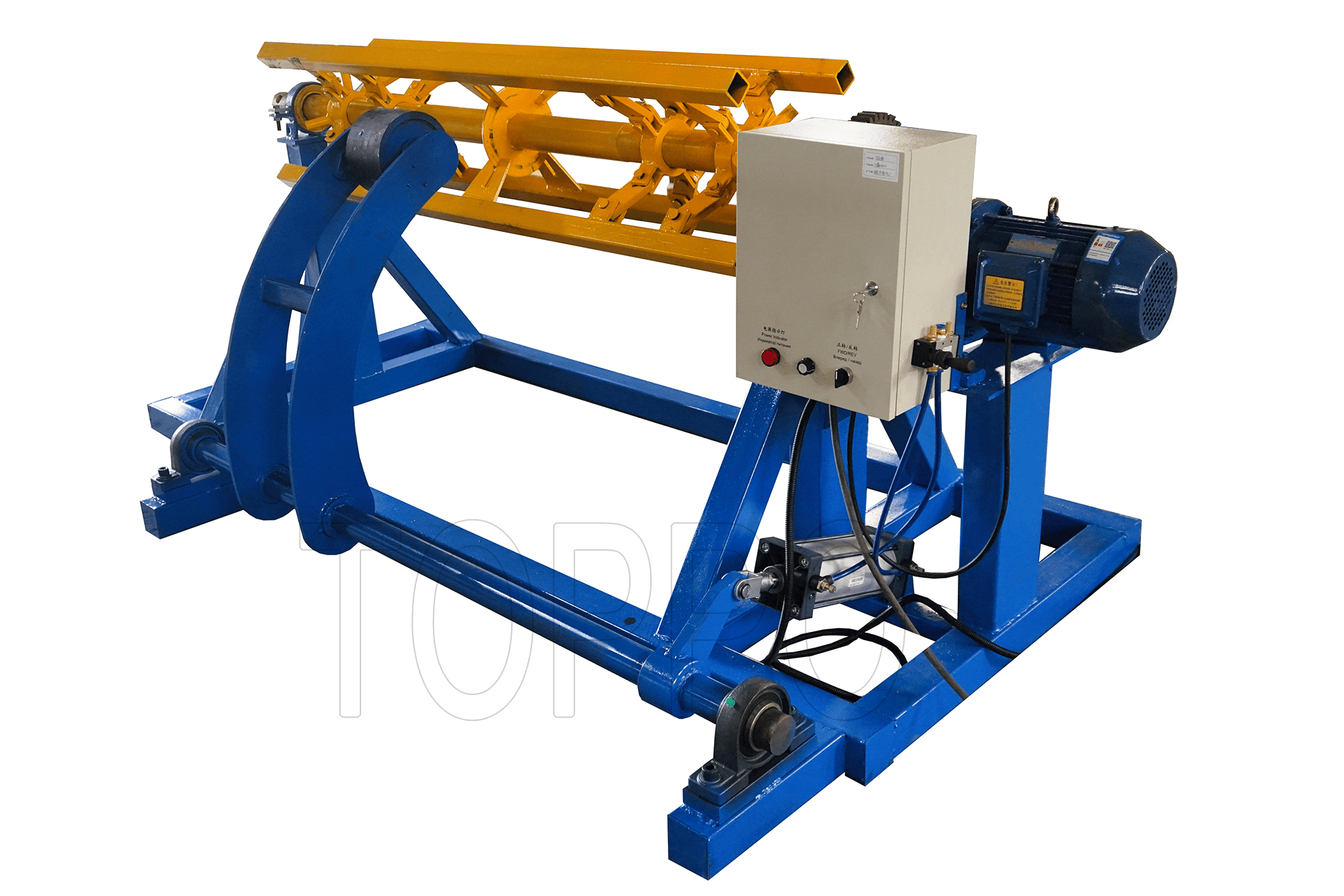
A complete production line typically includes a decoiler, forming section, hydraulic cutting device, PLC control system, and output table. Choosing a durable double layer roll forming machine with hardened rollers and stable drive motors ensures long-term reliability.
Additionally, installing a roof panel making machine requires proper foundation leveling, secure anchor bolts, and stable electrical grounding. Many distributors underestimate these installation requirements, leading to vibration problems and early equipment wear.
2. Step-by-Step Implementation Process
Step 1: Market and Demand Assessment
Evaluate local construction demand and identify high-volume roofing profiles. Analyze competitor pricing and seasonal demand fluctuations.
Step 2: Raw Material Procurement Strategy
Steel coil represents 65–75% of total production cost. Establishing long-term agreements with reliable suppliers helps stabilize margins and reduce exposure to sudden price increases.
Step 3: Equipment Testing and Calibration
Before starting commercial production, operate the double layer roofing sheet roll forming machine continuously for 45–60 minutes. Check panel dimensions, cutting precision, and hydraulic pressure stability.
Step 4: Operator Training
Operators must understand profile switching procedures on the double layer roll forming machine and conduct daily inspection routines. Efficient management of the roof panel making machine reduces waste and downtime.
3. Profit Calculation Example
Consider a practical scenario. If the average selling price in the local market is $7.60 per square meter and total production cost—including steel, electricity, labor, and maintenance—is $5.50 per square meter, the gross margin equals $2.10 per square meter.
If the double layer roofing sheet roll forming machine produces 6,200 square meters daily, daily gross profit can reach $13,020 before overhead expenses. Under stable sales conditions, distributors can typically recover their investment in a double layer roll forming machine within 8–12 months.
Electricity consumption for a roof panel making machine is relatively low compared to raw material costs, making steel procurement the most critical factor influencing profit.
4. Real Business Case Study
A distributor in West Africa previously relied entirely on imported roofing sheets. Shipping and customs duties increased final product cost by nearly 19%.
After installing a double layer roofing sheet roll forming machine, the company reduced production cost per square meter by 15%. The flexibility of the double layer roll forming machine allowed quick switching between corrugated and trapezoidal panels based on contractor orders.
The roof panel making machine also enabled customized lengths, reducing on-site waste and improving customer satisfaction. Within one year, net annual profit increased by 30%, and market share expanded significantly.
5. Common Mistakes That Reduce Earnings
Overestimating Market Volume: Investing in a double layer roofing sheet roll forming machine without confirmed contracts may result in low capacity utilization.
Poor Preventive Maintenance: Operating the roof panel making machine without regular lubrication or voltage stabilization can cause downtime and unexpected repair costs.
Weak Cost Monitoring: Failing to track steel price trends can quickly reduce expected margins.
Improper Machine Calibration: Incorrect adjustment of the double layer roll forming machine may produce panels outside tolerance, damaging brand reputation.
6. Operational Precautions for Sustainable Profit
Install voltage stabilizers to protect sensitive electrical systems.
Maintain regular lubrication schedules for rollers and bearings.
Inspect hydraulic cutting accuracy weekly.
Verify coil thickness consistency before feeding material into the roof panel making machine.
Keep detailed production and maintenance records.
These precautions ensure the double layer roofing sheet roll forming machine operates at peak efficiency while minimizing downtime and extending equipment lifespan.
7. Long-Term Competitive Advantages
Beyond immediate profit growth, local production improves brand competitiveness. Faster delivery, customized specifications, and stable pricing strengthen relationships with contractors. A well-managed double layer roll forming machine allows future expansion into new roofing profiles without major additional investment.
Operating a roof panel making machine locally also reduces dependence on global logistics disruptions and exchange rate volatility, creating a more resilient and predictable business model.
Conclusion
Manufacturing roofing sheets locally can dramatically expand distributor profit when implemented strategically. By investing in a reliable double layer roofing sheet roll forming machine, carefully managing raw material procurement, and avoiding common operational mistakes, distributors can achieve strong margins and rapid ROI. Long-term success depends on disciplined management, accurate market forecasting, and consistent equipment maintenance.
SEO Keywords
double layer roofing sheet roll forming machine, double layer roll forming machine, roof panel making machine, roofing sheet distributor earnings, metal roofing roll former, steel roll forming machine
Tags
double layer roofing sheet roll forming machine, double layer roll forming machine, roof panel making machine
READ MORE: