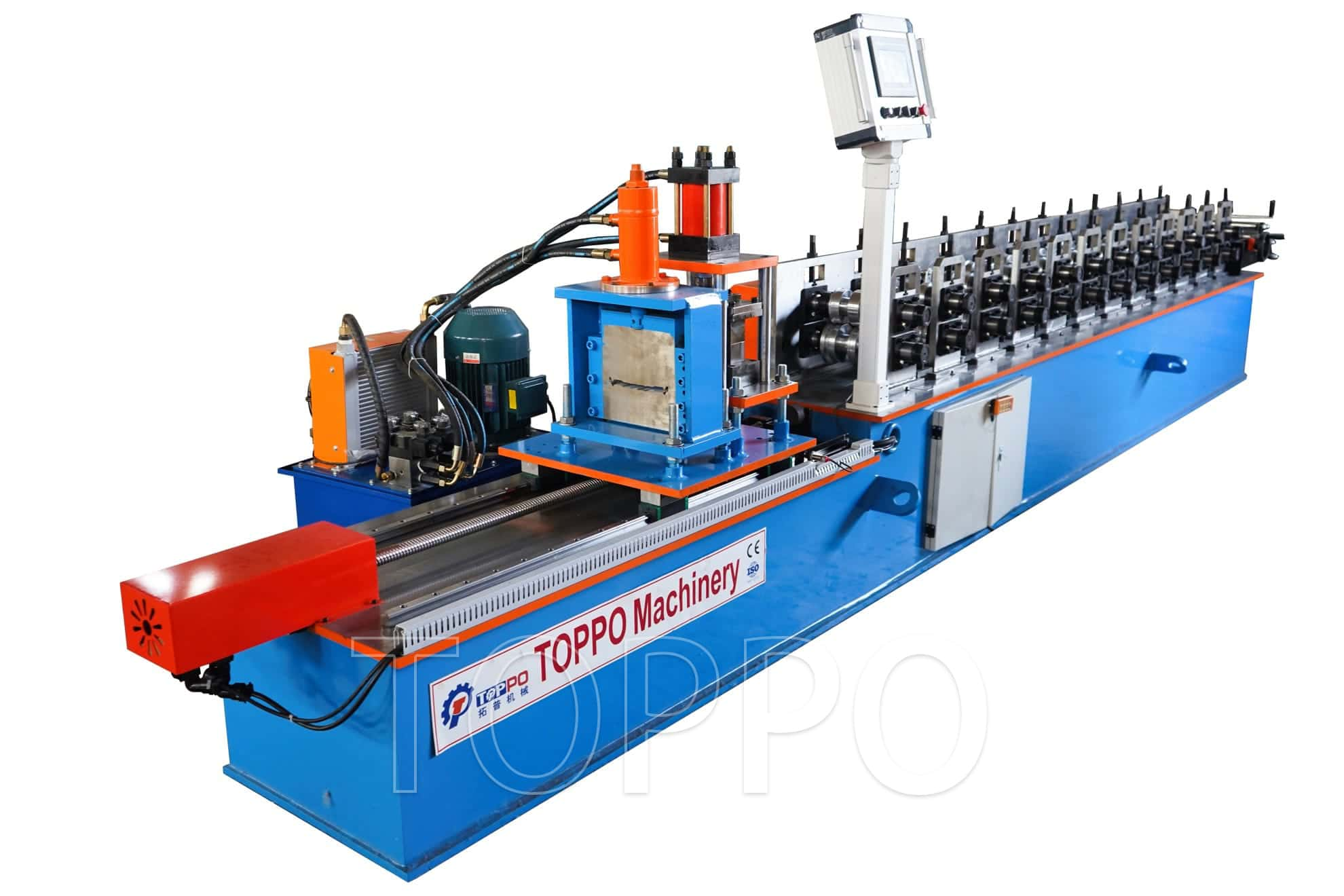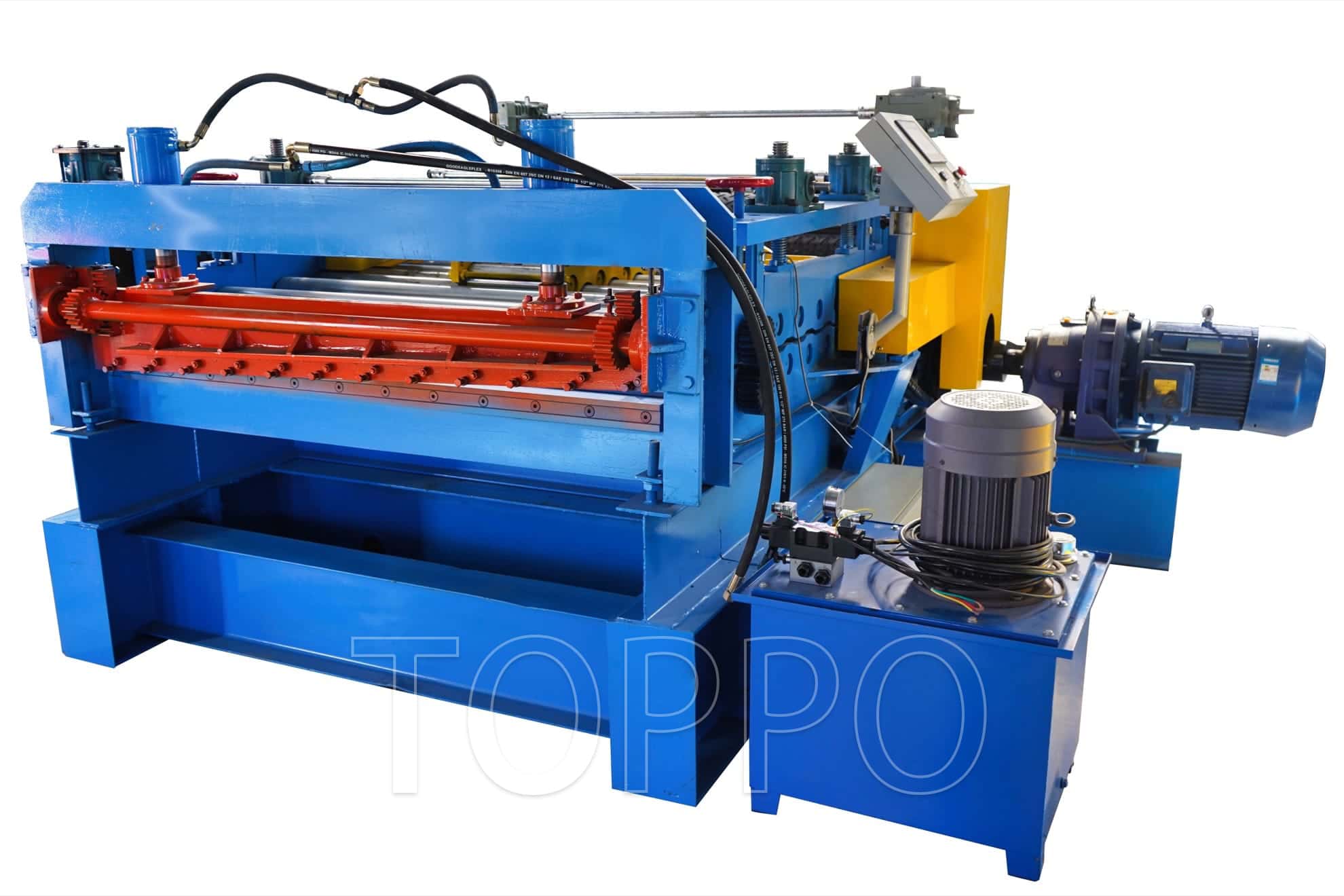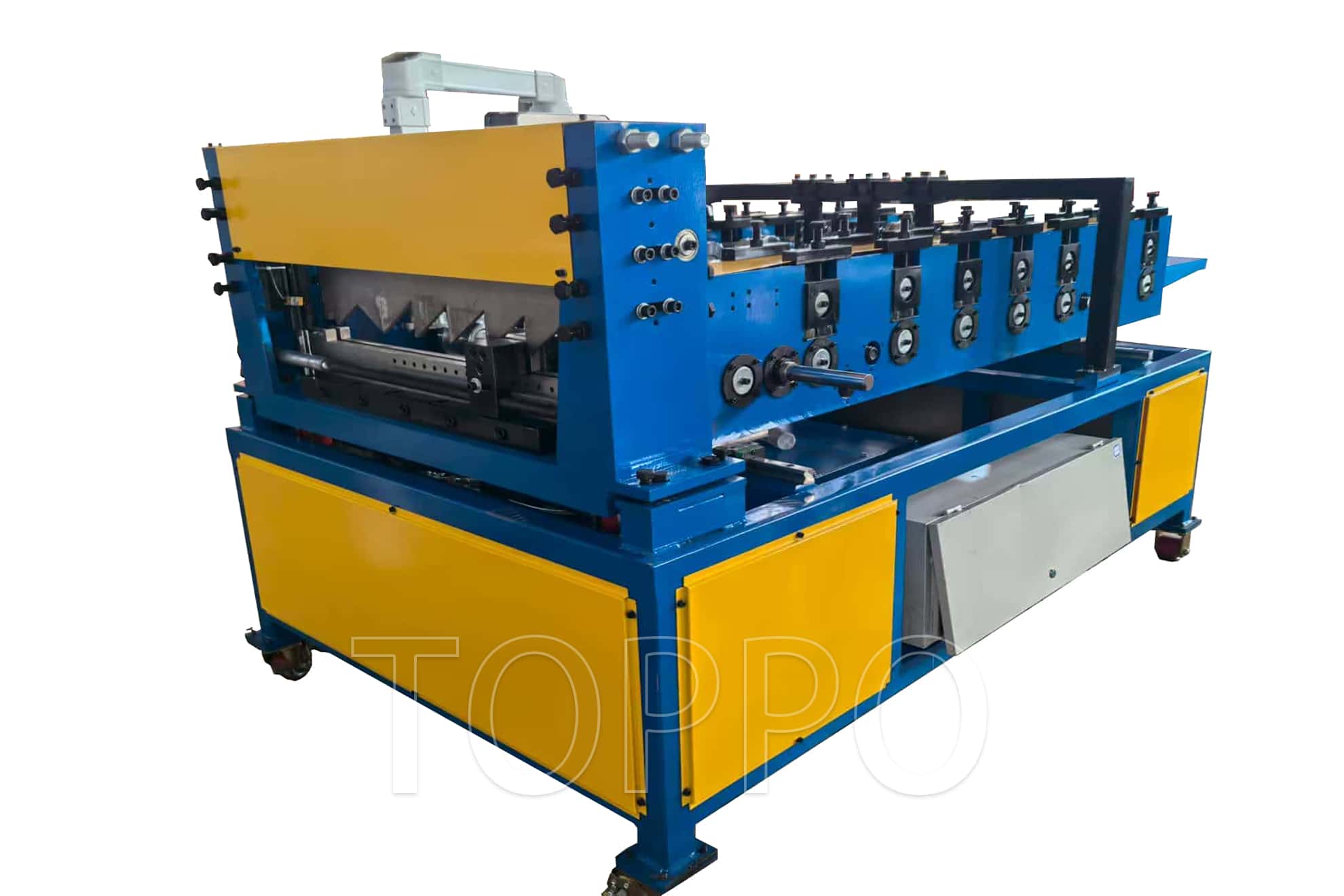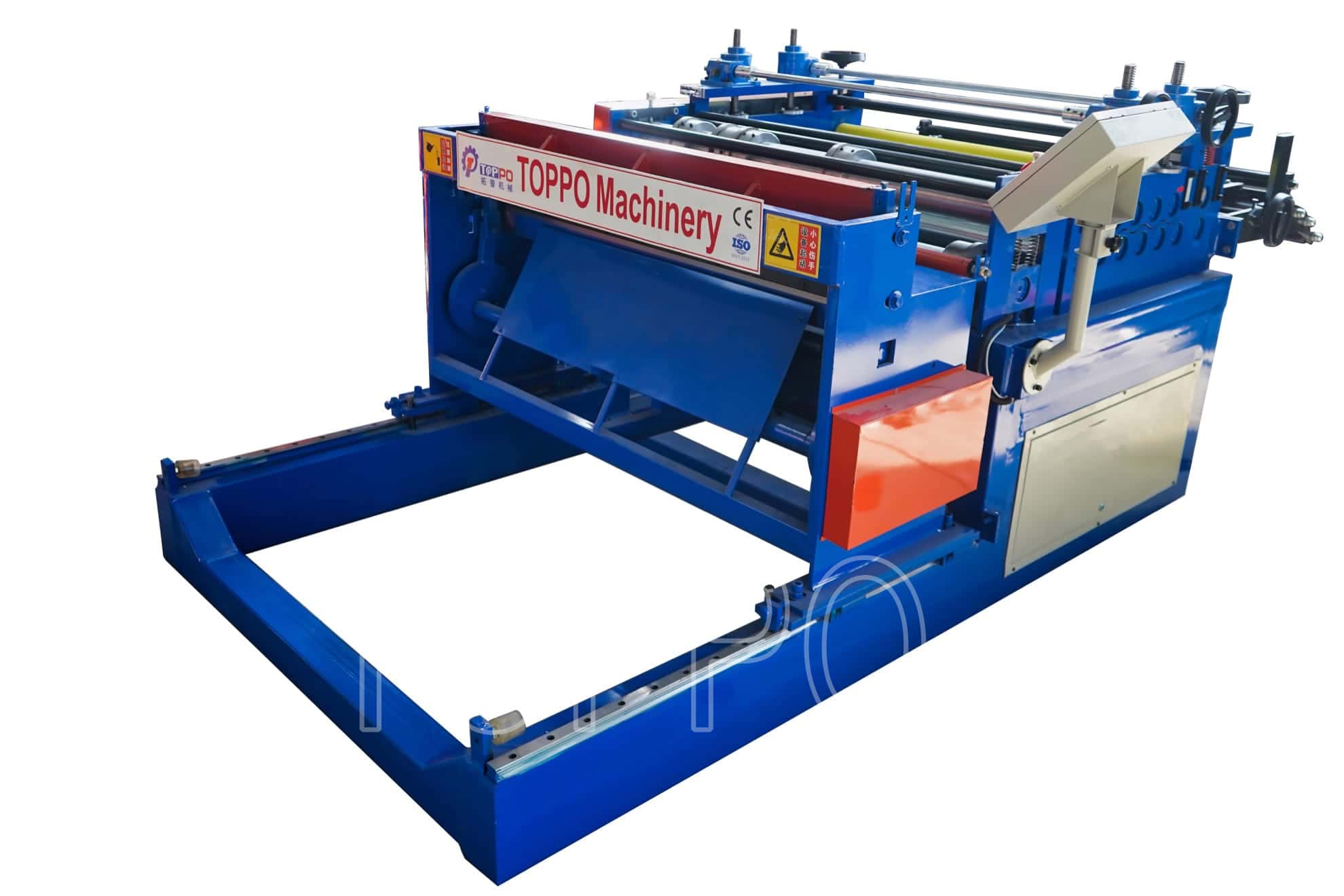
Monthly Output Capacity of a Double Layer Roofing Production Line: What Should You Really Expect?
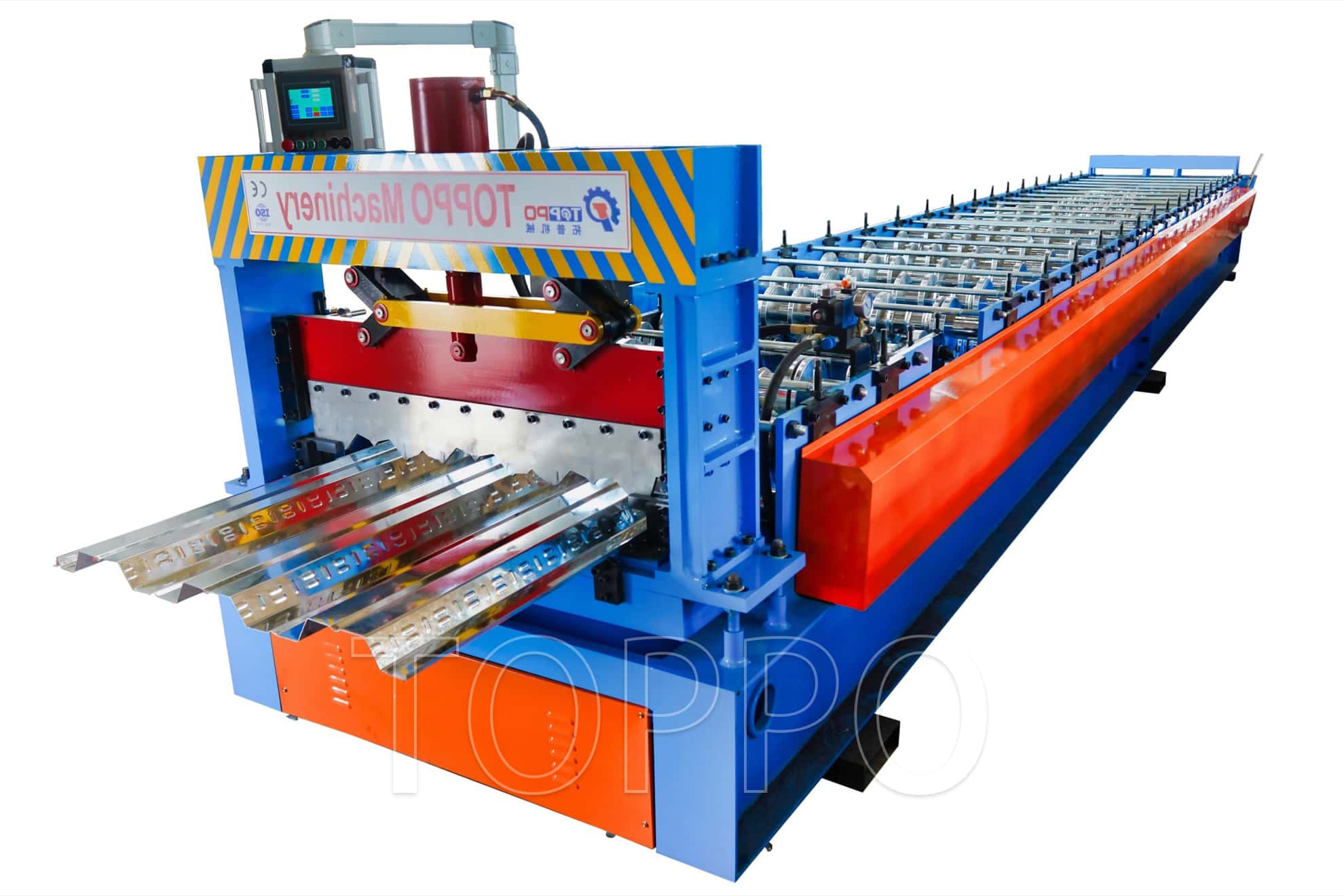
When investors plan to purchase a roofing production line, one of the first questions they ask is: how many tons per month can the equipment actually produce? The answer depends on machine speed, material thickness, working hours, operator efficiency, and maintenance management. For companies investing in a double layer roofing sheet roll forming machine, understanding realistic production capacity is critical for return-on-investment planning.
In this article, we will break down practical calculation methods, step-by-step implementation considerations, common mistakes, and real factory case studies to help you accurately estimate monthly output.
1. Basic Production Capacity Calculation Method
The theoretical output of a double layer roll forming machine depends on forming speed and material thickness. Most modern machines operate at 8–15 meters per minute, depending on profile complexity.
For example, assume the machine runs at 12 meters per minute, with an effective sheet width of 1 meter and average thickness of 0.4mm steel. The weight per square meter is approximately 3.14 kg.
If the machine operates 8 hours per day:
12 meters/min × 60 minutes = 720 meters/hour
720 meters/hour × 8 hours = 5,760 meters/day
5,760 square meters × 3.14 kg ≈ 18 tons/day
Under 26 working days per month, total output reaches approximately 468 tons per month.
However, this is theoretical capacity. Real production of a double layer roofing sheet roll forming machine typically reaches 80–90% of theoretical capacity due to coil change time and maintenance stops.
2. Step-by-Step Implementation for Stable Production
Step 1: Proper Installation
Ensure the foundation is level and anchor bolts are secured. Improper leveling causes vibration, reducing forming accuracy and limiting output efficiency.
Step 2: Electrical Stability
Install voltage stabilizers for the roof panel making machine. Electrical instability can slow down motor performance and reduce production speed.
Step 3: Raw Material Consistency
Ensure coil thickness consistency. Fluctuating thickness forces operators to adjust roller gaps, slowing down the double layer roll forming machine.
Step 4: Operator Training
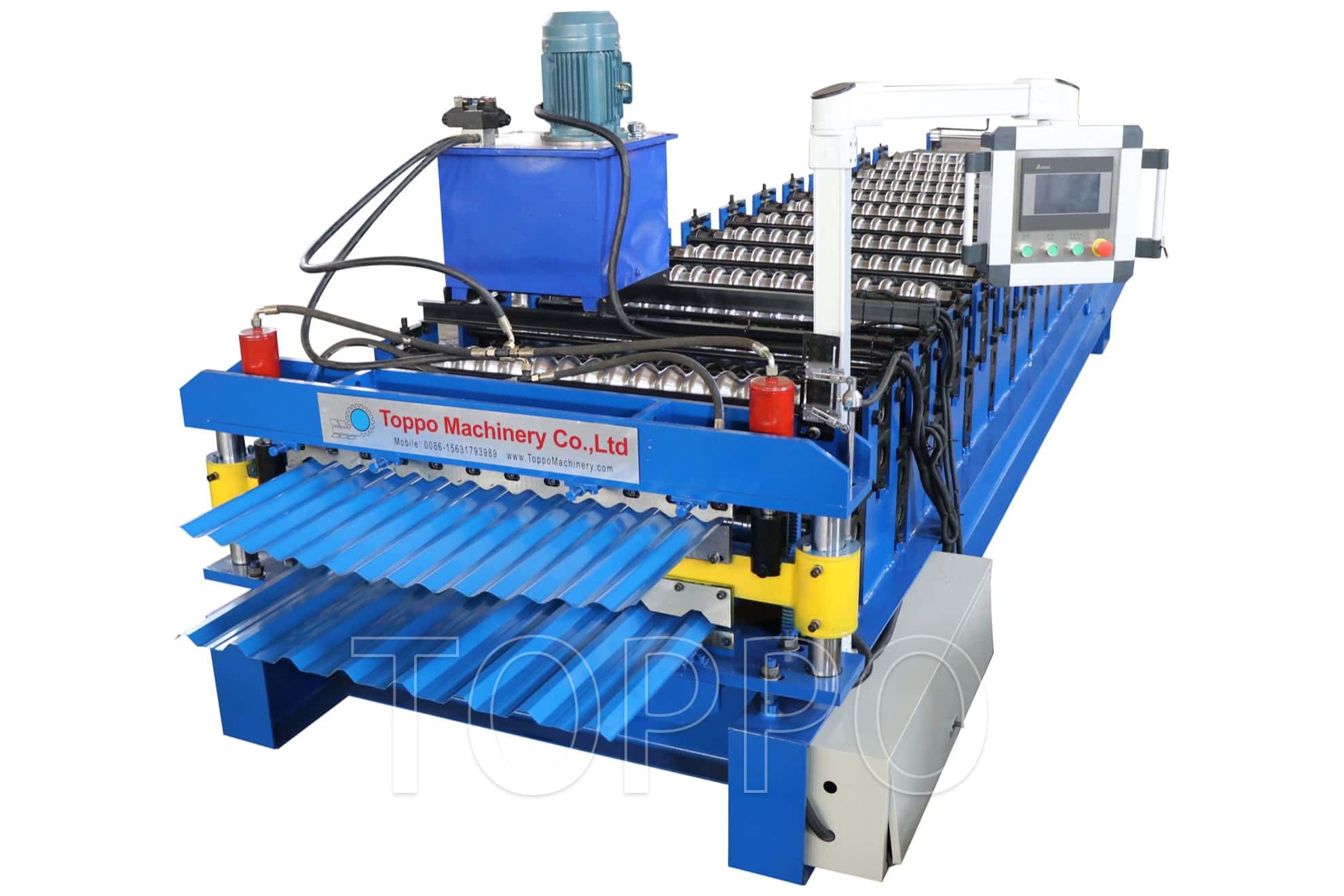
Efficient profile switching between upper and lower layers in the double layer roofing sheet roll forming machine reduces downtime and increases monthly output.
3. Factors That Affect Monthly Tonnage
Material Thickness: Thicker steel increases tonnage but may reduce speed.
Working Hours: Two-shift operation can double output if properly managed.
Profile Complexity: More complex wave designs reduce forming speed.
Maintenance Frequency: Poor lubrication decreases efficiency of the roof panel making machine.
A well-maintained double layer roll forming machine operating 16 hours per day can realistically achieve 700–900 tons per month depending on thickness and speed.
4. Real Factory Case Study
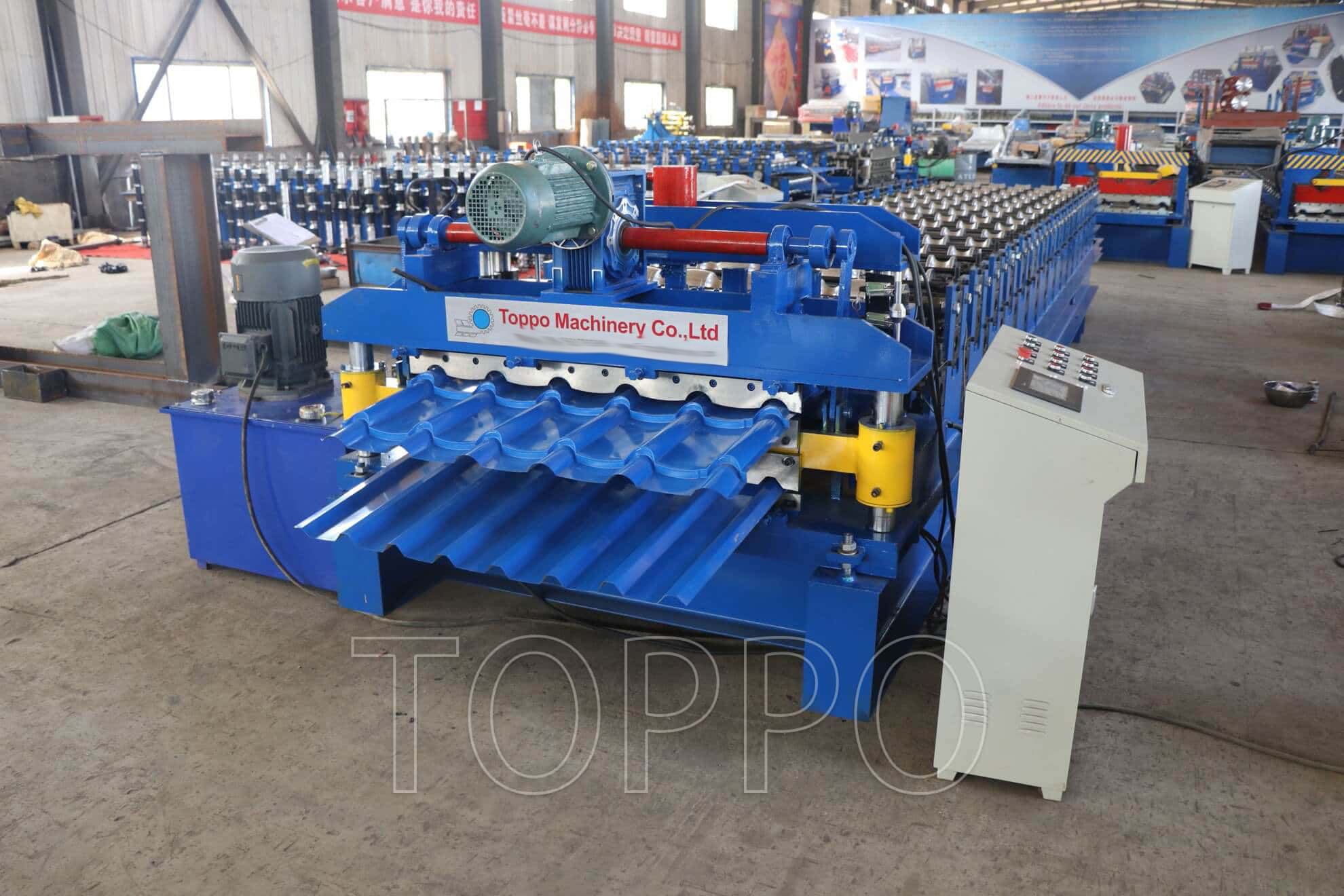
A roofing manufacturer in Southeast Asia installed a double layer roofing sheet roll forming machine with a rated speed of 15 meters per minute. Initially, they achieved only 60% of expected output due to frequent coil replacement delays and lack of operator training.
After implementing structured training and scheduling preventive maintenance, the double layer roll forming machine reached 85% operational efficiency. The roof panel making machine then produced approximately 520 tons per month under single-shift operation.
When the company added a second shift and improved raw material supply management, monthly output increased to 840 tons.
5. Common Mistakes That Reduce Production
Ignoring Coil Preparation: Delays during coil loading significantly reduce effective operating time.
Poor Lubrication: Lack of maintenance increases friction and limits forming speed of the double layer roofing sheet roll forming machine.
Unstable Power Supply: Voltage fluctuations damage inverter performance of the roof panel making machine.
Improper Roller Adjustment: Incorrect setup slows production and causes defective panels.
6. Practical Recommendations to Maximize Monthly Output
Schedule preventive maintenance weekly.
Train operators for fast profile switching.
Use high-quality steel coils with consistent thickness.
Install voltage stabilizers to protect control systems.
Plan coil replacement procedures efficiently.
With disciplined management, a double layer roofing sheet roll forming machine can operate near optimal efficiency for long periods.
Conclusion
The monthly tonnage of a double layer roofing production line depends on speed, thickness, working hours, and operational discipline. Under single-shift operation, most manufacturers can expect 400–600 tons per month. With double-shift management and efficient maintenance, output can exceed 800 tons.
Accurate planning, proper installation, and disciplined operation of the double layer roll forming machine and roof panel making machine are essential to achieving maximum production capacity and stable return on investment.
SEO Keywords
double layer roofing sheet roll forming machine, double layer roll forming machine, roof panel making machine, roofing production capacity, metal roofing roll former, steel roll forming line
Tags
double layer roofing sheet roll forming machine, double layer roll forming machine, roof panel making machine
READ MORE: