Practical Execution Path and Risk Management for Double Layer Roofing Sheet Roll Forming Machine Production
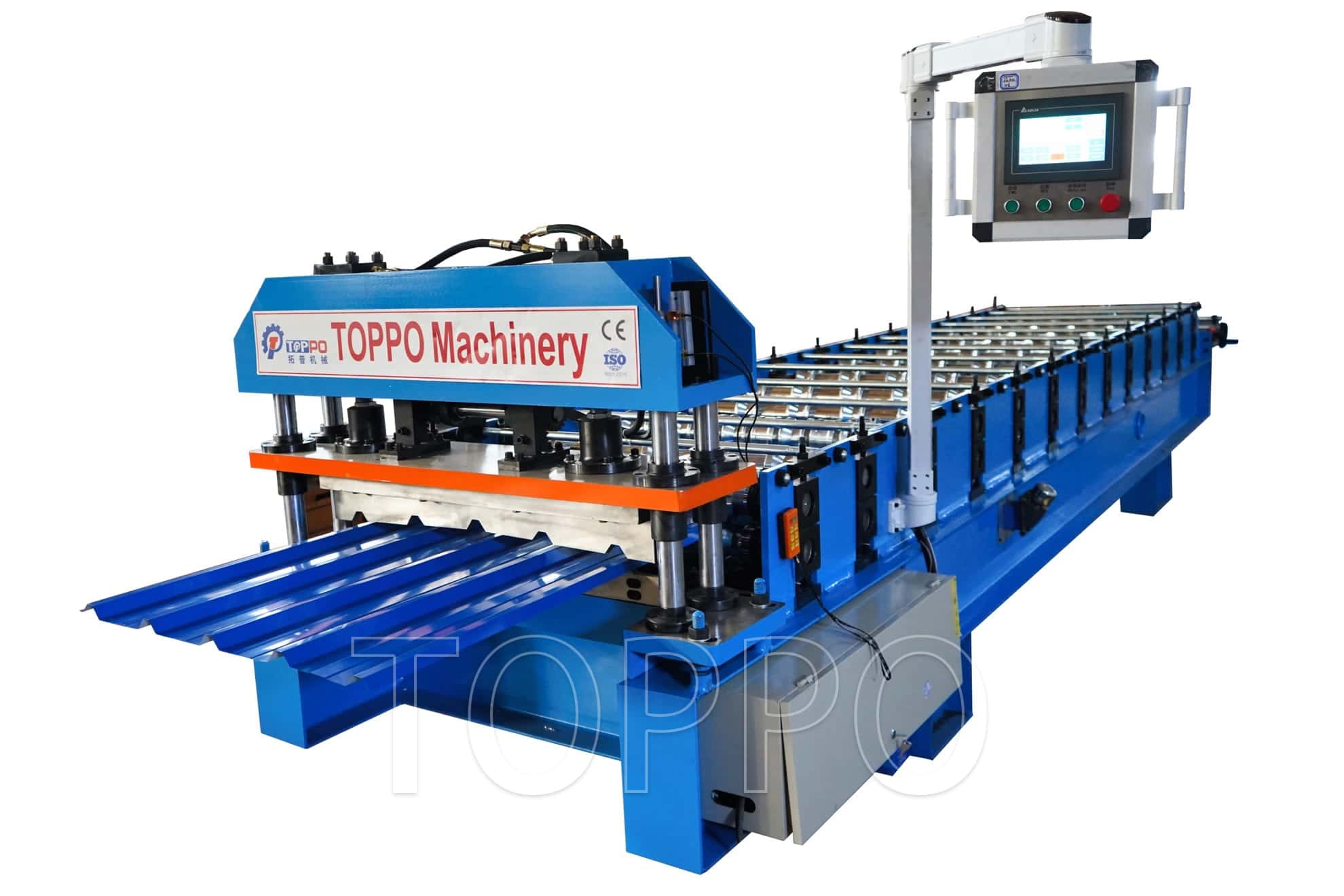
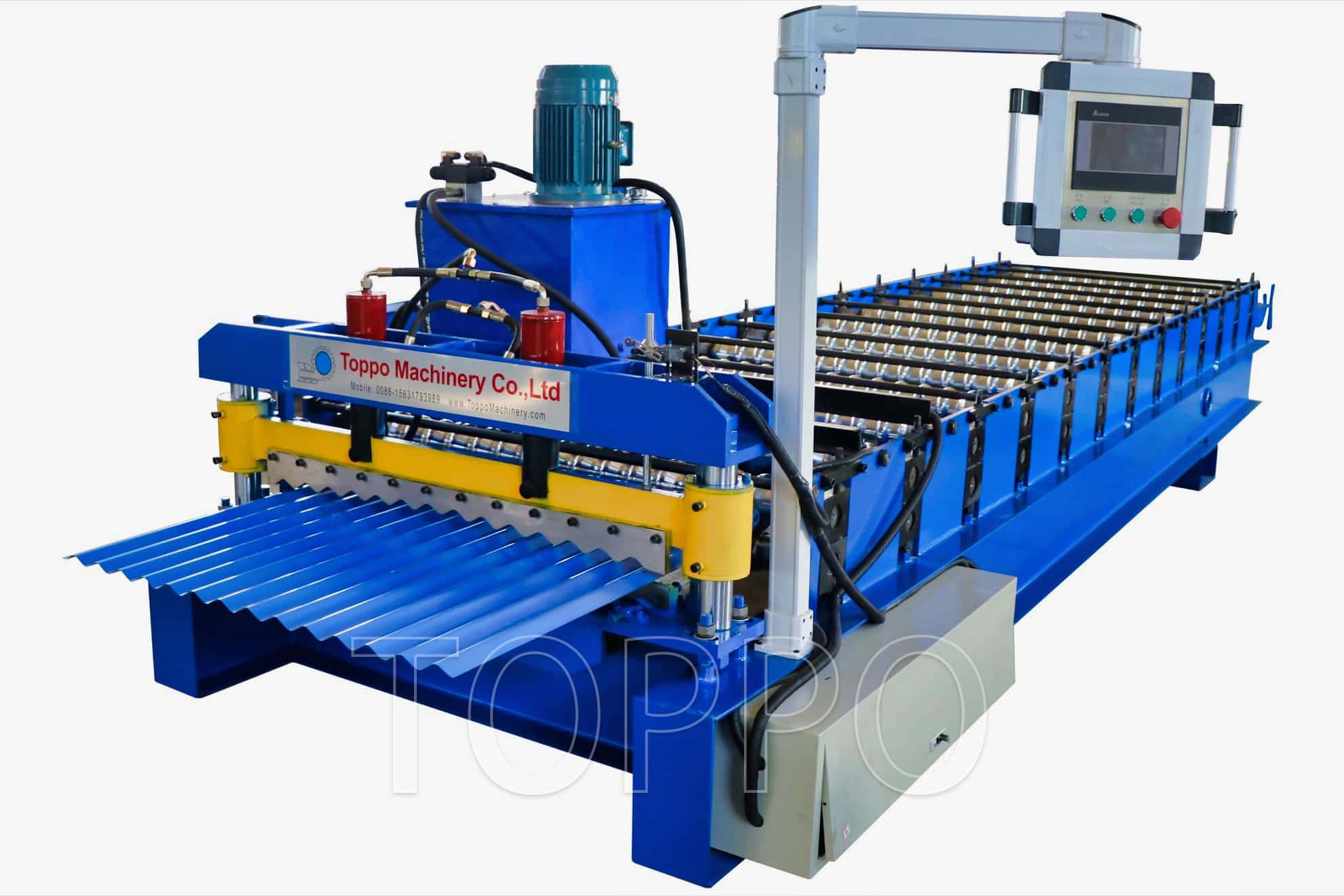
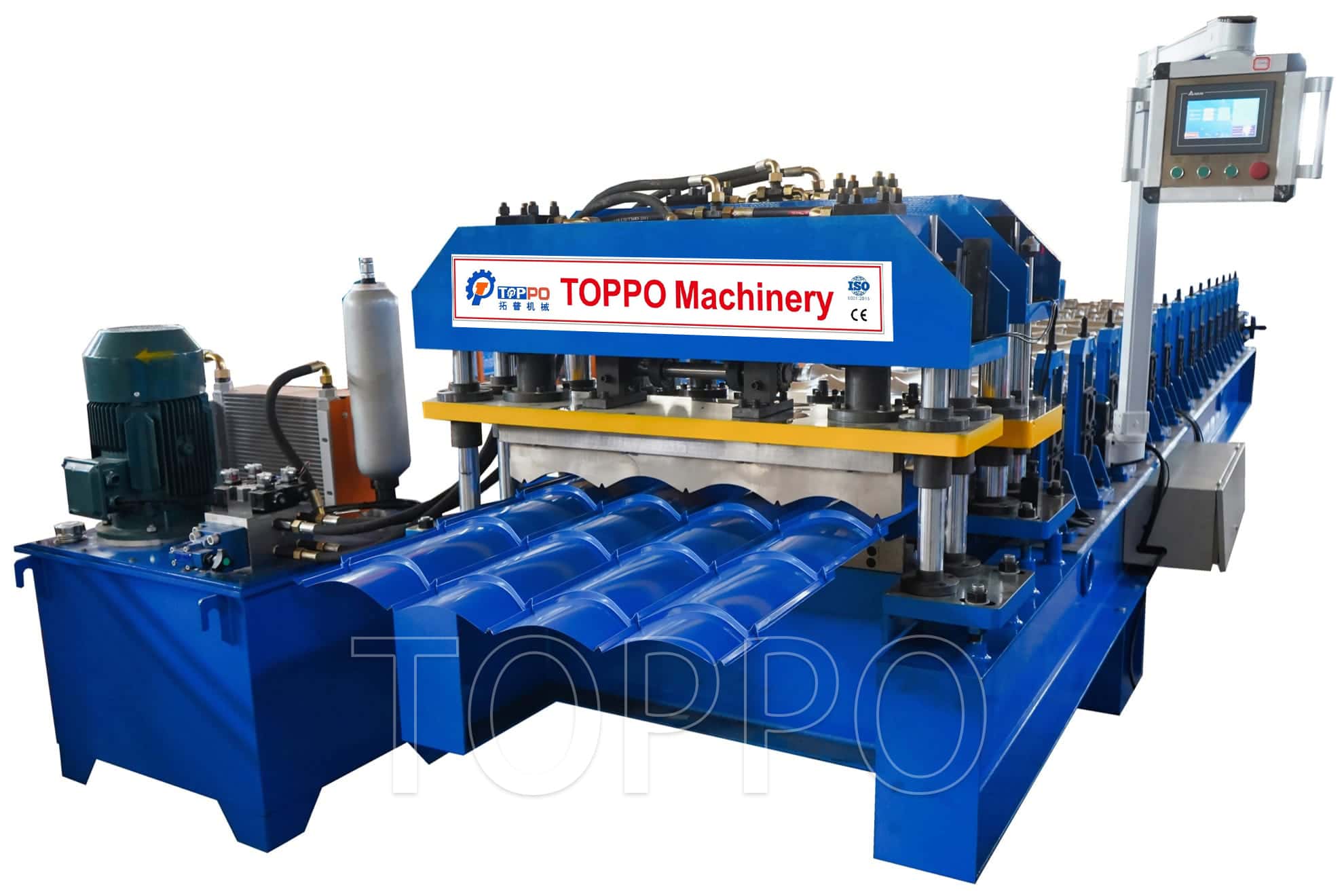
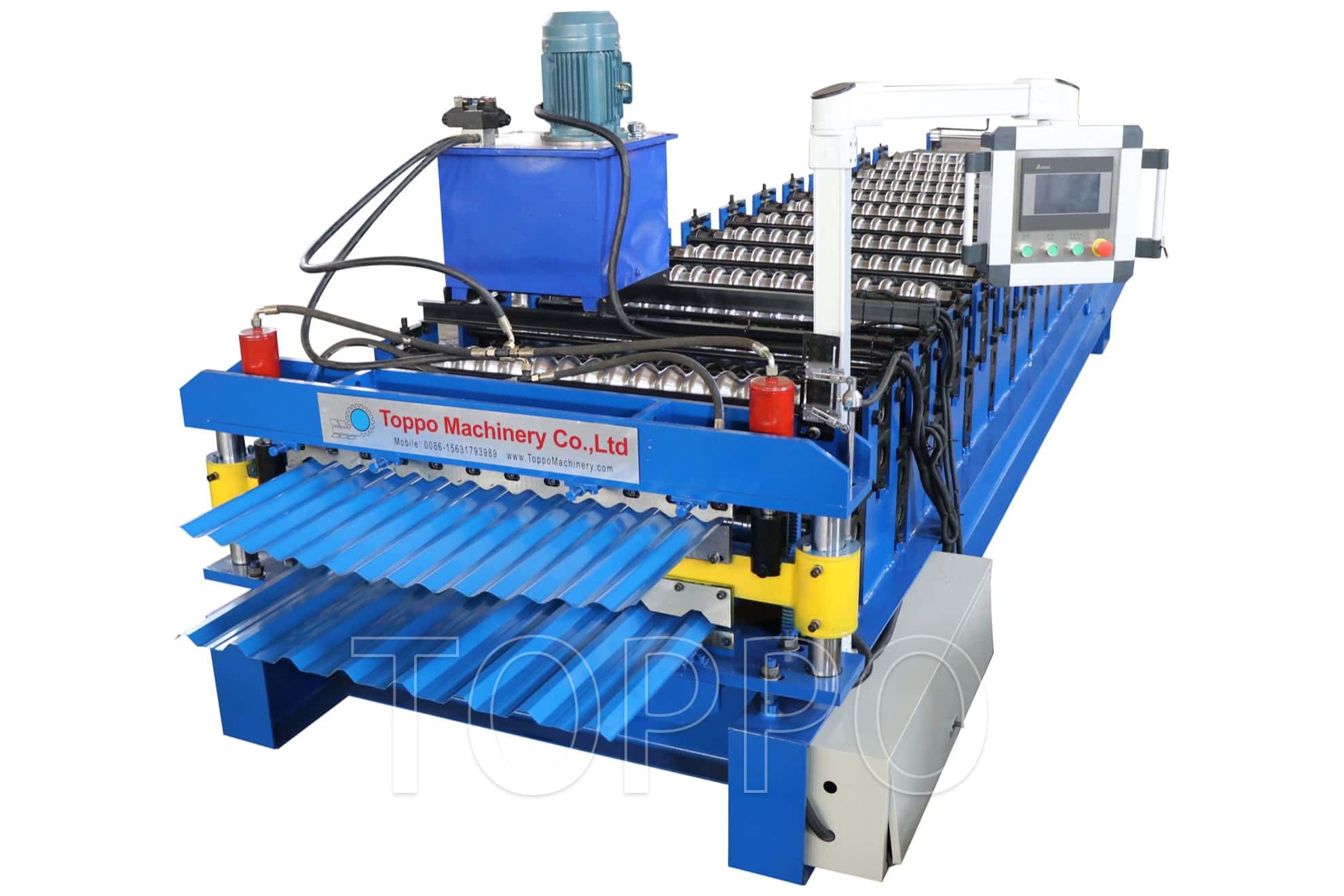
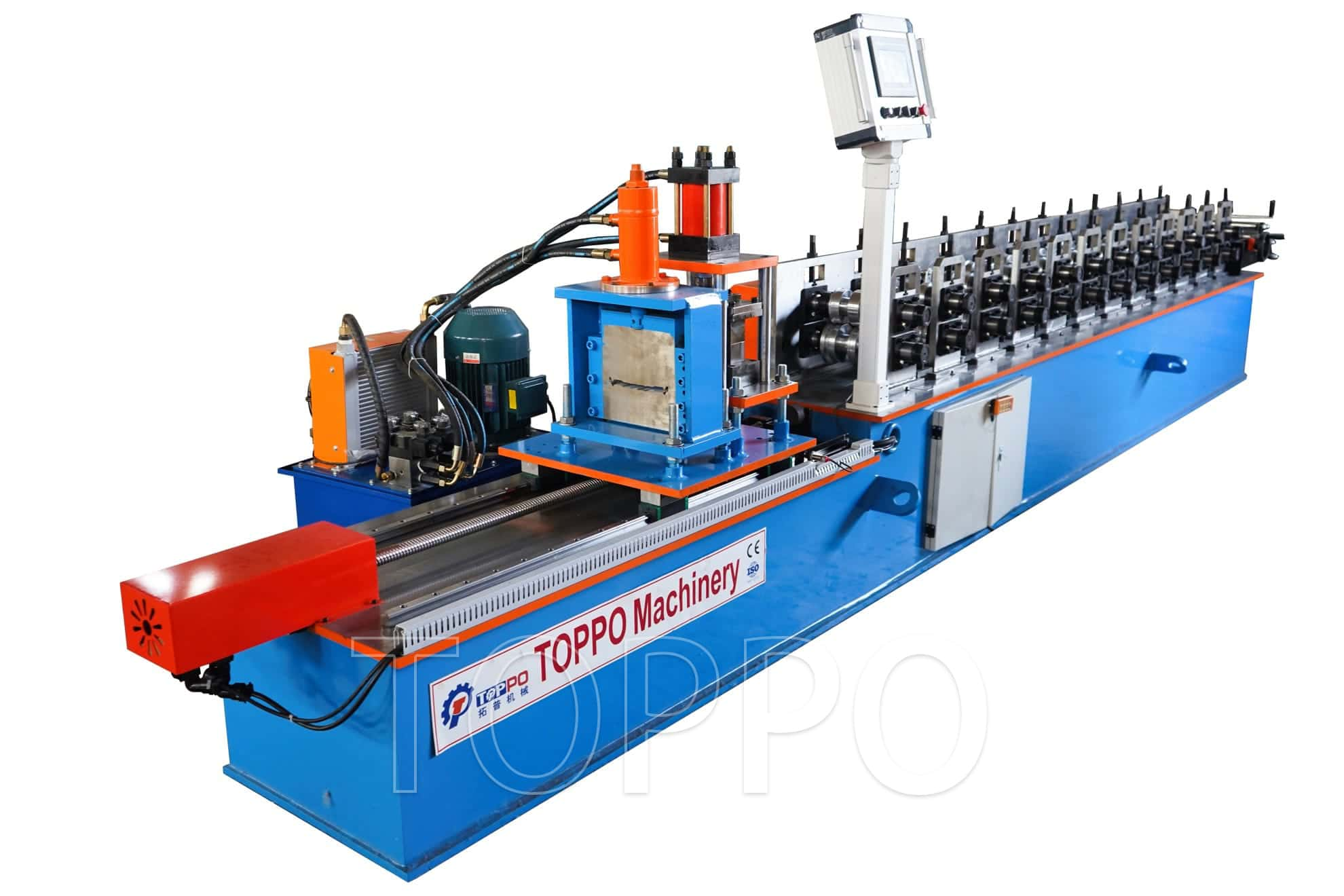
In the metal roofing industry, production stability is achieved through disciplined execution rather than machine specifications alone. The double layer roofing sheet roll forming machine allows manufacturers to produce two roofing profiles on one production line, improving flexibility and reducing equipment investment. However, many factories fail to reach expected efficiency due to improper implementation and overlooked operational details.
This article focuses on step-by-step execution, operational precautions, common mistakes, and real factory cases. The purpose is to provide hands-on guidance that can be directly applied in daily production.
Implementation Planning and Site Preparation
Before installing a double layer roofing sheet roll forming machine, manufacturers must finalize profile drawings, steel thickness tolerance, and output targets. These parameters directly affect roller configuration, forming pressure, and cutting accuracy.
The production floor foundation must be flat and reinforced. In real installations, weak foundations caused alignment deviation, leading to unstable forming accuracy and frequent corrective adjustments.
Installation and Commissioning Execution
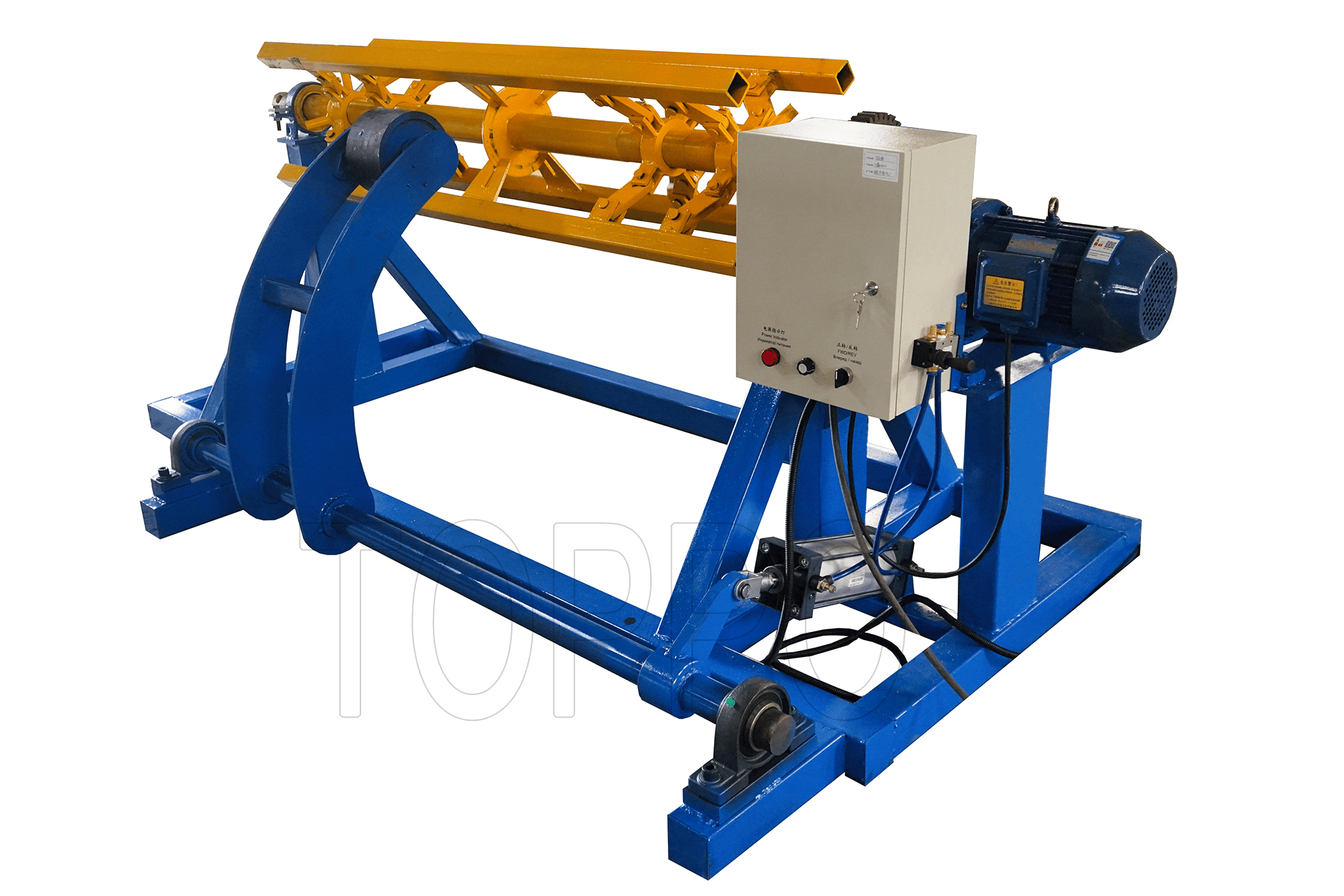
Installation begins with precise alignment of the decoiler, feeding table, and forming section. Straight-line accuracy ensures smooth material flow and consistent forming results. Electrical wiring and hydraulic pipelines should be thoroughly checked before startup.
Initial commissioning should always begin at low speed without steel coils. This allows operators to verify motor rotation, hydraulic cutting response, and control system logic. Steel coils should be introduced gradually after stable idle operation is confirmed.
Key Operational Precautions During Production
Raw material inspection is critical for quality control. Steel coils with uneven thickness or surface contamination often cause scratches and deformation. This issue frequently occurs when a roof panel making machine is operated at high speed without strict material inspection.
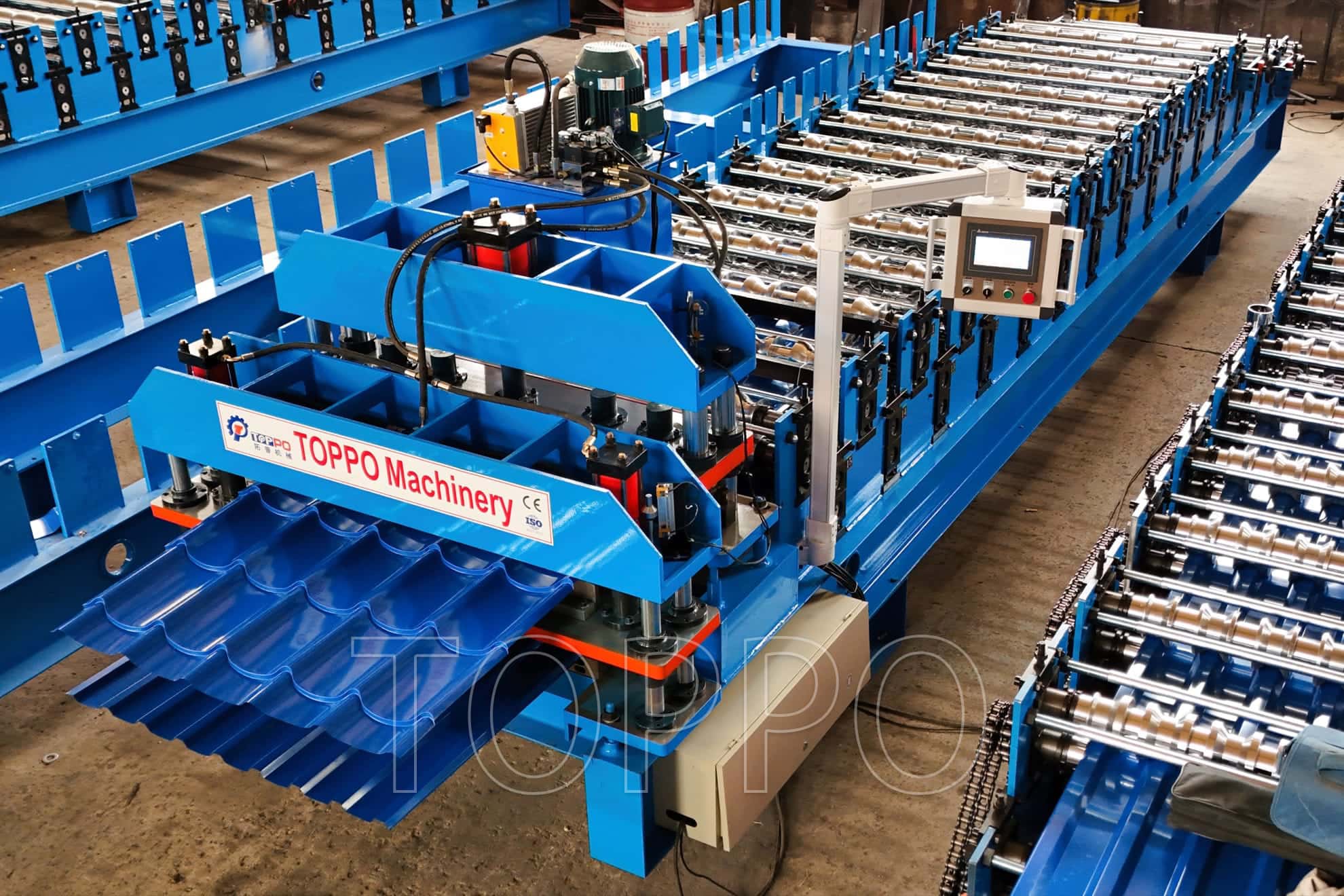
Profile switching is another sensitive operation. For a double layer roll forming machine, operators must strictly follow the adjustment and locking sequence when switching between upper and lower profiles. Improper execution can result in roller collision and inconsistent profile geometry.
Routine lubrication and inspection of bearings, chains, and fasteners should be carried out regularly. These basic maintenance practices significantly reduce unexpected downtime.
Common Execution Errors in Daily Operation
One common mistake is increasing production speed before forming stability is confirmed. In one factory case, excessive speed caused cutting length deviation and high scrap rates.
Another frequent issue is insufficient operator training. Even advanced automation systems cannot compensate for incorrect parameter settings. Skilled operators are essential for stable operation of the roof panel making machine under different production conditions.
Environmental factors such as dust accumulation, humidity, and unstable power supply are often underestimated, yet they directly affect sensor accuracy and electrical reliability.
Real Factory Case Study
A Latin American manufacturer installed a double layer roofing sheet roll forming machine to support commercial roofing projects. During early production, profile width variation was reported. Investigation revealed inconsistent roller gap adjustment and irregular maintenance routines.
After standardizing adjustment procedures and implementing a fixed maintenance schedule, production stabilized and product quality improved significantly. This case illustrates how disciplined execution enhances the long-term performance of a double layer roll forming machine.
Conclusion
Reliable operation of a double layer roofing sheet roll forming machine requires careful planning, precise installation, disciplined execution, and continuous maintenance. By understanding key precautions, avoiding common mistakes, and learning from real factory cases, manufacturers can achieve stable and efficient long-term production.
SEO Keywords: double layer roofing sheet roll forming machine, roof panel making machine, double layer roll forming machine, metal roofing machinery, roll forming production line, roofing panel equipment
READ MORE: