Risk-Aware Implementation and Operating Guide for Double Layer Roofing Sheet Roll Forming Machines
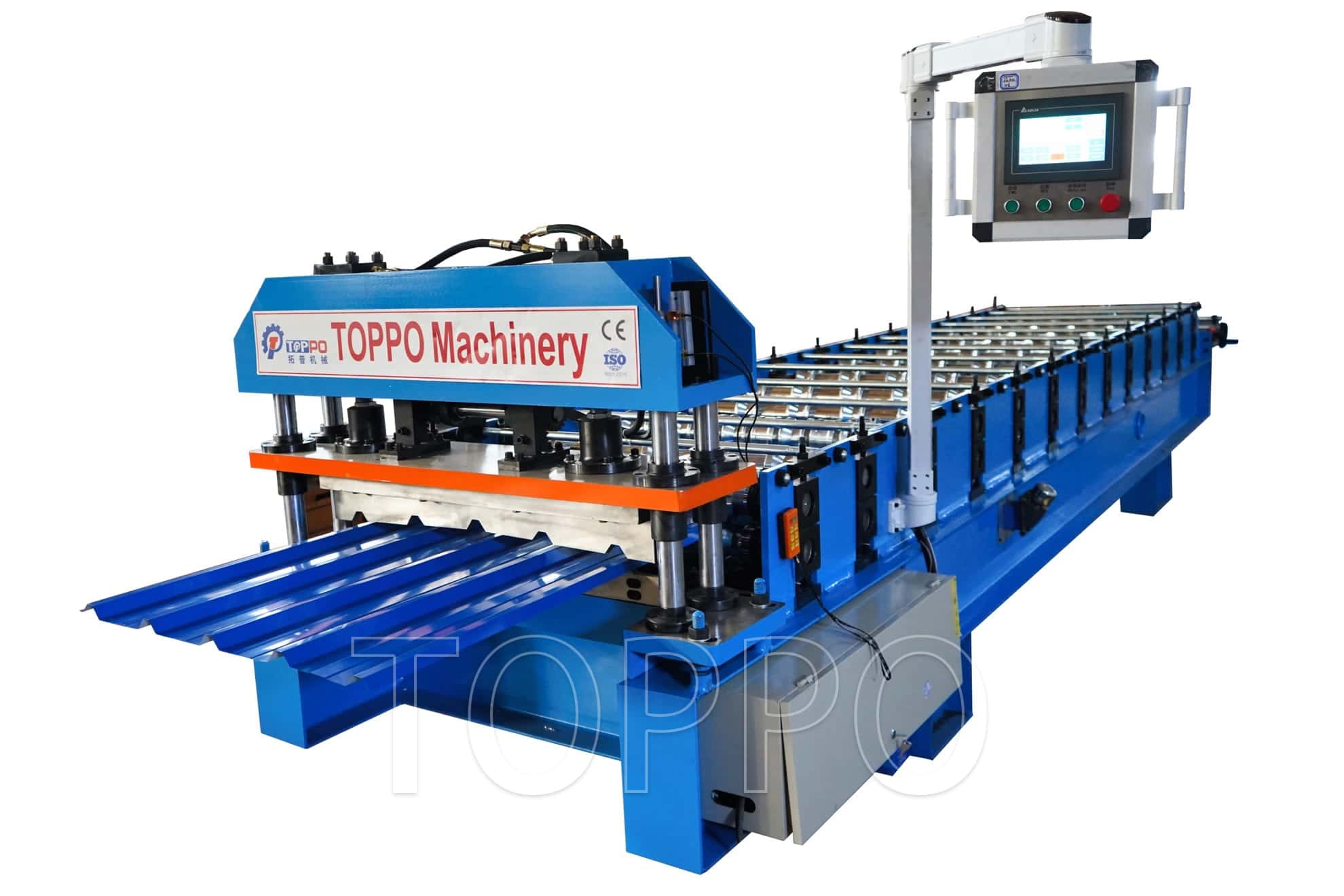
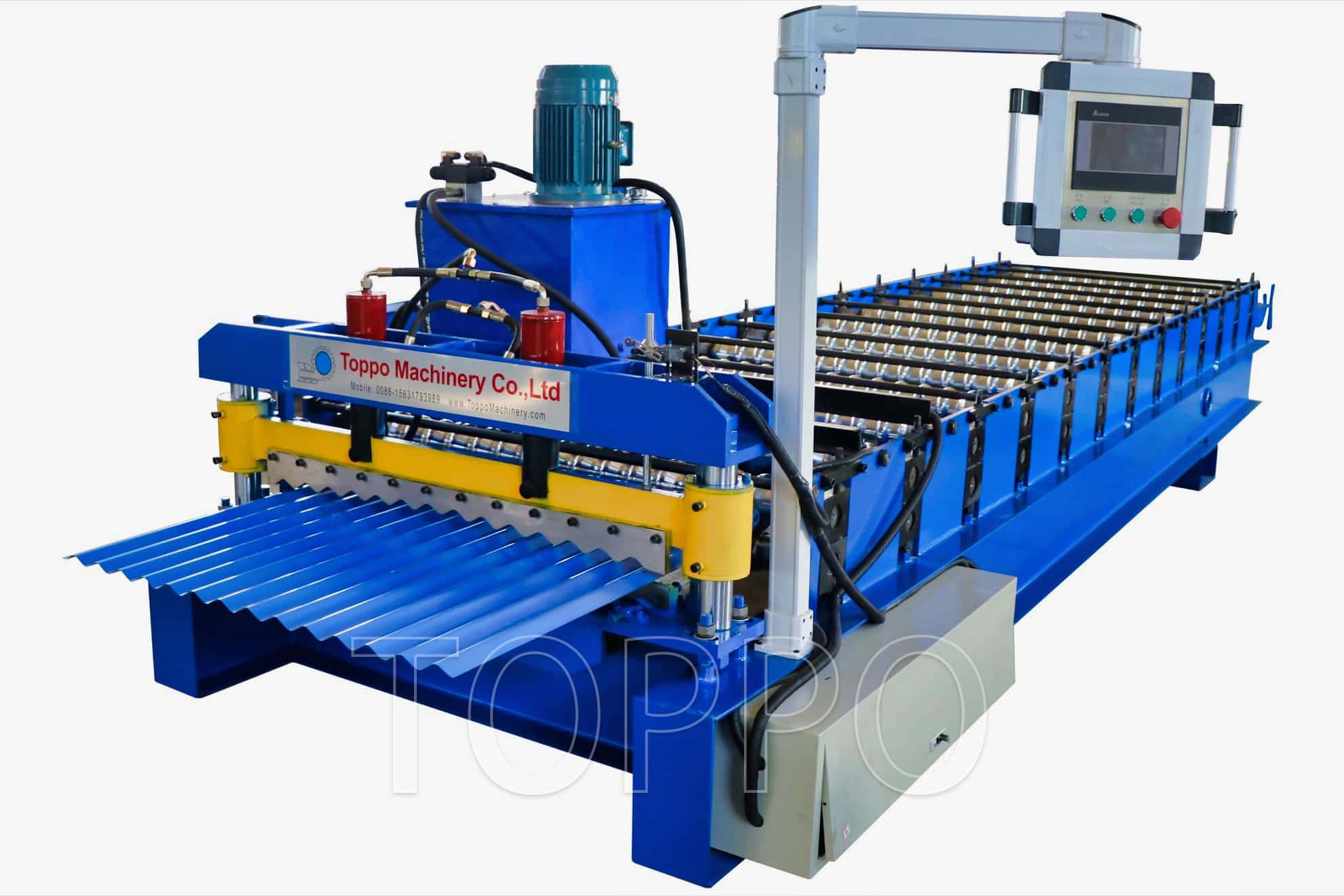
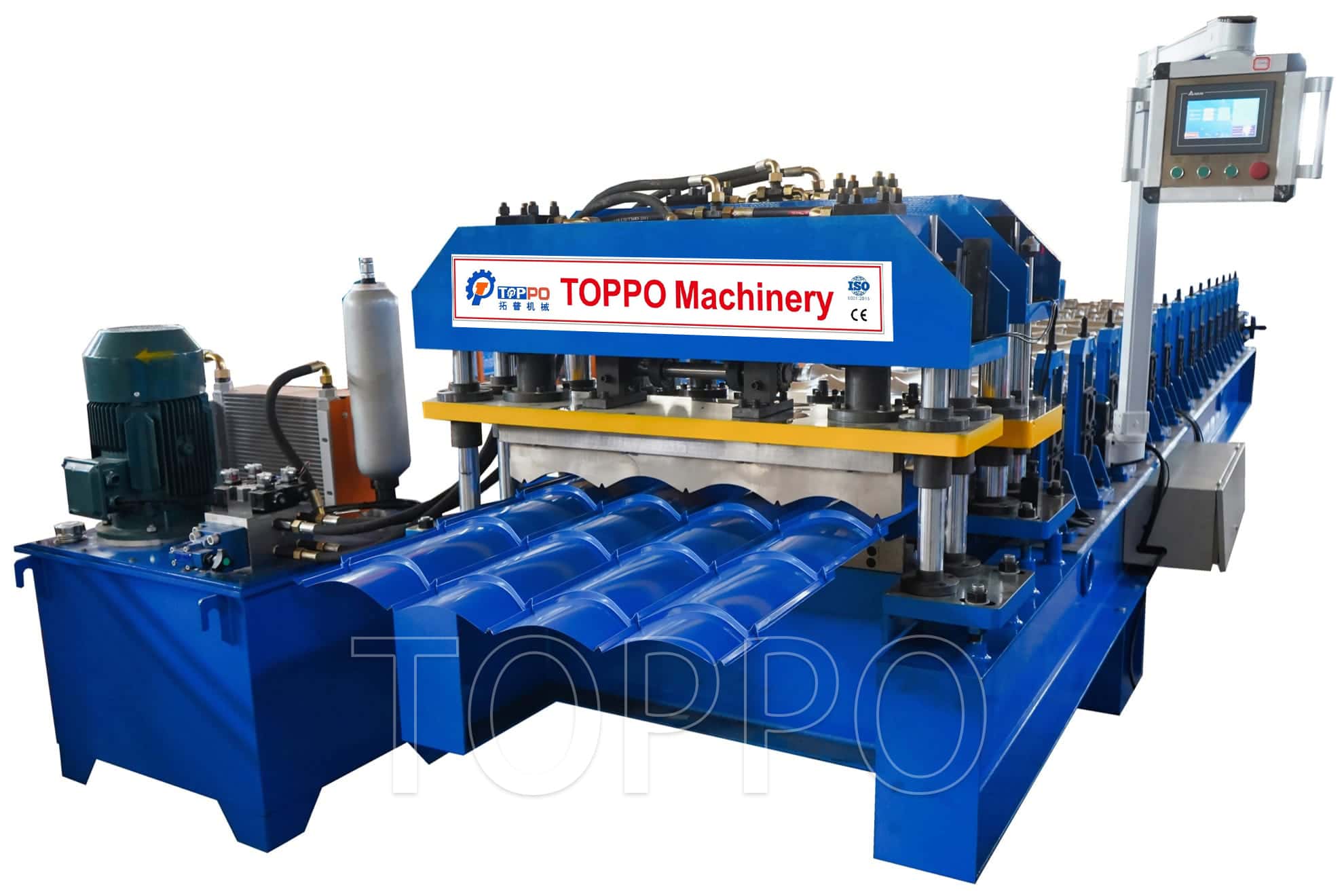
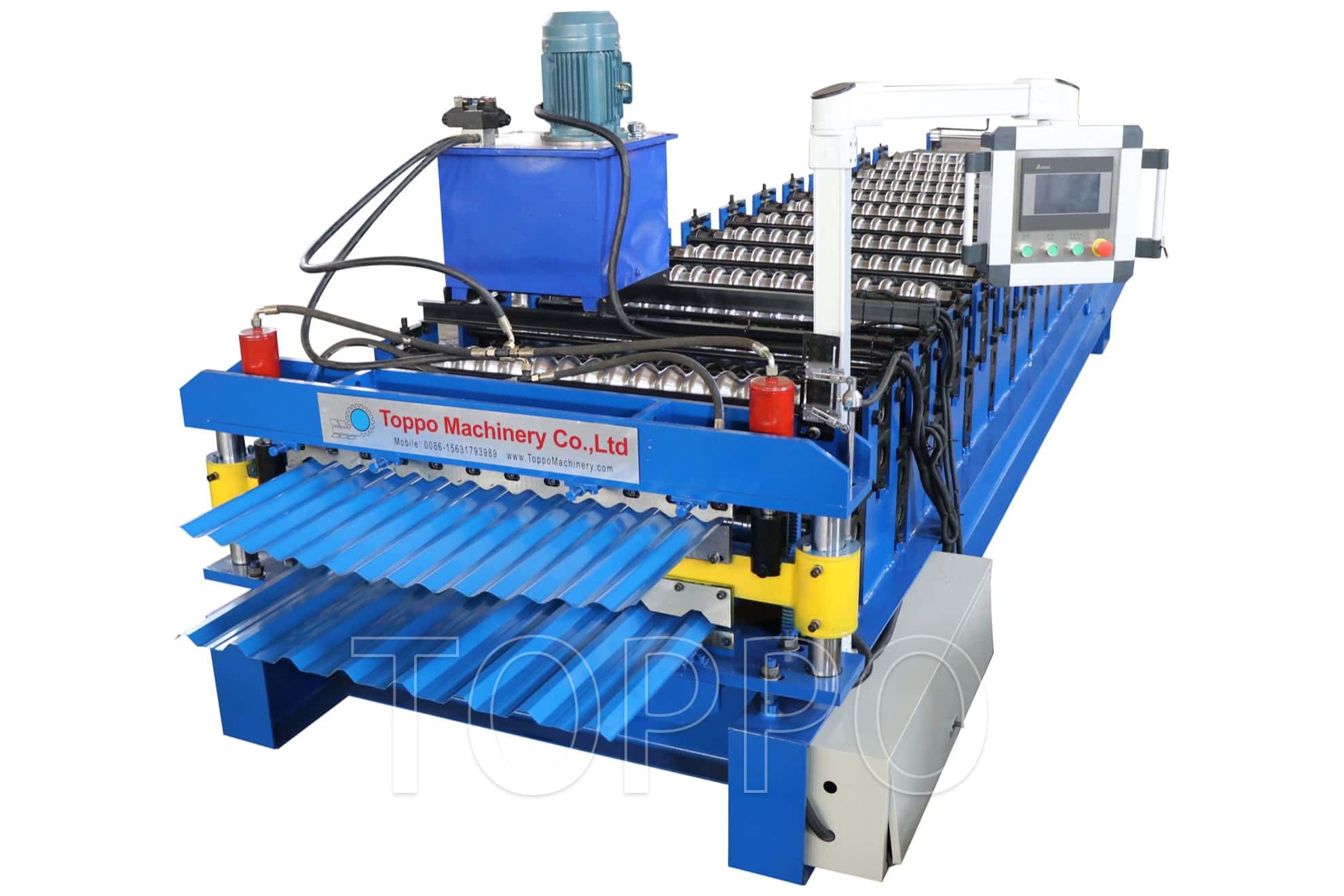
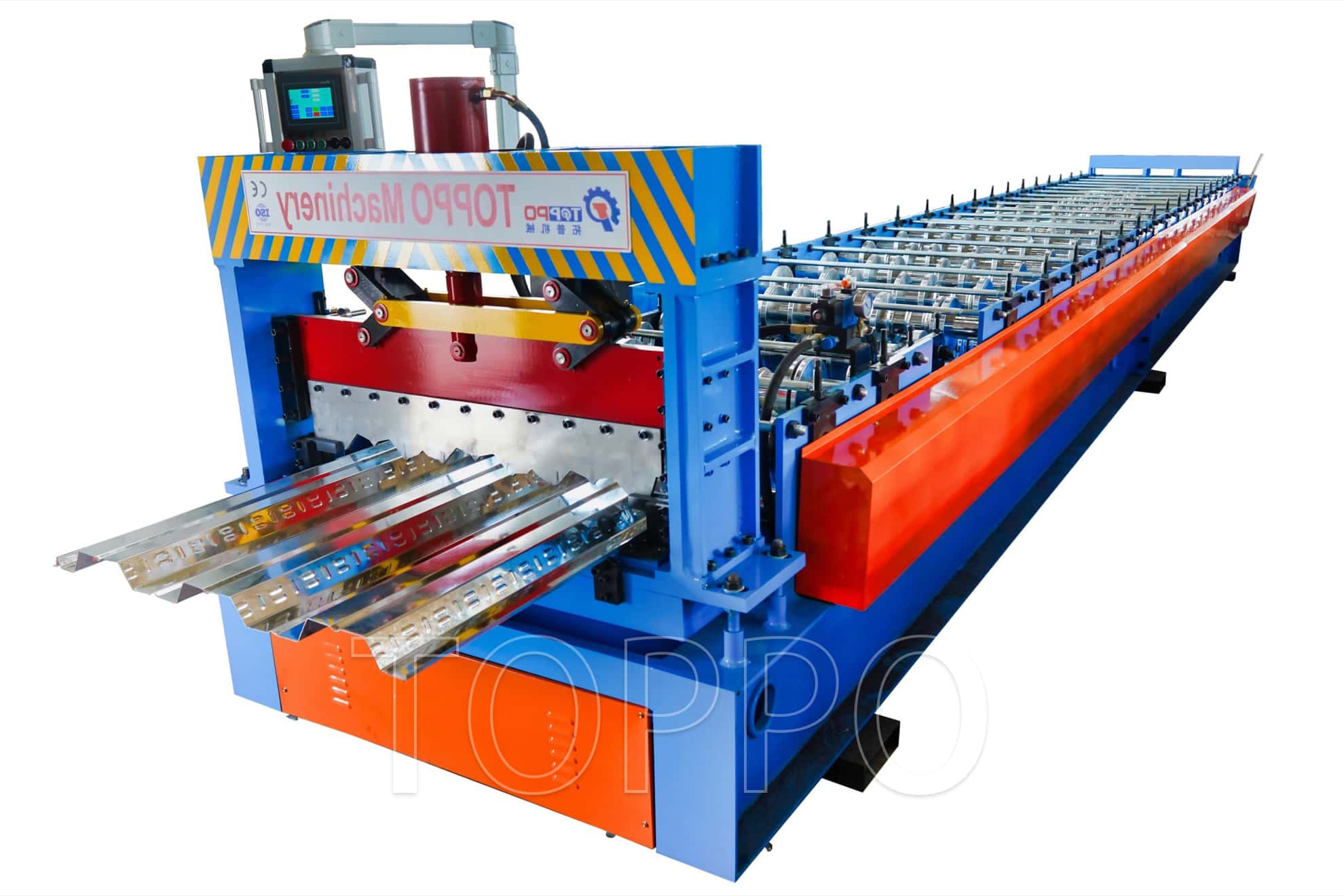
As metal roofing manufacturers face tighter delivery schedules and increasing customization demands, the double layer roofing sheet roll forming machine has become an essential production solution. While the machine itself is reliable, many performance issues arise from incorrect implementation and poor operational discipline. This article focuses on practical execution steps, important precautions, common mistakes, and real factory cases to help manufacturers avoid risks and achieve stable output.
Implementation Steps That Reduce Production Risk
The first step is foundation preparation and precise leveling. The machine must be installed on a reinforced and accurately leveled concrete base. In many factories, profile deformation and uneven roller wear were eventually traced back to small installation errors. Before powering on, technicians should check roller alignment, shaft concentricity, and fastener tightness.
Material preparation is equally critical. Steel coils must meet thickness and mechanical strength requirements. In real production environments, unstable quality is often caused by unsuitable raw materials. When commissioning a roof panel making machine, experienced operators always inspect coating quality, edge straightness, and thickness tolerance before feeding material.
Key Operating Precautions on the Production Line
Speed control is one of the most important operating precautions. A double layer roll forming machine allows profile switching on one line, but operators must reduce speed during transitions. Sudden acceleration often leads to cutting inaccuracies, surface scratches, and unstable forming dimensions.
Routine inspection and lubrication are also essential. Bearings, chains, and transmission components should be maintained according to a fixed schedule. Factories that implement preventive maintenance programs experience fewer unexpected breakdowns and more consistent production results.
Common Mistakes That Cause Quality Issues
Improper layer switching is one of the most frequent execution errors. Operators sometimes forget to fully lock the inactive layer, causing vibration or roller interference. This issue commonly appears during early operation of a double layer roofing sheet roll forming machine and can be avoided through standardized operating checklists.
Another common mistake is neglecting cutting system recalibration. Each roofing profile requires different cutting parameters, and skipping recalibration often results in length deviation and material waste.
Real Factory Risk-Control Case
A manufacturer supplying industrial roofing projects replaced two conventional lines with one double layer roll forming machine. Initial production showed inconsistent profile quality due to insufficient operator training. After implementing standardized procedures and retraining staff, defect rates dropped sharply and production efficiency increased by over 45%. When integrated with a roof panel making machine, order changeover time was significantly reduced, improving delivery reliability.
Practical Conclusions
Long-term stable production depends on disciplined installation, controlled operation, and continuous maintenance. Real factory experience confirms that a double layer roofing sheet roll forming machine delivers maximum value only when supported by trained operators and standardized process control.
READ MORE: