Local Manufacturing vs Importing Roofing Sheets: A Real Profit Analysis for Distributors
For many roofing sheet distributors, importing finished panels has long been the standard business model. However, rising freight costs, currency fluctuations, and increasing demand for customized sheet lengths have pushed many distributors to consider local production. The key question is: how much additional profit can be generated by manufacturing roofing sheets locally?
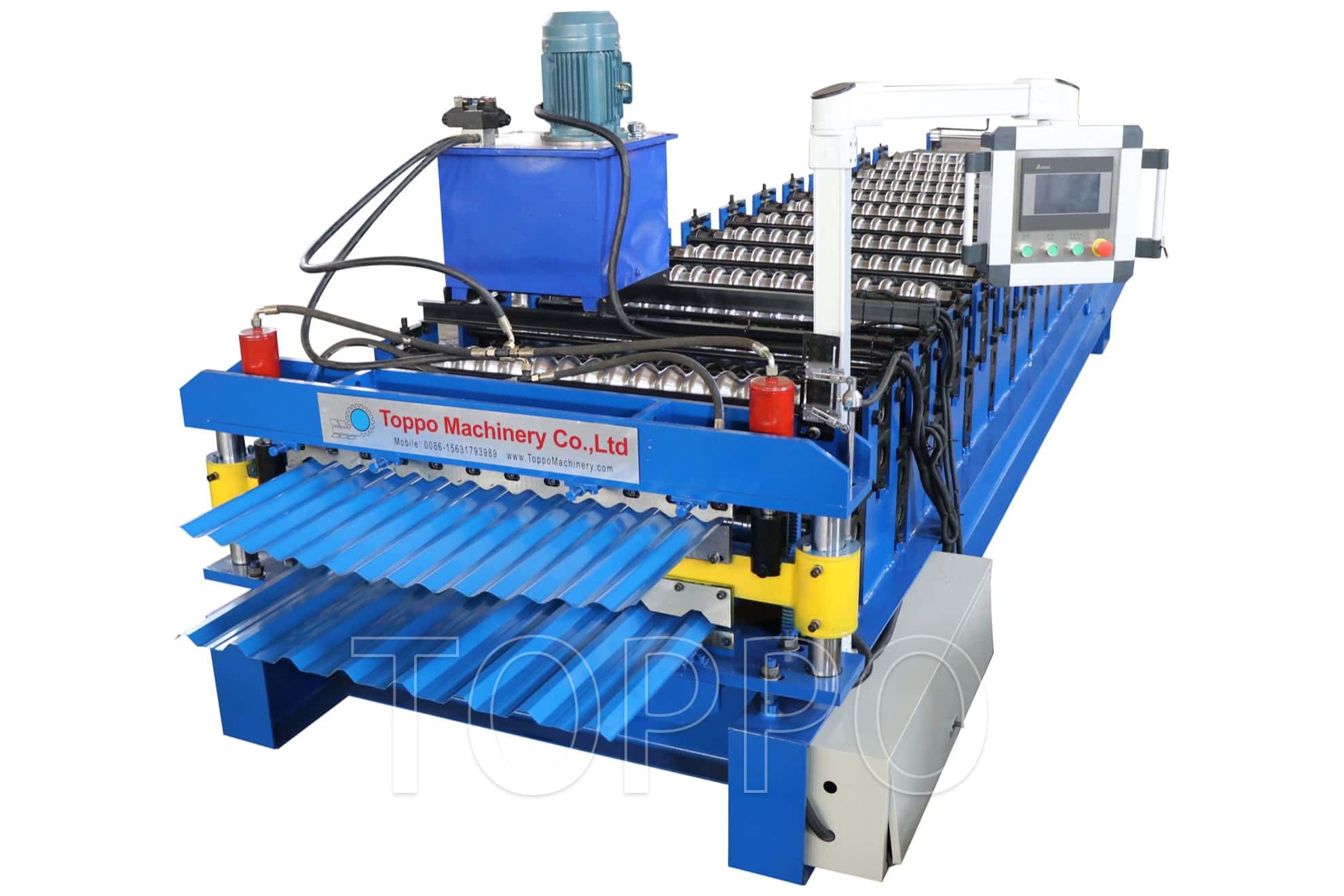
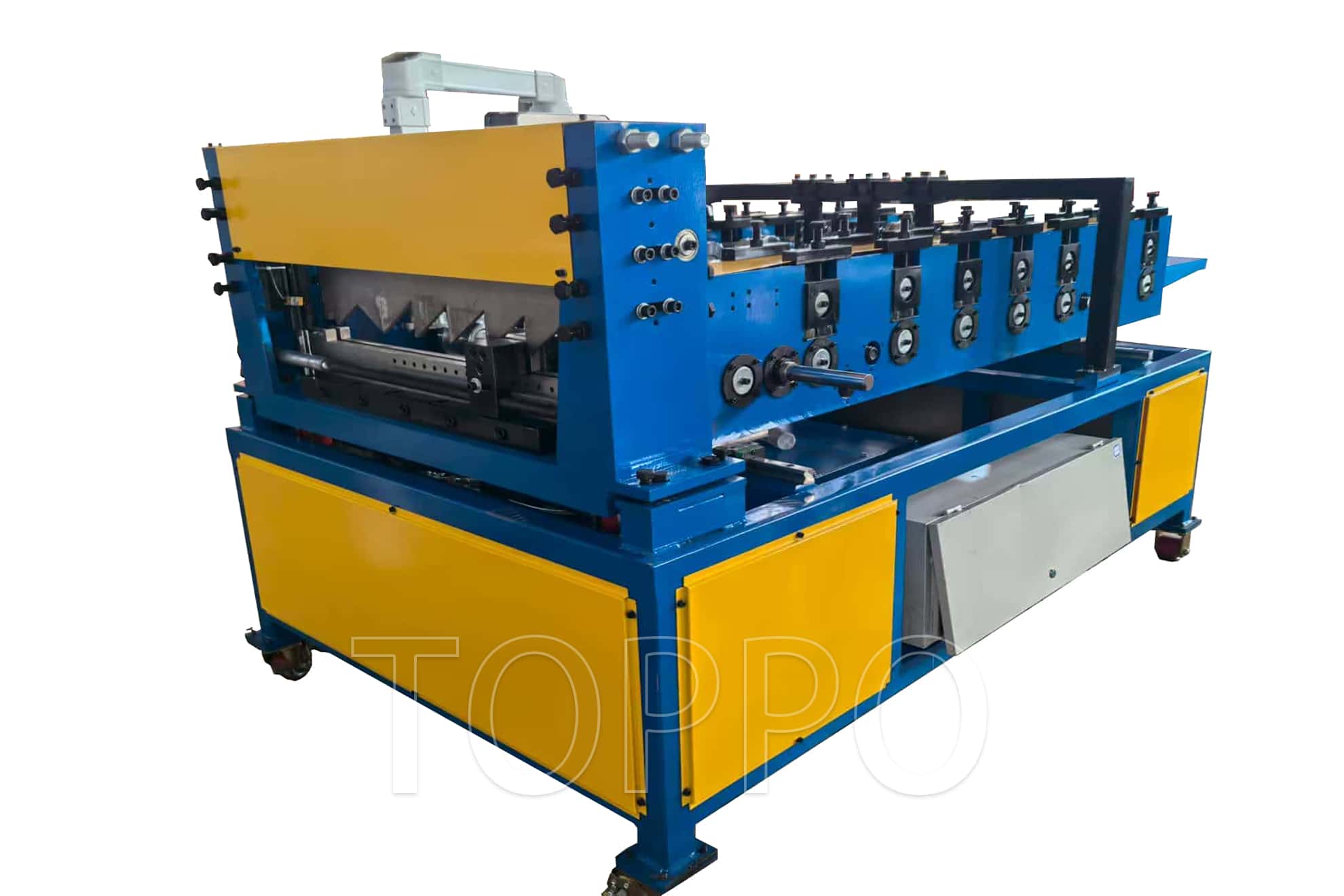
Investing in a double layer roofing sheet roll forming machine allows distributors to produce two different profiles within one compact production line. This flexibility reduces inventory pressure and improves responsiveness to contractors. When properly managed, local production can significantly increase gross margins.
1. Investment and Setup Costs
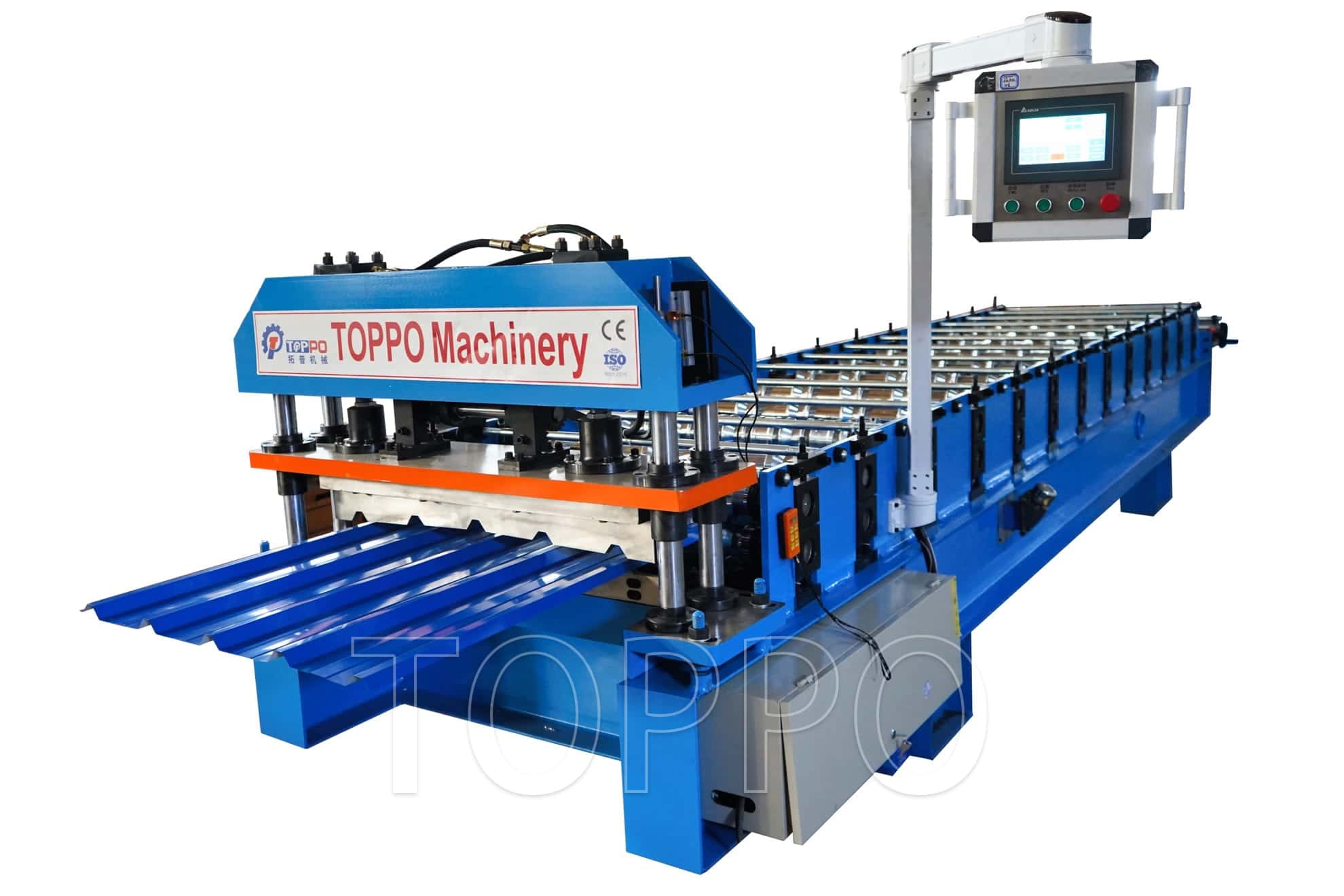
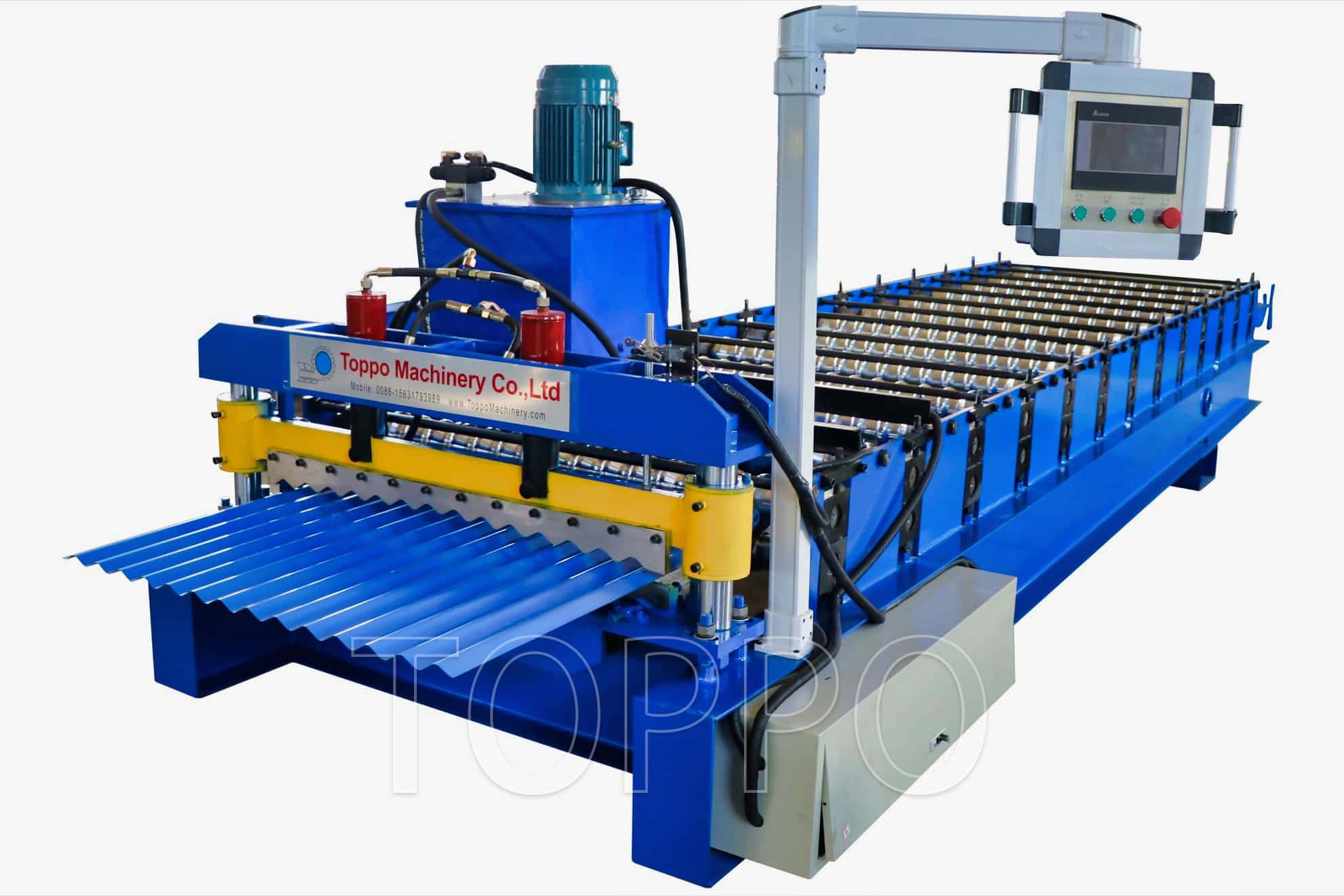
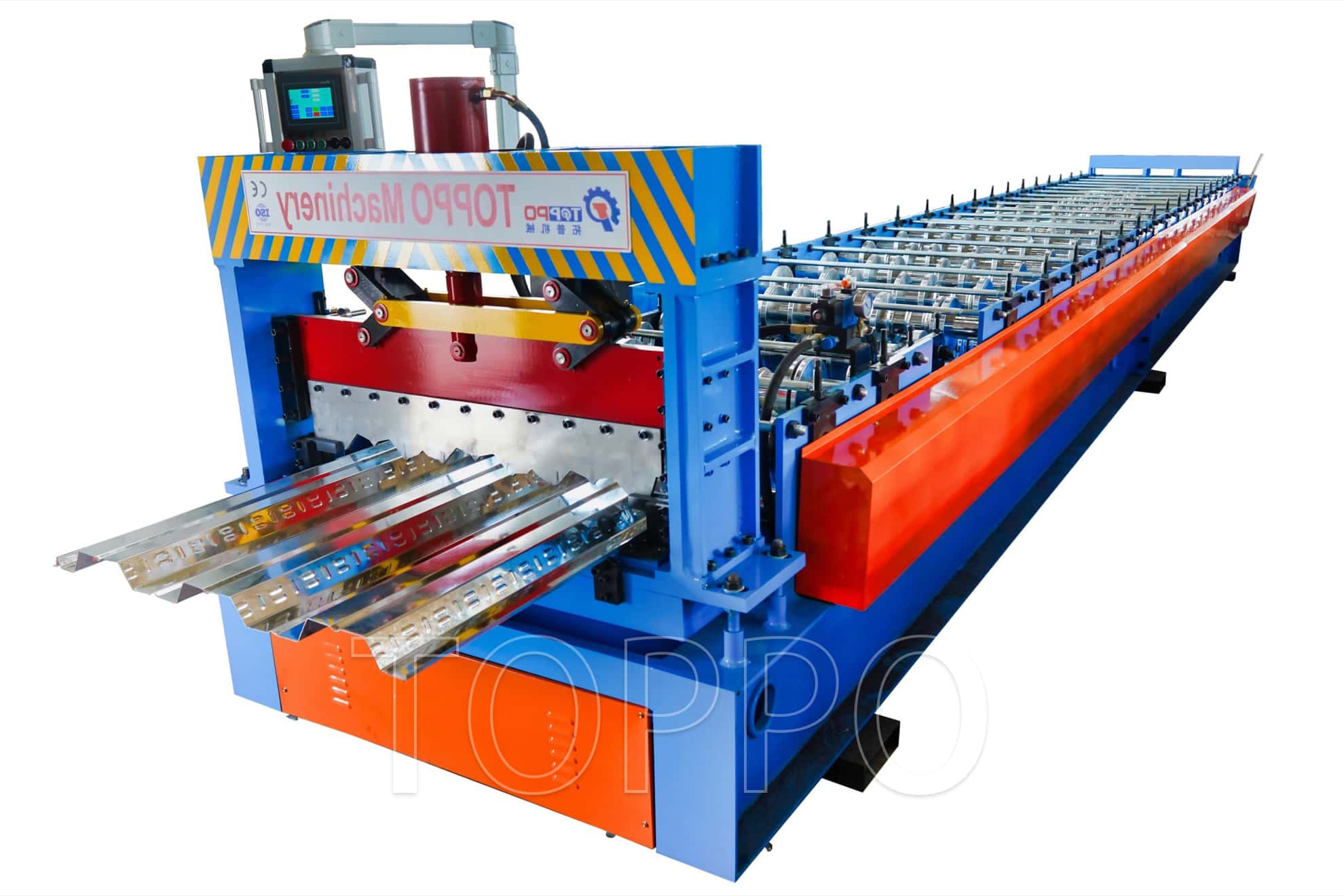
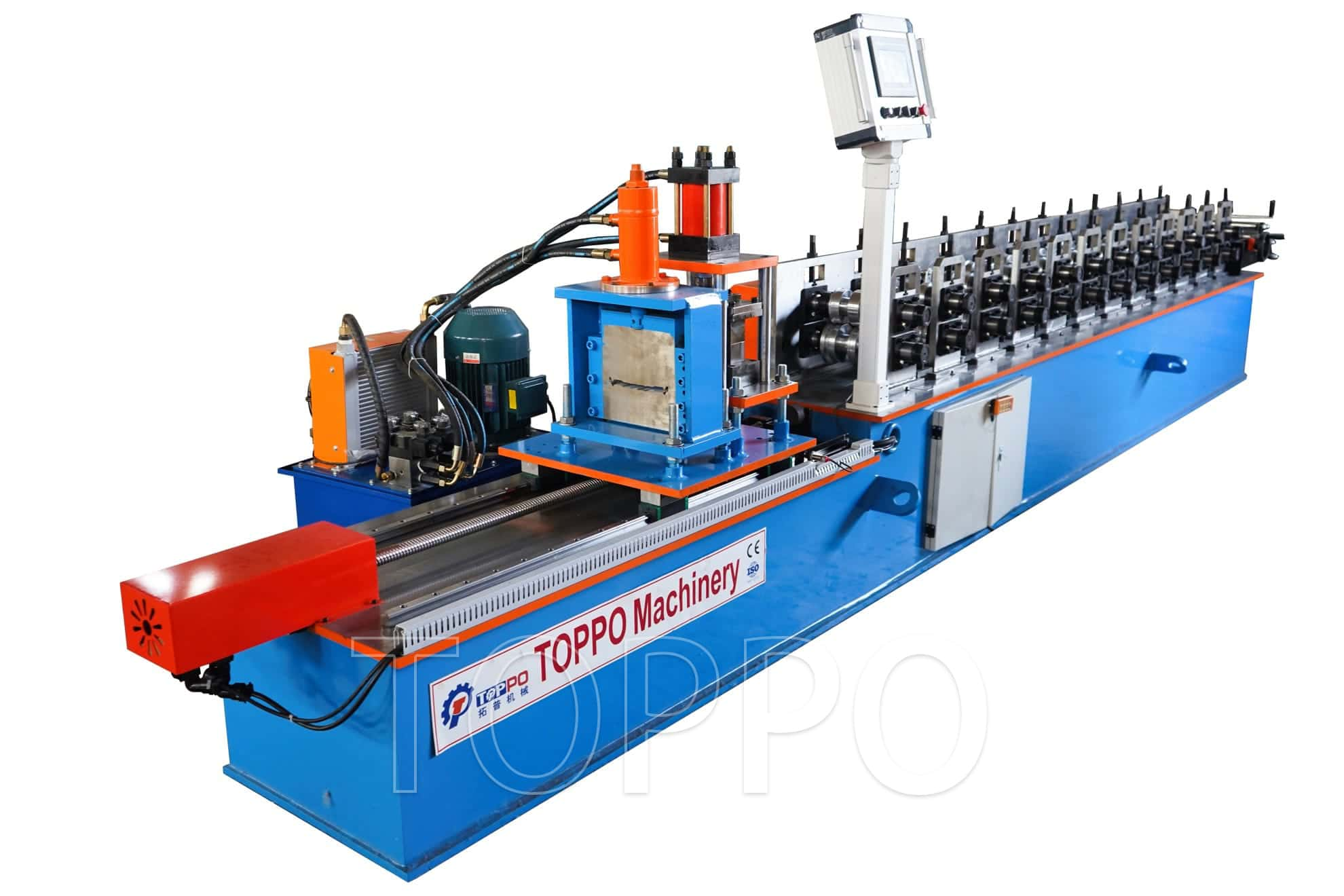
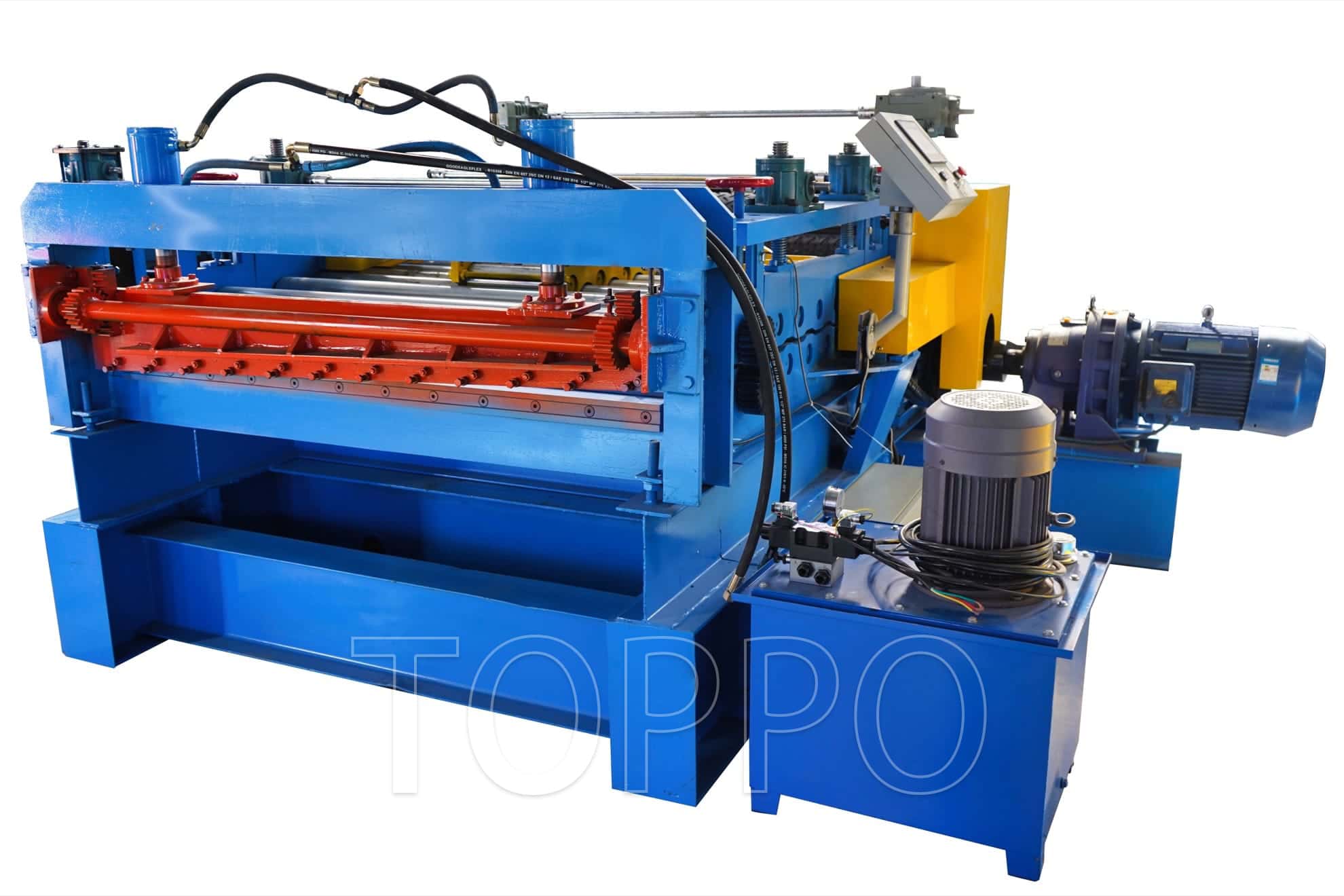
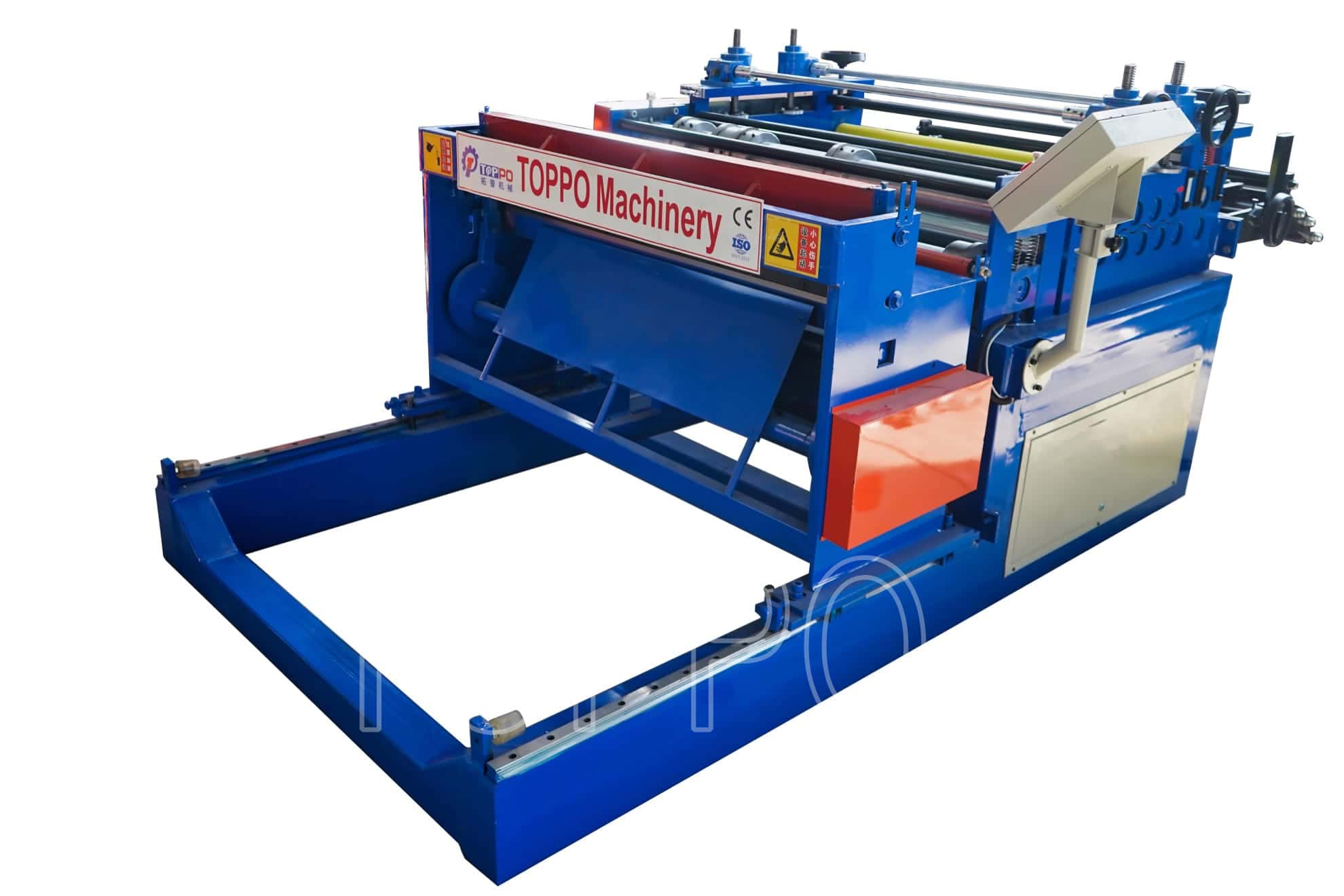
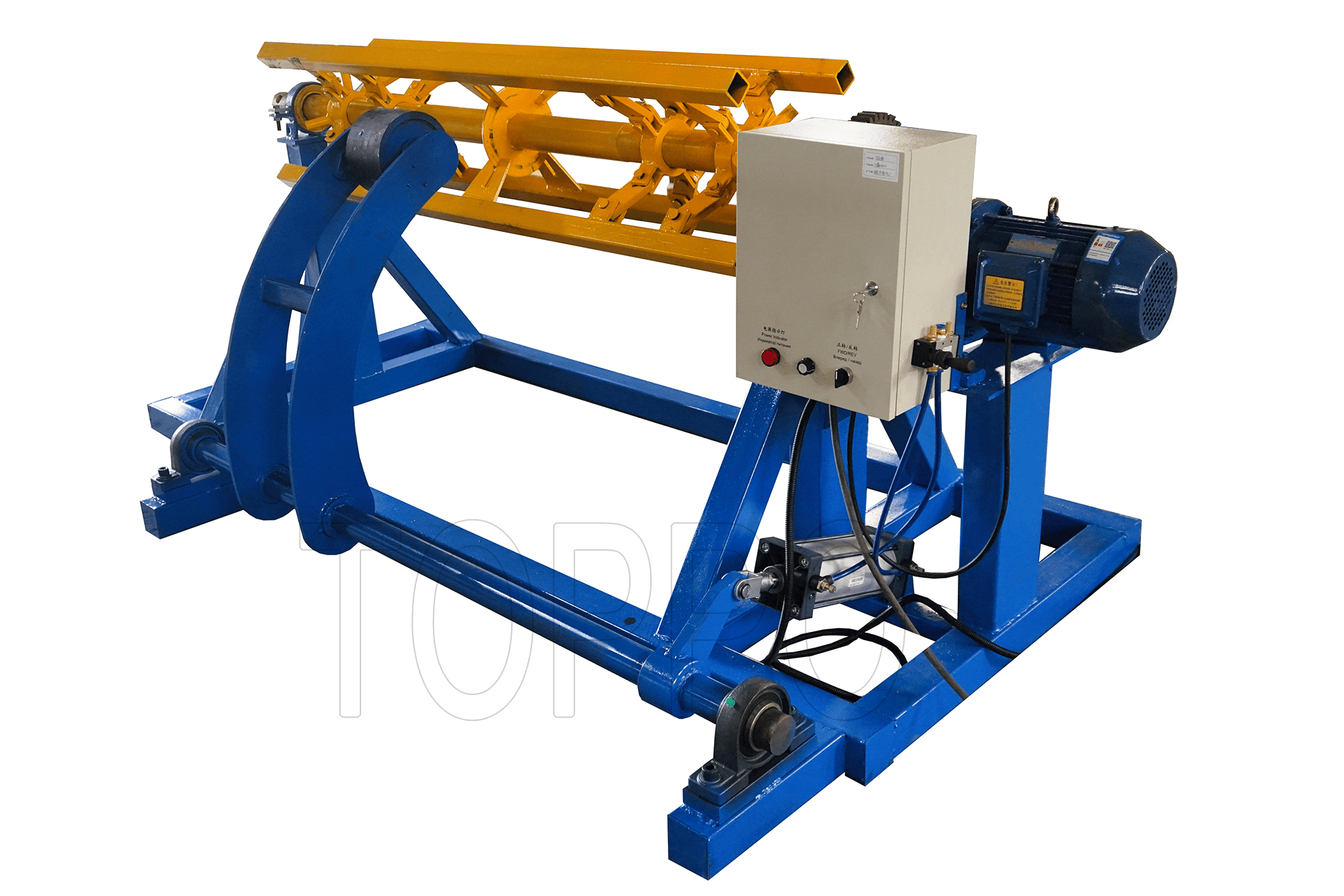
The first step is understanding total capital investment. A typical production setup includes a double layer roll forming machine, hydraulic cutting unit, decoiler, PLC control cabinet, and run-out table. In addition, factory space preparation, electrical wiring, and voltage stabilizers are required.
Compared to purchasing two separate machines, a double layer roofing sheet roll forming machine reduces floor space requirements and lowers initial investment. The cost advantage becomes clear for distributors who serve both corrugated and trapezoidal panel markets.
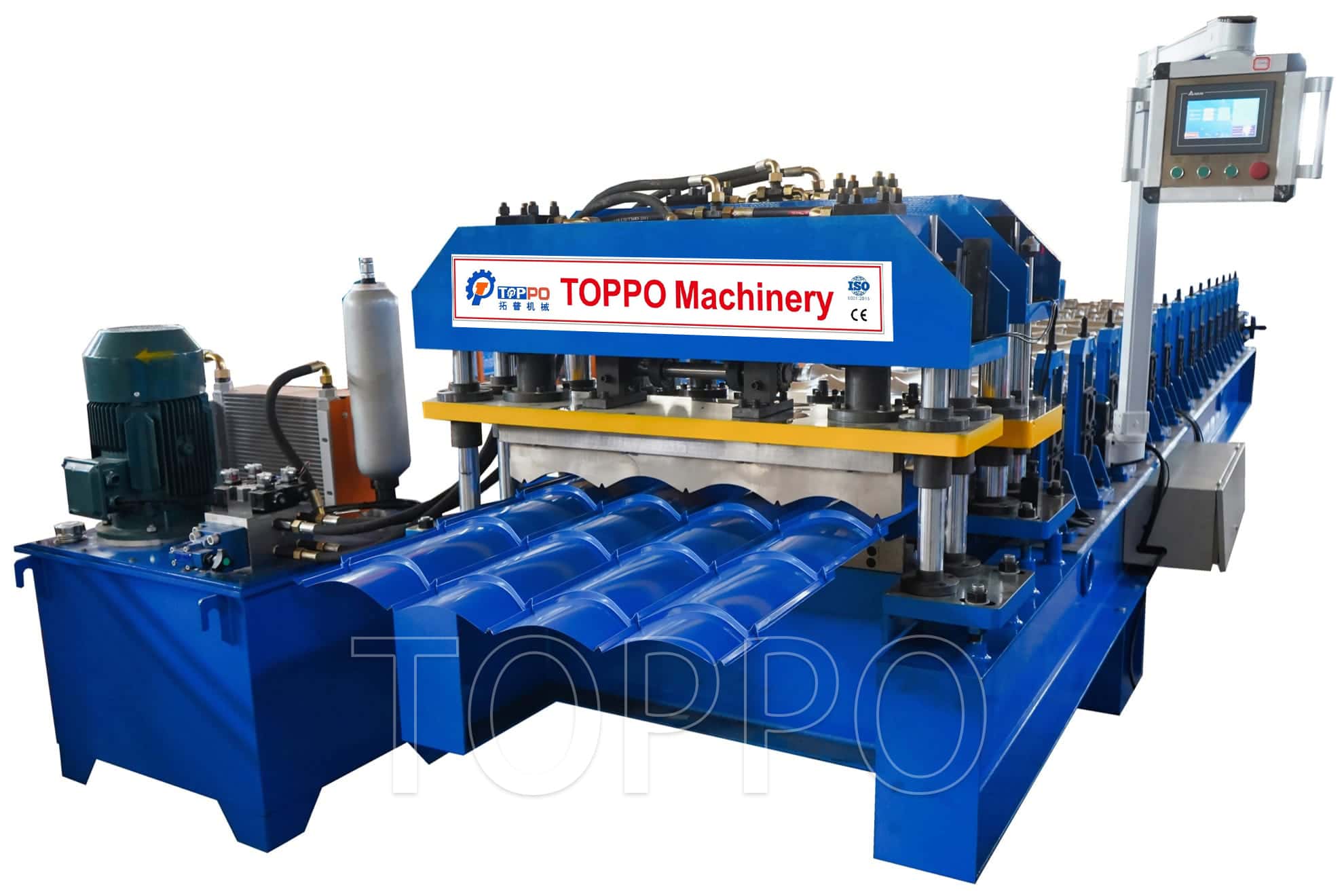
Installing a roof panel making machine also requires proper foundation leveling and stable power supply. Skipping these steps may result in vibration issues and long-term mechanical wear.
2. Step-by-Step Implementation Plan
Step 1: Market Analysis
Before investing, analyze local construction demand, seasonal fluctuations, and competitor pricing. Identify which profiles sell most frequently.
Step 2: Equipment Selection
Choose a reliable double layer roll forming machine with stable motor configuration and durable rollers. Ensure compatibility with locally available steel coil thickness.
Step 3: Raw Material Sourcing
Build strong relationships with steel suppliers. Negotiating bulk purchasing agreements directly impacts profit margins.
Step 4: Trial Production
Run the double layer roofing sheet roll forming machine continuously for testing. Verify panel accuracy, speed stability, and hydraulic cutting precision before entering commercial production.
3. Cost Structure and Profit Calculation
The primary cost components include raw material (typically 65–75% of total cost), electricity, labor, maintenance, and depreciation. Electricity consumption of a roof panel making machine is relatively small compared to steel coil cost, making material procurement the most important profit factor.
For example, if raw material and operational cost per square meter is $4.50 and the average selling price is $6.00, the gross margin is $1.50 per square meter. Producing 6,000 square meters daily results in $9,000 gross profit before fixed expenses. At this rate, equipment investment in a double layer roofing sheet roll forming machine can often be recovered within 10–14 months.
4. Real Business Case Study
A roofing distributor in West Africa transitioned from importing finished sheets to producing locally using a double layer roofing sheet roll forming machine. Previously, import duties and freight increased total product cost by nearly 20%.
After installing a double layer roll forming machine, the company reduced per-unit costs by 15% and improved delivery time from two weeks to three days. The flexibility of the roof panel making machine allowed quick switching between profiles based on contractor requirements.
Within one year, the distributor increased net annual profit by 30%, while also expanding its customer base due to faster service and customized lengths.
5. Common Mistakes That Reduce Profit
One major mistake is underestimating raw material price volatility. Without price-lock agreements, sudden steel increases can eliminate margins.
Another frequent error is neglecting equipment maintenance. Poor lubrication or unstable voltage can cause downtime in a double layer roofing sheet roll forming machine, leading to delayed orders and lost clients.
Overestimating demand is also risky. Some distributors invest in a double layer roll forming machine without securing sufficient contracts, resulting in underutilized capacity and slow return on investment.
6. Key Precautions for Sustainable Profitability
Install voltage stabilizers to protect the roof panel making machine.
Maintain strict lubrication schedules.
Monitor coil thickness consistency before production.
Train operators for fast and accurate profile switching.
Develop long-term contracts with builders and contractors.
Efficient management ensures the double layer roofing sheet roll forming machine operates near maximum capacity while minimizing material waste.
7. Strategic Advantages Beyond Direct Profit
Local production provides competitive advantages beyond immediate financial returns. Distributors gain control over lead times, product customization, and stock management. Operating a double layer roll forming machine also enables diversification into new profile types as market demand evolves.
Additionally, relying on a roof panel making machine for domestic production reduces exposure to international shipping disruptions and exchange rate instability, creating a more stable business environment.
Conclusion
Producing roofing sheets locally can significantly increase distributor profit when implemented strategically. By investing in a reliable double layer roofing sheet roll forming machine, controlling raw material costs, and avoiding common operational mistakes, distributors can achieve strong margins and fast return on investment. The success of this transition depends not only on equipment quality but also on disciplined financial planning and operational management.
SEO Keywords
double layer roofing sheet roll forming machine, double layer roll forming machine, roof panel making machine, roofing sheet distributor profit, metal roofing roll former, steel roll forming machine
Tags
double layer roofing sheet roll forming machine, double layer roll forming machine, roof panel making machine
READ MORE: