Boosting Cutting Accuracy: Matching Blade Material to Roofing Sheet Production Needs
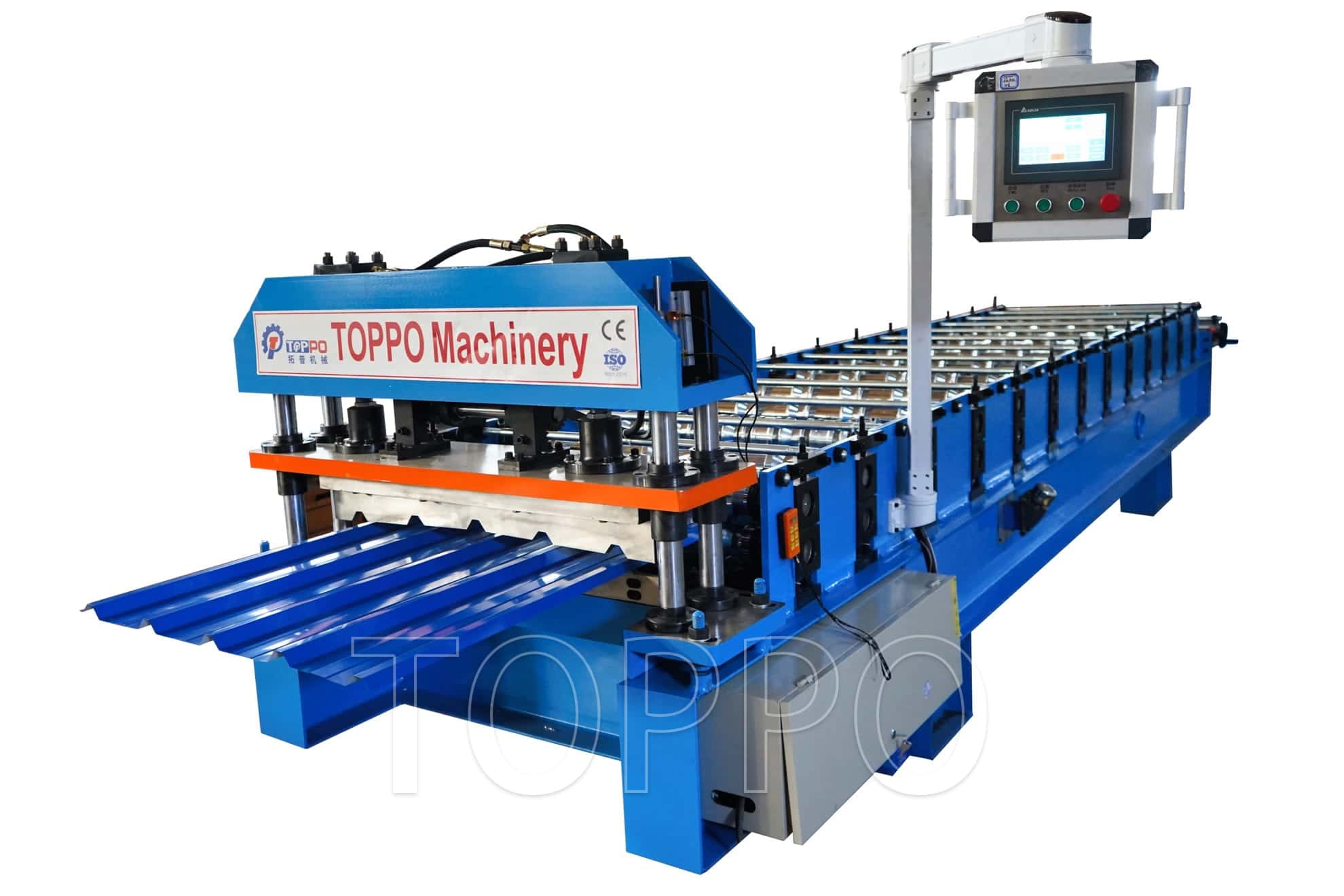
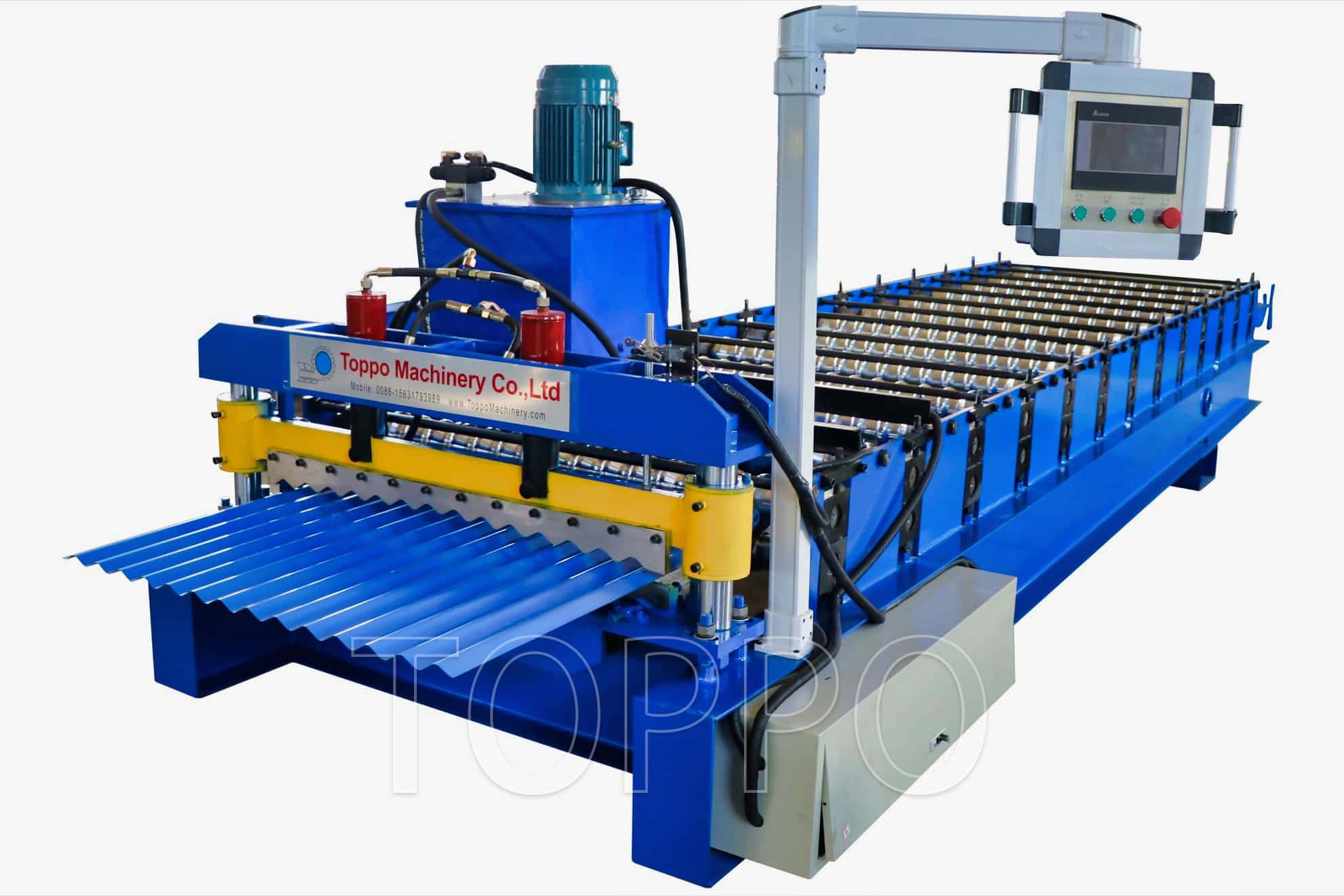
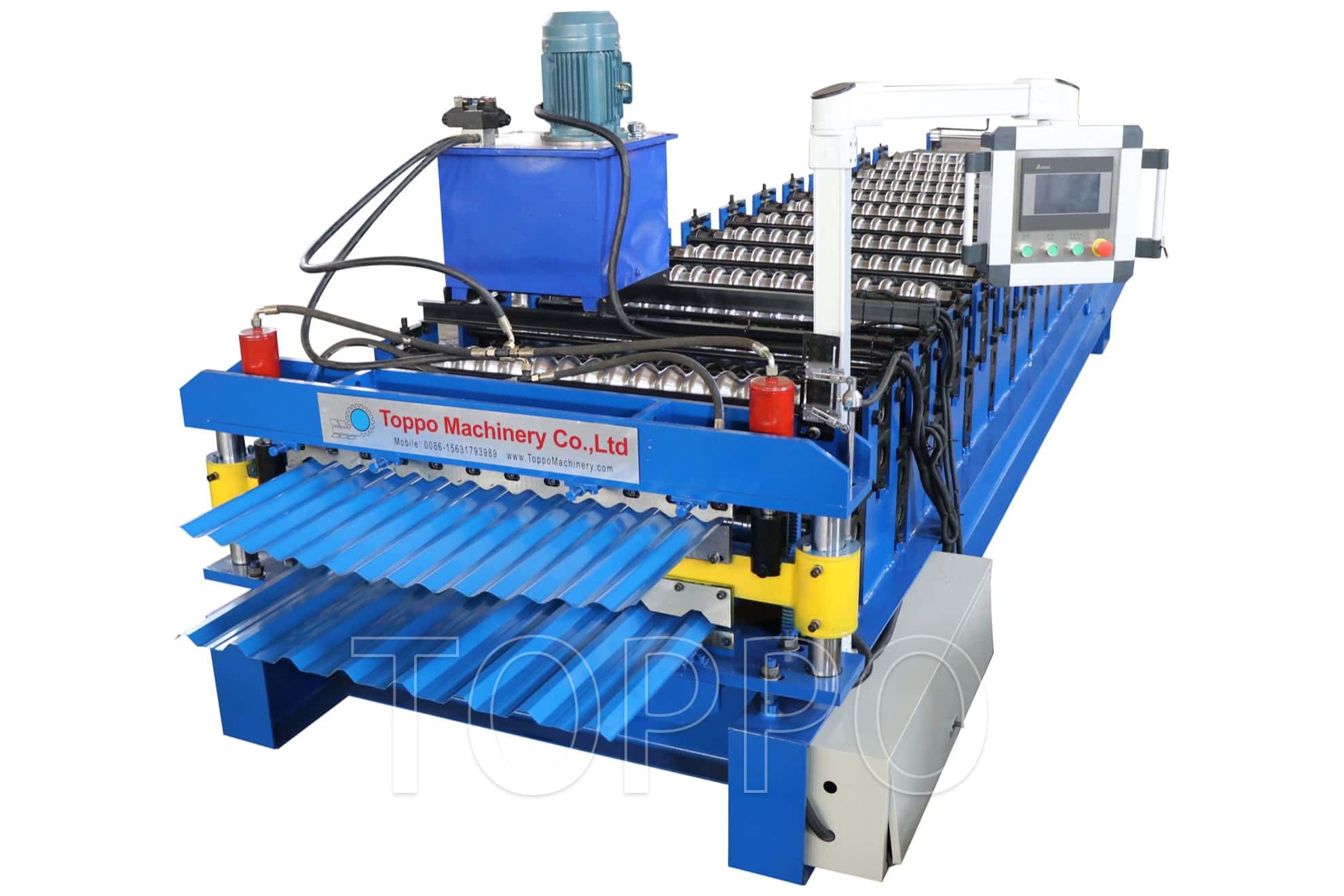
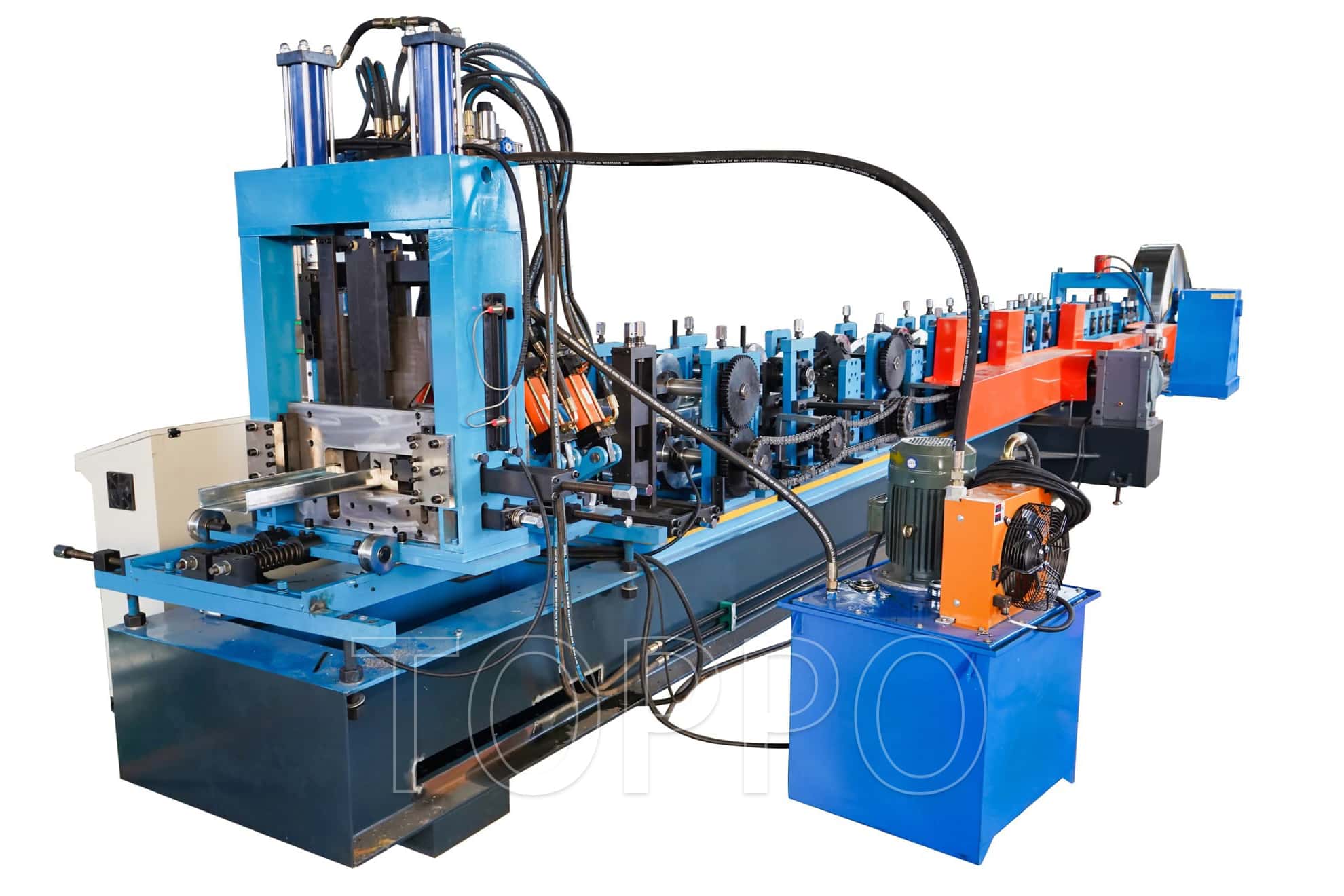
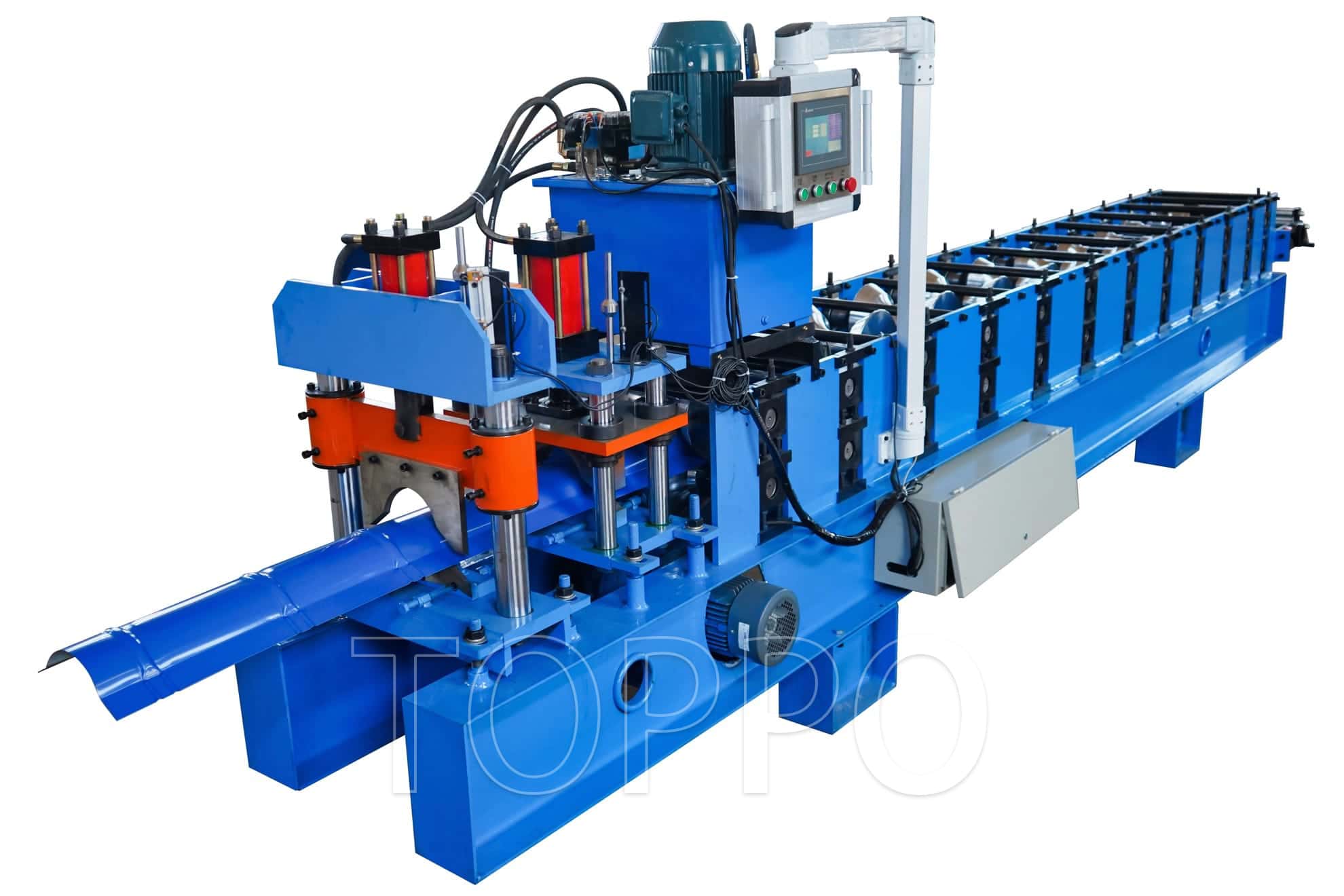
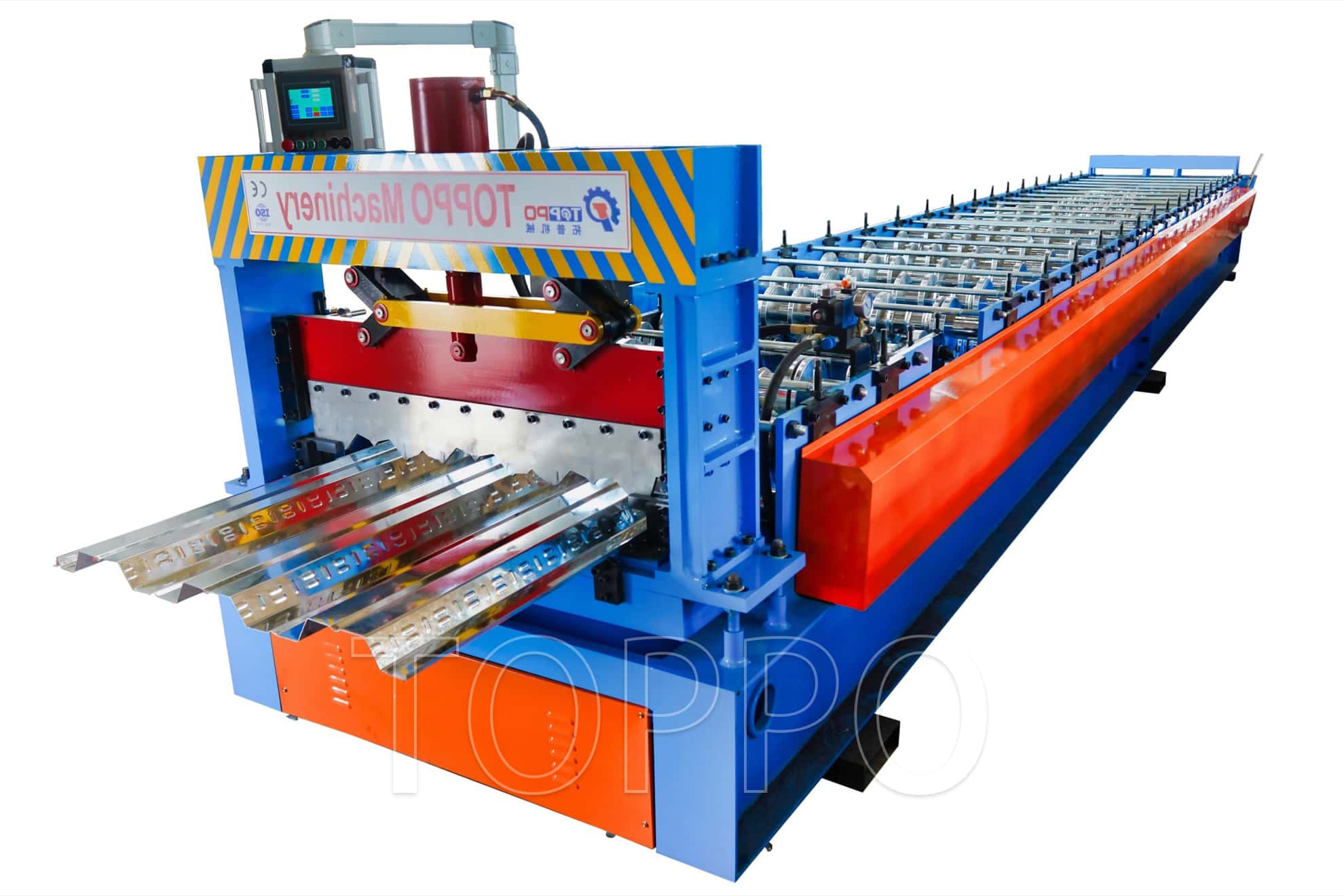
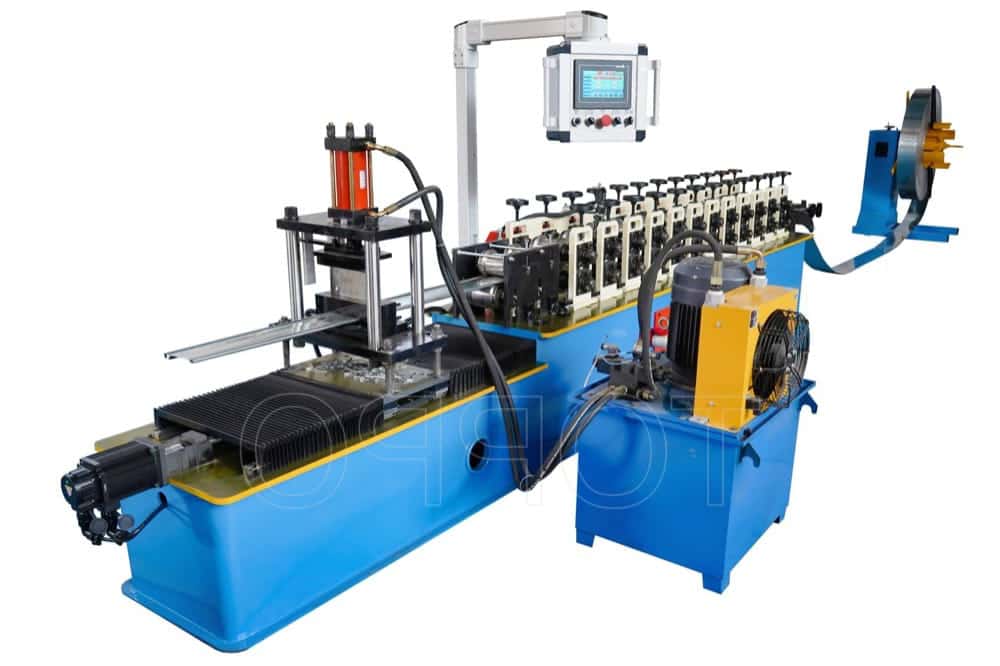
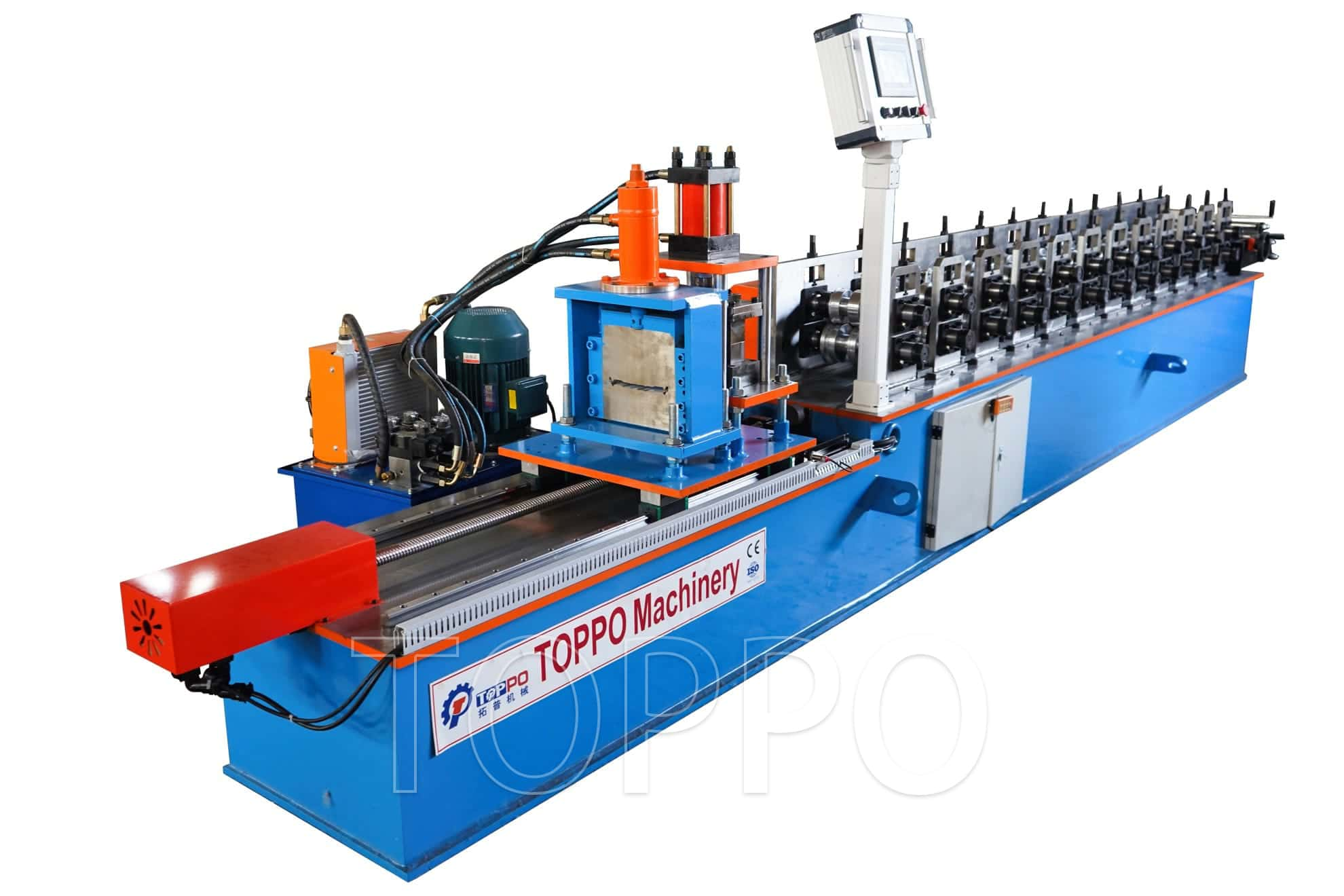
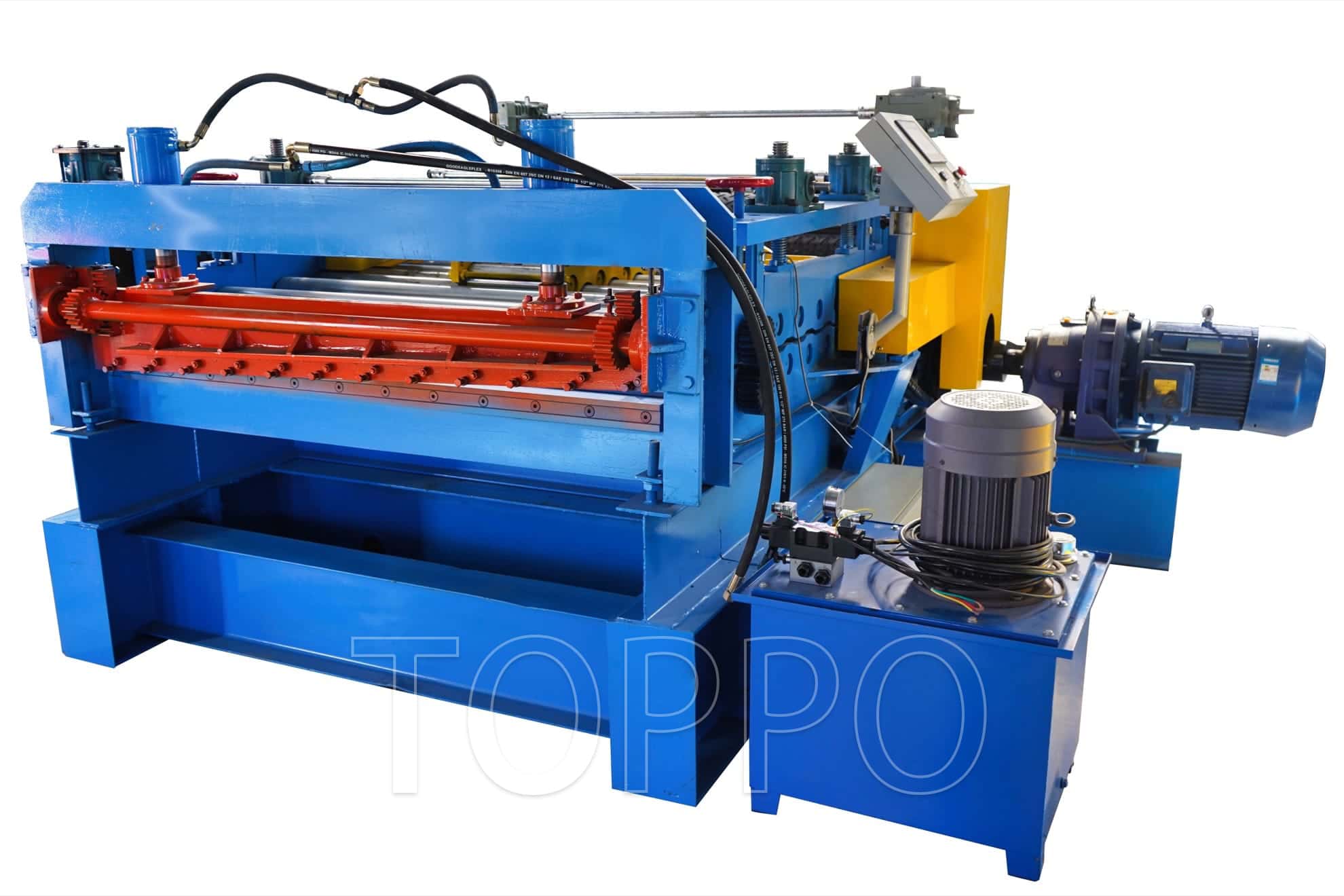
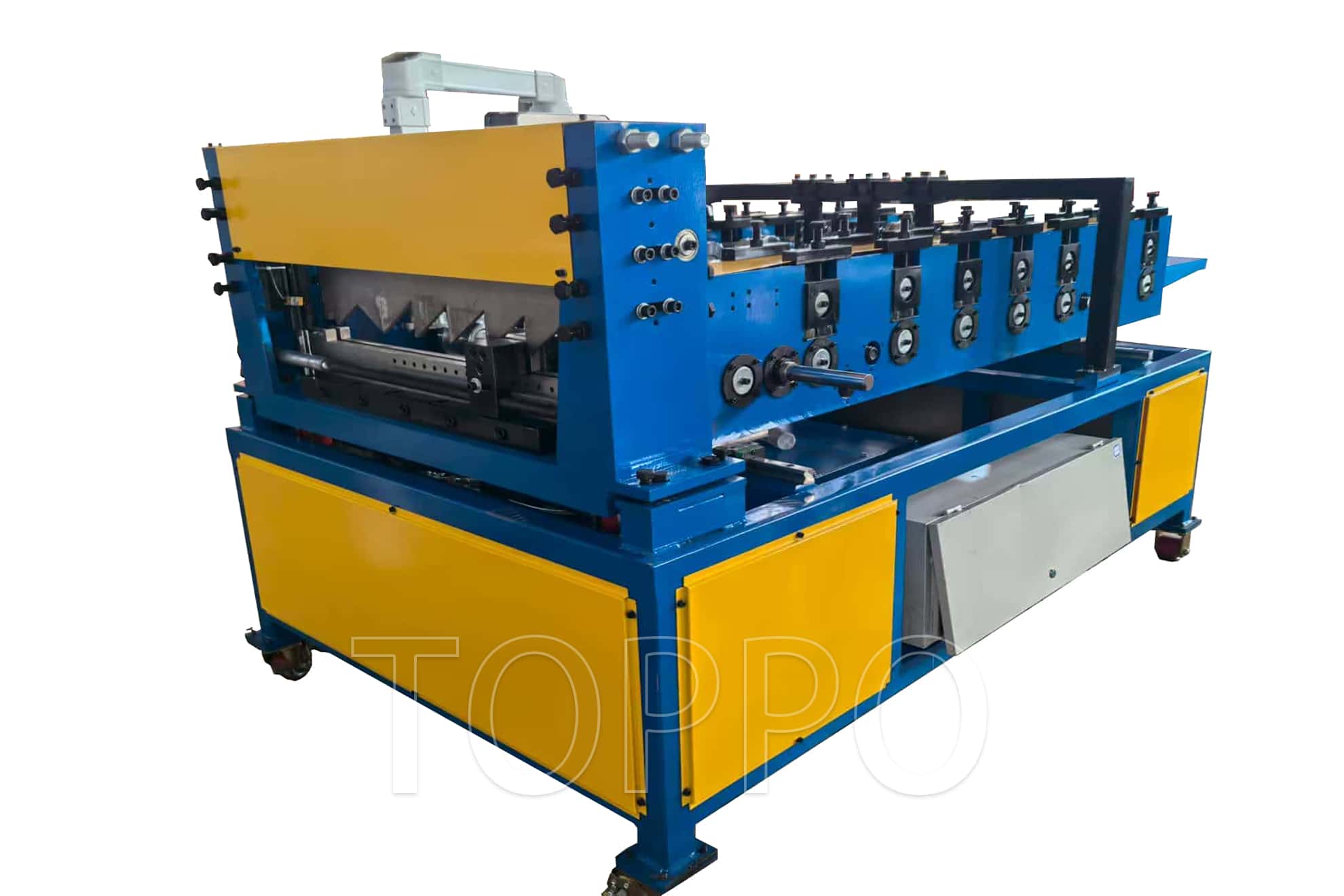
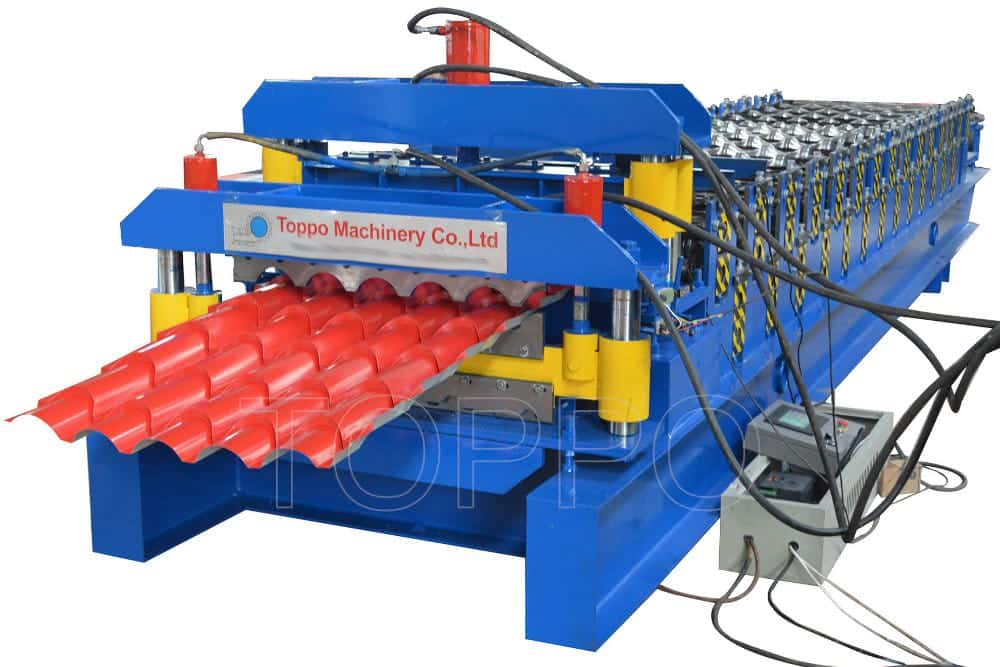
Cutting accuracy is a critical metric for success in roofing sheet manufacturing. The secret often lies in the blade material used on machines like the Heavy-Duty 850 Roof And Wall panel sheet corrugated roof roll forming machine—and making the right choice pays off in quality, reputation, and repeat business.
1. Why Blade Material Matters for Accuracy
Every roof panel making machine or corrugated roll forming machine relies on blade integrity for precise cuts. Carbide-tipped blades, for example, resist heat and abrasion in long runs, delivering cleaner, more repeatable edges. Using the wrong blade leads to burrs, rework, and dissatisfied clients.
2. How to Match Blade Material to Application
Define Sheet Characteristics: Assess the thickness, hardness, and coating type of the sheets cut by your Heavy-Duty 850. Match blade toughness to these demands.
Consult Your Supplier: Get technical recommendations based on actual line speed, steel grade, and expected volume for your roof panel making machine.
Test and Review: Install new blades and track cut quality, burr levels, and life span through actual production runs on the corrugated roll forming machine.
Establish Replacement Protocols: Schedule blade changes based on output data, not just visual wear.
Operator Skill Development: Train staff to recognize early signs of blade failure and intervene before cut quality drops.
3. Mistakes That Reduce Accuracy
Using “universal” blades for all applications—results in avoidable scrap.
Neglecting to factor in production speed when choosing blade type.
Waiting for blade failure rather than tracking usage and performance.
4. Field Example: Consistency Wins Contracts
A Vietnamese producer switched to carbide blades for all exterior panels and reported zero post-install cut complaints over a year. A local competitor using HSS on a roof panel making machine had to recall panels after visible burrs caused leaks.
5. Summary Best Practices
Define and document material and speed requirements for every job.
Work with technical suppliers, not just blade distributors.
Update blade change schedules as new materials enter production.
Reward operators for quick, proactive blade replacements and quality checks.
Conclusion
Blade material is a silent partner in your success. With the right match and continuous improvement on the Heavy-Duty 850, you ensure every panel cut supports your brand and bottom line.
Tags: Heavy-Duty 850 Roof And Wall panel sheet corrugated roof roll forming machine, roof panel making machine, corrugated roll forming machine, blade material, cutting accuracy, carbide-tipped, HSS, quality, best practice, supplier, production run, speed, replacement, training, proactive, burr, exterior panel, post-install complaint, protocol, job, technical, operator, recall, leakage, bottom line, brand, match, documentation, usage, improvement, schedule, panel, sheet, manufacturing, reputation, secret, client, output, edge, abrasive, tool, field example.
READ MORE: