Step-by-Step Guide: How Blade Material Affects Roofing Sheet Cutting Performance
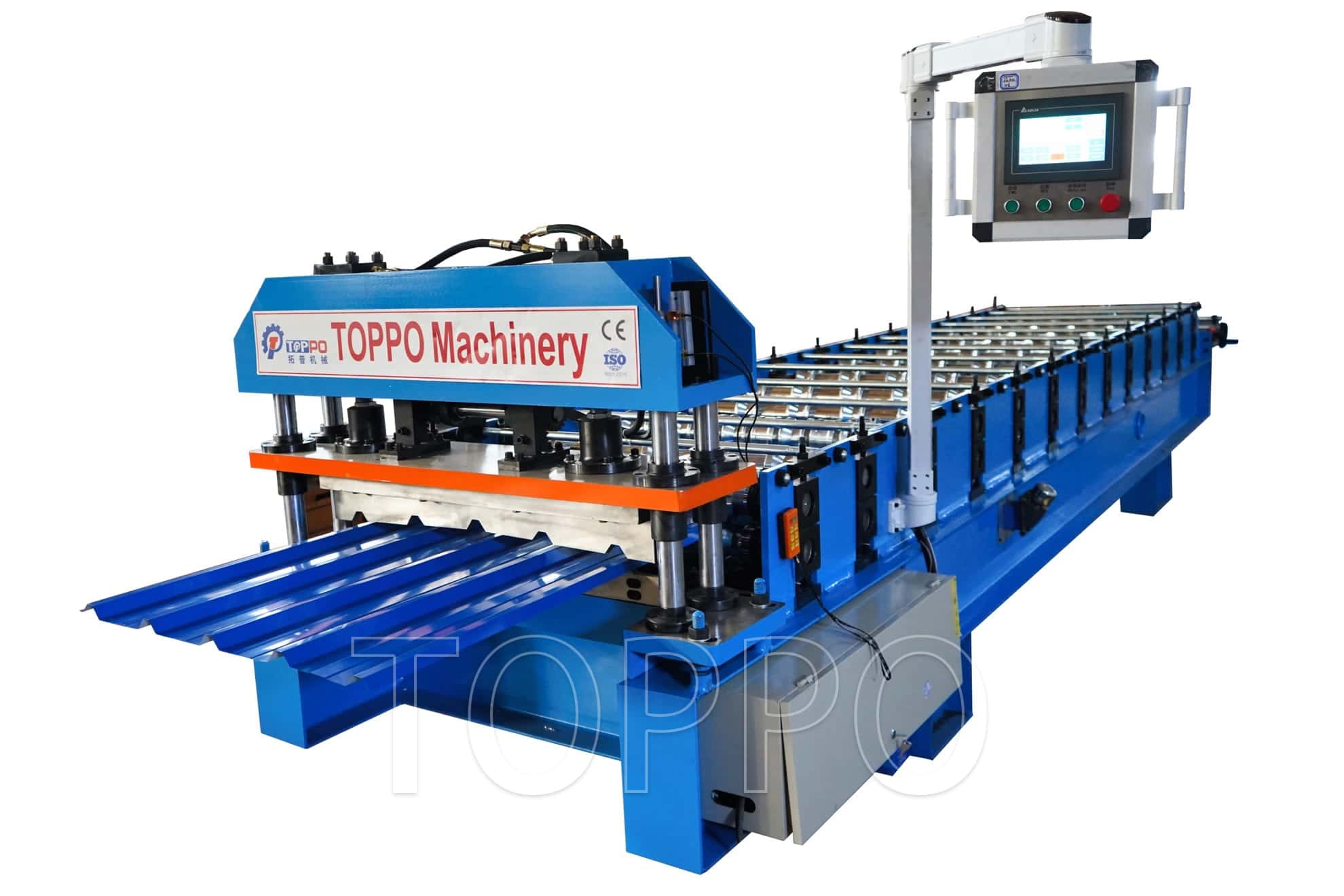
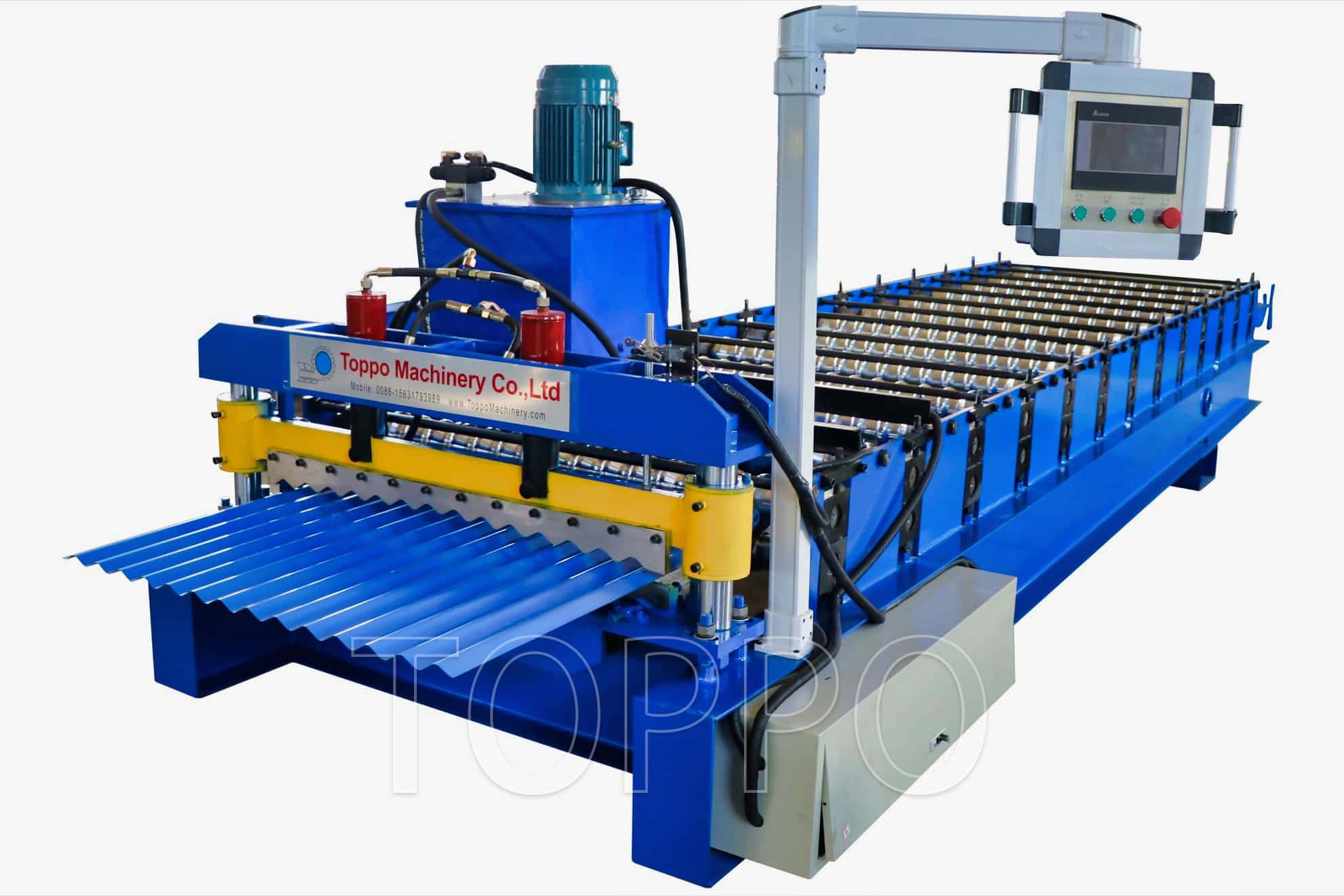
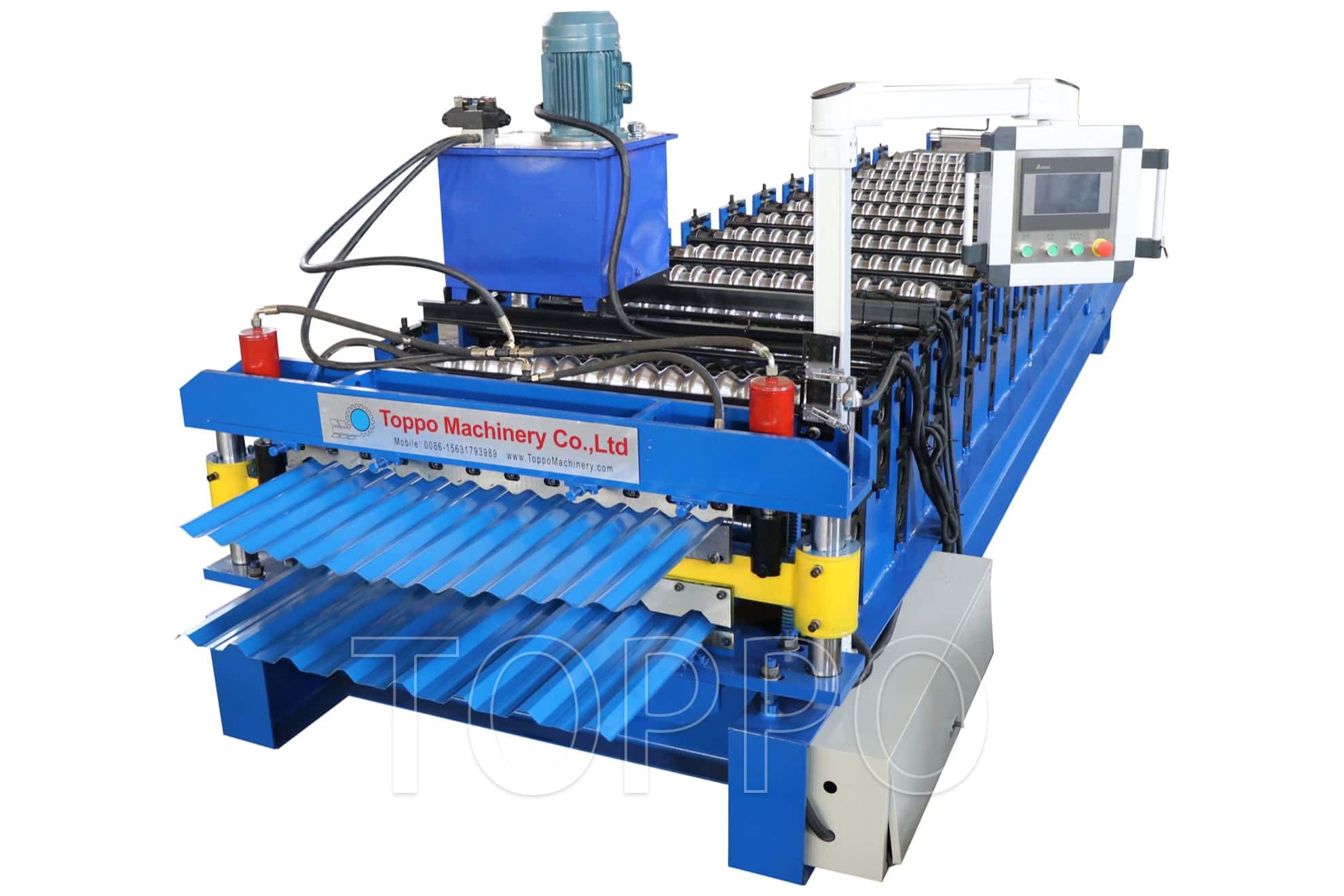
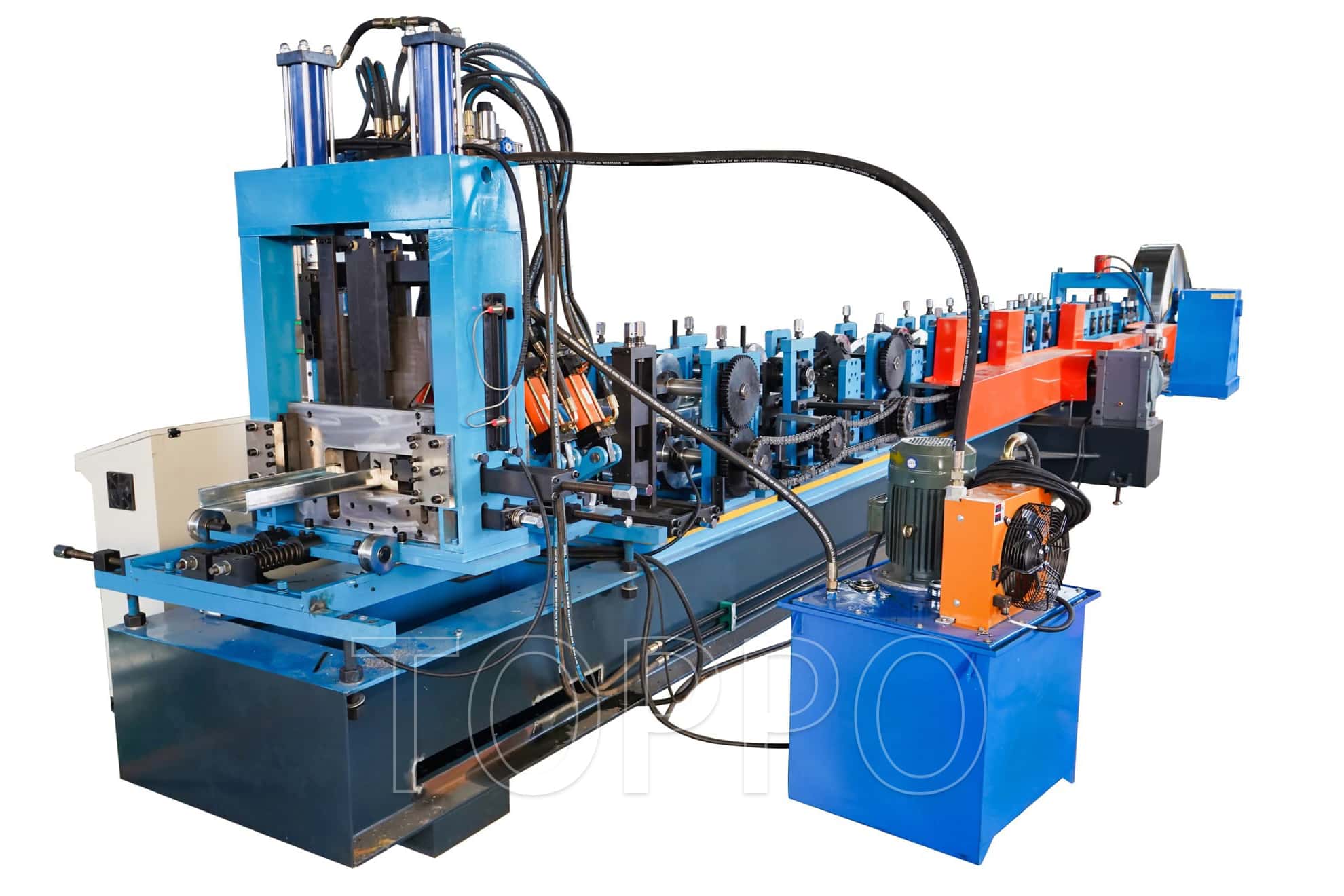
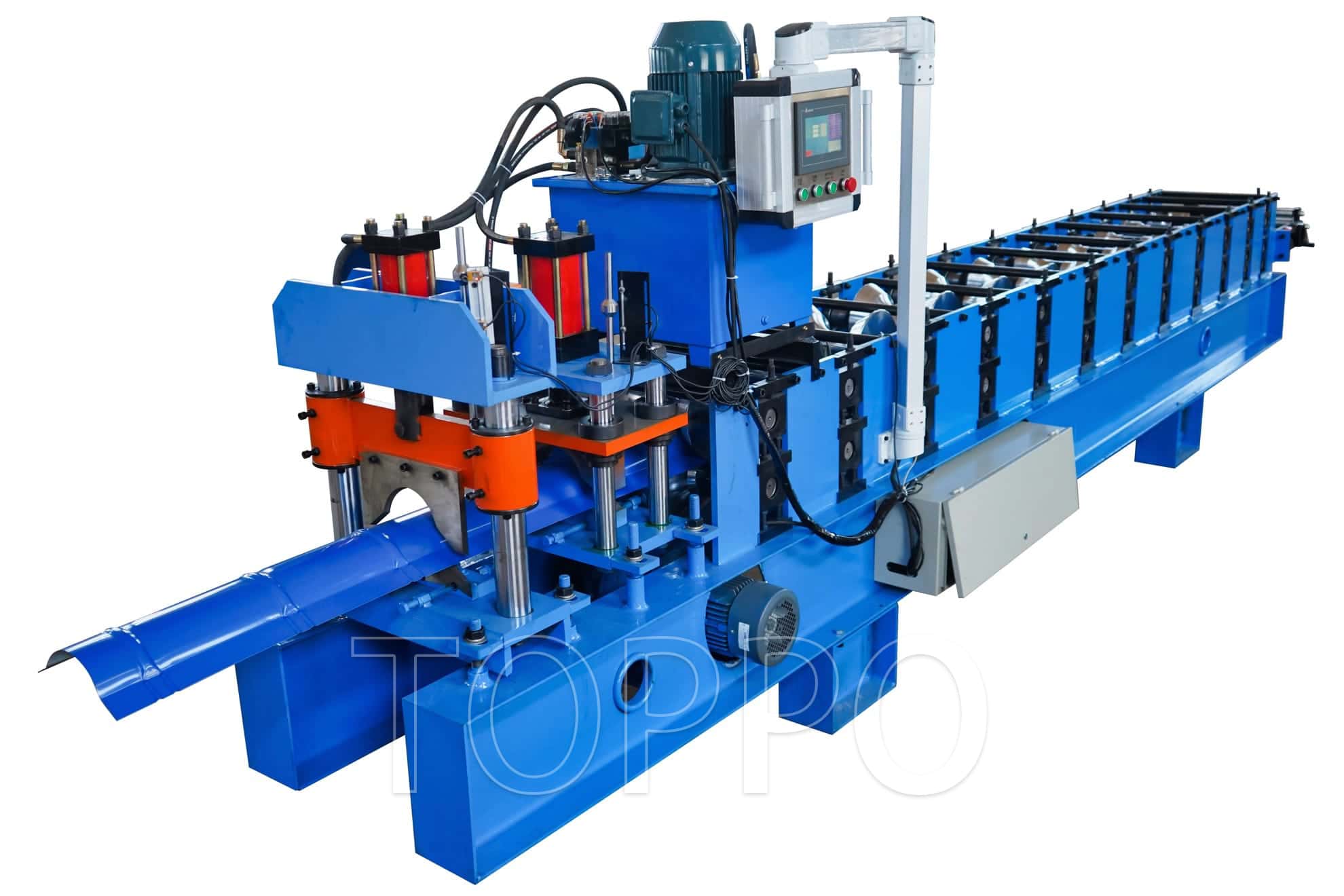
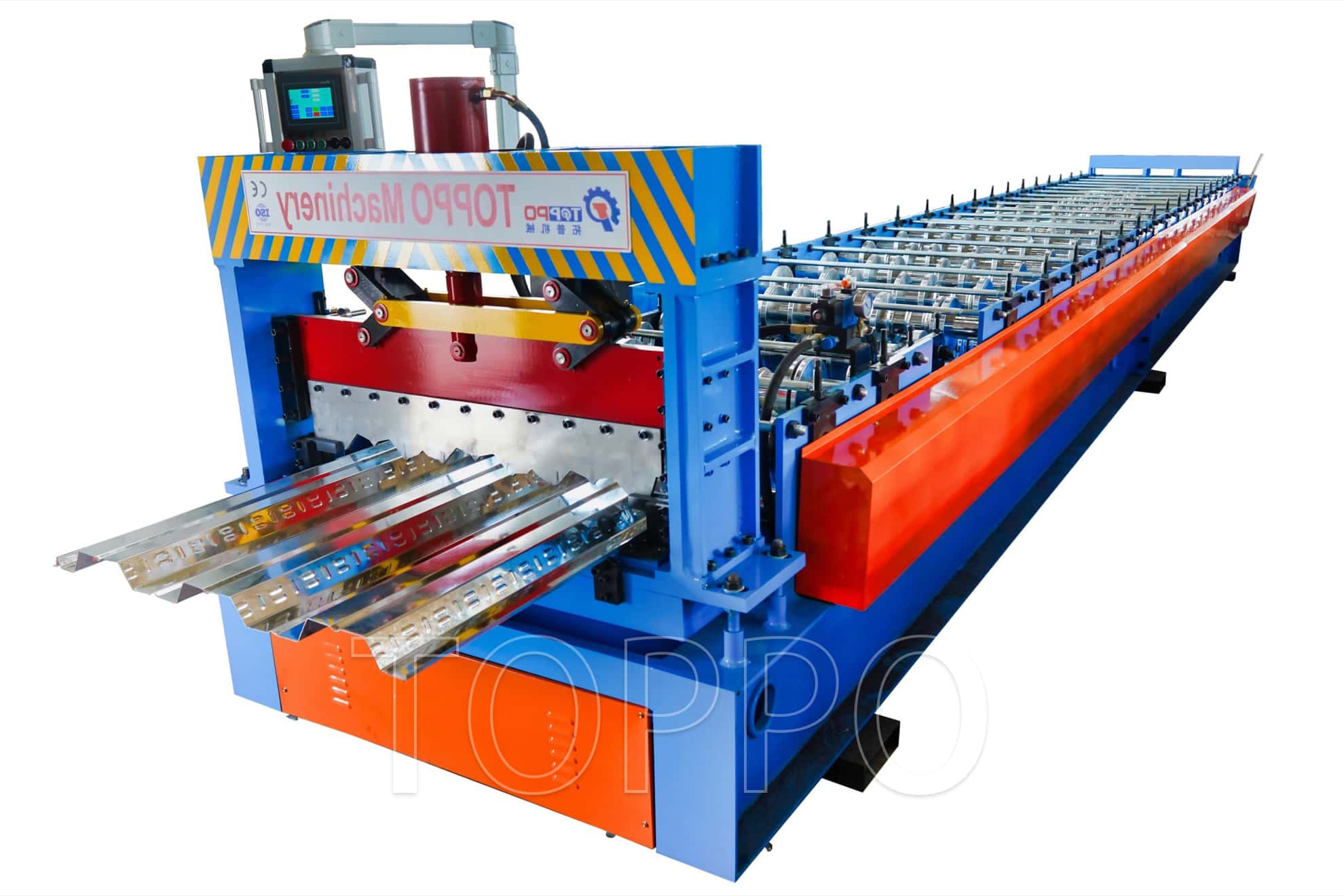
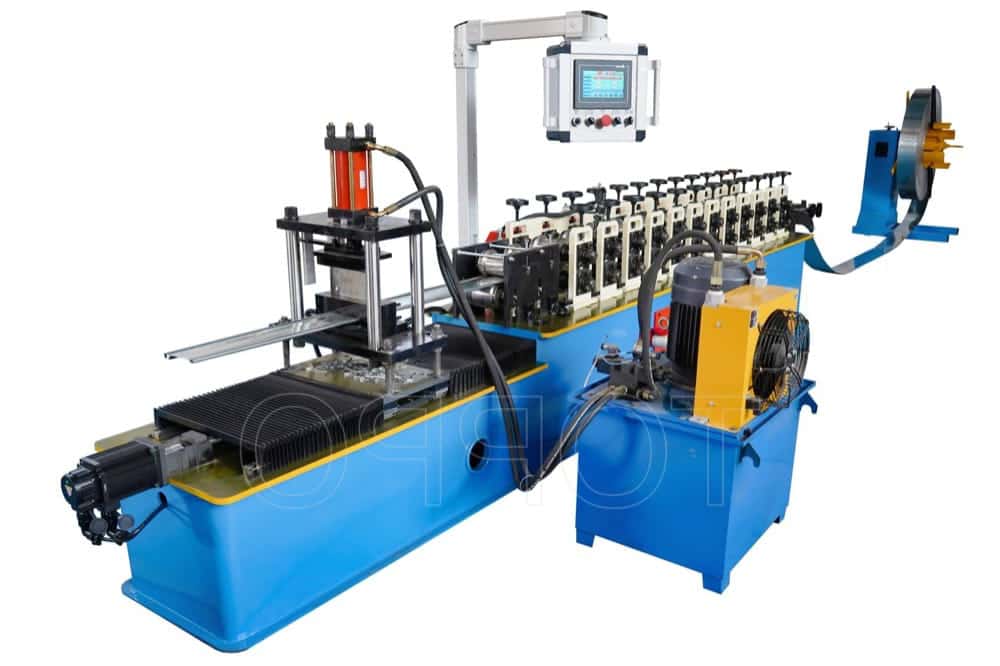
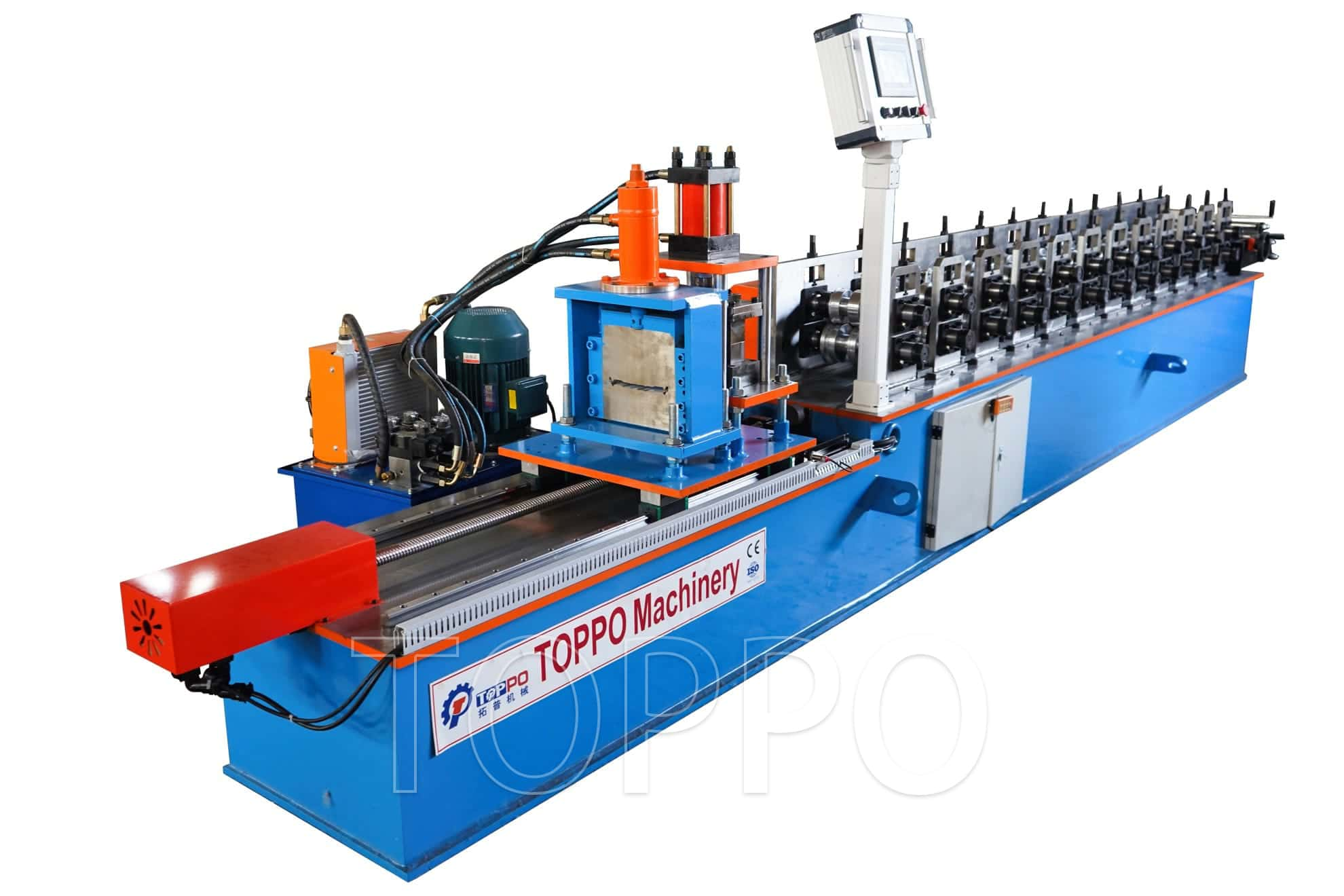
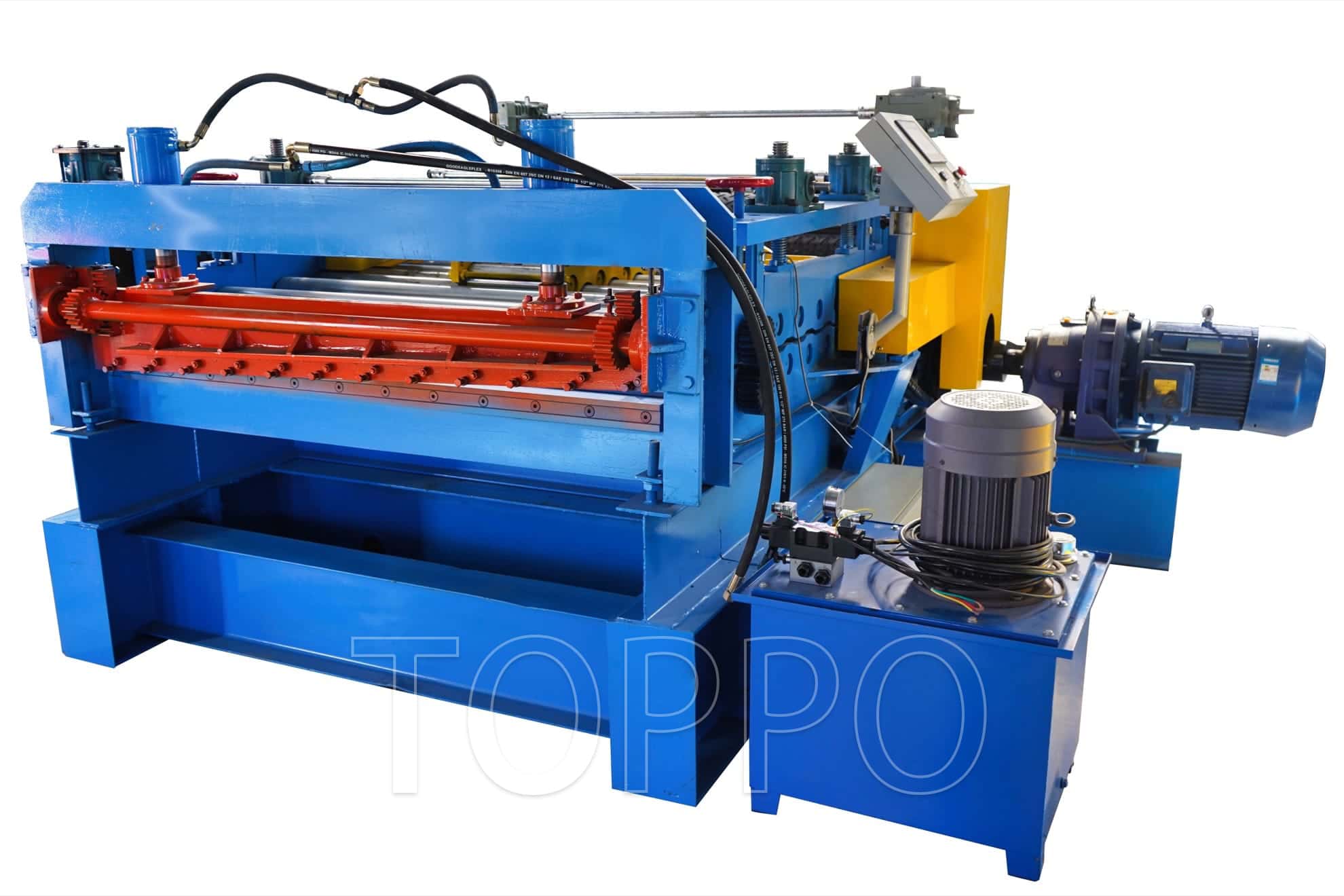
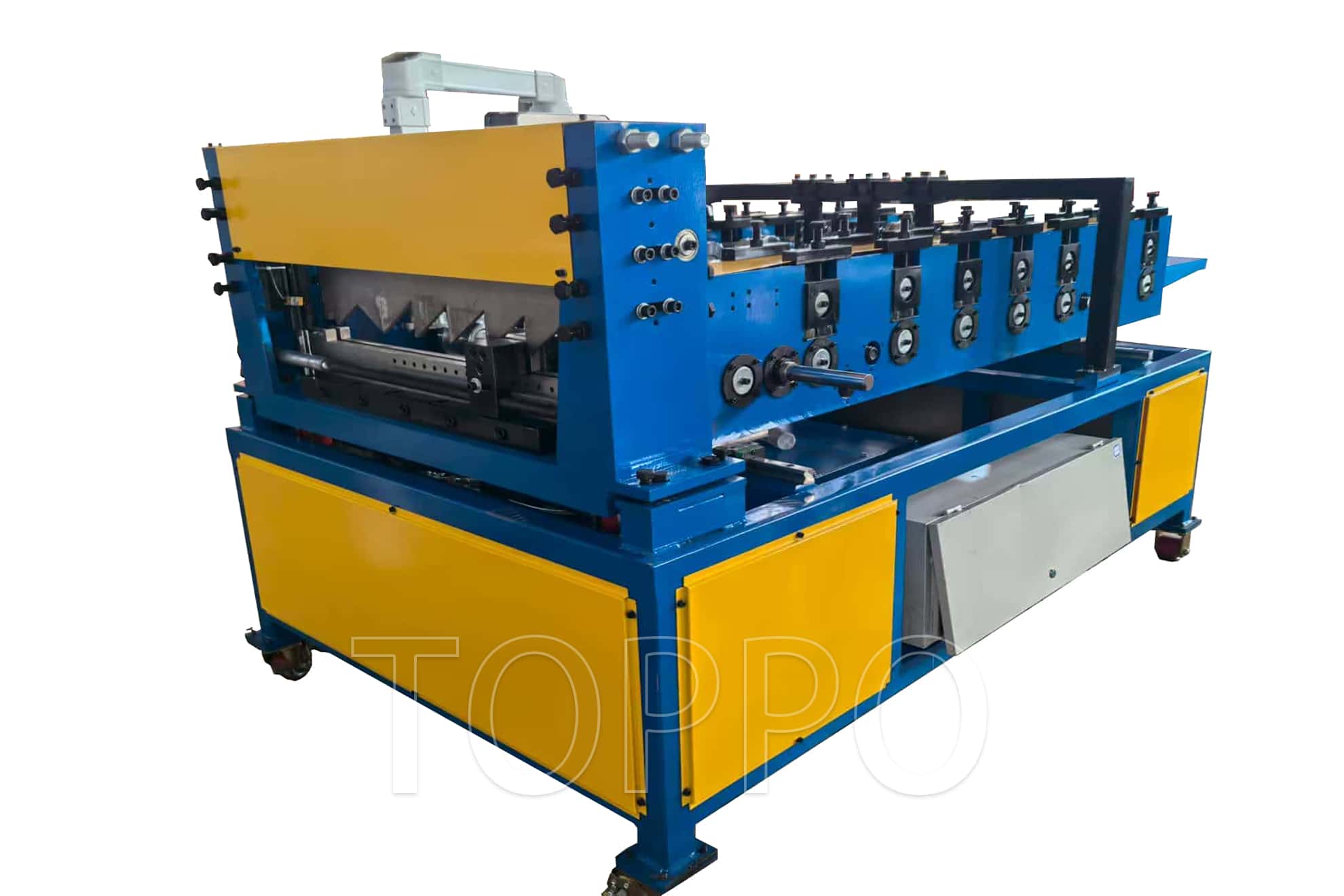
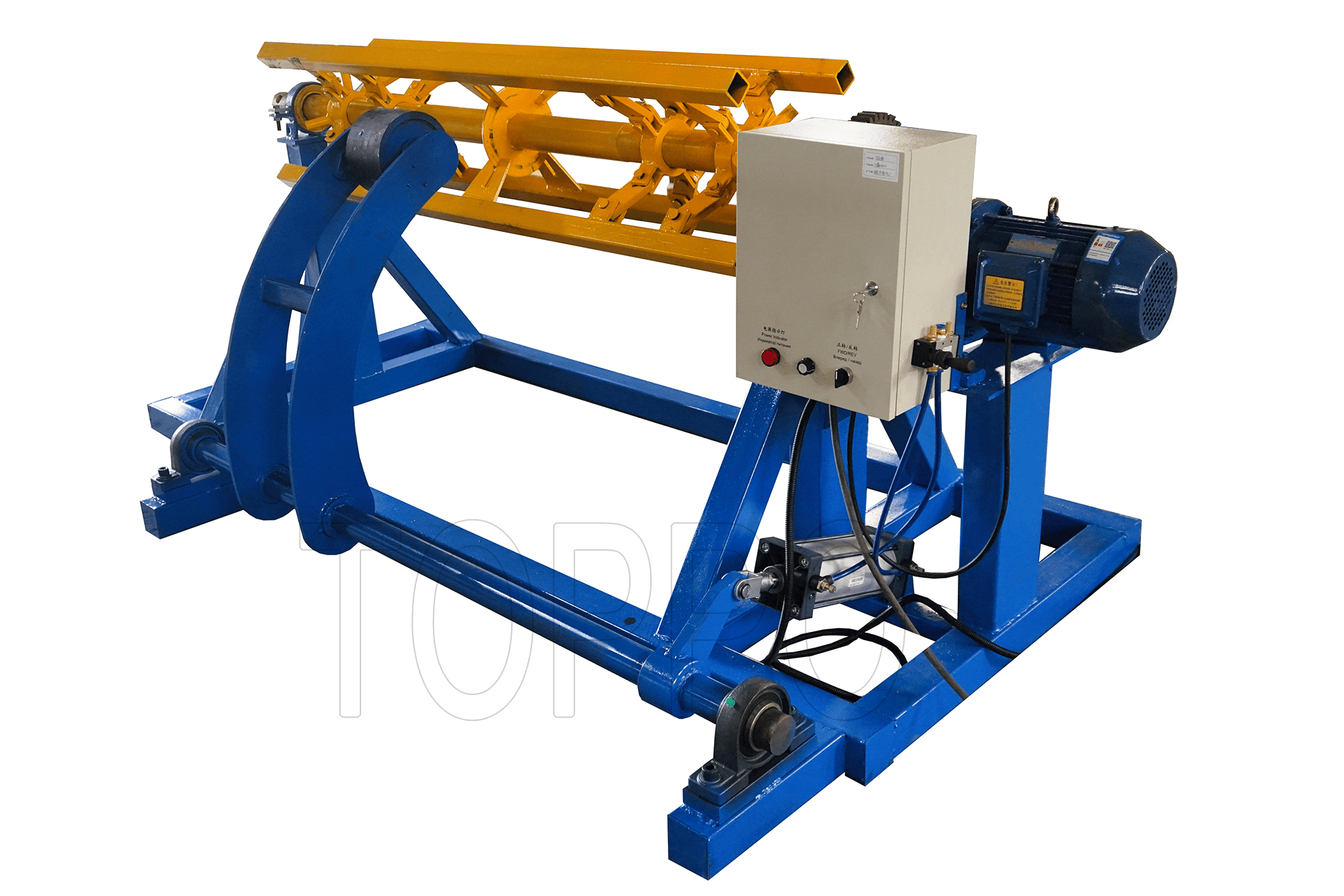
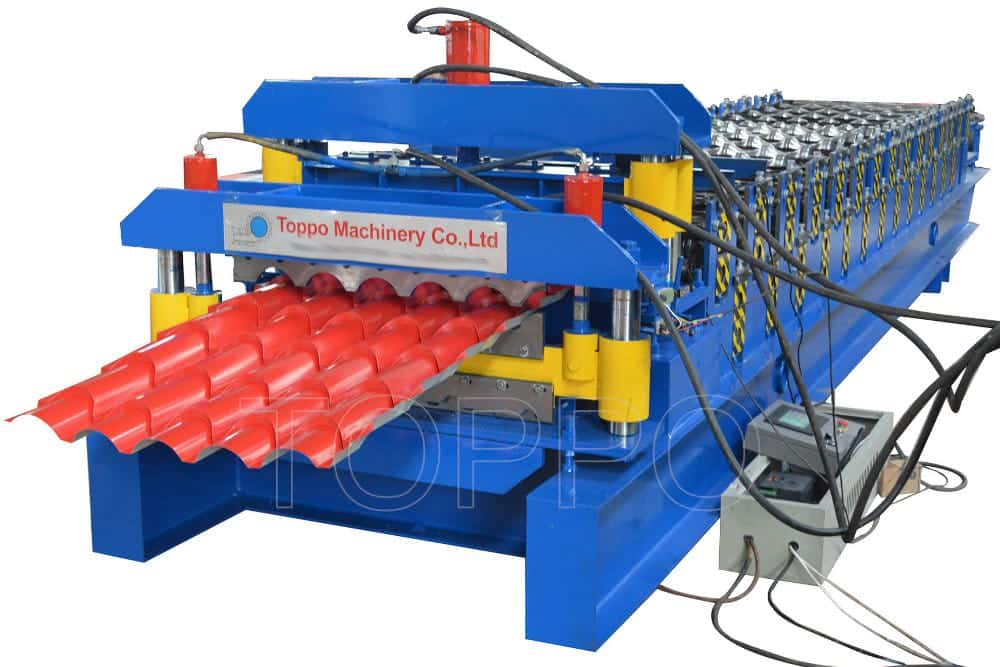
Cutting performance is one of the most critical factors in roofing sheet manufacturing. The right blade material on a Heavy-Duty 850 Roof And Wall panel sheet corrugated roof roll forming machine determines whether you achieve sharp, accurate edges—or struggle with rework and complaints.
1. Understanding Blade Material Choices
Different materials—tool steel, high-speed steel (HSS), and carbide—offer varying levels of hardness, durability, and cost. Selecting the wrong blade for your roof panel making machine can lead to poor edge finish and inconsistent panel sizes. Carbide-tipped blades typically excel for hard or coated steels, while HSS blades may suffice for softer or lower-volume work.
2. Stepwise Process for Blade Selection
- Define Sheet Type: Specify the main material grades and coatings cut by your roof panel making machine. Each has unique requirements for blade hardness and sharpness retention.
- Consult Blade Suppliers: Request recommendations based on real production parameters and volume targets for your corrugated roll forming machine.
- Run Comparative Tests: Install different blades and measure burr, squareness, and longevity after several production cycles on the Heavy-Duty 850.
- Track Performance Data: Keep a digital log of blade changes, cut quality, and replacement intervals for each batch.
- Schedule Maintenance: Regularly inspect and replace blades to prevent loss of accuracy or panel surface damage.
3. Common Mistakes and How to Avoid Them
- Underestimating blade wear—results in rough, inaccurate cuts.
- Not customizing blade material to the current job mix.
- Skipping documentation—makes it hard to link cutting problems to blade type or usage.
4. Best Practices in Action
In Argentina, a sheet supplier saw cut complaints vanish after switching to carbide for painted steel panels on their corrugated roll forming machine. Another facility reduced changeover downtime by 30% by keeping blade stock organized and maintenance schedules up to date.
5. Summary of Recommendations
- Choose the blade that best matches your typical job—don’t settle for “good enough.”
- Always log cut quality and replacement intervals for ongoing improvement.
- Train operators on blade selection and wear diagnosis.
- Keep supplier relationships active to access the latest material technologies.
Conclusion
The right blade material delivers real business benefits—higher accuracy, faster installs, and better customer satisfaction. With stepwise selection and the Heavy-Duty 850, your cutting process will set the standard for quality in the roofing market.
Tags: Heavy-Duty 850 Roof And Wall panel sheet corrugated roof roll forming machine, roof panel making machine, corrugated roll forming machine, blade material, cutting performance, step-by-step, HSS, carbide, tool steel, supplier, accuracy, maintenance, edge finish, changeover, documentation, operator, painted steel, panel, squareness, sharpness, supplier relationship, replacement, quality, business, complaint, recommendation, Argentina, batch, test, production cycle, panel damage, job mix, sharp edge, diagnosis, improvement, cutting problem, material technology.
READ MORE: