Why Choosing the Right Blade Material Improves Roofing Sheet Cutting Accuracy
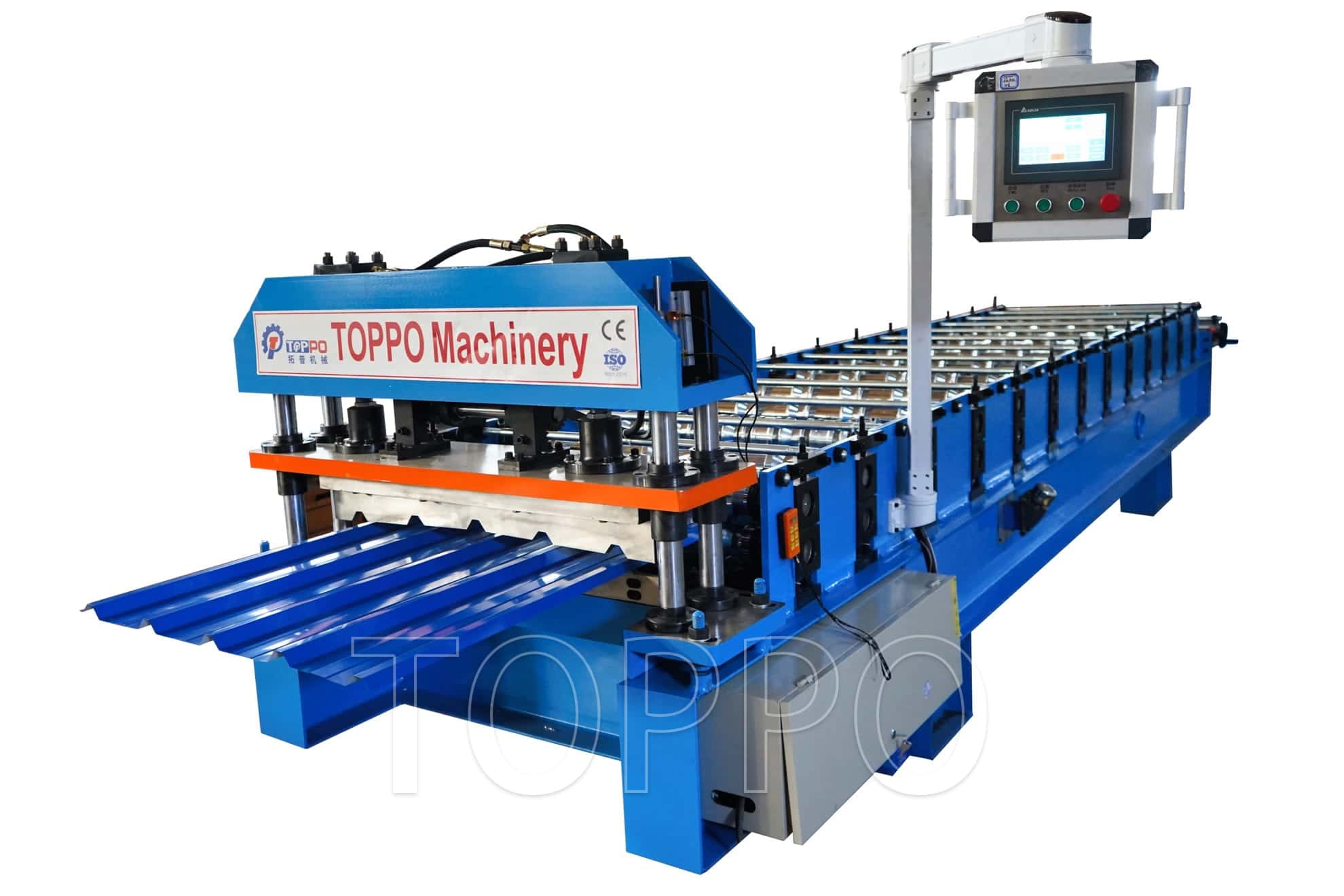
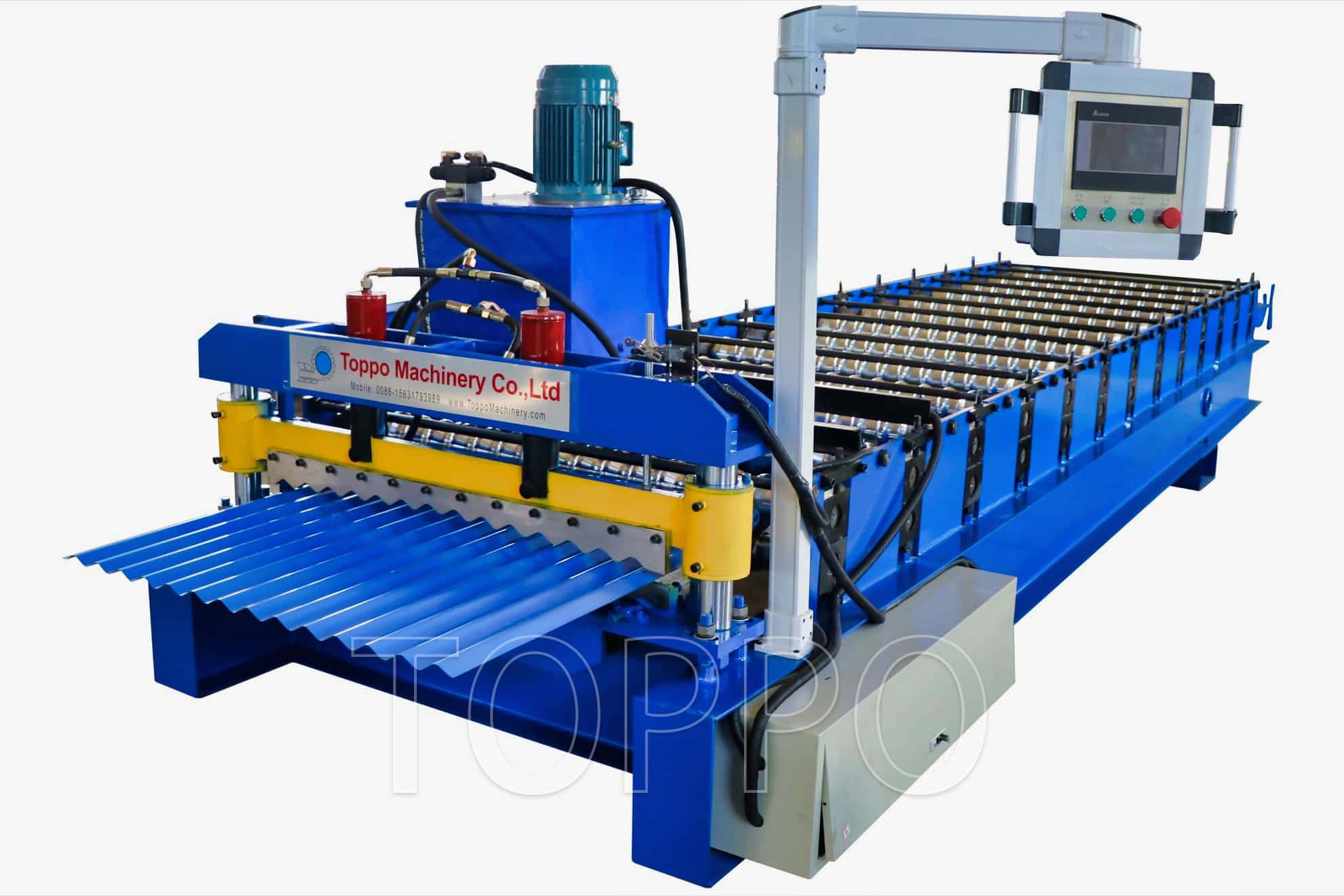
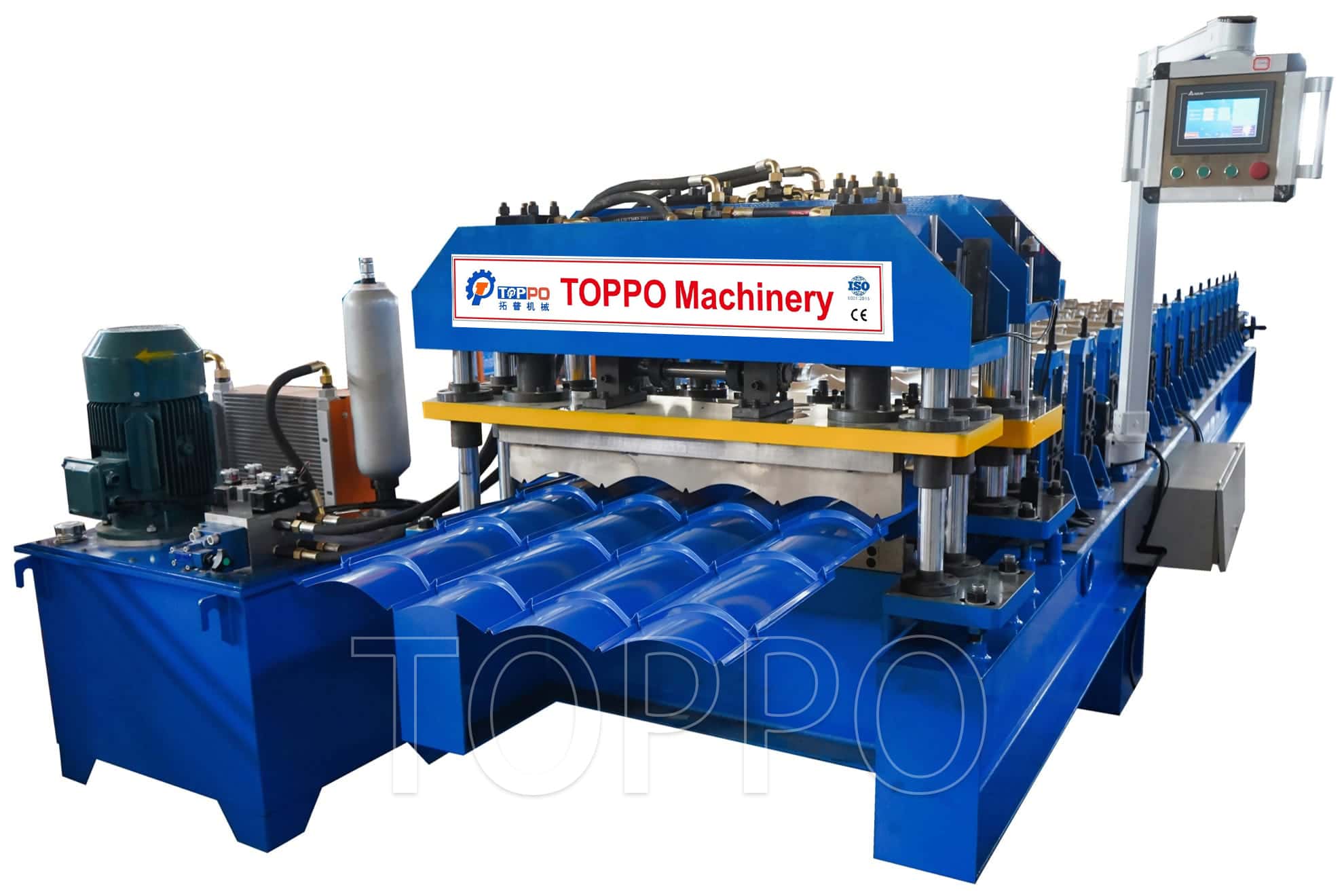
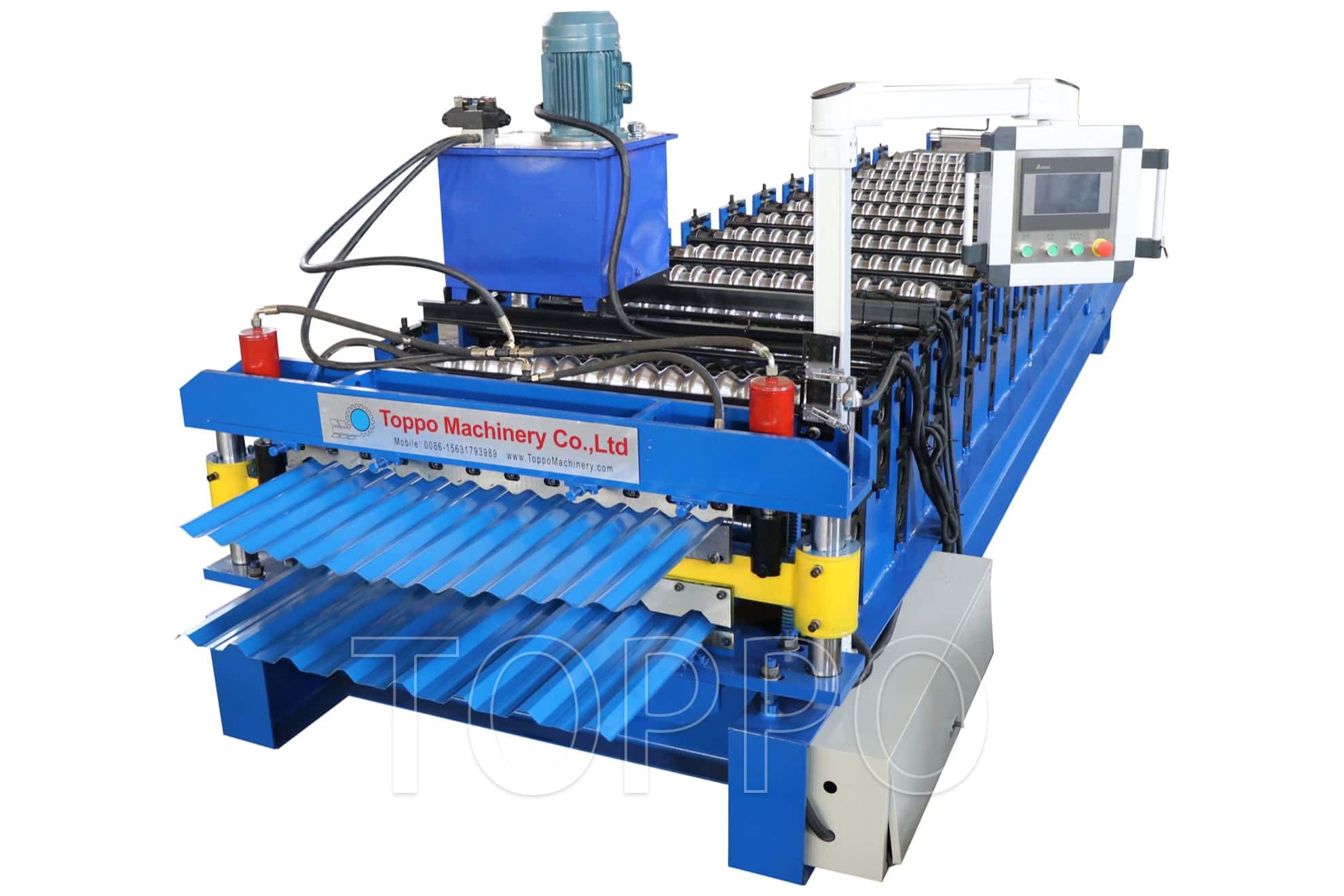
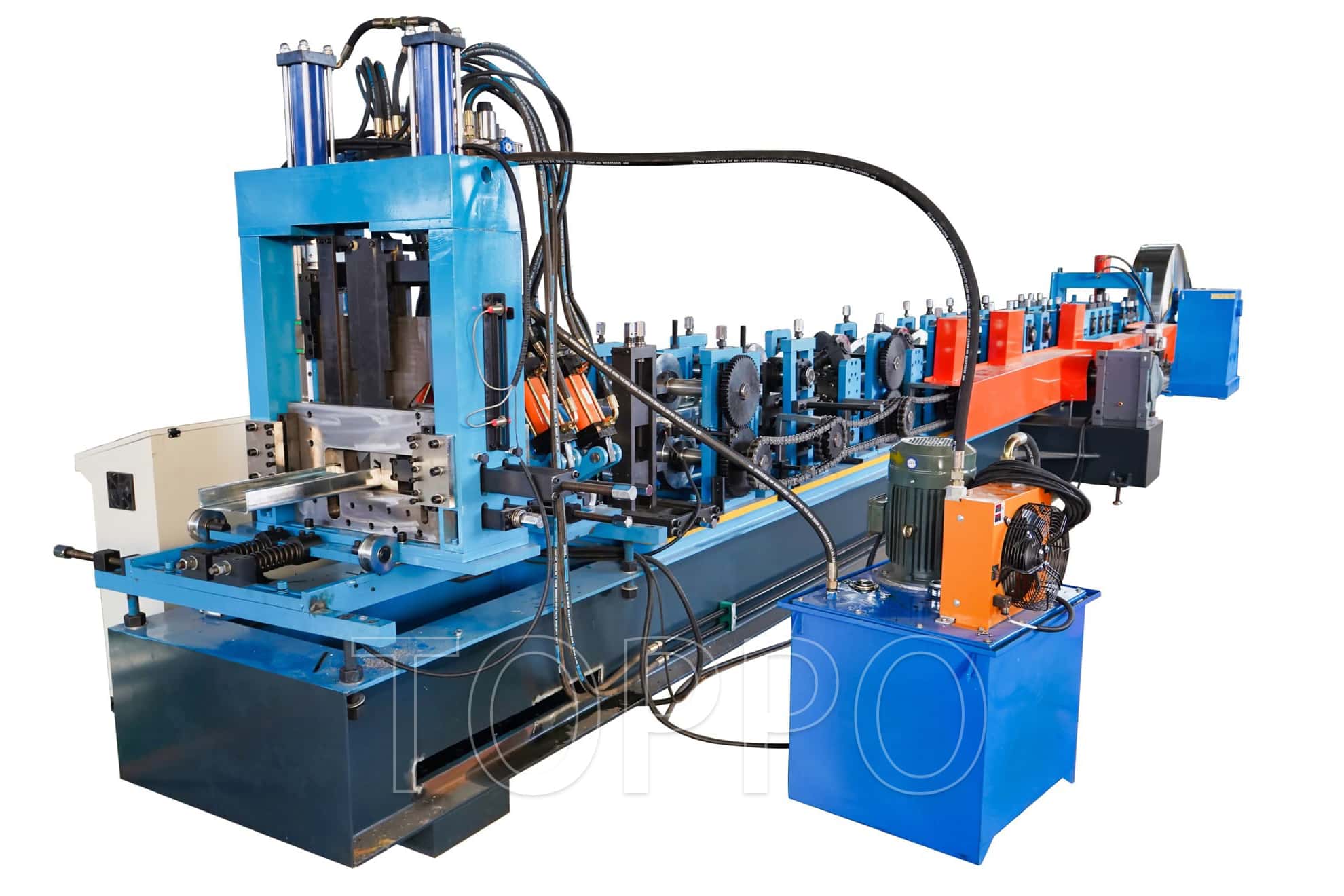
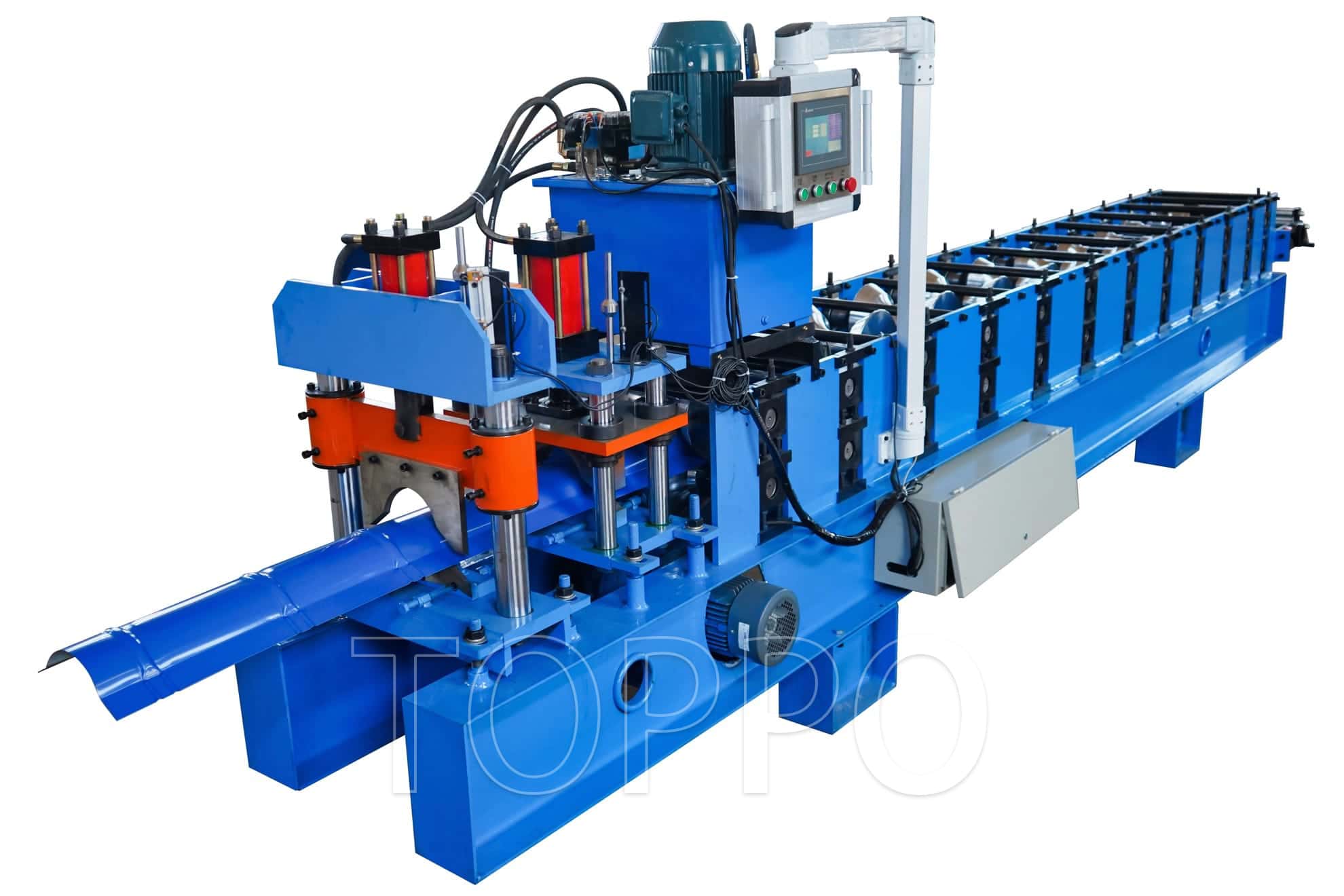
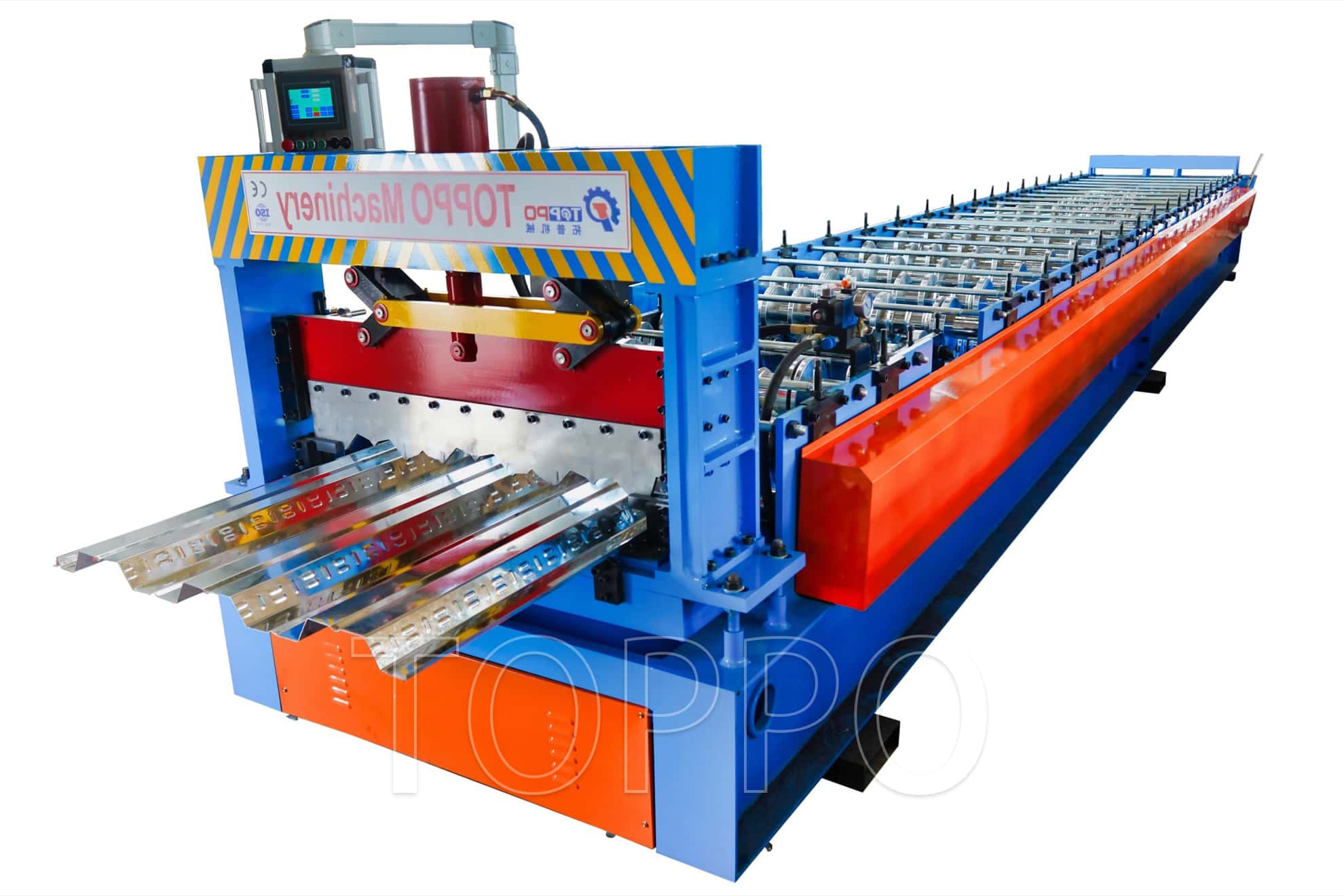
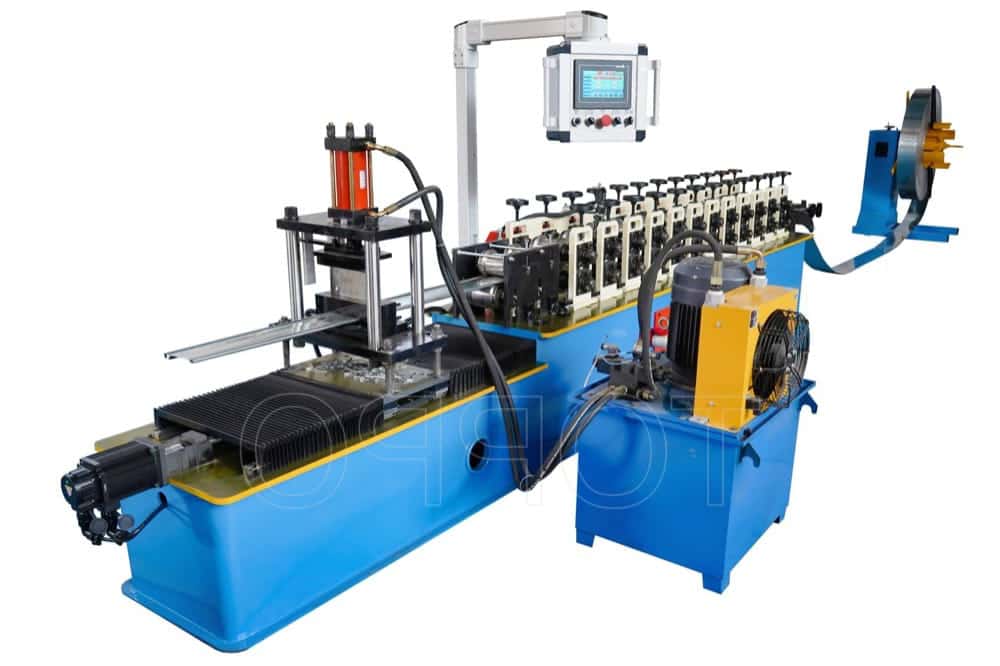
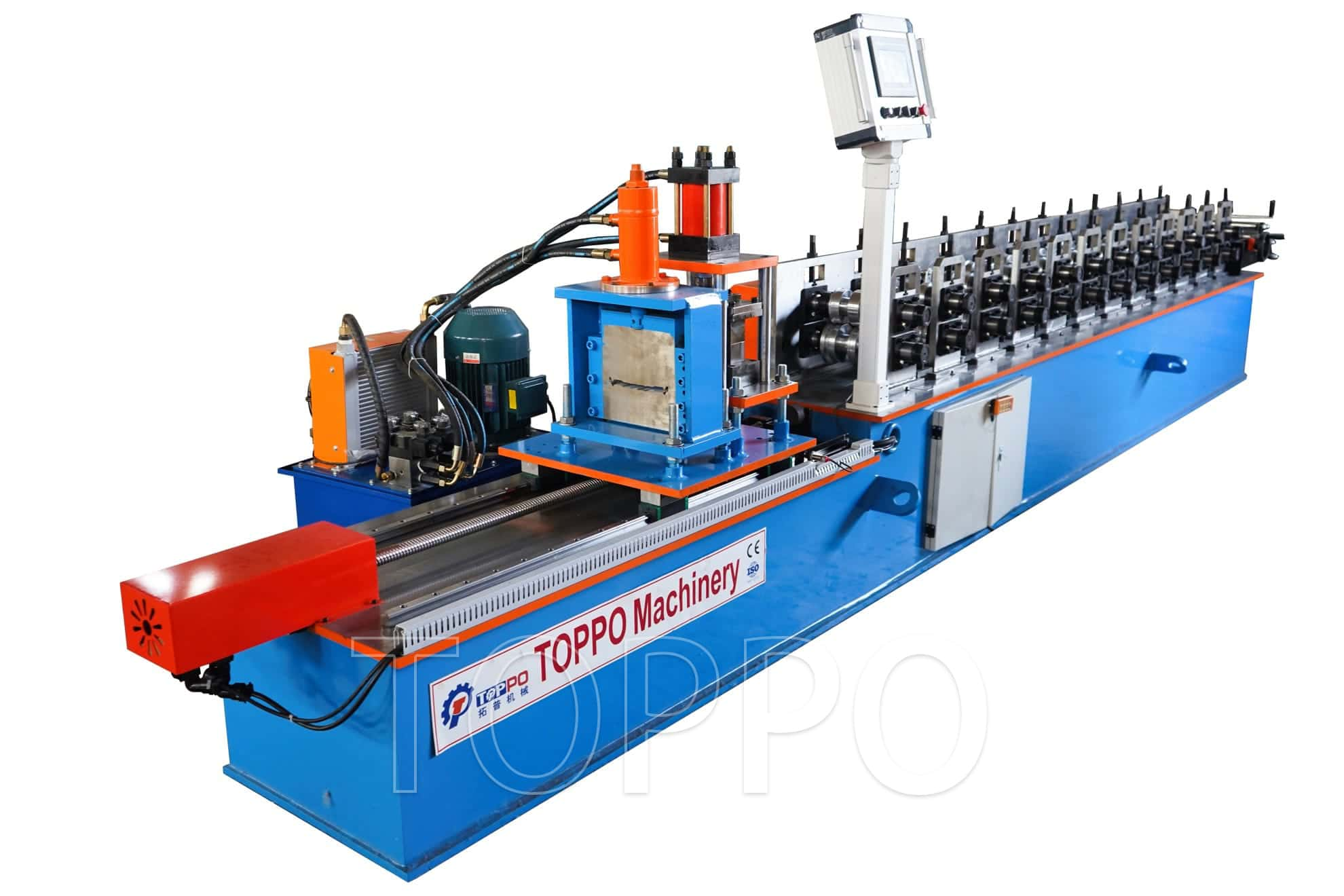
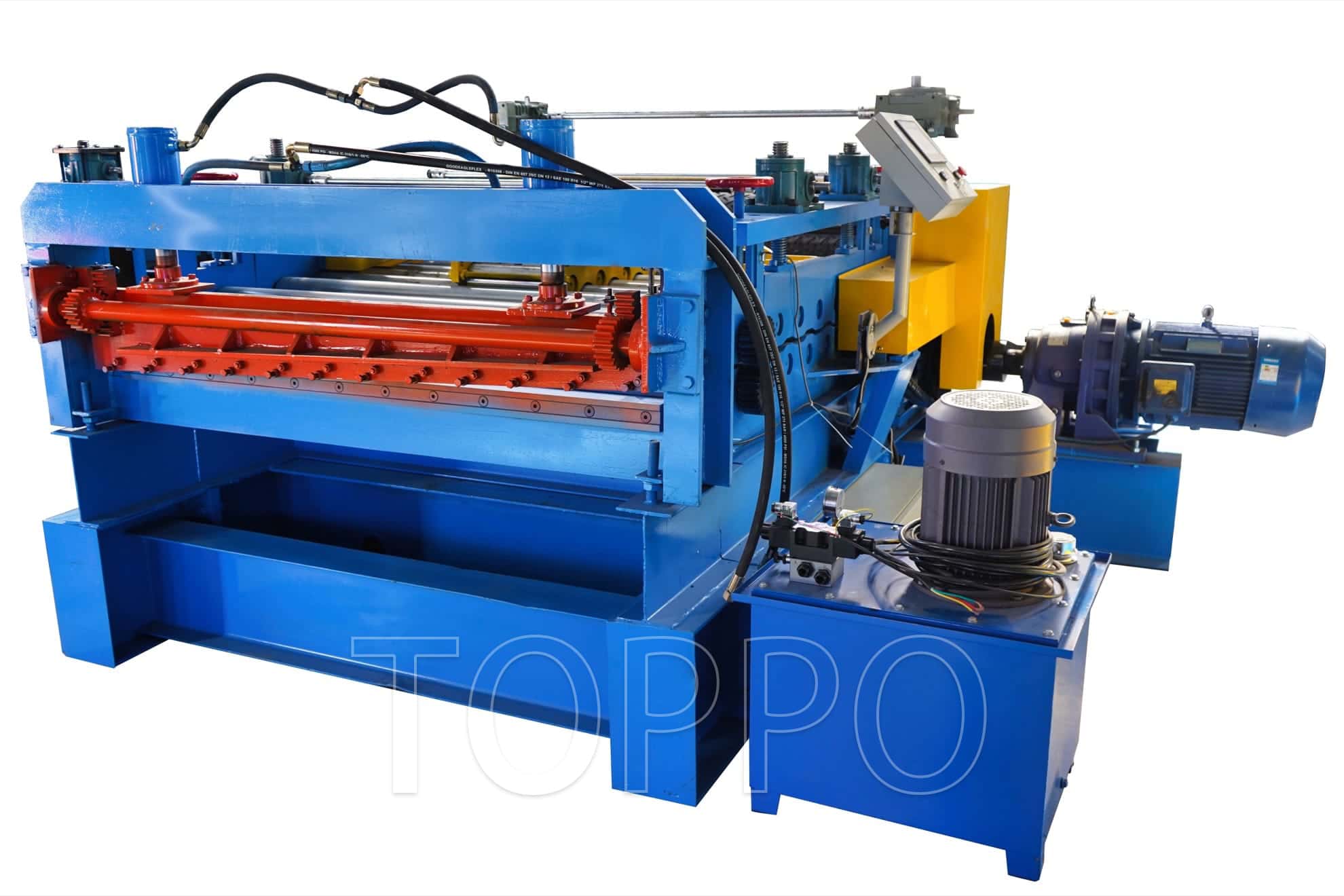
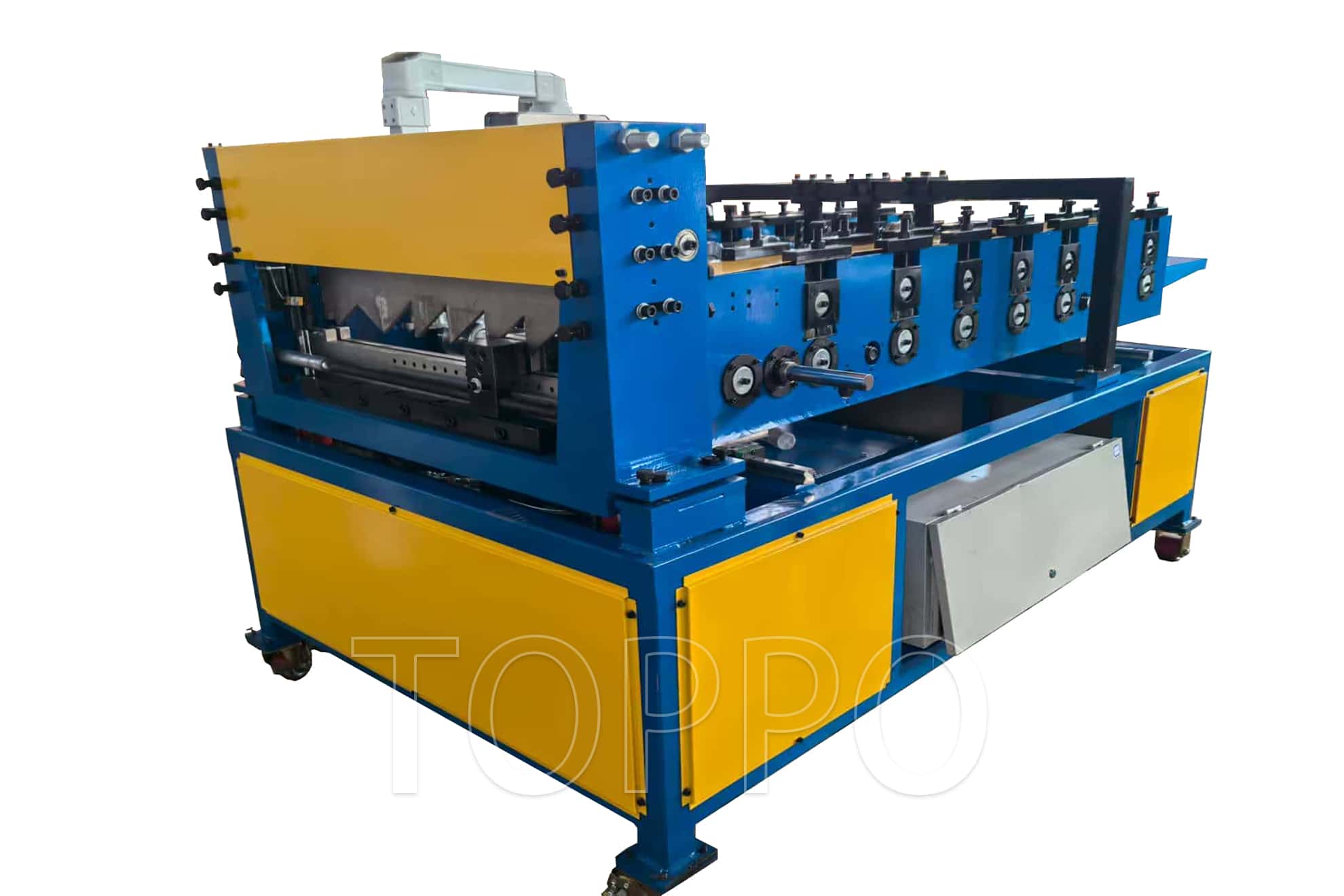
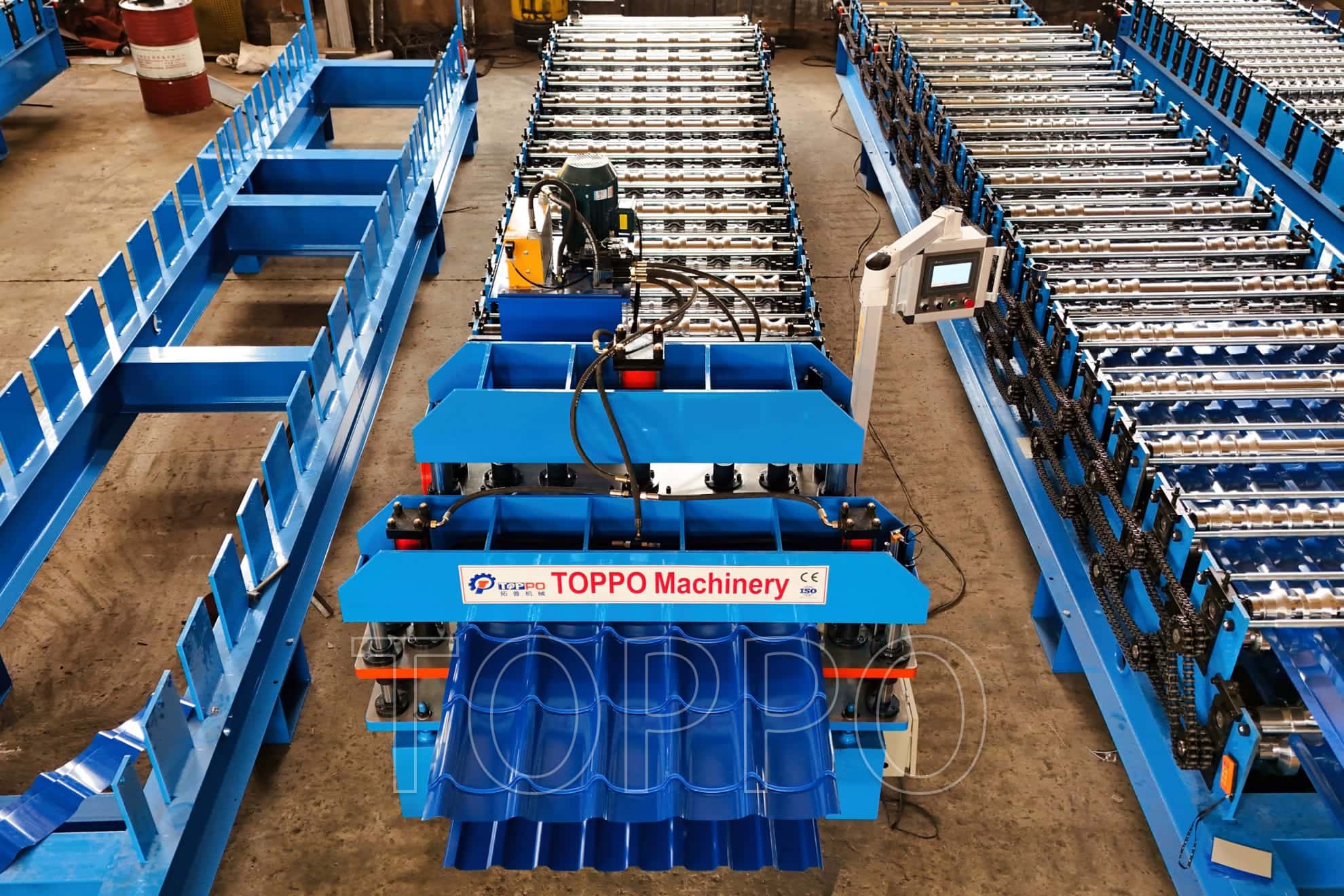
Accurate cutting is essential in roofing sheet production, directly affecting installation quality and project profitability. The choice of blade material—especially when using advanced systems like the Heavy-Duty 850 Roof And Wall panel sheet corrugated roof roll forming machine—can dramatically improve or undermine cutting precision.
1. The Role of Blade Material in Cutting Accuracy
Blades on a roof panel making machine or corrugated roll forming machine face tough, repetitive duty. Blade material determines edge sharpness, wear resistance, and the ability to hold tight tolerances over thousands of cuts. Choosing the wrong blade leads to burrs, inaccurate lengths, and frequent rework.
2. Steps to Select the Right Blade Material
Analyze Material to Be Cut: Assess thickness, hardness, and coating of roofing sheets processed on the Heavy-Duty 850. Some materials require carbide or special alloy blades for clean, burr-free cuts.
Evaluate Blade Options: Compare tool steel, high-speed steel (HSS), and carbide-tipped blades for cost, lifespan, and performance on your specific roof panel making machine.
Check Compatibility: Confirm that blade geometry and mounting fit your corrugated roll forming machine without causing vibration or clearance issues.
Trial Runs: Test blade options on scrap material and measure cut accuracy. Check for heat buildup, premature dulling, or edge chipping.
Supplier Support: Work with blade vendors to match materials to your typical batch size and production speed on the Heavy-Duty 850.
3. Common Mistakes
Using general-purpose blades on coated or hard steel sheets—rapid dulling and edge defects occur.
Ignoring blade clearance or mounting problems—causes vibration and inaccurate cuts on the corrugated roll forming machine.
Delaying blade replacement—worn blades reduce accuracy and increase scrap rates.
4. Real-World Example: Cutting Quality and Contracts
A supplier in Brazil upgraded to carbide-tipped blades on their roof panel making machine for stainless-coated steel. They achieved smoother, more accurate cuts and reduced post-cut cleanup by 60%. In contrast, a competitor using HSS blades on tough material had inconsistent lengths and lost a contract due to poor finish.
5. Best Practices
Track blade life and replace on a fixed schedule.
Train operators to spot cutting quality changes and check blade edges daily.
Document cut accuracy by batch and investigate any pattern of errors.
Keep multiple blade types in stock for different production needs.
Conclusion
Choosing the right blade material is not a minor detail—it’s a major factor in roofing sheet quality, production efficiency, and contract success. With the Heavy-Duty 850 and disciplined blade management, producers can deliver accurate, clean cuts and stand out in a crowded market.
Tags: Heavy-Duty 850 Roof And Wall panel sheet corrugated roof roll forming machine, roof panel making machine, corrugated roll forming machine, blade material, cutting accuracy, carbide-tipped blade, HSS blade, tool steel, cut quality, contract, installation, finish, supplier, cutting defect, blade life, operator training, steel sheet, accuracy, schedule, vibration, geometry, mounting, clearance, edge defect, scrap rate, heat buildup, mounting issue, compatibility, production speed, vendor, cleanup, edge chipping, sharpness, wear resistance, best practice, documentation, error pattern, production batch, coated sheet, finish quality, roofing market, supplier support, trial run.
READ MORE: