Cutting Edge: How Blade Material Selection Boosts Roofing Sheet Precision
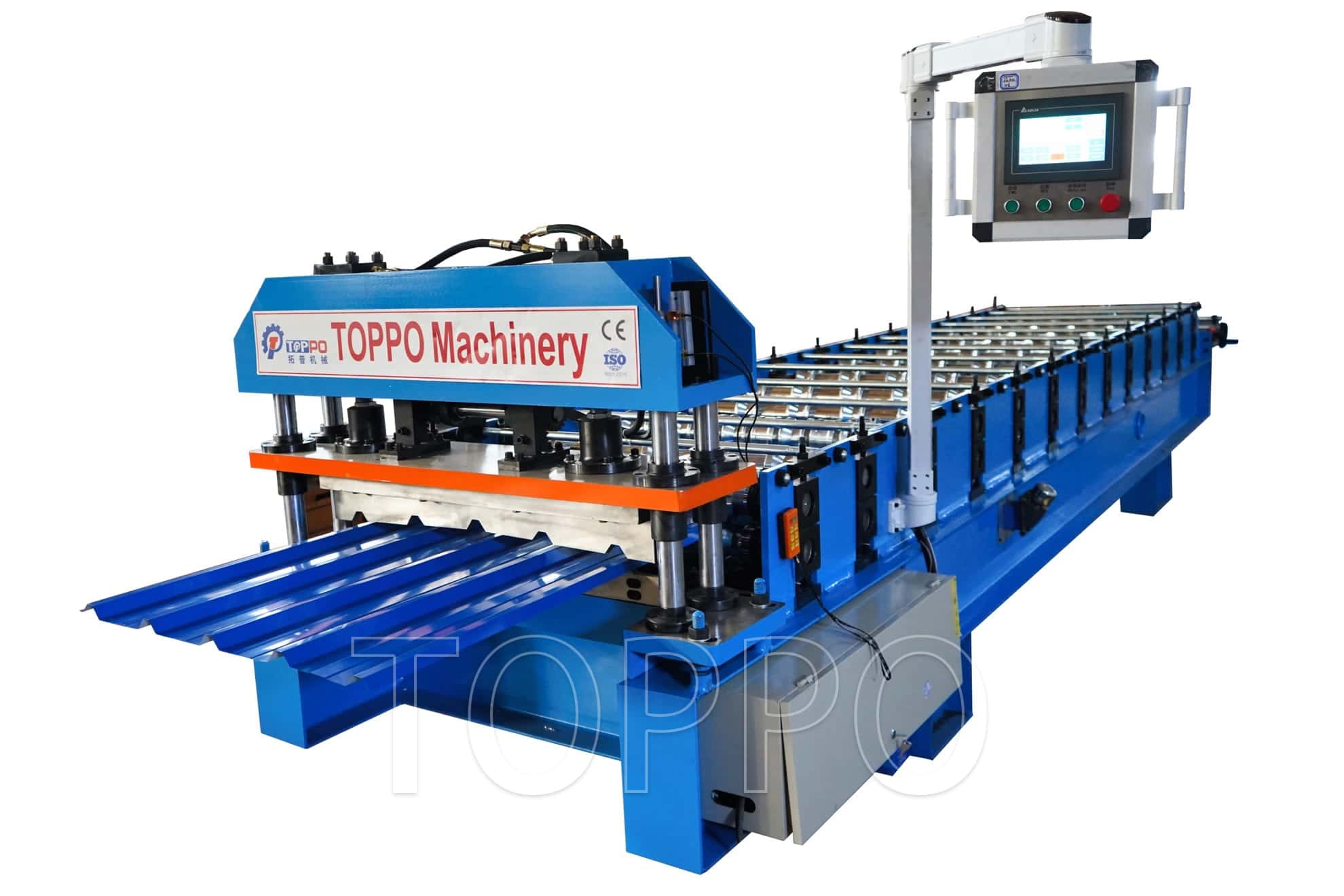
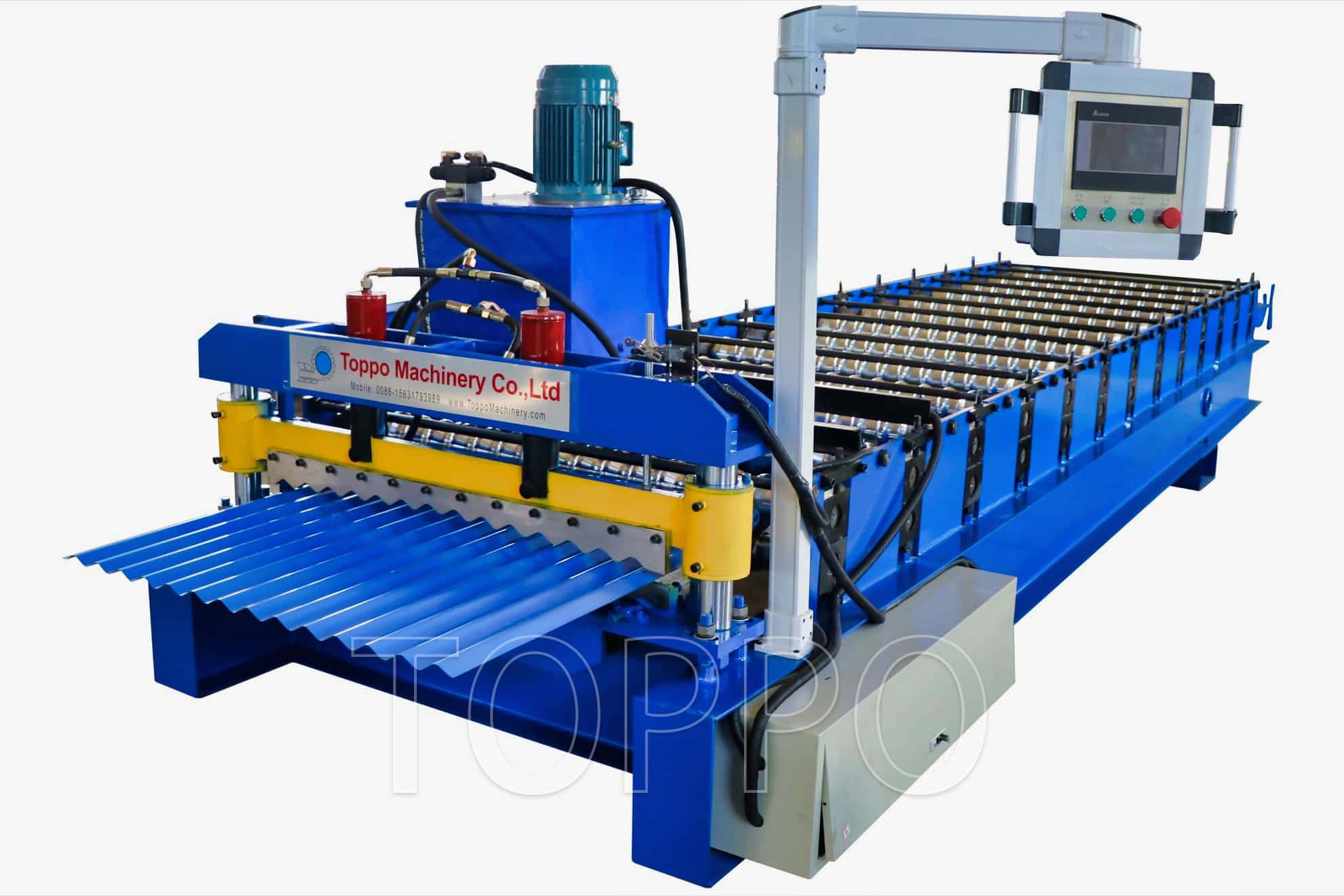
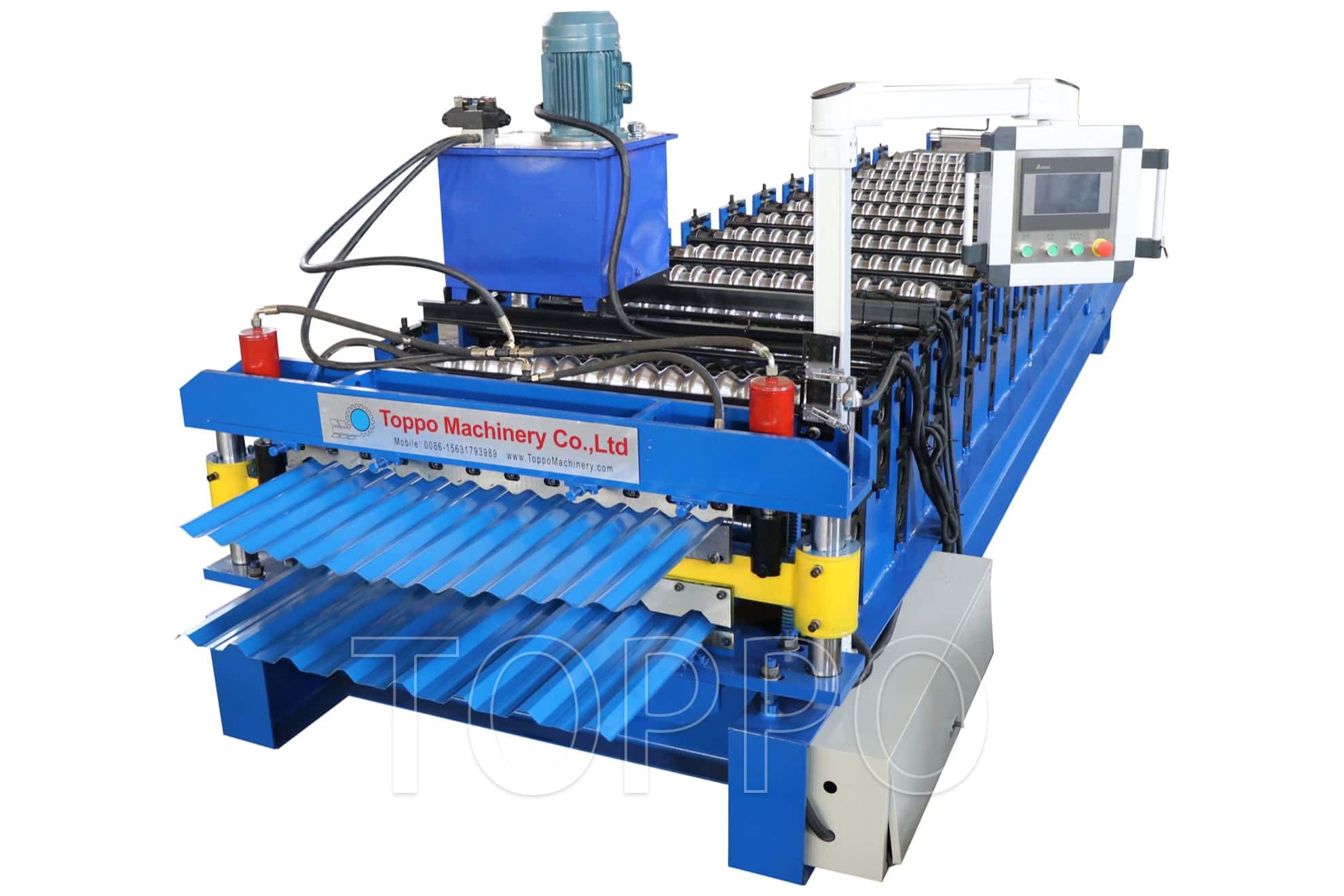
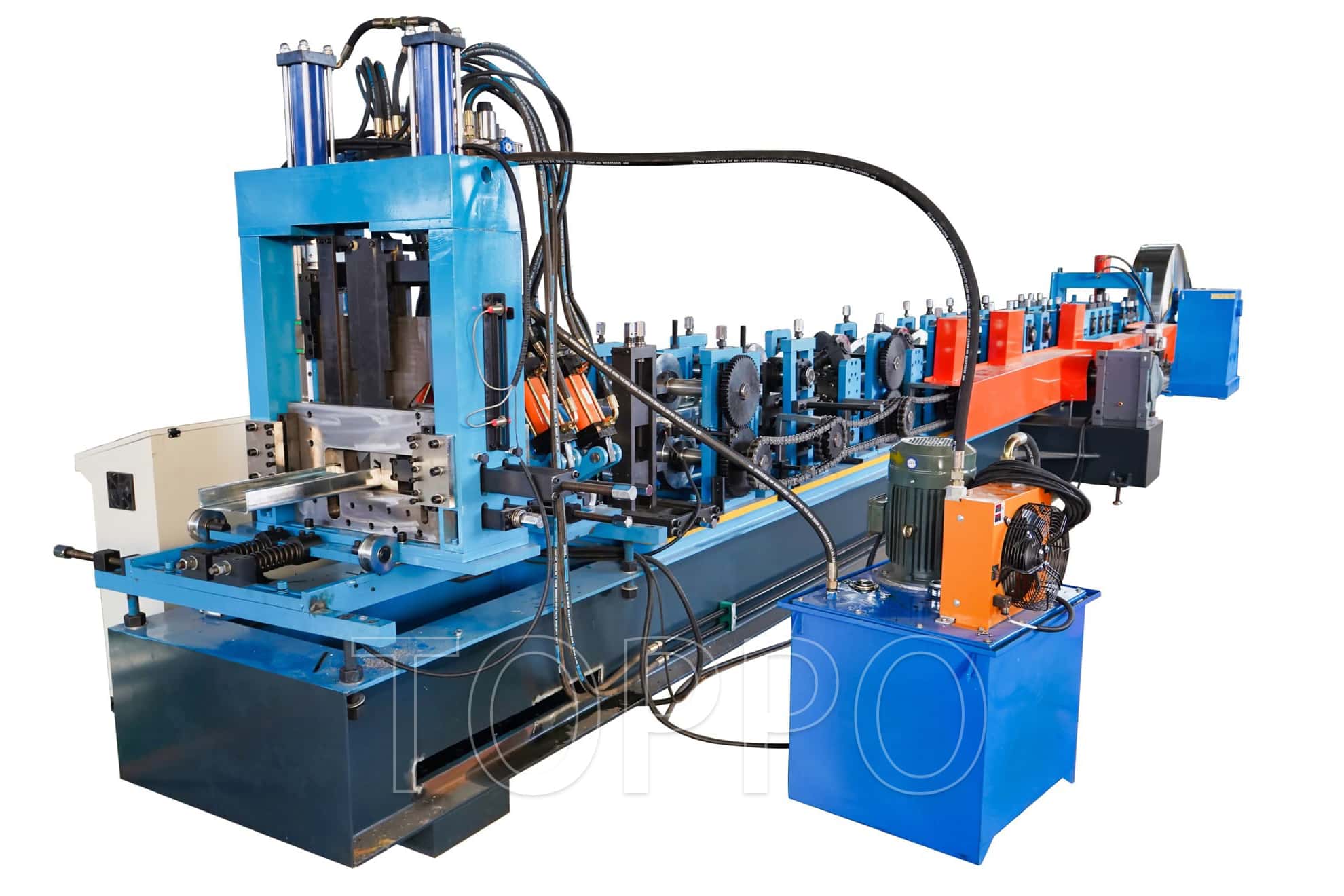
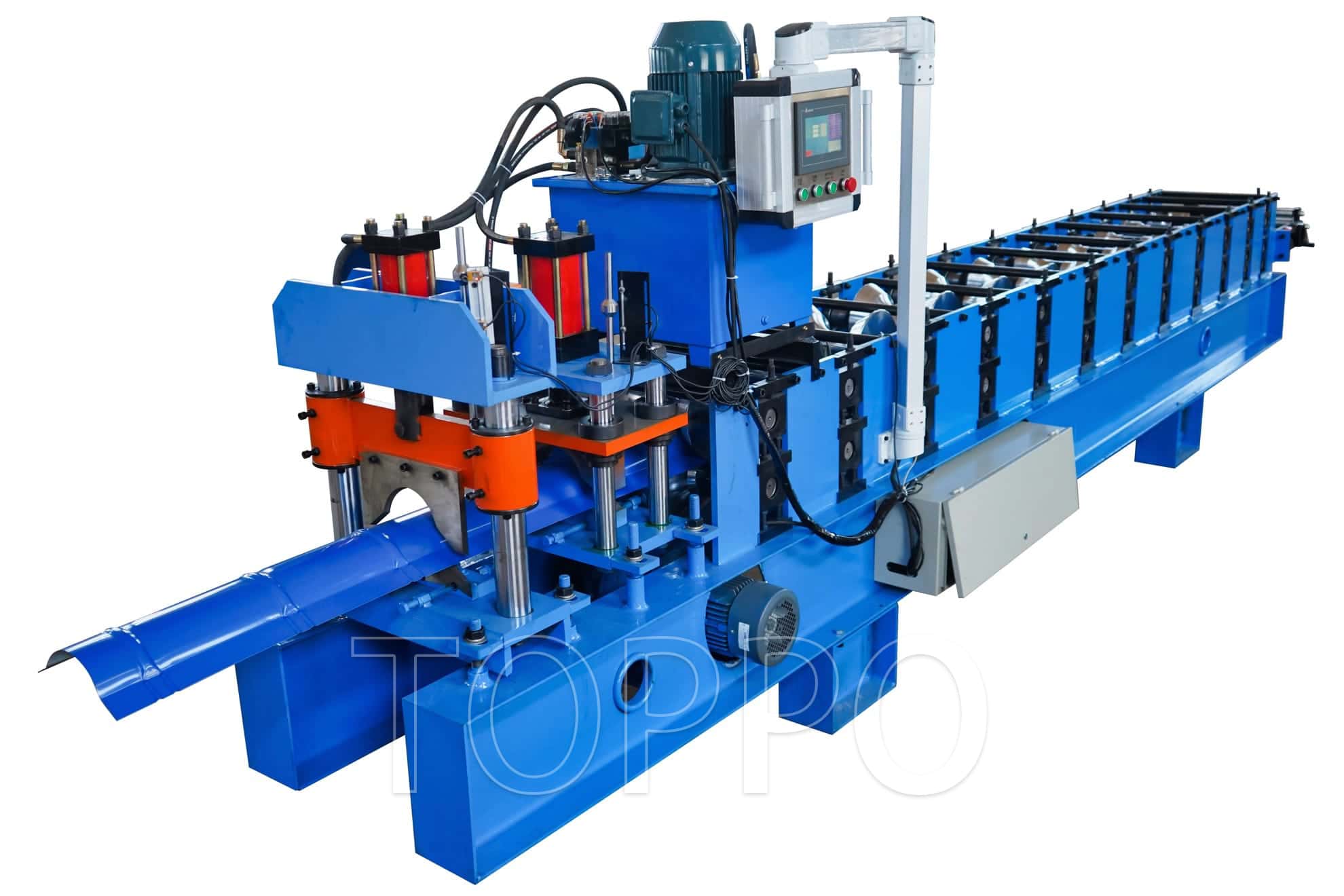
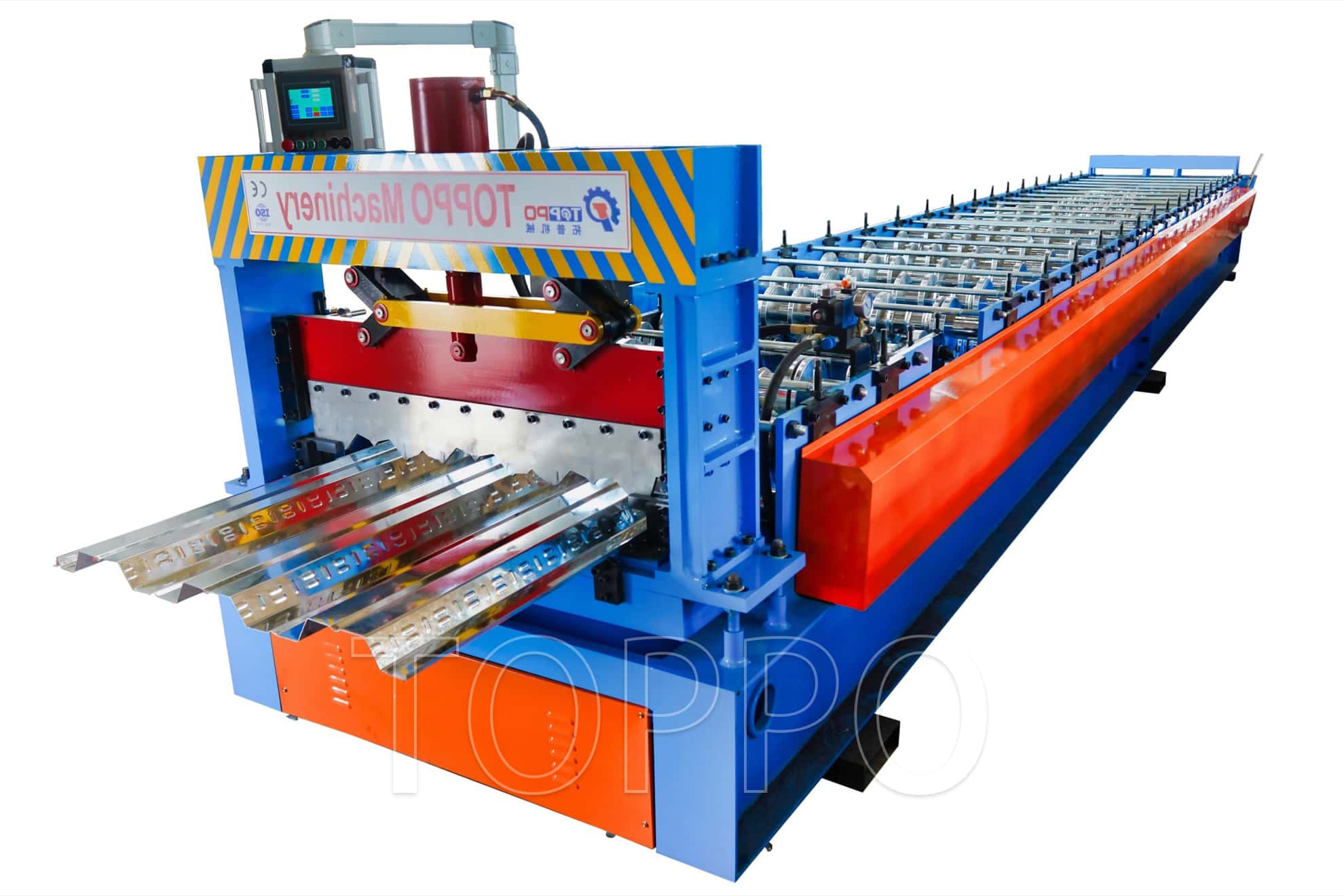
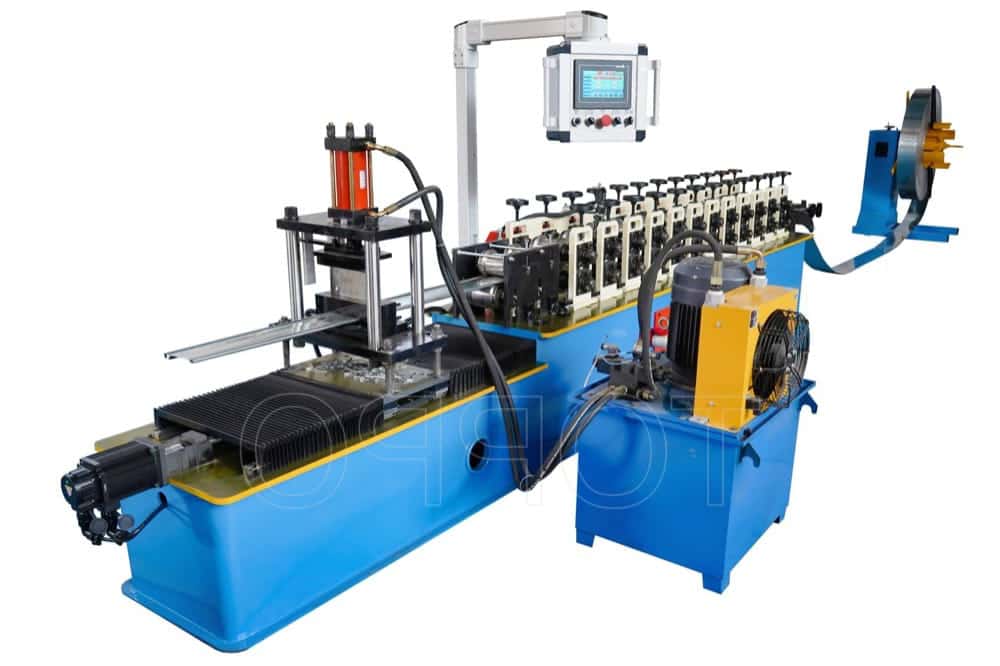
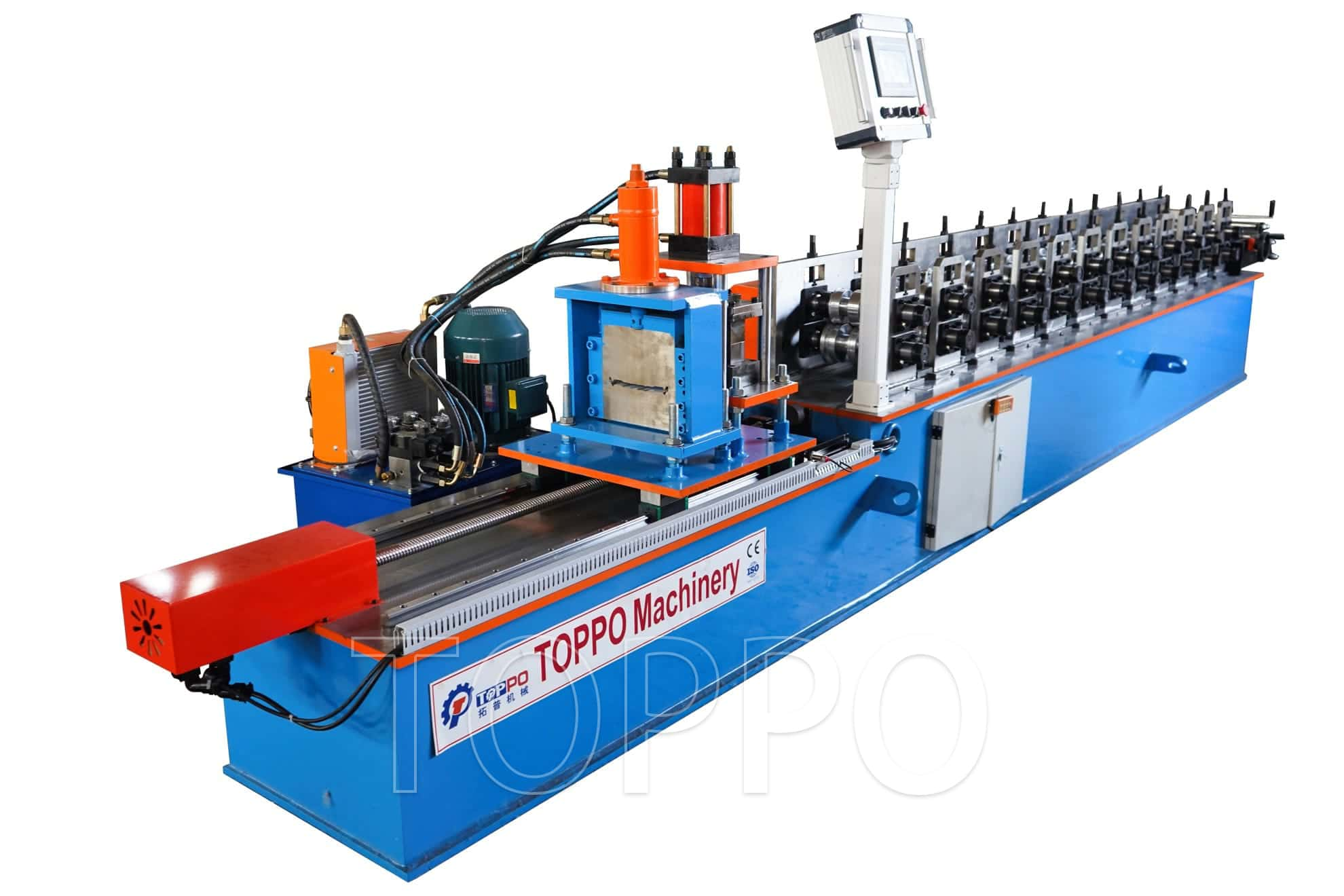
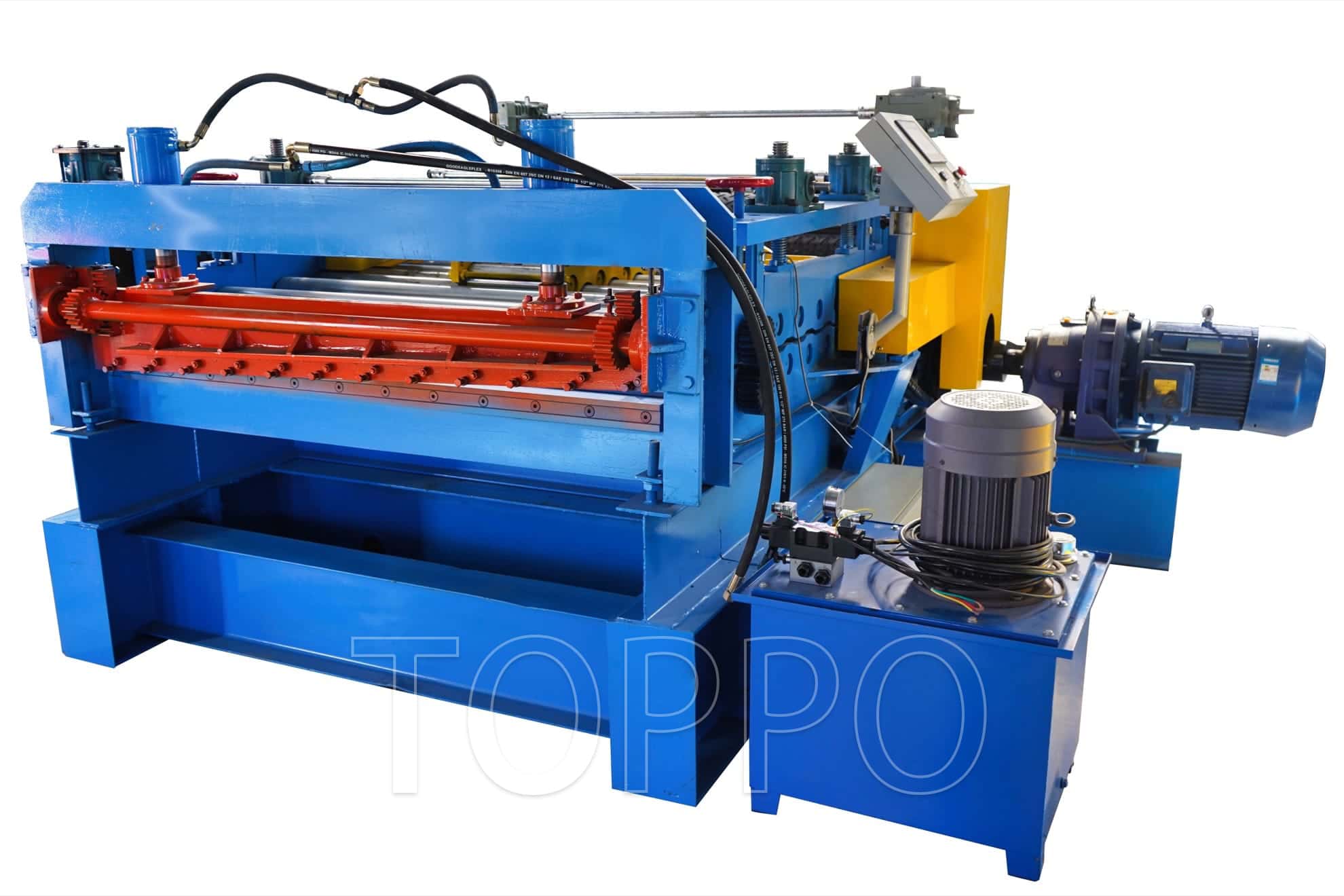
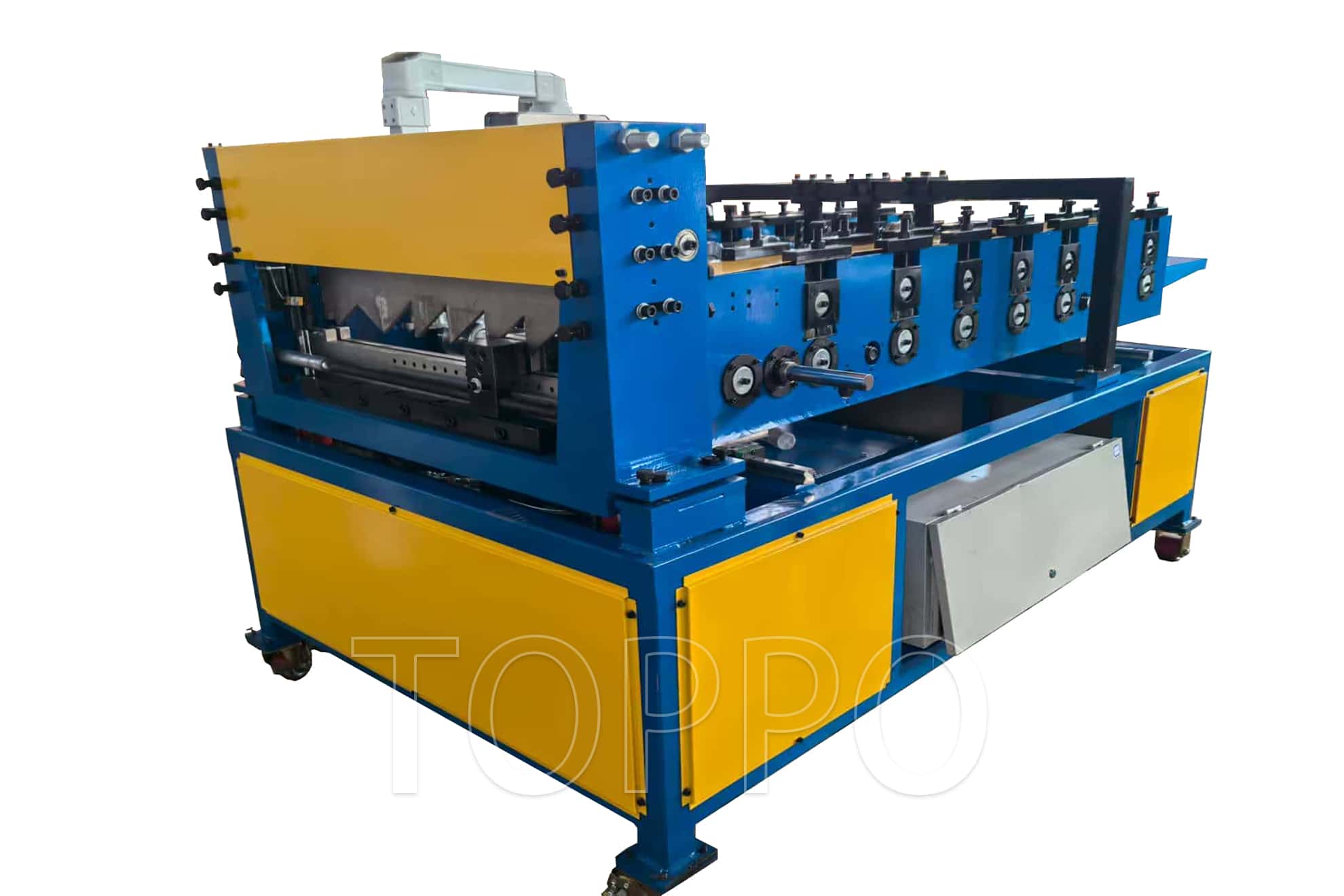
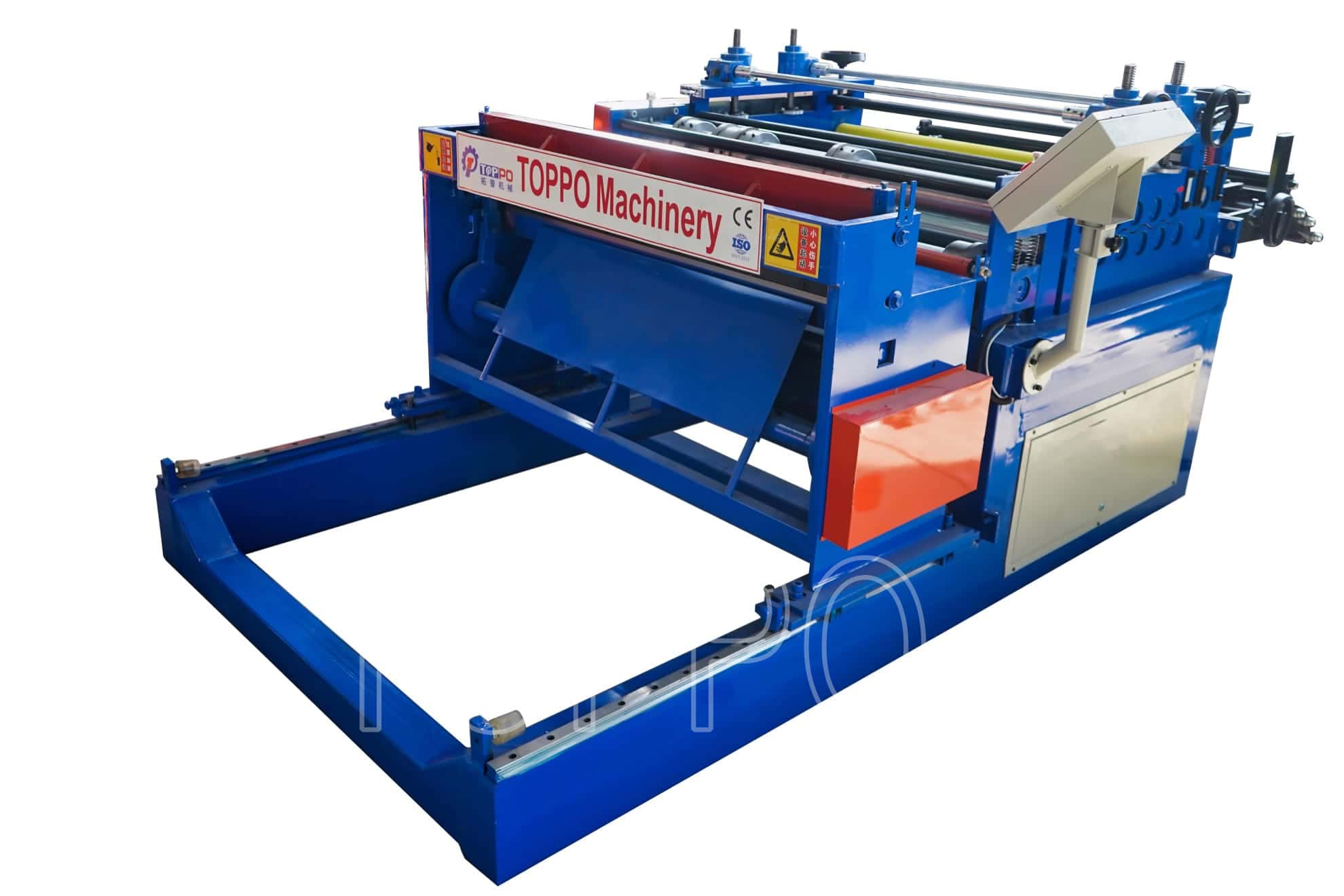
For roofing sheet manufacturers, cut quality is more than a detail—it's a contract-winning factor. Choosing the best blade material for your Heavy-Duty 850 Roof And Wall panel sheet corrugated roof roll forming machine can mean the difference between flawless panels and costly rework.
1. Why Blade Material Drives Cutting Results
The blade in a roof panel making machine faces thousands of cycles, tough coatings, and varying thickness. Using the right alloy—such as carbide or HSS—can preserve sharpness, reduce edge defects, and ensure exact sheet length and squareness. Inconsistent cuts often trace back to improper blade choice or delayed replacement on the corrugated roll forming machine.
2. Stepwise Blade Material Selection
- Match Blade to Sheet Material: Identify if your batches are mostly galvanized, painted, or harder alloy steels—each demands specific blade hardness and geometry.
- Test for Burr and Edge Finish: After installing a new blade on the roof panel making machine, run test cuts and inspect for burrs or ragged edges.
- Confirm Mounting and Balance: The blade must fit the corrugated roll forming machine spindle securely; any vibration leads to length errors and poor finish.
- Monitor Life Span: Log every blade change and compare output: carbide typically lasts 2–3 times longer than HSS but costs more upfront.
- Operator Training: Teach operators to diagnose cut problems as soon as they occur and change blades at the first sign of dulling.
3. Pitfalls to Avoid
- Choosing price over quality—cheap blades dull fast and produce rough cuts.
- Reusing worn blades for “less important” batches—leads to downstream complaints.
- Not matching blade hardness to the actual material being cut.
4. Field Story: Upgrades That Pay Off
One Latin American producer switched to carbide blades for stainless jobs and saw warranty claims drop 45%. Another, using general-purpose steel on the roof panel making machine, faced customer complaints and project penalties after uneven cut lengths on a major commercial site.
5. Best Practice Recap
- Always document blade material and change dates in production records.
- Test new blade types on actual product, not just scrap.
- Train all staff to distinguish edge quality issues from machine alignment problems.
- Stock both HSS and carbide blades to adapt to project needs.
Conclusion
For lasting, accurate roofing sheets and a strong market reputation, blade material is never an afterthought. With the right choice—and the Heavy-Duty 850—you build quality into every panel from the first cut to the last.
Tags: Heavy-Duty 850 Roof And Wall panel sheet corrugated roof roll forming machine, roof panel making machine, corrugated roll forming machine, blade material, cutting precision, cut finish, burr, HSS blade, carbide blade, change log, warranty, operator training, edge quality, project penalty, spindle, mounting, vibration, commercial site, alloy steel, galvanized sheet, painted sheet, squareness, contract, staff training, cost, field story, best practice, replacement, production record, product test, machine alignment, steel job, sharpness, supplier, accuracy, reputation, market, test cut, sheet length, panel, defect, warranty claim, downstream, commercial batch.
READ MORE: